
ADHD: Exploring the Epigenetic Influences

Welcome to Mind Care Guide, a space dedicated to understanding and nurturing your mental well-being.
Ever wondered if ADHD is more than just genetics? Delve into the fascinating world of "ADHD epigenetic influences explained" and discover how environmental factors can shape the expression of ADHD. Your journey to deeper understanding and effective strategies starts now. What if the key to managing ADHD lies within the intricate dance between genes and environment?
ADHD: Exploring the Epigenetic Influences
- Introduction to ADHD and Epigenetics: A Mind Care Guide Perspective
- The Science Behind Epigenetic Mechanisms in ADHD
- Environmental Factors and ADHD: The Epigenetic Link
- Specific Genes and ADHD: Investigating Epigenetic Marks
- How Epigenetics Contributes to ADHD Heterogeneity
- The Future of ADHD Research: Epigenetic Therapies and Interventions
- Conclusion: The Power of Epigenetics in Understanding and Addressing ADHD
-
Frequently Asked Questions
- What are epigenetic influences in the context of ADHD?
- How do epigenetic mechanisms differ from genetic mutations in ADHD?
- What environmental factors are believed to play a role in ADHD epigenetics?
- Can epigenetic changes in ADHD be inherited?
- How might understanding ADHD epigenetics improve treatment strategies?
- Final Reflection: Unraveling the Epigenetic Code of ADHD
- Unlock Your Brain's Potential: Understanding ADHD's Epigenetic Roots
Introduction to ADHD and Epigenetics: A Mind Care Guide Perspective
Attention-Deficit/Hyperactivity Disorder (ADHD) is a complex neurodevelopmental condition affecting millions worldwide, characterized by persistent patterns of inattention and/or hyperactivity-impulsivity that interfere with functioning or development. While genetics undeniably play a significant role, accounting for an estimated 70-80% of the risk, they don't tell the whole story. Identical twins, who share 100% of their DNA, don't always both have ADHD, pointing to the crucial influence of non-genetic factors. This is where the fascinating field of epigenetics offers profound insights into how environmental experiences can interact with our genetic blueprint.
Understanding ADHD requires looking beyond the DNA sequence itself to appreciate the intricate regulatory mechanisms that control gene activity. Epigenetics provides a framework for exploring how external factors – from prenatal exposures to life experiences – can leave lasting marks on our genes, influencing their expression without altering the underlying genetic code. This perspective is particularly relevant for conditions like ADHD, which involve complex interactions between multiple genes and diverse environmental influences throughout development. This exploration will delve into how ADHD epigenetic influences explained can shed light on the condition's origins and variability.
Understanding ADHD: Core Symptoms and Diagnostic Criteria
ADHD is typically diagnosed in childhood but often persists into adulthood, presenting a wide spectrum of challenges. The core symptoms fall into two main categories: inattention and hyperactivity-impulsivity. Inattention symptoms might include difficulty sustaining attention in tasks, making careless mistakes, appearing not to listen, struggling with organization, and being easily distracted. Hyperactivity symptoms often manifest as fidgeting, restlessness, excessive talking, and difficulty engaging in quiet activities, while impulsivity can involve blurting out answers, interrupting others, and difficulty waiting one's turn.
For a diagnosis, these symptoms must be present before age 12 and significantly interfere with functioning in at least two settings, such as school, work, home, or social situations. The Diagnostic and Statistical Manual of Mental Disorders (DSM-5) outlines specific criteria, requiring a certain number of symptoms from each category depending on the individual's age. It's important to note that ADHD is not a single entity but rather a heterogeneous condition, meaning it presents differently in different people, with varying symptom profiles and severity, a complexity that epigenetic studies are helping to unravel.
What is Epigenetics? The Role of Genes and Environment in Mental Health
Epigenetics refers to heritable changes in gene expression that occur without alterations to the underlying DNA sequence. Think of it as a layer of instructions on top of the DNA, telling genes when and where to be turned on or off. These "epigenetic marks" are influenced by a multitude of factors, including diet, stress, exposure to toxins, and social interactions. Unlike genetic mutations, which are permanent changes to the DNA sequence, epigenetic modifications can be dynamic and, in some cases, potentially reversible.
In the context of mental health, epigenetics provides a critical link between our genes and our experiences. Our environment doesn't just influence our behavior; it can also physically alter the way our genes function by adding or removing these epigenetic marks. These changes can impact brain development, neuronal function, and the regulation of stress response systems, all of which are implicated in conditions like depression, anxiety, schizophrenia, and, importantly, ADHD. Exploring how the environment leaves these marks helps explain how predispositions might be triggered or modified.
The Intersection: ADHD Epigenetic Influences Explained
The intersection of ADHD and epigenetics highlights how the interplay between an individual's genetic vulnerability and their environmental exposures shapes neurodevelopmental trajectories. While specific genes associated with dopamine and serotonin pathways (like DRD4 and SLC6A4) are consistently linked to ADHD risk, their activity is not solely determined by the DNA sequence itself. Epigenetic modifications, such as DNA methylation or histone alterations on or near these genes, can significantly impact how much protein is produced or when and where the gene is active.
For instance, a study might find that individuals exposed to prenatal stress have different methylation patterns on genes critical for brain development compared to those without such exposure. These altered patterns could then influence the expression of these genes, potentially contributing to the neurobiological underpinnings of ADHD symptoms later in life. Thus, the ADHD epigenetic influences explained through research provide a more nuanced understanding of causality, moving beyond a simple genetic determinism to incorporate the powerful role of lived experience in shaping gene function and ultimately, brain health.
The Science Behind Epigenetic Mechanisms in ADHD
Understanding how epigenetics impacts ADHD requires a look at the specific molecular mechanisms involved. These mechanisms act as control switches for gene expression, determining whether a gene is 'on' (actively producing protein) or 'off' (silenced). The primary epigenetic mechanisms studied in relation to neurodevelopmental disorders like ADHD include DNA methylation, histone modification, and the role of non-coding RNAs. Each of these processes can be influenced by environmental factors and can, in turn, affect brain structure and function.
Research in this area often involves comparing epigenetic profiles (the pattern of epigenetic marks across the genome) in individuals with and without ADHD, or in those exposed to specific environmental risk factors versus those who are not. These studies, often conducted on blood or brain tissue samples, aim to identify specific genes or regions of the genome where epigenetic patterns differ, providing clues about which biological pathways might be dysregulated in ADHD. The complexity lies in distinguishing cause from effect and understanding how these marks accumulate over time.
DNA Methylation and ADHD Risk: Investigating Gene Expression
DNA methylation is one of the most well-studied epigenetic mechanisms. It involves the addition of a methyl group (CH₃) to a cytosine base, usually when it is followed by a guanine base (CpG site). When methylation occurs in a gene's promoter region (the area that controls transcription), it typically acts to repress gene expression, essentially turning the gene off. Conversely, demethylation can allow the gene to be expressed. Variations in DNA methylation patterns have been linked to ADHD risk and symptom severity in various studies.
For example, research has investigated methylation patterns in candidate genes known to be involved in dopamine signaling or neurodevelopment. Some studies have reported differential methylation in genes like DRD4 or DAT1 (involved in dopamine transport) in individuals with ADHD compared to controls.
While findings can vary across studies due to factors like sample size, tissue type (e.g., blood vs. saliva vs. brain), and ethnic background, the consistent theme is that altered methylation on genes relevant to brain function appears to be associated with increased ADHD susceptibility or specific symptom profiles. This suggests that the ADHD epigenetic influences explained through methylation patterns are a key area of investigation.
Histone Modification and ADHD: Unraveling the Complexities
Histones are proteins around which DNA is wrapped, forming a structure called chromatin. The way DNA is packed around histones influences gene accessibility – tightly packed chromatin typically silences genes, while loosely packed chromatin allows genes to be transcribed. Histone modifications, such as acetylation, methylation, phosphorylation, or ubiquitination, can alter the structure of chromatin, thereby affecting gene expression. These modifications are carried out by specific enzymes and can be influenced by environmental signals.
Studies exploring histone modifications in ADHD are often more challenging than DNA methylation studies, particularly in living humans, as they often require tissue samples not easily accessible. However, research in animal models of ADHD or post-mortem brain tissue has provided insights. For instance, alterations in histone acetylation or methylation patterns have been observed in brain regions implicated in ADHD, such as the prefrontal cortex and striatum. These changes can affect the expression of genes involved in synaptic plasticity, neuronal connectivity, and neurotransmitter regulation, potentially contributing to the neurobiological basis of the disorder.
Non-coding RNAs and ADHD: A Novel Epigenetic Perspective
Non-coding RNAs (ncRNAs) are RNA molecules that are transcribed from DNA but are not translated into proteins. Despite not coding for proteins, ncRNAs play crucial regulatory roles in the cell, including influencing gene expression through epigenetic mechanisms. Two major classes of ncRNAs are microRNAs (miRNAs) and long non-coding RNAs (lncRNAs). These molecules can interact with DNA, histones, or messenger RNA (mRNA) to either promote or repress gene activity.
Emerging research suggests that ncRNAs may play a role in the epigenetic regulation of genes relevant to ADHD. For example, specific miRNAs have been found to be differentially expressed in individuals with ADHD and are predicted to target mRNAs of genes involved in neurodevelopment or neurotransmitter pathways. Similarly, lncRNAs are being investigated for their potential to regulate chromatin structure or influence the activity of enzymes that deposit epigenetic marks. This area represents a frontier in understanding the ADHD epigenetic influences explained by these complex regulatory molecules.
Environmental Factors and ADHD: The Epigenetic Link

Environmental factors are not just triggers for pre-existing genetic vulnerabilities; they can actively mold the epigenetic landscape, thereby influencing gene expression and contributing to the development of conditions like ADHD. The timing of exposure is often critical, with prenatal and early childhood periods being particularly sensitive windows for epigenetic programming due to rapid brain development. Understanding these links is crucial for identifying potential risk factors and exploring preventative strategies.
A wide range of environmental exposures have been investigated for their potential epigenetic impact related to ADHD. These include exposure to toxins during pregnancy, early life stress and trauma, and even nutritional deficiencies or excesses. While correlation does not equal causation, studies are increasingly providing biological plausibility for how these external factors can leave lasting marks on the genome, ultimately affecting brain function and behavior consistent with ADHD symptoms.
Prenatal Exposure to Toxins and ADHD: An Epigenetic Explanation
Exposure to certain toxins during pregnancy is a well-established risk factor for adverse neurodevelopmental outcomes, including an increased risk of ADHD. Substances like maternal smoking, alcohol consumption, lead, and certain pesticides have been linked to altered DNA methylation patterns in newborns and children. For instance, studies have shown differential methylation in genes related to brain development and neurotransmitter systems in infants whose mothers smoked during pregnancy.
One study identified specific methylation changes in the AHRR gene (related to nicotine metabolism) and other genes in umbilical cord blood associated with prenatal smoke exposure, and some of these changes persisted into childhood and were correlated with behavioral outcomes. Similarly, exposure to lead, a known neurotoxin, has been linked to altered methylation of genes involved in neuronal connectivity. These findings underscore how toxic exposures during critical developmental periods can induce epigenetic modifications that may contribute to the neurobiological basis of ADHD, providing a compelling example of ADHD epigenetic influences explained by environmental insults.
Childhood Trauma and ADHD: The Role of Epigenetic Modifications
Adverse childhood experiences (ACEs), including trauma, abuse, and neglect, are strongly associated with an increased risk of developing ADHD and other mental health conditions. The stress response system, particularly the hypothalamic-pituitary-adrenal (HPA) axis, is highly sensitive to early life stress. Epigenetic modifications, particularly on genes involved in stress regulation like the glucocorticoid receptor gene ( NR3C1), are thought to mediate the long-term effects of such experiences.
Research has demonstrated that early life stress can lead to persistent changes in methylation patterns on stress-related genes in both animal models and humans. For example, studies comparing individuals exposed to childhood trauma to those who were not have found differential methylation in NR3C1 and other genes, which can influence stress reactivity and brain development. These epigenetic alterations can impact emotional regulation, executive function, and attention networks, aligning with the symptom profile of ADHD. This highlights how the ADHD epigenetic influences explained by early trauma can have profound and lasting effects.
Nutrition and ADHD: Exploring the Epigenetic Impact of Diet
Dietary factors, particularly during critical developmental periods, can also influence the epigenetic landscape. Nutrients like folate, B vitamins, and omega-3 fatty acids are essential for DNA methylation and histone modification processes. Deficiencies or imbalances in these nutrients during pregnancy or early childhood could potentially disrupt normal epigenetic programming relevant to brain development.
While research specifically on the epigenetic link between diet and ADHD is still emerging, studies in related areas provide clues. For instance, maternal folate deficiency has been linked to altered methylation patterns in offspring and increased risk for certain neurodevelopmental issues. Similarly, omega-3 fatty acids are known to influence membrane fluidity and signaling pathways critical for brain function, and there is some evidence they may also impact epigenetic mechanisms. Future research is needed to specifically elucidate how dietary patterns and nutrient availability contribute to the ADHD epigenetic influences explained through specific molecular changes.
Specific Genes and ADHD: Investigating Epigenetic Marks
While the field of ADHD genetics has identified numerous candidate genes potentially involved in the disorder, the focus is increasingly shifting to how the expression of these genes is regulated, particularly through epigenetic mechanisms. Rather than just identifying genetic variants (like SNPs), researchers are examining the epigenetic marks (methylation, histone modifications) located on or near these genes, which can vary depending on environmental exposures and developmental timing.
Investigating the epigenetic state of specific genes known to play roles in neurotransmission, neurodevelopment, and synaptic function provides direct insights into potential molecular pathways affected in ADHD. Genes involved in dopamine and serotonin signaling are particularly interesting targets, given their established roles in attention, motivation, and impulse control – core areas affected in ADHD.
DRD4 Gene and ADHD: Epigenetic Regulation and Dopamine Signaling
The DRD4 gene codes for the dopamine D4 receptor, a key component in dopamine signaling pathways that are heavily implicated in the neurobiology of ADHD. Certain variants of the DRD4 gene, particularly the 7-repeat allele, have been consistently associated with an increased risk of ADHD. However, the presence of a genetic variant doesn't guarantee the development of the disorder, suggesting that regulatory mechanisms like epigenetics play a role in determining its impact.
Research is investigating whether epigenetic modifications, such as DNA methylation, near the DRD4 gene can influence its expression levels. Differential methylation in the promoter region of DRD4 could potentially alter the number of D4 receptors produced, impacting dopamine signaling efficiency. Studies exploring this link are complex, often showing associations between specific methylation patterns, DRD4 variants, environmental exposures (like prenatal smoking), and ADHD symptoms. This work is crucial for understanding the subtle ways ADHD epigenetic influences explained through specific gene regulation contribute to the disorder.
SLC6A4 Gene and ADHD: Serotonin Transporter and Epigenetic Modifications
The SLC6A4 gene encodes the serotonin transporter (SERT), which is responsible for reuptaking serotonin from the synaptic cleft. Serotonin is another neurotransmitter involved in mood, behavior, and potentially attention and impulsivity. Genetic variations in SLC6A4, particularly a functional polymorphism in its promoter region (5-HTTLPR), have been linked to various psychiatric conditions, including anxiety, depression, and sometimes ADHD, although the association with ADHD is less consistent than with dopamine genes.
Similar to DRD4, epigenetic modifications on the SLC6A4 gene, particularly DNA methylation in the promoter region, are being studied for their potential role in ADHD. Changes in methylation could affect SERT expression levels, altering serotonin signaling. Research suggests that environmental factors, such as stress or early life adversity, can induce epigenetic changes in SLC6A4, potentially contributing to altered serotonin system function and associated behavioral traits relevant to ADHD. This line of inquiry further clarifies the ADHD epigenetic influences explained by the interaction of genes and environment.
Identifying Other Candidate Genes for ADHD Epigenetic Studies
Beyond the well-established dopamine and serotonin pathways, numerous other genes involved in neurodevelopment, synaptic function, and neuronal signaling are considered candidates for epigenetic studies in ADHD. These include genes involved in:
- Synaptic Plasticity: Genes critical for forming and modifying connections between neurons.
- Neuronal Migration and Differentiation: Genes guiding the development and placement of neurons in the brain.
- Neurotransmitter Synthesis and Metabolism: Genes involved in producing or breaking down neurotransmitters.
- Stress Response: Genes regulating the HPA axis and stress hormones.
Studies employing genome-wide epigenetic approaches, such as EWAS (Epigenome-Wide Association Studies), are scanning the entire genome to identify regions or specific genes with differential methylation or other epigenetic marks associated with ADHD. While initial findings require replication, these studies are beginning to identify novel candidate genes and pathways where epigenetic dysregulation might play a role, expanding our understanding of the complex ADHD epigenetic influences explained across the genome.
How Epigenetics Contributes to ADHD Heterogeneity
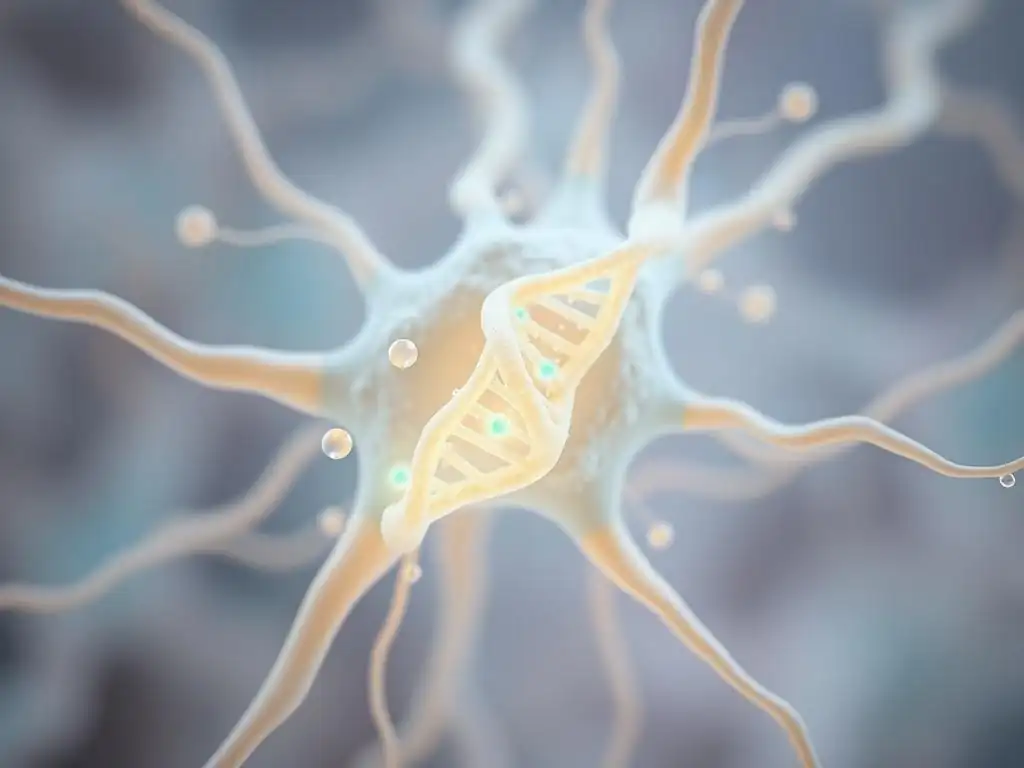
One of the most striking features of ADHD is its heterogeneity – the wide variation in symptom presentation, severity, and co-occurring conditions among individuals. While genetic variations contribute to this diversity, epigenetics offers a powerful framework for understanding how environmental exposures can interact with these genetic predispositions to produce unique neurobiological profiles and, consequently, varied clinical presentations.
Epigenetic modifications can be influenced by the timing, duration, and type of environmental exposure, leading to distinct epigenetic signatures in different individuals. These unique profiles can affect the expression of genes in specific brain regions and developmental stages, potentially explaining why one person with a genetic predisposition might develop predominantly inattentive symptoms, while another with a similar genetic background might exhibit primarily hyperactive-impulsive traits.
Gene-Environment Interactions and ADHD Subtypes: The Epigenetic Factor
Gene-environment interactions (GxE) are critical for understanding complex conditions like ADHD. This concept posits that the effect of a genetic variant on a trait depends on the environment, or conversely, the effect of an environmental factor depends on the genetic background. Epigenetics provides a molecular mechanism for how these interactions occur – environmental factors can induce epigenetic changes that modify the expression of specific genes, and the susceptibility to these epigenetic changes might itself be influenced by an individual's genetic makeup.
For example, an individual might have a genetic variant in a dopamine gene that confers a mild risk for ADHD. If that individual is exposed to a specific environmental stressor during a critical developmental period, this stressor might induce epigenetic modifications on that gene, significantly increasing its expression or altering its function, leading to a higher likelihood or greater severity of ADHD symptoms.
Different combinations of genetic variants and environmental exposures, mediated by distinct epigenetic changes, could contribute to the emergence of different ADHD subtypes (predominantly inattentive, predominantly hyperactive-impulsive, combined type) or the presence of co-occurring conditions like anxiety or conduct disorder. This illustrates how the ADHD epigenetic influences explained through GxE interactions contribute to clinical diversity.
Understanding Individual Differences in ADHD Through Epigenetic Profiling
Epigenetic profiling – analyzing the pattern of epigenetic marks across an individual's genome or in specific tissues – holds promise for helping to understand the biological basis of individual differences in ADHD. By examining the unique epigenetic signature of a person, researchers may be able to gain insights into their specific environmental exposure history and how it has interacted with their genetic background to shape their neurodevelopment.
Comparing the epigenetic profiles of individuals with different ADHD symptom constellations or response patterns to treatment could reveal specific epigenetic markers associated with these differences. While still largely a research tool, the hope is that in the future, epigenetic profiling might contribute to more personalized approaches to understanding and potentially managing ADHD, providing a deeper layer of the ADHD epigenetic influences explained at the individual level.
Epigenetic Clocks and ADHD: Exploring Developmental Trajectories
Epigenetic clocks are algorithms that estimate biological age based on the methylation patterns at specific CpG sites across the genome. These clocks can sometimes reveal discrepancies between chronological age and biological age, and deviations have been associated with various health outcomes. More recently, researchers are exploring whether epigenetic clocks or other measures of epigenetic aging or development are altered in neurodevelopmental conditions like ADHD.
Studies are beginning to investigate whether individuals with ADHD show accelerated or altered patterns of epigenetic aging or developmental epigenetic changes compared to typically developing individuals. Understanding how the epigenetic landscape changes over the lifespan in individuals with ADHD could provide insights into the developmental trajectories of the disorder, including why symptoms may change or persist from childhood into adulthood. While this is a nascent field, it represents an exciting avenue for exploring the dynamic nature of the ADHD epigenetic influences explained over time.
The Future of ADHD Research: Epigenetic Therapies and Interventions
The growing understanding of the role of epigenetics in ADHD opens up exciting possibilities for future research and potential interventions. If epigenetic modifications are indeed dynamic and potentially reversible, targeting these mechanisms could offer novel therapeutic strategies or ways to mitigate risk. However, this is a complex area with significant challenges and ethical considerations.
Research is exploring whether pharmacological agents or non-pharmacological interventions, such as lifestyle changes, could modulate epigenetic marks in a way that is beneficial for individuals with ADHD. While still largely theoretical or in early stages of investigation, the potential to influence the biological underpinnings of the disorder through epigenetic mechanisms is a promising frontier.
Potential for Epigenetic Drugs in ADHD Treatment
Epigenetic drugs are compounds that can influence the activity of enzymes that add or remove epigenetic marks (e.g., DNA methyltransferases, histone deacetylases). Several epigenetic drugs are already approved for treating certain types of cancer, where aberrant epigenetic silencing of tumor suppressor genes plays a role. The question is whether similar approaches could be applicable to neurodevelopmental conditions like ADHD.
Targeting epigenetic enzymes in the brain is challenging due to the need for brain-specific delivery and potential off-target effects. However, research is exploring the possibility of developing drugs that could modulate epigenetic marks on specific genes or pathways implicated in ADHD, potentially restoring more typical gene expression patterns. This research is still in its very early stages, primarily in animal models, and significant work is needed to determine safety, efficacy, and specificity. The concept of using epigenetic drugs represents a potential future direction for leveraging the understanding of ADHD epigenetic influences explained by molecular mechanisms.
Lifestyle Interventions and Epigenetic Modulation in ADHD
Unlike pharmacological approaches, lifestyle interventions offer a potentially safer and more accessible way to influence epigenetic marks. Diet, exercise, stress reduction techniques (like mindfulness), and environmental enrichment have all been shown to impact epigenetic patterns in studies, particularly in relation to stress and brain health.
While direct evidence in humans with ADHD is limited, it is plausible that lifestyle interventions known to improve ADHD symptoms (e.g., regular exercise, healthy diet, sleep hygiene) may exert some of their effects, at least in part, through modulating epigenetic mechanisms. For example, exercise has been shown to influence methylation patterns in genes related to brain-derived neurotrophic factor (BDNF), which is important for neuronal health and plasticity. Further research is needed to specifically investigate how these interventions impact the ADHD epigenetic influences explained at the molecular level and whether targeted lifestyle changes could be prescribed based on epigenetic profiles.
Ethical Considerations in ADHD Epigenetic Research
As research into the ADHD epigenetic influences explained by various factors progresses, it raises important ethical considerations. The ability to identify epigenetic markers associated with risk or environmental exposures brings up questions about privacy, potential discrimination (e.g., based on epigenetic profiles), and the responsible communication of risk information.
Furthermore, research into epigenetic therapies requires careful consideration of potential off-target effects, the long-term consequences of altering epigenetic marks, and ensuring equitable access to potential future treatments. It is crucial that researchers, clinicians, and ethicists engage in ongoing dialogue to navigate these complex issues and ensure that epigenetic research and its applications in ADHD are conducted responsibly and ethically, prioritizing the well-being and autonomy of individuals and families affected by the condition.
Conclusion: The Power of Epigenetics in Understanding and Addressing ADHD
The journey into the world of ADHD epigenetic influences explained through scientific inquiry reveals a complex interplay between our genetic inheritance and the environment we experience, particularly during critical developmental periods. Epigenetics offers a vital lens through which to view ADHD not simply as a disorder of fixed genetic destiny, but as a condition shaped by dynamic molecular processes that regulate gene expression without altering the DNA sequence itself.
From DNA methylation and histone modifications to the subtle influence of non-coding RNAs, epigenetic mechanisms provide the molecular bridge connecting environmental factors like prenatal exposures, early trauma, and nutrition to the neurobiological changes observed in ADHD. Understanding these mechanisms is crucial for unraveling the disorder's complexity and appreciating why it presents so differently from person to person.
Summarizing the Key Findings on ADHD Epigenetic Influences
Key findings highlight that individuals with ADHD often exhibit differential epigenetic marks on genes involved in dopamine and serotonin signaling, neurodevelopment, and stress response compared to those without the condition. Environmental factors, particularly those occurring early in life, are strongly associated with these epigenetic alterations. Studies point to specific epigenetic changes linked to prenatal smoke exposure, childhood adversity, and potentially nutritional factors.
Furthermore, epigenetics helps explain the heterogeneity of ADHD, as different gene-environment interactions mediated by unique epigenetic profiles can lead to varied symptom presentations and developmental trajectories. The ADHD epigenetic influences explained through these studies underscore the importance of considering both nature and nurture.
Future Directions for Research and Clinical Applications in Mental Well-being
The future of ADHD research is increasingly integrating epigenetic perspectives. Ongoing and future studies will likely focus on conducting larger-scale epigenome-wide association studies (EWAS) to identify more comprehensive epigenetic signatures associated with ADHD and its subtypes. There is also a strong need for longitudinal studies that track epigenetic changes over time and correlate them with symptom development and response to interventions. Research into how lifestyle factors specifically modulate the epigenome in individuals with ADHD is also a promising avenue.
While epigenetic therapies for ADHD are a distant prospect, the understanding of epigenetic mechanisms could inform the development of more targeted interventions. For example, identifying specific epigenetic markers might help predict who is most likely to benefit from certain behavioral therapies or medications. Ultimately, a deeper understanding of the ADHD epigenetic influences explained by ongoing research has the potential to revolutionize how we diagnose, understand, and potentially intervene in this complex neurodevelopmental condition, contributing significantly to the field of mental well-being.
Empowering Individuals with ADHD Through Knowledge of Epigenetics
For individuals with ADHD and their families, understanding the role of epigenetics can be empowering. It reframes the narrative from one of simple genetic defect to one that acknowledges the powerful, yet sometimes modifiable, influence of environmental interactions on biological pathways. This perspective can help reduce stigma by emphasizing the neurobiological basis of the condition while also highlighting the potential impact of positive environmental and lifestyle factors.
Knowing that experiences and choices can influence gene expression pathways relevant to ADHD provides a framework for understanding why interventions like managing stress, adopting healthy habits, and creating supportive environments are not just coping strategies but may have a tangible impact on brain function over time. While epigenetic science is complex, explaining the core concept of ADHD epigenetic influences in an accessible way can empower individuals to engage more actively in their care journey and advocate for supportive environments that promote well-being.
Frequently Asked Questions
What are epigenetic influences in the context of ADHD?
Epigenetic influences are changes in gene expression that do not involve alterations to the DNA sequence itself. They can impact how genes are turned on or off, potentially contributing to the development of ADHD. These changes can be influenced by environmental factors.
How do epigenetic mechanisms differ from genetic mutations in ADHD?
Unlike genetic mutations which alter the DNA sequence, epigenetic mechanisms only modify gene expression. This means the underlying genetic code remains the same, but the way genes are used changes. These modifications are potentially reversible.
What environmental factors are believed to play a role in ADHD epigenetics?
Several environmental factors are suspected, including prenatal exposure to substances, early childhood stress, and diet. More research is needed to definitively link specific factors to epigenetic changes related to ADHD.
Can epigenetic changes in ADHD be inherited?
Yes, some epigenetic changes can be passed down from parents to children, but this is not always the case. This intergenerational inheritance of epigenetic marks is an active area of research in ADHD.
How might understanding ADHD epigenetics improve treatment strategies?
Understanding the epigenetic influences on ADHD could lead to more targeted therapies. By identifying specific epigenetic marks, researchers may be able to develop interventions that reverse or modify these changes, leading to more effective treatment options.
Final Reflection: Unraveling the Epigenetic Code of ADHD
The exploration of ADHD's epigenetic influences is not merely an academic pursuit; it's a crucial step towards a more nuanced and effective understanding of this complex neurodevelopmental disorder. The implications of environmental factors shaping gene expression are profound, offering a pathway to personalized interventions and potentially preventative strategies that move beyond the limitations of current treatment models.
The journey through the intricate world of epigenetics and its impact on ADHD has been deeply illuminating, highlighting the dynamic interplay between nature and nurture. It underscores the importance of considering an individual's unique environmental history – from prenatal exposure to toxins to early childhood experiences – in understanding their ADHD presentation. This holistic approach challenges the simplistic "nature vs. nurture" debate, revealing a far more intricate reality. The genome is not a blueprint, but a roadmap that allows for many possible routes.
This quote perfectly encapsulates the flexibility and adaptability inherent in the epigenetic landscape, offering hope for future interventions that target specific environmental triggers.
Consider the implications of this research. What steps can you take to create a more supportive environment for yourself or loved ones affected by ADHD? Are there environmental factors you can modify to potentially mitigate some of the challenges associated with the condition? This isn't just about understanding the science; it's about empowering individuals and families to take proactive steps towards a healthier and more fulfilling life. Let the knowledge gained here inspire you to advocate for a more comprehensive and personalized approach to ADHD care, one that acknowledges the powerful influence of epigenetics.
Unlock Your Brain's Potential: Understanding ADHD's Epigenetic Roots
Thanks for exploring the fascinating world of epigenetics and ADHD with us! You've gained valuable insights into how environmental factors impact this complex condition. Now, let's take that knowledge and move forward.
- Dive deeper: Research further into the specific epigenetic markers mentioned in the article and how they relate to your own experiences or those of loved ones. Consider exploring reputable journals and studies to learn more.
- Share your thoughts: Join the conversation in the comments section below! What surprised you most about the role of epigenetics in ADHD? Let's learn from each other.
- Challenge the narrative: Consider how this understanding of epigenetics can influence the way you approach ADHD treatment and support strategies – for yourself or others. Are there new avenues you'd explore?
Ready to reshape your understanding of ADHD? What new approaches will you explore now that you've discovered the power of epigenetics?