
Proactive Parenting: Tips for Preventing Anxiety in Young Children


Welcome to Mind Care Guide, a sanctuary dedicated to your mental well-being.
Are you worried about your child's increasing anxieties? You're not alone. Navigating the complexities of childhood can be tough, and we understand your desire to provide the most supportive environment possible. Our insights into preventing anxiety in young kids offer practical strategies and empathetic guidance to help you empower your child with resilience. Let's explore how, together, we can build a foundation of emotional strength.
Proactive Parenting: Tips for Preventing Anxiety in Young Children
- Understanding Childhood Anxiety: A Foundation for Prevention
- Key Strategies for Preventing Anxiety in Young Kids
- Practical Tips for Proactive Anxiety Prevention
- Addressing Specific Anxiety Triggers Proactively
- When to Seek Professional Help for Childhood Anxiety
- Resources for Parents: Preventing and Managing Childhood Anxiety
-
Frequently Asked Questions
- How early can anxiety manifest in children, and what are some common early warning signs?
- What role does parental modeling play in a child's anxiety levels?
- What are some practical strategies parents can use to help their children build resilience and cope with stress?
- How can parents differentiate between normal childhood worries and a more serious anxiety disorder?
- When should parents seek professional help for their child's anxiety, and what types of therapies are typically recommended?
- Final Reflection: Cultivating Calm in a Chaotic World
- Unlock Your Child's Confidence: Start Proactive Parenting Today!
Understanding Childhood Anxiety: A Foundation for Prevention
What is Anxiety in Young Children? Recognizing the Signs
Anxiety in young children isn't just shyness or a fleeting worry; it's a persistent feeling of fear or unease that can interfere with their daily lives. It might manifest differently than in adults, often through physical symptoms like stomachaches or headaches, or behavioral changes such as clinging, irritability, or difficulty sleeping.
While some level of worry is normal as children navigate new experiences, persistent or excessive anxiety that impacts their ability to play, learn, or interact with others is a key indicator. For example, a child who consistently refuses to go to preschool, even after several weeks, due to intense fear of separation, might be experiencing significant anxiety.
Recognizing these signs early is crucial for preventing anxiety in young kids from escalating. Unlike older children who might verbalize their worries, toddlers and preschoolers often express distress through actions. They might hide behind a parent, cry excessively when faced with unfamiliar situations, or have temper tantrums related to transitions.
Data suggests that approximately 7% of children aged 3-17 have a diagnosed anxiety problem, highlighting the prevalence and the need for early intervention and prevention strategies. Paying close attention to a child's baseline behavior and noticing significant shifts can help parents identify potential anxiety issues before they become deeply ingrained patterns.
The Roots of Anxiety: Common Causes in Early Childhood
Anxiety in early childhood can stem from a complex interplay of factors, including genetics, temperament, and environmental influences. Some children are born with a more sensitive temperament, making them more prone to react intensely to stimuli and more likely to develop anxiety. Family history also plays a role; research indicates that children with a parent or close relative with an anxiety disorder are several times more likely to develop one themselves. This doesn't mean anxiety is inevitable, but it highlights a potential predisposition that parents should be aware of when focusing on preventing anxiety in young kids.
Environmental factors significantly shape a child's anxiety levels. Stressful life events, even those that seem minor to an adult, can be major triggers for young children. Examples include starting a new school, the arrival of a new sibling, moving to a new house, or parental conflict.
Furthermore, parental anxiety or overprotective parenting styles can inadvertently contribute to a child's anxiety by limiting their opportunities to develop independence and coping skills. A child who isn't allowed to navigate minor challenges may learn to perceive the world as overly dangerous and feel ill-equipped to handle uncertainty, making preventing anxiety a proactive effort involving the entire family system.
Why Proactive Parenting Matters in Preventing Anxiety
Proactive parenting is about intentionally creating an environment and equipping children with skills that build resilience and reduce the likelihood of developing significant anxiety. Instead of reacting to signs of distress, proactive parents focus on building a strong foundation of security, emotional regulation, and problem-solving abilities from the earliest years.
This approach acknowledges that while some children may have a predisposition to anxiety, early experiences and learned behaviors play a critical role in how that predisposition manifests. For instance, teaching a child effective ways to cope with minor frustrations starting at age three can prevent them from developing overwhelming anxiety when facing bigger challenges later on.
Focusing on preventing anxiety in young kids through proactive strategies can significantly impact their long-term mental health. Early childhood is a critical period for brain development, and the patterns of thought and behavior established during these years can have lasting effects. By fostering a sense of safety, predictability, and competence, parents help children develop a healthy outlook and the confidence to face challenges. This isn't about shielding children from all difficulties, but rather providing them with the tools and support needed to navigate them successfully, thereby building a robust defense against anxiety.
Key Strategies for Preventing Anxiety in Young Kids
Creating a Secure and Supportive Home Environment
A secure and supportive home environment is the bedrock for preventing anxiety in young children. It's a place where a child feels safe, loved, and understood, allowing them to explore the world with confidence, knowing they have a reliable base to return to. This security isn't just about physical safety; it's deeply emotional. It involves consistent caregiving, predictable responses from parents, and a general atmosphere of warmth and acceptance. Children thrive on feeling connected and valued, and this emotional security acts as a buffer against the uncertainties of life that can often trigger anxiety.
Building this environment requires conscious effort. It means being present and engaged with your child, responding to their needs in a timely and sensitive manner, and letting them know their feelings are valid. For example, spending dedicated playtime each day, even if just 15-20 minutes, where the child leads the activity, strengthens the bond and enhances their sense of security. This consistent positive interaction is a powerful tool in preventing anxiety in young kids by reinforcing their sense of worth and belonging.
The Importance of Consistent Routines and Predictability
Consistent routines provide young children with a sense of structure and predictability, which are essential for feeling safe and in control – two factors that significantly reduce anxiety. Knowing what to expect throughout the day, from meal times to bedtime, minimizes uncertainty and the potential for worry. For a young child, an unpredictable schedule can feel chaotic and overwhelming, leading to increased stress and anxiety. A simple routine, like breakfast, playtime, quiet time, lunch, nap, snack, outdoor play, dinner, bath, and bedtime story, creates a rhythm that children can rely on.
Implementing consistent routines isn't about rigidity, but about creating a predictable flow that children can internalize. This predictability helps them anticipate transitions and feel more comfortable navigating their day. Studies suggest that children with consistent routines tend to have better emotional regulation skills. For instance, establishing a calm and predictable bedtime routine can significantly reduce bedtime anxiety, a common worry in young children. This focus on daily structure is a fundamental step in preventing anxiety in young kids by fostering a sense of order in their world.
Fostering Open Communication and Emotional Expression
Encouraging children to express their feelings openly is vital for preventing anxiety. When children feel safe to talk about their worries, fears, and frustrations, they are less likely to internalize them. Parents can foster this by actively listening without judgment, validating their child's emotions, and helping them name what they are feeling. Simple phrases like, "It sounds like you're feeling frustrated because the blocks won't stack," or "I see you're feeling a little scared about the dark," teach children that their emotions are acceptable and manageable.
Creating a language around emotions empowers children. Parents can use books, games, and everyday situations to introduce feelings vocabulary. For example, reading a story where a character feels nervous about trying something new and discussing how that character coped can provide valuable insights and coping strategies. This open dialogue about feelings from an early age builds emotional intelligence and provides children with the tools to articulate their internal experiences, making it easier for them to process worries rather than letting them fester into anxiety. This practice is incredibly important for preventing anxiety in young kids.
Teaching Healthy Coping Mechanisms for Stress and Worry
Teaching young children healthy ways to cope with stress and worry is a crucial part of preventing anxiety. While parents can create a supportive environment, children will inevitably face situations that cause worry. Equipping them with simple, age-appropriate tools helps them manage these feelings constructively. This isn't about eliminating stress, but about building resilience and the confidence to handle uncomfortable emotions. Strategies can include simple breathing exercises, using comfort objects, or engaging in calming activities like drawing or listening to quiet music.
Introducing coping skills early makes them feel natural and accessible when needed. For instance, practicing "bunny breaths" (short sniffs like a bunny, followed by a long exhale) when calm makes it easier for a child to use this technique when feeling overwhelmed. Teaching children that it's okay to feel worried but important to have strategies to manage that worry is a powerful lesson. This proactive approach to emotional regulation is a cornerstone of preventing anxiety in young kids.
Introducing Simple Relaxation Techniques for Children
Relaxation techniques can be incredibly beneficial for young children learning to manage stress. These techniques help calm the nervous system and provide a sense of peace. Simple methods like deep breathing ("balloon breathing" where they imagine their belly is a balloon inflating and deflating) or progressive muscle relaxation (tensing and then releasing different muscle groups, framed as "making spaghetti arms" or "rock legs") can be introduced through playful activities. Guided imagery, such as imagining a safe, happy place, can also be effective.
Practicing these techniques regularly, even when the child isn't anxious, helps them become familiar and easy to access during stressful moments. For example, incorporating a few minutes of "quiet time" with deep breathing before bed can become a calming ritual. Teaching these skills empowers children by giving them concrete actions they can take when they feel worried or overwhelmed, significantly aiding in preventing anxiety in young kids.
Encouraging Problem-Solving Skills and Resilience
Helping children develop problem-solving skills empowers them to face challenges with confidence rather than fear. When a child encounters a difficulty, instead of immediately solving it for them, parents can guide them through thinking about possible solutions. This could be as simple as asking, "What could you do if your tower keeps falling down?" and brainstorming ideas together. This process teaches them that challenges are solvable and that they are capable of finding solutions.
Building resilience goes hand-in-hand with problem-solving. Resilience is the ability to bounce back from setbacks. Parents can foster this by allowing children to experience minor failures and helping them learn from them. For instance, if a child is upset because they didn't win a game, acknowledge their disappointment but then focus on the effort they put in or what they learned. This teaches them that not succeeding immediately is okay and that perseverance is valuable, which is crucial for preventing anxiety in young kids who might otherwise become overly fearful of making mistakes.
Building Confidence and Self-Esteem in Young Children
A strong sense of confidence and self-esteem acts as a protective factor against anxiety. When children believe in their abilities and feel good about themselves, they are more willing to take on new challenges and less likely to be crippled by fear of failure or judgment. Confidence isn't about being the best at everything, but about recognizing one's strengths and feeling capable of handling what comes their way. Parents play a vital role in nurturing this inner strength.
Building confidence involves providing opportunities for children to succeed, offering genuine praise, and focusing on their efforts rather than just outcomes. For example, celebrating a child's attempt to tie their shoes, even if they don't get it right, reinforces the value of trying. This focus on effort and capability helps build a robust self-image that is less susceptible to the negative self-talk that often accompanies anxiety, making it a key component in preventing anxiety in young kids.
Promoting Independence and Age-Appropriate Challenges
Allowing children to do things for themselves, even if it takes longer or isn't done perfectly, is essential for building independence and competence. Mastering age-appropriate tasks, like dressing themselves, packing their snack, or helping with simple chores, gives children a sense of accomplishment and control. These small successes build confidence and reduce reliance on adults, which can sometimes fuel anxiety. For example, letting a four-year-old choose their own clothes (within reason) gives them a sense of agency and practice with decision-making.
Offering challenges that are slightly beyond a child's current skill level, with support available, encourages growth and resilience. This could be trying a slightly more difficult puzzle, learning to ride a bike, or joining a new activity. Successfully navigating these challenges, even with some struggle, teaches children that they can overcome difficulties. This process is vital for preventing anxiety in young kids by showing them they are capable and resilient.
Praising Effort and Perseverance, Not Just Achievement
Focusing praise on a child's effort, persistence, and strategies, rather than just on the final outcome or innate ability, fosters a growth mindset. Telling a child, "You worked so hard on that drawing! I love how you kept trying different colors," is more beneficial than simply saying, "You're such a talented artist." This type of praise teaches children that effort is what leads to success and that challenges are opportunities to learn and grow.
When children understand that their effort is valued, they become less afraid of making mistakes or not being perfect. They are more likely to persevere when faced with difficulty, a key trait for preventing anxiety. Research by Carol Dweck and others has shown that praising effort leads children to embrace challenges and be more resilient in the face of setbacks. This focus on the process, not just the result, builds a foundation of intrinsic motivation and reduces the pressure to constantly achieve, which can be a significant source of anxiety.
Practical Tips for Proactive Anxiety Prevention

Modeling Calm and Positive Behavior
Children are keen observers, and they learn a great deal about how to respond to the world by watching their parents. Modeling calm and positive behavior, especially in stressful situations, teaches children how to manage their own reactions. If a parent reacts to minor inconveniences with extreme frustration or worry, a child may learn to do the same. Conversely, demonstrating a calm, problem-solving approach shows children a healthy way to navigate difficulties.
This doesn't mean hiding all negative emotions, but rather showing children how to experience and manage them constructively. For instance, if you are stuck in traffic, instead of expressing intense anger, you might say aloud, "Okay, we're stuck in traffic. That's frustrating, but we can put on some music or play a game while we wait." This models acceptance of the situation and a proactive approach to managing discomfort, which is essential for preventing anxiety in young kids.
Managing Your Own Anxiety: A Parent's Role
A parent's own anxiety can inadvertently impact their child's predisposition to and expression of anxiety. Children can pick up on parental stress and worry, and may internalize these feelings or learn anxious behaviors. Therefore, managing your own anxiety is a critical step in preventing anxiety in young kids. This might involve practicing your own coping strategies, seeking support from other adults, or, if necessary, seeking professional help for yourself.
Prioritizing your own mental well-being allows you to be a more present, calm, and effective parent. When you manage your stress healthily, you not only model good behavior but also create a more relaxed home environment. This self-care is not selfish; it's a fundamental aspect of providing the secure base your child needs to thrive and develop resilience against anxiety.
Using Positive Language and Avoiding Catastrophizing
The language parents use significantly shapes a child's perception of the world. Focusing on positive language and reframing challenges in a constructive way can help children develop a more optimistic outlook. Instead of saying, "Don't touch that, you'll break it!" you might say, "Please be gentle with that, it's fragile." This focuses on the desired behavior rather than instilling fear of making a mistake.
Avoiding catastrophizing – assuming the worst possible outcome – is also vital. If a child trips, the reaction "Oh no, you could have broken your leg!" is far more likely to induce fear than "Oops! You're okay. Let's brush you off." Consistently presenting challenges as manageable and focusing on solutions rather than dwelling on potential disasters helps children develop a less fearful perspective, which is key for preventing anxiety in young kids.
Limiting Exposure to Stressful Situations and Media
While it's impossible and undesirable to shield children from all stress, parents can make conscious choices to limit exposure to situations or media that are overly frightening or overwhelming for their age. Young children process information differently than adults and can be easily frightened by things they don't fully understand. Overexposure to negative news, scary movies, or even intense arguments between adults can significantly increase a child's anxiety levels.
Being mindful of the content children are exposed to, whether it's on television, tablets, or overheard conversations, is an important protective measure. This doesn't mean avoiding all difficult topics, but rather addressing them in an age-appropriate and reassuring manner. This thoughtful approach to environmental stimuli is a practical step in preventing anxiety in young kids.
Age-Appropriate Content and Discussions
Ensuring that the books, shows, and conversations children are exposed to are suitable for their developmental stage is crucial. A news report about a distant natural disaster might be confusing and terrifying for a preschooler. Similarly, watching a movie with intense conflict or scary imagery can trigger nightmares and persistent fears. Parents should preview media and be present to discuss anything that might be confusing or frightening.
When difficult topics do arise, perhaps through school or peer interactions, discussing them in simple, calm, and reassuring terms is essential. Answering questions honestly but without unnecessary detail or frightening language helps children understand the world without feeling overwhelmed by its potential dangers. This careful curation of information is a vital strategy for preventing anxiety in young kids.
Creating a Calm and Unhurried Pace of Life
In today's fast-paced world, it's easy for family life to become overly scheduled and rushed. However, a constant feeling of being hurried and stressed can rub off on children and contribute to their anxiety. Creating moments of calm and allowing for unstructured time gives children space to process their experiences, relax, and simply be. This might mean building buffer time into the schedule, saying no to some activities, or designating certain evenings as "slow nights."
A calm, unhurried home environment provides a sense of peace and stability. It allows for more spontaneous moments of connection and play, which are vital for emotional well-being. Reducing the feeling of constant pressure helps lower overall stress levels for both parents and children, contributing significantly to preventing anxiety in young kids.
Encouraging Physical Activity and Healthy Habits
Physical activity is a powerful tool for managing stress and promoting mental well-being in people of all ages, including young children. Engaging in regular physical activity releases endorphins, which have mood-boosting effects, and helps reduce tension. Simple activities like running, jumping, dancing, or playing at the park can help children burn off excess energy and manage feelings of restlessness or anxiety.
Encouraging children to be active every day, aiming for at least 60 minutes of moderate to vigorous activity, supports both their physical and mental health. This doesn't need to be structured exercise; it can be active playtime, walks, or sports. Making physical activity a fun and regular part of family life is a practical strategy for preventing anxiety in young kids.
The Connection Between Physical and Mental Well-being
There is a strong and well-documented connection between physical health and mental well-being. Ensuring children have a balanced diet, get enough sleep, and are physically active provides the foundation for healthy emotional and cognitive development. Nutritional deficiencies or imbalances, lack of sleep, and sedentary lifestyles can all negatively impact mood and increase susceptibility to anxiety.
Teaching children healthy habits from a young age empowers them to care for their bodies in ways that also support their minds. For example, explaining that eating healthy foods gives them energy to play or that sleep helps their brain rest reinforces the positive link between physical choices and how they feel. This holistic approach is fundamental in preventing anxiety in young kids.
Establishing Healthy Sleep Routines
Adequate and consistent sleep is absolutely crucial for young children's emotional regulation and overall well-being. Sleep deprivation can significantly worsen anxiety symptoms and make children more irritable, less able to cope with stress, and more prone to meltdowns. Young children typically need between 10 and 13 hours of sleep per 24 hours, including naps.
Establishing a consistent bedtime routine and ensuring children get enough sleep is a direct way to support their mental health. This involves a regular bedtime, a calming pre-sleep routine (like a bath, story, and quiet talk), and a dark, quiet sleep environment. Prioritizing sleep is one of the most effective, yet often overlooked, strategies for preventing anxiety in young kids.
Addressing Specific Anxiety Triggers Proactively
Preparing Children for Transitions and Changes
Transitions and changes, no matter how small, can be significant anxiety triggers for young children. Starting a new class, visiting a new place, or even just changing from one activity to another can cause worry because they involve uncertainty. Preparing children for these changes in advance helps them feel more in control and reduces the element of surprise that can fuel anxiety.
This preparation involves talking about the upcoming change in simple terms, explaining what will happen, and addressing any questions or fears they might have. For example, before the first day of school, you might visit the classroom, meet the teacher, and talk about the daily schedule. This proactive approach significantly helps in preventing anxiety in young kids by making the unknown less daunting.
Using Social Stories and Role-Playing
Social stories are short, simple narratives that describe a specific situation, explaining what might happen and how the child can respond. They are particularly useful for preparing children for new or potentially challenging social situations or transitions. A social story about visiting the doctor, for example, could describe arriving at the office, waiting in the room, seeing the doctor, and getting a sticker afterward.
Role-playing allows children to practice how they might handle a new situation in a safe environment. If a child is anxious about meeting new people, you could role-play introductions. If they are worried about ordering food at a restaurant, you can practice taking orders at home. These techniques make the unfamiliar feel more manageable and build confidence, which is effective for preventing anxiety in young kids.
Creating Visual Schedules and Countdown Calendars
Visual schedules, using pictures or simple words, can help young children understand the sequence of events in their day or week. This predictability reduces anxiety by making the flow of time and activities clear. For upcoming transitions or events, a countdown calendar can help children track the time until the event occurs, making it feel less sudden and more anticipated. For example, a calendar with stickers to mark off each day until a grandparent visits can help a child manage excitement and anticipation without excessive worry.
These visual tools provide a concrete representation of time and events, which is very helpful for young children who don't yet have a strong abstract sense of time. They offer a sense of control and predictability, serving as practical aids in preventing anxiety in young kids related to the unknown or future events.
Managing Separation Anxiety with Gradual Exposure
Separation anxiety is a common and normal part of early childhood development, but it can become problematic if it is severe or persists beyond the typical age. Proactive management involves helping children become comfortable with increasing periods of separation from their primary caregivers. This process needs to be gradual and reassuring.
Instead of abrupt departures, which can heighten fear, practicing short, predictable separations helps children learn that you will return. This builds trust and confidence in their ability to be okay on their own. This gentle, systematic approach is key to preventing anxiety in young kids from becoming a full-blown separation anxiety disorder.
Practicing Short Separations and Reunions
Start with very short separations, such as leaving the child with a trusted caregiver in another room for a few minutes while you stay nearby. Gradually increase the duration and distance of these separations. It's crucial to have a calm and consistent goodbye ritual and a warm, happy reunion. Avoid lengthy, tearful goodbyes, which can reinforce the idea that separation is distressing.
These practice separations teach the child that they can tolerate being apart from you and that you always come back. Over time, this builds their confidence and reduces the intensity of their anxiety around separation. This systematic desensitization is a core strategy in preventing anxiety in young kids related to being apart from parents.
Creating a Comfort Object or Ritual
A comfort object, like a special blanket or stuffed animal, can provide a sense of security for a child during times of separation. It acts as a tangible link to home and caregiver. Similarly, establishing a simple goodbye ritual, such as a special wave, a secret handshake, or a phrase like "I love you, I'll be back after snack time," provides predictability and reassurance.
These rituals and objects serve as transitional tools, helping the child feel safe and connected even when the parent is not physically present. They offer a sense of continuity and comfort, significantly easing the distress associated with separation and contributing to preventing anxiety in young kids during these moments.
Helping Children Overcome Fears and Phobias
It's normal for young children to develop fears – of the dark, monsters, certain animals, or loud noises. Most of these fears are temporary developmental stages. However, if a fear is intense, persistent, and significantly interferes with a child's life (e.g., refusing to sleep in their own room, avoiding the park due to fear of dogs), it may be developing into a phobia or contributing to broader anxiety. Helping children gently confront and master their fears is important for preventing anxiety in young kids.
Avoid dismissing or ridiculing a child's fear, as this can make them feel ashamed and less likely to express their feelings. Instead, validate their fear ("I know you feel scared of the dark") while also expressing confidence in their ability to cope ("We can turn on a nightlight, and I'll stay until you're sleepy"). Gradually encouraging small steps towards facing the fear, with lots of support and praise, is key.
Using Gentle Exposure Therapy Techniques
Gentle exposure involves gradually and systematically exposing a child to the source of their fear in a controlled and supportive environment. The goal is to help them learn that the feared object or situation is not actually dangerous and that they can tolerate the associated anxiety until it diminishes. For a child afraid of dogs, this might start with looking at pictures of dogs, then watching dogs from a distance, then being in the same room as a calm dog on a leash, and eventually, perhaps, petting a friendly dog.
This process is done at the child's pace, with opportunities to pause or step back if needed. It's crucial that the child feels safe and supported throughout. This method, often used by therapists, can be adapted by parents for milder fears and is a powerful technique for preventing anxiety in young kids by helping them overcome specific phobias.
Reinforcing Courageous Behavior
Praising and rewarding courageous behavior, no matter how small the step, encourages children to face their fears. Instead of focusing on the fear itself, focus on and celebrate the child's effort to be brave. For example, if a child who is afraid of heights climbs just one step higher on the playground ladder than before, offer enthusiastic praise: "Wow, you were so brave climbing that extra step! You faced your fear, and you did it!"
This positive reinforcement motivates children to continue challenging themselves and teaches them that courage is about acting despite fear, not the absence of fear. This positive framing and reinforcement are essential components in helping children build resilience and confidence, which are vital for preventing anxiety in young kids.
When to Seek Professional Help for Childhood Anxiety
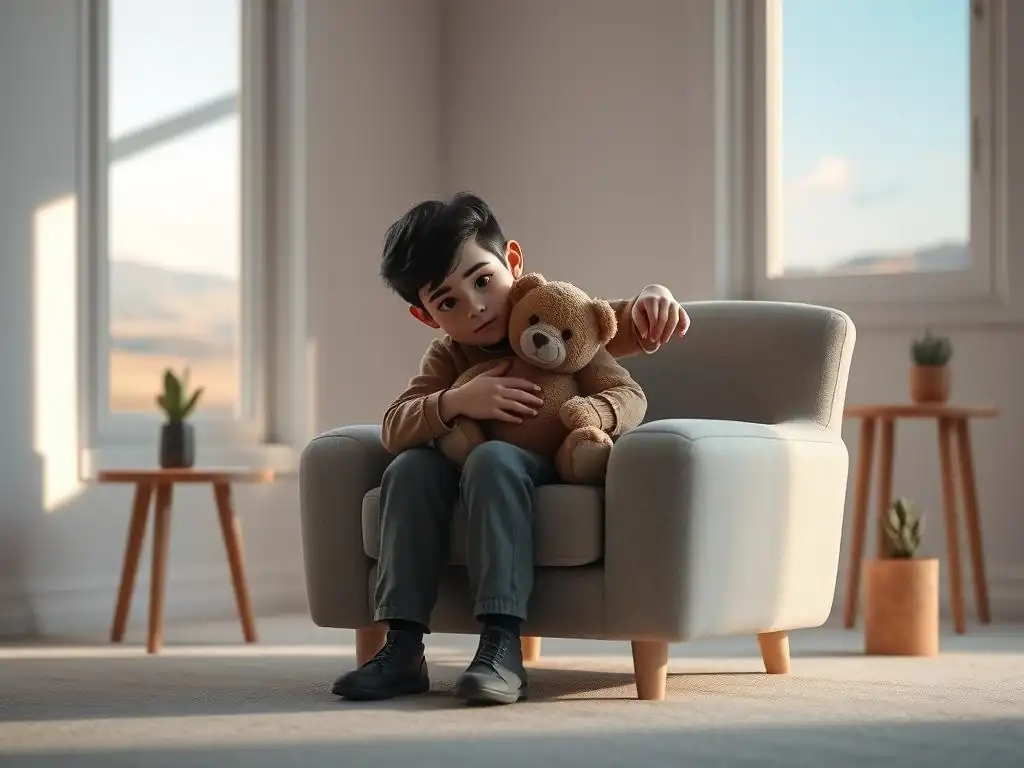
Recognizing Signs of More Serious Anxiety Disorders
While proactive parenting strategies can significantly help in preventing anxiety in young kids, it's important to recognize when a child's anxiety might be more severe or indicative of an anxiety disorder requiring professional intervention. Signs that warrant seeking professional help include anxiety that is persistent (lasting several months), intense (causing significant distress), and interferes significantly with daily life (e.g., preventing school attendance, social interactions, or participation in family activities).
Other red flags include frequent panic-like symptoms (racing heart, difficulty breathing, feeling dizzy) in response to perceived threats, excessive worry about the future or hypothetical events, avoidance of many different situations, or physical complaints (stomachaches, headaches) that have no medical cause but appear linked to stress or worry. If these symptoms are causing significant distress for the child or family, it's time to consult a professional.
Finding a Qualified Child Therapist or Counselor
If you suspect your child's anxiety is more than typical developmental worries, seeking help from a qualified mental health professional specializing in children is the next step. Look for licensed child psychologists, therapists, or counselors who have experience working with young children and their families. You can often find referrals through your pediatrician, school counselor, or local mental health services.
When choosing a therapist, it's helpful to find someone who uses evidence-based approaches like play therapy, cognitive behavioral therapy (CBT) adapted for young children, or parent-child interaction therapy (PCIT). Don't hesitate to ask about their experience and therapeutic approach. Finding the right fit is important for both the child and the family when addressing and preventing anxiety in young kids.
Working with Professionals to Develop a Treatment Plan
A mental health professional can conduct a thorough assessment to understand the nature and severity of your child's anxiety. Based on this assessment, they can develop a tailored treatment plan. For young children, treatment often heavily involves the parents, teaching them strategies to help their child manage anxiety and adjust their own responses.
Treatment plans might include parent coaching sessions, play therapy for the child to express and process feelings, and techniques like gradual exposure practiced in a therapeutic setting. Medication is rarely the first line of treatment for young children with anxiety but might be considered in severe cases or in conjunction with therapy. Collaborating closely with the professional and consistently implementing strategies at home are key to the success of the treatment plan and continued progress in preventing anxiety in young kids.
Resources for Parents: Preventing and Managing Childhood Anxiety
Books and Websites on Child Anxiety
Numerous excellent resources are available for parents seeking more information on preventing and managing childhood anxiety. Books written by child psychologists often provide accessible explanations of childhood anxiety, practical strategies, and real-life examples. Look for titles that focus on understanding children's emotions, building resilience, and specific techniques for managing worry and fear in young children.
Reputable websites from mental health organizations, children's hospitals, and parenting experts also offer valuable information, articles, and sometimes free resources like printable guides or worksheets. Ensure the sources are credible and based on current psychological understanding. Exploring these resources can provide parents with additional tools and knowledge for preventing anxiety in young kids.
Support Groups and Online Communities for Parents
Connecting with other parents who are navigating similar challenges can be incredibly validating and informative. Support groups, whether in-person or online, offer a space to share experiences, gain practical tips from others, and feel less alone. Hearing how other families are successfully applying strategies for preventing anxiety in young kids or managing existing worries can provide encouragement and new ideas.
Online communities and forums dedicated to parenting or childhood mental health can be accessed anytime and offer a wide range of perspectives. While it's important to vet information shared in these groups and prioritize professional advice, the emotional support and shared knowledge can be invaluable.
Building a Support Network for Your Family
Parenting young children can be demanding, and dealing with childhood anxiety adds another layer of complexity. Building a strong support network for your family is essential. This network can include your partner, extended family, friends, other parents from your child's school or activities, and professionals like pediatricians or therapists.
Having people you can rely on for emotional support, practical help (like occasional childcare), or simply to talk to can reduce parental stress and create a more stable environment for the child. A supportive network helps parents feel more capable and resilient, which in turn positively impacts their ability to help their child in preventing anxiety and fostering overall well-being.
Frequently Asked Questions
How early can anxiety manifest in children, and what are some common early warning signs?
Anxiety can manifest surprisingly early, even in preschool years. Early warning signs include excessive worry, clinginess, and difficulty separating from caregivers.
What role does parental modeling play in a child's anxiety levels?
Parents significantly influence children's anxiety. Modeling calm and healthy coping mechanisms is crucial, while anxious behaviors can inadvertently be passed on.
What are some practical strategies parents can use to help their children build resilience and cope with stress?
Encourage problem-solving, teach relaxation techniques, and promote a growth mindset. Creating a safe and supportive environment is also essential.
How can parents differentiate between normal childhood worries and a more serious anxiety disorder?
Normal worries are usually temporary and age-appropriate. A potential disorder is indicated by persistent, excessive anxiety that interferes with daily life and functioning.
When should parents seek professional help for their child's anxiety, and what types of therapies are typically recommended?
Seek professional help if anxiety is severe, persistent, or debilitating. Therapies like Cognitive Behavioral Therapy (CBT) and play therapy are often recommended.
Final Reflection: Cultivating Calm in a Chaotic World
The anxieties faced by young children today are undeniably amplified by the complexities of modern life. The constant barrage of information, social pressures, and uncertain futures contribute to a climate where childhood anxieties are increasingly prevalent. This necessitates a proactive approach to parenting, one that prioritizes emotional well-being and equips children with the tools to navigate the challenges ahead.
The journey towards fostering resilience and emotional intelligence in our children is a continuous one, demanding patience, understanding, and a willingness to adapt our parenting styles. It's a journey that profoundly impacts not only the individual child but also the wider social fabric. As we equip our children with coping mechanisms and a sense of security, we contribute to a more compassionate and empathetic society. The best way to make children good is to make them happy.
- Oscar Wilde. This quote highlights the fundamental connection between a child's happiness and their overall well-being, a connection that proactive parenting strives to strengthen.
Now, consider your own parenting style. Reflect on the strategies discussed in this article – from mindful communication to creating a secure home environment – and identify areas where you can implement positive changes. You are the architect of your child's emotional landscape. By embracing proactive parenting, you are not just preventing anxiety; you are cultivating a foundation of resilience, self-awareness, and emotional intelligence that will serve your child throughout their life. Embrace this journey, and watch your child blossom into a confident, capable, and emotionally healthy individual.
Unlock Your Child's Confidence: Start Proactive Parenting Today!
Thanks for taking the time to learn about proactive parenting and reducing anxiety in young children. We hope you found the insights valuable and empowering! Now, let's put this knowledge into action.
- Implement one new strategy from the article this week. Start small – even one consistent change can make a big difference in your child’s well-being. Focus on the technique that resonated most with you.
- Share this article with a friend or family member who might also benefit from these helpful tips. Let's build a supportive community around childhood well-being!
- Consider journaling your observations over the next few weeks. Tracking your child's responses can help you refine your approach and celebrate your successes.
What small step will you take today to nurture your child's emotional growth and confidence?