
Unlock Your Stress Patterns: The Power of Wearable Insights


Welcome to Mind Care Guide, a safe space dedicated to nurturing your mental well-being. Are you feeling overwhelmed by stress and searching for tangible ways to regain control? Unlock Your Stress Patterns: The Power of Wearable Insights explores how cutting-edge technology can offer personalized guidance. Curious to discover how wearable devices can help you understand and manage your stress levels more effectively? Let's embark on this journey together.
- Understanding and Managing Stress with Wearable Technology
- Exploring Wearable Stress Trackers
- Comparing Wearable Stress Trackers: Features and Accuracy
- Top Wearable Stress Trackers: A Detailed Comparison
- Utilizing Wearable Insights for Stress Management
- Real-Life Applications
- Choosing the Right Wearable
- Conclusion: Managing Stress with Wearable Technology
-
Frequently Asked Questions
- What are wearable insights and how do they help manage stress?
- How accurate are wearables in detecting stress levels?
- What specific data points from wearables are most useful for stress management?
- How can I use wearable data to proactively manage my stress?
- Where can I find resources and support to interpret my wearable data and develop stress management strategies?
- Final Reflection: Unleashing the Potential of Wearable Wellness
- Unleash Your Inner Calm: Take Control of Your Stress
Understanding and Managing Stress with Wearable Technology
The Impact of Stress on Well-being
Stress is a ubiquitous part of the human experience, but its persistent presence can significantly erode overall well-being. Chronic stress has been linked to a cascade of negative health outcomes, affecting both the mind and body. Physiologically, it can lead to elevated blood pressure, increased heart rate, suppressed immune function, and digestive issues. According to studies, prolonged stress can contribute to conditions like cardiovascular disease, obesity, and type 2 diabetes. The mental toll is equally significant, manifesting as anxiety, depression, difficulty concentrating, irritability, and burnout. Understanding this profound impact is the first step towards effective stress management.
Furthermore, stress doesn't operate in isolation. It interacts with lifestyle factors such as sleep patterns, physical activity levels, and nutrition, often creating a vicious cycle. For instance, stress can disrupt sleep, and poor sleep, in turn, increases stress reactivity. Similarly, stress might lead to reduced physical activity or unhealthy eating habits, further compounding its negative effects. Recognizing these interconnected patterns is crucial, and this is where leveraging wearable insights manage stress levels by providing objective data on how stress is affecting these different aspects of health.
Introduction to Wearable Stress Trackers
Wearable technology has evolved beyond simple step counting to offer profound insights into our physiological state. Wearable stress trackers, in particular, utilize a suite of sensors to monitor various biometric data points that can serve as indicators of stress levels and overall bodily strain. These devices, typically worn on the wrist, finger, or chest, continuously collect data throughout the day and night. This includes metrics like heart rate, heart rate variability (HRV), skin temperature, sleep duration and quality, and activity levels.
The power of these devices lies in their ability to provide continuous, objective data that users might not otherwise have access to. While subjective feelings of stress are important, physiological data can reveal underlying patterns or chronic stress responses that a person might not consciously perceive. By analyzing these wearable insights manage stress levels by offering users a data-driven perspective on their body's response to daily life, enabling them to identify triggers, understand their body's resilience, and implement targeted interventions based on concrete information.
Exploring Wearable Stress Trackers
Identifying Stress Triggers and Patterns Through Tracking
One of the most valuable functions of wearable stress trackers is their capacity to help individuals identify specific activities, times of day, or even types of interactions that correlate with elevated stress responses. By continuously monitoring physiological signals like heart rate variability (HRV) and sometimes electrodermal activity (EDA), these devices can flag moments or periods when the body is under strain. For example, a user might notice their stress score consistently spikes during morning commutes, lengthy meetings, or even after consuming certain foods or drinks.
Analyzing data trends over days or weeks allows for the identification of deeper patterns. A user might observe that their average nightly HRV drops significantly after late-night work sessions or inadequate sleep, indicating accumulated physiological stress. Conversely, they might see an improvement in stress metrics after incorporating regular exercise or mindfulness practices. This data-driven self-discovery is powerful; it moves beyond vague feelings of being stressed to pinpointing when and why stress is likely occurring, providing actionable insights for lifestyle adjustments and proactive stress management strategies.
How Wearables Can Aid Stress Management
Beyond identification, wearable technology provides tools and insights that directly support stress management efforts. Many devices offer real-time stress scores or indicators, providing immediate feedback on a user's current physiological state. This awareness can prompt timely interventions, such as taking a short break, practicing a breathing exercise, or going for a brief walk, before stress escalates. The immediate feedback loop helps users connect their internal state with their external actions and environment.
Furthermore, wearables often integrate features designed to reduce stress. This can include guided breathing exercises, meditation prompts, or biofeedback training based on HRV or heart rate. By following these guided sessions, users can actively work on calming their nervous system, and some devices even show the real-time impact of these exercises on their stress metrics, reinforcing positive behaviors. The ability to track the effectiveness of different coping mechanisms using objective data empowers individuals to find what works best for them, truly leveraging wearable insights manage stress levels effectively over time.
Comparing Wearable Stress Trackers: Features and Accuracy
Key Features to Consider
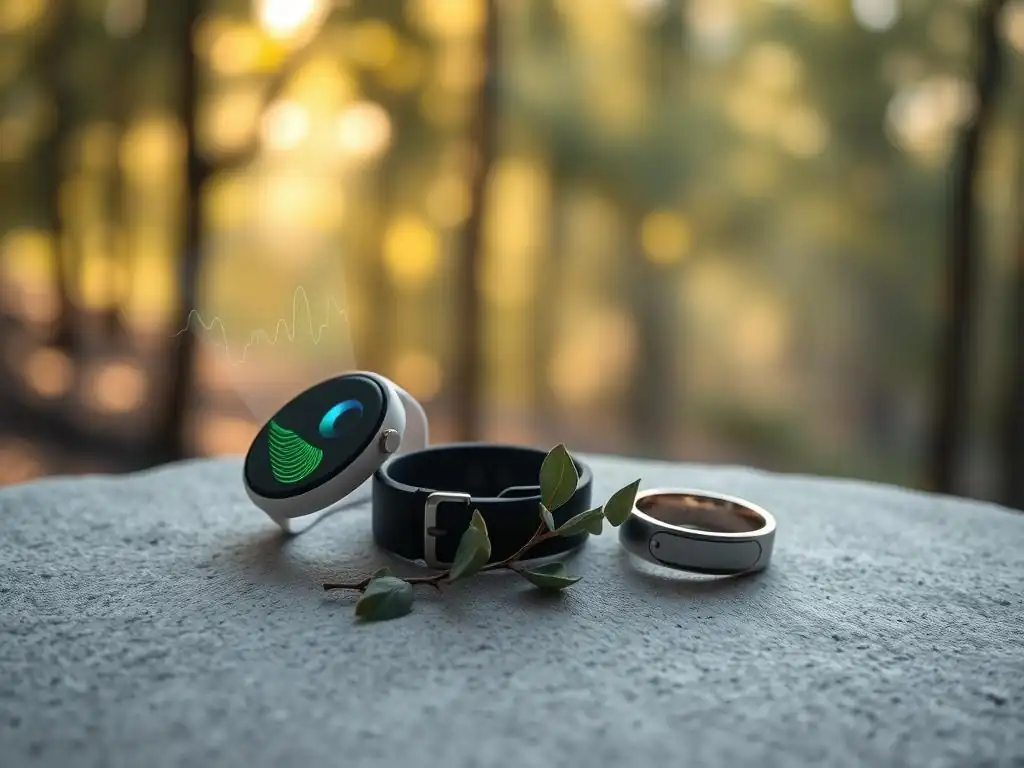
When evaluating wearable stress trackers, several key features differentiate devices and impact their usefulness for managing stress. Understanding these features helps align a device's capabilities with individual needs and goals. The combination and sophistication of these sensors and software features determine the depth and accuracy of the insights provided regarding stress and recovery.
Choosing a device with a robust set of relevant features is crucial for deriving meaningful data. For instance, while basic heart rate is useful, HRV offers a much deeper look into autonomic nervous system balance, a key indicator of stress and recovery. Similarly, advanced sleep stage tracking provides context for how well the body is recovering overnight, directly impacting daily stress resilience.
Heart Rate Variability (HRV) Monitoring
HRV is a measure of the variation in time between each heartbeat. It's a powerful, non-invasive way to look at the balance between the sympathetic ("fight or flight") and parasympathetic ("rest and digest") branches of your autonomic nervous system. A higher, more variable HRV is generally associated with better resilience, recovery, and lower stress, while a lower, less variable HRV can indicate stress, fatigue, or illness.
Wearables that offer detailed HRV monitoring typically measure it during sleep, as this provides a stable baseline free from the influence of daily activities. Some also offer spot-check measurements during the day. The way the data is presented varies, from a single daily score (e.g., Oura Ring, Whoop) to graphical representations of trends over time (e.g., Fitbit, Garmin). Consistent and accurate HRV data is perhaps one of the most valuable wearable insights manage stress levels effectively by showing the body's underlying state.
Sleep Tracking
Sleep is fundamental to stress management and recovery. Poor sleep directly impacts stress levels, mood, and cognitive function. Wearable sleep trackers monitor duration, time awake, and often estimate sleep stages (light, deep, REM) using a combination of heart rate, HRV, and movement data (actigraphy).
Detailed sleep data helps users identify how factors like stress, caffeine intake, or late-night screen time affect their sleep quality. Devices often provide a "sleep score" summarizing the night's rest. Analyzing sleep patterns alongside stress metrics can reveal crucial connections, such as noticing that a stressful day leads to reduced deep sleep, or that consistent poor sleep elevates baseline stress levels the following day.
Activity Tracking
Physical activity is a well-established stress reliever. Wearables track daily steps, distance, calories burned, and often offer detailed metrics for specific workouts. Monitoring activity levels helps users ensure they are getting enough movement, but it also provides context for other metrics.
For instance, strenuous exercise can temporarily lower HRV, which is a normal response, but chronic overtraining without adequate recovery, indicated by persistent low HRV and poor sleep despite high activity, can be a significant stressor on the body. Conversely, seeing how a brisk walk or a yoga session positively impacts a real-time stress score or improves sleep quality reinforces the benefits of activity.
Electrodermal Activity (EDA) Sensors
EDA, also known as skin conductance or galvanic skin response (GSR), measures tiny electrical changes in the skin's sweat gland activity. These changes are often linked to sympathetic nervous system arousal, which occurs during stress or strong emotional responses. Devices with EDA sensors can detect these subtle changes, often correlating them with moments of perceived stress.
The Fitbit Sense and Sense 2 are prominent examples of wearables incorporating EDA sensors. They often use "EDA scans" where the user places their palm over the device screen for a few minutes to measure reactivity, or sometimes offer continuous background monitoring. Peaks in EDA readings can be correlated with events logged by the user or observed physiological changes, providing another layer of data for identifying stress triggers.
Guided Meditation and Breathing Exercises
Many stress-focused wearables integrate guided mindfulness practices directly into the device or its companion app. These can range from short, 2-minute breathing exercises designed to elicit an immediate calming response to longer guided meditations aimed at reducing overall anxiety and improving focus.
The convenience of having these tools readily available on the wrist or within the app makes it easier for users to incorporate stress-reducing techniques into their daily routine. Some devices even offer biofeedback during these sessions, showing how the user's heart rate or HRV changes as they follow the guidance, providing tangible evidence of the exercise's calming effect and helping users learn to regulate their physiological responses.
Top Wearable Stress Trackers: A Detailed Comparison
1. Fitbit Sense 2: Comprehensive Health Metrics
The Fitbit Sense 2 is positioned as a health-focused smartwatch with a strong emphasis on stress management. It builds upon its predecessor by offering a continuous electrodermal activity (cEDA) sensor for all-day stress tracking, alongside traditional metrics like heart rate, HRV, skin temperature, and sleep. Its integration with the Fitbit app provides a comprehensive dashboard of daily and historical health data.
The device leverages its array of sensors to provide a daily "Stress Management Score," which considers heart rate responsiveness, exertion balance, and sleep patterns. It also prompts users to reflect on their emotional state when significant cEDA changes are detected, helping to build self-awareness around stress triggers. This combination of objective data and subjective logging makes the Sense 2 a strong contender for those prioritizing accessible, everyday stress tracking and leveraging wearable insights manage stress levels.
Fitbit Sense 2 HRV Analysis
Fitbit calculates HRV during sleep, providing a single average HRV value nightly and tracking trends over the past week, month, or several months within the Fitbit app. While it doesn't provide beat-to-beat data, the nightly average is a widely accepted metric for assessing recovery and physiological stress load. Users can observe how lifestyle factors, like alcohol consumption or intense exercise, impact their nightly HRV baseline.
For example, a user might notice their average nightly HRV drops from a typical 60ms-70ms range down to 45ms-50ms after a particularly stressful day at work or a night with only 5 hours of sleep. Tracking this trend over time helps reinforce the importance of recovery and adequate rest for maintaining physiological resilience.
Fitbit Sense 2 Sleep Stages
The Sense 2 automatically tracks sleep duration and estimates time spent in Light, Deep, and REM sleep stages using a combination of movement, heart rate, and HRV data. It provides a detailed breakdown each morning and a "Sleep Score" out of 100, incorporating duration, quality (time in deep/REM), and restoration (HRV during sleep).
Analyzing sleep stage data can provide crucial wearable insights manage stress levels. For instance, insufficient deep sleep might indicate the body isn't fully recovering physically, while reduced REM sleep could point to emotional processing challenges – both heightened by stress. The app provides benchmarks based on age group, allowing users to see how their sleep compares to others and identify areas for improvement.
Fitbit Sense 2 Guided Meditation Integration
The Fitbit Sense 2 integrates with the Fitbit app's "Mindfulness" tile, which offers a library of guided breathing exercises and meditations from various partners, including Calm and Ten Percent Happier (some content may require a Fitbit Premium subscription). Users can access short breathing sessions directly from the watch face for quick stress relief.
The device can also provide biofeedback during some breathing exercises, showing the user's heart rate pattern on the screen as they follow the prompts. This immediate visual feedback can help users learn to regulate their breathing to lower their heart rate, providing a tangible demonstration of the exercise's effectiveness in real-time stress reduction.
Fitbit Sense 2 Pricing and Subscription Model
The Fitbit Sense 2 typically retails in the range of $250-$300 USD. It comes with a trial period (often 6 months) of Fitbit Premium. Access to the most detailed health metrics, including the full historical view of HRV, Sleep Score breakdown, Wellness Report, and the complete library of guided meditations and mindfulness content, requires a Fitbit Premium subscription, which costs around $10/month or $80/year USD after the trial. This subscription model is important to consider for long-term use of all features aimed at leveraging wearable insights manage stress levels.
2. Whoop 4.0: Focus on Recovery and Performance
The Whoop 4.0 is a screenless, band-style wearable primarily focused on recovery, sleep, and strain (activity). It collects a vast amount of physiological data, including heart rate, HRV, skin temperature, blood oxygen, and sleep stages. Whoop's strength lies in its sophisticated algorithms that translate this raw data into actionable insights focused on optimizing performance and recovery, which are deeply intertwined with stress management.
Whoop provides daily scores for "Recovery" (based on HRV, sleep, and resting heart rate), "Sleep" (based on duration, efficiency, and time in stages), and "Strain" (based on cardiovascular load from activity). These scores are presented in the Whoop app, offering a holistic view of how the body is handling stress – both from exercise and daily life – and how well it's recovering. The emphasis on recovery makes it a powerful tool for understanding physiological stress.
Whoop 4.0 EDA Sensor
While not a primary feature like on the Fitbit Sense, Whoop 4.0 does incorporate skin temperature sensing, which can indirectly provide information related to stress and recovery, as skin temperature can fluctuate based on physiological state. More significantly for stress, Whoop focuses heavily on HRV and Heart Rate data captured continuously, offering deep insights into autonomic nervous system activity, which is the underlying physiological response measured by EDA.
Whoop's strength in providing wearable insights manage stress levels comes more from its detailed analysis of HRV and Resting Heart Rate within the context of its Recovery score. A low Recovery score, driven by poor HRV or elevated resting heart rate, is a clear indicator of physiological stress, whether from training, lack of sleep, or mental/emotional strain.
Whoop 4.0 Biofeedback Training
Whoop doesn't offer explicit "biofeedback training" in the same way some devices guide breathing exercises. However, the entire platform acts as a form of biofeedback. By presenting clear daily Recovery, Sleep, and Strain scores derived from physiological data, Whoop provides continuous feedback on how lifestyle choices, including stress management techniques, impact the body's state.
For example, a user who incorporates daily meditation might see a gradual improvement in their average HRV and Recovery score over several weeks, providing tangible evidence that the practice is positively impacting their physiological resilience to stress. Conversely, a period of high work stress and poor sleep will likely result in consistently low Recovery scores, serving as a strong biofeedback signal that current coping mechanisms are insufficient and adjustment is needed.
Whoop 4.0 Mobile App Usability
The Whoop mobile app is central to the user experience, as the band itself is screenless. The app is highly regarded for its data visualization and analytical tools. It presents daily, weekly, and monthly trends for Recovery, Sleep, and Strain in clear, easy-to-understand graphs. The Journal feature allows users to log behaviors (e.g., caffeine intake, stress levels, meditation) and see correlations between these behaviors and their Recovery/Sleep metrics.
This correlation analysis is a key feature for identifying personal stress triggers and effective coping strategies. For instance, the app might show a negative correlation between late-night screen time and Sleep or between high self-reported stress days and low Recovery scores. This detailed analysis within the app provides sophisticated wearable insights manage stress levels based on personalized data.
Whoop 4.0 Pricing and Subscription Model
Whoop operates on a subscription-only model. The hardware (the band) is included with the subscription. Pricing varies based on the commitment period: typically around $30/month for a monthly plan, $24/month for a 12-month plan, and $20/month for a 24-month plan (prices are approximate and can vary). There is no option to purchase the device outright and use it without a subscription. This model is a significant factor to consider, as ongoing cost is required to access any of the data or features.
3. Garmin Venu 2 Plus: All-Around Fitness and Wellness
The Garmin Venu 2 Plus is a feature-rich smartwatch that blends comprehensive fitness tracking with health and wellness monitoring, including dedicated stress tracking. It offers a bright AMOLED display, GPS, music storage, contactless payments, and smartphone features, alongside a suite of biometric sensors. Its strength lies in providing a broad range of data points for active individuals who also want to monitor their overall health, including stress.
Garmin's stress tracking feature utilizes HRV data collected throughout the day. It provides a real-time stress score on the watch and within the Garmin Connect app, ranging from 0 (Rest) to 100 (High Stress). The watch also offers "Body Battery," a metric that uses HRV, stress, and activity data to estimate your energy reserves throughout the day, providing insight into how well you are recovering and managing your energy expenditure, which is closely tied to stress resilience.
Garmin Venu 2 Plus Sleep Tracking
The Venu 2 Plus offers automatic sleep tracking, estimating sleep stages (Light, Deep, REM) and time awake. It also measures Pulse Ox (blood oxygen saturation) during sleep, which can be an indicator of breathing disturbances, although less directly related to stress. The Garmin Connect app provides detailed graphs of sleep stages and movement throughout the night.
Similar to other devices, analyzing sleep patterns alongside stress data helps users understand the reciprocal relationship between rest and stress. For example, a user might notice that days with consistently high stress scores are followed by nights with reduced deep sleep, highlighting the need for better wind-down routines or stress-reducing activities before bed.
Garmin Venu 2 Plus Activity Tracking
Garmin is renowned for its comprehensive activity tracking features, catering to a wide range of sports and fitness levels. The Venu 2 Plus tracks steps, distance, calories, floors climbed, and offers detailed metrics for numerous activities using built-in GPS and heart rate monitoring. It also provides guided workouts and training plans.
The relationship between activity and stress is complex. While exercise is a stress reliever, excessive or poorly recovered activity can be a stressor itself. Garmin's "Training Status" and "Training Load" features, available on some higher-end models but informed by data points like those on the Venu 2 Plus, help users gauge if their training is productive or potentially leading to overreach, which is a form of physical stress. The Body Battery metric, which considers activity alongside stress and recovery signals, is particularly useful here.
Garmin Venu 2 Plus Stress Score
Garmin calculates a continuous stress score throughout the day using HRV data. The watch displays the current score and offers alerts for periods of high stress, prompting the user to consider a relaxation technique. The Garmin Connect app provides a detailed graph of stress levels over the day, week, and month, showing periods of rest, low, medium, and high stress.
This continuous monitoring provides valuable wearable insights manage stress levels in real-time. A user can see how their stress score fluctuates during different activities – perhaps spiking during a challenging work call but dropping during a lunch break walk. The app also highlights periods of "Rest," which occur when HRV is high and stress is low, often during sleep or quiet relaxation. Recognizing these patterns helps users identify stressors and find moments of calm.
Garmin Venu 2 Plus Pricing and Subscription Model
The Garmin Venu 2 Plus typically sells in the range of $400-$450 USD. Unlike Fitbit Premium or Whoop, Garmin does not require a subscription to access its core features, including stress tracking, Body Battery, sleep analysis, and activity data within the Garmin Connect app. All data history and analysis are available for free after purchasing the device. This upfront purchase model with no ongoing subscription cost is a key difference compared to some competitors focused solely on health metrics.
Comparative Analysis: Accuracy, Features, and Price
Comparing these devices involves looking at the specifics of their data collection, the features built upon that data, and the overall cost. While all three utilize similar underlying physiological signals like heart rate and HRV, their focus, presentation, and additional features vary. Accuracy of biometric data collection is generally considered high across reputable brands like Fitbit, Whoop, and Garmin, though minor variations can exist depending on sensor placement and individual physiology.
The choice between them often comes down to priorities: comprehensive health insights with behavioral nudges (Fitbit Sense 2), deep recovery and performance optimization (Whoop 4.0), or a blend of fitness tracking and wellness features with a traditional smartwatch form factor (Garmin Venu 2 Plus). The pricing models also represent a significant difference, impacting the long-term cost of leveraging wearable insights manage stress levels.
HRV Accuracy Comparison
All three devices measure HRV, typically during sleep for a stable reading. While direct, independent, head-to-head comparisons across all models simultaneously with medical-grade ECG are complex and results can vary, reputable sources generally indicate that HRV data from these top-tier wearables correlates well with clinical measurements under controlled conditions.
Whoop is often cited for its deep focus on HRV analysis as a core metric for recovery, while Fitbit and Garmin provide it as part of a broader health picture. The specific algorithm used by each company to process the raw heart rate data into an HRV value might differ slightly, leading to variations in the absolute number, but the trends and relative changes over time are typically reliable indicators of physiological state across all three.
Sleep Tracking Capabilities
Sleep tracking is a common feature, with all three estimating sleep stages (Light, Deep, REM). Garmin and Fitbit provide a "Sleep Score" and detailed graphical breakdowns in their apps. Whoop also provides a Sleep Score and detailed analysis, particularly emphasizing "Sleep Consistency" and "Sleep Performance" (time slept vs. time needed).
User reviews often find variations in the precise timing and duration assigned to each sleep stage between different devices when compared to polysomnography (PSG), the gold standard. However, for identifying patterns, overall duration, time awake, and relative changes in sleep stage percentages from night to night, these wearables provide valuable, consistent data.
Stress Management Tools
This is where the devices diverge slightly in their approach. Fitbit Sense 2 has a dedicated continuous EDA sensor and a "Stress Management Score," actively prompting reflections and offering guided mindfulness. Garmin Venu 2 Plus uses HRV for a continuous "Stress Score" and the "Body Battery" metric, offering breathing exercises.
Whoop 4.0 focuses on the "Recovery" score derived from HRV, resting heart rate, and sleep, framing stress management within the context of physiological load and recovery, and uses its Journal feature for correlation analysis. All offer breathing exercises or mindfulness content within their ecosystems, but the integration and emphasis vary.
Price Point and Value
The price points and models are significantly different. The Garmin Venu 2 Plus has the highest upfront cost (approx. $400-$450) but no mandatory ongoing subscription for core features. The Fitbit Sense 2 is moderately priced upfront (approx. $250-$300) but requires a Premium subscription (approx.
$10/month) for full access to detailed historical data and advanced insights/content. Whoop 4.0 has virtually no upfront hardware cost but requires a continuous subscription (approx. $20-$30/month), making its long-term cost potentially the highest, but providing deep, continuous analysis focused on recovery and performance. The "value" depends entirely on the user's budget, desired features, and willingness to pay a recurring fee versus a larger upfront cost for leveraging wearable insights manage stress levels.
Utilizing Wearable Insights for Stress Management
Setting Realistic Goals
Once you have a wearable device providing insights into your stress patterns, setting realistic and achievable goals is key to making meaningful changes. Simply tracking data without a purpose can be overwhelming. Start by identifying one or two specific areas you want to address based on the wearable insights. For example, if your data consistently shows elevated stress scores during your commute, a realistic goal might be to try one specific coping strategy, like listening to a calming podcast or practicing a short breathing exercise, during 3 out of 5 commutes this week.
Another goal might be to improve your nightly HRV, which serves as a proxy for recovery from stress. If your average HRV is low, a realistic goal could be to increase sleep duration by 30 minutes nightly or incorporate a 10-minute relaxation routine before bed for a month. Track how these changes impact your metrics. Setting small, specific, measurable, achievable, relevant, and time-bound (SMART) goals makes the process less daunting and increases the likelihood of success in leveraging wearable insights manage stress levels effectively.
Integrating Data with Wellness Strategies
The real power of wearable insights manage stress levels comes from integrating the data with conscious wellness strategies. Use the information provided by your device as a feedback loop. If your stress score is high, use it as a prompt to engage in a known stress-reducing activity. If your sleep quality or HRV is low, analyze your recent activity and stress data to understand potential causes and adjust your behavior the following day.
For example, if your Whoop Recovery score is consistently low, indicating physiological stress, you might decide to reduce the intensity of your workout, prioritize an earlier bedtime, or dedicate time for mindfulness. If your Garmin Body Battery is depleted by midday, you might plan a short walking break or breathing exercise to try and boost it. Actively using the data to inform your choices, rather than just observing it, transforms the wearable from a tracker into a tool for proactive self-care.
When to Seek Professional Guidance
Wearable insights are powerful tools for self-awareness and behavioral change, but they are not a substitute for professional medical or mental health care. If your wearable data consistently shows high stress levels, poor recovery, or significant disruptions in sleep despite your best efforts to implement stress management strategies, it may be a sign of an underlying issue that requires professional attention.
Persistent high stress can be a symptom of anxiety disorders, depression, or physical health problems. A healthcare professional can provide a proper diagnosis, recommend appropriate treatment options (like therapy, medication, or lifestyle interventions), and offer personalized guidance that goes beyond what a wearable device can provide. Use the data from your wearable as valuable information to share with your doctor or therapist to facilitate a more informed conversation about your well-being.
Real-Life Applications
Sarah, a marketing manager, felt constantly overwhelmed by her demanding job, but struggled to pinpoint when stress was highest or what helped. After getting a Fitbit Sense 2, she started paying attention to her daily Stress Management Score and cEDA readings. She noticed her score consistently plummeted on presentation days and during back-to-back meetings, often correlating with high cEDA readings flagged by the device.
Using the Fitbit app's logging feature, she noted her feelings and activities. She discovered that taking a 5-minute walk outside after a stressful meeting significantly lowered her real-time stress score. She also used the guided breathing exercises on the watch during brief breaks.
Over three months, by proactively using these techniques when her watch indicated high stress, her average daily Stress Management Score improved from the lower 60s to the mid-70s, and she reported feeling more in control and less reactive to workplace pressures. This showed how wearable insights manage stress levels by enabling timely interventions based on objective data.
Case Study 2: Anxiety Reduction with Whoop 4.0 Biofeedback
Mark, a student struggling with anxiety before exams, found his Whoop 4.0 particularly helpful. His Recovery score often dropped significantly during exam periods, and his daily Journal logging showed a strong correlation between high self-reported anxiety and low HRV readings. He used the Whoop Journal feature to track different calming activities.
He started meditating for 15 minutes each morning and logged it in the app. Over several weeks, the Whoop app's performance analysis showed a positive correlation between days he meditated and higher average HRV and improved Recovery scores. This tangible data served as a form of biofeedback, reinforcing the effectiveness of meditation in improving his physiological resilience. During his next exam period, while still feeling some anxiety, his Whoop data indicated better recovery and higher baseline HRV compared to previous periods, which he felt contributed to managing his symptoms more effectively.
Case Study 3: Improving Sleep and Reducing Stress with Garmin Venu 2 Plus
Emily, a graphic designer, experienced chronic stress and poor sleep, often feeling drained by midday (low Body Battery). She started using a Garmin Venu 2 Plus to understand the connection. Her Garmin Connect data consistently showed low average nightly Body Battery recharge and high stress scores during the evening.
She used the detailed sleep data to identify that she was consistently getting less than 6 hours of sleep and spending minimal time in deep sleep. Her high evening stress scores correlated with working late on projects. Based on these wearable insights manage stress levels, she set a goal to stop working by 9 PM and use the watch's guided breathing exercise before bed.
Within two months, her average nightly sleep duration increased by 1 hour, time in deep sleep improved, her morning Body Battery score was consistently higher (often starting above 80), and her evening stress scores decreased. This allowed her to feel more energized and less stressed throughout the day.
Choosing the Right Wearable
Identifying Stress Triggers
Before selecting a wearable, take some time to reflect on what you believe your primary stress triggers might be. Are they related to physical strain, lack of sleep, emotional responses, or specific activities? Devices excel in different areas. If you suspect physical overexertion or poor recovery is a key factor, a device with deep HRV and recovery analysis like Whoop might be most insightful. If you experience acute stress responses during specific daily events, a device with real-time stress scores and features like EDA sensing (Fitbit Sense 2) might be more useful for identifying those moments.
Considering the type of stress data that would be most beneficial for you helps narrow down the options. Some users might benefit most from understanding how sleep impacts their stress resilience, making robust sleep tracking a priority. Others might need to see how daily activities correlate with stress levels. Matching the device's strengths in providing wearable insights manage stress levels to your suspected challenges is crucial.
Assessing Technology Comfort
Wearable devices vary significantly in their user interface and the complexity of their companion apps. Some users prefer a simple, screenless band with detailed app-based insights (Whoop), while others want a full smartwatch experience with on-wrist data and notifications (Garmin Venu 2 Plus, Fitbit Sense 2). Consider your comfort level with technology and how you prefer to interact with data.
Think about how you plan to use the device daily. Do you want real-time stress alerts on your wrist? Do you prefer to review detailed graphs on your phone later? Is logging activities or feelings important to you? Assess the usability of the device and its app based on reviews and available demos to ensure you'll actually use the features necessary to leverage wearable insights manage stress levels without feeling overwhelmed by the technology itself.
Considering Your Budget
Wearable stress trackers range in price, both upfront and in terms of ongoing costs. Establish a realistic budget for the device itself and consider the long-term cost if a subscription is required. A higher upfront cost might be preferable if you want to avoid monthly fees, while a subscription model might offer more continuous updates and feature development.
Evaluate the value proposition of each device within your budget. Does the additional cost of a premium device or subscription provide features and insights that are genuinely valuable for your specific stress management needs? Or would a more basic, lower-cost option provide sufficient data to start identifying patterns? Carefully weighing the features against the total cost helps in making an informed decision that fits both your needs and your financial constraints when choosing a tool to provide wearable insights manage stress levels.
Conclusion: Managing Stress with Wearable Technology
Taking Control of Well-being
Stress management is a continuous journey, not a destination. Wearable technology offers a powerful new avenue for gaining objective insights into how stress impacts your body and mind. By tracking metrics like HRV, sleep, and activity, these devices provide data-driven awareness that complements subjective feelings of stress. This awareness is the first critical step towards taking more control of your well-being.
Leveraging wearable insights manage stress levels empowers individuals to identify specific triggers, understand their body's physiological responses, and evaluate the effectiveness of different coping strategies. Whether it's adjusting your bedtime based on sleep data, incorporating breathing exercises during periods of high stress indicated by your watch, or recognizing patterns between lifestyle choices and recovery metrics, the data provides a roadmap for making informed decisions about your health.
The Future of Wearable Stress Management
The field of wearable technology is rapidly advancing, and the future holds exciting possibilities for stress management. We can anticipate even more sophisticated sensors, more personalized algorithms that adapt to individual patterns, and deeper integration with mental wellness resources. As these devices become more accurate, accessible, and integrated into daily life, their potential to provide actionable wearable insights manage stress levels will continue to grow.
Ultimately, while wearables are incredibly helpful tools, they are partners in your wellness journey. They provide the data and the insights, but the action and the change come from you. By combining the objective information from your wearable with self-awareness, conscious effort, and professional support when needed, you can build a more resilient relationship with stress and cultivate lasting well-being.
Frequently Asked Questions
What are wearable insights and how do they help manage stress?
Wearable insights refer to data collected from wearable devices like smartwatches or fitness trackers. These devices monitor physiological signals like heart rate variability (HRV) and sleep patterns, providing data to help you understand and manage your stress levels.
How accurate are wearables in detecting stress levels?
While not perfect, wearables can provide a reasonable estimate of your stress levels. Accuracy depends on the device and the algorithm used, but they are generally accurate enough to identify trends and patterns in your stress response. They should be used as a supplement to professional advice.
What specific data points from wearables are most useful for stress management?
Key data points include heart rate variability (HRV), which indicates the balance between your sympathetic (fight-or-flight) and parasympathetic (rest-and-digest) nervous systems, and sleep quality. Changes in these metrics can signal periods of elevated stress.
How can I use wearable data to proactively manage my stress?
By tracking trends in your data, you can identify triggers that lead to increased stress. This allows you to implement coping mechanisms before stress becomes overwhelming, such as practicing mindfulness or taking breaks.
Where can I find resources and support to interpret my wearable data and develop stress management strategies?
Mind Care Guide offers information, support, and resources for understanding wearable data and developing personalized stress management plans. Consulting with a mental health professional is also recommended for comprehensive guidance.
Final Reflection: Unleashing the Potential of Wearable Wellness
The ability to track and understand our stress patterns, once a distant dream, is now a tangible reality thanks to the proliferation of wearable technology. This shift empowers us to take proactive control of our well-being, moving beyond reactive coping mechanisms to a more preventative and personalized approach to stress management. The insights gleaned from these devices aren't just data points; they are keys to unlocking a healthier, more balanced life.
The impact of wearable technology on our understanding of stress extends far beyond individual benefit; it's reshaping our collective understanding of mental health. By providing quantifiable data, these devices are helping to destigmatize conversations around stress and anxiety, fostering a more open and supportive environment. This shift is crucial, as the pervasive nature of stress in modern life demands innovative solutions. The greatest weapon against stress is our ability to choose one thought over another.
– William James. This quote highlights the power of conscious awareness, a power significantly amplified by the insights provided by wearable technology.
Consider the potential within your grasp. You now have the tools to monitor your stress response, identify your personal triggers, and develop strategies for effective management. Don't just passively wear your device; actively engage with the data it provides. Use this knowledge to build a personalized wellness plan, incorporating mindfulness practices, exercise, and other stress-reducing techniques tailored to your unique needs. Embrace the opportunity to unlock a more resilient and fulfilling life, one data point at a time.
Unleash Your Inner Calm: Take Control of Your Stress
Thanks for taking the time to explore the fascinating world of wearable stress tracking! You’ve now gained valuable insights into understanding your stress patterns. Ready to put this knowledge into action?
- Prioritize Your Well-being: Identify your top three stress triggers from the article and create a personalized plan to address them this week. This could involve anything from scheduling more downtime to trying a new relaxation technique.
- Share Your Journey: Connect with others and share your experiences with wearable technology and stress management on social media using #MindCareStress. Let's build a supportive community together!
- Deep Dive into Mindfulness: Explore the Mind Care Guide website for further resources on mindfulness techniques and stress reduction strategies.
What small step will you take today to better understand and manage your stress?