
Bridging the Digital Divide: Making Crisis Tech Accessible to All

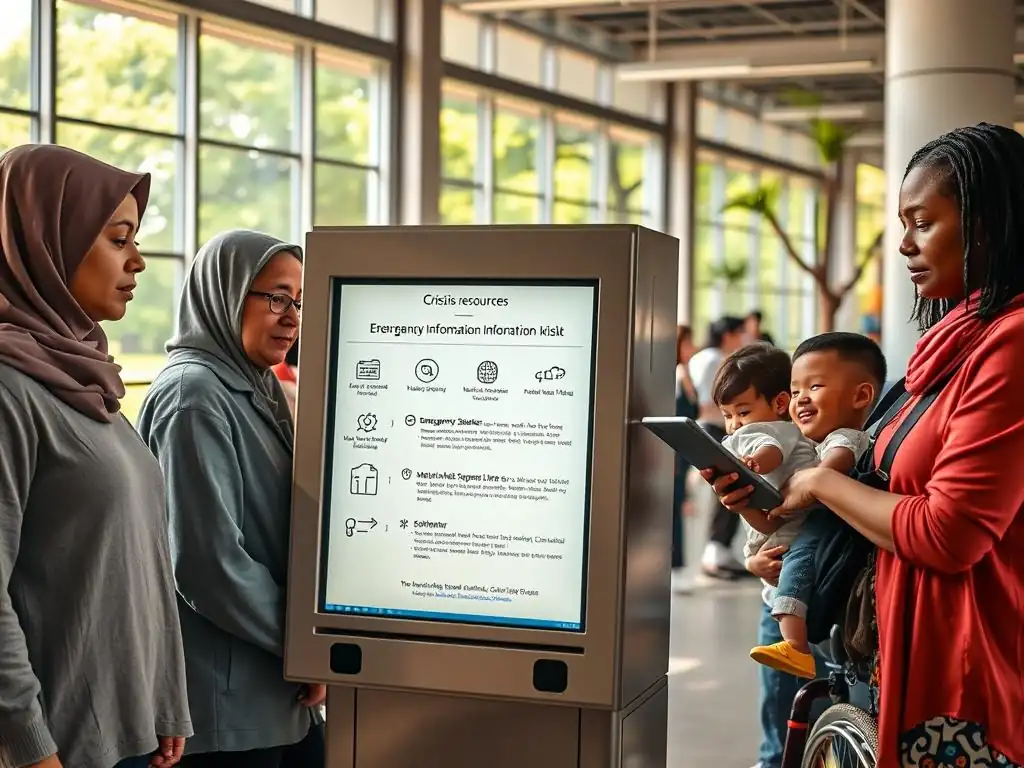
Welcome to Mind Care Guide, a safe space dedicated to your mental well-being.
Feeling overwhelmed? You're not alone. The digital age offers incredible tools for support, but navigating them during a crisis can be daunting. That's why we've created this guide to accessible crisis tech resources. Are you aware of all the options available to you and those you care about? Discover how we can bridge the digital divide and ensure everyone has access to the immediate help they need. Let's explore the possibilities together.
Bridging the Digital Divide: Making Crisis Tech Accessible to All
- Understanding the Digital Divide in Mental Health Crisis Intervention
- The Challenges of Accessing Crisis Tech for Vulnerable Populations
- Strategies for Improving Access to Accessible Crisis Tech Resources
- Funding and Policy Initiatives to Support Accessible Crisis Tech
- Examples of Successful Accessible Crisis Tech Programs and Initiatives
- The Future of Accessible Crisis Tech Resources: Trends and Innovations
- Measuring the Impact of Accessible Crisis Tech on Mental Well-being
- Overcoming Common Misconceptions About Digital Mental Health Accessibility
- Conclusion: Investing in a More Equitable Future for Mental Health Crisis Support
-
Frequently Asked Questions
- How does the "Bridging the Digital Divide" initiative aim to improve mental well-being?
- What are "accessible crisis tech resources" and how do they help in a mental health crisis?
- Why is it important to address the "digital divide" in the context of mental health?
- What types of mental health challenges can be addressed using accessible crisis tech resources?
- Where can I find more information and support related to accessible crisis tech resources?
- Final Reflection: A Bridge to Equitable Crisis Response
- Unleash the Power of Tech for Good: Join the Movement!
Understanding the Digital Divide in Mental Health Crisis Intervention
The Unequal Access to Technology and its Impact on Mental Health Support
The digital divide, or the gap between those who have access to modern information and communications technology and those who do not, significantly impacts access to mental health support, especially during crises. For individuals experiencing a mental health emergency, timely access to help can be life-saving. However, reliance on digital tools like online chat services, crisis apps, or telehealth platforms assumes a baseline level of access to smartphones, computers, reliable internet, and digital literacy.
Data consistently shows disparities in technology access based on income, geography, age, and race. For instance, while overall internet adoption is high in many developed countries, significant pockets of the population, particularly in low-income urban areas and rural communities, still lack affordable, high-speed internet access.
This lack of equitable access means that potentially life-saving accessible crisis tech resources are simply unavailable to many who need them most. A young person in a rural area without reliable broadband may struggle to connect with an online crisis counselor. An older adult with limited digital literacy might find a complex mental health app impossible to navigate.
These barriers can exacerbate feelings of isolation and hopelessness, making it harder for individuals to seek help when they are at their most vulnerable. Addressing this fundamental inequality is crucial for ensuring that digital advancements in mental health support truly benefit everyone.
Defining Accessible Crisis Tech Resources: What Does it Mean?
Accessible crisis tech resources refer to digital tools and platforms designed to provide immediate mental health support during a crisis, ensuring they are usable and reachable by individuals from all backgrounds, regardless of their technological proficiency, socioeconomic status, geographic location, language, or disability. This definition goes beyond simply having a website or an app; it means actively removing barriers to access and usability.
True accessibility in crisis technology involves multiple dimensions. It includes technical accessibility, ensuring platforms work on a range of devices, including older models, and with varying internet speeds. It encompasses usability, meaning interfaces are intuitive and easy to navigate, even for those with limited digital experience.
Affordability is key, as the cost of devices, data plans, or even the service itself can be prohibitive. Furthermore, accessibility includes cultural and linguistic relevance, providing support in multiple languages and understanding diverse cultural contexts, and disability access, incorporating features like screen reader compatibility, adjustable text sizes, and alternative input methods. Developing truly accessible crisis tech resources requires a holistic approach that considers the diverse needs and limitations of the target population.
The Challenges of Accessing Crisis Tech for Vulnerable Populations
Socioeconomic Barriers to Digital Mental Health Resources
Socioeconomic status is a major determinant of access to accessible crisis tech resources. Individuals and families with lower incomes often face significant hurdles, including the cost of reliable internet service and the expense of purchasing and maintaining suitable devices like smartphones or computers. While smartphone ownership is relatively high across many demographics, the quality of the device, the data plan limitations, and the cost of data overages can still pose challenges. For example, relying solely on a limited data plan makes it difficult to engage in video-based telehealth sessions or download resource-intensive apps.
Beyond the direct costs, socioeconomic factors can also impact digital literacy. Access to education and training on using digital tools is often correlated with income. Individuals in lower socioeconomic brackets may have had fewer opportunities to develop the skills needed to confidently navigate online platforms or troubleshoot technical issues. This creates a double barrier: not only might they lack the necessary equipment or internet, but they may also lack the confidence and skills to effectively use digital mental health resources even if they could access them.
Language and Literacy Barriers in Crisis Technology Adoption
Language and literacy levels present significant obstacles to the effective adoption and use of crisis technology. For individuals who are not fluent in the primary language of a digital platform, navigating menus, understanding instructions, or communicating effectively with a crisis counselor via text or chat becomes incredibly difficult, if not impossible. Many crisis tech platforms are initially developed primarily in English, leaving non-English speakers underserved during moments of acute need.
Furthermore, varying levels of digital literacy and traditional literacy can impede access. Complex interfaces, jargon-filled language, or reliance on written communication can exclude individuals with low literacy skills or those who are simply unfamiliar with digital navigation conventions. An urgent crisis situation is not the time for someone to struggle with complex sign-up processes or confusing interfaces. Accessible crisis tech resources must prioritize clear, simple language and intuitive design, offering multilingual support options and alternative communication methods to ensure that language and literacy are not barriers to receiving help.
Accessibility for Individuals with Disabilities: Overcoming Technological Hurdles
Ensuring accessible crisis tech resources for individuals with disabilities requires specific design considerations and ongoing attention. People with visual impairments, for example, rely on screen readers to interact with digital content. If a website or app is not coded correctly, a screen reader may be unable to interpret buttons, forms, or text, rendering the service unusable. Similarly, individuals with motor disabilities may require keyboard-only navigation or alternative input devices, which are not always supported by standard digital platforms.
Cognitive disabilities can also impact how easily someone can use crisis technology. Complex workflows, overwhelming amounts of information, or timed responses can be challenging. Designing accessible crisis tech means incorporating features like high-contrast modes, adjustable font sizes, keyboard navigation, clear focus indicators, and ensuring compatibility with assistive technologies. It also involves simplifying user flows and providing clear, concise information, recognizing that individuals in crisis may also be experiencing cognitive distress that further impairs their ability to process complex information.
Addressing the Digital Divide in Rural and Underserved Communities
Geographic location plays a critical role in the digital divide, particularly impacting rural and underserved communities. These areas often lack the necessary infrastructure for high-speed, reliable internet access. Laying fiber optic cables or installing sufficient cell towers can be prohibitively expensive in sparsely populated regions, leading to slower speeds, inconsistent connections, or complete dead zones. This "broadband gap" directly affects the usability of many accessible crisis tech resources, especially those that require significant bandwidth, like video counseling.
Even where basic internet is available, it may be less affordable than in urban centers due to a lack of competition among internet service providers. This means residents in rural areas might pay more for slower, less reliable service. Addressing this aspect of the digital divide requires significant investment in infrastructure development and policies that encourage affordable broadband expansion into these areas. Without reliable connectivity, even the most user-friendly and culturally sensitive digital tools cannot reach individuals in these critical moments.
Strategies for Improving Access to Accessible Crisis Tech Resources
Developing User-Friendly Crisis Intervention Technology Solutions
A primary strategy for improving access involves prioritizing user-friendliness in the design of crisis intervention technology. This means creating interfaces that are intuitive, simple to navigate, and require minimal technical expertise. User testing with individuals from diverse backgrounds, including those with limited digital experience, is essential to identify potential usability issues before launch. Features like clear buttons, straightforward language, minimal steps to access help, and easy-to-understand instructions significantly lower the barrier to entry.
Furthermore, user-friendly design includes optimizing performance on a wide range of devices and internet speeds. Accessible crisis tech resources should ideally work on older smartphone models and function reliably even with slower connections. This might involve developing "lite" versions of apps, optimizing data usage, or offering SMS-based alternatives where internet connectivity is poor. The goal is to ensure that the technology itself does not become an obstacle to seeking help during a crisis.
Creating Culturally Sensitive and Linguistically Diverse Digital Mental Health Tools
To truly be accessible, crisis technology must be culturally sensitive and linguistically diverse. This involves more than just translating text; it requires adapting content, imagery, and communication styles to resonate with various cultural groups. Understanding cultural nuances around mental health, help-seeking behaviors, and communication preferences is crucial. For example, some cultures may prefer indirect communication or rely more heavily on community support networks.
Offering services in multiple languages is non-negotiable for reaching diverse populations. This includes not only translated interfaces and resources but also access to counselors or support staff who are proficient in those languages, ideally with cultural competency training. Investing in professional translation and localization services, rather than relying solely on automated tools, ensures accuracy and sensitivity. Creating culturally relevant and linguistically diverse accessible crisis tech resources builds trust and makes individuals feel seen and understood during a vulnerable time.
Utilizing Mobile Technology to Reach Underserved Populations
Mobile technology, particularly smartphones, presents a powerful avenue for expanding access to accessible crisis tech resources, especially among populations who may not have access to desktop computers or reliable home internet but do own a mobile phone. Many crisis lines now offer SMS-based support, which requires minimal data and works even with basic feature phones in some cases. Developing mobile-first or mobile-only applications optimized for smartphone use is a key strategy.
Leveraging mobile technology also allows for features like geolocation (with user permission) to connect individuals with local resources, push notifications for follow-up or reminders, and integration with other mobile-based communication tools. However, it's important to remember that even mobile access isn't universal, and data costs can still be a barrier for some. Strategies must consider low-data or offline capabilities where possible and advocate for affordable mobile data plans.
Partnering with Community Organizations to Expand Access to Crisis Tech
Collaborating with trusted community organizations is an effective way to bridge the digital divide and improve access to accessible crisis tech resources. Local libraries, community centers, faith-based organizations, schools, and non-profits often serve as hubs for vulnerable populations. These organizations can provide physical access to computers and internet, offer digital literacy training, and help individuals navigate and understand how to use digital mental health tools.
Partnerships can involve training staff at these organizations to assist people in accessing crisis tech, distributing information about available digital resources, or even hosting public access points with dedicated crisis support technology. By leveraging existing community infrastructure and relationships, crisis tech providers can reach individuals who might otherwise remain disconnected. This approach combines the scalability of digital tools with the localized trust and reach of community-based support systems.
Funding and Policy Initiatives to Support Accessible Crisis Tech

Government Programs and Grants for Digital Mental Health Equity
Government funding and grant programs play a vital role in promoting digital mental health equity and expanding accessible crisis tech resources. Initiatives at federal, state, and local levels can provide financial support for developing and implementing accessible technology solutions, building necessary infrastructure in underserved areas, and funding digital literacy programs. For example, grants might be available for non-profits to develop multilingual crisis apps or for rural health centers to establish telehealth capabilities.
Policy initiatives can also mandate or incentivize the development of accessible platforms, perhaps by including accessibility standards in procurement processes for government-funded mental health services. Programs aimed at subsidizing internet access for low-income families, like the Affordable Connectivity Program in the US (though facing potential changes), directly address a fundamental barrier to accessing digital resources. Continued government investment and policy focus are essential drivers for creating a more equitable landscape for crisis technology access.
The Role of Philanthropy in Bridging the Digital Divide in Crisis Support
Philanthropic foundations and individual donors can significantly contribute to bridging the digital divide in crisis support by providing crucial funding for projects that government programs may not fully cover or that are innovative and require seed funding. Philanthropic support can target specific populations, fund research into accessibility challenges, or support the development of open-source accessible crisis tech resources that can be widely adopted.
Examples of philanthropic impact include funding pilot programs for mobile crisis units equipped with digital tools in remote areas, supporting initiatives that provide free internet access or devices to individuals in need, or funding the rigorous testing and refinement required to make digital platforms truly accessible to individuals with disabilities. Philanthropy can act quickly and target specific needs, complementing broader government efforts and fostering innovation in the field of accessible crisis technology.
Advocating for Policies that Promote Affordable Internet Access and Digital Literacy
Beyond direct funding, advocacy for policies that promote affordable internet access and digital literacy is fundamental to ensuring accessible crisis tech resources. This involves lobbying for legislation that encourages broadband expansion into underserved areas, regulates internet service provider pricing to ensure affordability, and establishes programs for digital skills training for all age groups and demographics.
Advocacy groups can highlight the connection between internet access, digital literacy, and mental health outcomes, framing broadband as essential infrastructure for health and well-being. Pushing for digital inclusion policies ensures that the foundational requirements for accessing digital mental health support are met. Without addressing the underlying issues of connectivity and digital skills, even the best-designed crisis technology will remain inaccessible to many.
Examples of Successful Accessible Crisis Tech Programs and Initiatives
Crisis Text Line: Leveraging SMS for Immediate Support
Crisis Text Line is a prominent example of an accessible crisis tech resource that leverages widely available technology: SMS messaging. By providing support via text, the service removes barriers for individuals who may not have reliable internet, feel uncomfortable speaking on the phone, or prefer the anonymity and discreteness of text communication. This format is particularly effective for younger populations and those in situations where speaking aloud is not safe or possible.
Since its launch, Crisis Text Line has processed millions of messages, demonstrating the significant need and effectiveness of text-based crisis intervention. Its accessibility lies in its simplicity and reliance on a core function of even basic mobile phones. This model has been replicated and adapted globally, highlighting the power of meeting people where they are technologically.
The Trevor Project: Providing LGBTQ Youth Crisis Intervention Online
The Trevor Project focuses on crisis intervention and suicide prevention for LGBTQ young people, utilizing multiple accessible crisis tech platforms including phone, text, and online chat. Their online chat service is a key accessible resource, allowing youth who may not feel safe talking on the phone or who prefer written communication to connect with trained counselors.
Recognizing the diverse needs of the LGBTQ youth population, The Trevor Project ensures their online platforms are designed with sensitivity and ease of use in mind. Their multi-modal approach (offering phone, text, and chat) increases accessibility, allowing youth to choose the method they feel most comfortable and safe using, making it a crucial accessible crisis tech resource for this specific community.
Disaster Distress Helpline: Offering Multilingual Support After Disasters
The Disaster Distress Helpline, administered by SAMHSA, provides crisis counseling and support to people experiencing emotional distress related to natural or human-caused disasters. A key aspect of its accessibility is its multilingual support, offering assistance in English and Spanish, and through a language line, in over 100 other languages.
This initiative demonstrates the importance of linguistic accessibility, especially in crisis situations following disasters where diverse communities are impacted. While primarily a phone service, its connection to broader disaster relief efforts and its multilingual capacity make it an essential, albeit not purely digital, example of accessible crisis support that informs the principles needed for accessible crisis tech resources.
The Future of Accessible Crisis Tech Resources: Trends and Innovations
Artificial Intelligence and Machine Learning for Personalized Crisis Support
Artificial Intelligence (AI) and Machine Learning (ML) hold significant potential for enhancing accessible crisis tech resources, particularly in providing more personalized and efficient support. AI can be used to analyze patterns in communication (like text messages or chat logs, with appropriate privacy safeguards) to help identify individuals at higher risk or to route users to the most appropriate type of support more quickly. Chatbots powered by AI can offer immediate, 24/7 initial support, answer frequently asked questions, or provide coping strategies while a user waits to connect with a human counselor.
ML algorithms can also help personalize interventions, suggesting specific resources or techniques based on a user's expressed needs or past interactions (again, respecting privacy). While AI should not replace human connection in crisis intervention, it can serve as a valuable tool to improve the speed, accessibility, and tailoring of initial support, making accessible crisis tech resources more responsive and potentially reaching more people in need.
The Potential of Telehealth in Expanding Access to Mental Health Services
Telehealth, while broader than just crisis tech, is a critical component in expanding overall access to mental health services, including crisis follow-up and support. By enabling remote consultations via video, phone, or chat, telehealth removes geographic barriers, reduces travel time and cost, and can make appointments more convenient. For individuals in rural areas, those with mobility issues, or those who find it difficult to leave their homes, telehealth significantly improves access.
Integrating telehealth capabilities into accessible crisis tech resources means that after initial contact during a crisis, individuals can be more easily connected with ongoing support without needing to navigate complex healthcare systems or travel long distances. Policies that support telehealth reimbursement and expand broadband access are crucial for realizing the full potential of this technology in improving mental health accessibility.
Ensuring Ethical and Responsible Development of Crisis Technology
As crisis technology evolves, ensuring its ethical and responsible development is paramount. This includes rigorous attention to data privacy and security, obtaining informed consent for data usage, and being transparent about how AI or other technologies are employed. Given the sensitive nature of crisis intervention, protecting user data is not just a technical requirement but an ethical imperative.
Responsible development also means avoiding bias in algorithms, ensuring that AI tools do not inadvertently disadvantage certain groups. It requires ongoing evaluation of the technology's effectiveness and potential harms, and a commitment to continuous improvement based on user feedback and research. Building trust is essential for the adoption of accessible crisis tech resources, and trust is built on a foundation of ethical practices and a commitment to user well-being and privacy.
Measuring the Impact of Accessible Crisis Tech on Mental Well-being

Key Performance Indicators for Evaluating Crisis Tech Accessibility
Measuring the impact of accessible crisis tech resources requires defining clear Key Performance Indicators (KPIs) that go beyond simply counting the number of users. KPIs should focus on accessibility and equity. Examples include:
- Reach: Percentage of users from target vulnerable populations (e.g., low-income, rural, specific ethnic groups) accessing the service.
- Completion Rates: Proportion of users who successfully navigate the platform and connect with support.
- Usability Scores: Feedback from user testing, particularly from diverse user groups.
- Wait Times: Time taken to connect with support, ideally tracked across different access methods.
- Language Availability and Usage: Number of languages offered and the proportion of users utilizing non-primary language options.
- Assistive Technology Compatibility: Results from audits checking compatibility with screen readers and other assistive devices.
These metrics help assess whether the crisis tech is truly reaching and serving the populations it aims to support, providing data-driven insights for continuous improvement in accessibility.
The Importance of Data Privacy and Security in Digital Mental Health
For any digital mental health resource, especially those dealing with crisis situations, robust data privacy and security are non-negotiable. Users sharing highly sensitive personal information during a crisis must trust that their data is protected from breaches, unauthorized access, and misuse. Compliance with regulations like HIPAA (in the US) or GDPR (in Europe) is a baseline requirement, but going above and beyond to implement strong encryption, secure storage, and clear data usage policies is essential.
A single data breach or perceived lack of privacy can severely erode trust and discourage individuals, particularly those from marginalized groups who may already have reasons to be wary of systems, from using accessible crisis tech resources. Transparency with users about how their data is collected, stored, and used, and providing them with control over their information, are critical components of ethical and accessible design.
Long-Term Benefits of Investing in Accessible Crisis Tech Resources
Investing in accessible crisis tech resources yields significant long-term benefits, not just for individuals but for communities and the healthcare system as a whole. By providing timely support during a crisis, these resources can help de-escalate situations, prevent unnecessary emergency room visits or hospitalizations, and ultimately save lives. This can lead to reduced healthcare costs over time.
Furthermore, by reaching underserved populations who might otherwise fall through the cracks, accessible crisis tech helps address health disparities and promotes greater equity in mental health outcomes. It builds a safety net that is available 24/7, regardless of location or socioeconomic status. A society where everyone has access to support during a mental health crisis is a healthier, more resilient, and more equitable society. The investment in accessible crisis technology is an investment in the well-being of the entire community.
Overcoming Common Misconceptions About Digital Mental Health Accessibility
Myth: Everyone has access to the internet and smartphones.
This is a pervasive and harmful misconception. While overall rates of internet and smartphone ownership are high in many countries, they are not universal, and significant disparities persist. Access is not just about ownership; it's about reliable, affordable, and sufficient access. Many individuals rely solely on public Wi-Fi hotspots, which may not be available during a crisis or may lack privacy. Others may have limited data plans that make using data-intensive apps or video calls impractical.
Studies consistently show that low-income households, older adults, individuals in rural areas, and certain ethnic minority groups have lower rates of home broadband adoption compared to the general population. Assuming ubiquitous access overlooks the very populations who often face the greatest barriers to traditional mental health services and are therefore most in need of accessible crisis tech resources.
Reality: Significant disparities exist in internet access and device ownership.
The reality is that the digital divide remains a significant challenge. According to reports from sources like the Pew Research Center, in the US, for example, lower-income adults are substantially less likely than those in higher-income brackets to have home broadband or a smartphone. In 2021, about a quarter of lower-income adults did not own a smartphone, and roughly 40% did not have home broadband. These figures, while potentially fluctuating slightly year to year, illustrate persistent gaps.
Similar disparities exist geographically, with rural areas often lagging behind urban and suburban areas in broadband availability and speed. Age is also a factor, with older adults often having lower rates of technology adoption and digital literacy. Recognizing these real disparities is the first step in designing and implementing truly accessible crisis tech resources that can effectively reach individuals across the socioeconomic and geographic spectrum.
Myth: Digital mental health solutions are inherently accessible.
This is another misconception. Simply putting a mental health service online does not automatically make it accessible. As discussed earlier, accessibility is a multifaceted concept that requires intentional design and ongoing effort. A digital platform can be inaccessible due to poor usability, lack of multilingual support, incompatibility with assistive technologies, high data requirements, or being behind a paywall.
Developing truly accessible crisis tech resources demands a user-centered approach, with input from the diverse populations the technology aims to serve. It requires adherence to accessibility standards (like WCAG), investment in translation and localization, and consideration of the socioeconomic and technological context of potential users. Digital solutions can be highly accessible, but it's not an inherent quality; it's a result of deliberate and thoughtful design and implementation.
Conclusion: Investing in a More Equitable Future for Mental Health Crisis Support
Bridging the digital divide in mental health crisis intervention is not merely a technical challenge; it is a social justice imperative. Ensuring that everyone, regardless of their background or circumstances, has access to timely and effective support during a mental health crisis is fundamental to promoting well-being and saving lives. Accessible crisis tech resources have the potential to dramatically expand the reach of crisis services, but only if the barriers to access are systematically addressed.
This requires a concerted effort involving technology developers prioritizing user-friendly and inclusive design, policymakers investing in digital infrastructure and literacy programs, philanthropic organizations providing targeted support, and community organizations helping to connect individuals with resources. By working together to dismantle the socioeconomic, geographic, linguistic, and disability-related barriers to digital access, we can create a future where accessible crisis tech resources are a reliable safety net for all, ensuring that help is truly available when and where it is needed most. Investing in digital equity for crisis support is an investment in a more just, compassionate, and resilient society.
Frequently Asked Questions
How does the "Bridging the Digital Divide" initiative aim to improve mental well-being?
The initiative focuses on making accessible crisis tech resources available to everyone, regardless of their socioeconomic status or location, improving access to immediate mental health support during critical times. This helps bridge the gap for those who lack traditional resources.
What are "accessible crisis tech resources" and how do they help in a mental health crisis?
These are digital tools and platforms like crisis text lines, online therapy, and mental health apps designed to provide immediate support and guidance during a mental health crisis. They offer a readily available lifeline.
Why is it important to address the "digital divide" in the context of mental health?
The digital divide creates an inequitable access to mental health resources, disproportionately affecting marginalized communities. Addressing it ensures that everyone can benefit from technology-based mental health support, regardless of their access to technology.
What types of mental health challenges can be addressed using accessible crisis tech resources?
These resources can assist with a wide range of challenges, including anxiety, depression, suicidal thoughts, and substance abuse. They provide immediate intervention and connect individuals with appropriate professional help.
The Mind Care Guide website offers a comprehensive collection of information, support, and resources related to mental well-being, including details on various crisis tech options and how to access them.
Final Reflection: A Bridge to Equitable Crisis Response
The digital divide isn't just a technological gap; it's a chasm separating those who can access life-saving information during crises from those who can't. This stark reality underscores the urgent need for accessible crisis tech resources, a need that's only amplified in our increasingly interconnected world. The consequences of this inequity are devastating, leaving vulnerable populations further marginalized and exposed to unnecessary suffering.
The impact of accessible crisis technology extends far beyond immediate disaster relief. It shapes the very fabric of our social safety net, influencing everything from disaster preparedness to long-term recovery efforts. The ability to receive timely warnings, access crucial information, and connect with support networks is not a luxury; it's a fundamental human right. Technology should empower, not exclude. Making crisis tech accessible is not just a technological challenge; it's a moral imperative.
This quote encapsulates the core message of this article, highlighting the ethical responsibility we all share in bridging this digital divide.
Consider the potential impact of readily available, accessible crisis technology in your own life and community. Imagine the peace of mind knowing that vital information will reach you, regardless of your socioeconomic status or technological literacy. This isn't just about improving technology; it's about building a more just and equitable society. Let this article serve as a call to action. Advocate for accessible crisis tech resources in your community, share this information with others, and demand that technology be used to empower, not exclude, those most in need. The future of crisis response depends on it.
Unleash the Power of Tech for Good: Join the Movement!
Thanks for taking the time to learn how we can bridge the digital divide and make crisis technology accessible to everyone. You've gained valuable insight into a critical issue, and now it's time to put that knowledge into action!
Here's how you can make a difference:
- Become a Digital Advocate: Share this article with your network and encourage others to learn about accessible crisis tech solutions. Let's spread awareness and inspire change together!
- Explore Local Resources: Research local organizations working to bridge the digital divide in your community. Consider volunteering your time or donating to support their efforts. This could be as simple as reaching out to your local library.
- Suggest Improvements: Do you have ideas on how to improve digital accessibility for crisis support? Share your thoughts in the comments below! Let's collaborate and build a better future, together.
What small step can you take today to help make crisis technology accessible to all?