
Nature as Your Therapist: Exploring the Growing Field of Ecotherapy

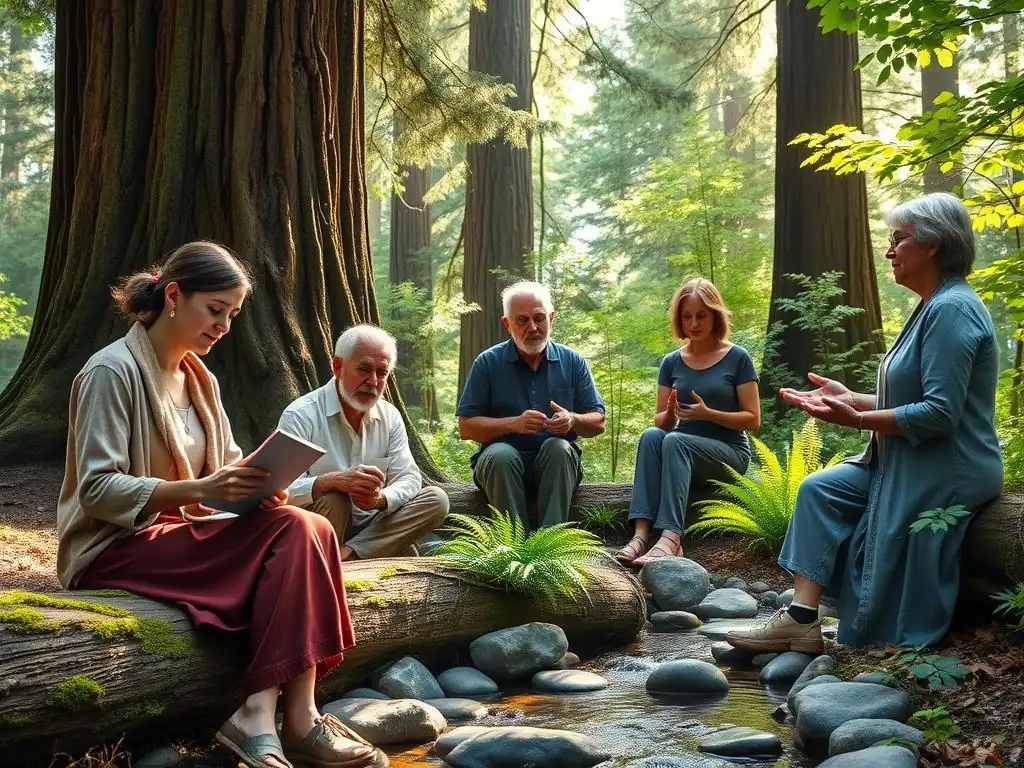
Welcome to Mind Care Guide, a space dedicated to nurturing your mental well-being.
Are you feeling overwhelmed, disconnected, or simply seeking a deeper sense of peace? Could the answer lie just outside your door? In this article, we delve into the fascinating world of ecotherapy benefits mental health, exploring how nature can act as a powerful ally in your journey towards healing and self-discovery. Discover how connecting with the natural world can alleviate stress, boost your mood, and unlock a profound sense of connection. Intrigued? Let's explore together...
Ecotherapy: Nature's Role in Mental Wellness
- Introduction: Connecting with Nature for Healing
- Mental Health Benefits of Ecotherapy
- Ecotherapy Techniques and Practices
- Scientific Evidence Supporting Ecotherapy
- Ecotherapy for Specific Mental Health Challenges
- Incorporating Ecotherapy into Daily Life
- Addressing Barriers to Ecotherapy Access
- The Future of Ecotherapy: Innovation and Integration
- Conclusion: Embracing Nature for Mental Wellness
-
Frequently Asked Questions
- What exactly is Ecotherapy, and how does it relate to mental health?
- What are some specific Ecotherapy activities that can positively impact mental health?
- What types of mental health conditions can benefit from Ecotherapy interventions?
- How does Ecotherapy differ from traditional talk therapy or medication for mental health?
- Are there any potential risks or limitations to consider before starting Ecotherapy?
- Final Reflection: The Healing Embrace of Nature
- Unleash Your Inner Peace: Embrace Nature's Healing Power
Introduction: Connecting with Nature for Healing
In an increasingly urbanized world, the simple act of stepping outside can feel like a profound journey. Yet, for centuries, cultures have intuitively understood the restorative power of nature. This deep connection is the foundation of ecotherapy, a growing field that recognizes the therapeutic benefits of engaging with the natural environment to support mental health and well-being. It's more than just a walk in the park; it's a structured approach using nature-based interventions to address psychological and emotional challenges.
Ecotherapy, also known as nature therapy or green therapy, operates on the principle that human beings are intrinsically connected to the natural world. This connection, often referred to as biophilia, suggests that spending time in nature can significantly impact our psychological, emotional, and physical states. By intentionally interacting with natural settings – whether it's a forest, a garden, a park, or even a carefully designed indoor space with natural elements – individuals can find pathways to healing, stress reduction, and personal growth.
Core Principles of Ecotherapy
At its heart, ecotherapy is guided by several core principles that emphasize the reciprocal relationship between human well-being and the health of the planet. A central tenet is the belief in nature's inherent capacity to heal and restore. This isn't just about being in a natural environment; it's about engaging with it actively and mindfully, fostering a sense of connection and belonging that is often lost in modern life.
Another key principle involves recognizing that our own well-being is deeply intertwined with the well-being of the environment. Ecotherapy practices often encourage environmental stewardship, suggesting that caring for nature can also be a form of self-care. This duality highlights the holistic nature of ecotherapy, viewing the individual as part of a larger ecological system rather than separate from it. Embracing these principles helps unlock how ecotherapy benefits mental health across diverse populations.
The Growing Need for Nature-Based Mental Health Interventions
The escalating rates of mental health conditions globally underscore the urgent need for diverse and accessible therapeutic approaches. The World Health Organization (WHO) notes that depression is a leading cause of disability worldwide, and anxiety disorders are also prevalent. Traditional mental health treatments are vital, but there is a growing recognition that complementary approaches can significantly enhance outcomes and reach individuals who may face barriers to accessing conventional care.
Modern life, characterized by increased screen time, urban density, and disconnection from natural rhythms, is often cited as contributing to psychological distress. Research indicates that urban dwellers may face higher risks of mood and anxiety disorders compared to those living in greener areas. This context highlights why exploring alternative and integrative therapies like ecotherapy, which leverages accessible natural resources, is becoming increasingly important in addressing the widespread mental health challenges of the 21st century. The evidence suggesting how ecotherapy benefits mental health is driving its increased adoption.
Mental Health Benefits of Ecotherapy
Engaging with nature offers a wide spectrum of psychological advantages that contribute significantly to overall mental well-being. From reducing the intensity of negative emotions to fostering a sense of calm and presence, the natural world provides a unique environment for healing and restoration. These benefits are not merely anecdotal; they are increasingly supported by scientific inquiry that explores the mechanisms by which nature impacts the human brain and body.
The benefits of ecotherapy for mental health extend beyond simple relaxation. It can cultivate resilience, improve self-esteem, and provide opportunities for physical activity, which is itself a powerful mood enhancer. By removing individuals from stressful or overwhelming environments, ecotherapy offers a change of pace and perspective, allowing for emotional processing and cognitive rest that can be difficult to achieve in daily life.
Improved Mood and Reduced Stress
One of the most widely recognized benefits of ecotherapy is its powerful impact on mood and stress levels. Spending time in natural environments has been shown to decrease the production of stress hormones like cortisol. For instance, studies have found that even short periods in green spaces can lead to a significant reduction in physiological stress markers compared to time spent in urban settings.
Furthermore, exposure to nature is associated with increased feelings of happiness, calmness, and vitality. Research from universities like Stanford has explored how a 90-minute walk in a natural setting decreases activity in a region of the brain associated with a key factor in depression compared to walking in an urban environment. This suggests that the simple act of being in nature can directly influence neural pathways related to mood regulation, demonstrating a core way ecotherapy benefits mental health.
Enhanced Cognitive Function and Creativity
Beyond emotional regulation, ecotherapy offers notable advantages for cognitive performance. Exposure to natural environments has been linked to improvements in attention span and focus, particularly in individuals experiencing mental fatigue. The Attention Restoration Theory suggests that unlike demanding urban environments that require directed attention, natural settings offer "soft fascination," allowing the mind to wander and recover its directed attention capacity.
Studies, including those using cognitive tests before and after nature exposure, have shown enhanced performance on tasks requiring focus and problem-solving. Moreover, time spent in nature has been associated with boosts in creativity. One study involving backpackers found that several days immersed in the wilderness without technology resulted in a significant increase in creative problem-solving abilities, highlighting how the restorative power of nature can unlock cognitive potential.
Ecotherapy Techniques and Practices
Ecotherapy is not a single, monolithic practice but encompasses a variety of techniques that leverage the therapeutic power of nature in different ways. These methods can be adapted to individual needs and preferences, ranging from passive immersion to active engagement with the environment. Understanding these different approaches helps illustrate the diverse ways ecotherapy benefits mental health.
The choice of ecotherapy technique often depends on the individual's comfort level, physical ability, and specific therapeutic goals. Some practices are highly structured and led by trained therapists, while others can be incorporated into daily life independently. The common thread is the intentional use of the natural world as a co-therapist in the healing process.
Forest Bathing (Shinrin-Yoku): Stress Reduction Through Sensory Immersion
Originating in Japan in the 1980s, Shinrin-Yoku, or "forest bathing," is a practice of mindfully spending time in a forest environment, engaging all five senses. It is not strenuous hiking or jogging, but rather a slow, deliberate wandering aimed at connecting with the atmosphere of the forest. The goal is to relax, observe, and absorb the environment.
This practice has been shown to lower heart rate and blood pressure, reduce stress hormone levels, and boost the immune system. The therapeutic effects are attributed partly to inhaling phytoncides, airborne chemicals emitted by plants. Studies have demonstrated that even short forest bathing sessions can lead to significant reductions in anxiety and improvements in mood, underscoring its potent role in stress reduction and how this form of ecotherapy benefits mental health.
Horticultural Therapy: Cultivating Well-being Through Gardening
Horticultural therapy uses gardening and plant-based activities to improve mental and physical health. This can involve planting, tending, harvesting, and even arranging plants. It provides opportunities for physical activity, sensory stimulation, and the satisfaction of nurturing living things.
This practice is used in various settings, including hospitals, rehabilitation centers, schools, and community gardens. For individuals struggling with depression, anxiety, or trauma, horticultural therapy can offer a sense of purpose, reduce feelings of isolation, and provide a non-verbal outlet for expression. The tangible results of gardening – watching plants grow – can also boost self-esteem and provide a sense of accomplishment. Programs in correctional facilities, for example, have shown success in reducing aggression and improving social skills through gardening activities.
Animal-Assisted Therapy: Therapeutic Benefits of Human-Animal Interaction
While often considered a distinct field, animal-assisted therapy (AAT) frequently overlaps with ecotherapy when it involves animals in natural or outdoor settings, or focuses on the human-animal bond within a broader ecological context. AAT utilizes trained animals, often dogs or horses, to facilitate therapeutic goals under the guidance of a professional.
Interacting with animals has been shown to reduce stress, lower blood pressure, and increase levels of oxytocin, often called the "bonding hormone." Equine therapy, for instance, involves working with horses and can help individuals develop trust, emotional regulation, and communication skills. The non-judgmental presence of animals can create a safe space for individuals to explore difficult emotions and build rapport, contributing to significant improvements in mental health outcomes.
Adventure Therapy: Promoting Resilience Through Outdoor Challenges
Adventure therapy uses challenging outdoor activities, such as hiking, climbing, kayaking, or ropes courses, to promote personal growth and therapeutic change. It often involves group work and focuses on building trust, communication, problem-solving skills, and resilience through shared experiences in nature.
By stepping outside their comfort zones in a supportive environment, participants can confront fears, build self-confidence, and develop coping strategies. The physical activity inherent in adventure therapy also provides the well-documented mood-boosting effects of exercise. Programs designed for at-risk youth or veterans with PTSD have demonstrated success in improving self-efficacy, reducing symptoms of anxiety and depression, and fostering a sense of community.
Scientific Evidence Supporting Ecotherapy
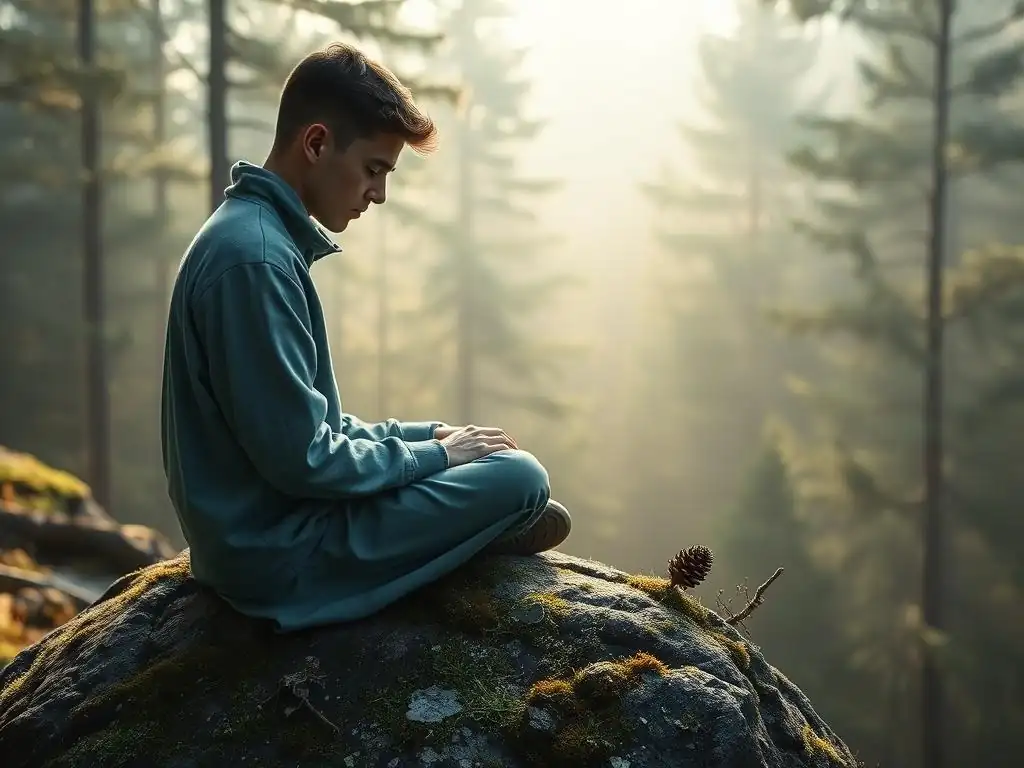
The therapeutic value of nature is increasingly being substantiated by rigorous scientific research across various disciplines, including psychology, public health, and environmental science. This growing body of evidence helps to solidify ecotherapy's position as a valid and effective approach to mental health support.
Studies range from large-scale epidemiological analyses correlating green space availability with population health outcomes to controlled experiments measuring physiological and psychological responses to nature exposure. This research not only confirms that ecotherapy benefits mental health but also begins to uncover the underlying biological and psychological mechanisms at play.
Research on Green Spaces and Mental Health Outcomes
Numerous studies have explored the correlation between access to green spaces (parks, forests, urban greenery) and mental health outcomes in populations. Research from countries like the Netherlands and the UK has shown that people living closer to green spaces report better mental health and lower incidence of conditions like depression and anxiety, even after controlling for socioeconomic factors.
A large-scale study in Denmark, for example, analyzed satellite data of green space surrounding childhood residences and linked it to the risk of developing psychiatric disorders later in life. The findings indicated that growing up with more green space nearby was associated with up to a 55% lower risk of developing a psychiatric disorder. This compelling data strongly supports the idea that accessible nature is a public health asset for mental well-being.
Neurobiological Mechanisms Underlying Ecotherapy's Effects
Scientists are beginning to uncover the neurobiological pathways through which nature impacts the brain. Studies using fMRI (functional magnetic resonance imaging) have shown that exposure to natural scenes can lead to changes in brain activity associated with relaxation and stress reduction. For instance, viewing natural images compared to urban images has been linked to increased activity in areas related to empathy and altruism and decreased activity in the amygdala, the brain's fear center.
Furthermore, research suggests that spending time in nature can alter brain wave patterns, shifting towards more relaxed alpha waves. The inhalation of volatile organic compounds from trees (phytoncides) has also been shown to increase the activity of natural killer (NK) cells, a type of white blood cell that supports immune function and is thought to have mood-enhancing effects. These findings provide a biological basis for understanding how ecotherapy benefits mental health at a fundamental level.
Example: "Effect of Forest Bathing Trips on Human Immune Function" (Li, Q. et al., 2008)
A foundational study providing empirical support for ecotherapy's physiological effects is "Effect of forest bathing trips on human immune function" published in Environmental Health and Preventive Medicine in 2008. This research, led by Qing Li, examined the impact of forest visits on human immune function markers.
The study involved participants taking trips to forests and measuring their NK cell activity and levels of related anti-cancer proteins before and after the trips. The findings demonstrated a significant increase in NK cell activity and intracellular anti-cancer proteins after forest bathing trips. These elevated levels persisted for up to 30 days after the trip. This study was pivotal in providing concrete physiological evidence for the health benefits of spending time in nature, particularly forest environments, and remains a key reference when discussing how ecotherapy benefits mental health through biological pathways.
Ecotherapy for Specific Mental Health Challenges
Ecotherapy is not just a general wellness tool; it is being increasingly utilized as a focused intervention for a range of specific mental health conditions. Its adaptability allows practitioners to tailor nature-based experiences to address the unique symptoms and needs associated with different diagnoses. This targeted application demonstrates the versatility of how ecotherapy benefits mental health in clinical contexts.
Whether used as a primary therapy or as a valuable complement to traditional treatments like talk therapy or medication, ecotherapy offers distinct advantages. It provides a non-clinical setting that can feel less intimidating for some individuals and offers experiential learning opportunities that differ from verbal processing alone.
Anxiety and Stress Reduction
For individuals struggling with anxiety and chronic stress, ecotherapy offers potent relief. The calming effects of nature, combined with the physical activity often involved in outdoor practices, can significantly reduce anxiety symptoms. Practices like mindful walking in nature, forest bathing, or simply spending quiet time in a park can lower physiological arousal, slow racing thoughts, and promote a sense of presence.
Studies have shown that regular exposure to nature can decrease self-reported anxiety levels. For example, a study on university students found that participating in a nature-based mindfulness program led to significant reductions in stress and anxiety compared to a control group. The combination of a soothing environment and gentle physical movement helps regulate the nervous system, making nature an effective ally in managing anxious states.
Depression and Mood Disorder Management
Ecotherapy is particularly beneficial for managing symptoms of depression and other mood disorders. Nature provides opportunities for increased physical activity, which is a known antidepressant. Furthermore, exposure to sunlight helps regulate circadian rhythms and can improve mood, particularly in cases of Seasonal Affective Disorder (SAD).
Beyond the physiological effects, engaging with nature can combat feelings of isolation and apathy often associated with depression. Horticultural therapy, for example, provides a sense of purpose and connection through nurturing plants. Group nature walks or conservation activities offer social interaction and a sense of belonging. The restorative qualities of nature can lift spirits, increase motivation, and provide a sense of hope, illustrating a powerful way ecotherapy benefits mental health for those experiencing low mood.
Trauma Recovery and PTSD Support
Nature-based therapies are increasingly used to support individuals recovering from trauma and those with Post-Traumatic Stress Disorder (PTSD). Natural environments can provide a sense of safety and predictability that is often missing for trauma survivors. Activities like therapeutic gardening, wilderness programs, or guided nature walks can help individuals feel more grounded and present.
Adventure therapy, in particular, can be effective for trauma survivors by providing opportunities to rebuild trust (in oneself and others), develop coping skills, and experience mastery in a supportive environment. The challenges encountered in outdoor activities, when navigated successfully, can help process traumatic experiences and build resilience. While requiring careful facilitation, nature offers a powerful context for healing and reclaiming a sense of agency after trauma.
Attention Deficit and Hyperactivity Disorder (ADHD)
Research suggests that exposure to nature can significantly benefit individuals with Attention Deficit and Hyperactivity Disorder (ADHD), particularly children. The theory of Attention Restoration suggests that "green time" allows the directed attention system, which is often taxed in individuals with ADHD, to rest and recover.
Studies have shown that even short periods of time spent in natural settings, such as walks in a park, can improve focus and reduce symptoms of inattention and impulsivity in children with ADHD compared to time spent in urban or indoor environments. Activities like hiking, fishing, or nature exploration provide engaging, multi-sensory experiences that can help channel energy and improve concentration, highlighting another specific way ecotherapy benefits mental health.
Incorporating Ecotherapy into Daily Life
Integrating the principles and practices of ecotherapy doesn't necessarily require moving to the wilderness or embarking on expensive retreats. Many simple, accessible ways exist to weave nature connection into the fabric of daily life, regardless of where you live. The key is intentionality – consciously seeking out and engaging with natural elements.
Making nature a regular part of your routine can provide ongoing support for mental well-being. Even small doses of nature exposure can yield significant benefits. Consider your current environment and how you might introduce more "green time" throughout your week.
Finding Local Ecotherapy Programs and Practitioners
As the field grows, so does the availability of structured ecotherapy programs and trained practitioners. Searching online directories, contacting local mental health services, or inquiring at community centers can help you find professionals who offer nature-based therapy sessions, therapeutic gardening groups, or guided nature walks.
Look for practitioners with training or certifications in ecotherapy, horticultural therapy, adventure therapy, or animal-assisted therapy, often alongside a background in counseling or social work. Many therapists are also beginning to incorporate outdoor sessions into their traditional talk therapy practices, meeting clients in parks or gardens.
Simple Nature Activities for Daily Well-being
You don't need a formal program to start experiencing how ecotherapy benefits mental health. Simple activities can be incredibly effective:
- Mindful Walking: Take a walk in a park, forest, or even along a tree-lined street. Pay attention to sensory details: the smell of leaves, the sounds of birds, the feel of the breeze.
- Container Gardening: If you lack yard space, grow herbs, vegetables, or flowers in pots on a balcony or windowsill. The act of caring for plants is therapeutic.
- Spending Time Near Water: Sit by a lake, river, or fountain. The sights and sounds of water are often profoundly calming.
- Observing Nature: Simply sit outside and observe the natural world around you – watching birds, noticing the details of a single plant, or observing clouds.
- Bringing Nature Indoors: Incorporate houseplants into your living space. Research suggests indoor plants can improve air quality and reduce stress.
Developing a Personalized Ecotherapy Routine
Creating a consistent routine is key to maximizing the benefits of ecotherapy. Start small and build gradually. Identify times in your week when you can realistically incorporate a nature activity, even if it's just 10-15 minutes.
Consider what types of nature activities resonate most with you. Do you prefer active engagement like hiking, or passive observation like sitting in a garden? Experiment with different approaches. Schedule nature time just like you would any other important appointment. A task list can help:
- [ ] Schedule 30-minute park walk on Monday
- [ ] Water and tend to indoor plants daily
- [ ] Plan a longer weekend hike or nature excursion
- [ ] Find a local community garden to visit or volunteer at
- [ ] Take a 15-minute mindful break outdoors each workday
Resources: National Parks Service, The Nature Conservancy
Organizations dedicated to conservation and access to nature can be valuable resources. The National Parks Service (in the US) provides information on parks and trails, offering accessible natural spaces for recreation and restoration. While not specifically therapeutic programs, these locations provide the environments where ecotherapy practices can take place.
The Nature Conservancy works globally to protect ecologically important lands and waters. While primarily conservation-focused, their efforts ensure that natural spaces remain available for current and future generations to experience their mental and physical health benefits. Exploring the websites of such organizations can help you find nearby natural areas to visit.
Addressing Barriers to Ecotherapy Access
Despite the growing recognition of how ecotherapy benefits mental health, significant barriers prevent many individuals from accessing nature-based interventions. These barriers are often systemic, related to socioeconomic factors, geographic location, and historical inequities. Addressing them is crucial for making ecotherapy truly inclusive and equitable.
Efforts are needed on multiple fronts – from urban planning to community programming – to ensure that the healing power of nature is available to everyone, not just those with easy access to green spaces or the financial means for private therapy.
Improving Accessibility for Underserved Communities
Access to quality green spaces is often inequitably distributed, with lower-income neighborhoods and communities of color frequently having less access to parks, trees, and natural areas compared to wealthier or predominantly white areas. This "nature gap" directly impacts health outcomes, including mental health.
Initiatives are needed to create and improve green spaces in underserved urban areas, potentially through community gardens, urban parks, or tree-planting programs. Furthermore, providing transportation to natural areas outside the city and developing low-cost or free nature-based programs are essential steps toward ensuring that everyone has the opportunity to benefit from ecotherapy, regardless of their background or location.
Utilizing Technology to Enhance Nature Connection
While ecotherapy emphasizes direct experience, technology can play a role in enhancing nature connection and overcoming some access barriers. Virtual reality (VR) experiences of natural environments are being explored as a therapeutic tool, particularly for individuals with limited mobility or those in clinical settings.
Mobile apps can also help individuals identify local green spaces, guide mindful nature walks, or track their time spent outdoors. While not a replacement for direct interaction, technology can serve as a bridge, motivating people to seek out nature and providing tools to deepen their engagement when they are able to access it.
Community-Based Ecotherapy Initiatives
Developing ecotherapy programs within communities can significantly improve access. This includes establishing therapeutic community gardens, leading guided nature walks or bird-watching groups, or organizing conservation activities open to the public. Embedding these programs within existing community centers, schools, or health clinics can make them more visible and accessible.
Peer-led nature groups or volunteer opportunities in local parks also provide low-barrier entry points for engaging with nature in a supportive social context. These community-driven approaches foster a sense of ownership and collective well-being, making the benefits of ecotherapy for mental health available on a wider scale.
The Future of Ecotherapy: Innovation and Integration
The field of ecotherapy is poised for significant growth and evolution. As research continues to validate the profound impact of nature on human well-being, nature-based interventions are likely to become more mainstream, integrated into healthcare systems, urban planning, and public health strategies.
Future developments will likely focus on refining therapeutic techniques, leveraging technology in innovative ways, and tailoring approaches to meet the diverse needs of individuals and communities. The increasing recognition of the interconnectedness of human and planetary health will also likely drive further integration of ecological principles into mental health care.
Increasing Recognition of Nature's Therapeutic Value
Momentum is building globally to formally recognize nature's role in health. Healthcare providers are increasingly considering "social prescribing," which includes recommending nature-based activities to patients. Some health systems are even partnering with park services or environmental organizations to facilitate access to green spaces.
Academic programs in ecotherapy and related fields are expanding, training a new generation of practitioners. As more research emerges and public awareness grows, the idea that time in nature is not just recreational but essential for health will become more widely accepted, solidifying how ecotherapy benefits mental health from a societal perspective.
Technological Advancements in Nature-Based Interventions
Beyond VR and mobile apps, future technological advancements might include bio-sensing devices that measure physiological responses to nature in real-time, providing personalized feedback on the most effective types of nature exposure. AI could potentially be used to analyze environmental data and individual health profiles to recommend tailored nature interventions.
While maintaining the core principle of direct nature connection, technology can serve as a powerful enabler – helping to monitor impact, personalize experiences, and extend the reach of ecotherapy to individuals who might otherwise be unable to participate.
Personalized Ecotherapy Approaches
Just as traditional therapy is tailored to the individual, the future of ecotherapy will likely see increasingly personalized approaches. This involves considering an individual's specific mental health needs, cultural background, personal preferences for natural environments (e.g., forest vs. ocean vs. garden), and accessibility constraints.
Developing personalized "nature prescriptions" based on evidence-informed guidelines will allow practitioners to recommend specific types, durations, and frequencies of nature engagement for optimal therapeutic outcomes. This level of customization will enhance the effectiveness of how ecotherapy benefits mental health on an individual basis.
Conclusion: Embracing Nature for Mental Wellness
In a world grappling with rising rates of stress, anxiety, and other mental health challenges, the ancient wisdom of connecting with nature offers a powerful, accessible, and often overlooked pathway to healing and well-being. Ecotherapy, grounded in the understanding of our innate bond with the natural world, provides a diverse toolkit of practices that leverage the restorative power of green and blue spaces.
From the calming embrace of forest bathing to the grounding work of horticultural therapy, and the empowering challenges of adventure therapy, the evidence is clear: intentionally engaging with nature yields significant benefits for mental health. As research continues to uncover the underlying mechanisms, the integration of nature into our lives and our healthcare systems becomes not just desirable, but essential.
Long-Term Benefits of Nature Connection
Making nature a regular part of life cultivates long-term resilience and well-being. Consistent exposure to natural environments can lead to sustained reductions in stress hormone levels, improved mood stability, enhanced cognitive function, and a greater sense of life satisfaction. It fosters a deeper connection to oneself and the planet, promoting a sense of purpose and reducing feelings of isolation.
Over time, this regular engagement can build a buffer against the stressors of modern life and contribute to a more balanced and fulfilling existence. The long-term benefits of ecotherapy for mental health underscore the value of cultivating a lasting relationship with the natural world.
Ecotherapy as a Complementary Approach to Mental Healthcare
Ecotherapy is not presented as a standalone cure for all mental health conditions, but rather as a valuable complementary and integrative approach. It works effectively alongside traditional therapies like counseling, medication, and other forms of psychological support. For many, it can enhance the effectiveness of these treatments and provide additional avenues for healing and growth.
By embracing ecotherapy, individuals can access a powerful, natural resource to support their mental well-being journey. Whether through formal programs or simple daily practices, connecting with nature offers a profound way to nourish the mind, body, and spirit, affirming the significant role ecotherapy benefits mental health plays in holistic wellness.
Frequently Asked Questions
What exactly is Ecotherapy, and how does it relate to mental health?
Ecotherapy, also called nature therapy, involves engaging in activities in natural environments to improve mental and physical well-being. It leverages the restorative power of nature to address various mental health challenges.
What are some specific Ecotherapy activities that can positively impact mental health?
Activities like forest bathing (Shinrin-Yoku), gardening, hiking, and simply spending time in green spaces can reduce stress hormones, improve mood, and increase feelings of connection.
What types of mental health conditions can benefit from Ecotherapy interventions?
Ecotherapy has shown promise in helping individuals with anxiety, depression, ADHD, and even PTSD, by providing a calming and grounding experience that promotes emotional regulation.
How does Ecotherapy differ from traditional talk therapy or medication for mental health?
Ecotherapy offers a complementary approach, utilizing the natural environment as a therapeutic tool, unlike traditional methods that primarily rely on verbal communication or pharmaceutical interventions. It can be used in conjunction with these methods.
Are there any potential risks or limitations to consider before starting Ecotherapy?
While generally safe, it's important to consider accessibility, allergies, and physical limitations. A healthcare professional can help determine if Ecotherapy is suitable and safe for your specific needs.
Final Reflection: The Healing Embrace of Nature
The profound connection between nature and mental well-being is no longer a fringe idea; it's a burgeoning field of study and practice with demonstrably positive effects on our mental health. Ecotherapy isn't just a trend; it's a vital response to the increasing pressures of modern life, offering a powerful antidote to the anxieties and stresses that plague so many. The evidence is clear: spending time in nature significantly reduces stress hormones, improves mood, and fosters a sense of calm and connection.
The impact of ecotherapy extends far beyond individual healing; it's reshaping our understanding of mental health care itself. We are increasingly recognizing the limitations of purely clinical approaches and embracing holistic solutions that acknowledge the interconnectedness of our physical and mental well-being with the natural world. As renowned environmentalist Richard Louv so eloquently stated, Nature is not a place to visit. It is home.
This resonates deeply with the core principles of ecotherapy, highlighting the inherent restorative power of reconnecting with our natural surroundings. It's a shift in perspective that recognizes the importance of nurturing our relationship with the Earth as a fundamental aspect of self-care.
Consider how you can integrate the principles of ecotherapy into your own life. Don't underestimate the power of a simple walk in the woods, a mindful moment in your garden, or even just observing the changing seasons from your window. Make a conscious effort to incorporate more nature into your daily routine.
Notice the subtle shifts in your mood, your energy levels, and your overall sense of well-being. Embrace the healing embrace of nature, and discover the transformative power it holds for your mental and emotional health. The journey towards a more balanced and fulfilling life begins with a single step – a step into the natural world.
Unleash Your Inner Peace: Embrace Nature's Healing Power
Thanks for taking the time to explore the world of ecotherapy with us! We hope you gained a deeper understanding of nature's incredible ability to nurture your mind and body. Ready to take the next step on your journey to well-being?
- Spend 30 minutes today in nature: Even a short walk in a park can make a difference. Notice the details – the sunlight, the sounds, the smells. Let your worries melt away. This is your primary action – your first step toward a more connected and peaceful you.
- Share this article with someone you care about: Spread the word about the benefits of ecotherapy and inspire others to connect with nature.
- Try a simple nature-based mindfulness exercise: Find a quiet spot and focus on your breath, observing the natural world around you without judgment.
What small step will you take today to reconnect with the healing power of nature?