
Deep Relaxation Techniques for Better Sleep Quality


Welcome to Mind Care Guide, a sanctuary for your mental well-being.
Struggling to find restful sleep? Many of us do. Dive into our guide on how deep relaxation improve sleep quality, and discover simple yet powerful techniques to reclaim your nights. We understand the challenges, and we're here to help you find lasting peace and restorative sleep. Let's explore the path to a calmer mind and a more rested you.
Deep Relaxation Techniques for Better Sleep Quality
- Introduction: The Link Between Deep Relaxation and Improved Sleep
- What is Deep Relaxation and How Does it Promote Sleep?
- Proven Deep Relaxation Techniques to Enhance Sleep
- Creating a Relaxing Bedtime Routine for Optimal Sleep
- Troubleshooting Common Sleep Problems with Relaxation Techniques
- Conclusion: Achieving Better Sleep Through Deep Relaxation Practices
-
Frequently Asked Questions
- What are some deep relaxation techniques mentioned in the article?
- How can deep relaxation improve my sleep quality?
- Is deep relaxation a substitute for professional mental health care?
- How often should I practice deep relaxation techniques to see a difference in my sleep?
- Where can I find more information and resources on deep relaxation and mental well-being?
- Final Reflection: Unlocking the Power of Deep Relaxation for Restful Sleep
- Unlock Your Best Sleep Yet!
Introduction: The Link Between Deep Relaxation and Improved Sleep
Understanding the Importance of Relaxation for Sleep
Quality sleep is fundamental to our physical and mental health. It's during sleep that our bodies repair tissues, consolidate memories, and regulate hormones crucial for daily functioning. However, in our fast-paced world, achieving restorative sleep can be a significant challenge for many.
The inability to 'switch off' the mind and body is a common barrier, often stemming from accumulated stress and tension throughout the day. This is where understanding the power of deep relaxation becomes essential. By actively engaging in practices that calm the nervous system, we create an internal environment conducive to falling asleep faster and staying asleep longer.
Learning how to achieve deep relaxation can profoundly impact your sleep quality. It's not merely about feeling less stressed; it's about lowering physiological arousal levels that interfere with sleep onset and maintenance. Techniques aimed at promoting this state help quiet the 'fight or flight' response, shifting your body towards a state of rest and digest. This fundamental shift is key to unlocking the door to improved sleep quality, making deep relaxation a powerful tool in your sleep hygiene arsenal.
How Stress Impacts Sleep Quality
Stress is one of the most pervasive culprits behind poor sleep. When we experience stress, our body releases hormones like cortisol and adrenaline, which are designed to prepare us for immediate action. While helpful in short bursts, chronic stress keeps these hormones elevated, leading to a state of hyperarousal. This physiological state makes it incredibly difficult to transition into the relaxed state necessary for sleep. The mind races with worries, the body feels tense, and sleep becomes elusive.
Furthermore, stress can disrupt the natural sleep-wake cycle, known as the circadian rhythm. Elevated cortisol levels, which typically drop in the evening, can remain high, signaling to the body that it's still daytime and time to be alert. This misalignment interferes with the production of melatonin, the hormone that signals sleep. The result is often insomnia, fragmented sleep, or non-restorative sleep, creating a vicious cycle where poor sleep exacerbates stress, and stress further deteriorates sleep quality. Effectively managing stress through deep relaxation techniques is therefore paramount if you seek to achieve better sleep.
What is Deep Relaxation and How Does it Promote Sleep?
Defining Deep Relaxation Techniques
Deep relaxation techniques encompass a range of practices designed to elicit the body's natural relaxation response. Unlike passive rest, deep relaxation involves intentionally engaging the mind and body to reduce tension and calm the nervous system. These techniques move beyond simply sitting quietly; they often involve structured exercises that focus on breathing, muscle awareness, or mental imagery to bring about a state of profound calm. The goal is to counteract the physiological effects of stress and anxiety, which are major impediments to restful sleep.
Examples of deep relaxation techniques include Progressive Muscle Relaxation, Autogenic Training, Guided Imagery, specific Deep Breathing exercises, and Mindfulness Meditation. While each technique has its unique approach, they all share the common aim of lowering heart rate, reducing muscle tension, slowing breathing, and quieting mental chatter. Regularly practicing these methods trains the body and mind to enter a relaxed state more readily, making them particularly effective tools for improving sleep quality by preparing the body for rest.
The Science Behind Relaxation and Sleep Enhancement
The connection between deep relaxation and improved sleep quality is rooted in psychophysiology. When you engage in relaxation techniques, you activate the parasympathetic nervous system, often referred to as the 'rest and digest' system. This counteracts the sympathetic nervous system's 'fight or flight' response, which is dominant during stress and anxiety. Activation of the parasympathetic system leads to a cascade of physiological changes beneficial for sleep.
These changes include a decrease in heart rate, lower blood pressure, slower and deeper breathing, reduced muscle tension, and a drop in stress hormones like cortisol. A calmer physiological state makes it easier to fall asleep and maintain sleep.
Research, including studies published in journals focusing on sleep medicine and psychology, has demonstrated that consistent practice of relaxation techniques can significantly reduce sleep latency (the time it takes to fall asleep) and improve sleep efficiency (the percentage of time in bed spent asleep). Essentially, deep relaxation helps shift your body into the optimal state for sleep, providing a natural pathway to improve sleep quality.
Proven Deep Relaxation Techniques to Enhance Sleep

Progressive Muscle Relaxation (PMR) for Sleep
Progressive Muscle Relaxation (PMR) is a technique that involves tensing and then releasing different muscle groups in the body. This deliberate process helps you become more aware of physical sensations and the difference between tension and relaxation. By systematically working through the body, from your toes to your head, you consciously release accumulated physical tension, which is often a significant barrier to falling asleep. The focus required for the exercise also serves to distract the mind from worries or racing thoughts that keep you awake.
Practicing PMR before bed can be particularly effective for individuals who hold a lot of physical tension due to stress or anxiety. As you release tension in each muscle group, you send signals to your brain that it's time to relax. This physical relaxation contributes significantly to mental calmness, creating a more conducive state for sleep onset. Many people report feeling physically heavier and more settled after a PMR session, making the transition to sleep feel more natural and effortless.
How to Practice Progressive Muscle Relaxation for Sleep
To practice PMR for sleep, find a quiet, comfortable place where you won't be disturbed, ideally in your bed just before you plan to sleep. Lie on your back with your arms resting comfortably at your sides, palms down. Take a few slow, deep breaths to begin. Then, starting with your feet, intensely tense the muscles in your toes and feet for about 5-10 seconds. Pay close attention to the feeling of tension.
After 5-10 seconds, exhale and suddenly release all the tension from your feet. Notice the feeling of relaxation that washes over that area. Rest for 20-30 seconds, focusing on the pleasant sensation of looseness and warmth. Continue this process systematically through your body: calves, thighs, buttocks, abdomen, chest, back, hands, arms, shoulders, neck, jaw, and facial muscles. With each release, allow yourself to sink deeper into relaxation. The goal is to become acutely aware of the contrast between tension and relaxation, helping you identify and release tension more effectively over time, which ultimately helps deep relaxation improve sleep quality.
Benefits of PMR on Sleep Quality
The benefits of incorporating Progressive Muscle Relaxation into your routine for sleep are well-documented. By systematically releasing physical tension, PMR helps reduce overall bodily arousal, making it easier to fall asleep. This technique is particularly effective for individuals whose insomnia is linked to muscle tension or anxiety. Studies have shown that regular PMR practice can decrease the time it takes to fall asleep (sleep latency) and reduce nighttime awakenings.
Furthermore, PMR can help alleviate symptoms of conditions that interfere with sleep, such as restless legs syndrome (though not a cure, it can help manage discomfort) and general anxiety disorder. The mental focus required for the technique also distracts from ruminative thoughts, a common cause of insomnia. Regular practice not only improves sleep on the nights you perform it but also trains your body to relax more easily over time, contributing to sustained improvements in your ability to achieve deep relaxation and improve sleep quality.
Autogenic Training for Sleep Improvement
Autogenic Training is a deep relaxation technique developed in Germany by psychiatrist Johannes Heinrich Schultz. It uses a series of self-suggestions to create feelings of warmth and heaviness in different parts of the body, mimicking the physiological sensations associated with relaxation. The term "autogenic" means "self-generating," emphasizing that the relaxation response is generated internally by the practitioner through focused mental exercises. This method requires consistent practice to master, but its benefits for sleep can be significant.
The core principle involves repeating phrases that focus on specific bodily sensations, such as "My right arm is heavy" or "My hands are warm." By focusing on these sensations, the practitioner influences their autonomic nervous system, promoting a state of deep calm. This technique addresses both physical and mental tension, making it a comprehensive approach to preparing the body and mind for sleep. Regular engagement with Autogenic Training helps cultivate a deep sense of peace and stillness, which is highly conducive to falling asleep.
The Principles of Autogenic Training
Autogenic Training is based on the principle that specific physiological states can be induced through focused mental concentration on bodily sensations. It leverages the mind-body connection to influence the autonomic nervous system, moving it from a state of sympathetic arousal (stress) towards parasympathetic dominance (relaxation). The standard exercises focus on achieving six key sensations:
- Heaviness in the limbs (indicating muscle relaxation)
- Warmth in the limbs (indicating vasodilation and increased blood flow)
- Calm and regular heartbeat
- Calm and regular breathing
- Warmth in the solar plexus (abdominal area)
- Coolness in the forehead
By systematically repeating phrases related to these sensations, the practitioner learns to voluntarily induce physiological changes associated with deep relaxation. This self-regulation capacity is what makes Autogenic Training a powerful tool for managing stress and improving conditions like insomnia, enabling deep relaxation to improve sleep quality over time.
Applying Autogenic Training for Relaxation and Sleep
To apply Autogenic Training for relaxation and sleep, find a comfortable position, either lying down or sitting in a relaxed chair, ideally in your bedroom before sleep. Close your eyes and begin by focusing on your breathing for a few moments. Then, start the sequence of self-suggestions, typically beginning with the feeling of heaviness. For example, you might repeat silently or softly, "My right arm is heavy... My left arm is heavy... Both arms are heavy." Spend a few minutes on each sensation before moving to the next (warmth, heartbeat, breathing, solar plexus warmth, forehead coolness).
Practice each phrase gently, without forcing the feeling, simply allowing it to develop. If your mind wanders, gently guide it back to the sensation you are focusing on. The entire sequence can take 15-20 minutes. With regular practice, you will find that you can achieve a state of deep relaxation more quickly and easily. Performing this sequence nightly helps signal to your body and mind that it is time to wind down and prepare for sleep, making it an effective method when you seek to achieve deep relaxation and improve sleep quality.
Guided Imagery and Visualization for Sleep
Guided Imagery and Visualization techniques involve creating peaceful mental images or scenes to promote relaxation and prepare for sleep. This practice harnesses the power of the mind to influence the body's state. By focusing on calming scenarios, you can distract yourself from stressful thoughts and invoke feelings of peace and tranquility. It's like taking a mini-vacation in your mind, which can be incredibly effective in reducing the mental arousal that prevents sleep.
These techniques often involve listening to guided recordings, where a narrator describes a soothing scene, such as a walk on a quiet beach, a peaceful forest path, or floating on a calm lake. Your task is simply to imagine yourself in that environment, engaging your senses – what you would see, hear, feel, smell, and even taste. This immersive mental experience helps quiet the analytical mind and reduces the production of stress hormones, paving the way for sleep.
Creating Relaxing Mental Images for Sleep
Creating relaxing mental images for sleep can be done with or without a guided recording. Start by identifying a place or scene that you find inherently peaceful and calming. This could be a real place you've visited, a place you've seen in pictures, or a purely imaginary setting. Once you have your scene in mind, lie down comfortably in bed and close your eyes.
Begin to build the scene in your mind, adding details using all your senses. If it's a beach, imagine the color of the sand, the sound of the waves gently lapping the shore, the warmth of the sun or the coolness of the evening breeze on your skin, the smell of salt in the air. Engage deeply with the imagery, allowing yourself to feel fully present in that peaceful environment. The more detailed and sensory the image, the more effective it will be at captivating your mind and leading you towards a state of deep relaxation conducive to sleep.
Using Guided Meditations for Sleep Onset
Using guided meditations specifically designed for sleep onset is a popular and accessible way to practice guided imagery and visualization. Numerous apps, websites, and streaming services offer a wide variety of sleep meditations, often incorporating elements of body scan, breathing exercises, and visualization. These recordings provide structure and gentle guidance, which can be particularly helpful if you are new to relaxation techniques or find it difficult to keep your mind focused on your own.
Simply choose a guided meditation that appeals to you, lie down in bed, and listen through headphones or a speaker set at a low volume. The narrator's soothing voice and the peaceful descriptions will guide you through the process of relaxing your body and mind. Many sleep meditations are specifically designed to help you drift off before they end, so there's no expectation to remain awake for the entire duration. This passive engagement makes guided meditations an excellent tool when you aim for deep relaxation to improve sleep quality.
Deep Breathing Exercises for Sleep: A Simple Yet Effective Technique
Deep breathing exercises are among the simplest yet most powerful tools for promoting relaxation and improving sleep. Unlike the shallow, rapid breathing often associated with stress, deep breathing activates the parasympathetic nervous system, slowing your heart rate and calming your mind. It's a technique you can practice anywhere, anytime, making it incredibly convenient for winding down before bed or even if you wake up during the night.
Focusing on your breath also serves as a form of mindfulness, anchoring your attention to the present moment and diverting it from worries about the past or future. By consciously slowing and deepening your breath, you send a clear signal to your body that you are safe and can relax. Regular practice not only helps you relax in the moment but also trains your body to respond to stress with a calmer breathing pattern, fostering a state of deep relaxation that is essential for achieving restorative sleep.
Diaphragmatic Breathing: Technique and Benefits for Sleep
Diaphragmatic breathing, also known as belly breathing, is a fundamental deep breathing technique. It involves engaging the diaphragm, a large muscle located below the lungs, to pull air deep into your lungs. To practice, lie on your back with one hand on your chest and the other just below your rib cage. Inhale slowly through your nose, feeling your abdomen rise as your diaphragm pulls air down. Your chest should remain relatively still.
Exhale slowly through your mouth, gently pressing your abdomen inward to expel all the air. Focus on making your exhales longer than your inhales, which further promotes relaxation. Repeat this process for several minutes, concentrating solely on the sensation of your breath and the movement of your abdomen. Practicing diaphragmatic breathing before sleep helps slow your heart rate, reduce blood pressure, and decrease cortisol levels, creating a physiological state that is highly conducive to falling asleep. It's a direct way to use deep relaxation to improve sleep quality.
Box Breathing for Calming the Mind Before Sleep
Box breathing, also called square breathing, is another effective deep breathing technique that can calm a racing mind before sleep. It's a simple, rhythmic pattern that involves inhaling, holding your breath, exhaling, and holding your breath again, each for the same count, typically four. To practice box breathing, find a comfortable position and close your eyes.
Inhale slowly through your nose for a count of four. Hold your breath for a count of four. Exhale slowly through your mouth for a count of four. Hold your breath again for a count of four. Repeat this "box" pattern for several minutes. The rhythmic counting and breath holding require focus, which helps to quiet distracting thoughts and bring your attention to the present moment. This technique is particularly useful when anxiety or overthinking is keeping you awake, providing a structured way to achieve deep relaxation and improve sleep quality by calming the nervous system.
Mindfulness Meditation for Sleep: Cultivating Present Moment Awareness
Mindfulness meditation involves focusing your attention on the present moment without judgment. This can include paying attention to your breath, bodily sensations, sounds, or thoughts as they arise, simply observing them without getting caught up in them. For sleep, mindfulness often involves a gentle awareness of the body (body scan) or the breath, helping to quiet the mind and release tension.
Practicing mindfulness regularly can reduce overall stress and anxiety levels, which are major contributors to insomnia. Before bed, a short mindfulness session can help you transition from the day's activities to a state of calm readiness for sleep. It teaches you to observe thoughts about sleep difficulties or daytime worries without engaging with them, reducing the mental struggle that often accompanies insomnia. By cultivating present moment awareness, mindfulness fosters a state of acceptance and peace that is highly beneficial for falling asleep.
Practicing Mindfulness to Reduce Sleep-Related Anxiety
Sleep-related anxiety, the worry about not being able to sleep, is a significant barrier to sleep itself. Mindfulness meditation offers a powerful way to address this. When practicing mindfulness before bed, you can specifically bring awareness to the anxiety you feel. Instead of trying to push the thoughts or sensations away, you simply observe them with curiosity and without judgment. Notice where you feel the anxiety in your body, acknowledge the thoughts as just thoughts, and gently return your attention to your breath or bodily sensations.
This practice helps to де-escalate the anxiety response. By not fighting the anxiety, you reduce its power over you. You learn that you can experience anxious thoughts or feelings without them necessarily preventing you from sleeping. Over time, this mindful approach can significantly reduce the intensity of sleep-related anxiety, making it much easier to relax and drift off. It's a key way that cultivating deep relaxation improve sleep quality by addressing the psychological barriers.
Incorporating Mindfulness into Your Bedtime Routine
Incorporating mindfulness into your bedtime routine can be simple and flexible. It doesn't require hours of practice; even 5-10 minutes can make a difference. You might start with a short guided body scan meditation, focusing on bringing awareness to each part of your body and releasing any tension you notice. Alternatively, you could simply spend a few minutes sitting or lying quietly, focusing on the sensation of your breath entering and leaving your body.
Another approach is mindful stretching or gentle yoga before bed, paying attention to the sensations in your body as you move. The key is consistency. Make mindfulness a regular part of your wind-down activities. This consistent practice helps train your brain to enter a more relaxed state more readily, preparing you for sleep and reinforcing your ability to use deep relaxation to improve sleep quality night after night.
Creating a Relaxing Bedtime Routine for Optimal Sleep
The Importance of a Consistent Sleep Schedule
Maintaining a consistent sleep schedule is perhaps the single most important aspect of good sleep hygiene. Going to bed and waking up at roughly the same time every day, even on weekends, helps regulate your body's internal clock, the circadian rhythm. This consistency reinforces the natural signals for sleep and wakefulness, making it easier to fall asleep when it's time and wake up feeling refreshed.
When your sleep schedule is erratic, it disrupts the delicate balance of your circadian rhythm, similar to experiencing jet lag. This confusion makes it harder for your body to know when to release sleep-inducing hormones like melatonin and when to release wakefulness-promoting hormones like cortisol. A consistent schedule provides the necessary structure for your body to optimize these processes, laying a crucial foundation upon which deep relaxation techniques can build to further improve sleep quality.
Optimizing Your Sleep Environment for Deep Relaxation
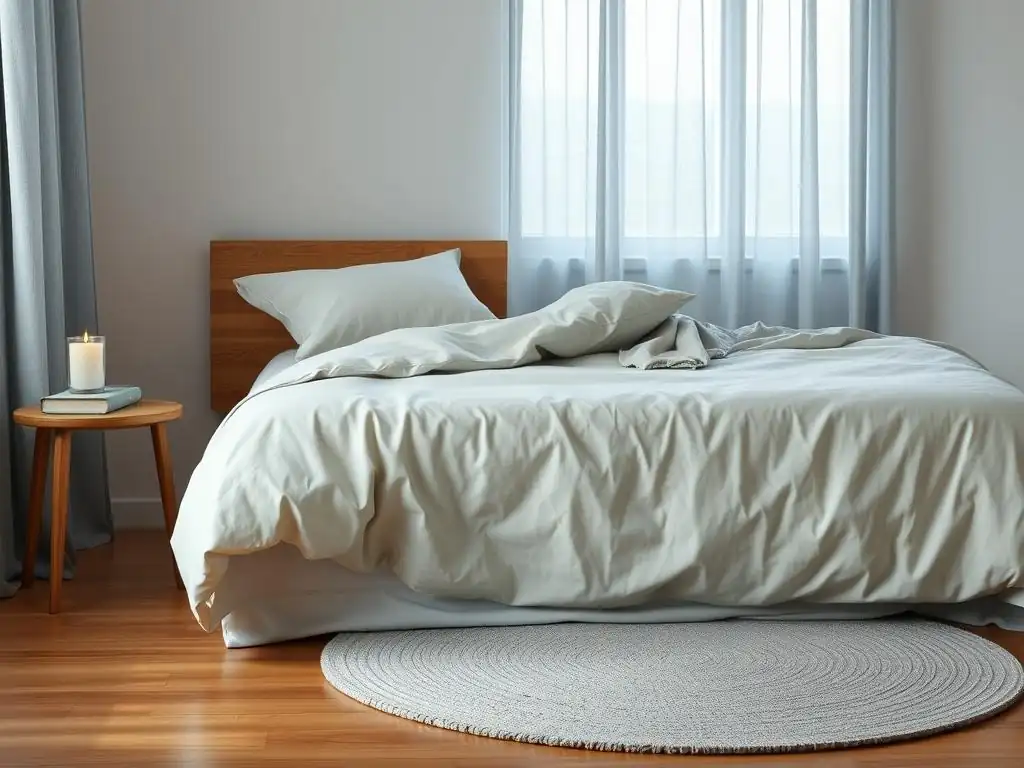
Your sleep environment plays a critical role in your ability to relax and fall asleep. The bedroom should be a sanctuary dedicated primarily to sleep and intimacy, free from distractions like work materials, screens, and clutter. Key elements of an optimized sleep environment include darkness, quiet, and a cool temperature. Even small amounts of light can disrupt melatonin production, so make your room as dark as possible using blackout curtains if necessary.
Noise can also interfere with sleep, so use earplugs or a white noise machine if your environment is noisy. The ideal temperature for sleep is generally cooler, around 60-67 degrees Fahrenheit (15-19 degrees Celsius), as a drop in body temperature is a natural part of the sleep onset process. Ensure your mattress and pillows are comfortable and supportive. By creating a space that promotes rest and minimizes disturbances, you make it much easier for deep relaxation techniques to be effective and improve sleep quality.
Incorporating Relaxation Techniques into Your Evening Routine
Integrating deep relaxation techniques into your evening routine is key to making them effective for sleep. Consistency is more important than the specific technique you choose initially; find what resonates with you and stick with it. Your routine should begin about 30-60 minutes before your target bedtime and signal to your body and mind that it's time to wind down.
This wind-down period could include activities like taking a warm bath (the drop in body temperature after getting out can promote sleep), reading a physical book (avoiding screens), listening to calming music, or journaling to clear your mind. After these activities, dedicate 10-20 minutes specifically to your chosen deep relaxation technique – be it PMR, guided imagery, deep breathing, or mindfulness. This dedicated practice helps you shed the day's stress and prepares your body and mind for sleep, reinforcing how deep relaxation improve sleep quality when consistently applied.
Troubleshooting Common Sleep Problems with Relaxation Techniques
Addressing Insomnia with Deep Relaxation
Insomnia, characterized by difficulty falling or staying asleep, often has roots in hyperarousal – both physical and mental. Deep relaxation techniques directly target this hyperarousal state. Techniques like Progressive Muscle Relaxation or Autogenic Training help reduce physical tension, which is often elevated in individuals with insomnia. Meanwhile, techniques like Guided Imagery or Mindfulness Meditation help quiet the racing thoughts and worries that keep insomniacs awake.
Regular practice of these techniques helps to lower baseline stress levels and improves your ability to relax on command. For example, a study published in the Journal of Consulting and Clinical Psychology showed that relaxation training was effective in reducing sleep onset latency in primary insomnia patients. By consistently applying deep relaxation techniques, you train your body and mind to enter a state more conducive to sleep, offering a non-pharmacological approach to managing insomnia and allowing deep relaxation to improve sleep quality over time.
Managing Sleep Anxiety Through Relaxation Practices
Sleep anxiety, the fear and worry surrounding the inability to sleep, creates a self-fulfilling prophecy. The more you worry about not sleeping, the more alert your body becomes, making sleep even harder. Relaxation practices are particularly effective for breaking this cycle. Mindfulness meditation, for instance, teaches you to observe anxious thoughts and feelings without judgment, reducing their power. Instead of getting caught in the loop of "I must sleep" and the accompanying panic, you learn to simply notice the thoughts and gently redirect your attention.
Techniques like Box Breathing or Diaphragmatic Breathing can provide an immediate tool to use when anxiety spikes, whether at bedtime or during a nighttime awakening. By focusing on the breath, you interrupt the anxious thought pattern and activate the calming parasympathetic response. Regularly incorporating these practices into your routine builds resilience against sleep anxiety, helping you approach bedtime with greater calm and confidence, thereby leveraging deep relaxation to improve sleep quality by addressing the psychological barrier.
Coping with Nightmares and Sleep Disturbances Using Relaxation
While deep relaxation techniques may not directly prevent all nightmares or sleep disturbances, they can significantly help in coping with them and returning to sleep more easily. Waking up from a nightmare often leaves you in a state of heightened fear and physiological arousal, making it difficult to fall back asleep. Having a relaxation technique ready can help you calm your nervous system quickly.
If you wake up feeling anxious or distressed, gently sitting up or staying in bed and practicing a few minutes of deep breathing (like Box Breathing) or a short body scan meditation can help lower your heart rate and soothe your frayed nerves. Focusing on a peaceful guided imagery scenario can also help shift your mental state away from the disturbing images of the nightmare.
By providing tools to regain calm after a disturbance, relaxation techniques reduce the total time spent awake during the night, contributing to better overall sleep continuity and demonstrating how deep relaxation improve sleep quality not just at the start of the night, but throughout.
Conclusion: Achieving Better Sleep Through Deep Relaxation Practices
The Long-Term Benefits of Relaxation for Sleep and Overall Wellbeing
The consistent practice of deep relaxation techniques offers significant long-term benefits for both sleep quality and overall wellbeing. Beyond simply helping you fall asleep faster, regular relaxation training can lead to more consolidated sleep, reducing the number of nighttime awakenings. This results in more restorative sleep cycles, leaving you feeling more refreshed and energized during the day. The cumulative effect of better sleep positively impacts cognitive function, mood regulation, physical health, and stress resilience.
Furthermore, integrating deep relaxation into your life extends its benefits beyond the bedroom. Reduced chronic stress and anxiety contribute to lower risk of stress-related health issues, improved emotional regulation, and a greater sense of calm and control in daily life. Learning how to achieve deep relaxation is an investment in your holistic health, providing tools that not only improve your nights but also enhance your days, illustrating the profound impact deep relaxation can have to improve sleep quality and life quality.
Making Relaxation a Sustainable Part of Your Sleep Hygiene
To truly reap the benefits of deep relaxation for sleep, it must become a sustainable part of your regular sleep hygiene routine. This means viewing relaxation practice not as a quick fix for a sleepless night, but as a consistent habit, like brushing your teeth. Start small, perhaps with just 5-10 minutes of a technique you find accessible, like deep breathing or a short guided meditation, performed nightly as part of your wind-down routine.
Find a technique or combination of techniques that you enjoy and that fit easily into your lifestyle. Be patient with yourself; mastering relaxation takes time and practice. Some nights may be easier than others. The key is consistency. By making deep relaxation a non-negotiable part of your evening, you build a powerful habit that trains your body and mind for sleep, ensuring that you can reliably use deep relaxation to improve sleep quality for years to come, contributing to lasting health and vitality.
Frequently Asked Questions
What are some deep relaxation techniques mentioned in the article?
The article discusses several techniques, including progressive muscle relaxation, guided imagery, and diaphragmatic breathing. These are all aimed at reducing tension and promoting calmness.
How can deep relaxation improve my sleep quality?
Deep relaxation helps by reducing stress hormones like cortisol. This allows your body to naturally transition into a state conducive to restful and uninterrupted sleep.
Is deep relaxation a substitute for professional mental health care?
No, deep relaxation techniques are valuable tools, but they are not a replacement for professional help. Consult a mental health professional for diagnoses and treatment of underlying conditions.
How often should I practice deep relaxation techniques to see a difference in my sleep?
Consistency is key. Aim to practice deep relaxation techniques daily or several times a week. Over time, this can lead to significant improvements in your sleep quality.
Where can I find more information and resources on deep relaxation and mental well-being?
The Mind Care Guide website offers a comprehensive range of articles, support resources, and information on various mental health challenges, including strategies for better sleep quality.
Final Reflection: Unlocking the Power of Deep Relaxation for Restful Sleep
The pursuit of quality sleep is no longer a luxury; it's a fundamental necessity for a healthy and productive life. Our increasingly demanding world often leaves us stressed and wired, making it challenging to achieve the deep, restorative sleep our bodies crave. This article explored various deep relaxation techniques, highlighting their profound impact on sleep quality and overall well-being.
The journey towards better sleep is a deeply personal one, and the techniques discussed here represent a starting point for a transformative process. The consistent practice of these methods—whether it's progressive muscle relaxation, mindfulness meditation, or guided imagery—can reshape our relationship with stress and anxiety, paving the way for more peaceful nights. As the ancient proverb states: Sleep is the best meditation.
This rings truer than ever in our modern, fast-paced society, where the ability to truly unwind and let go is a precious skill.
Now, consider your own sleep habits. What small changes can you implement today to cultivate a more relaxed and restorative sleep experience? Perhaps it's setting aside 15 minutes each evening for deep breathing exercises, or creating a calming bedtime routine free from screens. The path to better sleep begins with a single step, a conscious choice to prioritize your well-being. Embrace the power of deep relaxation, and unlock the transformative potential of a truly restful night's sleep.
Unlock Your Best Sleep Yet!
Thanks for taking the time to explore these deep relaxation techniques with us! We hope you gained valuable insights into improving your sleep quality. Now, let's put that knowledge into action:
- Prioritize your relaxation ritual: Dedicate 15 minutes before bed tonight to trying one of the techniques discussed – even if it's just focusing on your breath. Notice how you feel!
- Share your sleep-enhancing experience: Let us know in the comments which technique resonated most with you. Inspire others on their sleep journey!
- Consider experimenting with a sleep diary to track your progress. What small changes create the biggest impact?
What's one small step you can take tonight to prioritize your sleep?