
The Nervous System Reset: How Yoga Calms Your Inner Storm

Welcome to Mind Care Guide, your sanctuary for nurturing mental well-being.
Feeling overwhelmed by the relentless pace of modern life? You're not alone. Many of us experience an inner storm of anxiety and stress. If you're searching for a natural way to find peace, our latest article, " The Nervous System Reset: How Yoga Calms Your Inner Storm," delves into the profound connection between yoga and your nervous system. Discover how simple poses and mindful breathing can help you regain control and find lasting calm. Curious to learn more? Let's begin your journey to inner peace...
The Nervous System Reset: How Yoga Calms Your Inner Storm
- Understanding the Nervous System and Its Impact on Mental Health
- Yoga's Calming Effect: The Science Behind It
- Specific Yoga Poses to Calm Your Nervous System
- Benefits of Regular Yoga Practice for Nervous System Health
- Creating a Yoga Practice for Nervous System Support
- Other Lifestyle Factors That Support Nervous System Health
-
Frequently Asked Questions
- How does yoga specifically calm the nervous system?
- What types of yoga are most effective for calming the nervous system?
- How often should I practice yoga to experience a calmer nervous system?
- What are the scientific benefits of yoga on the nervous system, according to Mind Care Guide?
- Can yoga replace other forms of mental health treatment for nervous system issues?
- Final Reflection: Finding Stillness in the Modern Storm
- Unleash Your Inner Calm: Start Your Yoga Journey Today!
Understanding the Nervous System and Its Impact on Mental Health
The Role of the Nervous System in Stress and Anxiety
The nervous system is the body's intricate communication network, responsible for processing information, coordinating actions, and regulating involuntary functions like breathing and heart rate. It plays a central role in our experience of stress and anxiety. When faced with a perceived threat, the sympathetic nervous system kicks into action, triggering the "fight-or-flight" response, preparing the body to confront or flee danger.
This response is mediated by the release of stress hormones like cortisol and adrenaline. While essential for survival in acute situations, chronic activation of this system due to ongoing stressors can have detrimental effects on both physical and mental health.
Conversely, the parasympathetic nervous system acts as the body's "rest and digest" system. It works to calm the body down after a stressful event, conserving energy and promoting functions like digestion and relaxation. An imbalance between these two branches, with the sympathetic system being constantly dominant, is a hallmark of chronic stress and anxiety disorders. Understanding this delicate balance is key to appreciating how practices like yoga calm the nervous system by promoting parasympathetic activity and restoring equilibrium.
How Chronic Stress Affects the Nervous System
Chronic stress, unlike acute stress, involves prolonged exposure to stressors without adequate recovery periods. This keeps the sympathetic nervous system on high alert, leading to a sustained release of stress hormones. Over time, this can lead to neurochemical changes in the brain, impacting areas responsible for mood, memory, and decision-making. For instance, chronic cortisol exposure can shrink the hippocampus, a brain region crucial for learning and memory, and increase the size of the amygdala, the brain's fear center.
Furthermore, chronic stress can dysregulate the hypothalamic-pituitary-adrenal (HPA) axis, the body's primary stress response system. This can lead to a state of chronic inflammation and impair the nervous system's ability to return to a calm, balanced state. Research suggests that individuals experiencing chronic stress are at a significantly higher risk of developing anxiety disorders, depression, and other mental health conditions. Finding ways to effectively manage stress and help the nervous system reset is therefore crucial for long-term well-being.
The Fight-or-Flight Response: A Key Nervous System Function
The fight-or-flight response, or acute stress response, is an evolutionary adaptation designed to help us survive immediate threats. When the brain perceives danger, it signals the sympathetic nervous system to initiate a cascade of physiological changes: heart rate and breathing accelerate, muscles tense, digestion slows down, and blood flow is redirected to essential organs and limbs. This prepares the body for intense physical action. While incredibly useful for escaping a predator or reacting to an emergency, this response is often triggered in modern life by non-life-threatening situations, such as work deadlines, financial worries, or social conflicts.
When this response is triggered repeatedly or remains partially activated for extended periods due to chronic stressors, it exhausts the nervous system. The constant state of readiness prevents the parasympathetic system from effectively doing its job of calming and restoring the body. Learning techniques that can consciously activate the parasympathetic nervous system is vital for counteracting the effects of the fight-or-flight response and helping the nervous system return to a state of calm. This is where practices like yoga calm nervous system responses effectively.
Yoga's Calming Effect: The Science Behind It
Yoga for Nervous System Regulation: An Overview
Yoga is a holistic practice that combines physical postures (asanas), breath control (pranayama), and meditation or relaxation techniques. Its effectiveness in promoting mental well-being and helping the nervous system reset is increasingly supported by scientific research. By consciously moving the body, focusing on the breath, and cultivating mindfulness, yoga directly influences the autonomic nervous system, shifting the balance from the sympathetic (fight-or-flight) to the parasympathetic (rest-and-digest) branch.
Regular yoga practice has been shown to lower levels of stress hormones like cortisol and adrenaline. A study published in the Journal of Alternative and Complementary Medicine found that participants who practiced yoga regularly showed significantly lower cortisol levels compared to a control group. This physiological change is key to understanding how yoga calm nervous system activity and reduces the physical and emotional symptoms associated with chronic stress and anxiety.
The Vagus Nerve and Yoga: Stimulating Relaxation
The vagus nerve is the longest cranial nerve and a major component of the parasympathetic nervous system. It connects the brain to many vital organs, including the heart, lungs, and digestive system. Stimulating the vagus nerve is a direct way to activate the relaxation response and reduce the body's stress levels. Research indicates that activities that increase "vagal tone"—the strength of vagus nerve signaling—can improve mood, reduce inflammation, and lower heart rate.
Yoga practices, particularly those involving deep, conscious breathing and gentle movement, are known to stimulate the vagus nerve. Slow, diaphragmatic breathing, common in yoga, directly impacts vagal tone. Certain postures, especially those that involve gentle compression or stretching of the torso, may also contribute to vagal stimulation. This physiological pathway is a significant reason why yoga calm nervous system responses so effectively, fostering a sense of peace and reducing the physical manifestations of anxiety.
How Yoga Poses Influence the Nervous System
Yoga postures, or asanas, influence the nervous system through a combination of physical movement, stretching, and conscious awareness. Holding a pose requires focus and presence, drawing attention away from stressful thoughts and anchoring it in the present moment. Physical tension, often stored in the body as a result of stress, is released through stretching and movement. This physical release can have a profound effect on the nervous system, signaling safety and reducing the body's state of alert.
Certain types of poses are particularly effective in promoting relaxation. Restorative and gentle yoga poses, often held for longer durations with support, activate the parasympathetic nervous system by creating a sense of security and ease. Poses that involve forward folds or inversions can also be calming. By moving the body intentionally and mindfully, individuals learn to tune into their physical sensations and release stored tension, directly impacting their nervous system's state and helping yoga calm nervous system activity.
Specific Yoga Poses to Calm Your Nervous System
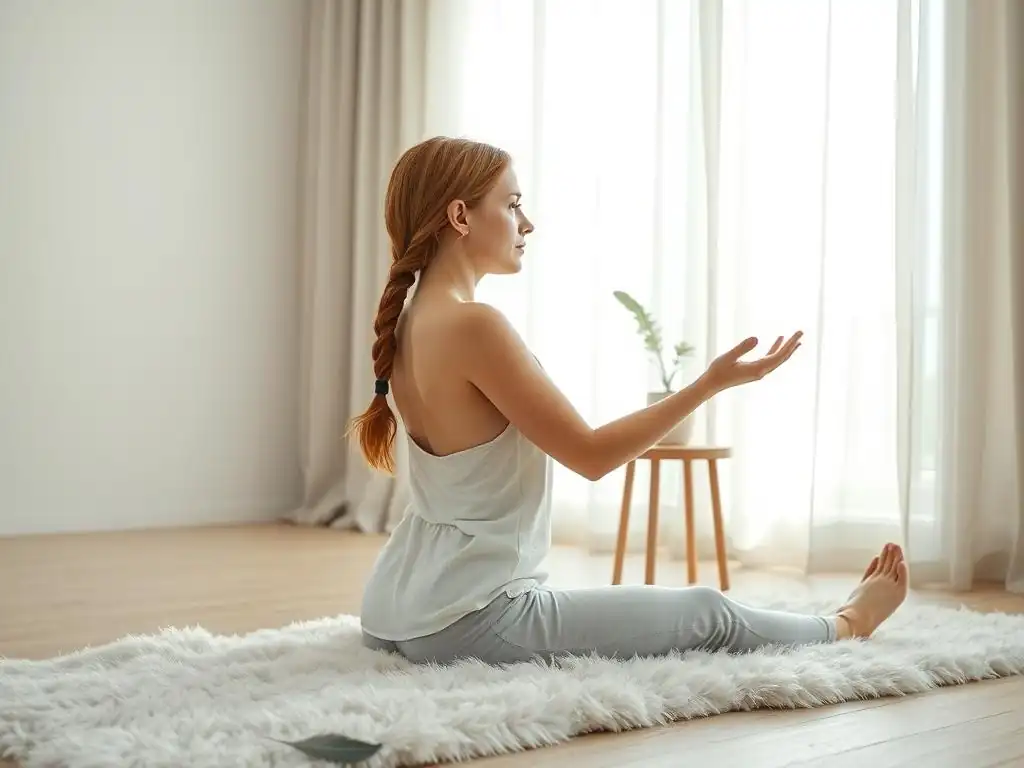
Restorative Yoga for Nervous System Reset
Restorative yoga is a practice focused on deep relaxation and healing. It uses props like bolsters, blankets, and blocks to support the body completely in gentle poses, allowing muscles to fully relax and the nervous system to downregulate. Holding poses for extended periods (often 5-20 minutes) encourages a profound release of tension.
This style is particularly effective for individuals experiencing chronic stress, anxiety, or fatigue. By minimizing physical effort and maximizing support, restorative yoga sends a powerful signal of safety to the nervous system, promoting the "rest and digest" state. It's a powerful tool for using yoga calm nervous system responses when feeling overwhelmed.
Supported Child's Pose: A Gentle Calming Technique
Supported Child's Pose involves kneeling and folding forward, resting the torso on a bolster or stacked blankets, with the head turned to one side or resting on the support. The arms can rest alongside the body or extend forward.
This pose is incredibly grounding and comforting. The gentle compression on the front of the body and the feeling of being held by the props can activate the parasympathetic nervous system, reducing heart rate and promoting a sense of security. It's a go-to posture for immediate stress relief.
Legs-Up-the-Wall Pose: Easing Tension and Anxiety
Legs-Up-the-Wall (Viparita Karani) involves lying on your back and extending your legs vertically up a wall, with your hips close to the wall and supported by a blanket or bolster if desired.
This mild inversion helps to reverse blood flow, which can be calming for the nervous system. It also gently stretches the hamstrings and lower back while allowing the legs to feel light, easing tension in the lower body often accumulated from standing or sitting. It promotes relaxation and can help alleviate anxiety.
Gentle Yoga Flow for Nervous System Balance
A gentle yoga flow connects simple postures with breath, creating a moving meditation. Unlike more vigorous styles, the focus is on slow, mindful transitions and soft, fluid movements. This type of practice helps to release physical tension without overstimulating the body.
Moving with conscious breath helps to regulate the nervous system, promoting a sense of flow and ease. A gentle flow can help break the cycle of tension and worry, bringing the body and mind into better balance. It's an accessible way to practice yoga calm nervous system benefits regularly.
Cat-Cow Pose: Synchronizing Breath and Movement
Cat-Cow (Marjaryasana-Bitilasana) is a simple sequence performed on hands and knees. On an inhale, the belly drops, and the chest lifts (Cow pose); on an exhale, the spine rounds, and the head drops (Cat pose).
This pose synchronizes breath with spinal movement, which is inherently calming. The gentle undulation of the spine helps release tension in the back and neck, while the focus on the breath helps to regulate the nervous system and cultivate mindfulness.
Downward-Facing Dog: Grounding and Stabilizing
Downward-Facing Dog (Adho Mukha Svanasana) is an inversion where the body forms an inverted 'V' shape, with hands and feet on the mat and hips lifted towards the ceiling.
While it might seem active, Downward Dog can be grounding and stabilizing. The mild inversion is calming, and the pose requires focus and presence, drawing attention inward. It stretches the entire back of the body and strengthens the limbs, creating a sense of rootedness and stability.
Breathwork (Pranayama) for Nervous System Regulation
Pranayama, or breath control, is a fundamental component of yoga and one of the most direct ways to influence the autonomic nervous system. Consciously regulating the breath can immediately impact heart rate, blood pressure, and stress hormone levels.
Focusing on slow, deep, and rhythmic breathing activates the vagus nerve and shifts the nervous system towards a parasympathetic state. Specific breathing techniques can be used to either calm or energize the body, making breathwork a powerful tool for self-regulation and helping yoga calm nervous system imbalances.
Diaphragmatic Breathing: Activating the Relaxation Response
Diaphragmatic breathing, or belly breathing, involves inhaling deeply into the abdomen, allowing the diaphragm to descend and the belly to expand, and exhaling slowly.
This type of breathing is the most efficient way to get oxygen and directly stimulates the vagus nerve, triggering the relaxation response. Practicing deep, slow belly breaths counters the shallow, rapid breathing often associated with stress and anxiety, providing an immediate way to calm the nervous system.
Alternate Nostril Breathing (Nadi Shodhana): Balancing Energy
Alternate Nostril Breathing (Nadi Shodhana) is a technique where you alternately close one nostril while inhaling through the other, then exhale through the first and inhale through the second, switching back and forth.
This practice is believed to balance the left and right hemispheres of the brain and balance the body's energy channels. It promotes mental clarity and calms the nervous system, reducing anxiety and preparing the mind for meditation or sleep.
Benefits of Regular Yoga Practice for Nervous System Health
Reduced Stress and Anxiety Levels Through Yoga
Consistent yoga practice is widely recognized for its ability to significantly lower stress and anxiety. By combining physical activity, breath control, and mindfulness, yoga addresses stress on multiple levels. Studies have shown that individuals who practice yoga regularly report lower perceived stress levels and exhibit lower physiological markers of stress, such as reduced cortisol.
For example, research published in the Journal of Psychiatric Practice indicated that yoga interventions led to a significant reduction in anxiety symptoms in participants diagnosed with generalized anxiety disorder. This reduction is attributed to yoga's impact on the nervous system, specifically its ability to enhance parasympathetic activity and mitigate the effects of the chronic fight-or-flight response. Practicing yoga calm nervous system imbalances, leading to a greater sense of peace and resilience.
Improved Sleep Quality with Yoga
Stress and anxiety are major contributors to sleep disturbances, including difficulty falling asleep, staying asleep, and experiencing restless sleep. By calming the nervous system, yoga can profoundly improve sleep quality. The relaxation response activated by yoga helps quiet the racing thoughts and physical tension that often interfere with sleep onset.
Specific yoga poses and breathing techniques practiced before bedtime can signal to the body that it's time to rest. For instance, a study involving individuals with chronic insomnia found that participants who incorporated a daily yoga practice reported significant improvements in sleep efficiency, total sleep time, and reductions in insomnia severity. This demonstrates yoga's direct positive impact on the nervous system's ability to transition into a restful state.
Enhanced Emotional Regulation and Mindfulness
Regular yoga practice cultivates mindfulness, which is the ability to pay attention to the present moment without judgment. This heightened awareness helps individuals recognize their thoughts and emotions without getting overwhelmed by them. By observing physical sensations and emotional states during practice, individuals develop a greater capacity to understand and manage their reactions.
This increased emotional regulation is a direct benefit of a calmer nervous system. When the nervous system is not in a constant state of alert, the prefrontal cortex, the part of the brain responsible for rational thinking and emotional control, can function more effectively. Learning to use yoga calm nervous system reactivity allows individuals to respond to challenges with greater composure and less emotional volatility.
Creating a Yoga Practice for Nervous System Support
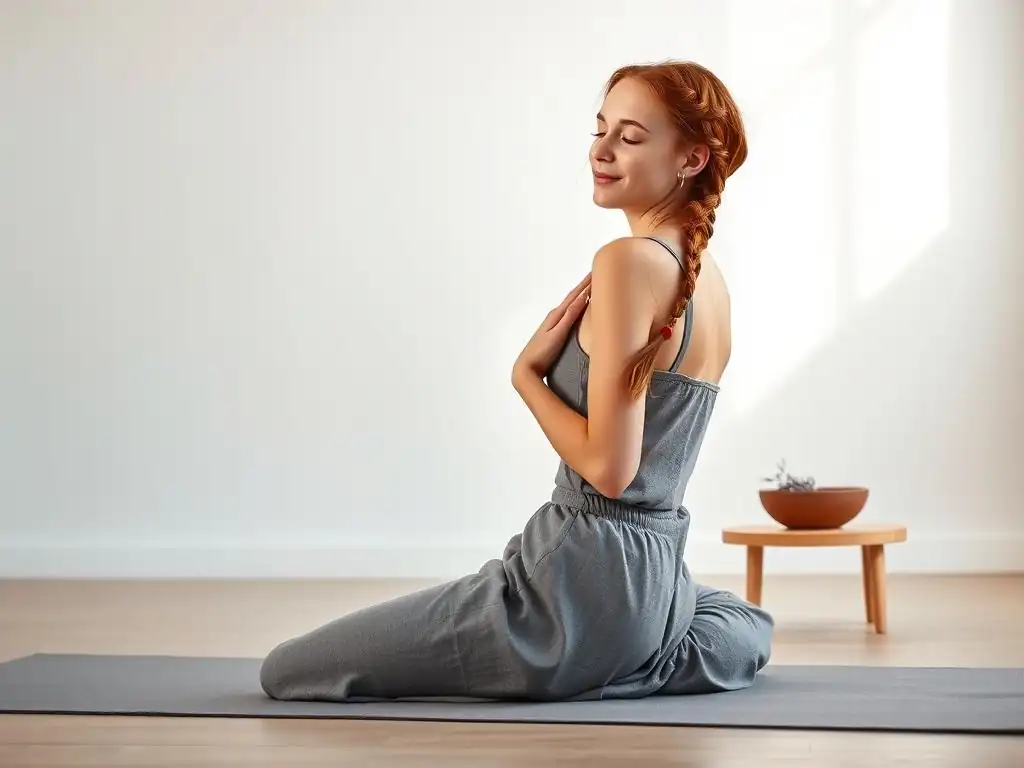
Setting Realistic Goals for Your Yoga Journey
Starting a yoga practice to calm your nervous system doesn't require hours on the mat every day. Setting realistic and achievable goals is key to building a sustainable habit. Begin with short sessions, perhaps just 10-15 minutes a few times a week. Focus on consistency rather than duration or intensity.
Consider what you hope to gain – is it reduced anxiety, better sleep, or simply a few moments of peace? Tailor your practice to these goals. For example, if sleep is a priority, focus on gentle poses and breathwork in the evening. If managing daytime stress is key, a short, mindful practice can be helpful. Remember, even small steps in practicing yoga calm nervous system responses can yield significant benefits over time.
Finding a Qualified Yoga Instructor or Class
While many resources are available online, learning from a qualified yoga instructor, especially when focusing on therapeutic benefits like nervous system regulation, can be invaluable. An experienced teacher can provide proper alignment cues, offer modifications for different bodies and conditions, and guide you in breathwork techniques safely and effectively.
Look for instructors or classes specifically focused on gentle, restorative, or therapeutic yoga. These styles are often best suited for calming the nervous system. Don't hesitate to try different instructors until you find one whose approach resonates with you and makes you feel comfortable and supported in your journey to use yoga calm nervous system imbalances.
Integrating Yoga into Your Daily Routine for Mental Well-being
Consistency is crucial for experiencing the full benefits of yoga for nervous system health. Find ways to weave practice into your daily routine, even if it's just for a few minutes. This could be a short breathing exercise upon waking, a few stretches during a work break, or a longer practice in the evening.
Schedule your yoga time like any other important appointment. Creating a dedicated space, even a small corner, can also help. Remember that yoga isn't just about physical poses; incorporating mindful breathing or a short meditation can also be powerful ways to calm your nervous system throughout the day.
Other Lifestyle Factors That Support Nervous System Health
Nutrition for Nervous System Support
Beyond yoga, diet plays a significant role in nervous system health. Consuming a balanced diet rich in omega-3 fatty acids, antioxidants, vitamins (especially B vitamins and Vitamin D), and minerals (like magnesium and potassium) can support nerve function and reduce inflammation, which can contribute to stress and anxiety.
Foods like fatty fish, nuts and seeds, leafy greens, berries, and whole grains provide essential nutrients. Limiting processed foods, excessive sugar, caffeine, and alcohol is also important, as these substances can stimulate the nervous system and exacerbate feelings of anxiety and restlessness. Supporting your body with nourishing foods complements your efforts to use yoga calm nervous system responses.
The Importance of Sleep Hygiene for Nervous System Regulation
Adequate, quality sleep is fundamental for nervous system repair and regulation. During sleep, the brain consolidates memories, processes emotions, and clears waste products. Chronic sleep deprivation impairs the nervous system's ability to manage stress effectively and can worsen anxiety and mood disorders.
Establishing consistent sleep hygiene practices is vital. This includes maintaining a regular sleep schedule, creating a dark, quiet, and cool sleep environment, avoiding screens before bed, and limiting stimulants in the evening. Combining good sleep hygiene with practices like yoga calm nervous system activity creates a powerful synergy for overall well-being.
Mindfulness Practices Beyond Yoga for a Calmer Mind
While yoga is a powerful form of mindful movement, incorporating other mindfulness techniques can further support nervous system health. Simple practices like mindful eating, walking meditation, body scans, or brief seated meditation sessions can help cultivate present moment awareness and reduce the tendency to dwell on worries about the past or future.
These practices train the mind to observe thoughts and feelings without getting caught up in them, reducing the reactivity of the nervous system. Just a few minutes of mindfulness daily can help interrupt stress cycles and promote a sense of calm, reinforcing the benefits gained from using yoga calm nervous system responses.
Frequently Asked Questions
How does yoga specifically calm the nervous system?
Yoga utilizes a combination of controlled breathing (pranayama), physical postures (asanas), and mindfulness to regulate the nervous system. These practices help shift the body from a state of "fight or flight" (sympathetic nervous system) to "rest and digest" (parasympathetic nervous system). This promotes relaxation and reduces anxiety.
What types of yoga are most effective for calming the nervous system?
While all yoga can be beneficial, restorative yoga, yin yoga, and yoga nidra are particularly effective. These styles emphasize gentle movements, long holds, and deep relaxation, directly targeting the parasympathetic nervous system.
How often should I practice yoga to experience a calmer nervous system?
Consistency is key! Aim for at least 2-3 times per week, even if it's just for 15-20 minutes each session. Regular practice helps train your nervous system to respond more effectively to stress.
What are the scientific benefits of yoga on the nervous system, according to Mind Care Guide?
Mind Care Guide highlights research indicating yoga's ability to lower cortisol levels (the stress hormone), increase heart rate variability (a marker of resilience), and improve brainwave patterns associated with relaxation. These changes reflect a healthier, more balanced nervous system.
Can yoga replace other forms of mental health treatment for nervous system issues?
Yoga can be a valuable complementary therapy, but it's not necessarily a replacement for professional mental health treatment. Mind Care Guide advises consulting with a qualified healthcare provider for diagnosis and comprehensive treatment plans, especially for severe anxiety or other mental health challenges.
Final Reflection: Finding Stillness in the Modern Storm
The relentless pace of modern life leaves many of us feeling perpetually overwhelmed, our nervous systems perpetually on high alert. This constant state of "fight or flight" takes a significant toll on our physical and mental well-being, manifesting in anxiety, insomnia, and a general sense of unease. But as this article has explored, there's a powerful antidote readily available: the practice of yoga. It offers a tangible path towards recalibrating our internal landscape and fostering a sense of calm amidst the chaos.
The profound impact of yoga on the nervous system is not merely a fleeting trend; it's a testament to the enduring power of mindful movement and breathwork. Yoga's ability to quiet the mind and soothe the body resonates deeply with our innate need for balance and peace. It's a practice that transcends cultural boundaries and speaks to the universal human experience of stress and its consequences. As the ancient yogic text, the Bhagavad Gita, wisely states: You have the right to work, but never to the fruit of work. You should never be motivated by the results of your actions, but only by the work itself.
This principle, applied to the practice of yoga, emphasizes the process of self-regulation and inner peace over the pursuit of external achievements, a crucial element in calming the nervous system.
Now, consider your own life. Where do you feel the weight of stress manifesting? What small steps can you take today to incorporate the principles of yoga – mindful movement, deep breathing, and present moment awareness – into your daily routine? Even five minutes of focused breathing can make a difference. Commit to nurturing your nervous system, to finding your own inner stillness, and to experiencing the transformative power of calm. You deserve the peace that awaits you.
Unleash Your Inner Calm: Start Your Yoga Journey Today!
Thanks for taking the time to explore the power of yoga to calm your nervous system. We hope you discovered valuable techniques to navigate stress and find inner peace. Ready to deepen your practice and experience the transformative benefits firsthand?
- Begin your personal yoga practice: Start with a simple 10-minute sequence, focusing on your breath and body awareness. Even a short session can make a significant difference!
- Share your experience: Connect with others on our social media channels and share your journey to a calmer you. Let's build a supportive community!
- Try a challenging pose: Step outside your comfort zone and attempt a pose you've been hesitant to try. You might surprise yourself with your strength and flexibility!
What small step will you take today to nurture your inner peace?