
Nuts and Seeds: Smart Snacking for Mental Resilience

Welcome to Mind Care Guide, your trusted resource for nurturing mental well-being. Feeling the weight of the world? We understand. Did you know that even something as simple as a snack can significantly impact your mood and focus? Dive into our latest article to discover how healthy snacks boost mental wellbeing, starting with the surprising power of nuts and seeds. Curious to learn how these tiny powerhouses can help you build mental resilience? Let's explore!
Nuts and Seeds: Smart Snacking for Mental Resilience | Mind Care Guide
- Introduction: Unlocking Mental Resilience with Healthy Snacks
- Healthy Snacks Boost Mental Wellbeing: The Science Behind It
-
Top Nuts and Seeds for Enhanced Mental Health
- Almonds: Supporting Cognitive Function and Reducing Stress
- Walnuts: Enhancing Memory and Emotional Stability
- Chia Seeds: Promoting Stable Mood and Sustained Energy
- Flaxseeds: Aiding Brain Health and Reducing Inflammation
- Pumpkin Seeds: Improving Mood and Sleep Quality
- Sunflower Seeds: Providing Nutrients for Mental Clarity and Focus
- Integrating Nuts and Seeds into Your Daily Diet for Mental Wellness
- Addressing Common Concerns About Nuts and Seeds
- Beyond Snacking: A Holistic Approach to Mental Resilience
- Conclusion: Nurturing Your Mind with Nuts, Seeds, and Self-Care
-
Frequently Asked Questions
- What are the benefits of choosing nuts and seeds as snacks for mental wellbeing?
- How do nuts and seeds specifically contribute to mental resilience?
- Are there specific types of nuts and seeds that are better for mental health than others?
- How often should I incorporate nuts and seeds into my diet to see a positive impact on my mental wellbeing?
- Can nuts and seeds replace other forms of mental health support, such as therapy or medication?
- Final Reflection: Sowing the Seeds of a Sharper Mind
- Unlock Your Brain's Potential: Snack Your Way to Stronger Mental Resilience!
Introduction: Unlocking Mental Resilience with Healthy Snacks
The Power of Nutrition for Mental Well-being: An Overview
Our mental well-being is deeply intertwined with our physical health, and perhaps no connection is as direct as that between the food we eat and the way our brains function and feel. The nutrients we consume provide the building blocks, energy, and regulatory signals necessary for optimal brain performance, mood regulation, and stress response.
A diet rich in essential vitamins, minerals, fatty acids, and antioxidants can significantly impact everything from our ability to focus and remember information to our emotional stability and resilience in the face of life's challenges. This connection highlights why choosing healthy snacks boost mental wellbeing is not just a dietary preference, but a fundamental aspect of self-care.
Conversely, diets high in processed foods, sugar, and unhealthy fats can contribute to inflammation, blood sugar imbalances, and nutrient deficiencies, all of which can negatively affect mental health. Studies have shown links between poor diet quality and increased risks of depression, anxiety, and cognitive decline. Therefore, making conscious choices about our nutrition, including our snacking habits, plays a crucial role in supporting our mental health journey. Focusing on nutrient-dense options helps ensure our brains receive the support they need to function optimally and build resilience.
Why Choose Nuts and Seeds for Smart Snacking?
Nuts and seeds stand out as exceptionally smart choices for snacking when aiming to support mental resilience. Unlike many common snack foods that offer empty calories and lead to energy crashes, nuts and seeds are packed with a powerful combination of macronutrients and micronutrients that directly benefit brain health and emotional stability. They provide healthy fats (including omega-3s), protein, fiber, vitamins (like B vitamins and vitamin E), minerals (such as magnesium, zinc, and selenium), and antioxidants. This nutrient profile makes them an ideal fuel source for the brain, promoting sustained energy and cognitive function.
Choosing nuts and seeds as part of a strategy where healthy snacks boost mental wellbeing offers convenience and versatility. They are portable, require no preparation, and can be easily incorporated into various eating patterns. Their fiber and protein content contribute to satiety, helping to manage appetite and avoid the blood sugar spikes and crashes that can negatively impact mood and concentration. By opting for these nutrient powerhouses, individuals can make a simple yet effective change that contributes significantly to their overall mental wellness.
Healthy Snacks Boost Mental Wellbeing: The Science Behind It
The Brain-Boosting Benefits of Nuts and Seeds
Nuts and seeds are nutritional powerhouses that offer a wide array of benefits specifically for the brain. They are rich sources of omega-3 fatty acids, particularly alpha-linolenic acid (ALA), which the body can convert into EPA and DHA, essential components of brain cell membranes.
These fats are crucial for maintaining the fluidity and function of neurons, supporting communication between brain cells, and reducing inflammation, which is increasingly linked to various mental health conditions. A study published in the American Journal of Clinical Nutrition in 2014 found that higher intake of nuts was associated with better cognitive function in older adults, suggesting a protective effect on brain health over time.
Furthermore, nuts and seeds provide potent antioxidants like vitamin E and selenium, which help protect brain cells from oxidative stress caused by free radicals. Oxidative stress is implicated in the aging process and neurodegenerative diseases. For example, a quarter cup of sunflower seeds provides over 80% of the daily recommended intake of vitamin E. These antioxidants contribute to preserving cognitive function and potentially slowing down age-related cognitive decline. The synergistic effect of healthy fats, antioxidants, vitamins, and minerals in nuts and seeds makes them an excellent dietary component for supporting long-term brain health and resilience.
How Nutrients in Nuts and Seeds Impact Mood and Cognitive Function
The specific nutrients found in nuts and seeds play direct roles in influencing mood and cognitive processes. Magnesium, abundant in pumpkin seeds, almonds, and cashews, is critical for numerous biochemical reactions in the brain, including neurotransmitter function. Low levels of magnesium have been linked to increased anxiety and depression. A 2018 review in Nutrients highlighted the potential role of magnesium supplementation in alleviating symptoms of depression and anxiety, underscoring the importance of dietary sources like nuts and seeds.
Zinc, another mineral found in significant amounts in pumpkin seeds and cashews, is essential for synaptic function and neurotransmission. Zinc deficiency has been associated with depressive symptoms and impaired cognitive function. Additionally, B vitamins (like folate and vitamin B6), present in various nuts and seeds, are vital for the synthesis of neurotransmitters such as serotonin, dopamine, and norepinephrine, which regulate mood, motivation, and attention. Incorporating these healthy snacks boost mental wellbeing by providing the necessary cofactors for these critical brain chemicals to function effectively, contributing to improved mood stability and sharper cognitive performance.
Top Nuts and Seeds for Enhanced Mental Health
Almonds: Supporting Cognitive Function and Reducing Stress
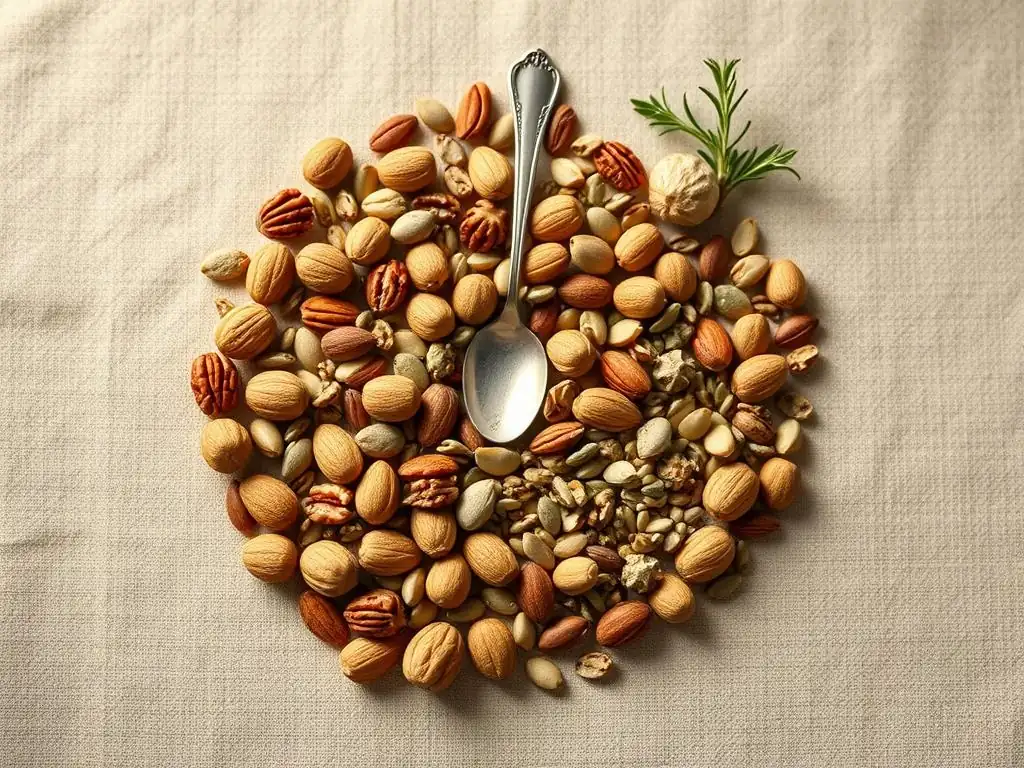
Almonds are a fantastic source of vitamin E, an antioxidant that protects brain cells from damage, potentially slowing cognitive decline. A 1-ounce serving (about 23 almonds) provides approximately 7.3 mg of vitamin E, close to half of the daily recommended intake for adults. This potent antioxidant profile contributes to maintaining healthy brain function as we age.
Beyond antioxidants, almonds contain magnesium, which is known for its calming properties and role in stress reduction. Magnesium helps regulate the body's stress response system. While research specifically on almonds and stress is ongoing, including magnesium-rich foods like almonds in your diet is a widely recommended strategy for supporting a healthy nervous system and potentially easing anxiety symptoms.
Walnuts: Enhancing Memory and Emotional Stability
Walnuts are often lauded as the "brain food" due to their exceptionally high content of omega-3 fatty acids, specifically ALA. A single ounce of walnuts contains about 2.5 grams of ALA, making them one of the richest plant-based sources. Omega-3s are vital for brain structure and function, and studies suggest they play a role in improving memory and cognitive performance. Research published in the Journal of Nutrition in 2015 found that regular walnut consumption was associated with better scores on cognitive function tests in older adults.
The anti-inflammatory properties of omega-3s found in walnuts may also contribute to emotional stability. Inflammation in the brain has been linked to mood disorders like depression. By helping to reduce inflammation, walnuts could indirectly support a more stable emotional state. Their unique blend of healthy fats, antioxidants, and other nutrients makes them a top choice among healthy snacks boost mental wellbeing.
Chia Seeds: Promoting Stable Mood and Sustained Energy
Chia seeds are tiny but mighty when it comes to nutritional benefits for mental health. They are an excellent source of omega-3 fatty acids (ALA), fiber, and plant-based protein. The combination of fiber and protein helps regulate blood sugar levels, preventing the spikes and crashes that can negatively impact mood and energy levels. This stable energy release contributes to improved focus and reduced irritability throughout the day.
Moreover, chia seeds contain tryptophan, an amino acid that is a precursor to serotonin, a key neurotransmitter involved in regulating mood, sleep, and appetite. While the conversion process is complex, ensuring adequate dietary tryptophan intake supports the body's ability to produce serotonin. Incorporating chia seeds into your diet, whether in smoothies, yogurt, or puddings, is a simple way to access these mood-supporting nutrients and enjoy healthy snacks boost mental wellbeing.
Flaxseeds: Aiding Brain Health and Reducing Inflammation
Like chia seeds, flaxseeds are an outstanding source of ALA omega-3 fatty acids. Just one tablespoon of ground flaxseeds provides about 2.3 grams of ALA. Regular intake of ALA is important for maintaining brain health and reducing systemic inflammation, which, as mentioned, is linked to mental health challenges. The body needs to convert ALA into EPA and DHA for maximum brain benefits, and while this conversion rate varies, consuming ALA-rich foods is a valuable strategy.
Lignans, a type of antioxidant found abundantly in flaxseeds, also offer protective benefits. These compounds have been studied for their potential anti-inflammatory and antioxidant effects. Including ground flaxseeds (grinding makes the nutrients more bioavailable) in your diet can be a proactive step towards supporting brain health and reducing the inflammatory burden on the body, contributing to overall mental resilience.
Pumpkin Seeds: Improving Mood and Sleep Quality
Pumpkin seeds are particularly rich in two minerals crucial for mental well-being: magnesium and zinc. A quarter cup of pumpkin seeds provides a significant portion of the daily recommended intake for both minerals. Magnesium is vital for stress reduction and sleep regulation, while zinc is involved in neurotransmitter function and mood regulation.
Additionally, pumpkin seeds are a good source of tryptophan, the amino acid precursor to serotonin. Serotonin is then converted into melatonin, the hormone that regulates sleep cycles. Consuming pumpkin seeds can therefore support the body's natural production of serotonin and melatonin, potentially improving both mood and sleep quality. Given the strong link between sleep deprivation and poor mental health, incorporating pumpkin seeds can be a simple, effective strategy.
Sunflower Seeds: Providing Nutrients for Mental Clarity and Focus
Sunflower seeds are packed with vitamin E, an antioxidant that protects brain cells, and selenium, a mineral that plays a role in antioxidant defense and thyroid function, which can influence mood and energy levels. A quarter cup of sunflower seeds provides over 80% of the daily value for vitamin E and about 30% for selenium.
These seeds also contain B vitamins, including thiamine (B1), which is essential for converting glucose into energy for the brain, and folate (B9), important for neurotransmitter synthesis. The combination of B vitamins, vitamin E, and selenium helps support cognitive function, mental clarity, and sustained focus, making sunflower seeds an excellent choice when seeking healthy snacks boost mental wellbeing.
Integrating Nuts and Seeds into Your Daily Diet for Mental Wellness
Simple and Delicious Ways to Snack on Nuts and Seeds
Incorporating nuts and seeds into your daily routine doesn't require complex culinary skills. The simplest way is often the best: grab a small handful (a portion size is key!) of raw or dry-roasted, unsalted nuts like almonds, walnuts, or cashews for a quick energy boost between meals. Keep small bags of mixed nuts and seeds in your desk drawer or bag for easy access when hunger strikes. This ensures you have healthy snacks boost mental wellbeing readily available.
Another easy method is to sprinkle seeds like chia, flax, or pumpkin seeds over your morning yogurt, oatmeal, or smoothie. This adds texture, flavor, and a significant nutrient boost without much effort. You can also add sunflower or pumpkin seeds to salads for extra crunch and nutrition. These simple additions make it effortless to reap the mental health benefits of these superfoods throughout your day.
Recipes and Ideas for Incorporating Nuts and Seeds into Meals
Beyond simple snacking, nuts and seeds can be seamlessly integrated into various meals. Add chopped walnuts or pecans to your breakfast cereal or pancake batter. Use almond flour or ground flaxseed as a healthier alternative in baking recipes. Toast sesame seeds and sprinkle them over stir-fries or roasted vegetables.
Consider making your own trail mix with a combination of nuts, seeds, and dried fruit (in moderation). Nut butters (like almond or peanut butter) are also versatile, spread on whole-grain toast or added to smoothies. For dinner, crust fish or chicken with finely chopped nuts or seeds for added flavor and nutrients. These methods make it easy to ensure healthy snacks boost mental wellbeing are part of a balanced dietary pattern.
Portion Control: Snacking Smart for Optimal Mental Health
While nuts and seeds are incredibly nutritious, they are also calorie-dense due to their high fat content. Practicing portion control is essential to enjoy their benefits without overconsuming calories, which could potentially lead to weight gain and negate some health benefits. A typical serving size for nuts is about one ounce, which is roughly a small handful (around 20-25 almonds, 10-12 walnuts, or a quarter cup of seeds).
Using measuring cups or scales when starting out can help you understand what a proper portion looks like. Avoid eating directly from large bags or containers, as this makes it easy to lose track of how much you're consuming. Preparing pre-portioned bags or containers for your snacks ensures you're getting the right amount to support your mental health goals without excess, making smart snacking a truly effective strategy.
Addressing Common Concerns About Nuts and Seeds
Allergies and Sensitivities: What to Consider
Nut and seed allergies are common and can range from mild to severe, including potentially life-threatening anaphylaxis. It is crucial for individuals with known nut or seed allergies to strictly avoid consuming them and be vigilant about checking food labels for hidden ingredients. Cross-contamination is also a significant concern in food preparation areas.
For those without diagnosed allergies but who experience sensitivities or digestive discomfort, starting with very small amounts or certain types might be helpful, or consulting with a healthcare provider or registered dietitian. Symptoms like digestive upset after consuming nuts or seeds could indicate a sensitivity rather than a true allergy, but professional guidance is always recommended before making dietary changes, especially if you suspect an allergy. Prioritizing safety is paramount when exploring how healthy snacks boost mental wellbeing.
The Role of Nuts and Seeds in Weight Management
Despite being calorie-dense, research suggests that regular nut and seed consumption is not necessarily linked to weight gain and may even support weight management efforts. This is partly attributed to their high protein and fiber content, which increases satiety and helps you feel full for longer, potentially reducing overall calorie intake throughout the day.
Additionally, some studies indicate that the body may not absorb all the calories from nuts due to their cellular structure. When consumed as part of a balanced diet and within appropriate portion sizes, nuts and seeds can be a valuable addition to a weight management plan. They provide essential nutrients that are crucial for maintaining energy levels and stable mood during calorie restriction, helping you stick to your goals while enjoying healthy snacks boost mental wellbeing.
Choosing the Right Types: Raw vs. Roasted, Salted vs. Unsalted
When selecting nuts and seeds for their mental health benefits, the preparation method matters. Raw nuts and seeds are closest to their natural state and retain their full spectrum of nutrients. Dry roasting without added oils is also a good option, as it can enhance flavor without adding unhealthy fats. Avoid nuts roasted in oil, as this adds extra calories and potentially less healthy fats.
Crucially, opt for unsalted nuts and seeds. Excessive sodium intake can negatively impact blood pressure and overall cardiovascular health, and doesn't contribute positively to mental well-being. Many commercially available nuts are heavily salted, which can counteract the benefits of choosing a healthy snack. Choosing raw or dry-roasted, unsalted varieties ensures you're maximizing the nutritional advantages of these smart snacks.
Beyond Snacking: A Holistic Approach to Mental Resilience
The Importance of a Balanced Diet for Mental Well-being
While incorporating healthy snacks boost mental wellbeing, particularly nuts and seeds, is a valuable strategy, it's important to view it as part of a larger picture: a balanced, nutrient-rich diet. No single food group can provide all the necessary nutrients for optimal brain function and mental health. A holistic dietary approach includes a variety of fruits, vegetables, whole grains, lean proteins, and healthy fats.
Ensuring adequate intake of omega-3 fatty acids from sources like fatty fish, antioxidants from colorful produce, complex carbohydrates for sustained energy, and sufficient protein for neurotransmitter synthesis are all crucial components. Focusing on a diverse diet minimizes nutrient deficiencies and provides the synergistic effects of various compounds working together to support brain health and emotional resilience. Healthy snacks boost mental wellbeing most effectively when they complement an overall pattern of healthy eating.
Combining Healthy Snacking with Mindfulness and Stress Management Techniques
Nourishing your body with healthy snacks like nuts and seeds is a powerful step, but mental resilience is also built through practices that nurture the mind. Combining smart snacking with mindfulness and stress management techniques creates a comprehensive approach. Mindfulness practices, such as meditation or deep breathing, can help regulate the nervous system and reduce the impact of stress, which is known to deplete nutrient stores and negatively affect mood.
Integrating physical activity is also vital, as exercise releases endorphins, improves blood flow to the brain, and can reduce symptoms of anxiety and depression. Furthermore, ensuring adequate sleep is foundational for both physical and mental restoration. By pairing the nutritional support from healthy snacks boost mental wellbeing with practices like mindfulness, exercise, and good sleep hygiene, individuals can build a robust foundation for long-term mental wellness.
Seeking Professional Help for Mental Health Challenges
It is essential to remember that while nutrition and lifestyle factors significantly support mental well-being, they are not substitutes for professional mental health care when needed. If you are experiencing persistent symptoms of depression, anxiety, or other mental health challenges, reaching out to a qualified mental health professional is a sign of strength and a crucial step towards recovery.
Therapy, counseling, and sometimes medication are necessary interventions for many mental health conditions. Think of healthy eating, including incorporating healthy snacks boost mental wellbeing like nuts and seeds, as powerful complementary tools that support overall health and can enhance the effectiveness of professional treatment. They are part of a comprehensive care plan, not a standalone cure.
Conclusion: Nurturing Your Mind with Nuts, Seeds, and Self-Care
Embracing a Nutrient-Rich Diet for Long-Term Mental Wellness
Embarking on a journey towards long-term mental wellness involves making conscious choices that nourish both mind and body. Embracing a nutrient-rich diet, one that prioritizes whole foods, including the power-packed goodness of nuts and seeds, is a fundamental step. These tiny powerhouses offer a convenient and delicious way to fuel your brain with essential fatty acids, vitamins, minerals, and antioxidants crucial for cognitive function, mood stability, and stress resilience. Making healthy snacks boost mental wellbeing a regular part of your routine provides consistent support for your brain's intricate processes.
Moving away from processed snacks towards natural, nutrient-dense options like nuts and seeds is a simple yet profound shift. It's about providing your body and brain with the high-quality fuel they need to perform optimally and build resilience against daily stressors. This dietary focus, however, is most effective when viewed as one pillar supporting the broader structure of self-care.
The Ongoing Journey of Self-Care and Mental Resilience
Building mental resilience is an ongoing journey, not a destination. It involves a multifaceted approach that includes nourishing your body with foods like nuts and seeds, but extends far beyond the plate. It encompasses prioritizing adequate sleep, engaging in regular physical activity, practicing mindfulness and stress reduction techniques, fostering meaningful social connections, and seeking professional support when challenges arise.
Incorporating healthy snacks boost mental wellbeing is a practical, accessible way to participate actively in your own self-care. It’s a small habit that can yield significant returns in terms of improved mood, enhanced cognitive function, and increased resilience. By making informed choices about what you eat and integrating them into a holistic self-care routine, you empower yourself to navigate life's ups and downs with greater strength and well-being. Remember, nurturing your mind is an active, continuous process, and every healthy choice contributes to your overall resilience.
Frequently Asked Questions
What are the benefits of choosing nuts and seeds as snacks for mental wellbeing?
Nuts and seeds are packed with essential nutrients like omega-3 fatty acids, antioxidants, and magnesium, all of which contribute to improved brain function and can help reduce stress and anxiety. They also provide sustained energy, avoiding the energy crashes associated with processed snacks.
How do nuts and seeds specifically contribute to mental resilience?
The healthy fats found in nuts and seeds are crucial for building and maintaining healthy brain cells. These fats can improve cognitive function and help the brain better cope with stress, leading to increased mental resilience.
Are there specific types of nuts and seeds that are better for mental health than others?
While all nuts and seeds offer benefits, some stand out. Walnuts, rich in omega-3 fatty acids, and pumpkin seeds, high in magnesium, are particularly beneficial. Almonds and sunflower seeds also provide valuable nutrients that support mental well-being.
How often should I incorporate nuts and seeds into my diet to see a positive impact on my mental wellbeing?
Incorporating a small handful of nuts and seeds into your daily diet can make a difference. Aim for a consistent intake rather than occasional consumption. Regular snacking on these foods can lead to noticeable improvements in mood and cognitive function.
Can nuts and seeds replace other forms of mental health support, such as therapy or medication?
No, nuts and seeds are a complementary tool to support mental well-being, not a replacement for professional help. They can enhance the effectiveness of therapy and medication, but it's essential to consult with a mental health professional for comprehensive care.
Final Reflection: Sowing the Seeds of a Sharper Mind
The connection between what we eat and how we think is undeniable, and the power of smart snacking to boost mental wellbeing is more relevant today than ever before. In a world characterized by constant pressure and information overload, prioritizing brain health through mindful nutrition is not a luxury, but a necessity. We've explored the incredible nutritional benefits of nuts and seeds, highlighting their ability to fuel cognitive function, reduce stress, and even improve mood. This isn't just about fleeting energy; it's about building a resilient mind capable of navigating the complexities of modern life.
The impact of readily available, convenient, yet often unhealthy snack options on our mental landscape is profound. We are constantly bombarded with messages promoting sugary and processed foods, which can lead to energy crashes, mood swings, and ultimately, a diminished capacity for focus and clarity. The food you eat can be either the safest and most powerful form of medicine or the slowest form of poison.
This quote, often attributed to Hippocrates, rings truer than ever when considering the long-term effects of our dietary choices on mental health. Understanding the nutritional power of nuts and seeds allows us to consciously counteract this negative influence and actively cultivate a healthier relationship with food and our minds.
Now, consider your own snacking habits. Are you fueling your brain with the nutrients it needs to thrive? I invite you to take a moment to reflect on your daily choices and explore the potential of incorporating more nuts and seeds into your diet.
Start small – a handful of almonds with your morning coffee, a sprinkle of chia seeds in your yogurt – and observe the subtle yet significant shifts in your energy levels, focus, and overall mood. By making conscious choices about what we consume, we are not just nourishing our bodies, but actively investing in the well-being of our minds, planting the seeds for a brighter, sharper, and more resilient future.
Unlock Your Brain's Potential: Snack Your Way to Stronger Mental Resilience!
Thanks for taking the time to explore the power of nuts and seeds for boosting your mental well-being! We hope you gained valuable insights into nourishing your mind from the inside out. Now, let's put that knowledge into action.
- Prioritize a Mindful Snack: Start incorporating a handful of nuts or seeds into your daily routine. Notice how you feel – more focused, energized, or even calmer?
- Share Your Snacking Success: Tell us (and others!) about your favorite nut and seed combinations for mental clarity. What works best for you?
- Explore New Combinations: Don't be afraid to experiment! Try different types of nuts and seeds to discover your personal power snacks.
What creative nut and seed combinations will you explore to enhance your mental resilience today?