
Yoga for Mental Clarity: Flexibility for Your Mind and Emotional Balance

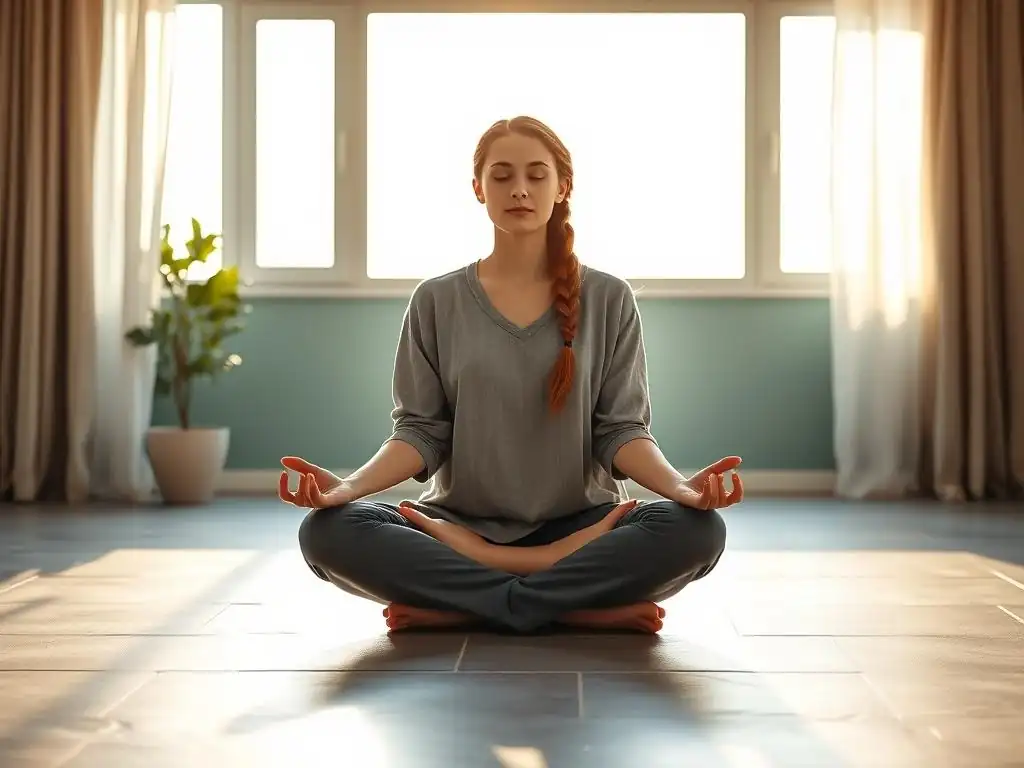
Welcome to Mind Care Guide, a sanctuary dedicated to nurturing your mental well-being. Feeling overwhelmed? You're not alone. Many seek solace from the grip of anxiety, and we understand. Dive into our comprehensive guide and discover how Yoga for anxiety relief can become a powerful tool in your journey towards inner peace and emotional balance. Intrigued to learn more about the transformative power of mindful movement? Let's explore how flexibility for your body can unlock flexibility for your mind.
Yoga for Mental Clarity: Cultivating Focus and Emotional Wellbeing
- Introduction: Yoga and Mental Health - A Holistic Approach
- Understanding Stress and its Impact on Mental Clarity
- Yoga for Stress Reduction: A Mind-Body Practice
- Specific Yoga Poses for Stress Reduction and Mental Clarity
- Mindfulness and Meditation in Yoga: Cultivating Presence
- Creating a Yoga Routine for Stress Relief
- Beyond the Mat: Lifestyle Changes to Support Stress Reduction
- The Science Behind Yoga and Stress: Research and Evidence
- Conclusion: Embracing Yoga for a Balanced, Clear Mind - Your Path to Mental Wellbeing
-
Frequently Asked Questions
- What types of yoga are most effective for anxiety relief?
- How does yoga help to improve mental clarity?
- How often should I practice yoga to experience noticeable benefits for my mental well-being?
- What are some beginner-friendly yoga poses that can help with anxiety?
- Are there any potential risks or contraindications to consider before starting yoga for anxiety?
- Final Reflection: Finding Stillness in the Storm
- Unleash Your Inner Calm: Take Charge of Your Mental Wellbeing
Introduction: Yoga and Mental Health - A Holistic Approach
Yoga, an ancient practice originating in India, is often perceived primarily as a physical exercise involving postures and stretches. However, at its core, yoga is a holistic discipline encompassing mind, body, and spirit. It integrates physical movements ( asana), breathing techniques ( pranayama), and meditation ( dhyana) to promote overall wellbeing. In recent years, the benefits of yoga for mental health have become increasingly recognized, moving beyond anecdotal evidence to being supported by scientific research. This practice offers a potent pathway for individuals seeking greater mental clarity, emotional balance, and effective strategies for managing stress and anxiety.
The connection between our physical state and mental health is undeniable. Stress, anxiety, and emotional turbulence can manifest physically, leading to tension, fatigue, and even chronic pain. Conversely, physical activity and conscious breathing can profoundly impact our mental state, fostering calm, improving mood, and enhancing cognitive function. Yoga leverages this connection, providing tools to navigate the challenges of modern life with greater resilience and presence. Exploring yoga for anxiety relief offers a practical and empowering approach to improving one's mental landscape.
Understanding Stress and its Impact on Mental Clarity
Stress is a natural response to demanding situations, but chronic stress can have detrimental effects on both physical and mental health. It triggers the body's "fight or flight" response, releasing hormones like cortisol and adrenaline. While helpful in short bursts, prolonged exposure to these hormones can disrupt sleep, impair digestion, suppress the immune system, and significantly impact cognitive functions such as memory, concentration, and decision-making. This constant state of alert makes achieving mental clarity incredibly difficult.
Furthermore, stress often fuels a cycle of negative thinking and worry, leading to rumination. This is where the mind repeatedly focuses on distressing thoughts or past events, trapping individuals in a loop that depletes mental energy and exacerbates feelings of anxiety. The relentless internal dialogue steals focus and makes it hard to concentrate on the present moment or think clearly about solutions or possibilities. Understanding how stress impacts brain function is the first step in finding effective methods, like yoga for anxiety relief, to mitigate its effects.
The Link Between Stress, Rumination, and Cognitive Function
Chronic stress significantly alters brain structure and function, particularly impacting areas like the prefrontal cortex (responsible for decision-making and working memory) and the hippocampus (crucial for learning and memory). When the stress response is constantly activated, the amygdala, the brain's fear center, becomes overactive, making individuals more prone to feeling threatened and anxious. This neurobiological shift makes it harder to regulate emotions and maintain focus.
Rumination, a common symptom of anxiety and depression often amplified by stress, further impairs cognitive function. By constantly dwelling on negative thoughts, rumination consumes cognitive resources that could otherwise be used for problem-solving, creativity, or simply engaging with the present. This persistent mental loop reduces cognitive flexibility – the ability to switch between different thoughts or tasks – and diminishes overall mental clarity.
Studies have shown that individuals prone to rumination exhibit reduced performance on tasks requiring executive function. Breaking this cycle is vital for restoring mental sharpness, and practices like yoga offer a powerful method to interrupt these thought patterns.
How Yoga Addresses the Physiological Symptoms of Stress
Yoga works on multiple physiological fronts to counteract the effects of stress. The physical postures help release muscular tension that accumulates in response to stress, particularly in areas like the shoulders, neck, and hips. Holding and moving through poses can improve circulation, delivering oxygen and nutrients more efficiently throughout the body and brain. This physical release sends signals to the nervous system that it is safe to relax.
Beyond muscular release, yoga practices, especially conscious breathing, directly influence the autonomic nervous system. The sympathetic nervous system drives the stress response, while the parasympathetic nervous system promotes relaxation and recovery. Many yoga techniques, particularly slow, controlled breathing and gentle movements, stimulate the vagus nerve, which is a key component of the parasympathetic system. This stimulation helps shift the body from a state of "fight or flight" to "rest and digest," lowering heart rate, blood pressure, and the levels of stress hormones circulating in the body. This physiological shift is fundamental to the effectiveness of yoga for anxiety relief.
Yoga for Stress Reduction: A Mind-Body Practice
Yoga is inherently a mind-body practice, recognizing the inseparable connection between our physical and mental states. It doesn't just target physical flexibility or strength; it cultivates a deeper awareness of the body and its sensations, as well as the patterns of the mind. This integrated approach is what makes yoga particularly effective for stress reduction, as it addresses both the physical manifestations of stress and the mental distress it causes. By bringing awareness to the present moment through movement and breath, yoga helps individuals step out of stressful thought loops.
The practice encourages being present without judgment, fostering a sense of acceptance towards one's current physical and emotional state. This mindful approach, combined with the physical release of tension and the calming effect of breathwork, creates a powerful antidote to stress. Regular practice builds resilience, equipping individuals with tools to navigate stressful situations more effectively in their daily lives, making yoga for anxiety relief a sustainable practice.
The Benefits of Yoga for Reducing Stress Symptoms
The benefits of consistent yoga practice for stress reduction are wide-ranging and well-documented. On a physical level, it can lead to decreased muscle tension, lower blood pressure, improved sleep quality, and reduced levels of cortisol. For instance, research has shown that participants in regular yoga programs report significant reductions in physical symptoms associated with stress, such as headaches and fatigue. The physical activity itself also releases endorphins, natural mood elevators that can help counteract feelings of stress and anxiety.
Mentally and emotionally, yoga can lead to increased self-awareness, improved mood, greater emotional regulation, and a reduction in feelings of overwhelm and worry. Individuals often report feeling calmer, more centered, and better equipped to handle challenges after incorporating yoga into their routine. A study involving adults with elevated stress levels found that a 10-week yoga intervention resulted in meaningful decreases in perceived stress scores and significant improvements in mood states, underscoring its power as a tool for managing stress and anxiety.
Yoga's Impact on the Nervous System: Promoting Relaxation
Yoga's profound impact on the nervous system is a primary mechanism for its stress-reducing effects. As mentioned, it actively stimulates the parasympathetic nervous system, often referred to as the "rest and digest" system. This is achieved through slow, deliberate movements, sustained postures, and conscious breathing techniques. When the parasympathetic system is activated, it signals the body to calm down, counteracting the "fight or flight" response driven by the sympathetic system.
Specific practices like conscious exhalation, deep belly breathing, and restorative poses are particularly effective at engaging the vagus nerve, promoting a state of relaxation. Over time, regular practice can help regulate the nervous system's response to stress, making individuals less reactive to stressors and more capable of returning to a state of calm equilibrium. This neurological regulation is key to why yoga is so effective for anxiety relief, helping the body and mind move out of a state of chronic alert.
Specific Yoga Poses for Stress Reduction and Mental Clarity
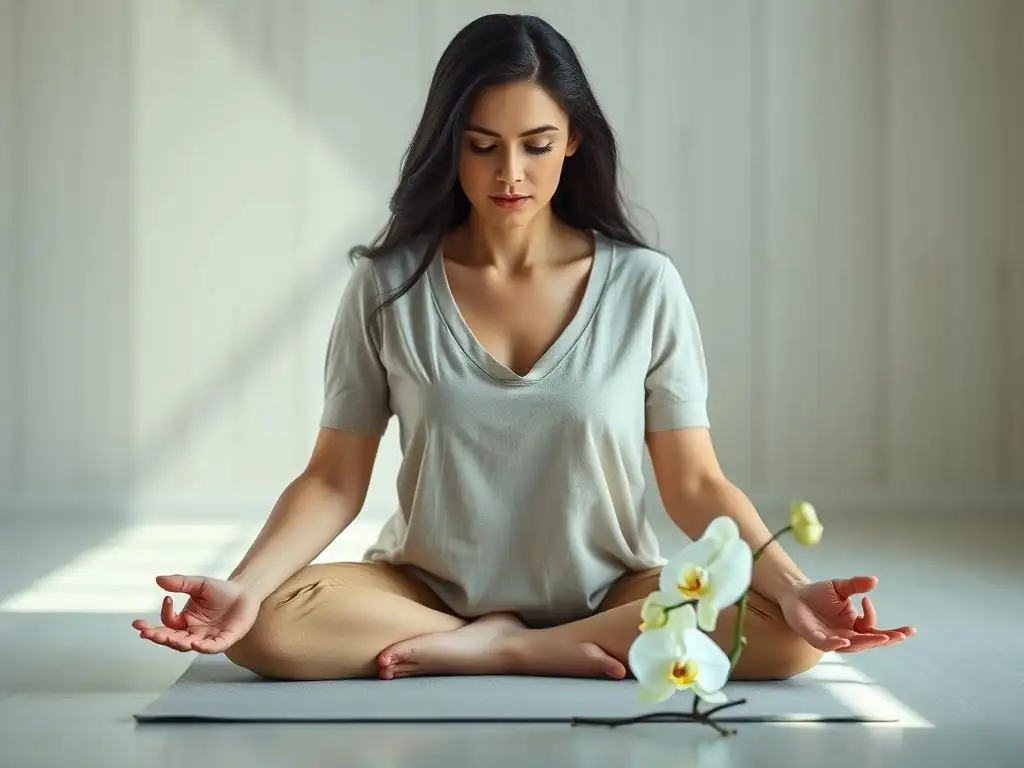
While almost any yoga pose can be beneficial depending on intention and execution, some are particularly renowned for their calming and grounding effects, helping to reduce stress and promote mental clarity. These poses often emphasize stability, gentle stretching, or postures that quiet the senses. Incorporating a variety of poses targeting different areas of the body can help release stored tension effectively.
Focusing on alignment and linking breath to movement in these specific poses enhances their therapeutic benefit. The physical sensation and the focus required help draw attention away from stressful thoughts and bring awareness to the present moment. This mindful engagement with the body is a powerful tool in managing the physical and mental manifestations of stress and anxiety.
Asanas for Grounding and Stability: Mountain Pose (Tadasana), Tree Pose (Vrksasana)
Grounding poses like Mountain Pose ( Tadasana) provide a foundation for building stability, both physically and mentally. Standing tall with feet grounded, body aligned, and breath steady, Tadasana cultivates a sense of presence and connection to the earth. It encourages awareness of the body's posture and balance, providing a simple yet powerful anchor for the mind when feeling overwhelmed or scattered. Practicing this pose mindfully can help center yourself amidst internal or external turbulence.
Tree Pose ( Vrksasana) further enhances this sense of grounding while also challenging balance and focus. Standing on one leg requires concentration and stability, drawing the mind into the present task. The effort to find balance naturally quiets distracting thoughts. If the mind wanders, balance is lost, providing immediate feedback and encouraging a return to focused awareness. Regularly practicing balancing poses can improve concentration and build mental resilience, making them valuable tools in yoga for anxiety relief.
Gentle Forward Folds for Calming the Mind: Child's Pose (Balasana)
Gentle forward folds are known for their calming effect on the nervous system. Child's Pose ( Balasana) is perhaps the most accessible and widely used restorative pose for stress reduction. Resting with the torso folded over the thighs and the forehead supported on the mat or a prop creates a sense of retreat and safety. This posture gently stretches the back and hips while encouraging deep, calming breaths.
In Balasana, the focus naturally turns inward. The gentle pressure on the forehead can be soothing, and the contained nature of the pose helps quiet external distractions. It's a pose of surrender and rest, allowing the body and mind to release tension. Spending several minutes in Child's Pose can significantly lower heart rate and promote a sense of peace, making it an essential posture for winding down and finding relief from stress and anxiety.
Yoga Breathing Techniques (Pranayama) for Stress Management
Breathing is the bridge between the mind and body, and conscious control of the breath ( pranayama) is a cornerstone of yoga practice for managing stress and improving mental clarity. Our breathing patterns are intimately linked to our emotional state; shallow, rapid breaths are common during stress, while slow, deep breaths are associated with relaxation. By consciously altering our breath, we can directly influence our nervous system and shift our state of mind.
Pranayama techniques offer practical tools to regulate energy, calm the mind, and reduce physiological arousal associated with stress and anxiety. They can be practiced anywhere, anytime, providing immediate relief and building long-term capacity for emotional regulation. Incorporating specific breathing exercises alongside physical postures significantly enhances the benefits of yoga for anxiety relief.
Ujjayi Breath (Victorious Breath) for Focus and Calm
Ujjayi Breath, often called "Victorious Breath" or "Ocean Breath," is a foundational pranayama technique used throughout many yoga practices. It involves breathing in and out through the nose with a slight constriction at the back of the throat, creating a soft, oceanic sound. This subtle constriction helps regulate the flow of breath, making it smoother, longer, and more controlled.
Practicing Ujjayi Breath requires focus and attention, drawing the mind away from external distractions and into the internal rhythm of the breath. The rhythmic sound and sensation are inherently calming and can help anchor the mind during challenging poses or stressful moments. It stimulates the vagus nerve and helps slow the heart rate, promoting relaxation and mental clarity. This technique is invaluable for maintaining focus and cultivating calm during a yoga session and throughout the day.
Box Breathing (Sama Vritti Pranayama) for Nervous System Regulation
Box Breathing, or Sama Vritti Pranayama (Equal Duration Breath), is a simple yet powerful technique for calming the nervous system and reducing anxiety. It involves inhaling for a count of four, holding the breath for a count of four, exhaling for a count of four, and holding the breath out for a count of four. This creates a "box" or square pattern with the breath.
The equal duration of each phase of the breath helps to balance the activity of the sympathetic and parasympathetic nervous systems. It interrupts shallow, erratic breathing patterns associated with stress and promotes a steady, rhythmic breath that signals safety and relaxation to the brain. Practicing Box Breathing for even a few minutes can significantly lower physiological arousal, making it an excellent tool for immediate yoga for anxiety relief and enhancing mental composure.
Mindfulness and Meditation in Yoga: Cultivating Presence
Mindfulness and meditation are integral components of a complete yoga practice, extending beyond the physical postures. While asana brings awareness to the body, mindfulness cultivates present-moment awareness without judgment, and meditation is a practice of focused attention or open awareness. Together, these elements enhance the therapeutic benefits of yoga, particularly for stress reduction and promoting mental clarity. They teach us how to observe our thoughts and feelings without getting swept away by them.
Integrating mindfulness and meditation into yoga helps train the mind to be less reactive to stressors and more grounded in the present. This capacity is crucial for reducing rumination and fostering a sense of inner peace. Whether through formal seated meditation, mindful movement on the mat, or bringing mindful awareness to daily activities, these practices are essential for cultivating emotional balance and achieving deeper yoga for anxiety relief.
The Role of Mindfulness in Reducing Stress and Promoting Mental Clarity
Mindfulness is the practice of paying attention to the present moment, intentionally and without judgment. When we are stressed, our minds often race, fixating on past worries or future anxieties. Mindfulness interrupts this pattern by gently bringing our awareness back to what is happening right now – the sensation of breath, the feeling of feet on the ground, the sounds around us.
By observing thoughts and feelings from a distance rather than getting entangled in them, mindfulness creates space between a stimulus (a stressful event or thought) and our reaction. This space allows for a more measured and thoughtful response instead of an automatic, stress-fueled one. Research has shown that regular mindfulness practice can reduce activity in the amygdala, the brain's fear center, and increase activity in the prefrontal cortex, improving emotional regulation and cognitive function. This mental training is a core benefit of yoga for anxiety relief.
Integrating Meditation into Your Yoga Practice for Emotional Regulation
Meditation, often practiced after the physical asana portion of a yoga class, provides dedicated time to cultivate stillness and focused awareness. While mindfulness can be practiced anytime, meditation is typically a more formal practice involving sitting quietly and directing attention to a specific object (like the breath) or cultivating open awareness of whatever arises.
Regular meditation practice has been shown to increase grey matter density in areas of the brain associated with self-awareness, compassion, and emotional regulation. By training the mind to focus and return gently when it wanders, meditation strengthens our capacity to manage difficult emotions without becoming overwhelmed. It provides a sanctuary within, a place of calm observation that helps individuals navigate emotional challenges with greater ease and resilience, reinforcing the emotional benefits of yoga for anxiety relief.
Body Scan Meditation: A Practical Approach to Awareness
Body Scan Meditation is a common and accessible meditation technique often incorporated into yoga and mindfulness programs. It involves systematically bringing awareness to different parts of the body, noticing sensations without trying to change them. Starting from the toes and moving up to the crown of the head, the practice encourages a deep connection with the physical self.
This technique is particularly effective for stress reduction because stress often manifests as physical tension. By bringing non-judgmental awareness to bodily sensations, individuals can identify areas of tension they might not have been conscious of and, through mindful breathing, begin to release them. The Body Scan also grounds the mind in the present moment, pulling it away from stressful thoughts and fostering a sense of presence and embodiment. It's a practical tool for cultivating the awareness that underpins the effectiveness of yoga for anxiety relief.
Creating a Yoga Routine for Stress Relief
Establishing a regular yoga routine is key to unlocking its full potential for stress reduction and mental clarity. Consistency is often more important than intensity or duration. Even short, frequent sessions can yield significant benefits. The best routine is one that fits into your lifestyle and feels sustainable, rather than becoming another source of stress.
Designing a personalized practice allows you to focus on the aspects of yoga that resonate most with your needs – whether it's vigorous flow to release physical energy, gentle restorative poses for deep relaxation, or focused breathwork and meditation for calming the mind. Tailoring the practice ensures it remains a source of support and nourishment.
Designing a Personalized Yoga Practice for Mental Wellbeing
A personalized yoga practice for mental wellbeing should consider your current physical condition, time constraints, and specific stress management goals. Are you seeking to release physical tension, calm a racing mind, or build emotional resilience?
Consider incorporating a mix of elements:
- Gentle Movement: Poses that stretch and release tension, like Cat-Cow or gentle twists.
- Grounding Poses: Standing or seated poses that help you feel stable and present, like Warrior II or Easy Pose.
- Restorative Poses: Poses supported by props that allow for deep relaxation, such as Supported Bridge Pose or Legs-Up-the-Wall.
- Pranayama: Breathing techniques like Ujjayi or Box Breathing.
- Meditation/Mindfulness: Dedicated time for stillness or mindful movement.
A short, daily practice (even 10-15 minutes) focusing on breath and a few key poses can be incredibly impactful. Alternatively, longer sessions a few times a week might be preferable. The goal is to create a routine that you look forward to and that consistently provides moments of calm and clarity.
How Often Should You Practice Yoga for Stress Reduction?
The frequency of yoga practice for stress reduction can vary depending on individual needs and schedules, but consistency is paramount. Many experts suggest that practicing even for short durations (e.g., 15-20 minutes) daily or most days of the week is more effective than one long session sporadically. Daily practice helps build a routine and makes it easier to integrate the benefits into your daily life.
However, even practicing 2-3 times per week for 45-60 minutes can yield significant benefits in reducing stress and improving mental wellbeing. The key is to find a rhythm that is sustainable for you. Listen to your body and mind – some days you might need a vigorous flow, while others call for gentle stretches and deep rest. The cumulative effect of regular practice, whatever the frequency, is what truly provides lasting yoga for anxiety relief.
Tips for Adapting Your Yoga Routine to Your Needs
Adapting your yoga routine is essential for long-term adherence and maximizing benefits. Life happens, and your needs will change. Be flexible and compassionate with yourself.
- Listen to Your Body: Some days you might feel energetic, others fatigued. Adjust your practice accordingly. Opt for restorative poses when tired or overwhelmed.
- Use Props: Don't hesitate to use blocks, blankets, bolsters, or straps to make poses more accessible and comfortable, especially in restorative practices.
- Modify Poses: It's okay to modify poses to suit your current physical state or limitations. There's no need to push into pain.
- Short Sessions Count: If you only have 10 minutes, focus on a few sun salutations, some deep breathing, or a short meditation. Something is always better than nothing.
- Find a Style You Enjoy: Explore different yoga styles (Hatha, Vinyasa, Restorative, Yin) to find what resonates with you and serves your stress-relief goals best.
- Practice Anywhere: You don't need a studio or even a mat. A few minutes of mindful breathing or gentle stretches can be done at your desk or before bed.
Beyond the Mat: Lifestyle Changes to Support Stress Reduction
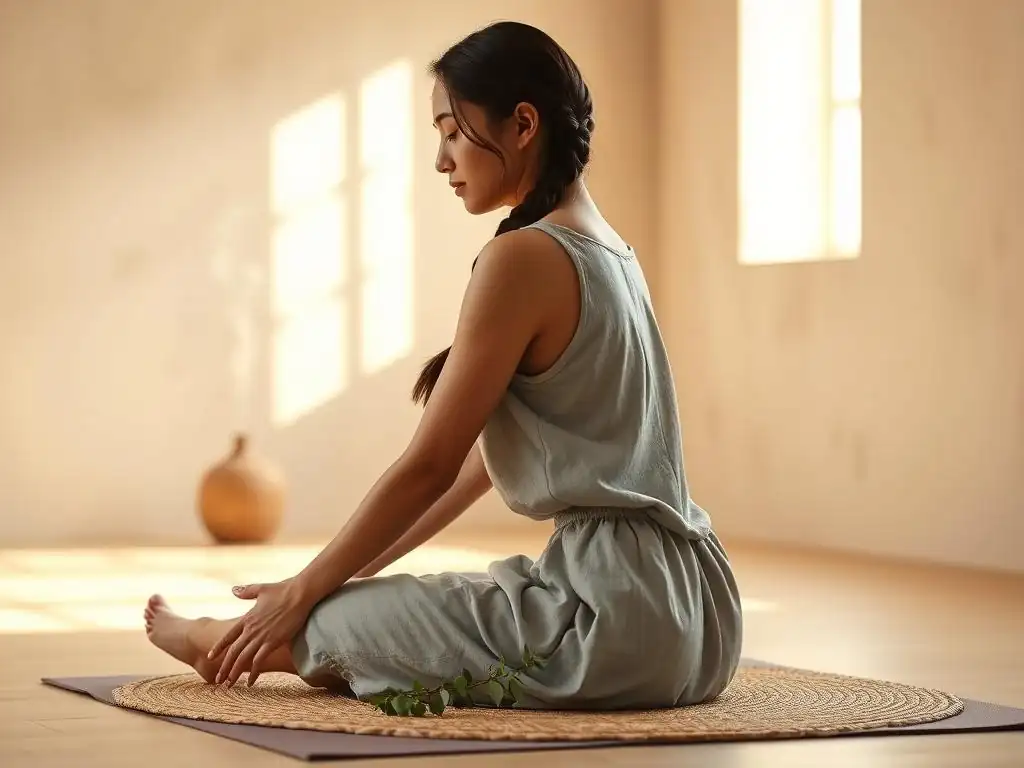
While yoga practice on the mat is powerful, integrating its principles and combining it with other healthy lifestyle choices amplifies its stress-reducing effects. Yoga teaches mindfulness, self-awareness, and the importance of balance – lessons that can be applied to daily habits to create a more supportive environment for mental wellbeing. Stress reduction is a holistic endeavor, and yoga can serve as a catalyst for positive changes off the mat.
Considering how sleep, nutrition, and communication impact stress levels and consciously working to improve these areas alongside your yoga practice creates a comprehensive approach to managing stress and enhancing mental clarity. These elements are interconnected, and improving one often positively impacts the others, reinforcing the benefits derived from yoga for anxiety relief.
The Importance of Sleep Hygiene, Balanced Diet, and Mindful Communication
Adequate, restful sleep is fundamental to stress resilience. Chronic sleep deprivation elevates stress hormones and impairs cognitive function. Prioritizing sleep hygiene – maintaining a regular sleep schedule, creating a relaxing bedtime routine, and ensuring a comfortable sleep environment – is crucial. Yoga practices, particularly gentle evening routines and pranayama, can help calm the nervous system and prepare the body for sleep.
A balanced diet also plays a significant role. Nutrient-dense foods support brain health and energy levels, while processed foods, excessive sugar, and caffeine can exacerbate anxiety and stress. Focusing on whole foods, fruits, vegetables, lean proteins, and healthy fats provides the body with the resources it needs to manage stress effectively. Mindful eating, a practice enhanced by yoga's emphasis on presence, can also improve digestion and reduce stress related to food choices. Finally, mindful communication – speaking and listening with intention and presence – can reduce interpersonal stress and improve relationships, a common source of tension.
Integrating Yoga Philosophy into Daily Life for Enhanced Mental Resilience
Yoga is more than just physical poses; it encompasses philosophical principles ( yamas and niyamas) that offer guidance for living a more ethical, fulfilling, and less stressful life. Principles like Ahimsa (non-violence, including to oneself), Satya (truthfulness), Santosha (contentment), and Svadhyaya (self-study) encourage introspection and conscious choices.
Applying these principles off the mat can significantly enhance mental resilience. Practicing Santosha helps cultivate appreciation for what you have, reducing stress related to constant striving or comparison. Ahimsa encourages self-compassion and avoiding harsh self-criticism, which is crucial for managing anxiety. Svadhyaya promotes self-awareness, helping you understand your stress triggers and reactions. By weaving these philosophies into daily interactions and decisions, you build a stronger inner foundation, making the benefits of yoga for anxiety relief extend into all areas of life.
The Science Behind Yoga and Stress: Research and Evidence
In recent decades, there has been a growing body of scientific research exploring the efficacy of yoga as a therapeutic intervention for stress, anxiety, and depression. While ancient wisdom has long touted these benefits, modern science is now providing empirical evidence to support these claims. Studies utilizing various methodologies, including randomized controlled trials, neuroimaging, and physiological measurements, are shedding light on the mechanisms by which yoga positively impacts mental health.
This research helps validate yoga as a legitimate tool for mental wellbeing and provides valuable insights into how different aspects of the practice contribute to stress reduction. Understanding the science can also empower individuals to approach yoga with confidence, knowing that its benefits are supported by evidence. The growing body of research specifically on yoga for anxiety relief highlights its potential as a complementary approach to traditional treatments.
Studies Supporting the Effectiveness of Yoga for Stress Relief
Numerous studies have demonstrated the effectiveness of yoga in reducing symptoms of stress and anxiety. A meta-analysis published in the Journal of Consulting and Clinical Psychology reviewing multiple studies found that yoga interventions were associated with significant reductions in anxiety scores. Another study published in Psychoneuroendocrinology showed that regular yoga practice led to decreased levels of cortisol, the primary stress hormone, in participants.
Research has also explored yoga's impact on specific populations. A study on college students during exam periods, a time of high stress, found that incorporating yoga led to reduced perceived stress and improved mood compared to a control group. For individuals with chronic conditions often exacerbated by stress, such as irritable bowel syndrome or chronic back pain, studies have indicated that yoga can help manage symptoms and improve quality of life by reducing stress levels. This evidence base underscores the power of yoga for anxiety relief across diverse groups.
Understanding the Physiological Benefits of Yoga
The physiological benefits of yoga that contribute to stress reduction are multifaceted. As discussed, yoga helps regulate the autonomic nervous system, promoting a shift towards parasympathetic dominance. This is often measured by increased heart rate variability (HRV), an indicator of the body's ability to adapt to stress; higher HRV is associated with better stress resilience. Studies have shown that yoga practice can increase HRV.
Furthermore, yoga has been shown to reduce systemic inflammation, which is increasingly linked to stress and mood disorders. Regular practice may also influence neurotransmitter levels, potentially increasing gamma-aminobutyric acid (GABA), a neurotransmitter associated with calmness, and positively impacting serotonin and dopamine levels, which are crucial for mood regulation. The physical postures improve circulation and reduce muscular tension, further alleviating the physical burden of stress. These physiological changes provide a concrete basis for the mental and emotional benefits observed from yoga for anxiety relief.
Conclusion: Embracing Yoga for a Balanced, Clear Mind - Your Path to Mental Wellbeing
Yoga offers a powerful, holistic path towards cultivating mental clarity and emotional balance. It is far more than just a physical exercise; it is a practice that integrates movement, breath, and mindfulness to address the complex interplay between our physical and mental states. By actively engaging the body and calming the mind, yoga provides effective tools for navigating the challenges of stress and anxiety in modern life.
Embracing yoga for anxiety relief means committing to a journey of self-discovery and self-care. Through regular practice, you can learn to recognize stress signals earlier, respond to challenges with greater equanimity, and cultivate a deeper sense of presence and peace. Whether you are new to yoga or have been practicing for years, there are always new layers to explore and benefits to uncover.
Start small, be consistent, and be patient with yourself. Your mat awaits, offering a space to find flexibility not just in your body, but in your mind, leading you towards a more balanced and clear state of being.
Frequently Asked Questions
What types of yoga are most effective for anxiety relief?
Various types of yoga can help, but gentle practices like Hatha, Restorative, and Yin yoga are often recommended. These focus on deep breathing and relaxation, reducing stress hormones.
How does yoga help to improve mental clarity?
Yoga improves mental clarity through mindfulness and body awareness. It encourages you to focus on the present moment, quieting the mental chatter that contributes to anxiety and lack of focus.
How often should I practice yoga to experience noticeable benefits for my mental well-being?
Consistency is key; aiming for at least 2-3 times per week can lead to noticeable improvements. Even short, regular sessions are more beneficial than infrequent, longer practices.
What are some beginner-friendly yoga poses that can help with anxiety?
Poses like Child's Pose, Corpse Pose (Savasana), and Legs-Up-the-Wall Pose are excellent starting points. They are gentle and accessible to most individuals, promoting relaxation and reducing tension.
Are there any potential risks or contraindications to consider before starting yoga for anxiety?
While generally safe, consult your doctor before starting if you have pre-existing health conditions. Individuals with certain physical limitations may need modifications or alternative poses to avoid injury.
Final Reflection: Finding Stillness in the Storm
The pursuit of mental clarity and emotional balance is no longer a luxury, but a necessity in our fast-paced, demanding world. The overwhelming prevalence of anxiety underscores the urgent need for accessible and effective coping mechanisms, and the practices explored in this article – the mindful movements, controlled breathing, and meditative aspects of yoga – offer a powerful pathway to reclaiming inner peace. This isn't just about physical flexibility; it's about cultivating a resilient mind capable of navigating life's challenges with grace and composure.
The impact of yoga on our collective well-being is profound and far-reaching. It's not just a trend; it's a rediscovery of ancient wisdom perfectly suited to the modern age. We've seen how the simple act of connecting breath to movement can unravel tension, quiet the racing mind, and foster a sense of self-awareness that's crucial for managing anxiety. As the Dalai Lama wisely said, Happiness is not ready made. It comes from your own actions.
Yoga provides the tools, the framework, and the space to cultivate that happiness, to actively shape our emotional landscape rather than being passively shaped by it.
You now hold the key to unlocking a deeper connection with yourself and a more peaceful relationship with your mind. Consider incorporating even a few minutes of mindful movement or deep breathing into your daily routine. Experiment with different yoga styles, find what resonates with you, and allow the practice to unfold organically. Remember, the journey to mental clarity is a personal one, and the rewards – a calmer mind, a stronger spirit, and a greater sense of self – are immeasurable. Begin your practice today, and discover the transformative power of yoga for yourself.
Unleash Your Inner Calm: Take Charge of Your Mental Wellbeing
Thanks for taking the time to explore the power of yoga for mental clarity! We hope you gained valuable insights into how this practice can transform your emotional landscape. Now it's time to put your newfound knowledge into action.
- Start your mindful yoga journey today: Even 10 minutes of mindful stretching can make a difference. Find a quiet space, and try a beginner's sequence you learned about in this article (or a similar one online).
- Share your experiences: Let us know what poses resonated with you most – and any challenges you faced – in the comments below. Your insights could inspire others!
- Explore the Mind Care Guide Resource Library (imaginary): For deeper dives into yoga and mindfulness techniques, explore our collection of guided meditations and relaxation exercises. (Imaginary resource; no link needed)
What small step will you take today to nurture your mental wellbeing?