
Conquer Work Stress: Quick Relaxation Breaks for the Office


Welcome to Mind Care Guide, a safe space dedicated to nurturing your mental well-being. Feeling overwhelmed by the daily grind? We understand. In this article, discover quick office relaxation techniques to reclaim your calm, even amidst the most demanding workday. Ready to transform your office into a sanctuary of serenity? Let's begin.
Conquer Work Stress: Quick Relaxation Breaks for the Office | Mind Care Guide
- Introduction: Finding Calm Amidst the Chaos - Office Stress Relief
- Understanding the Impact of Workplace Stress on Mental Well-being
- The Power of Quick Office Relaxation Techniques for Stress Management
-
Top 5 Quick Office Relaxation Techniques to Reduce Stress
- 1. Deep Breathing Exercises for Immediate Stress Relief
- 2. Mindful Meditation: A Short Guided Session for the Workplace
- 3. Desk Stretches and Gentle Movement for Tension Release
- 4. Visualization Techniques: Creating a Mental Escape from Stress
- 5. Sensory Relaxation: Engaging Your Senses for Calmness
- Integrating Quick Relaxation Breaks into Your Daily Routine
- Beyond Quick Fixes: Long-Term Strategies for Stress Management
- Conclusion: Prioritizing Your Mental Health with Simple Office Relaxation
-
Frequently Asked Questions
- What are some quick and effective relaxation techniques I can use at my desk to manage work stress?
- How often should I take these relaxation breaks during my workday?
- What are some signs that I need to incorporate more relaxation techniques into my workday?
- Can these relaxation techniques really make a difference in my overall mental well-being?
- Are there any resources available on the Mind Care Guide website to help me learn these techniques in more detail?
- Final Reflection: Finding Oasis Moments in the Office Storm
- Unwind and Recharge: Your Path to a Stress-Free Day
Introduction: Finding Calm Amidst the Chaos - Office Stress Relief
The modern workplace, with its demanding deadlines, constant connectivity, and high expectations, can often feel like a whirlwind of pressure. For many, this environment contributes significantly to daily stress levels, impacting not just productivity but overall mental well-being. Learning how to navigate this pressure is crucial, and incorporating moments of calm throughout the day is a powerful strategy.
Finding effective ways to manage stress during the workday is essential. This article explores the value of quick office relaxation techniques – simple, brief practices that can be performed right at your desk or nearby – offering immediate relief and fostering a greater sense of calm. These small interventions can make a big difference in combating the cumulative effects of workplace tension.
Understanding the Impact of Workplace Stress on Mental Well-being
Chronic workplace stress is more than just feeling busy or overwhelmed; it can have profound and lasting effects on both physical and mental health. Recognizing the early warning signs is the first step toward effective management and seeking support when needed. Ignoring these signals can lead to burnout, anxiety, depression, and a host of physical ailments.
A significant percentage of the global workforce reports experiencing high levels of stress related to their jobs. For instance, surveys often indicate that well over half of employees feel moderate to high stress weekly. This pervasive issue underscores the necessity of proactive strategies, such as implementing quick office relaxation techniques, to mitigate its damaging impact on individual well-being and organizational health.
Recognizing the Signs of Stress at Work
The signs of workplace stress can manifest in various ways, affecting your thoughts, feelings, body, and behavior. On a psychological level, you might experience difficulty concentrating, memory problems, constant worrying, or an inability to switch off from work. Emotionally, irritability, frustration, feelings of being overwhelmed, or a sense of hopelessness can become common companions throughout the day.
Physically, stress can lead to headaches, muscle tension (especially in the neck and shoulders), digestive issues, fatigue, and even a weakened immune system resulting in more frequent illnesses. Behavioral signs might include increased procrastination, changes in eating or sleeping habits, withdrawal from colleagues, or relying on unhealthy coping mechanisms. For example, someone might find themselves constantly checking email late into the evening or skipping lunch breaks due to feeling overwhelmed by their workload, indicative behaviors of high stress levels.
The Connection Between Stress and Mental Health: A Brief Overview
The link between chronic stress and mental health conditions is well-established. Prolonged exposure to stress hormones like cortisol can disrupt brain chemistry and function, increasing vulnerability to conditions such as anxiety disorders and depression. Stress isn't just a feeling; it's a physiological response that, when persistent, can alter the very structure and function of the brain areas responsible for mood, memory, and fear.
Research consistently demonstrates that high levels of occupational stress are a significant risk factor for developing mental health issues. For instance, a study might find that individuals reporting high job strain are significantly more likely to be diagnosed with depression or an anxiety disorder within a few years compared to those with lower stress levels. This highlights the critical importance of integrating stress-reduction practices, including accessible quick office relaxation techniques, into the daily fabric of professional life.
The Power of Quick Office Relaxation Techniques for Stress Management
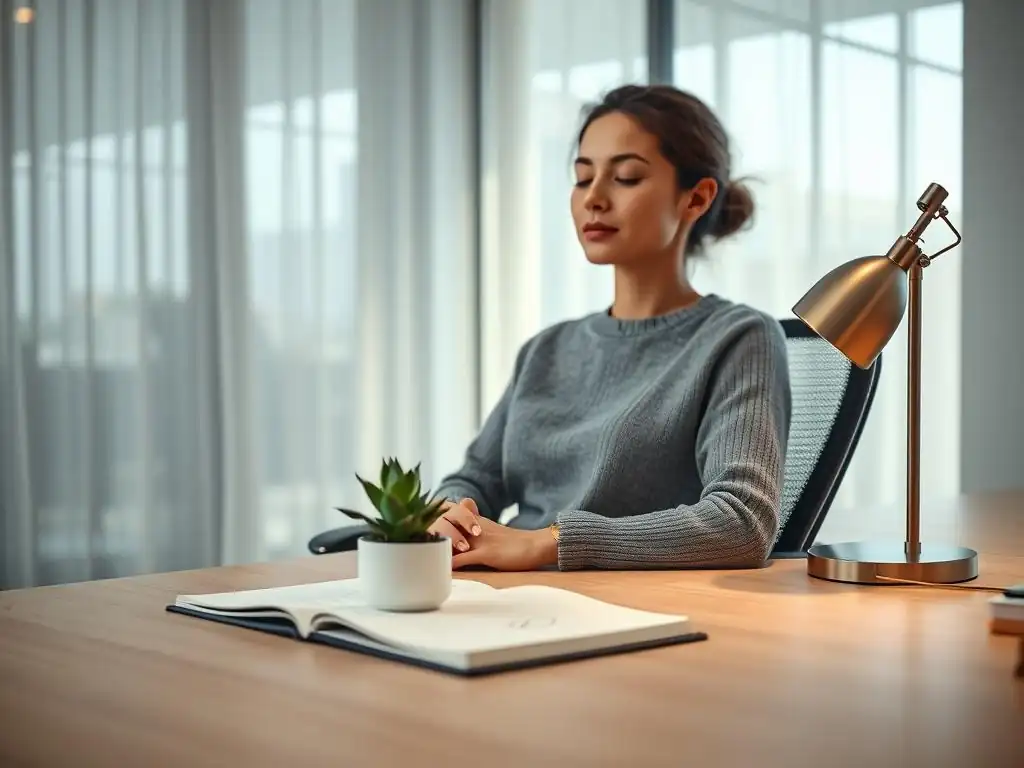
In the fast-paced environment of many workplaces, finding time for extensive stress-relief activities can seem impossible. This is where quick office relaxation techniques shine. These are brief, often minute-long practices designed to interrupt the stress cycle, offering immediate respite without requiring significant time away from tasks or special equipment.
The cumulative effect of incorporating these short bursts of calm throughout the day can be substantial. Instead of letting stress build unchecked until the end of the day, these quick interventions help maintain a more balanced state, preventing the escalation of tension and improving overall resilience against workplace pressures. They are practical tools for immediate relief and long-term stress management.
Why Short Breaks Matter: Boosting Productivity and Reducing Anxiety
Taking short breaks, even just for a minute or two, might seem counterintuitive when deadlines loom, but evidence suggests the opposite. Stepping away briefly allows your mind to reset, preventing decision fatigue and improving focus upon returning to your task. Studies have shown that regular short breaks can lead to a significant increase in sustained attention and productivity over the course of a workday, sometimes improving task completion rates by up to 10-15%.
Furthermore, these quick pauses are powerful anxiety reducers. When stress mounts, the body enters a fight-or-flight state, making clear thinking difficult. A short relaxation break interrupts this physiological response, lowering heart rate and cortisol levels. This shift from a stressed state back to a calmer baseline helps to alleviate feelings of overwhelm and worry, enabling a more rational and effective approach to challenges.
Benefits of Incorporating Relaxation into Your Workday
Integrating quick office relaxation techniques into your daily routine yields numerous benefits beyond immediate stress reduction. Regularly practicing these techniques can improve your mood, enhance your ability to concentrate, and boost creativity. By managing stress proactively, you reduce the likelihood of burnout and foster a more positive attitude towards your work and colleagues.
Consider the impact on physical health: reduced muscle tension, fewer stress-related headaches, and improved sleep quality are often reported by individuals who prioritize relaxation. On a cognitive level, better stress management leads to improved problem-solving skills and enhanced decision-making capabilities. Ultimately, making time for quick relaxation breaks contributes to a healthier, more sustainable, and more enjoyable work experience.
Top 5 Quick Office Relaxation Techniques to Reduce Stress
Finding effective ways to pause and reset during a busy workday is crucial for maintaining mental well-being. The following five techniques are simple, quick, and can be easily integrated into your office routine, providing immediate relief from mounting stress and helping you regain focus.
These techniques require minimal time and space, making them accessible even in the most demanding environments. Experiment with each to find which ones resonate most with you and your specific needs throughout the day.
1. Deep Breathing Exercises for Immediate Stress Relief
Deep breathing is one of the most accessible and powerful quick office relaxation techniques available. It directly impacts your autonomic nervous system, shifting your body from a stress response (sympathetic nervous system) to a relaxed state (parasympathetic nervous system). Just a few mindful breaths can significantly lower heart rate and blood pressure, calming the mind almost instantly.
Practicing deep breathing regularly, even for just 60 seconds at a time, can build resilience to stress over time. It's a portable tool that requires no special equipment and can be done anywhere, anytime you feel tension rising, making it an ideal quick office relaxation technique for immediate use.
How to Perform Box Breathing at Your Desk
Box breathing, also known as square breathing, is a simple yet effective deep breathing technique perfect for the office. Find a comfortable seated position at your desk, with your feet flat on the floor. Gently close your eyes or soften your gaze.
The steps are:
- Exhale completely, emptying your lungs of air.
- Inhale slowly through your nose for a count of four.
- Hold your breath at the top of the inhale for a count of four.
- Exhale slowly through your mouth for a count of four.
- Hold your breath at the bottom of the exhale for a count of four.
- Repeat this cycle for 1-5 minutes. Focus on the counts and the sensation of air moving in and out of your body.
The Science Behind Deep Breathing and Relaxation
Deep breathing exercises work by influencing the vagus nerve, a major component of the parasympathetic nervous system. Slow, deep breaths stimulate the vagus nerve, signaling the body to relax and reducing the production of stress hormones like cortisol. This physiological response counteracts the fight-or-flight reaction triggered by stress.
Studies using biofeedback have shown that focused, slow breathing can lead to immediate changes in heart rate variability (HRV), an indicator of the body's ability to handle stress. Higher HRV is associated with better stress resilience. By consciously controlling your breath, you gain a degree of control over your body's stress response, making deep breathing a cornerstone of quick office relaxation techniques.
2. Mindful Meditation: A Short Guided Session for the Workplace
Mindful meditation involves focusing your attention on the present moment without judgment. While full meditation sessions can be lengthy, even a short, guided practice of just 1-3 minutes can provide significant stress relief in the office. These brief sessions help to quiet the mental chatter, reduce rumination on past problems or future worries, and bring you back to the here and now.
Numerous apps and online resources offer very short guided meditations specifically designed for busy individuals or workplace settings. Listening through headphones can create a private space for relaxation, even in a bustling office environment, making this a highly effective quick office relaxation technique.
Simple Meditation Scripts for Office Use
A simple script for a 2-minute office meditation could be:
"Close your eyes gently or lower your gaze. Take a deep breath in, and exhale slowly. Now, just notice your breath as it flows in and out. Don't try to change it, just observe. Feel the air entering your nostrils, the rise and fall of your chest or abdomen.
If your mind wanders, that's okay; simply notice the thought and gently bring your attention back to your breath. Continue observing your breath for another minute. Now, bring your awareness back to your body in the chair, the sounds around you. Take one more deep breath, and when you're ready, slowly open your eyes."
Another short script might focus on body scan: "Sit comfortably, feet flat, hands resting in your lap. Close your eyes. Take three slow, deep breaths. Now, bring your attention to your feet. Notice any sensations there. Move your awareness up to your ankles, calves, knees. Continue this scan up through your body – thighs, hips, abdomen, back, shoulders, arms, hands, neck, head. Simply notice any tension or comfort without judgment. Take a final deep breath, acknowledging your body. Open your eyes when ready."
Focusing on the Present Moment to Reduce Worry
Much of workplace stress stems from worrying about upcoming deadlines, potential problems, or past mistakes. Mindfulness meditation, even in short bursts, trains your mind to focus on the present moment. By anchoring your attention to your breath, bodily sensations, or sounds, you temporarily detach from the cycle of anxious thoughts about the future or regrets about the past.
This practice helps to create mental space between you and your stressors. For example, instead of being consumed by worry about a presentation next week, a mindful moment allows you to acknowledge the thought ("Ah, I'm thinking about the presentation") and then gently redirect your attention back to the present task or sensation. This repeated practice weakens the hold that worry has, making it a vital component of quick office relaxation techniques.
3. Desk Stretches and Gentle Movement for Tension Release
Sitting for prolonged periods can lead to significant muscle tension, particularly in the neck, shoulders, back, and hips. This physical tension contributes to overall stress levels and can cause discomfort or even pain. Incorporating simple desk stretches and gentle movements is an effective way to release this physical stress and improve circulation.
These movements can be performed discreetly at your desk and take only a few minutes. They not only alleviate physical discomfort but also provide a mental break, making them excellent quick office relaxation techniques that combine physical and mental relief.
Easy Stretches to Alleviate Muscle Tension
Here are a few simple stretches you can do at your desk:
- Neck Rolls: Gently tilt your head to one side, bringing your ear towards your shoulder. Hold for 15-20 seconds. Repeat on the other side. Then gently roll your head forward, bringing your chin towards your chest.
- Shoulder Rolls: Sit tall and roll your shoulders forward in a circular motion for 5-10 repetitions, then backward for another 5-10 repetitions.
- Spinal Twist: While seated, twist your upper body to one side, using the back of your chair or your opposite hand on your knee for leverage. Hold for 20-30 seconds. Repeat on the other side.
- Wrist and Finger Stretches: Extend one arm forward, palm down. Use your other hand to gently pull your fingers down towards your body. Hold. Then extend the arm palm up and gently pull fingers back. Repeat on the other side. Clench and unclench fists several times.
Improving Circulation and Energy Levels Through Movement
Sedentary behavior slows down circulation, which can lead to feelings of sluggishness and fatigue. Even brief periods of gentle movement and stretching help to get blood flowing more efficiently throughout the body. Improved circulation delivers more oxygen to your brain and muscles, which can boost energy levels and improve cognitive function.
Taking a quick walk around the office, using stairs instead of the elevator, or simply standing up and stretching every hour are also effective ways to combat the negative effects of prolonged sitting. These small bursts of activity act as revitalizing quick office relaxation techniques, breaking up monotony and providing a physical release for built-up tension.
4. Visualization Techniques: Creating a Mental Escape from Stress
Visualization, or guided imagery, involves using your imagination to create calming mental images and scenarios. This technique can transport your mind away from the stressful office environment, even if only for a few moments, providing a powerful mental escape. It's a versatile quick office relaxation technique that can be tailored to your personal preferences.
By focusing on pleasant, peaceful scenes, you engage the part of your brain associated with imagination and relaxation, counteracting the areas activated by stress and worry. This mental shift can lower stress levels and promote feelings of tranquility.
Guided Imagery Exercises for Stress Reduction
A simple visualization exercise for the office might involve imagining a peaceful place. Close your eyes and take a few deep breaths. Picture yourself in a tranquil setting – perhaps a beach with gentle waves, a serene forest, or a cozy cabin by a lake. Engage all your senses in this mental scene: What do you see? What sounds do you hear (waves, birdsong, crackling fire)? What do you smell (salt air, pine needles, woodsmoke)? What do you feel (warm sun on your skin, cool breeze, soft blanket)?
Spend 2-3 minutes vividly experiencing this peaceful place in your mind. Allow yourself to feel the calm and tranquility of the scene. When you're ready, take a final deep breath and gently open your eyes, bringing some of that peaceful feeling back with you to your desk.
Using Visualization to Promote a Positive Mindset
Beyond just escaping stress, visualization can also be used to cultivate positive emotions and outcomes. You can visualize yourself successfully handling a challenging situation, feeling confident and capable during a meeting, or simply experiencing feelings of gratitude or joy. By mentally rehearsing positive experiences, you can shift your emotional state and build self-efficacy.
For example, before a stressful task, you could visualize yourself calmly and efficiently completing it, feeling a sense of accomplishment afterward. This mental preparation can reduce anxiety and improve performance. Incorporating positive visualization alongside calming imagery makes it a robust quick office relaxation technique for both immediate relief and fostering a more resilient mindset.
5. Sensory Relaxation: Engaging Your Senses for Calmness
Engaging your senses in a calming way can be a very effective and immediate method for reducing stress. Focusing on sensory input helps to ground you in the present moment, diverting your attention from stressful thoughts. This approach utilizes everyday items or simple additions to your workspace to create moments of sensory pleasure and relaxation.
This type of quick office relaxation technique is highly personal; what is calming for one person might be distracting for another. Experiment to find which sensory inputs work best for you in your specific office environment.
Using Aromatherapy, Music, or Textures for Relaxation
- Aromatherapy: Keep a small rollerball with calming essential oils like lavender, chamomile, or peppermint (for alertness, if needed) at your desk. A quick dab on your wrists or temples can provide a soothing scent cue. Check office policies regarding scents, as some workplaces are scent-free.
- Music: Create a short playlist (3-5 minutes) of calming instrumental music, nature sounds, or white noise. Listen through headphones for a quick mental escape and to block out distracting office noise.
- Textures: Keep a small stress ball, a smooth stone, or a piece of soft fabric at your desk. Mindfully focusing on the tactile sensation for a minute or two can be surprisingly grounding and relaxing.
- Taste/Smell: Sip a warm cup of herbal tea (like chamomile) slowly, focusing on the warmth and flavor. Or simply enjoy a small piece of dark chocolate mindfully, paying attention to its texture and taste.
Creating a Sensory-Friendly Workspace
While you might not be able to completely redesign your office, you can make small adjustments to create a more sensory-friendly and calming personal workspace. This could involve:
- Adjusting lighting if possible (using a small desk lamp instead of harsh overhead lights).
- Organizing your desk to reduce visual clutter.
- Adding a small, easy-to-care-for plant.
- Having a comfortable cushion or back support for your chair.
- Keeping a pair of noise-canceling headphones handy.
These small environmental tweaks, combined with actively engaging your senses through quick relaxation breaks, contribute to a more peaceful and less stressful workday.
Integrating Quick Relaxation Breaks into Your Daily Routine
Making quick office relaxation techniques a regular part of your day requires intentionality and planning. It's not enough to just know about these techniques; you need to actively incorporate them into your workflow. Think of them not as optional extras, but as essential components of maintaining productivity and well-being.
Just as you schedule meetings or tasks, scheduling short periods for relaxation can ensure they actually happen. This proactive approach helps prevent stress from building up to unmanageable levels throughout the day.
Scheduling Regular Relaxation Intervals Throughout the Day
One effective strategy is to schedule short relaxation breaks directly into your calendar or task list. Even blocking out 5 minutes every couple of hours can make a significant difference. You could set reminders on your phone or computer that prompt you to take a breath, stretch, or do a quick visualization.
Consider linking relaxation breaks to existing habits. For example, every time you finish a task, take 60 seconds to do some deep breathing before starting the next. Or, use your commute time before or after work for a slightly longer relaxation or mindfulness practice to bookend your day effectively. Building these habits makes quick office relaxation techniques a seamless part of your routine.
Overcoming Obstacles: Making Time for Self-Care at Work
The biggest obstacle to taking relaxation breaks is often the feeling that you don't have time. However, viewing these breaks as an investment in your productivity and mental health can help shift this perspective. A few minutes spent relaxing can save much more time later by preventing burnout, reducing errors, and improving focus.
- Task List:
- Identify peak stress times during your day.
- Schedule 2-3 short (1-3 minute) relaxation breaks during these times.
- Put the breaks on your calendar or set phone reminders.
- Experiment with different techniques to find what works best.
- Commit to taking at least one break today.
If you feel overwhelmed, start small. Commit to just one 60-second relaxation break today. Once that feels manageable, gradually increase the frequency. Communicate with your team or manager if necessary, explaining that short breaks help you maintain focus and performance.
Tips for Creating a Supportive Workplace Culture for Mental Well-being
Individual efforts to manage stress are important, but a supportive workplace culture can amplify their effectiveness. Companies and teams can foster an environment where using quick office relaxation techniques is encouraged, not frowned upon. This starts with leadership modeling healthy behaviors and openly discussing the importance of mental well-being.
Suggestions include:
- Encouraging employees to take short breaks away from their desks.
- Providing quiet spaces for relaxation or reflection.
- Offering resources on stress management techniques.
- Training managers to recognize signs of stress in their teams.
- Promoting realistic workloads and healthy work-life boundaries.
When a workplace actively supports mental health, employees feel more comfortable prioritizing self-care, making it easier to integrate quick relaxation breaks into the daily routine for everyone's benefit.
Beyond Quick Fixes: Long-Term Strategies for Stress Management
While quick office relaxation techniques provide immediate relief and are essential tools, they are most effective when part of a broader, long-term strategy for managing workplace stress. Addressing the root causes of stress and seeking professional support when needed are crucial steps toward sustainable well-being.
Relying solely on quick fixes without examining the underlying issues contributing to chronic stress is like putting a band-aid on a deeper wound. A holistic approach that includes both immediate coping mechanisms and long-term solutions is key to truly conquering work stress.
Addressing the Root Causes of Workplace Stress
Identifying and addressing the specific factors contributing to your stress at work is vital. Is it an unmanageable workload, unclear expectations, poor communication, lack of control, difficult relationships with colleagues, or feeling undervalued? Sometimes, the stress stems from systemic issues within the organization.
Once identified, try to address these root causes directly or indirectly. This might involve having a conversation with your manager about workload distribution, setting clearer boundaries around work hours, improving communication skills, or seeking training to feel more competent in your role. While not always easy, tackling the source of stress is more effective in the long run than solely managing symptoms.
Seeking Professional Help for Chronic Stress and Anxiety
If chronic workplace stress is significantly impacting your mental health, leading to persistent anxiety, depression, or burnout, seeking professional help is a sign of strength, not weakness. Therapists, counselors, or psychologists can provide valuable tools and strategies for managing stress, addressing underlying issues, and developing healthier coping mechanisms.
Mental health professionals can help you explore the root causes of your stress in depth, teach advanced relaxation and mindfulness techniques, cognitive behavioral therapy (CBT) strategies to challenge negative thought patterns, and develop action plans for making necessary changes in your work life or seeking support from your employer. Don't hesitate to reach out to an Employee Assistance Program (EAP) if your company offers one, or consult with a healthcare provider for recommendations.
Conclusion: Prioritizing Your Mental Health with Simple Office Relaxation
In the demanding landscape of modern work, prioritizing your mental health is not a luxury, but a necessity. The constant pressure to perform can take a significant toll, making it imperative to integrate proactive strategies for managing stress into your daily routine. Simple, accessible quick office relaxation techniques offer a powerful way to create moments of calm amidst the chaos.
Embracing these brief practices empowers you to take control of your stress response, improve your focus, boost your mood, and protect your overall well-being. They are easy to learn, require minimal time, and can be performed right at your desk, making them indispensable tools for navigating the challenges of the workplace.
The Importance of Self-Care in a Demanding Work Environment
Self-care in the workplace is fundamentally about recognizing your limits and actively taking steps to recharge and protect your energy. It's not selfish; it's essential for sustained performance and preventing burnout. Ignoring your mental and physical needs in pursuit of productivity is ultimately counterproductive and unsustainable.
Making time for self-care, including incorporating quick office relaxation techniques, sends a powerful message to yourself that your well-being matters. It builds resilience, improves your capacity to handle pressure, and allows you to show up as your best self, both professionally and personally.
Embracing Quick Relaxation Breaks for a Healthier, Happier You
Committing to using quick office relaxation techniques regularly is an investment in a healthier, happier, and more productive work life. Whether it's a minute of deep breathing before a difficult meeting, a short guided visualization during your lunch break, or a few desk stretches to release tension, these small actions accumulate to create a significant positive impact.
Start today by choosing just one technique and trying it out. Gradually build these quick relaxation breaks into your daily rhythm. By making these simple practices a habit, you equip yourself with effective tools to conquer work stress and cultivate a greater sense of calm and well-being throughout your workday.
Frequently Asked Questions
What are some quick and effective relaxation techniques I can use at my desk to manage work stress?
There are several options! Try deep breathing exercises, like box breathing, or mindful stretching to release tension. Even a short meditation app session can help you refocus.
How often should I take these relaxation breaks during my workday?
Aim for at least one short break every 1-2 hours. Even a few minutes can make a significant difference in reducing stress and improving focus. Listen to your body and take a break when you feel overwhelmed.
What are some signs that I need to incorporate more relaxation techniques into my workday?
Signs include increased irritability, difficulty concentrating, muscle tension, and feeling overwhelmed. Ignoring these signals can lead to burnout, so prioritize relaxation.
Can these relaxation techniques really make a difference in my overall mental well-being?
Yes! Regularly practicing relaxation can significantly reduce stress levels, improve mood, and increase resilience. They are a powerful tool for maintaining mental well-being in the workplace.
Are there any resources available on the Mind Care Guide website to help me learn these techniques in more detail?
Absolutely! Mind Care Guide offers articles, guided meditations, and support resources related to stress management and relaxation. Explore the site for comprehensive information and practical tools.
Final Reflection: Finding Oasis Moments in the Office Storm
The relentless pace of modern work life leaves many feeling overwhelmed, but incorporating even brief moments of relaxation can significantly impact our well-being and productivity. The techniques explored in this article – from mindful breathing to quick stretches – aren't just fleeting distractions; they are powerful tools for reclaiming control amidst the chaos. Ignoring the need for these breaks is akin to ignoring the warning lights on your car dashboard – eventually, something will give.
The pervasive nature of workplace stress is undeniable, impacting not only individual employees but also the overall organizational culture. The constant pressure to perform, coupled with long hours and demanding deadlines, creates a fertile ground for burnout. This isn't just about individual resilience; it's about fostering a healthier and more productive work environment for everyone. The price of neglecting mental health is far greater than the cost of investing in it.
This quote highlights the long-term consequences of ignoring the need for stress management, impacting both individual well-being and organizational success.
You now have the knowledge and tools to cultivate your own personal oasis within the workday. Don't wait for a crisis to strike; start small, experiment with the techniques outlined, and find what works best for you. Even five minutes of focused relaxation can make a world of difference. Commit to prioritizing your mental and physical health; your well-being, and ultimately your success, depends on it. Take a deep breath, and begin building a more balanced and fulfilling work life today.
Unwind and Recharge: Your Path to a Stress-Free Day
Thanks for taking the time to learn about quick relaxation techniques! We hope you now have practical tools to manage workplace stress. Ready to put these tips into action and create a calmer, more productive workday?
- Prioritize your most effective relaxation technique: Identify the method (deep breathing, stretching, mindfulness) that resonated most with you and schedule it into your daily routine.
- Share this article with a colleague who might also benefit from these simple yet powerful stress-busters. Let's build a healthier work environment together!
- Experiment with a different relaxation technique each day this week to find what works best for you. Try something new!
What simple change will you make today to prioritize your well-being at work?