
Create Your Calm Zone: Designing a Space for Mental Retreat

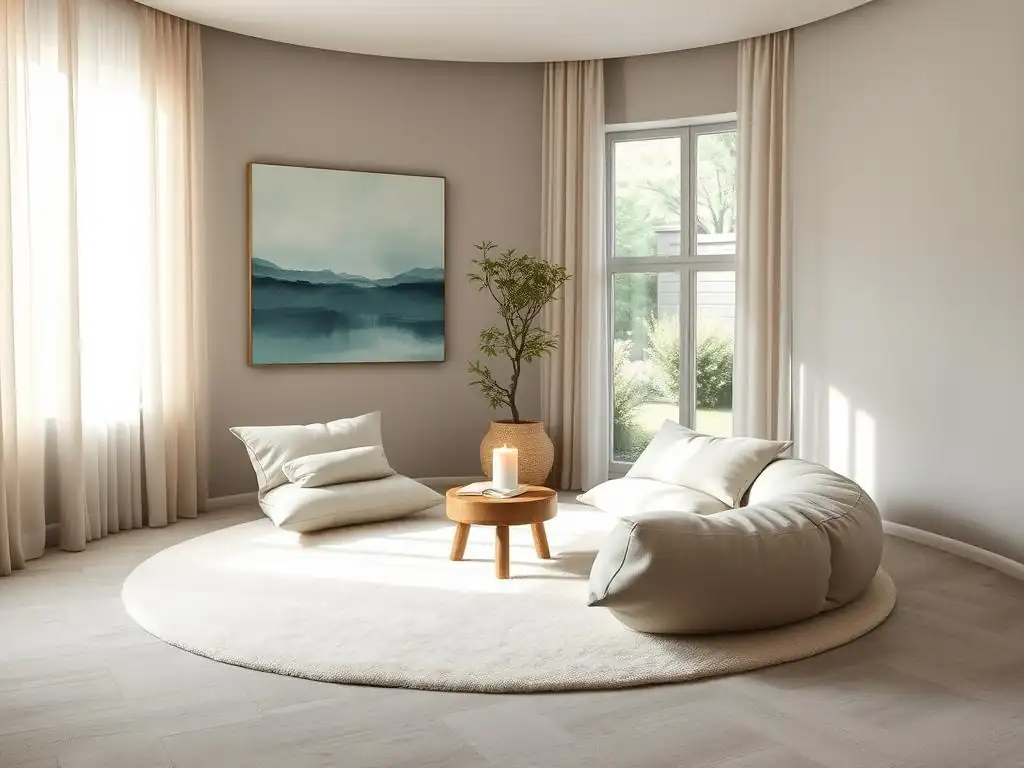
Welcome to Mind Care Guide, a sanctuary for your mental well-being.
Feeling overwhelmed and longing for a tranquil escape? You're not alone. Many find solace and improved mental health simply by nurturing their environment. This week, we delve into creating a peaceful home space – a vital step in fostering inner calm and resilience. Discover practical tips and insightful strategies to transform your surroundings into a haven that supports your mental health journey. Ready to unlock the power of your personal sanctuary? Let's begin...
Create Your Calm Zone: Designing a Space for Mental Retreat
- Introduction: Why Creating a Peaceful Home Space is Crucial for Mental Wellbeing
- Identifying Your Needs: Tailoring Your Retreat to Your Personal Requirements
- Selecting the Ideal Location for Your Calm Zone
- Designing Your Sanctuary: Essential Elements for a Mental Retreat
- Creating a Sensory Haven: Engaging Your Senses for Relaxation
- Decluttering and Organizing: Removing Distractions for a Clear Mind
- Personalizing Your Calm Zone: Adding Elements That Bring You Joy
- Maintaining Your Peaceful Home Space: Long-Term Strategies
- Conclusion: Embracing the Benefits of a Dedicated Mental Retreat at Home
-
Frequently Asked Questions
- How does a peaceful home space contribute to mental well-being?
- What are some key elements to consider when creating a calm zone?
- What kind of resources does Mind Care Guide offer related to creating a peaceful home?
- Is creating a calm zone expensive, or can it be done on a budget?
- How can I maintain the peace and tranquility of my calm zone once it's established?
- Final Reflection: Cultivating Inner Peace Through Intentional Design
- Unwind and Reclaim Your Peace: Design Your Sanctuary Now!
Introduction: Why Creating a Peaceful Home Space is Crucial for Mental Wellbeing
The Impact of Your Environment on Mental Health
Our surroundings profoundly influence our state of mind. A cluttered, chaotic environment can contribute to feelings of stress, anxiety, and overwhelm, making it difficult to relax and recharge. Conversely, a well-organized, aesthetically pleasing space can promote feelings of calm, security, and well-being.
Think about walking into a spa or a quiet library – there's an immediate shift in your internal state, often triggered by the sensory experience of the environment. Research, such as studies published in the Journal of Environmental Psychology, has explored how elements like natural light, views of nature, and even the simple act of tidying can significantly impact mood and cognitive function. Creating a peaceful home space isn't just about decor; it's a fundamental act of self-care that directly supports your mental health.
For many, the home is both a sanctuary and a workspace, blurring the lines between rest and responsibility. This can make it challenging to switch off and find moments of peace. The constant visual noise of unopened mail, undone chores, or work-related items can keep the mind in a state of low-grade stress.
By intentionally designing a space dedicated to tranquility, you create a physical boundary that signals to your brain that it's time to relax and let go of stressors. This intentionality in creating a peaceful home space serves as a powerful tool in managing daily pressures and fostering resilience.
Defining a Calm Zone: What it Means and Why You Need One
A calm zone is a designated area within your home, no matter how small, that is specifically designed to be a sanctuary from stress and external pressures. It's a personal retreat where you can go to relax, reflect, practice mindfulness, or simply exist without feeling overwhelmed. This space is tailored to your individual needs and preferences, incorporating elements that promote relaxation and peace.
It's not necessarily an entire room; it could be a cozy corner in the living room, a dedicated chair by a window, or even a segment of a bookshelf transformed into a reading nook. The key is that it is intentionally created and utilized for the purpose of fostering calm.
The need for a calm zone stems from the demands of modern life, which often leave little room for genuine downtime. Constant connectivity, work pressures, and personal obligations can lead to chronic stress. Having a dedicated space for mental retreat provides a physical cue to disconnect from these demands and reconnect with yourself.
It serves as a physical anchor for self-care routines, whether that's meditation, journaling, deep breathing exercises, or simply enjoying a cup of tea in silence. Creating a peaceful home space designated as a calm zone is an investment in your daily mental well-being, offering a consistent refuge amidst life's fluctuations.
Identifying Your Needs: Tailoring Your Retreat to Your Personal Requirements
Understanding Your Stress Triggers and Relaxation Preferences
To effectively design a space that promotes calm, you first need to understand what causes you stress and what helps you relax. Take some time to reflect on situations or objects in your current environment that elevate your stress levels. Is it visual clutter, loud noises, specific colors, or perhaps the feeling of being constantly 'on'? For example, someone might find stacks of papers incredibly stressful, while another is bothered by harsh overhead lighting. Identifying these triggers is the first step in knowing what to eliminate or minimize in your calm zone.
Equally important is identifying your personal relaxation preferences. What activities truly help you unwind? Do you find peace in reading, listening to music, meditating, practicing yoga, journaling, or engaging in a quiet hobby? Consider the sensory experiences that soothe you. Do you prefer soft lighting, certain scents like lavender or chamomile, quiet sounds, or specific textures like a plush blanket? Knowing these preferences is crucial for selecting the right elements to incorporate when you are creating a peaceful home space specifically for your retreat.
Assessing Your Current Home Environment: What Works and What Doesn't?
Before you start transforming a space, take an honest look at your current home environment. Walk through your house or apartment with the perspective of someone seeking peace. Identify areas that already feel somewhat calming or have potential, as well as areas that feel chaotic or stressful. Perhaps there's a window with a nice view that isn't currently utilized, or a room that tends to collect clutter. Note the existing lighting, noise levels, and overall energy of different areas.
Consider what aspects of your current space actively work against your mental well-being. Is your living room constantly filled with distractions? Does your bedroom feel more like an office? Pinpointing these issues will help you determine where a calm zone is most needed and what challenges you might face in creating a peaceful home space within your existing layout. This assessment provides a realistic starting point for your design project.
Selecting the Ideal Location for Your Calm Zone
Considerations for Choosing the Right Space in Your Home
Selecting the right location is paramount when creating a peaceful home space for retreat. Look for an area that offers a degree of privacy and can be shielded from the main hubs of household activity, if possible. Think about noise levels; a corner furthest from a busy street or noisy appliances might be ideal. Consider the amount of natural light the space receives and how that aligns with your preferences – some people find bright, airy spaces calming, while others prefer dimmer, cozier spots.
The size of the space isn't as important as its potential for transformation and its ability to feel separate from the rest of your home's demands. Even a small walk-in closet or a nook under the stairs can be converted into a functional calm zone. Proximity to a window offering a view of nature, even if it's just a tree, can also be a significant advantage. Prioritize a location where you feel you can genuinely disconnect and feel safe and comfortable.
Transforming Underutilized Areas: Transforming a Sunroom
Underutilized spaces often present excellent opportunities for creating a peaceful home space. A sunroom, for example, which might only be used seasonally or for storage, can be transformed into a bright and airy mental retreat. Imagine clearing out clutter, adding comfortable seating like a plush armchair or a daybed, and filling the space with plants. The abundance of natural light in a sunroom is inherently uplifting and calming for many people.
Another example could be a spare bedroom that functions as a catch-all for miscellaneous items. By decluttering, adding soft lighting, perhaps a small fountain for gentle water sounds, and a comfortable rug, this room can become a dedicated meditation or reading room. The key is to see the potential in spaces that aren't currently serving a specific, high-traffic purpose and reimagine them as your personal haven. This repurposing is a practical step in creating a peaceful home space without needing a major renovation.
Designing Your Sanctuary: Essential Elements for a Mental Retreat
Color Psychology: Choosing Calming Colors for Your Space
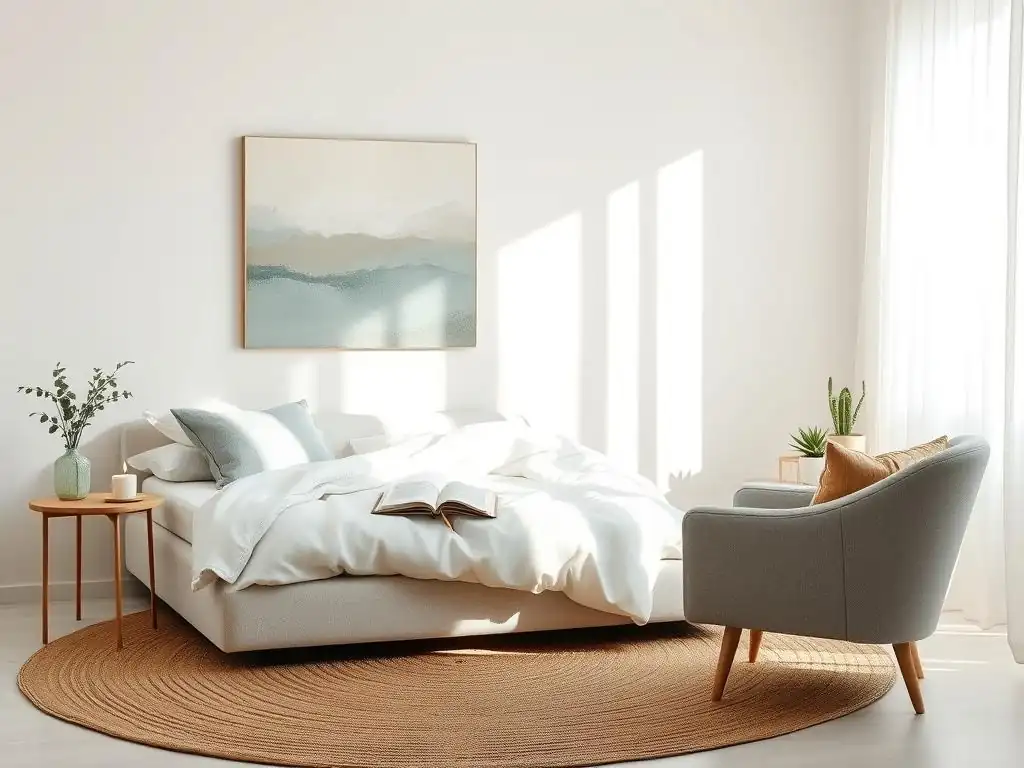
The colors in your calm zone play a significant role in setting the mood. Color psychology suggests that certain hues have a direct impact on our emotions and mental state. Blues and greens, for example, are often associated with nature and are known for their calming and stress-reducing effects. A soft sage green or a gentle sky blue can evoke feelings of tranquility and peace. Consider painting the walls or incorporating these colors through textiles like throw pillows, blankets, or rugs.
Warm neutrals like soft beiges, creams, and light grays can also create a serene backdrop, offering a sense of stability and quietude. Avoid overly vibrant or jarring colors, such as bright reds or oranges, which can be stimulating rather than calming for many people. When creating a peaceful home space, selecting a color palette that resonates with your personal sense of calm is a foundational step in establishing the right atmosphere.
The Power of Natural Light and Ventilation
Natural light is a powerful mood enhancer and is crucial for a healthy indoor environment. Maximize natural light in your calm zone by keeping windows unobstructed and using sheer curtains if privacy is needed. Position seating to take advantage of sunlight. Sunlight helps regulate circadian rhythms, improving sleep quality and overall mood. If the space lacks sufficient natural light, consider using full-spectrum light bulbs that mimic natural daylight.
Good ventilation is equally important. Stale, stuffy air can feel oppressive and contribute to feelings of lethargy or irritability. Ensure your calm zone has access to fresh air, whether through an open window (when practical and safe) or by using an air purifier. Incorporating plants also helps improve air quality. A well-lit and properly ventilated space feels more inviting and contributes significantly to the feeling of peace when creating a peaceful home space.
Incorporating Nature: Bringing the Outdoors In
Bringing elements of nature into your calm zone can have a profound impact on your mental well-being. This concept, known as biophilia, suggests that humans have an innate need to connect with nature. Houseplants are an excellent way to do this; they not only improve air quality but also add visual appeal and a sense of life to the space. Choose low-maintenance plants if you don't have a green thumb. Studies have shown that simply being around plants can reduce stress levels and improve focus.
Other ways to incorporate nature include using natural materials like wood, stone, or bamboo in your decor. A small water feature, like a tabletop fountain, can add the soothing sound of trickling water. Displaying natural objects like shells, stones, or dried flowers can also bring a sense of the outdoors in. Even artwork depicting natural landscapes can contribute to the feeling of peace. Integrating natural elements is a key strategy in creating a peaceful home space that feels rejuvenating.
Creating a Sensory Haven: Engaging Your Senses for Relaxation
Aromatherapy for Calm: Essential Oils and Diffusers
Scent is a powerful trigger for memory and emotion, making aromatherapy an effective tool for promoting relaxation. Essential oils like lavender, chamomile, bergamot, and frankincense are widely known for their calming properties. Using a diffuser is a simple way to fill your calm zone with soothing aromas. Place a few drops of your chosen oil in the diffuser with water and let the gentle mist disperse the scent.
Consider how different scents affect you personally. While lavender is universally recognized for relaxation, you might find the citrusy scent of bergamot uplifting yet calming, or the earthy aroma of frankincense grounding. Experiment to find the scents that resonate most with your desire for peace. Ensure you use high-quality essential oils and follow safety guidelines, especially if you have pets or allergies. Integrating aromatherapy is a simple yet impactful step in creating a peaceful home space that engages your sense of smell.
Sound Soothing: Music, Nature Sounds, and White Noise
The sounds in your environment significantly influence your ability to relax. In your calm zone, aim to minimize jarring noises and introduce soothing sounds. This could involve using noise-canceling headphones, adding soft furnishings like rugs and upholstered furniture to absorb sound, or simply choosing a quiet location. To add positive sounds, consider playing calming music, such as ambient tracks, classical music, or gentle instrumental pieces.
Many people find nature sounds incredibly relaxing. Apps and devices offer a variety of options, from ocean waves and rain falling to forest sounds and gentle streams. White noise or brown noise generators can also help block out distracting external sounds and create a consistent, soothing auditory background. Curating the soundscape is essential for creating a peaceful home space where your mind can quiet down.
Textures and Tactile Elements: Soft Fabrics and Comfortable Furnishings
Engaging your sense of touch can enhance the feeling of comfort and security in your calm zone. Incorporate soft, inviting textures through fabrics like velvet, faux fur, cashmere, or thick cotton. Think plush throw pillows, a cozy blanket to wrap yourself in, or a soft rug underfoot. These tactile elements invite you to settle in and feel physically comfortable.
Choose comfortable and supportive furnishings that allow you to relax fully. An ergonomic chair, a chaise lounge, or a comfortable floor cushion can make a big difference. The goal is to create a space where you feel physically at ease, reducing any tension held in your body. Paying attention to textures and comfort is key when creating a peaceful home space that feels truly nurturing.
Decluttering and Organizing: Removing Distractions for a Clear Mind
The Importance of Minimizing Visual Clutter
Visual clutter is a major source of stress and distraction for many people. Piles of papers, unorganized items, and too many objects in one space can make your mind feel equally cluttered and overwhelmed. In your calm zone, the principle is "less is more." Aim for a minimalist approach, keeping only the essential items that contribute to the space's purpose and your feeling of peace. This might mean removing items that evoke stress, like work-related materials, or simply putting things away neatly.
A visually clean and organized space allows your mind to relax and focus, rather than constantly processing the visual noise around you. Think of the difference between walking into a tidy, serene room versus one filled with scattered items. The former immediately feels more calming. Minimizing visual clutter is a fundamental step in creating a peaceful home space that supports mental clarity.
Implementing Simple Storage Solutions
To maintain a clutter-free environment, implement simple and effective storage solutions. Baskets, decorative boxes, and minimalist shelving can help keep necessary items organized and out of sight. For example, a beautiful basket can hold blankets, while a decorative box can store journaling supplies or essential oils. Floating shelves can display a few calming objects or plants without adding bulk.
The goal is not to hide everything away but to provide a designated place for everything that belongs in the calm zone. This makes it easy to tidy up quickly and prevents clutter from accumulating. Simple storage solutions support the ongoing maintenance of your peaceful retreat. Effective organization is a practical component of creating a peaceful home space that remains a sanctuary over time.
Creating a Dedicated Space for Mindfulness and Meditation
If mindfulness or meditation is part of your self-care routine, designate a specific spot within your calm zone for this practice. This could be a comfortable cushion on the floor, a small mat, or even a specific chair. Ensure this spot is free from distractions and feels comfortable for extended periods of sitting or lying down. Having a dedicated space reinforces the habit and signals to your mind that it's time to enter a state of calm awareness.
You might add elements that support your practice, such as a small altar with meaningful objects, a singing bowl, or a timer. The physical act of going to this dedicated spot can become a ritual that helps you transition into a meditative state. This specific area within your larger retreat is a powerful way to enhance your mindfulness practice and is a key element when creating a peaceful home space centered around inner peace.
Personalizing Your Calm Zone: Adding Elements That Bring You Joy
Displaying Meaningful Objects and Art
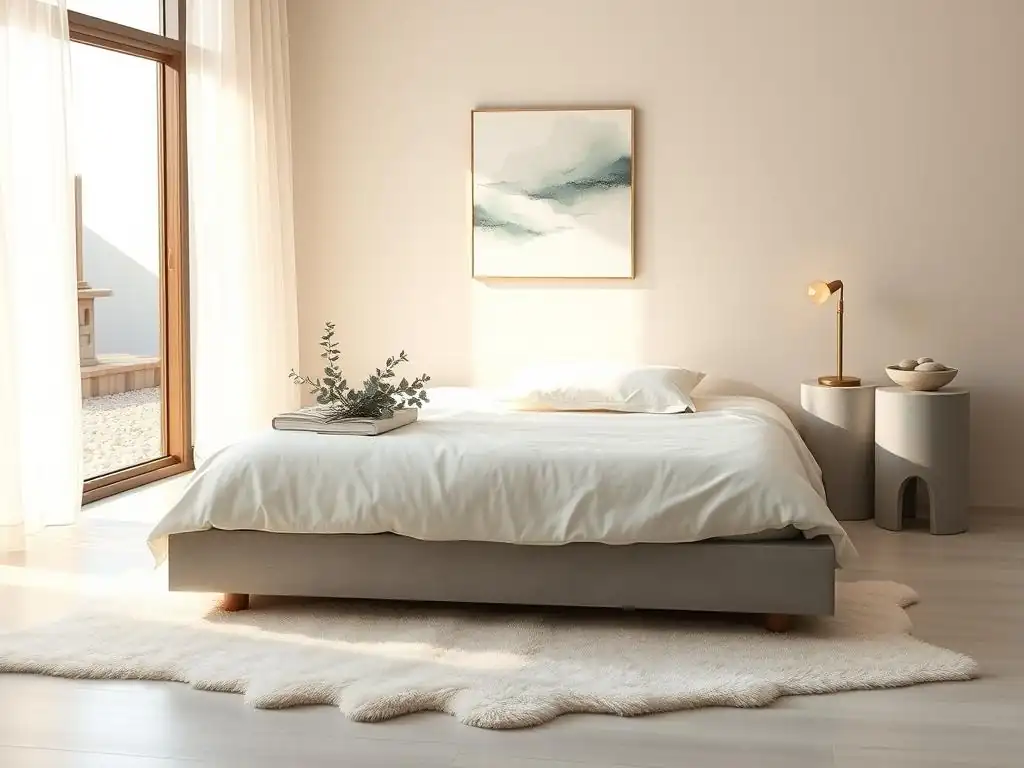
Your calm zone should be a reflection of you and what brings you peace and joy. Incorporate meaningful objects that evoke positive emotions or memories. This could be a souvenir from a relaxing trip, a gift from a loved one, or an object that represents something important to you. Similarly, choose art that you find beautiful, inspiring, or calming. This might be a piece with soothing colors, a nature scene, or abstract art that speaks to you.
Avoid displaying items that evoke stress or negative feelings. The objects in your calm zone should contribute to a sense of comfort and personal connection. These personal touches make the space uniquely yours and enhance its effectiveness as a retreat. Personalization is vital in creating a peaceful home space that feels truly like a sanctuary.
Creating a Cozy Reading Nook
If reading is a way you relax and escape, dedicate a part of your calm zone to being a cozy reading nook. This might involve a comfortable armchair with excellent back support, a good reading lamp with warm light, and perhaps a small side table for your book and a drink. Ensure the lighting is sufficient to prevent eye strain but soft enough to maintain a relaxing atmosphere.
Add soft blankets and pillows to enhance the comfort factor. Having a dedicated spot for reading encourages you to set aside time for this relaxing activity and provides a comfortable physical space to do so. A well-designed reading nook is a perfect example of how to personalize and enhance your peaceful retreat. Creating a peaceful home space often includes carving out specific areas for beloved, calming activities like reading.
Incorporating Hobbies and Creative Outlets
For some, relaxation comes through engaging in quiet hobbies or creative activities. If this is the case for you, incorporate space and storage for these materials in your calm zone. This could be a small desk for journaling or drawing, a space for knitting supplies, or room for a yoga mat. Ensure the space is conducive to your chosen activity, with adequate lighting and comfortable seating.
Having your hobby materials readily accessible in your calm zone makes it easier to engage in these stress-reducing activities spontaneously. It integrates your passion into your retreat space, further enhancing its personal significance and function. Including space for hobbies is a practical way of creating a peaceful home space that supports various forms of relaxation and self-expression.
Maintaining Your Peaceful Home Space: Long-Term Strategies
Establishing a Regular Cleaning and Decluttering Routine
Creating your calm zone is the first step; maintaining it is crucial for its long-term effectiveness. Establish a regular routine for cleaning and decluttering the space. This doesn't need to be extensive; even dedicating 5-10 minutes each day or a slightly longer period once a week can make a significant difference. Put items back in their designated storage spots, dust surfaces, and keep the area tidy.
Think of this maintenance as an act of respect for your sanctuary and for your mental well-being. A consistently clean and organized space remains inviting and effective as a retreat. Allowing clutter to creep back in can quickly diminish the calming effect you worked to create. Regular upkeep is essential for creating a peaceful home space that continues to serve its purpose.
Setting Boundaries: Protecting Your Calm Zone from Interruptions
Your calm zone should be a space where you can retreat without interruption. Communicate the purpose of this space to others in your household and establish clear boundaries. For example, you might agree that when you are in your calm zone, you are not to be disturbed unless it's an emergency. Consider using a simple signal, like a sign on the door or a specific object placed outside the area, to indicate that you need uninterrupted time.
Protecting this space from being used as a general storage area or a high-traffic pathway is also important. Reinforce its purpose as a dedicated retreat. Setting these boundaries is vital for ensuring that your calm zone remains a reliable sanctuary when you need it most. Maintaining these boundaries is as important as the initial design when creating a peaceful home space for mental retreat.
Adapting Your Space to Changing Needs and Seasons
Your needs and preferences may change over time, and so might the seasons. Be open to adapting your calm zone to reflect these changes. In winter, you might add more cozy blankets, warmer lighting, or scents like cinnamon. In summer, you might prioritize ventilation, lighter fabrics, or scents like citrus or mint. As your self-care practices evolve, you might need to adjust the layout or elements in your space.
Perhaps you start a new hobby that requires a small workspace, or you find that a certain color no longer feels as calming to you. Regularly assess if your calm zone is still serving its purpose effectively and make adjustments as needed. This flexibility ensures that your peaceful retreat remains relevant and supportive of your mental well-being over the long term. Adapting your space is a natural part of the process of creating a peaceful home space that grows with you.
Conclusion: Embracing the Benefits of a Dedicated Mental Retreat at Home
The Long-Term Impact on Stress Reduction and Mental Clarity
Creating a peaceful home space dedicated to mental retreat offers significant long-term benefits. Having a reliable sanctuary to escape to, even for short periods, can dramatically reduce chronic stress levels. It provides a consistent opportunity to disconnect from external pressures, allowing your nervous system to reset. Regular use of your calm zone fosters a sense of agency and control over your environment, which is empowering in managing stress.
Over time, this dedicated space can enhance mental clarity and focus. By providing a place free from distractions, it supports practices like mindfulness, meditation, or simply quiet reflection, which are known to improve cognitive function. The act of intentionally seeking out this peaceful environment reinforces healthy coping mechanisms and builds resilience against daily stressors. The cumulative effect is a greater sense of calm, improved mood, and enhanced overall mental well-being.
Continued Exploration of Self-Care Techniques for a Balanced Life
While creating a peaceful home space is a powerful self-care technique, it is most effective when integrated into a broader approach to mental wellness. Continue exploring other self-care practices that resonate with you, such as regular exercise, a balanced diet, sufficient sleep, spending time in nature outside your home, and connecting with loved ones. Your calm zone can serve as a supportive base for many of these activities, but a holistic approach is key to a balanced life.
Think of your calm zone as a foundation for your self-care journey. It's a physical manifestation of your commitment to prioritizing your mental health. Regularly revisit why you created this space and how it supports your well-being. The journey of self-care is ongoing, and your peaceful home space is a valuable tool to support you every step of the way.
Frequently Asked Questions
How does a peaceful home space contribute to mental well-being?
A peaceful home space reduces stress and anxiety, promoting relaxation and calm. This, in turn, positively impacts overall mental well-being.
What are some key elements to consider when creating a calm zone?
Consider elements like natural light, minimal clutter, and soothing colors. Also, incorporating personal touches is essential for comfort.
Mind Care Guide provides articles, tips, and resources on designing spaces conducive to mental well-being. We offer guidance on decluttering, color psychology, and mindfulness.
Is creating a calm zone expensive, or can it be done on a budget?
Creating a calm zone doesn't have to be expensive. It can be achieved through simple changes and repurposing existing items. Focus on reducing clutter and adding personal touches.
How can I maintain the peace and tranquility of my calm zone once it's established?
Regular decluttering and cleaning are crucial. Also, establishing boundaries and routines can help maintain the peace.
Final Reflection: Cultivating Inner Peace Through Intentional Design
The pursuit of a peaceful home space is not merely a design trend; it's a fundamental human need. In a world increasingly saturated with noise and demands, creating a sanctuary where we can retreat and recharge is more crucial than ever. This article explored the power of intentional design in fostering calm, demonstrating how seemingly small choices in decor, lighting, and organization can profoundly impact our mental well-being.
The journey to creating a peaceful home space is deeply personal, a reflection of our individual needs and aspirations. It's a process of self-discovery, of learning to prioritize what truly nourishes our souls. This resonates deeply with me, as I've personally experienced the transformative power of a carefully curated environment. The details are not the details. They make the design.
– Charles Eames. This quote perfectly encapsulates the importance of mindful attention to even the smallest elements in creating a space that truly supports our mental health. The impact extends beyond the individual, creating ripples of calm within our families and communities.
Now, I invite you to consider your own space. What elements bring you peace? What adjustments can you make to cultivate a more calming environment? Don't be afraid to experiment, to personalize your sanctuary, to create a haven that reflects your unique spirit. Start small, perhaps with a single plant, a calming scent, or a decluttered surface. Each step you take towards creating your calm zone is a step towards nurturing your inner peace, and that is a journey well worth undertaking.
Unwind and Reclaim Your Peace: Design Your Sanctuary Now!
Thanks for taking the time to explore the power of creating a personal calm zone. We hope you've discovered valuable insights on how to design a space that nurtures your mental wellbeing. Ready to transform your environment?
- Design your ideal calm zone today! Grab a notebook and sketch out your vision, considering colors, textures, and elements that bring you peace. This is your personal sanctuary – let your imagination run wild!
- Share your inspiration! Tell us about your favorite calming elements – what brings you peace and tranquility? Let's build a supportive community of calm!
- Explore Mind Care Guide's resources for further inspiration. (Note: This bullet point is excluded as per the instructions not to include links)
What small step will you take today to create a more peaceful and restorative space in your life?