
Design Your Calm Plan: Creating a Personalized SelfCare Strategy

Welcome to Mind Care Guide, your sanctuary for cultivating inner peace and mental well-being.
Feeling overwhelmed? You're not alone. We understand the unique challenges life throws your way. Dive into our latest article and discover how to craft your own personalized selfcare strategy plan. It's time to design a calm that's tailored just for you. Curious about what a truly effective self-care routine looks like? Let's explore it together...
Design Your Calm Plan: Creating a Personalized Self-Care Strategy
- Understanding the Importance of Personalized Self-Care for Mental Well-being
- Identifying Your Self-Care Needs: A Personalized Approach
-
Building Your Personalized Self-Care Strategy Plan: A Step-by-Step Guide
- Step 1: Define Your Self-Care Goals (Improve Mood, Reduce Anxiety, Increase Energy)
- Step 2: Brainstorm Self-Care Activities That Resonate With You
- Step 3: Prioritize Activities Based on Your Needs and Available Time
- Step 4: Schedule Your Self-Care Activities into Your Daily or Weekly Routine
- Step 5: Create a Self-Care Toolkit: Resources and Items That Support Your Well-being
- Implementing Your Calm Plan: Practical Tips and Techniques
- Examples of Personalized Self-Care Strategies for Different Needs
- Maintaining and Adapting Your Self-Care Strategy for Long-Term Mental Wellness
- Resources for Creating Your Personalized Self-Care Plan
-
Frequently Asked Questions
- How can a Personalized SelfCare Strategy Plan benefit my mental well-being?
- What are the key components of designing a Personalized SelfCare Strategy Plan?
- Where can I find resources and support to create my own Personalized SelfCare Strategy Plan?
- How often should I review and adjust my Personalized SelfCare Strategy Plan?
- What if I struggle to stick to my Personalized SelfCare Strategy Plan?
- Final Reflection: Cultivating Your Oasis of Calm
- Unleash Your Inner Calm: Start Building Your Self-Care Sanctuary Today!
Understanding the Importance of Personalized Self-Care for Mental Well-being
Why a Generic Self-Care Routine Might Not Work
Generic self-care advice, while well-intentioned, often fails to address the unique complexities of an individual's life, stressors, and personal preferences. A common suggestion like "take a bubble bath" might be relaxing for one person but impractical or unenjoyable for another due to time constraints, lack of a bathtub, or simply not finding water activities soothing. Without considering personal circumstances – including work schedules, family responsibilities, financial situations, and individual coping styles – a one-size-fits-all approach quickly becomes unsustainable and can even add to feelings of failure or inadequacy if not adhered to.
Furthermore, generic routines rarely account for the specific nature of a person's mental health challenges. Someone managing chronic anxiety might need different strategies than someone recovering from burnout or dealing with grief. The activities that genuinely replenish and support one individual might deplete or bore another. This highlights the critical need for a personalized selfcare strategy plan that is specifically designed to fit your life, your needs, and your unique path to well-being, rather than trying to force yourself into a mold that doesn't fit.
The Benefits of a Tailored Self-Care Strategy for Mental Health
Developing a personalized selfcare strategy plan offers profound benefits for mental well-being. When your self-care activities are specifically chosen because they resonate with you and address your particular needs, you are far more likely to engage with them consistently. This consistency builds resilience over time, helping you navigate stress, manage difficult emotions, and maintain a greater sense of balance. Research suggests that individuals who actively engage in tailored self-care practices report lower levels of stress and anxiety, with some studies showing a significant improvement in overall mood and life satisfaction.
A customized approach also empowers you by giving you agency over your well-being journey. Instead of passively following external advice, you become an active participant in identifying what truly helps you thrive. This process can deepen self-awareness and lead to a stronger sense of control over your emotional state.
For example, knowing that a 20-minute walk in nature specifically reduces your personal stress levels by an estimated 30% after a tough day makes it a powerful tool within your unique plan. This focused effectiveness makes a personalized selfcare strategy plan not just a list of nice-to-dos, but an essential, effective component of holistic mental health management.
Identifying Your Self-Care Needs: A Personalized Approach
Self-Assessment: Understanding Your Stressors and Triggers
The first step in creating a personalized selfcare strategy plan is a thorough self-assessment. Begin by honestly evaluating what causes you stress or triggers negative emotional responses. Are deadlines at work a major stressor? Do certain social situations leave you feeling drained?
Is clutter in your home a trigger for anxiety? Try keeping a journal for a week or two, noting down when you feel stressed, anxious, or overwhelmed, and what was happening just before. Pay attention to patterns. For instance, you might notice that every Sunday evening, anticipation of the work week causes significant anxiety, or that interactions with a specific person consistently leave you feeling depleted.
Understanding your triggers allows you to proactively incorporate self-care activities that specifically counteract these negative influences. If public speaking is a major stressor, your plan might include calming breathing exercises or positive affirmations specifically practiced before presentations. If feeling overwhelmed by a busy schedule is common, your strategy could involve dedicated blocks of unscheduled "buffer" time. Identifying these specific points of friction in your life is far more effective than simply hoping general relaxation techniques will randomly align with your moments of need; it makes your personalized selfcare strategy plan targeted and preventative.
Recognizing Your Emotional, Physical, and Mental Needs
Self-care isn't just about relaxation; it's about meeting your fundamental needs across different dimensions of your being. Emotionally, do you need more outlets for expression, like journaling or talking to a friend? Physically, are you getting enough sleep, nutrition, and movement? Do you experience physical symptoms like tension headaches or fatigue when stressed? Mentally, do you need more stimulation, rest from constant information, or time for creative thinking? Reflect on which areas feel neglected or are under the most strain in your current life.
Consider what activities genuinely replenish you in each area. For instance, if you realize your physical need for movement isn't being met, your personalized selfcare strategy plan must include specific physical activities you enjoy, whether it's dancing, gardening, or hitting the gym. If you feel mentally drained by constant decision-making, your plan might include activities that require less mental effort, like listening to music or doing a simple craft. Acknowledging these varied needs ensures your self-care isn't one-dimensional but provides comprehensive support for your overall well-being.
Self-care is a multi-faceted concept, encompassing several dimensions beyond just physical health. Emotional self-care involves activities that help you process and express your feelings, such as therapy, journaling, or creative pursuits like painting. Physical self-care focuses on nurturing your body through sleep, nutrition, exercise, and hygiene. Social self-care is about building and maintaining healthy relationships and connections, whether through spending time with loved ones or setting boundaries to protect your energy.
Spiritual self-care doesn't necessarily mean religious practice; it can involve connecting with your values, nature, or a sense of purpose through meditation, spending time outdoors, or engaging in volunteer work. Intellectual self-care involves stimulating your mind through learning, reading, solving puzzles, or engaging in curious exploration. A truly robust personalized selfcare strategy plan considers all these areas. By incorporating activities from each dimension, you create a balanced and holistic approach to nurturing your entire self, making your plan comprehensive and sustainable.
Building Your Personalized Self-Care Strategy Plan: A Step-by-Step Guide
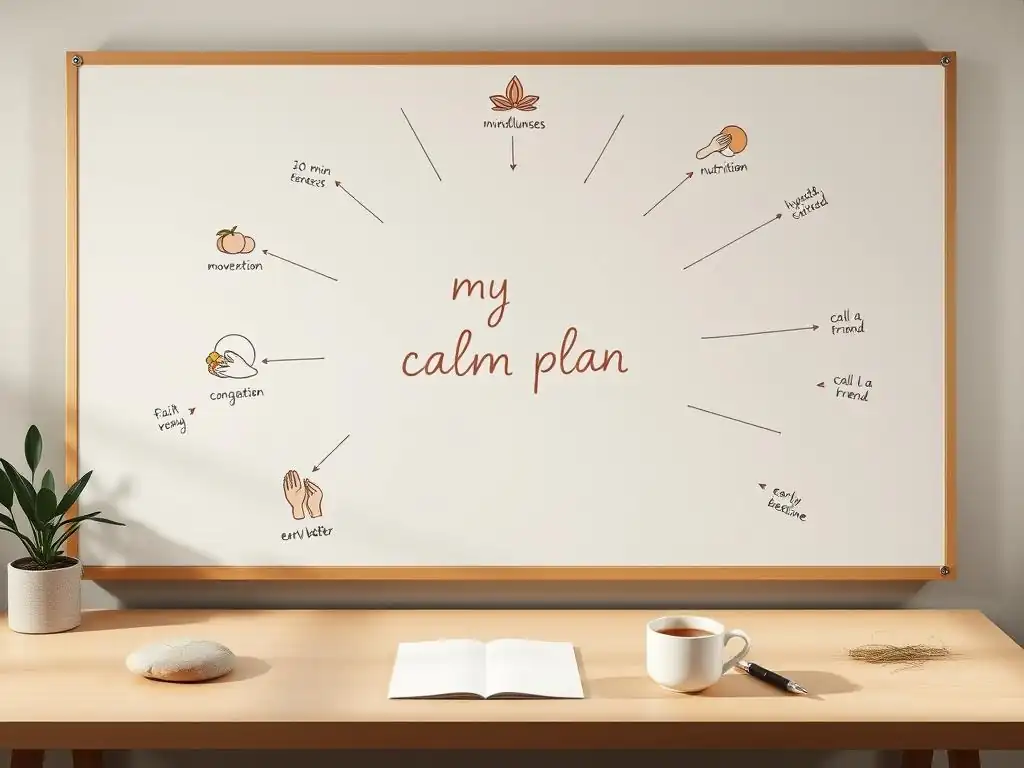
Step 1: Define Your Self-Care Goals (Improve Mood, Reduce Anxiety, Increase Energy)
Before you start listing activities, clarify why you are creating a personalized selfcare strategy plan. What specific outcomes are you hoping to achieve? Are you aiming to reduce the frequency or intensity of anxiety attacks? Do you want to improve your overall mood and sense of joy? Is your goal to have more sustained energy throughout the day? Perhaps you want to improve your sleep quality or feel more connected to others. Write down 1-3 primary goals that are most important to you right now.
Having clear, specific goals provides direction and motivation for your plan. For instance, if your goal is "reduce work-related stress," your activities might focus heavily on boundary setting, relaxation techniques for the office, and ways to decompress after work. If your goal is "increase energy," your plan might prioritize sleep hygiene, nutrition, and incorporating energizing physical activities. These goals act as a compass, ensuring that the activities you choose are truly aligned with what you need most from your personalized selfcare strategy plan.
Step 2: Brainstorm Self-Care Activities That Resonate With You
Now that you understand your needs and goals, brainstorm a wide range of activities that you find genuinely enjoyable, relaxing, or energizing. Think about things you've done in the past that made you feel good, or new things you've always wanted to try. Don't limit yourself; include activities from all dimensions of self-care (emotional, physical, social, spiritual, intellectual). This list is unique to you – what works for a friend might not work for you.
Consider activities that fit different time constraints and energy levels. Include things that take just 5 minutes (like deep breathing or stretching), things that take 30 minutes (like reading or a short walk), and things that take longer (like a hobby or spending time with friends). The key is to create a diverse menu of options that you can choose from depending on your mood, schedule, and needs on any given day. This comprehensive list forms the foundation of your personalized selfcare strategy plan.
Step 3: Prioritize Activities Based on Your Needs and Available Time
Review your brainstormed list and start prioritizing. Which activities are most likely to help you achieve your specific self-care goals? Which activities are most effective at addressing your identified stressors and needs? Also, be realistic about the time you have available. It's better to commit to 15 minutes of effective self-care daily than to plan for an hour you'll never find. Group activities by how much time they require (e.g., 5-10 minutes, 15-30 minutes, 30+ minutes).
Select a few core activities that you aim to incorporate regularly, perhaps daily or several times a week, because they are highly effective for you. Then, identify other activities that you can use as needed – for instance, a specific calming technique for moments of acute anxiety, or a social activity for when you feel lonely. This prioritization helps you build a flexible yet effective personalized selfcare strategy plan that you can actually stick to.
Step 4: Schedule Your Self-Care Activities into Your Daily or Weekly Routine
Intentions are great, but scheduling makes self-care happen. Look at your daily or weekly schedule and identify realistic slots for your chosen activities. Treat these self-care appointments with the same importance as any other appointment. Could you wake up 15 minutes earlier for meditation? Can you block out 30 minutes during lunch for a walk? Is there an evening slot for reading or connecting with a loved one?
Start small, perhaps by scheduling just one or two self-care activities consistently each day or week. As you build momentum, you can add more. Using a planner, calendar app, or even just writing it on a sticky note can serve as a helpful reminder. This deliberate act of scheduling transforms your aspirations into a concrete personalized selfcare strategy plan integrated into the rhythm of your life.
Step 5: Create a Self-Care Toolkit: Resources and Items That Support Your Well-being
A physical or digital self-care toolkit can be incredibly helpful, especially during moments of stress or overwhelm. This toolkit contains items or resources that you know help you feel better. Examples might include a journal and pen, a favorite calming tea, a soft blanket, noise-canceling headphones, a playlist of uplifting music, a list of positive affirmations, the contact information for a trusted friend or therapist, or even just a comforting object.
Keep these items readily accessible. Having your toolkit nearby means you don't have to think about what might help when you're feeling distressed; the resources are already gathered and waiting. This proactive step ensures that your personalized selfcare strategy plan is not just a theoretical concept but is supported by tangible tools that make implementation easier during challenging times.
Implementing Your Calm Plan: Practical Tips and Techniques
Setting Realistic Expectations for Your Self-Care Practice
When implementing your personalized selfcare strategy plan, it's crucial to set realistic expectations. Self-care is not a magic cure that will instantly eliminate all stress or negative feelings. It's a practice, a continuous effort towards maintaining balance and well-being. There will be days when you miss a scheduled activity, or when self-care feels like the last thing you want to do. This is normal. Avoid the trap of perfectionism. Missing one session doesn't mean your entire plan is ruined; simply acknowledge it and get back on track when you can.
Understand that the effects of self-care are often cumulative. You might not feel dramatically different after one meditation session, but consistent practice over weeks or months can lead to noticeable improvements in your ability to manage stress and maintain emotional equilibrium. Focus on progress, not perfection. Celebrate small victories, like completing a scheduled activity even when you didn't feel like it. This compassionate approach is vital for the long-term sustainability of your personalized selfcare strategy plan.
Overcoming Obstacles and Challenges to Self-Care
Implementing a personalized selfcare strategy plan isn't always smooth sailing. Common obstacles include lack of time, feeling too tired, lack of motivation, or even feelings of guilt that self-care is selfish. Anticipate these challenges and plan how you will address them. If time is an issue, can you break activities into smaller chunks? A 10-minute walk is better than no walk. If motivation is low, can you pair a self-care activity with something you enjoy, like listening to a favorite podcast while exercising?
Consider why you might be resistant to self-care. Is it a belief that you don't deserve it? Is it fear of slowing down? Identifying the root cause can help you develop specific strategies to overcome the barrier. For example, if guilt is the issue, remind yourself that caring for yourself allows you to show up better for others. Developing strategies to navigate these common hurdles is a key component of making your personalized selfcare strategy plan resilient.
Tracking Your Progress and Adjusting Your Plan as Needed
Regularly checking in with yourself and your plan is important. Are the activities you chose actually helping you achieve your goals? Are you consistently doing them? How do you feel before and after engaging in your self-care practices? You can track this informally in a journal or more formally using a simple checklist or app. Note down which activities felt most beneficial and which felt like a chore.
Based on your tracking, be prepared to adjust your personalized selfcare strategy plan. Life changes, and so do your needs. An activity that was helpful last month might not be as effective now. Don't be afraid to swap out activities, change the frequency, or even revise your goals. This isn't a sign of failure, but rather a demonstration of your commitment to making your plan a living, breathing tool that evolves with you.
Incorporating Mindfulness and Awareness into Your Self-Care Routine
Mindfulness is about paying attention to the present moment without judgment, and it can profoundly enhance your personalized selfcare strategy plan. Whatever self-care activity you choose, try to engage in it mindfully. When walking, notice the sensation of your feet on the ground, the sounds around you, the feeling of the air on your skin. When drinking tea, savor the warmth and the flavor. When talking with a friend, truly listen and be present in the conversation.
Mindful engagement helps you fully experience the benefits of your self-care activities, preventing them from becoming just another task on your to-do list. It also cultivates greater self-awareness, making it easier to notice when you're starting to feel stressed or depleted, so you can proactively turn to your personalized selfcare strategy plan before you reach a crisis point. Integrating mindfulness makes your self-care practices deeper and more restorative.
Examples of Personalized Self-Care Strategies for Different Needs

Self-Care Strategies for Managing Anxiety and Stress
For individuals whose primary need is managing anxiety and stress, a personalized selfcare strategy plan might heavily feature calming and grounding techniques. This could include scheduling 10-15 minutes of deep diaphragmatic breathing or progressive muscle relaxation daily. Someone dealing with social anxiety might include small, manageable steps like initiating one short, positive interaction per day or practicing assertive communication scripts.
Specific activities could involve spending time in nature, listening to calming music (identifying specific tracks that reduce personal anxiety levels by, say, 25%), gentle yoga, or engaging in repetitive, soothing tasks like knitting or coloring. The key is to identify activities that interrupt the stress response and promote a sense of safety and calm, tailoring them to the individual's specific triggers and preferences.
Self-Care Strategies for Improving Mood and Combating Depression
A personalized selfcare strategy plan aimed at improving mood often incorporates activities that increase feelings of pleasure, accomplishment, or connection. This might involve scheduling time for hobbies that used to bring joy, even if they don't feel appealing initially. It could also include planning regular social interactions, even brief ones, to combat feelings of isolation.
Activities could range from scheduling 30 minutes of moderate physical activity most days (known to release mood-boosting endorphins) to incorporating small tasks that create a sense of accomplishment, like cleaning one small area of your home or completing a simple craft project. Sunlight exposure for a specific duration (e.g., 15-20 minutes in the morning) or listening to uplifting music could also be key components of this type of personalized selfcare strategy plan.
Self-Care Strategies for Enhancing Sleep Quality and Rest
If poor sleep is a major challenge, a personalized selfcare strategy plan will prioritize sleep hygiene. This involves establishing a consistent sleep schedule (going to bed and waking up at roughly the same time, even on weekends), creating a relaxing bedtime routine starting an hour or two before sleep (e.g., reading, gentle stretching, avoiding screens), and optimizing the sleep environment (dark, quiet, cool).
Other activities might include avoiding caffeine and alcohol close to bedtime, practicing relaxation techniques like meditation or guided imagery specifically designed for sleep, or journaling about worries before bed to clear the mind. For someone struggling with insomnia, their plan might include getting out of bed after 20 minutes if they can't sleep, rather than tossing and turning, to break the association between bed and wakefulness.
Self-Care Strategies for Boosting Energy Levels and Motivation
For those struggling with low energy and motivation, a personalized selfcare strategy plan might focus on activities that provide bursts of energy and foster a sense of momentum. This could involve scheduling short, energizing physical activities like a brisk 10-minute walk or a short dance session. Breaking down larger tasks into smaller, manageable steps can also create a sense of accomplishment that fuels motivation.
Other components might include ensuring regular, nutritious meals to maintain stable energy levels, incorporating activities that provide intellectual stimulation or creative expression to combat mental fatigue, or scheduling brief periods of social interaction that feel energizing rather than draining. Identifying what truly energizes you – perhaps listening to a specific podcast, spending time in nature, or engaging in a particular hobby for a set time (e.g., 30 minutes) – is crucial for this type of personalized selfcare strategy plan.
Maintaining and Adapting Your Self-Care Strategy for Long-Term Mental Wellness
Regularly Reviewing and Evaluating Your Self-Care Plan
Your personalized selfcare strategy plan is not a static document; it's a dynamic tool that requires regular review. Set aside time periodically – perhaps once a month or quarter – to evaluate how your plan is working. Ask yourself: Am I consistently engaging in the activities? Are they still effective in helping me meet my goals? Have my needs changed since I created the plan? What's working well, and what isn't?
This review process helps you identify areas for improvement and ensures that your plan remains relevant and effective. You might realize that a particular activity is no longer serving you, or that you need to add new strategies to address emerging challenges. This ongoing evaluation is essential for the long-term success of your personalized selfcare strategy plan.
Adjusting Your Activities to Meet Changing Needs and Circumstances
Life is full of transitions – new jobs, relationships, health changes, or shifts in responsibilities. These changes will inevitably impact your self-care needs and the feasibility of certain activities. Be prepared to adjust your personalized selfcare strategy plan accordingly. If a new work schedule means you no longer have time for your evening exercise class, explore alternative activities like a morning walk or a short home workout video.
Similarly, if you're going through a particularly challenging period, you might need to temporarily prioritize basic self-care activities like sleep and nutrition and reduce commitments, or conversely, lean more heavily on stress-relief techniques. Flexibility is key. Your personalized selfcare strategy plan should adapt to support you through life's ups and downs, not become another source of pressure.
Seeking Support from Others: Building a Self-Care Support Network
While your personalized selfcare strategy plan is individual, you don't have to implement it in isolation. Building a support network can provide encouragement, accountability, and shared experiences. This network might include understanding friends, family members, a support group, or a therapist. Share your plan with trusted individuals who can offer support and understanding.
Sometimes, simply talking about your self-care efforts or challenges can be helpful. A friend might offer to join you for a walk, or a family member could help create space for your self-care time. For more complex needs or persistent challenges, seeking professional support from a therapist or counselor is a vital component of a comprehensive approach to mental wellness, complementing your personalized selfcare strategy plan.
Resources for Creating Your Personalized Self-Care Plan
Frequently Asked Questions
How can a Personalized SelfCare Strategy Plan benefit my mental well-being?
A personalized plan helps you address specific stressors and emotional needs. It allows you to build resilience and manage your mental health proactively.
What are the key components of designing a Personalized SelfCare Strategy Plan?
Key components include identifying your stressors, understanding your emotional triggers, and selecting self-care activities that resonate with you.
Where can I find resources and support to create my own Personalized SelfCare Strategy Plan?
Websites like Mind Care Guide offer information, support, and resources. You can also consult with mental health professionals for personalized guidance.
How often should I review and adjust my Personalized SelfCare Strategy Plan?
Regular reviews are crucial. Adjust your plan as needed based on your current needs and life circumstances to maintain its effectiveness.
What if I struggle to stick to my Personalized SelfCare Strategy Plan?
Start with small, manageable steps. Be patient with yourself, and remember that consistency is key. Seek support from friends, family, or a therapist.
Final Reflection: Cultivating Your Oasis of Calm
The pursuit of a personalized self-care strategy isn't a luxury; it's a necessity in today's fast-paced world. Ignoring our mental and emotional well-being leads to burnout, decreased productivity, and ultimately, a diminished quality of life. Creating a proactive, personalized plan, as explored throughout this article, is the key to building resilience and thriving, not just surviving.
The impact of prioritizing self-care ripples outwards, affecting not only our individual well-being but also our relationships and contributions to society. We become more present, more compassionate, and more capable of offering our best selves to the world. As the poet Mary Oliver wisely noted, Tell me, what is it you plan to do with your one wild and precious life?
A personalized self-care strategy is a powerful tool in answering that question, allowing us to nurture the energy and clarity needed to live fully and purposefully.
Now, consider your own life. What small, consistent actions can you implement today to build your own oasis of calm? Perhaps it's a daily walk in nature, a mindful breathing exercise, or simply setting aside 15 minutes for a favorite hobby. Don't wait for a crisis to prioritize your well-being. Start small, be consistent, and watch as your personalized self-care strategy transforms your life, one mindful moment at a time. Your journey to a calmer, more fulfilling life begins now.
Unleash Your Inner Calm: Start Building Your Self-Care Sanctuary Today!
Thanks for taking the time to explore the power of personalized self-care! We hope you gained valuable insights into creating a plan that truly works for you. Now it's time to put that knowledge into action.
Here's how you can begin building your self-care sanctuary:
- Prioritize ONE self-care activity from the article: Choose the activity that resonates most with you and schedule it into your week. Even 15 minutes can make a world of difference!
- Experiment with a new self-care technique: Try a guided meditation, a different type of exercise, or even just a new essential oil blend. Step outside your comfort zone!
- Share your self-care journey: Tell us (or a friend!) about your experience with your chosen self-care activity. Your insight might inspire others to create their own calm plans.
What small step will you take today to prioritize your well-being?