
Dietary vs. Supplemental: The Science of Getting Your DepressionFighting Vitamins

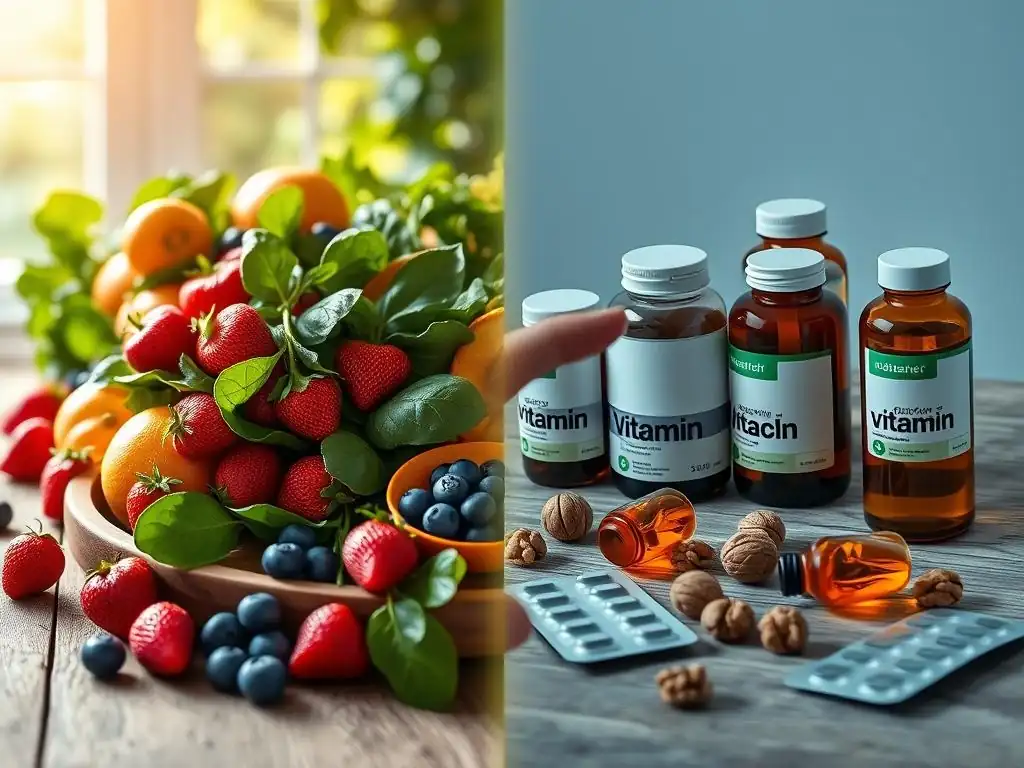
Welcome to Mind Care Guide, your sanctuary for understanding and nurturing your mental well-being. Feeling lost in the complexities of depression and its treatment? Many struggle to find the right path. This week, we delve into a crucial aspect often overlooked: vitamin depression treatment options.
Are dietary sources enough, or do supplements hold the key? Join us as we explore the science behind boosting your mood with essential nutrients and uncover practical strategies to navigate this vital area of mental health. Dive in and discover how you can empower yourself with knowledge and take the first step towards a brighter tomorrow!
Dietary vs. Supplemental: The Science of Getting Your Depression-Fighting Nutrients
- Understanding Nutrient Deficiency and Depression: Exploring Treatment Options
- Dietary Sources of Depression-Fighting Nutrients: Food First
- Supplemental Nutrient Therapy for Depression: When Food Isn't Enough
- Comparing Dietary and Supplemental Approaches: Which is Best for You?
- The Role of a Healthcare Professional: Personalized Treatment Options
- Conclusion: Optimizing Your Nutrient Intake for Improved Mental Well-being
-
Frequently Asked Questions
- What are the primary Vitamin Depression Treatment Options discussed in the article?
- Is it better to get vitamins through diet or supplements when treating depression?
- What specific vitamins are highlighted as being important for mental well-being and potentially aiding in depression treatment?
- How does "Mind Care Guide" approach the topic of vitamin depression treatment options?
- Should I replace my current depression treatment with vitamins alone, based on the information provided?
- Final Reflection: Nourishing the Mind, Body, and Soul
- Unlock Your Vitamin Powerhouse: Boost Your Mood Naturally!
Understanding Nutrient Deficiency and Depression: Exploring Treatment Options
The Link Between Nutritional Deficiencies and Mental Health
Research indicates a significant connection between inadequate nutrient intake and the prevalence and severity of depressive symptoms. Studies have shown that individuals diagnosed with depression often exhibit lower levels of specific vitamins and minerals compared to their non-depressed counterparts. For instance, deficiencies in nutrients like Vitamin D, B vitamins (especially B12 and folate), and omega-3 fatty acids are frequently observed in populations struggling with mood disorders.
This suggests that nutritional status is not merely a secondary concern but a potential contributing factor to the complex etiology of depression. Addressing these imbalances can be a crucial component of effective vitamin depression treatment options.
The biological mechanisms linking nutrient deficiencies to mental health are diverse and complex. Many essential nutrients play critical roles in neurotransmitter synthesis, regulation of inflammation, and overall brain function. For example, B vitamins are vital cofactors in the production of serotonin, dopamine, and norepinephrine – neurotransmitters heavily implicated in mood regulation. Omega-3 fatty acids are integral components of brain cell membranes and influence synaptic function. When these nutrients are insufficient, these crucial processes can be disrupted, potentially contributing to the development or worsening of depressive symptoms. Exploring various vitamin depression treatment options often starts with understanding these fundamental links.
Identifying Nutrient Deficiencies Contributing to Depression
Identifying specific nutrient deficiencies requires a combination of clinical assessment and laboratory testing. While symptoms like fatigue, poor concentration, irritability, and changes in appetite can overlap with depressive symptoms, they can also be indicators of underlying nutritional gaps. For example, severe B12 deficiency can manifest with neurological symptoms including mood changes and cognitive impairment, which might be mistaken solely for depression. A healthcare professional may suspect a deficiency based on diet history, lifestyle factors (like veganism, which increases B12 risk), or malabsorption issues.
The most reliable way to confirm a suspected deficiency is through blood tests. These tests can measure circulating levels of specific vitamins and minerals, such as serum Vitamin D (25-hydroxyvitamin D), serum B12, serum folate, and red blood cell folate. For omega-3s, a fatty acid profile can assess levels of EPA and DHA. Interpreting these results requires expertise, as optimal levels for mental health might differ from general population guidelines. Accurate diagnosis is the first step in tailoring effective vitamin depression treatment options.
Why Dietary Sources Alone May Not Be Sufficient
While a balanced diet is the cornerstone of good health, relying solely on food sources may not always be enough to correct existing nutrient deficiencies, especially in the context of depression. Several factors can impede adequate nutrient intake and absorption from diet alone. Modern food processing can strip nutrients, soil depletion may reduce nutrient content in produce, and individual genetic variations can affect how efficiently nutrients are absorbed and utilized.
Furthermore, conditions affecting digestion, such as inflammatory bowel disease or pernicious anemia (impairing B12 absorption), can severely limit the uptake of even plentiful dietary nutrients. Stress, which is often intertwined with depression, can also increase the body's demand for certain nutrients and affect digestive function. In such cases, even a conscientiously healthy diet might not provide the therapeutic levels required to correct a deficiency and support mental well-being, highlighting the potential need for supplemental vitamin depression treatment options.
Dietary Sources of Depression-Fighting Nutrients: Food First
The Best Foods Rich in Vitamin D for Mood Enhancement
Vitamin D, often called the "sunshine vitamin," is also available through certain foods, though typically in smaller amounts than produced by sun exposure or supplementation. This fat-soluble vitamin plays a role in brain health and has been linked to mood regulation. Increasing dietary intake of Vitamin D is a foundational step in exploring vitamin depression treatment options through nutrition.
Optimizing Vitamin D Intake Through Diet: Fatty Fish, Egg Yolks, and Fortified Foods
The most potent natural dietary sources of Vitamin D are fatty fish. A 3.5-ounce serving of cooked salmon, for instance, can contain approximately 400-1000 International Units (IU) of Vitamin D, depending on whether it's wild or farmed. Mackerel, sardines, and herring are also good sources, offering comparable amounts. Egg yolks provide a smaller amount, roughly 40 IU per yolk, varying based on the chicken's diet and sun exposure.
Certain mushrooms exposed to UV light can also contain Vitamin D (specifically D2). Additionally, many foods are fortified with Vitamin D, including milk, orange juice, cereals, and plant-based milk alternatives, often providing 100-120 IU per serving. While these sources contribute, achieving therapeutic levels solely through diet without significant sun exposure can be challenging for many.
Vitamin B12 for Cognitive Function and Depression Relief: Food Choices
Vitamin B12 is essential for nerve function, DNA synthesis, and red blood cell formation. Its deficiency can lead to neurological and psychiatric symptoms, including depression. Ensuring adequate dietary B12 is crucial, particularly for individuals considering vitamin depression treatment options that involve addressing nutritional status.
Dietary Sources of B12: Meat, Poultry, Fish, and Dairy
Vitamin B12 is primarily found in animal products. Excellent dietary sources include beef liver (providing over 1000% of the daily value in a 3-ounce serving), clams (over 1400% DV in 3 ounces), and fatty fish like salmon (around 80% DV in 3 ounces). Other good sources include beef, poultry, eggs, and dairy products like milk and cheese.
For vegetarians and vegans, obtaining sufficient B12 from diet alone is difficult, as plant foods do not naturally contain it unless they are fortified. Nutritional yeast is one of the few non-animal sources often fortified with B12. This makes dietary planning for B12 particularly important for certain groups.
Folate (Vitamin B9) and Mental Well-being: Incorporating Leafy Greens
Folate, or Vitamin B9, is critical for neurotransmitter synthesis and DNA metabolism. Low folate levels have been associated with an increased risk of depression and a poorer response to antidepressant medication. Increasing dietary folate is a key strategy when using nutrition as part of vitamin depression treatment options.
Maximizing Folate Absorption: Leafy Greens, Legumes, and Citrus Fruits
Rich dietary sources of folate include dark leafy greens like spinach, kale, and romaine lettuce (a cup of raw spinach contains about 58 mcg, or roughly 15% of the daily value). Legumes, such as lentils (1 cup cooked provides about 358 mcg, or 90% DV) and chickpeas, are also excellent sources. Other foods high in folate include asparagus, broccoli, avocado, and citrus fruits like oranges.
The term "folate" refers to the naturally occurring form in food, while "folic acid" is the synthetic form used in supplements and fortified foods. The body must convert dietary folate into its active form, L-methylfolate, a process that can be inefficient in some individuals.
Omega-3 Fatty Acids: Essential Nutrients Found in Fatty Fish
Omega-3 fatty acids, specifically EPA (eicosapentaenoic acid) and DHA (docosahexaenoic acid), are polyunsaturated fats vital for brain structure and function. Research suggests that populations with high fish consumption tend to have lower rates of depression. Incorporating these fats into the diet is a popular natural approach among vitamin depression treatment options.
The Role of Omega-3s in Brain Health and Mood Regulation: Salmon, Mackerel, and Walnuts
EPA and DHA are key components of brain cell membranes, influencing fluidity and communication between neurons. They also have anti-inflammatory properties, which is relevant as inflammation is increasingly linked to depression. The richest dietary sources are fatty fish like salmon, mackerel, sardines, and anchovies.
For example, a 3-ounce serving of cooked salmon can provide around 1.2 - 1.8 grams of total omega-3s, with significant amounts of both EPA and DHA. Plant-based sources like flaxseeds, chia seeds, and walnuts contain ALA (alpha-linolenic acid), which the body can convert into EPA and DHA, but this conversion rate is often very low (typically less than 10%). Aiming for direct sources of EPA and DHA from fish or algae is generally more effective for boosting these specific omega-3s for mood support.
Supplemental Nutrient Therapy for Depression: When Food Isn't Enough
Vitamin D Supplements: Dosage, Forms, and Benefits for Depression
When dietary intake and sun exposure are insufficient, Vitamin D supplements are a common strategy in vitamin depression treatment options. Numerous studies have explored the link between Vitamin D supplementation and mood, with some meta-analyses suggesting that Vitamin D supplementation may have a modest positive effect on depressive symptoms, particularly in individuals who are deficient. Typical dosages range from 1,000 IU to 4,000 IU daily, but higher doses may be prescribed by a healthcare provider to correct significant deficiencies based on blood test results.
Choosing the Right Vitamin D Supplement: D2 vs. D3 and Considerations for Absorption
Vitamin D supplements are available primarily in two forms: Vitamin D2 (ergocalciferol) and Vitamin D3 (cholecalciferol). Vitamin D3 is generally considered more effective at raising blood levels of Vitamin D and maintaining them over time compared to Vitamin D2. It is the form naturally produced by the skin in response to sunlight and found in fatty fish.
Supplements are available in various forms, including capsules, tablets, liquids, and chewables. Since Vitamin D is fat-soluble, taking supplements with a meal containing fat can enhance absorption. Checking the supplement label for third-party testing can help ensure quality and potency when selecting this component of vitamin depression treatment options.
Vitamin B12 Supplements: Addressing Deficiencies and Boosting Mood
Vitamin B12 deficiency is relatively common, especially among older adults, vegetarians, vegans, and individuals with digestive disorders or those taking certain medications (like metformin or proton pump inhibitors). Correcting a B12 deficiency is a critical step, as it can alleviate not only physical symptoms but also neurological and psychological manifestations, including depression. B12 supplementation is a well-established part of addressing this specific deficiency within vitamin depression treatment options.
Understanding B12 Supplement Forms: Cyanocobalamin vs. Methylcobalamin
B12 supplements are available in several forms, the most common being cyanocobalamin and methylcobalamin. Cyanocobalamin is a synthetic form that contains a cyanide molecule (though in negligible, harmless amounts) and must be converted by the body into the active forms, methylcobalamin and adenosylcobalamin. Methylcobalamin is one of the naturally occurring active forms of B12 and is often preferred by some practitioners and individuals, particularly those with genetic variations that affect B12 metabolism.
Both forms can effectively raise B12 levels, but methylcobalamin is sometimes marketed for potentially better absorption or utilization. B12 supplements are available as oral tablets, sublingual lozenges (dissolved under the tongue), nasal sprays, or injections for severe deficiencies.
Folate Supplements: L-Methylfolate and Its Role in Depression Treatment
While folic acid is commonly used in fortified foods and standard multivitamins, individuals with certain genetic variations, particularly in the MTHFR (methylenetetrahydrofolate reductase) gene, may have impaired ability to convert folic acid into the active form, L-methylfolate (also known as 5-MTHF). Since L-methylfolate is required for the synthesis of neurotransmitters like serotonin, dopamine, and norepinephrine, impaired conversion can potentially contribute to low levels of these mood-regulating chemicals. Supplementing with L-methylfolate directly bypasses this conversion step.
The Benefits of L-Methylfolate for Individuals with MTHFR Gene Mutations
Genetic variations in the MTHFR gene are relatively common; estimates suggest that up to 30-40% of the population may have one variant (heterozygous), and around 10-20% may have two variants (homozygous), depending on ethnicity. These variations can reduce the efficiency of the MTHFR enzyme, leading to lower levels of L-methylfolate.
For individuals with these genetic predispositions and depression, supplementation with L-methylfolate (often at doses ranging from 7.5 mg to 15 mg per day) has been shown in some studies to improve response to antidepressant medications or even act as a standalone vitamin depression treatment option. This highlights the importance of considering individual metabolic differences.
Omega-3 Supplements: Fish Oil vs. Vegan Alternatives for Mood Support
Omega-3 supplements, particularly fish oil, are widely used to increase intake of EPA and DHA. Given the research linking low omega-3 levels to depression, these supplements are a popular addition to vitamin depression treatment options. For those who don't consume fatty fish regularly, supplements offer a convenient way to boost EPA and DHA intake.
EPA and DHA: Understanding the Key Omega-3 Components for Depression
When considering omega-3s for mood, the focus is primarily on EPA and DHA. While both are important for brain health, some research suggests that EPA may have a more significant impact on depressive symptoms than DHA. Recommended dosages for mood support vary, but studies often use doses ranging from 1 gram to 2 grams of combined EPA and DHA per day, with a higher proportion of EPA relative to DHA (e.g., a 2:1 or 3:1 ratio).
Fish oil supplements are derived from fatty fish. Vegan alternatives, sourced from algae, provide DHA and sometimes EPA, offering a suitable option for those avoiding animal products. Quality and purity are important when choosing omega-3 supplements, with third-party testing for contaminants like mercury being advisable.
Comparing Dietary and Supplemental Approaches: Which is Best for You?
Absorption Rates: How Dietary vs. Supplemental Nutrients are Processed
The absorption of nutrients can differ between dietary sources and supplements. Nutrients in food are often bound to other food components and are absorbed more slowly as the meal is digested. This slower absorption can sometimes lead to more sustained blood levels.
Supplements, particularly in isolated or highly bioavailable forms, can be absorbed more rapidly and efficiently, leading to a quicker rise in blood levels. For example, crystalline B12 in supplements is often absorbed more readily than B12 bound to protein in food, especially in individuals with impaired stomach acid production. However, the presence of other nutrients and compounds in food can sometimes enhance the absorption of specific vitamins, creating a synergistic effect not always replicated by a single supplement.
Bioavailability: Maximizing the Effectiveness of Your Nutrient Intake
Bioavailability refers to the proportion of a nutrient that is absorbed from the diet or supplement and becomes available for use by the body. Factors influencing bioavailability include the nutrient's chemical form (e.g., D3 vs. D2, folic acid vs. L-methylfolate), the presence of other substances in the meal or supplement (e.g., fat for Vitamin D absorption), and individual factors like gut health and genetics. Generally, nutrients from whole foods are part of a complex matrix that can influence their bioavailability in various ways.
Supplements are formulated to provide specific nutrient forms, often aiming for high bioavailability, but may lack the beneficial co-factors found in food. Understanding bioavailability is crucial when considering vitamin depression treatment options.
Cost-Effectiveness: Comparing the Price of Food vs. Supplements
Comparing the cost-effectiveness of obtaining nutrients from diet versus supplements is complex. A diet rich in nutrient-dense foods like fatty fish, lean meats, legumes, leafy greens, and fortified products can be more expensive than a diet based on processed foods. However, these foods offer a broad spectrum of nutrients and other health benefits beyond just specific vitamins.
Supplements can range widely in price depending on the nutrient, dosage, form, and brand. For individuals with specific, diagnosed deficiencies, targeted high-dose supplements might be more cost-effective for correcting the imbalance quickly than trying to consume massive quantities of specific foods. However, relying solely on supplements without improving diet can be more expensive in the long run and may not provide the full range of benefits that come from whole foods.
Potential Side Effects: Understanding the Risks of Over-Supplementation
While generally safe when taken at recommended doses, supplements are not without potential risks, especially when taken in excess. Fat-soluble vitamins like Vitamin D can accumulate in the body, leading to toxicity at very high doses (e.g., above 10,000 IU daily consistently, though toxicity is rare below this). Excessive intake of certain B vitamins, although water-soluble and less likely to build up, can still cause side effects; for example, very high doses of Vitamin B6 have been linked to nerve damage.
Omega-3 supplements can cause gastrointestinal upset or increase the risk of bleeding at very high doses. The risk of nutrient toxicity from food sources alone is extremely low. This difference underscores the importance of professional guidance when using supplements as vitamin depression treatment options.
The Role of a Healthcare Professional: Personalized Treatment Options

Blood Testing: Identifying Specific Nutrient Deficiencies for Targeted Treatment
Before implementing any significant changes to diet or starting supplementation as vitamin depression treatment options, consulting a healthcare professional is paramount. The first crucial step often involves blood testing to accurately identify any existing nutrient deficiencies. As discussed earlier, specific tests for Vitamin D, B12, folate, and omega-3 fatty acids can provide objective data on nutritional status.
This testing avoids guesswork and allows for targeted interventions. For example, if a blood test reveals a severe B12 deficiency, high-dose supplementation (possibly even injections initially) would be indicated, whereas if Vitamin D levels are only slightly low, dietary adjustments and moderate supplementation might suffice.
Accurate diagnosis through testing ensures that the chosen nutrient therapy is appropriate for the individual's needs. It prevents unnecessary supplementation, which can be costly and potentially harmful, and ensures that genuine deficiencies contributing to depressive symptoms are not overlooked. The results of these tests provide a baseline against which the effectiveness of dietary or supplemental interventions can be measured over time.
Working with a Registered Dietitian: Developing a Personalized Nutrition Plan
A registered dietitian (RD) or registered dietitian nutritionist (RDN) is an invaluable resource for developing a personalized nutrition plan to support mental well-being, especially when exploring dietary vitamin depression treatment options. RDs can conduct a thorough assessment of current dietary habits, identify potential areas for improvement based on nutrient needs and preferences, and create practical, sustainable meal plans.
Unlike general nutrition advice, a plan from an RD is tailored to the individual's specific health status, lifestyle, budget, and any diagnosed deficiencies. They can advise on the best food sources for particular nutrients, strategies for maximizing absorption, and how to incorporate these changes into daily life.
For instance, an RD can help someone with low folate levels identify specific servings of lentils and leafy greens to add to their meals throughout the week or guide a vegan client on reliable fortified foods and supplemental B12 sources. Their expertise ensures that dietary changes are not only nutritious but also achievable and enjoyable.
Consulting a Physician: Integrating Nutrient Therapy with Traditional Treatments
Integrating nutrient therapy with traditional medical treatments for depression, such as psychotherapy and antidepressant medication, requires the oversight of a physician or mental health professional. Nutrient deficiencies can sometimes mimic or exacerbate symptoms of depression, and addressing them might improve the effectiveness of other treatments or, in some cases, even reduce the need for them (though this should only be decided under medical supervision).
A physician can evaluate the overall health picture, consider potential interactions between supplements and medications, and monitor progress. For example, L-methylfolate is sometimes prescribed alongside antidepressants, and a physician can determine the appropriate dosage and monitor for effectiveness. They can also help interpret blood test results in the context of overall health and refer to specialists if underlying medical conditions are affecting nutrient absorption. A collaborative approach involving physicians, dietitians, and mental health professionals ensures that all potential vitamin depression treatment options are considered safely and effectively within a comprehensive care plan.
Conclusion: Optimizing Your Nutrient Intake for Improved Mental Well-being
Combining Dietary Strategies and Supplements for a Holistic Approach
Optimizing nutrient intake for improved mental well-being, particularly when considering vitamin depression treatment options, often requires a multi-faceted approach that combines the benefits of dietary sources with targeted supplementation. While prioritizing nutrient-dense foods forms the essential foundation, providing a wide array of vitamins, minerals, fiber, and beneficial plant compounds, supplements can play a crucial role in correcting diagnosed deficiencies or ensuring adequate intake of nutrients that are difficult to obtain in sufficient quantities from diet alone (like Vitamin D during winter months or B12 for vegans).
This holistic strategy leverages the synergistic benefits of whole foods while using supplements to fill specific nutritional gaps, offering a comprehensive path towards supporting brain health and mood.
The Importance of Consistency and Long-Term Nutrient Management
Achieving and maintaining optimal nutrient status for mental well-being is not a quick fix but a long-term commitment. Consistency in dietary choices and adherence to supplement regimens, when recommended, are key. Nutritional status can fluctuate based on diet, lifestyle, stress levels, and underlying health conditions. Therefore, ongoing monitoring, potentially including periodic blood tests, and regular check-ins with healthcare professionals can be important to ensure that nutrient levels remain adequate. Viewing nutrient management as an ongoing aspect of overall health care, much like managing physical health conditions, is vital for sustaining improvements in depressive symptoms and supporting long-term mental resilience.
Resources for Further Information on Treatment Options
Navigating the various vitamin depression treatment options can be complex. Reliable resources for further information include reputable mental health organizations, national health institutes, and academic medical centers that publish research and guidelines on nutrition and mental health. Consulting books written by registered dietitians specializing in mental health or accessing peer-reviewed scientific articles through academic databases can also provide deeper insights into the science behind nutrient therapy for depression. Always cross-reference information and discuss what you learn with your healthcare team to ensure it is appropriate for your individual situation.
Frequently Asked Questions
What are the primary Vitamin Depression Treatment Options discussed in the article?
The article focuses on obtaining depression-fighting vitamins through two main avenues: dietary sources, emphasizing whole foods, and supplemental sources, such as vitamin pills and powders. It explores the science behind both.
Is it better to get vitamins through diet or supplements when treating depression?
The article suggests that dietary intake is generally preferred due to the absorption of vitamins alongside other beneficial nutrients. However, supplements can be helpful if dietary intake is insufficient or a deficiency is present.
What specific vitamins are highlighted as being important for mental well-being and potentially aiding in depression treatment?
While the article doesn't specifically list all vitamins, it generally discusses the importance of vitamins for overall mental well-being. You'd need to read the full article on Mind Care Guide for specific vitamin details.
How does "Mind Care Guide" approach the topic of vitamin depression treatment options?
Mind Care Guide offers a comprehensive guide to mental well-being, presenting information, support, and resources for various mental health challenges, including exploring the role of vitamins.
Should I replace my current depression treatment with vitamins alone, based on the information provided?
No, the article should not be interpreted as a replacement for professional medical advice or prescribed treatment. Vitamins are often considered adjunct therapies, not standalone cures, and should be discussed with a healthcare professional.
Final Reflection: Nourishing the Mind, Body, and Soul
The connection between nutrition and mental health is no longer a fringe theory; it's a burgeoning field of scientific inquiry revealing the profound impact of diet on our emotional well-being. Understanding the role of specific vitamins in mitigating depression symptoms is crucial, not just for medical professionals, but for individuals actively seeking holistic approaches to mental health management. This knowledge empowers us to take proactive steps towards better mental health, moving beyond simple medication reliance.
The journey of exploring the intricate relationship between dietary intake and depression has been deeply personal. Witnessing the transformative power of nutritional adjustments in individuals struggling with this debilitating condition underscores the importance of this research. The doctor of the future will give no medicine, but will interest his patients in the care of the human frame, in diet and in the cause and prevention of disease.
- Thomas Edison. This quote, though from a time before our current understanding of mental health, speaks to the enduring power of preventative care, and in this case, preventative nutritional care.
The information presented in this article is not a replacement for professional medical advice. However, it serves as a starting point for a crucial conversation. I urge you to reflect on your own dietary habits and consider how you might incorporate more vitamin-rich foods into your daily routine.
Start small, research what works best for your body, and consult with your doctor or a registered dietitian before making significant changes to your diet, especially if you are currently taking medication. Your mental health journey is a personal one, and nourishing your body with the right nutrients can be a powerful tool in your arsenal.
Unlock Your Vitamin Powerhouse: Boost Your Mood Naturally!
Thanks for diving deep into the science of vitamins and depression with us! You've now armed yourself with valuable knowledge to make informed choices about your mental wellbeing. Ready to take the next step?
- Prioritize your diet: Start incorporating the mood-boosting foods highlighted in the article into your weekly meal plan. Even small changes can make a big difference!
- Consider a consultation: Schedule a check-up with your doctor or a registered dietitian to discuss personalized supplementation strategies. They can help determine if adding supplements is right for you.
- Share your journey: Tell us – and others – about your experience! Share your successes and challenges in the comments below – you might inspire someone else to take charge of their mental health.
What simple dietary change will you make today to support your mental wellbeing?