
Trauma's Footprint: Epigenetic Marks and PTSD Risk

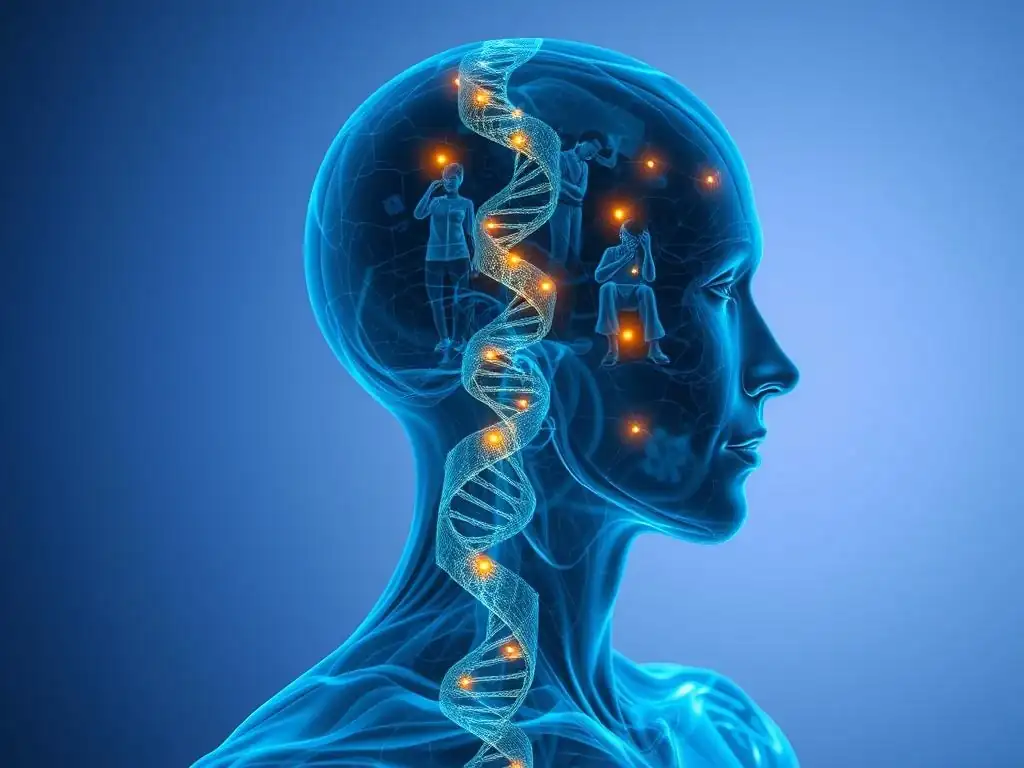
Welcome to Mind Care Guide, your sanctuary for understanding and nurturing mental well-being.
Have you ever wondered if trauma can leave a lasting mark, not just on your mind, but on your very genes? This article delves into the fascinating and often unsettling world of Epigenetics PTSD risk symptoms, exploring how traumatic experiences can alter gene expression and potentially increase vulnerability to PTSD. Prepare to uncover the intricate connection between your experiences and your biological blueprint, and discover how this knowledge can empower you on your path to healing.
Trauma's Footprint: Epigenetic Marks and PTSD Risk
- Introduction: Understanding the Link Between Trauma, Epigenetics, and PTSD Vulnerability
- Epigenetic Mechanisms: How Trauma Leaves Its Mark on Our Genes
- Specific Genes Affected by Epigenetic Changes in PTSD
- Epigenetics and PTSD Risk Factors: Unraveling the Complex Interplay
- Epigenetic Biomarkers for PTSD: Towards Early Detection and Personalized Treatment
- Epigenetic Changes and PTSD Symptoms Manifestation
- Reversibility of Epigenetic Marks: Hope for PTSD Recovery
- Conclusion: The Future of PTSD Research and Treatment Through an Epigenetic Lens
-
Frequently Asked Questions
- What is epigenetics and how does it relate to PTSD?
- How can trauma leave an "epigenetic footprint"?
- Can epigenetic changes caused by trauma be inherited?
- Are there specific genes that are more susceptible to epigenetic changes related to PTSD?
- Can epigenetic changes be reversed or treated to reduce PTSD symptoms?
- Final Reflection: The Enduring Legacy of Trauma
- Unlock Your Resilience: Taking Charge of Your Mental Wellbeing
Introduction: Understanding the Link Between Trauma, Epigenetics, and PTSD Vulnerability
The Role of Early Life Trauma in PTSD Development
Early life trauma, encompassing experiences such as abuse, neglect, or exposure to violence during critical developmental periods, significantly elevates an individual's vulnerability to developing Post-Traumatic Stress Disorder (PTSD) later in life. Studies consistently show that the timing, duration, and severity of childhood adversity are powerful predictors of adult mental health outcomes, including the likelihood and intensity of PTSD symptoms following subsequent traumatic events.
For instance, research involving large cohorts has indicated that individuals with a history of multiple types of childhood trauma are up to three times more likely to develop PTSD after experiencing a traumatic event as an adult compared to those without such a history.
This heightened vulnerability is not merely psychological; it is deeply rooted in biological changes induced by chronic stress during formative years. The developing brain and body are highly sensitive to environmental inputs, and prolonged exposure to stress hormones like cortisol can fundamentally alter stress response systems. This can lead to dysregulation of the hypothalamic-pituitary-adrenal (HPA) axis, the body's central stress regulator.
Such dysregulation manifests as an exaggerated or blunted response to stressors, which is a hallmark feature observed in many individuals with PTSD. The enduring impact of early trauma sets a biological stage that makes individuals more reactive to future threats, increasing their PTSD risk and shaping the nature of their symptoms.
Epigenetics: Bridging the Gap Between Genes and Environment in Mental Health
Epigenetics provides a crucial framework for understanding how environmental factors, particularly trauma, can interact with our genetic makeup without altering the underlying DNA sequence itself. Think of it as a layer of instructions on top of the genetic code that dictates which genes are turned "on" or "off," and to what extent.
These epigenetic modifications can be influenced by a wide range of environmental exposures, from nutrition and toxins to psychological stress and trauma. They act as molecular switches that can alter gene expression patterns, thereby affecting cellular function, brain development, and ultimately, behavior and susceptibility to mental health conditions like PTSD.
The field of epigenetics offers a compelling explanation for the complex interplay between inherited predispositions and life experiences in shaping PTSD risk and the manifestation of symptoms. While we are born with a fixed genetic blueprint, our epigenetic landscape is dynamic and can be modified by our environment throughout life.
This plasticity means that traumatic experiences don't just have psychological consequences; they can leave tangible molecular "marks" on our DNA that influence how our stress response genes, mood regulation genes, and fear circuitry genes are expressed. Understanding these epigenetic changes and PTSD risk is key to developing a more comprehensive model of the disorder.
Defining PTSD: Symptoms and Diagnostic Criteria
Post-Traumatic Stress Disorder (PTSD) is a psychiatric disorder that can develop in individuals who have experienced or witnessed a traumatic event. Such events can include combat exposure, natural disasters, accidents, terrorist acts, or physical or sexual assault. The core symptoms of PTSD are typically grouped into four clusters according to diagnostic criteria like those outlined in the DSM-5:
- Intrusion Symptoms: Re-experiencing the trauma in intrusive memories, nightmares, or flashbacks. This includes feeling as if the event is happening again.
- Avoidance: Actively avoiding thoughts, feelings, or external reminders (people, places, activities) associated with the trauma.
- Negative Alterations in Cognitions and Mood: Persistent negative beliefs or expectations about oneself, others, or the world; distorted thoughts about the cause or consequences of the trauma; persistent negative emotional states (fear, horror, anger, guilt, shame); diminished interest or participation in activities; feelings of detachment or estrangement from others; or persistent inability to experience positive emotions.
- Alterations in Arousal and Reactivity: Irritable behavior and angry outbursts; reckless or self-destructive behavior; hypervigilance; exaggerated startle response; problems with concentration; or sleep disturbance.
For a diagnosis of PTSD, these symptoms must persist for more than one month and cause clinically significant distress or impairment in social, occupational, or other important areas of functioning. The severity and combination of these PTSD symptoms can vary greatly among individuals, highlighting the need to understand the underlying biological factors, including epigenetic changes and PTSD risk, that contribute to these differences.
Epigenetic Mechanisms: How Trauma Leaves Its Mark on Our Genes
DNA Methylation: Altered Patterns in PTSD Sufferers
DNA methylation is one of the most well-studied epigenetic mechanisms and involves the addition of a methyl group to a cytosine base in DNA, often occurring at CpG sites (where cytosine is followed by guanine). This modification can directly influence gene expression, typically by repressing transcription when it occurs in gene promoter regions. Research consistently shows altered DNA methylation patterns in individuals with PTSD compared to trauma-exposed individuals who do not develop the disorder, or healthy controls.
Specific gene regions involved in stress response, immune function, and neurodevelopment have been identified as targets of altered methylation in PTSD. For example, studies have found differential methylation in genes like NR3C1 (glucocorticoid receptor) and FKBP5, both critical components of the HPA axis.
In veterans with combat-related PTSD, altered methylation of FKBP5 has been particularly noted, sometimes showing increased methylation in certain regions associated with poorer stress recovery, contributing to epigenetics linked to PTSD symptoms severity. While the exact patterns vary depending on the type of trauma and individual factors, these findings provide concrete evidence that trauma leaves a molecular footprint on our DNA regulatory landscape.
Histone Modification: Impact on Gene Expression After Traumatic Experiences
Beyond DNA methylation, histone modifications represent another major epigenetic mechanism influenced by trauma. Histones are proteins around which DNA is wrapped to form chromatin. Modifications to histones, such as acetylation, methylation, phosphorylation, and ubiquitination, can alter the structure of chromatin, making genes more or less accessible to the transcriptional machinery. For instance, histone acetylation often leads to a more open chromatin structure, facilitating gene expression, while deacetylation can condense chromatin and repress expression.
Traumatic experiences can induce changes in the enzymes that add or remove these histone marks, leading to lasting alterations in gene expression patterns relevant to PTSD. Research in both animal models and human studies has demonstrated trauma-induced changes in histone modifications in brain regions critical for fear conditioning and stress response, such as the amygdala and prefrontal cortex.
These modifications can affect the expression of genes involved in neuronal plasticity, neurotransmitter signaling, and stress reactivity, directly contributing to the neurobiological changes underlying PTSD symptoms and increasing epigenetics PTSD risk symptoms. For example, altered histone acetylation in specific brain circuits has been linked to persistent fear responses observed in PTSD.
Non-coding RNAs (ncRNAs), including microRNAs (miRNAs) and long non-coding RNAs (lncRNAs), are another layer of epigenetic regulation implicated in PTSD. Unlike messenger RNAs (mRNAs) which are translated into proteins, ncRNAs perform regulatory functions. MiRNAs, for example, are small molecules that can bind to specific mRNA targets, leading to their degradation or inhibiting their translation, thereby reducing protein production and regulating gene expression.
Studies have identified altered expression profiles of various miRNAs in individuals with PTSD compared to controls. These dysregulated miRNAs target mRNAs of genes involved in stress response pathways, synaptic plasticity, and immune function – processes known to be disrupted in PTSD. For instance, specific miRNAs have been found to be upregulated or downregulated in the blood or brain of individuals with PTSD, and these changes have been correlated with symptom severity.
This suggests that ncRNAs play a significant role in mediating the epigenetic changes and PTSD risk, adding another layer of complexity to the molecular mechanisms by which trauma leaves its lasting mark. The study of ncRNAs is a rapidly evolving area providing new insights into the intricate epigenetics linked to PTSD symptoms.
Specific Genes Affected by Epigenetic Changes in PTSD

The HPA Axis: Epigenetic Regulation of Stress Response Genes (e.g., NR3C1)
The Hypothalamic-Pituitary-Adrenal (HPA) axis is the body's central stress response system, and its dysregulation is a hallmark of PTSD. Epigenetic modifications play a significant role in programming the sensitivity and reactivity of this system, particularly through changes in genes like NR3C1, which encodes the glucocorticoid receptor (GR). GRs are key players in the HPA axis feedback loop; they bind to stress hormones like cortisol, and their activation helps shut down the stress response.
Research, notably studies stemming from cohorts exposed to early adversity, has shown that methylation patterns in the promoter region of the NR3C1 gene can be altered by early life stress. For example, increased methylation in certain NR3C1 promoter regions has been observed in individuals with a history of childhood abuse, and this has been associated with reduced GR expression and function.
This can lead to impaired negative feedback on the HPA axis, resulting in a persistent state of hyperarousal or an exaggerated stress response to perceived threats, directly contributing to epigenetics PTSD risk symptoms like hypervigilance and exaggerated startle. This epigenetic mark on NR3C1 provides a molecular link between early trauma and adult HPA axis dysfunction seen in PTSD.
Serotonin Transporter Gene (SLC6A4): Epigenetic Links to PTSD and Depression
The serotonin transporter gene, SLC6A4 (also known as SERT or 5-HTT), is well-known for its role in mood regulation and its association with disorders like depression and anxiety. It is also implicated in vulnerability to PTSD, particularly in how individuals cope with stress and process emotional information. Epigenetic modifications, specifically DNA methylation, have been observed in the SLC6A4 gene in the context of trauma and PTSD.
Studies have shown that methylation levels in the SLC6A4 promoter region can be altered by stress and trauma exposure. For instance, increased methylation in this region has been observed in individuals exposed to significant stress, and these changes can be associated with reduced expression of the serotonin transporter.
This reduced expression can impact serotonin signaling in the brain, potentially contributing to mood disturbances, increased anxiety, and impaired fear extinction – all of which are relevant to the development and maintenance of PTSD symptoms. The interaction between genetic variants in SLC6A4 (like the well-studied short/long allele polymorphism) and epigenetic modifications further highlights the complex interplay of nature and nurture in determining epigenetics PTSD risk symptoms.
BDNF (Brain-Derived Neurotrophic Factor): Its Role in PTSD and Epigenetic Modulation
Brain-Derived Neurotrophic Factor (BDNF) is a crucial protein involved in neuronal survival, growth, differentiation, and synaptic plasticity – processes essential for learning, memory, and emotional regulation. Alterations in BDNF levels and function have been widely reported in psychiatric disorders, including PTSD. BDNF is critical for the structural and functional changes in brain regions like the hippocampus and prefrontal cortex, which are often affected in individuals with PTSD.
Epigenetic mechanisms, including DNA methylation and histone modifications, have been shown to regulate BDNF gene expression in response to stress and trauma. For example, chronic stress can induce changes in BDNF methylation patterns in specific brain areas, leading to reduced BDNF expression.
This reduction in BDNF can impair synaptic plasticity, compromise neuronal resilience, and contribute to the cognitive and emotional deficits seen in PTSD symptoms. Conversely, interventions like exercise and certain therapeutic approaches known to improve PTSD outcomes can also influence BDNF expression, potentially through epigenetic mechanisms, suggesting a dynamic interplay between environment, epigenetics, and neurotrophic support in the context of epigenetics PTSD risk symptoms.
Epigenetics and PTSD Risk Factors: Unraveling the Complex Interplay
Parental Trauma and Intergenerational Epigenetic Inheritance of PTSD Susceptibility
Emerging research suggests that the impact of trauma may extend beyond the directly exposed individual, potentially influencing the PTSD risk of their offspring through intergenerational epigenetic inheritance. While the mechanisms are still being actively investigated, studies in both animal models and human populations provide compelling evidence. For instance, research on the descendants of Holocaust survivors and individuals exposed to severe famine has indicated specific epigenetic changes (like altered methylation patterns in genes related to stress response) that are present in the children, even if the children did not experience the trauma themselves.
These findings suggest that parental exposure to extreme stress or trauma can induce epigenetic modifications in their germ cells (sperm or eggs) or influence the epigenetic programming of the developing fetus or infant through physiological or behavioral pathways. These inherited or early-life established epigenetic marks could potentially prime the offspring's stress response system or alter brain development, increasing their vulnerability or epigenetics PTSD risk symptoms later in life if they encounter their own traumatic experiences. This concept of epigenetic inheritance adds a profound layer to our understanding of how trauma's effects can ripple across generations.
The Impact of Childhood Adversity on Epigenetic Programming and PTSD Risk Later in Life
As discussed earlier, childhood adversity is a major risk factor for adult PTSD. Epigenetics provides a molecular explanation for this link, showing how early-life experiences can permanently "program" an individual's biological stress response. The brain is highly plastic during childhood and adolescence, making it particularly susceptible to the enduring influence of environmental factors, including chronic stress or trauma.
Exposure to severe or prolonged stress during critical developmental windows can lead to stable epigenetic changes in genes involved in stress reactivity, emotional regulation, and cognitive function. These changes can persist throughout life, even if the individual is no longer in the traumatic environment.
For example, studies have shown differential methylation patterns in the NR3C1 gene that are established in early childhood in response to abuse and are still detectable decades later, correlated with increased PTSD risk and severity of symptoms following subsequent trauma. This highlights how early epigenetic programming creates a biological substrate that increases vulnerability to future stressors, solidifying the understanding of epigenetics and PTSD risk as a developmental process.
Genetic Predisposition vs. Epigenetic Adaptation: Separating Nature and Nurture
Understanding epigenetics PTSD risk symptoms requires considering both genetic predisposition (nature) and epigenetic adaptation (nurture) and how they interact. While certain genetic variants might confer a baseline level of vulnerability or resilience to trauma, epigenetic modifications can significantly amplify or mitigate these predispositions based on environmental exposures. For example, an individual might carry a genetic variant associated with increased anxiety, but protective environmental factors or positive experiences could lead to epigenetic changes that buffer this effect by promoting the expression of resilience-related genes.
Conversely, even individuals with a seemingly resilient genetic profile might develop significant epigenetic changes in response to severe trauma, leading to increased PTSD risk and severe symptoms. This dynamic interaction means that epigenetics is not simply about genes or environment in isolation, but about how the environment interacts with the genome to shape biological function and disease susceptibility. Research is increasingly focused on identifying specific gene-environment interactions mediated by epigenetic mechanisms to better understand why some individuals develop PTSD after trauma while others do not, even with similar genetic backgrounds.
Epigenetic Biomarkers for PTSD: Towards Early Detection and Personalized Treatment
Identifying Epigenetic Signatures Associated with PTSD Symptoms
The identification of specific epigenetic changes associated with PTSD is a critical step towards developing objective biomarkers for the disorder. Unlike genetic mutations, which are largely static, epigenetic marks can change in response to environment and potentially reflect the current state or history of an individual's stress exposure and response. Researchers are actively searching for unique patterns of DNA methylation, histone modifications, or ncRNA expression that are reliably associated with the presence, severity, or specific clusters of PTSD symptoms.
Studies have identified promising candidates, such as methylation patterns in the FKBP5 gene, which have been linked to stress sensitivity and PTSD severity in various populations, including veterans and survivors of childhood abuse. Other research points to epigenetic signatures in immune-related genes or genes involved in neuronal plasticity. While no single epigenetic marker has yet achieved widespread clinical use, the progress in identifying panels of markers associated with epigenetics linked to PTSD symptoms offers hope for future diagnostic tools that could complement clinical assessments.
Epigenetic Testing: Potential for Predicting PTSD Risk After Trauma Exposure
One of the most exciting potential applications of epigenetics research in PTSD is the possibility of predicting an individual's risk of developing the disorder before symptoms become chronic. If specific epigenetic profiles could be reliably identified in individuals shortly after a traumatic event, it might be possible to intervene early to prevent the onset or mitigate the severity of PTSD. For example, a blood test analyzing methylation patterns in key stress-related genes could potentially indicate whether someone is at high or low PTSD risk following exposure to a car accident, natural disaster, or combat.
While still in the research phase, the concept is that certain epigenetic changes might serve as early indicators of a maladaptive stress response trajectory. Identifying individuals with such profiles could allow for targeted early interventions, such as enhanced monitoring, prophylactic therapy, or stress inoculation techniques, potentially altering the course of the disorder. This predictive potential highlights the significant clinical relevance of understanding epigenetics and PTSD risk.
The Future of Epigenetic-Based Therapies for PTSD
Beyond diagnosis and prediction, understanding the dynamic nature of epigenetic modifications opens up the possibility of developing novel, epigenetically-targeted therapies for PTSD. If trauma-induced epigenetic changes contribute to persistent PTSD symptoms by altering gene expression, then interventions that can reverse or modify these epigenetic marks could potentially alleviate symptoms and promote recovery.
This area of research is still in its infancy, but studies are exploring various approaches. For example, pharmacological agents known as epigenetic modifiers (like histone deacetylase inhibitors or DNA methyltransferase inhibitors) are being investigated for their potential to normalize gene expression patterns disrupted by trauma.
Furthermore, non-pharmacological interventions like psychotherapy, mindfulness, and exercise are also known to influence epigenetic marks, suggesting that therapeutic approaches currently used for PTSD might exert some of their beneficial effects by promoting favorable epigenetic changes. The future holds promise for developing more personalized and effective treatments based on an individual's unique epigenetics linked to PTSD symptoms.
Epigenetic Changes and PTSD Symptoms Manifestation

Correlation between Epigenetic Alterations and PTSD Symptom Severity
Research has increasingly focused on the relationship between specific epigenetic changes and the severity or persistence of PTSD symptoms. It's not just about whether certain genes are epigenetically altered, but the degree of alteration and how it correlates with the intensity of intrusive thoughts, avoidance behaviors, negative mood, or hyperarousal. Studies have found, for instance, that the level of methylation in certain CpG sites within the FKBP5 gene promoter is positively correlated with the severity of re-experiencing and hyperarousal symptoms in trauma-exposed individuals.
Similarly, altered expression of certain miRNAs, driven by epigenetic mechanisms, has been shown to correlate with the overall severity score on clinical PTSD assessments. These correlations suggest that epigenetic changes are not merely bystanders but actively contribute to the specific ways in which PTSD manifests. Understanding these relationships provides deeper insight into the biological underpinnings of symptom variability among individuals with PTSD and strengthens the argument for considering epigenetics linked to PTSD symptoms in clinical contexts.
Epigenetic Influences on Specific PTSD Symptoms: Flashbacks, Nightmares, and Avoidance
Different PTSD symptoms may be influenced by distinct epigenetic pathways or modifications in specific genes. For example, intrusive symptoms like flashbacks and nightmares, which involve the involuntary re-experiencing of the traumatic event, are strongly linked to alterations in memory consolidation and fear extinction processes. Epigenetic changes in genes involved in synaptic plasticity and fear circuitry (like BDNF or genes encoding components of glutamate or GABA systems) are hypothesized to play a role.
Avoidance behaviors, on the other hand, might be more related to epigenetic modifications in genes involved in emotional regulation and decision-making pathways, potentially affecting brain regions like the prefrontal cortex and amygdala. While research is still mapping out these precise links, studies are beginning to identify specific epigenetic changes and PTSD risk that are more strongly associated with certain symptom clusters, suggesting a level of specificity in how epigenetic marks translate into the diverse array of PTSD symptoms.
How Epigenetics Impacts Emotional Regulation in Individuals with PTSD
Emotional dysregulation is a core feature of PTSD, often manifesting as difficulty managing feelings of fear, anger, anxiety, or sadness. This dysregulation is closely tied to the function of brain regions involved in processing emotions, such as the amygdala (involved in fear response) and the prefrontal cortex (involved in regulating emotional responses). Epigenetic modifications can significantly impact the development and function of these critical circuits.
For instance, epigenetic changes in genes regulating stress hormones ( NR3C1, FKBP5) or neurotransmitter systems ( SLC6A4) can profoundly affect how an individual's brain processes and responds to emotional stimuli, leading to heightened reactivity or difficulty calming down after experiencing distress. Furthermore, epigenetic effects on genes involved in neurodevelopment and synaptic function ( BDNF) can impair the ability of the prefrontal cortex to exert top-down control over the amygdala, contributing to persistent fear and anxiety. These epigenetic influences on emotional regulation pathways are central to understanding the persistent and often debilitating PTSD symptoms related to mood and arousal.
Reversibility of Epigenetic Marks: Hope for PTSD Recovery
The Concept of Epigenetic Plasticity: Can Trauma-Induced Changes Be Reversed?
One of the most encouraging aspects of epigenetics is the concept of epigenetic plasticity – the idea that epigenetic modifications are not necessarily permanent and can be altered in response to new environmental inputs or interventions. While some trauma-induced epigenetic changes might be relatively stable, others are potentially reversible. This offers a biological basis for the possibility of recovery and resilience after trauma exposure.
The brain and body retain some degree of plasticity throughout life, meaning that positive experiences, therapeutic interventions, and healthy lifestyle changes might have the potential to reverse some of the maladaptive epigenetic marks left by trauma. For example, studies in animal models have shown that enriching environments or behavioral therapies can reverse stress-induced epigenetic changes in the brain. This suggests that the molecular footprint of trauma, which contributes to epigenetics PTSD risk symptoms, might not be an indelible scar, but rather a dynamic landscape that can be reshaped.
Lifestyle Factors Influencing Epigenetic Changes: Diet, Exercise, and Mindfulness
Lifestyle factors are increasingly recognized as powerful modulators of the epigenome. Diet, exercise, sleep, and stress management techniques like mindfulness can all influence epigenetic marks in ways that impact health and well-being. For individuals dealing with or at PTSD risk, adopting healthy lifestyle habits could potentially support recovery by promoting beneficial epigenetic changes.
For instance, regular physical exercise has been shown to influence methylation and histone modification patterns in genes related to neuroplasticity and mood regulation. A balanced diet rich in certain nutrients (like B vitamins and omega-3 fatty acids) provides essential building blocks for epigenetic machinery and can directly influence methylation status.
Mindfulness and stress reduction techniques can dampen the stress response, potentially leading to the normalization of epigenetic marks on stress-related genes. While more research is needed specifically in the context of PTSD, these findings suggest that empowering individuals with agency over their lifestyle could be a complementary approach to address the epigenetic changes and PTSD risk.
Therapeutic Interventions Targeting Epigenetic Mechanisms in PTSD
Traditional psychotherapies, such as Trauma-Focused Cognitive Behavioral Therapy (TF-CBT) and Eye Movement Desensitization and Reprocessing (EMDR), are effective treatments for PTSD. While their mechanisms are primarily understood in psychological terms, they may also exert their effects, in part, by influencing epigenetic mechanisms. By helping individuals process traumatic memories, reduce avoidance, and regulate emotional responses, these therapies could potentially normalize stress response pathways and promote beneficial epigenetic changes in relevant brain circuits.
Furthermore, research is exploring pharmacological interventions that directly target epigenetic enzymes to reverse maladaptive marks. While still experimental for PTSD, drugs that inhibit histone deacetylases (HDACs), for example, are being studied for their potential to enhance fear extinction and promote synaptic plasticity in trauma-related brain regions. The combination of psychotherapy, lifestyle changes, and potentially future epigenetic-modifying drugs holds promise for developing more potent and comprehensive strategies to address the complex interplay of epigenetics linked to PTSD symptoms and facilitate lasting recovery.
Conclusion: The Future of PTSD Research and Treatment Through an Epigenetic Lens
Summarizing the Key Findings on Epigenetics and PTSD
The journey through the landscape of epigenetics and PTSD risk reveals a complex and dynamic relationship between trauma, our genes, and the manifestation of symptoms. We've seen how early life trauma can leave lasting epigenetic changes, like altered DNA methylation in stress response genes such as NR3C1 and FKBP5, increasing vulnerability to future trauma. We've explored how epigenetic mechanisms, including histone modifications and non-coding RNAs, regulate the expression of genes critical for brain function and emotional regulation, contributing to the diverse PTSD symptoms. Furthermore, the concept of intergenerational epigenetic inheritance highlights the profound, sometimes transmissible, impact of trauma.
The evidence strongly supports that epigenetic changes and PTSD risk are intertwined, providing a molecular bridge between environmental exposure and biological susceptibility. These epigenetic marks are not mere correlations; they appear to actively contribute to the dysregulation of stress response systems and the persistent alterations in brain function seen in PTSD.
Implications for Prevention and Early Intervention Strategies
Understanding the role of epigenetics linked to PTSD symptoms has significant implications for prevention and early intervention. Identifying individuals with high PTSD risk based on their epigenetic profiles, particularly after initial trauma exposure, could allow for targeted preventative strategies. This might involve providing enhanced psychosocial support, early trauma-focused therapy, or stress management training to those identified as most vulnerable.
Moreover, recognizing that early adversity creates a foundation of epigenetic changes and PTSD risk underscores the critical importance of addressing childhood trauma and promoting supportive environments for children. Interventions aimed at mitigating the effects of early stress could potentially prevent the establishment of maladaptive epigenetic marks, thereby reducing the epigenetics PTSD risk symptoms burden later in life. This shifts the focus towards proactive rather than solely reactive approaches to mental health.
Future Directions in Epigenetic Research for PTSD
The field of epigenetics PTSD risk symptoms research is rapidly evolving. Future directions include conducting larger, longitudinal studies to track epigenetic changes over time in response to trauma and treatment. There is a need to refine epigenetic biomarkers, moving beyond single genes to identify panels of markers that can reliably predict PTSD risk, diagnose the disorder, or indicate treatment response.
Further research is also required to fully understand the reversibility of trauma-induced epigenetic marks and to develop specific epigenetic-modifying therapies that are safe and effective for PTSD. Investigating how lifestyle interventions and psychotherapies influence the epigenome will also be crucial. Ultimately, integrating epigenetic insights with genetic, neurobiological, and psychological perspectives will lead to a more holistic understanding of PTSD, paving the way for more personalized and effective prevention and treatment strategies grounded in the intricate molecular footprint of trauma.
Frequently Asked Questions
What is epigenetics and how does it relate to PTSD?
Epigenetics refers to changes in gene expression that do not involve alterations to the underlying DNA sequence. In the context of PTSD, epigenetic marks can influence how genes related to stress response and fear regulation are expressed, potentially increasing vulnerability to the disorder.
How can trauma leave an "epigenetic footprint"?
Traumatic experiences can trigger chemical modifications to DNA or its associated proteins (histones). These modifications, or epigenetic marks, can alter how easily genes are transcribed, affecting their activity and leaving a lasting biological impact.
Can epigenetic changes caused by trauma be inherited?
While research is ongoing, there is evidence suggesting that epigenetic changes can, in some cases, be passed down across generations. This means that the effects of a parent's trauma could potentially influence the mental health of their offspring, increasing their PTSD risk.
Yes, research has identified genes involved in the hypothalamic-pituitary-adrenal (HPA) axis, which regulates the stress response, as particularly susceptible. Genes involved in neurotransmitter systems (like serotonin and dopamine) are also implicated in PTSD risk via epigenetic modifications.
Can epigenetic changes be reversed or treated to reduce PTSD symptoms?
While reversing epigenetic changes is complex, research is exploring potential therapeutic interventions. Lifestyle factors, such as diet and exercise, and pharmacological approaches, targeting specific epigenetic mechanisms, are being investigated to potentially mitigate PTSD symptoms and improve resilience.
Final Reflection: The Enduring Legacy of Trauma
The impact of trauma extends far beyond the immediate experience; its imprint, etched onto our very genes, shapes our vulnerability to PTSD and other mental health challenges. Understanding the epigenetic mechanisms involved is not merely an academic pursuit; it's a crucial step towards developing more effective prevention and treatment strategies for a pervasive global health concern. The implications for individuals, families, and society as a whole are profound and demand our urgent attention.
The exploration of epigenetics and PTSD has fundamentally shifted my understanding of trauma's lasting effects. It's no longer simply a matter of psychological resilience; it's a complex interplay between experience, gene expression, and the environment. This understanding underscores the importance of early intervention and supportive environments in mitigating the long-term consequences of trauma. The human organism is not merely a passive recipient of environmental influences; it actively participates in shaping its own destiny.
This quote highlights the dynamic relationship between our genes and our experiences, a relationship that epigenetics illuminates with remarkable clarity.
Consider the implications of this research for your own life. Are you aware of the potential epigenetic impact of stress and trauma on yourself and those around you? Take a moment to reflect on the importance of fostering resilience, seeking support when needed, and advocating for policies that prioritize mental health and trauma-informed care.
By understanding the enduring legacy of trauma, we can empower ourselves and others to navigate the challenges of life with greater strength and compassion. Let's move forward, armed with this knowledge, to build a future where the footprint of trauma is lessened, and the potential for healing is amplified.
Unlock Your Resilience: Taking Charge of Your Mental Wellbeing
Thanks for taking the time to explore the fascinating link between trauma and epigenetics! Understanding this connection is a powerful first step towards building resilience. Now, let's put that knowledge into action:
- Prioritize self-care practices: Engage in activities that nurture your mind and body, whether it's mindfulness meditation, spending time in nature, or connecting with loved ones. This is the cornerstone of building resilience.
- Share this insight: Help others understand the impact of trauma by sharing this article with someone who might find it helpful. Knowledge is power, and spreading awareness can make a real difference.
- Explore additional resources: Discover more tools and techniques for managing stress and building resilience by searching for relevant resources online or within your local community.
What self-care practice will you prioritize this week to enhance your mental wellbeing?