
The Power of Connection: How Peer Relationships Prevent Suicide in Youth

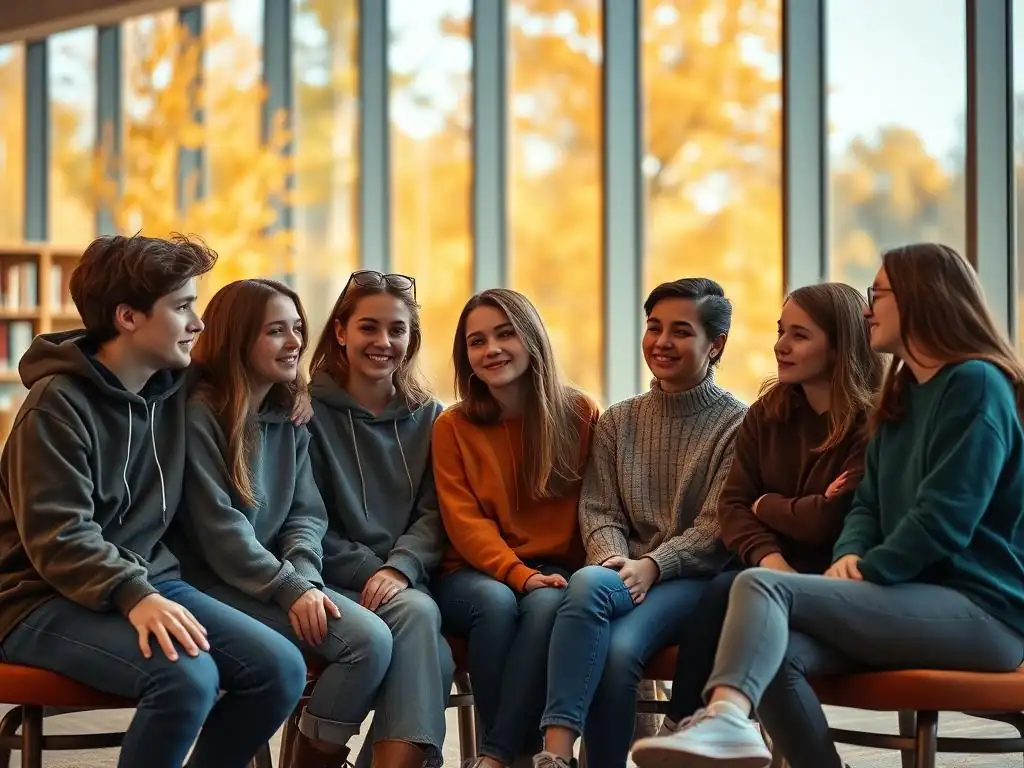
Welcome to Mind Care Guide, a sanctuary dedicated to nurturing your mental well-being.
Feeling overwhelmed? You're not alone. We understand the weight that mental health challenges can carry. That's why we've created a space filled with information, support, and resources to help you navigate your journey. Today, we delve into a crucial topic: how peer support prevents youth suicide. Discover the profound impact of connection and learn how fostering strong peer relationships can be a powerful lifeline. Ready to explore this vital topic and discover pathways to hope and healing?
The Power of Connection: How Peer Relationships Prevent Suicide in Youth
- Introduction: Understanding Youth Suicide and the Importance of Peer Support
- The Protective Power of Peer Relationships: How Friends Can Save Lives
- Peer Support Programs: Formalizing Connection for Youth Suicide Prevention
- Practical Strategies for Fostering Peer Connection and Preventing Suicide
- Overcoming Barriers to Peer Support: Addressing Stigma and Misconceptions
- The Role of Adults in Facilitating Peer Support and Preventing Youth Suicide
- Real-Life Examples: Stories of Peer Support Preventing Youth Suicide
- Resources and Support: Where to Find Help for Youth Suicide Prevention
- Conclusion: The Enduring Power of Connection in Preventing Youth Suicide
-
Frequently Asked Questions
- How does peer support specifically help prevent suicide in young people?
- What role do trained peer support specialists play in preventing youth suicide?
- What are some signs that a young person might benefit from peer support related to suicide prevention?
- How can schools and communities establish and maintain effective peer support programs for suicide prevention?
- Is peer support a replacement for professional mental health treatment in preventing youth suicide?
- Final Reflection: The Enduring Strength of Connection
- Ignite Your Circle of Support: Take Action Today!
Introduction: Understanding Youth Suicide and the Importance of Peer Support
The Alarming Rise of Suicide Rates Among Young People
The mental health crisis among young people is a pressing concern globally. Tragically, suicide has become one of the leading causes of death for individuals aged 10 to 24. While precise figures vary by region and year, data from organizations like the CDC in the United States consistently show that suicide rates in this age group have increased significantly over the past two decades.
For example, reports have indicated a rise of around 30-40% in suicide rates among 10-24 year olds between the early 2000s and the late 2010s, representing tens of thousands of young lives lost. This trend underscores the urgent need for effective prevention strategies.
This concerning increase is not isolated to one demographic but affects youth across diverse backgrounds, though some groups, such as LGBTQ+ youth and Indigenous youth, often face disproportionately higher rates. The reasons are complex, involving factors like increased academic pressure, social media influence, lack of access to mental healthcare, and societal stressors. Understanding this alarming trend is the first step in mobilizing resources and implementing interventions that can genuinely make a difference in the lives of vulnerable young people and reinforce how peer support prevents youth suicide.
Why Peer Connection Matters in Youth Suicide Prevention
In the landscape of youth mental health, peer relationships hold immense power. For teenagers and young adults, friends are often the primary source of support, understanding, and validation outside the family unit. They navigate similar developmental stages, face shared challenges, and communicate in ways that can be uniquely resonant. This makes the social environment created by peers a critical factor in mental well-being and a powerful avenue through which peer support prevents youth suicide.
Positive peer connections provide a sense of belonging, reduce feelings of isolation, and offer a space for open communication about struggles. When a young person is struggling with difficult emotions, stress, or even suicidal thoughts, a supportive friend can be the first point of contact, offering comfort, encouragement, and the crucial bridge to seeking help from trusted adults or professionals. The informal, non-judgmental nature of peer interactions can sometimes make them more accessible and less intimidating than formal support systems, highlighting the essential role peers play in prevention.
[Organization Name]: Your Resource for Youth Mental Well-being
[Organization Name] is dedicated to providing comprehensive resources and support for youth mental well-being. We understand the unique challenges young people face today and are committed to offering guidance, information, and pathways to help. Our mission is to empower youth, families, and communities with the knowledge and tools needed to navigate mental health issues effectively.
We believe that fostering mental well-being is a collective effort, involving education, support networks, and access to care. [Organization Name] serves as a central hub for reliable information on topics ranging from stress management and anxiety to crisis intervention and suicide prevention. We aim to break down the barriers of stigma and ensure that young people and those who care about them feel empowered to seek help and build resilience.
The Protective Power of Peer Relationships: How Friends Can Save Lives
Building a Supportive Peer Network: A Key Suicide Prevention Strategy
A strong, positive peer network acts as a significant protective factor against suicidal ideation and behavior in young people. Research consistently shows that social connection is a powerful antidote to the isolation and hopelessness that can fuel suicidal thoughts. When young people feel connected to their friends, they are more likely to share their struggles, feel understood, and have a sense of purpose and belonging, all of which decrease suicide risk. This is a fundamental way peer support prevents youth suicide.
Creating opportunities for young people to build and maintain healthy friendships should be a priority in schools and communities. This includes facilitating social activities, encouraging participation in clubs or sports, and teaching social-emotional skills. A robust peer network means having friends who are not only fun to be around but also trustworthy, empathetic, and willing to listen without judgment. Such networks provide an informal safety net, where concerns can be raised and support offered before a crisis point is reached.
Recognizing Signs of Distress: What to Look for in Friends
One of the most critical ways peer support prevents youth suicide is through early recognition of warning signs. While only mental health professionals can diagnose, friends are often the first to notice subtle or overt changes in a peer's behavior, mood, or communication that might indicate distress or suicidal thoughts. These signs can vary but often include significant changes from their usual self.
Common warning signs might include withdrawal from social activities they once enjoyed, changes in sleep patterns (sleeping much more or much less), changes in appetite or weight, increased irritability or sadness, talking about feeling hopeless or trapped, expressing feelings of being a burden, giving away prized possessions, or making direct or indirect statements about death or wanting to end their life. Friends who are attuned to these changes and understand their potential significance are better equipped to reach out and offer help.
Active Listening and Empathy: Tools for Peer Support
Active listening and empathy are indispensable tools in the hands of a supportive friend. When a peer is struggling, simply being present and truly listening without interruption or judgment can make a profound difference. Active listening involves paying full attention, showing you understand by nodding or using verbal cues, and reflecting back what you hear to ensure accuracy. It's about making the other person feel heard and validated.
Empathy is the ability to understand and share the feelings of another. For a friend supporting someone in distress, this means trying to see the world from their perspective, even if you don't fully understand their pain. Phrases like "It sounds like you're going through a really tough time" or "I can't imagine how hard that must be for you" can convey empathy and open the door for deeper sharing. These skills are not just passive traits but can be learned and practiced, making peer support more effective and reinforcing how peer support prevents youth suicide.
Peer Support Programs: Formalizing Connection for Youth Suicide Prevention
School-Based Peer Support Initiatives: Creating a Culture of Care
Schools are fertile ground for implementing structured peer support programs, leveraging the existing social networks of students. These programs can take various forms, such as peer mentoring, peer counseling, or student-led mental health clubs. The goal is to train students to support their peers, recognize signs of distress, and know how to connect them with adult help. For instance, a program might train high school juniors and seniors to mentor freshmen, providing guidance on navigating school and life challenges, which in turn builds connection and reduces isolation.
Successful school-based programs often include comprehensive training for peer supporters on topics like active listening, confidentiality boundaries, mental health awareness, and crisis referral protocols. They create a visible network of support within the school environment, normalizing seeking help and reducing the stigma associated with mental health issues. Data from schools with established programs often show improvements in student connectedness, reductions in bullying, and an increased number of students seeking help for mental health concerns, demonstrating how structured peer support prevents youth suicide in educational settings.
Community-Based Youth Mentoring Programs: Expanding the Support Network
Beyond the school walls, community-based youth mentoring programs offer another vital avenue for peer support, often connecting older youth or young adults with younger mentees. These programs provide consistent, positive role models and a stable supportive relationship outside of family or school. Mentors can offer guidance on personal development, academic goals, and navigating social challenges, while also being a trusted confidant for discussing emotional struggles.
These initiatives are particularly valuable for youth who may lack strong peer connections in their immediate environment or who face specific risk factors. A mentor might meet with a young person weekly, engaging in activities, talking through problems, and providing encouragement. The sustained, positive relationship built in these programs significantly enhances resilience and provides a critical layer of support that can help prevent youth suicide, by ensuring young people feel seen, valued, and connected to their community.
Online Peer Support Communities: Connecting Virtually for Mental Wellness
In the digital age, online platforms have emerged as significant spaces for peer connection, including for mental health support. Moderated online peer support communities specifically designed for youth offer a space where young people can connect with others who share similar experiences, challenges, or mental health conditions. These platforms provide accessibility and anonymity that can lower the barrier for youth to share their feelings and seek support.
While requiring careful moderation to ensure safety and prevent harmful interactions, effective online peer support communities can provide a sense of belonging and validation for young people who may feel isolated in their physical environments. They allow for sharing coping strategies, offering encouragement, and reminding peers that they are not alone. Examples include moderated forums or group chats focused on specific issues like anxiety, depression, or grief, illustrating a modern way peer support prevents youth suicide by leveraging digital connectivity.
Practical Strategies for Fostering Peer Connection and Preventing Suicide

Encouraging Open Communication About Mental Health Among Teens
Breaking the silence around mental health is crucial, and peers can play a significant role in this. Creating environments where teens feel safe to talk about their feelings, stress, anxiety, or depression without fear of judgment is paramount. This can be fostered through open conversations initiated by trusted peers, as well as through school or community campaigns that normalize discussing mental well-being. Encouraging teens to check in on their friends and ask "Are you okay?" in a genuine way opens the door for important conversations.
Educational initiatives aimed at teens about common mental health challenges and the importance of seeking help are also vital. When young people understand that mental health struggles are common and treatable, they are more likely to talk about their own experiences or support a friend who is struggling. Empowering teens with the language and confidence to discuss mental health matters strengthens the peer support network and directly contributes to how peer support prevents youth suicide.
Teaching Conflict Resolution and Healthy Relationship Skills
Healthy peer relationships are built on a foundation of respect, trust, and effective communication. Teaching young people conflict resolution skills helps them navigate disagreements and challenges within friendships constructively, preventing conflicts from escalating and damaging important connections. Skills like active listening, expressing needs assertively but respectfully, and finding mutually agreeable solutions are essential for maintaining positive peer dynamics.
Furthermore, educating youth about the characteristics of healthy versus unhealthy relationships (including signs of bullying, manipulation, or exclusion) helps them cultivate supportive friendships and avoid toxic ones. Understanding how to set boundaries, communicate expectations, and offer genuine support are learned skills. By equipping young people with these competencies, we empower them to build resilient peer networks that can serve as a protective buffer against the isolation and distress that can increase suicide risk, reinforcing that skilled peer support prevents youth suicide.
Promoting Inclusive Environments to Reduce Isolation and Bullying
Isolation and bullying are significant risk factors for youth suicide. Creating inclusive environments where all young people feel accepted, regardless of their background, identity, or differences, is a fundamental prevention strategy. Peers play a critical role in promoting inclusivity by actively reaching out to those who seem isolated, standing up against bullying and discrimination, and fostering a culture of kindness and acceptance.
Initiatives like anti-bullying campaigns, diversity and inclusion workshops, and student-led clubs focused on celebrating differences can help cultivate a more welcoming environment. When young people feel a strong sense of belonging within their peer group and community, they are less likely to experience the profound loneliness and despair that can contribute to suicidal thoughts. Promoting inclusivity is not just about preventing harm; it's about actively building connections that affirm the value of every young person, demonstrating how creating inclusive spaces through peer action helps prevent youth suicide.
Overcoming Barriers to Peer Support: Addressing Stigma and Misconceptions
Challenging the Stigma Surrounding Mental Illness in Youth
The stigma surrounding mental illness is a major barrier to young people seeking help and openly discussing their struggles, even with friends. Many teens fear being judged, misunderstood, or treated differently if they admit they are struggling with anxiety, depression, or other mental health conditions. This fear can lead to silence and isolation, preventing them from accessing the very support they need.
Challenging this stigma requires open dialogue, education, and visible role models. Sharing stories of recovery, highlighting the prevalence of mental health issues (statistics show that approximately 1 in 5 youth aged 13-18 experience a severe mental disorder), and emphasizing that seeking help is a sign of strength, not weakness, are crucial steps. Peers who are open about their own experiences or who are vocal advocates for mental health awareness can significantly reduce stigma within their social circles, making it easier for friends to confide in them and access the support that ensures peer support prevents youth suicide.
Addressing Fears and Misconceptions About Helping a Suicidal Friend
Many young people want to help a friend they are worried about but are held back by fear and misconceptions. Common fears include saying the wrong thing, making the situation worse, or being solely responsible for their friend's well-being. There's often a misconception that asking about suicide might plant the idea in someone's head, which is untrue; asking directly and caring can actually provide relief and an opportunity for help.
Educating youth on how to respond when a friend expresses suicidal thoughts is vital. This includes teaching them to take any mention of suicide seriously, to stay with the friend if possible, and to immediately involve a trusted adult (parent, counselor, teacher) or crisis resource. Providing clear, actionable steps empowers young people to overcome their fear and act, understanding that their role is to connect their friend to professional help, not to become their therapist. This knowledge is key to enabling peer support that prevents youth suicide effectively and safely.
Empowering Youth to Seek Help for Themselves and Others
Ultimately, the power of peer support is maximized when young people feel empowered to both offer help and seek it. This involves building self-efficacy – the belief in one's ability to handle situations and make positive changes. Empowering youth means providing them with information about mental health resources, teaching them self-advocacy skills, and fostering a sense that their well-being is important and worth investing in.
For those supporting a friend, empowerment comes from knowing they have the tools to recognize distress and the knowledge of how to connect their friend to appropriate resources without taking on undue responsibility. For those struggling themselves, empowerment means feeling capable of reaching out to a friend, family member, or professional when they need support. Creating a culture where asking for help is normalized and encouraged is perhaps the most powerful way peer support prevents youth suicide, by ensuring that help is sought and received.
The Role of Adults in Facilitating Peer Support and Preventing Youth Suicide
Training Teachers and Counselors in Peer Support Strategies
Adults, particularly those who work closely with youth like teachers, school counselors, and youth leaders, play a vital role in facilitating and supporting peer connection. Providing these adults with training in recognizing signs of distress in young people and understanding how to support peer initiatives is crucial. This training should cover mental health basics, crisis intervention principles, and strategies for guiding young people who are supporting friends.
Teachers and counselors can create classroom and school environments that encourage open communication and reduce stigma. They can identify students who might benefit from connecting with peers or formal support programs. Moreover, they serve as the essential link for peer supporters, providing supervision, guidance, and ensuring that young people at risk are connected with professional help when needed. Their informed involvement strengthens the entire peer support network and ensures that efforts to have peer support prevent youth suicide are safe and effective.
Parent Education: Fostering Healthy Communication and Support at Home
Parents and caregivers are foundational to a young person's support system. Educating parents about youth mental health, warning signs of distress, and the importance of open communication within the family is paramount. Parents can learn how to create a safe space for their children to talk about their feelings and experiences, including challenges with peer relationships.
Parent education programs can offer strategies for fostering resilience in youth, teaching coping skills, and navigating difficult conversations about topics like stress, depression, and suicide. When parents are informed and engaged, they can support their child's healthy peer relationships, monitor for signs of trouble, and collaborate with schools and mental health professionals. A supportive home environment complements positive peer interactions, building a comprehensive safety net where the protective factors that allow peer support to prevent youth suicide are maximized.
Adults can intentionally create physical and emotional safe spaces where young people feel comfortable connecting with peers and sharing their experiences. This could be a designated area in a school library, a youth center, or a structured group setting facilitated by a trusted adult. These spaces should be non-judgmental, confidential within appropriate boundaries, and clearly signal that mental health is a topic that can be discussed openly.
Such spaces allow for informal peer interactions as well as structured activities like support groups or workshops focused on specific topics. They provide a sense of community and belonging, particularly for youth who may struggle to find their place elsewhere. By providing these environments, adults facilitate the organic development of supportive peer relationships and provide a framework for formal peer support initiatives, strengthening the community's ability to ensure that peer support prevents youth suicide.
Real-Life Examples: Stories of Peer Support Preventing Youth Suicide

A Friend's Intervention: Recognizing and Responding to Suicidal Ideation
Consider the story of a high school student named Alex, who noticed his friend, Ben, had become withdrawn, stopped coming to basketball practice, and posted concerning messages online about feeling worthless. Alex didn't ignore these signs. Although scared, he remembered a presentation at school about mental health warning signs. He reached out to Ben, expressing his concern directly but kindly. When Ben admitted he was having suicidal thoughts, Alex stayed with him, didn't leave him alone, and immediately contacted the school counselor they both trusted, as he had learned was the right thing to do.
This simple, yet courageous, act of a friend recognizing signs and knowing how to connect Ben to adult help was a critical intervention. Ben received the professional support he desperately needed, and later shared that Alex's willingness to reach out made him feel seen and less alone in his darkest moment. This illustrates profoundly how peer support prevents youth suicide through vigilance, courage, and knowing the right steps to take in a crisis.
Peer Support Groups: Fostering Resilience and Reducing Isolation
In one community, a local youth center started a peer support group for teens struggling with anxiety and depression. Facilitated by a trained adult, the group provided a safe space for members to share their experiences, challenges, and coping strategies with peers who truly understood. One participant, Maria, shared that before joining the group, she felt completely isolated and overwhelmed by her anxiety, sometimes feeling life wasn't worth living.
Through sharing her story and hearing from others with similar struggles, Maria realized she wasn't alone. The group provided her with practical coping tools and, more importantly, a sense of belonging and acceptance. The regular connection and mutual support from her peers significantly reduced her feelings of isolation and built her resilience, demonstrating how structured peer support prevents youth suicide by building community and shared understanding.
School-Based Programs: Creating a Culture of Open Communication and Support
A large urban high school implemented a comprehensive peer-to-peer mental health program. Students were trained to be "Wellness Ambassadors," identifiable by t-shirts and badges. Their role was to promote mental health awareness, reduce stigma, and be a first point of contact for peers needing someone to talk to or needing information about resources. They organized awareness campaigns, ran drop-in listening sessions during lunch breaks, and knew the direct contact information for school counselors and crisis lines.
Within two years of implementing the program, the school reported a significant increase in the number of students self-referring to counseling services, as well as a noticeable shift in the school culture towards more open conversations about stress and mental health. Students felt there were more accessible avenues for support, and the Wellness Ambassadors successfully connected several students experiencing suicidal ideation with immediate professional help. This highlights how integrated, visible peer support prevents youth suicide by embedding mental health awareness and help-seeking pathways directly within the school environment.
Resources and Support: Where to Find Help for Youth Suicide Prevention
National Suicide Prevention Lifeline and Crisis Text Line
For immediate help, the National Suicide Prevention Lifeline ([Placeholder: Insert current phone number, e.g., 988 in the US]) provides 24/7 free and confidential support for people in distress, prevention and crisis resources for you or your loved ones. Connecting with trained crisis counselors can provide immediate support and guidance.
The Crisis Text Line ([Placeholder: Insert current text number, e.g., Text HOME to 741741 in the US]) offers similar support via text message, which many young people find more comfortable. Texting with a trained crisis counselor can provide immediate, confidential support and a connection to resources without requiring a phone call.
Mental Health Organizations Offering Youth-Specific Resources
Numerous national and local mental health organizations offer resources tailored specifically for youth. These may include websites with information about mental health conditions, coping strategies, advice for supporting friends, and directories of mental health professionals. Organizations like the National Alliance on Mental Illness (NAMI) and the Jed Foundation provide valuable information and programs focused on young people.
These resources can be invaluable for youth seeking to understand their own struggles, for friends wanting to learn how to help, and for adults supporting young people. Exploring the websites and materials provided by reputable mental health organizations can offer guidance on everything from recognizing symptoms to finding appropriate care, complementing the informal support provided by peers.
Local Community Mental Health Centers and Support Groups
Local community mental health centers offer professional services, including counseling, therapy, and crisis intervention, which are essential components of preventing youth suicide. These centers often have sliding scale fees or work with insurance, making mental healthcare more accessible. They can provide individual therapy, family therapy, and sometimes offer youth-specific support groups facilitated by professionals.
Support groups, whether run by community centers or other organizations, provide a structured environment for youth to connect with peers facing similar challenges, guided by a trained facilitator. These groups build community, reduce isolation, and offer shared strategies for coping and recovery, formalizing the power of peer connection in a therapeutic setting. Finding a local center or group can provide crucial professional support that works hand-in-hand with peer support networks.
Conclusion: The Enduring Power of Connection in Preventing Youth Suicide
Investing in Peer Support: A Crucial Step Towards a Healthier Future for Youth
The evidence is clear: peer relationships are not just important for social development; they are a critical protective factor in preventing youth suicide. Investing in initiatives that foster healthy peer connections, teach young people how to support one another, and empower them to seek and offer help is a crucial step towards addressing the youth mental health crisis. This investment is not just financial; it's an investment in building empathetic, connected communities where young people feel valued and supported.
Prioritizing peer support means integrating it into school curricula, funding community programs, and providing resources for online safety and connection. It means recognizing that young people have the capacity to care for each other and equipping them with the knowledge and skills to do so effectively and safely. This is a proactive approach that leverages the natural power of peer bonds to create a stronger safety net for all young people.
The Collective Responsibility: Creating a Community that Cares
Preventing youth suicide is a collective responsibility that extends beyond mental health professionals and into every corner of the community. Parents, educators, community leaders, and most importantly, peers, all have a role to play. Creating a community that cares means fostering open conversations about mental health, reducing stigma, and ensuring that help is accessible and visible.
It requires building environments where young people feel safe to be vulnerable, where they know their struggles are valid, and where they are surrounded by people who are willing to listen and help. When communities prioritize connection and well-being, they build a foundation of support that can reach young people before they reach a crisis point. This shared commitment is essential for ensuring that peer support prevents youth suicide effectively.
Remember: You Are Not Alone, and Help is Available
To any young person reading this who is struggling: please know that you are not alone. Your feelings are valid, and help is available. Reaching out is a sign of incredible strength. Talk to a trusted friend, a family member, a teacher, or a counselor. There are people who care about you and want to help you through this.
If you are worried about a friend, trust your instincts. Reach out, listen, and connect them with a trusted adult or crisis resource. Your connection can make a life-saving difference. The power of peer support is real, and by looking out for each other and knowing where to turn for help, we can build a future where more young people feel hopeful, connected, and supported.
Frequently Asked Questions
How does peer support specifically help prevent suicide in young people?
Peer support offers a sense of belonging and reduces feelings of isolation, which are major risk factors for suicide. It provides a safe space for sharing experiences and receiving empathy and understanding from others.
What role do trained peer support specialists play in preventing youth suicide?
Trained specialists are equipped with skills to identify warning signs, provide immediate support, and connect individuals with professional help when needed. They act as a crucial link in the overall mental health support system.
Signs can include withdrawal from friends and activities, expressing feelings of hopelessness, or experiencing significant life stressors. Changes in behavior and expressions of suicidal thoughts are serious red flags.
How can schools and communities establish and maintain effective peer support programs for suicide prevention?
Successful programs require dedicated funding, comprehensive training for peer leaders, and ongoing supervision from mental health professionals. Creating a culture of openness and acceptance is also essential.
Is peer support a replacement for professional mental health treatment in preventing youth suicide?
No, peer support is not a replacement for professional help. It serves as a valuable complement to therapy and other interventions, providing crucial emotional support and connection.
Final Reflection: The Enduring Strength of Connection
The alarming rise in youth suicide rates underscores the urgent need to strengthen the protective factors that safeguard young lives, and peer support emerges as a crucial, often overlooked, element in this fight. We've explored the profound impact of positive peer relationships on mental health, demonstrating how a strong sense of belonging and mutual support can act as a powerful buffer against suicidal ideation and attempts. This isn't just a statistic; it's a lifeline.
The influence of peer connection extends far beyond the immediate circle of friends. It shapes our self-perception, our sense of identity, and our ability to navigate the complexities of adolescence. The power of shared experiences, mutual understanding, and the simple act of feeling seen and heard cannot be underestimated. As the saying goes, It takes a village to raise a child,
and within that village, the bonds forged between young people themselves are vital threads in the fabric of their well-being. This is a truth that resonates deeply, both personally and professionally, reminding us of the importance of fostering supportive environments in schools, communities, and online spaces.
You, the reader, now hold the knowledge to be a part of the solution. Consider how you can actively cultivate meaningful connections in your own life, and how you can contribute to creating a more supportive environment for the young people around you. Listen attentively, offer empathy, and be a beacon of hope.
By fostering a culture of connection and understanding, we can collectively work towards a future where every young person feels valued, supported, and empowered to overcome their challenges. Let's build a world where peer support is not just a preventative measure, but a cornerstone of youth well-being.
Ignite Your Circle of Support: Take Action Today!
Thanks for taking the time to explore the vital role of peer connection in youth suicide prevention. You've gained valuable insights into building stronger, more supportive relationships – a powerful tool for positive mental health. Now, let's put that knowledge into action!
- Prioritize reaching out: Schedule a genuine conversation with a young person in your life today. Ask about their well-being, listen actively, and offer your support without judgment. This single act can make a world of difference.
- Share this article: Spread awareness by sharing this article with friends, family, educators, or anyone who works with young people. Let's build a larger network of support together.
- Join the conversation: Share your thoughts and experiences in the comments below. What strategies have you found effective in fostering strong peer connections? Let's learn from each other.
What small step will you take today to strengthen the connections in your life and help prevent youth suicide?