
Finding Pathways to Healing: Resources and Support for Indigenous Peoples

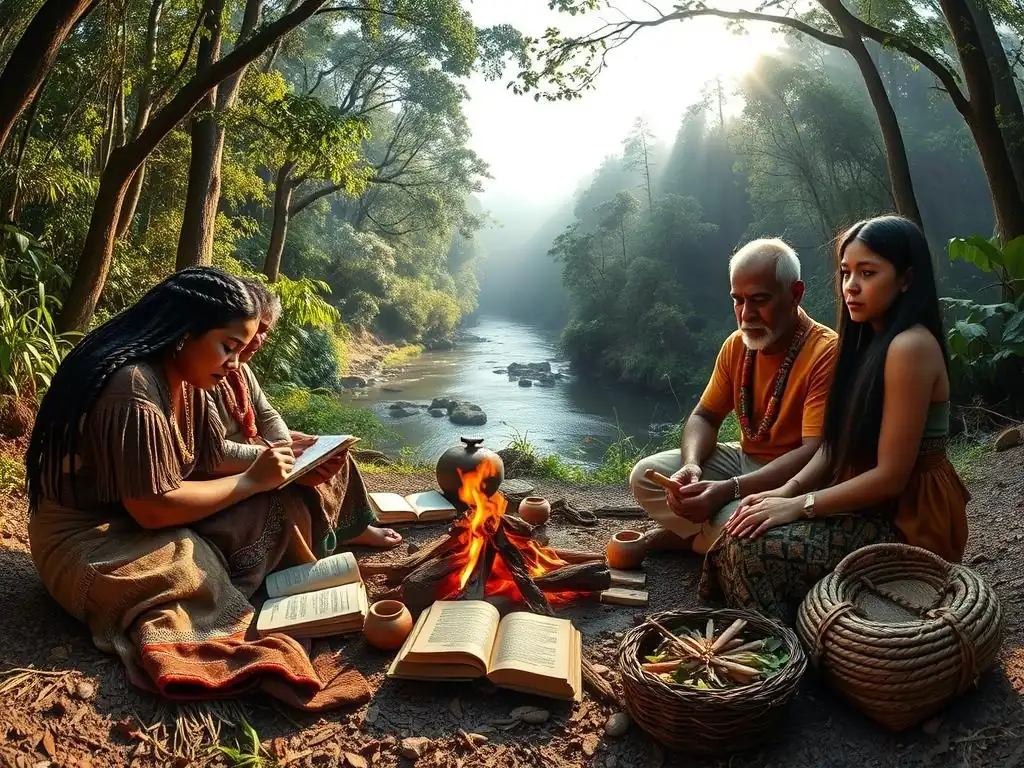
Welcome to Mind Care Guide.
Feeling overwhelmed and searching for culturally relevant mental health support? You're not alone. We understand the unique challenges faced by Indigenous communities and are dedicated to providing pathways to healing. This guide focuses on Indigenous mental health support resources, offering a comprehensive overview of available programs and services. But where do you even begin? Let's explore the vital resources that can help you, or someone you care about, find strength and resilience.
- Finding Pathways to Healing: Indigenous Mental Health Support Resources and Suicide Prevention
- Accessing Indigenous Mental Health Services: A Comprehensive Guide
- Indigenous-Led Organizations: Pillars of Mental Health Support
- Government Resources for Indigenous Mental Health and Wellbeing
- Telehealth and Digital Mental Health Resources for Indigenous Peoples
- Traditional Healing Practices: Integrating Culture and Mental Wellness
- Addressing Trauma and Historical Grief in Indigenous Mental Health Care
- Suicide Prevention Strategies in Indigenous Communities: A Collaborative Approach
- Supporting Indigenous Youth: Promoting Mental Wellness and Resilience
- Building a Stronger Future: Advocacy and Systemic Change for Indigenous Mental Health
- Resources Directory: A Curated List of Indigenous Mental Health Support
-
Frequently Asked Questions
- What are some of the biggest barriers to accessing Indigenous mental health support resources?
- Where can I find a directory of Indigenous mental health support resources near me?
- What are some culturally appropriate approaches used in Indigenous mental health support?
- How can I, as a non-Indigenous person, be a better ally in supporting Indigenous mental health?
- What types of Indigenous mental health support resources are available for youth?
- Final Reflection: Weaving Paths to Wellness
- Ignite Your Healing Journey: Take the Next Step
Finding Pathways to Healing: Indigenous Mental Health Support Resources and Suicide Prevention
Understanding the Crisis: Mental Health Challenges in Indigenous Communities
Indigenous peoples across the globe face significant disparities in mental health outcomes compared to non-Indigenous populations. These challenges are deeply rooted in historical trauma, including the lasting impacts of colonization, forced assimilation policies like residential schools, land displacement, and ongoing systemic discrimination.
The intergenerational transmission of trauma contributes to higher rates of depression, anxiety, post-traumatic stress disorder (PTSD), and substance use disorders. For instance, studies have consistently shown that suicide rates among Indigenous youth in some regions can be up to five to seven times higher than their non-Indigenous peers, highlighting a profound crisis that demands urgent attention and culturally appropriate Indigenous mental health support resources.
The complex interplay of social determinants of health, such as poverty, lack of adequate housing, limited access to quality education, and insufficient healthcare infrastructure, further exacerbates these mental health burdens. These factors create significant barriers to accessing timely and effective care.
Many communities, particularly those in remote or rural areas, lack sufficient numbers of mental health professionals, and those available may not be trained in culturally sensitive approaches. This systemic neglect has created a cycle where mental health issues are often left untreated or inadequately addressed, perpetuating cycles of distress and contributing to the critical need for accessible Indigenous mental health support resources.
The Urgent Need for Culturally Sensitive Indigenous Mental Health Support
Culturally sensitive mental health support is not merely a preference; it is a necessity for effective healing within Indigenous communities. Mainstream Western therapeutic approaches often fail to acknowledge the unique cultural contexts, worldviews, and historical experiences of Indigenous peoples. Effective Indigenous mental health support resources must integrate traditional healing practices, respect Indigenous knowledge systems, and be delivered by providers who understand and honor cultural values, family structures, and community dynamics. Without this cultural attunement, interventions can be ineffective or even harmful, further eroding trust in healthcare systems that have historically caused harm.
The demand for mental health services that are grounded in Indigenous cultures far outstrips the current supply. Many communities are actively working to reclaim traditional healing methods and integrate them with clinical approaches, creating models of care that are holistic and community-driven. These models recognize that mental wellness is interconnected with spiritual, emotional, and physical health, as well as connection to land, language, and community. Developing and expanding such culturally sensitive Indigenous mental health support resources is paramount to addressing the mental health crisis and fostering genuine healing and resilience.
Accessing Indigenous Mental Health Services: A Comprehensive Guide
Navigating the healthcare system to find appropriate mental health support can be challenging for anyone, and these difficulties are often amplified for Indigenous individuals facing unique systemic barriers. The process involves identifying providers or organizations that not only offer mental health services but also have a demonstrated understanding of Indigenous cultures and experiences.
This may involve seeking out clinics run by Indigenous organizations, exploring services offered through tribal health departments, or looking for individual practitioners who specialize in working with Indigenous populations and incorporate cultural competency training. Finding the right fit requires patience and persistence, often starting with inquiries within one's community or through national Indigenous mental health support resources directories, where available.
It is important to inquire about a provider's experience and training in culturally sensitive care, their understanding of historical trauma, and their willingness to integrate traditional healing practices if that is something the individual desires. Questions about their approach to family involvement, given the importance of family and community in many Indigenous cultures, can also be helpful.
While finding a provider who is themselves Indigenous can be beneficial, many non-Indigenous providers are committed to providing culturally safe care through ongoing education and collaboration with community members and elders. The goal is to find a supportive relationship built on trust and mutual respect, which is fundamental to effective mental health support for Indigenous peoples.
Key Considerations When Choosing Indigenous Mental Health Support
When selecting Indigenous mental health support resources, several key factors should guide the decision-making process. Foremost is cultural responsiveness: does the service or provider understand and respect your cultural background, traditions, and values? This includes acknowledging the impact of historical trauma and systemic issues on mental health. Another crucial consideration is accessibility – is the service geographically convenient, available during suitable hours, and are there transportation options or telehealth possibilities? Financial considerations are also vital; understanding insurance coverage, eligibility for services through tribal health programs, or the availability of sliding scale fees is essential.
Furthermore, consider the type of services offered. Do they align with your needs, whether it's individual counseling, group therapy, family counseling, substance use treatment, or crisis intervention? Integrated care models that address physical, mental, and spiritual health holistically are often preferred within Indigenous communities. Finally, trust and rapport with the provider are paramount. Feeling safe, heard, and understood is the foundation of effective therapy. Don't hesitate to ask questions during initial consultations to gauge compatibility and ensure the service aligns with your personal healing journey and preferences for Indigenous mental health support.
Indigenous-Led Organizations: Pillars of Mental Health Support
Native American Rehabilitation Association (NARA) Northwest and Its Mental Health Programs
The Native American Rehabilitation Association (NARA) Northwest, based in Portland, Oregon, stands as a significant example of an Indigenous-led organization providing comprehensive health services, including critical mental health support, to Native Americans and Alaska Natives. NARA Northwest offers a wide range of behavioral health services designed with cultural sensitivity at their core. These programs typically include individual counseling, group therapy, and family counseling, often integrating traditional healing practices alongside evidence-based clinical methods. They address issues such as historical trauma, substance use disorders, depression, anxiety, and other mental health challenges prevalent in the communities they serve.
NARA Northwest's approach emphasizes holistic wellness, recognizing the interconnectedness of mind, body, and spirit. Their mental health programs are staffed by professionals who are either Indigenous themselves or are trained in culturally responsive care, ensuring that services are delivered in a respectful and understanding manner. By providing accessible, culturally appropriate Indigenous mental health support resources, NARA Northwest plays a vital role in improving the well-being of urban Indian populations and those from surrounding areas, serving as a model for other organizations seeking to provide effective care within Indigenous communities.
National Indian Council on Aging (NICOA) and Its Mental Health Initiatives
The National Indian Council on Aging (NICOA) is dedicated to advocating for and supporting Indigenous elders across the United States, a population group that also faces unique mental health challenges. NICOA recognizes that elders often carry the burden of historical trauma and may experience isolation, grief, and age-related mental health issues like depression or cognitive decline. Their initiatives often focus on promoting the well-being of elders through programs that support social connection, cultural engagement, and access to health resources, including mental health support.
While NICOA may not directly provide clinical therapy in the same way as a healthcare provider, they are a crucial source of information, advocacy, and program development aimed at improving the lives of Native elders. Their work often involves connecting elders with available resources, advocating for policies that address their specific needs, and promoting programs that support their mental and emotional health, such as cultural activities, support groups, and access to elder care services that include mental wellness components.
NICOA's efforts are vital in ensuring that Indigenous elders, who are the keepers of cultural knowledge and resilience, have access to the support they need, reinforcing the importance of comprehensive Indigenous mental health support resources across all age groups.
Government Resources for Indigenous Mental Health and Wellbeing

Indian Health Service (IHS) Programs Supporting Indigenous Mental Health
The Indian Health Service (IHS) is the principal federal healthcare provider for federally recognized American Indians and Alaska Natives, offering a range of health services, including behavioral health. IHS operates hospitals, clinics, and health stations across the country, many of which provide mental health and substance use treatment services.
These services aim to address the significant mental health disparities faced by Indigenous populations by offering access to counseling, therapy, psychiatric care, and crisis intervention. The scope and availability of specific mental health programs can vary significantly depending on the service unit and location, but they represent a primary source of care for many individuals living on or near reservations.
IHS mental health programs often strive to incorporate culturally relevant practices and employ staff who understand the unique historical and social contexts of the communities they serve. While challenges exist regarding funding, staffing levels, and access in remote areas, IHS remains a critical component of the network of Indigenous mental health support resources. Efforts are ongoing to expand services, improve the quality of care, and integrate behavioral health with primary care to provide more holistic treatment approaches for Indigenous individuals and families.
Substance Abuse and Mental Health Services Administration (SAMHSA) Tribal Affairs Initiatives
The Substance Abuse and Mental Health Services Administration (SAMHSA), a federal agency within the U.S. Department of Health and Human Services, has specific initiatives focused on addressing the behavioral health needs of American Indians and Alaska Natives. SAMHSA provides grants, technical assistance, and resources to tribal governments and Indigenous organizations to develop and implement culturally appropriate mental health and substance use prevention and treatment programs. These initiatives aim to empower communities to design and deliver services that are tailored to their unique cultural contexts and priorities.
SAMHSA's Tribal Affairs office works to ensure that the voices of Indigenous communities are heard in federal policy and program development. Through various grant programs, SAMHSA supports a wide range of activities, including youth suicide prevention efforts, trauma-informed care initiatives, and the integration of traditional healing practices into behavioral health services. By investing in tribal capacity and supporting community-driven solutions, SAMHSA contributes significantly to the expansion and effectiveness of Indigenous mental health support resources available across the nation.
Telehealth and Digital Mental Health Resources for Indigenous Peoples
Expanding Access: Telehealth Services Tailored for Indigenous Communities
Telehealth, or the delivery of healthcare services through telecommunications technology, has emerged as a vital tool for expanding access to mental health support for Indigenous peoples, particularly those living in remote or underserved areas. Many reservations and rural communities lack sufficient local mental health professionals, requiring individuals to travel long distances for appointments. Telehealth services, including video counseling and telepsychiatry, can bridge this gap by connecting individuals with therapists and psychiatrists regardless of geographical barriers, offering a more convenient and sometimes more comfortable way to access care.
Implementing telehealth services in Indigenous communities requires careful consideration of infrastructure challenges, such as internet access and digital literacy, as well as cultural factors to ensure privacy and trust. However, when implemented thoughtfully, telehealth can provide timely access to culturally sensitive Indigenous mental health support resources, allowing individuals to receive care from providers who may be located elsewhere but possess the necessary cultural competence. Several programs are now leveraging technology to provide remote therapy and support groups specifically for Indigenous clients, increasing the reach of vital services.
We R Native: A Comprehensive Health Resource for Native Youth
We R Native is an excellent example of a digital platform designed specifically for Native youth, offering comprehensive health resources, including significant mental health support. Developed by the Northwest Portland Area Indian Health Board, We R Native provides culturally relevant information and interactive content on topics like mental wellness, suicide prevention, substance use, and healthy relationships. The platform utilizes various formats, including articles, videos, Q&As with health experts, and personal stories from other Native youth, making the information accessible and engaging.
Crucially, We R Native offers a direct way for young people to get help, often including contact information for crisis lines and helplines specifically for Native youth. It serves as a safe online space where young people can find information, feel less alone, and learn about available Indigenous mental health support resources. The platform is designed to be empowering and positive, promoting resilience and connection to culture, serving as a vital digital resource in the landscape of mental health support for Indigenous youth.
Traditional Healing Practices: Integrating Culture and Mental Wellness
The Role of Elders and Traditional Healers in Indigenous Mental Health
Elders and traditional healers hold deeply respected positions within Indigenous communities and play an invaluable role in mental wellness and healing. They are keepers of traditional knowledge, cultural practices, ceremonies, and oral histories, which are essential components of Indigenous identity and well-being. Traditional healing approaches often view health holistically, understanding that mental distress can be linked to spiritual imbalance, disconnection from community or land, or unresolved historical trauma. These healers utilize a variety of methods, including ceremonies, prayer, plant medicines, storytelling, and counseling rooted in cultural teachings.
Integrating the wisdom and practices of elders and traditional healers into contemporary mental health support systems is a crucial aspect of providing culturally appropriate care. Many individuals find profound healing and comfort in these traditional ways, which complement or sometimes serve as an alternative to Western clinical approaches. Collaboration between clinical providers and traditional healers, when done respectfully and appropriately, can offer a more comprehensive and effective pathway to healing for Indigenous peoples, reinforcing the interconnectedness of culture, spirituality, and mental health.
Connecting with Cultural Heritage for Healing and Resilience
Connection to cultural heritage is a powerful protective factor for mental health and a significant pathway to healing for Indigenous individuals. Engaging in traditional practices, learning ancestral languages, participating in ceremonies, connecting with the land, and understanding one's history and identity can foster a strong sense of self, belonging, and resilience. These cultural connections provide a buffer against the negative impacts of historical trauma and discrimination, offering sources of strength, pride, and community support.
Programs that promote cultural revitalization and engagement are increasingly recognized as vital components of Indigenous mental health support resources. Initiatives focused on language preservation, traditional arts and crafts, drumming circles, storytelling, and connection to ancestral lands help individuals reconnect with their roots and find healing through cultural expression and community connection. This emphasis on cultural resilience highlights that mental wellness is not solely about treating illness but also about nurturing identity, reclaiming strength, and celebrating the enduring spirit of Indigenous peoples.
Addressing Trauma and Historical Grief in Indigenous Mental Health Care
Understanding the Impact of Intergenerational Trauma
Intergenerational trauma refers to the transmission of the effects of trauma across generations. For Indigenous peoples, this is often linked to historical events such as colonization, residential schools, forced removals, and the suppression of cultural practices. The profound psychological, emotional, and social wounds inflicted during these periods did not simply disappear but were passed down through families and communities, impacting parenting styles, communication patterns, coping mechanisms, and overall well-being. This can manifest as higher rates of mental health conditions, substance use issues, and chronic physical health problems in subsequent generations.
Recognizing and understanding the pervasive impact of intergenerational trauma is fundamental to providing effective Indigenous mental health support resources. Traditional Western therapeutic models may not adequately address this complex layer of trauma. Healing requires approaches that acknowledge the historical context, validate the lived experiences of individuals and communities, and work towards breaking cycles of trauma transmission through culturally informed interventions that promote healing, resilience, and cultural strength.
Trauma-Informed Approaches to Indigenous Mental Health Treatment
Trauma-informed care is an approach that recognizes the widespread impact of trauma and understands potential paths for recovery. In the context of Indigenous mental health, this means services are designed to avoid re-traumatizing individuals and to actively support healing from trauma. Key principles include creating a safe and trustworthy environment, promoting peer support, fostering collaboration and mutuality, empowering individuals, and addressing cultural, historical, and gender issues. For Indigenous peoples, this must explicitly include acknowledging the impact of historical and intergenerational trauma.
Trauma-informed Indigenous mental health support resources integrate an understanding of cultural context and historical experiences into all aspects of service delivery. This might involve using healing practices that are culturally relevant, ensuring providers are trained in culturally specific trauma responses, and empowering communities to lead their own healing initiatives. Examples include trauma-focused therapies adapted for cultural context, talking circles focused on healing from collective trauma, and programs that reconnect individuals with cultural practices that promote resilience and well-being.
Suicide Prevention Strategies in Indigenous Communities: A Collaborative Approach

Community-Based Suicide Prevention Programs
Addressing the disproportionately high rates of suicide in Indigenous communities requires prevention strategies that are deeply rooted in and led by the communities themselves. Effective community-based programs recognize that suicide is a complex issue influenced by a range of factors, including historical trauma, social determinants of health, and lack of access to culturally appropriate care. These programs focus on building community resilience, promoting mental wellness, fostering cultural connectedness, and increasing access to support services. Examples include peer support networks, youth mentorship programs, cultural activities that strengthen identity, and community-wide awareness campaigns.
Collaboration is key, involving tribal leaders, elders, mental health professionals, educators, and community members working together to create safe and supportive environments. These initiatives often prioritize early intervention, identifying individuals at risk and connecting them with help. Funding and sustaining these vital community-led Indigenous mental health support resources are critical steps in empowering communities to address suicide and promote healing from within.
Early Intervention and Crisis Response for Indigenous Youth
Given the alarmingly high rates of suicide among Indigenous youth, early intervention and robust crisis response systems are paramount. Early intervention focuses on identifying risk factors and warning signs in young people and providing support before a crisis occurs. This can involve school-based mental health programs, youth centers that offer safe spaces and counseling, and training for adults who work with youth to recognize signs of distress. Programs that strengthen protective factors, such as cultural identity, family support, and positive peer relationships, are also crucial preventative measures.
Effective crisis response for Indigenous youth requires readily accessible services that are culturally sensitive and trauma-informed. This includes crisis hotlines staffed by individuals trained in culturally appropriate communication, mobile crisis units that can respond quickly in communities, and safe places for youth to go during a crisis. Ensuring that these services are known within the community and that youth feel safe reaching out for help is a continuous effort that requires dedicated Indigenous mental health support resources and community trust.
Supporting Indigenous Youth: Promoting Mental Wellness and Resilience
Mentorship Programs for Indigenous Youth
Mentorship programs are powerful tools for promoting mental wellness and resilience among Indigenous youth. Connecting young people with positive adult role models, particularly elders and respected community members, can provide guidance, support, and a sense of belonging. Mentors can share cultural knowledge, teach traditional skills, offer emotional support, and help youth navigate challenges, including those related to identity, education, and navigating systemic barriers. These relationships build trust and provide a safe space for youth to discuss their struggles and aspirations.
Culturally grounded mentorship programs, such as those that incorporate traditional activities or language learning, can significantly strengthen a young person's connection to their heritage, which is a known protective factor for mental health. By fostering positive relationships and reinforcing cultural pride, mentorship programs contribute significantly to building the resilience of Indigenous youth and connecting them with supportive networks that are essential for their mental well-being.
Addressing Substance Abuse and Mental Health in Indigenous Youth
Substance abuse and mental health issues are often intertwined, and addressing this co-occurrence is critical for supporting Indigenous youth. High rates of substance use among young people can be linked to factors such as trauma, lack of opportunity, peer pressure, and limited access to healthy coping mechanisms. Effective programs must address both the substance use and the underlying mental health challenges simultaneously, using integrated treatment approaches that are culturally sensitive and youth-friendly.
Programs that offer culturally appropriate counseling, substance use treatment specific to adolescents, support groups, and activities that promote healthy lifestyles and positive peer connections are vital. Prevention efforts that focus on building resilience, teaching coping skills, promoting cultural identity, and creating supportive school and community environments are equally important. Ensuring that young people have access to a range of Indigenous mental health support resources, including those specifically designed for co-occurring disorders, is essential for their healing and long-term well-being.
Building a Stronger Future: Advocacy and Systemic Change for Indigenous Mental Health
Advocating for Culturally Competent Mental Health Policies
Achieving equitable mental health outcomes for Indigenous peoples requires systemic change, beginning with advocating for culturally competent mental health policies at all levels of government and within healthcare institutions. Policies must acknowledge the unique historical context and ongoing challenges faced by Indigenous communities and prioritize funding and resources for culturally appropriate services. This includes supporting the development and expansion of Indigenous-led mental health programs, investing in training for culturally competent providers (both Indigenous and non-Indigenous), and ensuring that policies respect tribal sovereignty in healthcare delivery.
Advocacy efforts involve raising awareness among policymakers, healthcare administrators, and the general public about the disparities in Indigenous mental health and the importance of culturally sensitive approaches. Organizations and individuals working in this space push for increased funding for IHS and tribal health programs, better integration of traditional healing practices into healthcare systems, and policies that address the social determinants of health that impact mental wellness in Indigenous communities. Such advocacy is crucial for creating a future where all Indigenous peoples have access to the quality mental health support resources they need and deserve.
Empowering Indigenous Voices in Mental Health Reform
True reform in Indigenous mental health care can only happen when Indigenous voices are at the forefront of the process. Empowering communities, individuals, and organizations to lead the design, implementation, and evaluation of mental health services is essential. This means respecting tribal sovereignty and self-determination in healthcare decisions and ensuring that Indigenous perspectives, knowledge, and priorities guide policy development and program design. Initiatives that support the training and recruitment of Indigenous mental health professionals are also vital for building capacity within communities.
Empowering Indigenous voices involves creating platforms for sharing experiences, identifying needs, and proposing solutions. This can take many forms, from community consultations and tribal health committees to national advocacy groups. By centering Indigenous leadership and expertise, efforts to improve mental health support resources for Indigenous peoples can be more effective, equitable, and sustainable, leading to services that truly meet the needs and reflect the strengths of the communities they serve.
Resources Directory: A Curated List of Indigenous Mental Health Support
National Indigenous Mental Health Helplines and Crisis Lines
Several national helplines and crisis lines are available specifically for Indigenous peoples, offering immediate support and connection to resources. These lines are often staffed by individuals who are either Indigenous or have received specialized training in culturally sensitive crisis intervention. They provide confidential support for individuals experiencing mental health crises, suicidal thoughts, or emotional distress, offering a vital lifeline and connecting callers to further Indigenous mental health support resources in their area. These services are available 24/7 and are designed to be safe and accessible for Indigenous individuals seeking help.
Indigenous-Specific Mental Health Websites and Organizations
Numerous websites and organizations are dedicated to providing information, support, and resources related to Indigenous mental health. These platforms often feature culturally relevant content, directories of services, information on traditional healing practices, and resources for specific populations like youth or elders. They serve as valuable online hubs for individuals seeking to learn more about mental wellness, find support networks, and locate Indigenous mental health support resources available nationally or regionally. Examples include organizations focused on specific tribes or regions, as well as broader national advocacy and service providers.
Local Indigenous Mental Health Services by Region
Across the country, local Indigenous mental health services are available through various avenues, including tribal health departments, urban Indian health clinics, and Indigenous-led community organizations. The availability and type of services vary by region and community. These local resources often provide a range of services such as counseling, therapy, substance use treatment, and access to traditional healers.
Finding local Indigenous mental health support resources typically involves contacting tribal governments, urban Indian centers, or utilizing directories provided by national Indigenous health organizations. These local services are crucial as they are often best positioned to understand and respond to the specific needs and cultural contexts of the communities they serve.
Frequently Asked Questions
What are some of the biggest barriers to accessing Indigenous mental health support resources?
Barriers often include cultural insensitivity within mainstream healthcare, geographical limitations in remote communities, and a lack of trust stemming from historical trauma.
Where can I find a directory of Indigenous mental health support resources near me?
Mind Care Guide offers a comprehensive listing of resources. You can also check with local Indigenous organizations or tribal governments for specific programs and services in your area.
What are some culturally appropriate approaches used in Indigenous mental health support?
Approaches often involve traditional healing practices, connection to land and community, and acknowledgement of the spiritual and cultural dimensions of well-being.
How can I, as a non-Indigenous person, be a better ally in supporting Indigenous mental health?
Educate yourself about Indigenous history and culture, listen to and amplify Indigenous voices, and support organizations that are working to improve access to culturally appropriate care.
What types of Indigenous mental health support resources are available for youth?
Resources often include youth-specific programs focused on cultural identity, mentorship opportunities, and culturally sensitive counseling services designed to address issues like intergenerational trauma and substance abuse.
Final Reflection: Weaving Paths to Wellness
The urgent need for accessible and culturally appropriate mental health support for Indigenous peoples remains a critical issue today. The statistics are stark, revealing alarming disparities in mental health outcomes compared to the broader population. This disparity is not simply a matter of numbers; it represents a profound failure to address the historical trauma and ongoing systemic challenges that significantly impact the well-being of Indigenous communities.
The journey towards healing is not a linear one, but a complex tapestry woven from resilience, cultural revitalization, and the provision of adequate resources. It requires a deep understanding of the intergenerational trauma stemming from colonization, displacement, and the ongoing struggle for self-determination. The importance of community-based initiatives, culturally safe spaces, and the integration of traditional healing practices cannot be overstated. Healing is a journey, not a destination.
This simple truth underscores the ongoing need for commitment and sustained effort in supporting Indigenous mental wellness.
You, the reader, now hold the knowledge to understand the complexities of Indigenous mental health and the vital role you can play in fostering positive change. Consider how you can actively contribute to creating a more equitable and supportive environment. This might involve advocating for policy changes, supporting Indigenous-led organizations, educating yourself and others about the challenges faced, or simply listening with empathy and respect to the voices and experiences of Indigenous individuals. Let us collectively weave a stronger, more resilient path towards wellness for all.
Ignite Your Healing Journey: Take the Next Step
Thank you for taking the time to explore the vital resources and support available for Indigenous peoples on their healing journeys. We hope this article provided valuable insights and empowered you to seek the help you deserve.
Now, let's turn this knowledge into action. Here's how you can continue your journey:
- Connect with a culturally-relevant support network: Research local organizations dedicated to Indigenous mental health and wellbeing. Many offer peer support groups, traditional healing practices, and essential resources tailored to your specific needs. This is your primary step towards finding healing that resonates with you.
- Share this article with someone who could benefit: Spread awareness and help others find the support they need. Your act of sharing can make a significant difference in someone's life.
- Explore traditional healing practices: Investigate the rich heritage of Indigenous healing traditions in your community. Learning about these practices can offer a deeper understanding of yourself and your path towards healing.
What specific step will you take today to prioritize your mental and emotional wellbeing?