
Online Mindfulness Courses for Managing Difficult Emotions


Welcome to Mind Care Guide, your sanctuary for navigating the complexities of mental well-being. Feeling overwhelmed by difficult emotions? You're not alone. Explore how online mindfulness courses can be a powerful tool in managing these challenges, fostering inner peace, and building resilience. Discover the transformative potential within – your journey to emotional well-being starts here.
Online Mindfulness Courses for Managing Difficult Emotions: A Mind Care Guide
- Why Mindfulness Courses Are Essential for Emotional Regulation
- Choosing the Right Mindfulness Course for Emotional Regulation: Key Considerations
-
Top Mindfulness Courses to Help Manage Difficult Emotions: A Comparative Review
- 1. Mindful Self-Compassion (MSC) Training: Cultivating Kindness Towards Yourself
- 2. Trauma-Sensitive Mindfulness (TSM): A Gentle Approach to Healing
- 3. Headspace: Guided Mindfulness for Everyday Emotional Challenges
- 4. Insight Timer: A Free Resource for Exploring Mindfulness and Emotional Regulation
- 5. UCLA Mindful Awareness Research Center (MARC): Science-Based Mindfulness for Emotional Health
- Deep Dive: How Mindfulness Techniques Help Regulate Emotions
- Integrating Mindfulness into Your Daily Life for Sustainable Emotional Well-being
- Advanced Mindfulness Practices for Deepening Emotional Regulation Skills
- The Future of Mindfulness: Innovations in Online Emotional Well-being
- Partnering with Mental Health Professionals for Comprehensive Emotional Support
- Conclusion: Embracing Mindfulness for a More Balanced and Emotionally Resilient Life
-
Frequently Asked Questions
- What are the main benefits of taking online mindfulness courses for managing difficult emotions?
- How do online mindfulness courses specifically help in managing difficult emotions like anxiety or anger?
- Are online mindfulness courses effective for everyone, or are there specific individuals who might benefit most?
- What features should I look for when choosing an online mindfulness course for managing difficult emotions?
- How long does it typically take to see noticeable improvements in emotional regulation after starting an online mindfulness course?
- Final Reflection: Cultivating Inner Peace in a Digital Age
- Unlock Your Inner Calm: Start Your Mindfulness Journey Today!
Why Mindfulness Courses Are Essential for Emotional Regulation
Understanding the Link Between Mindfulness and Emotional Well-being
Mindfulness is fundamentally about paying attention to the present moment without judgment. This practice cultivates a heightened awareness of our thoughts, feelings, bodily sensations, and surrounding environment as they arise. By observing these internal states without immediately reacting, we create space between the emotion itself and our response to it. This space is crucial for emotional regulation, allowing us to choose a thoughtful response rather than being swept away by intense feelings like anger, anxiety, or sadness. Engaging in mindfulness courses helps individuals develop this capacity for non-reactive observation, which is a cornerstone for managing difficult emotions effectively.
Research consistently demonstrates the positive impact of mindfulness training on emotional processing. Studies, such as those conducted by institutions like the National Institutes of Health, indicate that regular mindfulness practice can lead to measurable changes in brain areas associated with emotion regulation, such as the prefrontal cortex. For instance, a meta-analysis published in Frontiers in Human Neuroscience in 2015 reviewed numerous studies and found that mindfulness meditation significantly reduces symptoms of anxiety and depression. This scientific backing underscores why mindfulness courses manage difficult emotions by building the neural pathways necessary for greater emotional resilience and stability.
The Benefits of Online Mindfulness Training for Emotional Management
Online mindfulness courses offer a flexible and accessible pathway to developing skills for managing difficult emotions. Unlike traditional in-person classes which may be limited by location and scheduling, online formats allow individuals to learn and practice from the comfort of their own homes, often on their own schedule. This accessibility is particularly beneficial for those with busy lives, mobility issues, or who live in areas without local mindfulness resources. The digital environment often provides a wealth of guided meditations, video lectures, and interactive exercises that can be revisited as needed, reinforcing learning and practice over time.
Beyond convenience, online platforms often provide structured curricula designed to progressively build mindfulness skills specifically aimed at emotional regulation. Many courses include modules on identifying emotional triggers, practicing non-judgmental awareness of feelings, and developing compassionate responses to difficult internal experiences.
For example, a typical online course might guide users through body scan meditations to notice physical sensations associated with emotions, or teach mindful breathing techniques to ground oneself during moments of distress. This structured approach, combined with the ability to practice consistently through the online platform, makes online mindfulness courses a powerful tool for individuals seeking to improve how they navigate challenging emotional landscapes.
Choosing the Right Mindfulness Course for Emotional Regulation: Key Considerations
Identifying Your Specific Emotional Needs and Goals
Before enrolling in a mindfulness course, it's vital to reflect on your primary reasons for seeking training. Are you struggling specifically with anxiety, anger, chronic stress, or perhaps the emotional aftermath of trauma? Different mindfulness courses manage difficult emotions using varying approaches and techniques.
For instance, someone dealing with persistent worry might benefit from a course emphasizing techniques for observing thoughts without attachment, while someone struggling with self-criticism might find a Mindful Self-Compassion (MSC) program more relevant. Clearly defining your emotional challenges and what you hope to achieve – such as reducing emotional reactivity, increasing emotional awareness, or cultivating greater self-compassion – will guide you toward a course best suited to your needs.
Consider also your current level of experience with mindfulness. Are you a complete beginner, or do you have some prior meditation experience? Some online mindfulness courses are designed specifically for newcomers, introducing foundational concepts and simple practices.
Others are geared towards intermediate or advanced practitioners looking to deepen their understanding and skills. Matching the course level to your experience ensures you won't feel overwhelmed or unchallenged. For example, a beginner struggling with intense emotions might look for a course with shorter, more accessible guided practices and clear explanations of basic principles, whereas an experienced meditator might seek a program exploring more subtle aspects of emotional processing through mindfulness.
Evaluating Course Content and Instructor Expertise
The quality and focus of the course content are paramount when selecting an online mindfulness program for emotional regulation. Look for courses with a clear curriculum that outlines the specific techniques and principles you will learn. Does the course cover topics like recognizing emotional patterns, practicing non-reactivity, cultivating self-compassion, or integrating mindfulness into daily life? Review the course syllabus or module descriptions to ensure they align with your goals for managing difficult emotions. Some courses may focus more broadly on stress reduction, while others have a specific emphasis on emotional intelligence or dealing with challenging feelings.
The expertise and background of the instructor(s) are also critical factors. Are they certified mindfulness teachers with substantial personal practice experience? Do they have a background in psychology, therapy, or a related field that informs their understanding of emotional well-being?
Reputable online mindfulness courses are often led by experienced professionals who can offer insightful guidance and address common challenges encountered during practice. Look for information about the instructor's qualifications, teaching experience, and perhaps even testimonials from past students. A well-qualified instructor can make a significant difference in your learning experience and your ability to effectively use mindfulness courses to manage difficult emotions.
Considering Course Format and Time Commitment
Online mindfulness courses come in various formats, and choosing one that fits your lifestyle is essential for successful completion and consistent practice. Some courses are live, requiring attendance at scheduled times via video conferencing, which can offer a sense of community and direct interaction with the instructor. Others are entirely self-paced, providing access to pre-recorded videos, audio guides, and readings that you can work through at your own speed.
Consider whether you thrive on structure and live interaction or prefer the flexibility of learning on demand. Additionally, some platforms offer subscription models providing access to a library of content, while others sell individual courses.
The time commitment required by a course is another practical consideration. Mindfulness practice, especially when learning to manage difficult emotions, requires consistent effort. Most foundational courses, like an MBSR (Mindfulness-Based Stress Reduction) or MBCT (Mindfulness-Based Cognitive Therapy) equivalent online, might recommend dedicating 30-60 minutes daily to formal practice and incorporating informal mindfulness throughout the day.
Evaluate the estimated time commitment for a course and honestly assess if you can realistically integrate it into your current schedule. Choosing a course format and time commitment that is sustainable will significantly increase your chances of successfully using mindfulness courses to manage difficult emotions long-term.
Top Mindfulness Courses to Help Manage Difficult Emotions: A Comparative Review
1. Mindful Self-Compassion (MSC) Training: Cultivating Kindness Towards Yourself
Mindful Self-Compassion (MSC) is an empirically supported, 8-week program designed to cultivate the skill of self-compassion. Developed by Kristin Neff, Ph.D., and Christopher Germer, Ph.D., MSC teaches core principles and practices that enable participants to respond to moments of suffering, failure, or inadequacy with kindness, care, and understanding. The program integrates mindfulness with self-compassion exercises, recognizing that while mindfulness helps us see our pain, self-compassion helps us heal. Online versions of MSC training maintain the interactive format of the in-person course, often including guided meditations, short talks, experiential exercises, group discussion, and home practices.
The structure of MSC is particularly effective for managing difficult emotions because it directly addresses the internal critic and the feelings of isolation that often accompany suffering. Key themes include practicing kindness instead of judgment, recognizing common humanity instead of isolation, and being mindful of painful feelings instead of over-identifying with them.
Participants learn techniques like the "Self-Compassion Break," which can be used in moments of difficulty to pause, acknowledge suffering, connect with common humanity, and offer kindness to oneself. This training provides concrete tools that individuals can apply immediately to navigate challenging emotional experiences with greater ease and acceptance.
Key Features of MSC for Emotional Management
MSC training focuses specifically on developing the capacity to be with difficult emotions with compassion. It teaches participants how to soothe and comfort themselves when feeling overwhelmed, stressed, or upset.
A central feature is understanding the three core components of self-compassion: self-kindness (being warm and understanding toward ourselves when we suffer), common humanity (recognizing that suffering and personal inadequacy are part of the shared human experience), and mindfulness (taking a balanced approach to observing our negative emotions without suppressing or exaggerating them). The course uses a variety of practices, including guided meditations, reflective exercises, and informal practices to integrate self-compassion into daily life.
Another key feature is the emphasis on the relational aspect of self-compassion – how we treat ourselves mirrors how we might treat a dear friend experiencing difficulty. By framing self-compassion in this way, MSC helps dismantle the harsh self-judgment that often exacerbates difficult emotions.
The program provides a safe and supportive environment, even online, for participants to explore their relationship with themselves and learn new ways of responding to internal struggles. This makes MSC particularly effective for individuals whose difficult emotions are tangled with feelings of shame, guilt, or inadequacy, offering a pathway to healing through gentle acceptance and kindness.
Pros and Cons of MSC Training
Pros:
- Directly targets self-criticism and shame, which often fuel difficult emotions.
- Empirically supported program with demonstrated positive outcomes for emotional well-being.
- Teaches concrete, applicable practices for self-soothing and emotional support.
- Often fosters a strong sense of connection and common humanity among participants, even in online formats.
- Can lead to significant reductions in anxiety, depression, and stress, while increasing life satisfaction.
Cons:
- Requires a significant time commitment (typically 8 weekly sessions plus daily home practice).
- May be challenging for individuals with severe, untreated trauma or active addiction without concurrent professional support.
- Can initially bring up uncomfortable emotions as participants confront self-judgment.
- The cost can be a barrier for some, though scholarships may be available for online courses.
Who Should Take MSC? (High CPC Audience: Individuals Prone to Self-Criticism)
MSC is particularly well-suited for individuals who struggle with harsh self-criticism, perfectionism, shame, or feelings of worthlessness. It is highly beneficial for those whose difficult emotions are often amplified by internal judgment or a sense of not being good enough. People experiencing stress, anxiety, depression, or burnout can find MSC helpful in developing healthier coping mechanisms and a more supportive internal dialogue. While not a substitute for therapy, it can be a powerful complement for individuals working through issues related to self-esteem, body image, or relationship difficulties rooted in self-judgment.
2. Trauma-Sensitive Mindfulness (TSM): A Gentle Approach to Healing
Trauma-Sensitive Mindfulness (TSM) is an approach that adapts traditional mindfulness practices to be safe and effective for individuals who have experienced trauma. Recognizing that certain mindfulness techniques, such as extended body scans or open monitoring meditations, can sometimes be dysregulating or triggering for trauma survivors, TSM emphasizes choice, gentle pacing, and practices that promote grounding and stability. Developed by experts in both mindfulness and trauma, TSM principles are increasingly integrated into specialized online mindfulness courses designed specifically for managing difficult emotions in the context of trauma recovery.
The core principle of TSM is empowerment and safety. Instead of encouraging participants to simply observe whatever arises, TSM teaches skills to regulate the nervous system before engaging with potentially difficult internal experiences. It emphasizes choice in practice (e.g., offering options for eyes open or closed, sitting or walking), encourages shorter practice durations, and focuses on resources like grounding techniques, mindful movement, and working with pleasant or neutral sensations before exploring discomfort. This gentle, paced approach makes online mindfulness courses manage difficult emotions for trauma survivors by prioritizing stability and self-regulation over simply "being with" intense or overwhelming feelings.
Addressing Trauma with TSM's Specialized Modules
Online TSM courses often include specialized modules that address the unique challenges faced by trauma survivors. These may cover topics such as understanding the nervous system's response to trauma, identifying triggers, building internal resources for safety and stability, and practicing gentle ways to increase tolerance for difficult sensations or emotions. For example, a module might focus on how trauma impacts the mind-body connection and introduce practices like mindful walking or gentle stretching to help individuals reconnect with their bodies in a safe way.
Another key aspect is the emphasis on psychoeducation about trauma and its effects. Understanding why certain reactions occur can normalize experiences and reduce feelings of shame.
TSM courses often explain how trauma can affect emotional regulation and how mindfulness, when practiced safely, can help rebuild the capacity to tolerate and process difficult feelings gradually. The curriculum is carefully sequenced to build skills progressively, starting with simple grounding techniques and slowly introducing more complex practices only when the individual feels stable and ready, ensuring that using mindfulness courses manage difficult emotions for trauma survivors is a healing, rather than re-traumatizing, process.
Benefits of TSM for Building Emotional Resilience
TSM helps build emotional resilience in trauma survivors by focusing on developing a sense of safety and agency within one's own body and mind. By teaching effective grounding and self-regulation techniques, TSM empowers individuals to manage moments of overwhelm or dysregulation that are common after trauma. Practices like focusing on the contact points with a chair or the feeling of feet on the ground provide immediate resources for returning to the present moment when difficult emotions or memories arise. This builds confidence in one's ability to navigate internal storms.
Furthermore, TSM cultivates a compassionate relationship with one's own experience, which is crucial for healing from trauma. It encourages patience and acceptance of the healing process, recognizing that recovery is non-linear. By gently increasing tolerance for sensation and emotion within a safe framework, TSM helps individuals gradually expand their "window of tolerance" – the range of emotional and physiological arousal within which they can function effectively. This gradual expansion is key to processing difficult emotions and building the capacity to live more fully in the present.
Who Should Take TSM? (High CPC Audience: Trauma Survivors Seeking Support)
TSM is specifically designed for individuals who have experienced trauma, whether single-incident or complex/developmental trauma. It is highly recommended for those who have found traditional mindfulness practices challenging, triggering, or dysregulating in the past. It is also beneficial for individuals who experience symptoms of PTSD (Post-Traumatic Stress Disorder), complex PTSD, or other trauma-related conditions, including difficulties with emotional regulation, dissociation, or feeling unsafe in their bodies. While not a replacement for trauma therapy, TSM online mindfulness courses manage difficult emotions safely and provide valuable skills that can support the therapeutic process and enhance overall well-being for trauma survivors.
3. Headspace: Guided Mindfulness for Everyday Emotional Challenges
Headspace is a popular subscription-based app offering a vast library of guided meditations and mindfulness exercises. While not a traditional multi-week course like MBSR or MSC, Headspace provides structured learning paths focused on specific themes, including managing anxiety, stress, sleep, and focus. Its approach is highly accessible and designed for daily use, making it an excellent entry point for beginners or those looking for a convenient way to integrate short bursts of mindfulness into their busy lives. The core offering includes guided meditations ranging from 3 to 20 minutes, as well as animations explaining mindfulness concepts.
Headspace's strength lies in its user-friendly interface and diverse content tailored to common emotional experiences. For instance, it offers specific meditation series for dealing with anger, sadness, or feeling overwhelmed. The guided practices are led by experienced teachers, primarily co-founder Andy Puddicombe, whose calming voice and clear instructions make mindfulness approachable. The app also includes "SOS" meditations for moments of crisis, providing immediate guided support when difficult emotions feel overwhelming. This focus on practical, bite-sized mindfulness makes Headspace a valuable tool for navigating the emotional ups and downs of everyday life.
Headspace's Approach to Managing Daily Emotions
Headspace addresses the management of daily emotions through targeted meditation series and practical techniques explained via animations. For example, a series on 'Dealing with Difficult Feelings' might guide users through acknowledging emotions without judgment, noticing physical sensations associated with feelings, and practicing non-reactivity. The app uses simple language and relatable scenarios to illustrate how mindfulness can be applied in real-time situations, such as dealing with a frustrating commute or a stressful meeting.
Beyond formal meditation, Headspace incorporates 'mindful moments' suggestions and exercises for integrating mindfulness into activities like eating, walking, or commuting. This promotes the idea that mindfulness is not just something you do on a cushion but a way of being that can inform your response to emotions throughout the day. The focus is on building consistency through short, regular practice, which helps cultivate the awareness needed to catch difficult emotions as they arise and respond more skillfully.
The Convenience and Accessibility of Headspace's Platform
The Headspace platform is designed for maximum convenience and accessibility. Available as a mobile app and via the web, it allows users to access guided meditations and mindfulness exercises anytime, anywhere. The short duration of many meditations makes it easy to fit practice into tight schedules – during a lunch break, on public transport, or before bed. The visually appealing interface and engaging content make mindfulness less intimidating, especially for those new to the practice.
The subscription model provides ongoing access to new and updated content, encouraging long-term engagement. While it requires a recurring fee, the breadth of resources available – including sleepcasts, focus music, and mindful movement exercises in addition to core meditations – offers value for those looking for a comprehensive digital wellness tool. The accessibility of having guided practices readily available on a smartphone makes it easier for individuals to turn to mindfulness in moments of emotional difficulty, providing an immediate resource for grounding and regulation.
Who Should Use Headspace? (Broad Audience: Beginners Looking for Daily Practice)
Headspace is ideal for beginners looking for an easy and accessible introduction to mindfulness and meditation. It's well-suited for individuals who want to incorporate short, regular mindfulness practices into a busy daily routine to help manage common stressors like work pressure, relationship issues, or general anxiety. It's also good for those who prefer guided meditations and appreciate clear, simple explanations of mindfulness concepts. While it offers content for specific emotional challenges, its strength is in building a consistent daily practice foundation.
4. Insight Timer: A Free Resource for Exploring Mindfulness and Emotional Regulation

Insight Timer is a widely used meditation app and website offering the world's largest free library of guided meditations, music tracks, and talks led by over 15,000 teachers globally. While it offers some paid courses and features, the core offering of millions of free guided meditations makes it an incredibly accessible resource for anyone interested in mindfulness and emotional regulation. Users can search for meditations by duration, topic (e.g., "anxiety," "anger," "self-compassion"), teaching style, or specific teacher.
The vast diversity of content on Insight Timer means users can explore a wide range of approaches to managing difficult emotions. You can find meditations focused on specific feelings, techniques like loving-kindness (Metta) for cultivating positive emotions, or talks explaining how mindfulness applies to emotional challenges. The platform also includes a meditation timer for unguided practice, community features, and milestones to track progress. Its free nature removes financial barriers, allowing anyone to access valuable mindfulness resources to support their emotional well-being.
Leveraging Insight Timer's Vast Library of Guided Meditations
Insight Timer's primary strength is its extensive library, offering meditations specifically tagged for emotional states. You can find hundreds, even thousands, of guided practices designed to help you sit with difficult emotions, cultivate patience, release tension, or foster resilience. For example, searching for "anxiety" yields countless meditations, from short grounding exercises to longer practices aimed at understanding the roots of worry. This allows users to experiment with different teachers and styles to find what resonates best for them when using mindfulness courses to manage difficult emotions.
The diversity also extends to the length and format of practices. You can find meditations as short as 1 minute for moments of immediate overwhelm or longer sessions for deeper exploration. Many teachers on the platform are experienced professionals, including therapists and seasoned meditation instructors, offering guided practices informed by psychological principles. This variety means you can tailor your practice to your specific emotional state and needs on any given day, making it a flexible tool for emotional self-care.
The Pros and Cons of a Free Mindfulness Platform
Pros:
- Largest free library of guided meditations and resources globally.
- Access to thousands of teachers and diverse styles.
- Specific content available for a wide range of difficult emotions and challenges.
- Community features and tracking tools available.
- Removes financial barriers to accessing mindfulness resources.
Cons:
- Quality and teaching styles vary significantly among the vast number of contributors.
- Can be overwhelming to navigate the sheer volume of content without guidance.
- Free nature means less structured, progressive learning compared to a dedicated course (though paid courses are available).
- Limited personalized support compared to cohort-based courses.
Who Should Use Insight Timer? (Budget-Conscious Individuals Exploring Mindfulness)
Insight Timer is an excellent resource for individuals who are budget-conscious or want to explore various mindfulness techniques and teachers before committing to a paid course. It's ideal for those who prefer a self-directed approach and enjoy having a wide selection of guided meditations at their fingertips for different moods or situations. It's also suitable for those looking for a simple meditation timer or community connection. While it offers paid courses, its free library is a powerful tool for anyone seeking accessible mindfulness resources to help manage difficult emotions.
5. UCLA Mindful Awareness Research Center (MARC): Science-Based Mindfulness for Emotional Health
The UCLA Mindful Awareness Research Center (MARC) offers online mindfulness courses rooted in scientific research and clinical application. Their programs, such as the popular "Mindful Awareness Practices" (MAPs) series, are based on the curriculum developed at UCLA and are designed to be accessible to the general public. UCLA MARC's approach emphasizes the evidence base for mindfulness and teaches practices in a structured, progressive manner, often over several weeks. Their online offerings include introductory courses and drop-in sessions.
UCLA MARC's courses are distinguished by their connection to ongoing scientific research into the effects of mindfulness on the brain and body. The curriculum is informed by findings in neuroscience, psychology, and medicine, providing participants with a solid understanding of how mindfulness works to improve emotional regulation and overall well-being. The teaching style is often clear, grounded, and focused on making the practices understandable and applicable to daily life. This science-backed approach makes their online mindfulness courses manage difficult emotions with a strong foundation in empirical understanding.
The Evidence-Based Approach of UCLA MARC's Courses
UCLA MARC is a leading institution in mindfulness research, and their courses reflect this commitment to evidence. The MAPs curriculum, for example, is based on decades of research into the benefits of mindfulness for stress reduction, anxiety, depression, and emotional well-being. Participants learn about the scientific rationale behind the practices – how meditation affects brain function, reduces physiological stress responses, and enhances emotional resilience. This grounding in science can be particularly appealing to individuals who appreciate a data-driven perspective on mental health.
The courses teach core mindfulness practices like sitting meditation, body scan, mindful walking, and loving-kindness meditation, explaining the specific benefits of each for emotional regulation. For instance, they might discuss how the body scan helps increase awareness of physical sensations associated with emotions, allowing for earlier recognition and less reactive responses. The curriculum is structured to build skills incrementally, ensuring that participants develop a strong foundation in mindful awareness that they can apply to navigate challenging emotional states.
How UCLA MARC's Courses Help Manage Specific Emotional Challenges
UCLA MARC's MAPs courses provide practical tools for managing a range of difficult emotions. While not always focused on one specific emotion, the foundational skills taught are universally applicable. For example, the emphasis on non-judgmental awareness helps individuals relate differently to feelings like anger or sadness, reducing the secondary suffering caused by self-criticism or resistance. The body scan practice is taught as a way to notice physical tension associated with anxiety or stress, enabling individuals to work with these sensations mindfully.
Loving-kindness meditation, a core component of the MAPs curriculum, is specifically taught to cultivate warmth and compassion towards oneself and others. This practice is particularly helpful for managing emotions like frustration, resentment, or feelings of isolation, fostering a sense of connection and emotional warmth. By teaching a repertoire of practices and the underlying principles, UCLA MARC's online mindfulness courses manage difficult emotions by empowering individuals with versatile tools they can apply to whatever emotional challenges arise.
Who Should Take UCLA MARC's Courses? (Individuals Seeking Rigorous, Scientifically Backed Training)
UCLA MARC's online courses are ideal for individuals who are interested in a mindfulness training that is grounded in scientific research and taught by experienced instructors from a reputable academic institution. They are well-suited for those seeking a structured, evidence-based approach to learning mindfulness for general stress reduction, improved emotional regulation, and enhanced well-being. While accessible to beginners, the rigor of the curriculum also appeals to those who appreciate a deeper understanding of the mechanisms by which mindfulness impacts the mind and body.
Deep Dive: How Mindfulness Techniques Help Regulate Emotions
Mindfulness Meditation for Reducing Anxiety and Fear
Mindfulness meditation, particularly focusing on the breath or body sensations, is a powerful technique for reducing anxiety and fear. When anxiety or fear arises, it often manifests as racing thoughts about the future and uncomfortable physical sensations like tightness in the chest, shallow breathing, or restlessness. Mindfulness meditation interrupts this cycle by gently bringing attention back to the present moment, often anchored by the breath. By observing the breath without trying to change it, individuals train their minds to disengage from anxious thought loops and ground themselves in the physical reality of the present.
Through consistent practice, mindfulness meditation helps desensitize individuals to the physical sensations associated with anxiety and fear. Instead of automatically reacting with panic or avoidance, the meditator learns to observe these sensations with curiosity and non-judgment. This creates a sense of agency – the realization that you can experience uncomfortable feelings and sensations without being overwhelmed by them. Regular meditation practice also helps to calm the nervous system, reducing the overall baseline level of physiological arousal, which can make individuals less susceptible to feeling overwhelmed by anxious thoughts.
Example: Using Body Scan Meditation to Manage Panic Attacks
Imagine you feel the familiar tightening in your chest, rapid heartbeat, and dizziness that signal an impending panic attack. Instead of fighting these sensations or fixating on fearful thoughts, you could employ a body scan meditation technique. Find a comfortable position, close your eyes if safe, and gently bring your attention to your toes.
Notice any sensations there – tingling, warmth, coolness, or nothing at all – without judgment. Slowly move your attention up your body, area by area: feet, ankles, calves, knees, thighs, hips, and so on, up to the crown of your head. As you encounter areas of tension or discomfort, such as the tightness in your chest, simply acknowledge the sensation with curiosity ("Ah, there is tightness") rather than fear.
Breathe gently into the area, not trying to make the sensation go away, but simply allowing it to be there as you continue the scan. This practice grounds you in the physical present, shifts focus away from catastrophic thoughts, and helps you ride the wave of intense sensation without escalating the panic. While challenging during a full-blown attack, regular practice outside of panic episodes builds the capacity to use this technique effectively when needed, helping mindfulness courses manage difficult emotions like panic.
Mindful Breathing Exercises for Calming Anger and Frustration
Mindful breathing is an immediate and accessible tool for managing intense emotions like anger and frustration. These emotions often trigger a fight-or-flight response, leading to rapid, shallow breathing and physiological arousal. Consciously shifting attention to the breath and deliberately slowing it down signals to the nervous system that the perceived threat is not immediate, helping to de-escalate the emotional intensity. Focusing solely on the physical sensation of the breath provides an anchor in the present moment, pulling attention away from the thoughts or situations fueling the anger.
Simple mindful breathing techniques, such as counting breaths or extending the exhale, can quickly activate the parasympathetic nervous system, which promotes relaxation and calm. When feeling a surge of anger, pausing to take several slow, deep breaths allows for a momentary break in the emotional reaction.
This pause creates the necessary space to respond more thoughtfully rather than impulsively. Consistent practice of mindful breathing, even for just a few minutes each day, strengthens the ability to use the breath as a regulatory tool when confronted with frustrating situations, enabling mindfulness courses to manage difficult emotions by providing an immediate calming mechanism.
Example: Practicing Box Breathing to De-escalate Anger
Suppose you've just received frustrating news or had a heated interaction, and you feel anger rising. You can use box breathing (also known as square breathing) to regain composure. Find a quiet spot if possible, or simply turn your attention inward. Breathe in slowly through your nose for a count of four, feeling your lungs fill.
Hold your breath for a count of four. Exhale slowly through your mouth for a count of four, emptying your lungs. Hold your breath again for a count of four before inhaling for the next cycle. Repeat this square pattern several times.
As you focus on the counting and the physical sensation of the breath, the intensity of the anger begins to subside. This deliberate, rhythmic breathing pattern overrides the body's stress response, allowing you to think more clearly and choose a calmer response to the situation. This is a practical application of how mindfulness courses manage difficult emotions like anger in real-time.
Acceptance and Commitment Therapy (ACT) and Mindfulness for Emotional Acceptance
Acceptance and Commitment Therapy (ACT) is a behavioral therapy that incorporates mindfulness as a core component, focusing on accepting difficult thoughts and feelings rather than fighting them. ACT teaches that much of our suffering comes not from having difficult emotions, but from our struggle against them (experiential avoidance).
By combining mindfulness skills with commitment to valued actions, ACT helps individuals learn to coexist with difficult internal experiences while still moving towards a rich and meaningful life. Mindfulness in ACT involves observing thoughts and feelings as they are, without judgment, and recognizing that they are temporary events rather than absolute truths or commands.
ACT utilizes mindfulness techniques to foster psychological flexibility – the ability to be present with whatever shows up internally and behave in ways that serve your values. Practices like defusion (learning to observe thoughts without being controlled by them) and acceptance (making space for uncomfortable feelings) are central. By practicing mindfulness within an ACT framework, individuals learn that they don't need to get rid of difficult emotions to live a full life.
Instead, they cultivate the capacity to carry those emotions with them while still engaging in activities that matter. This approach is particularly effective for chronic emotional pain or persistent difficult feelings that cannot be easily resolved.
Example: Using ACT Principles to Accept Uncomfortable Emotions
Imagine you feel a wave of sadness or disappointment after a setback. An ACT approach, informed by mindfulness, would involve acknowledging the feeling ("Here is sadness") rather than trying to suppress it, distract from it, or analyze it excessively. You might use mindfulness to notice where you feel the sadness in your body.
Then, you would practice acceptance, not by liking the feeling, but by making space for it – breathing into it, allowing it to be present without resistance. Alongside this acceptance, you would connect with your values (e.g., resilience, perseverance, learning) and take a small step aligned with those values, even while the sadness is still present.
This might involve reaching out to a supportive friend, reviewing the setback for lessons learned, or simply engaging in a self-care activity that aligns with your value of health. This demonstrates how using mindfulness courses manage difficult emotions within an ACT framework allows you to move forward in your life, guided by your values, even when difficult feelings accompany you on the journey.
Integrating Mindfulness into Your Daily Life for Sustainable Emotional Well-being
Creating a Daily Mindfulness Practice
Establishing a consistent daily mindfulness practice is fundamental for sustainable emotional well-being. Even a few minutes of formal practice each day can build the mental muscle needed to navigate difficult emotions. Start small – perhaps 5-10 minutes of focused breathing or a body scan. Find a time and place where you are unlikely to be interrupted. Consistency is more important than duration; practicing for 10 minutes every day is more beneficial than one long session weekly. Use a timer or a guided meditation app to help structure your practice initially.
Beyond formal meditation, integrate informal mindfulness into your daily routine. This involves bringing mindful awareness to everyday activities. For example, pay full attention while brushing your teeth, eating a meal, or washing dishes. Notice the sensations, sights, sounds, and smells without judgment. This trains your mind to be present throughout the day, making it easier to catch difficult emotions as they arise and apply mindful responses in real-time. Gradually increasing the duration of formal practice and finding opportunities for informal mindfulness throughout the day reinforces the skills learned in online mindfulness courses manage difficult emotions effectively.
Mindfulness provides a powerful tool for navigating challenging situations and interpersonal interactions. When faced with conflict, criticism, or stressful events, our automatic reaction is often fight, flight, or freeze. Mindfulness allows us to pause before reacting. By becoming aware of the physical sensations, thoughts, and emotions triggered by the situation in the present moment, we create a space to choose a more skillful response. For instance, noticing the tightness in your jaw during a disagreement can prompt you to take a mindful breath before speaking, preventing an impulsive, angry outburst.
Applying mindfulness in difficult interactions involves listening attentively without formulating your response, observing your own internal reactions without judgment, and staying present rather than getting lost in narratives about the past or future. This practice enables clearer communication, reduces misunderstandings, and helps maintain composure under pressure. By cultivating this present-moment awareness through online mindfulness courses, individuals develop the capacity to respond to challenging circumstances with greater wisdom and less reactivity.
Maintaining a Consistent Mindfulness Practice for Long-Term Emotional Health
Maintaining a consistent mindfulness practice is key to realizing its long-term benefits for emotional health. Life inevitably brings challenges, and a regular practice builds the resilience needed to weather these storms. Think of it like physical exercise – sporadic workouts yield limited results, but consistent training leads to sustained fitness. Similarly, consistent mindfulness strengthens the neural pathways associated with emotional regulation, making it easier to bounce back from difficult experiences.
Life happens, and there will be days when practice is difficult or missed. The mindful approach is to meet these moments with self-compassion rather than self-criticism. Simply acknowledge the lapse and gently return to practice when you can. Finding a community, using reminder apps, or scheduling practice like any other important appointment can help maintain consistency. Over time, this dedication allows mindfulness to become a deeply ingrained habit, providing ongoing support for managing difficult emotions and fostering lasting emotional well-being.
Advanced Mindfulness Practices for Deepening Emotional Regulation Skills
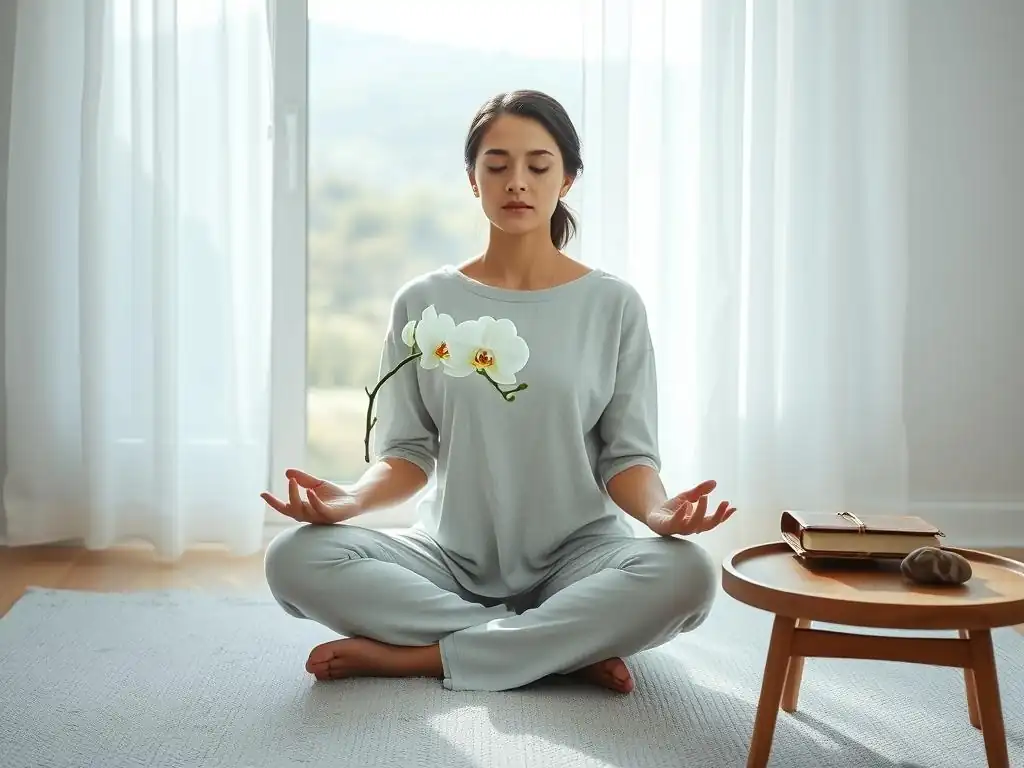
Vipassana Meditation for Insight and Emotional Clarity
Vipassana, meaning "to see clearly," is an ancient Indian meditation tradition that focuses on developing insight into the nature of reality, including the impermanence of all phenomena, including thoughts and feelings. While often taught in intensive retreat formats, the principles and practices of Vipassana are also explored in some advanced online mindfulness courses. The core practice involves observing bodily sensations and mental phenomena (thoughts, emotions) as they arise and pass away, without judgment or reaction.
Through sustained, diligent Vipassana practice, meditators develop a profound understanding of the transient nature of difficult emotions. They learn to observe anger, sadness, or fear as temporary energetic patterns in the body and mind, rather than solid, permanent aspects of the self. This insight reduces the tendency to identify with or be overwhelmed by these emotions. By seeing them clearly as passing phenomena, the practitioner develops equanimity – a balanced, non-reactive response to whatever arises, leading to greater emotional clarity and freedom.
Loving-Kindness Meditation for Cultivating Compassion and Emotional Connection
Loving-Kindness Meditation (Metta) is a practice aimed at cultivating unconditional friendliness and warmth towards oneself and others. While often introduced in beginner courses, deeper exploration of Metta is a powerful advanced practice for emotional regulation, particularly for emotions related to interpersonal relationships, like anger, resentment, or loneliness. The practice typically involves silently repeating phrases wishing well-being, happiness, and freedom from suffering, first towards oneself, then loved ones, neutral people, difficult people, and finally all beings.
Cultivating loving-kindness directly counteracts negative emotional states like anger, hostility, and isolation. By intentionally directing warmth towards oneself, the practice helps heal self-criticism and builds a foundation of self-acceptance necessary for navigating difficult internal experiences. Extending kindness to others, including those we find challenging, helps dissolve resentment and fosters empathy, improving interpersonal emotional dynamics. Regular Metta practice can significantly shift one's emotional landscape towards greater warmth, connection, and resilience in the face of emotional challenges.
Mindful Movement Practices (Yoga, Tai Chi) for Body Awareness and Emotional Release
Mindful movement practices like Yoga and Tai Chi integrate gentle physical postures and movements with breath awareness and mindfulness. These practices are considered advanced forms of mindfulness because they require maintaining present-moment awareness while engaging the body in dynamic ways. They are particularly effective for emotional regulation as emotions are often held as physical tension in the body. Mindful movement provides a safe way to explore and release this stored emotional energy.
By paying close attention to bodily sensations, breath, and movement during Yoga or Tai Chi, practitioners become more attuned to how emotions manifest physically. They learn to notice tension associated with stress or anxiety and consciously release it through movement and breath. These practices also cultivate resilience by gently challenging physical limitations and encouraging patience and non-judgment towards one's body. This embodied approach to mindfulness enhances emotional regulation by strengthening the connection between mind and body, allowing for a more holistic way of processing and releasing difficult feelings.
The Future of Mindfulness: Innovations in Online Emotional Well-being
Utilizing Technology to Enhance Mindfulness Practice
Technology is rapidly transforming how people access and engage with mindfulness, particularly for emotional well-being. Beyond basic meditation apps, innovations include biofeedback devices that measure physiological responses (like heart rate variability or brainwaves) during meditation, providing real-time data to help users understand and improve their practice. Virtual reality (VR) and augmented reality (AR) are being explored to create immersive mindfulness environments, helping users disconnect from distractions and deepen their focus.
Online platforms are also becoming more sophisticated, offering features like personalized practice recommendations based on user input, progress tracking with detailed analytics, and integration with wearable devices. These technological enhancements make online mindfulness courses manage difficult emotions more effectively by providing tailored support, objective feedback, and engaging practice environments. As technology evolves, it will likely offer increasingly nuanced ways to support individuals in developing mindful awareness and emotional resilience.
The Role of AI in Personalized Mindfulness Training
Artificial intelligence (AI) holds significant potential for personalizing online mindfulness training. AI algorithms can analyze user data – such as practice history, reported emotional states, and even voice tone or facial expressions (with user consent) – to tailor guided meditations and exercises to individual needs. For example, if an AI detects patterns of increased anxiety during specific times or situations, it could suggest particular breathing exercises or themed meditations designed to address anxiety in those contexts.
AI-powered chatbots or virtual coaches could provide personalized guidance, answer questions about mindfulness concepts, and offer encouragement, acting as a supplement to human instruction. This level of personalization could make online mindfulness courses manage difficult emotions more efficiently by providing targeted support and adapting the curriculum to the user's unique emotional landscape and learning style. While still in early stages, the integration of AI promises a more adaptive and responsive approach to digital mindfulness training.
The Growing Acceptance of Mindfulness in Mental Health Treatment
Mindfulness, once considered a fringe practice, is now widely recognized and integrated into mainstream mental health treatment. Therapies like MBSR, MBCT, and ACT, all rooted in mindfulness, are empirically supported treatments for conditions like depression, anxiety disorders, and chronic stress. Online versions of these programs and other mindfulness courses are increasingly recommended by mental health professionals as standalone interventions or as adjuncts to therapy.
The growing body of research demonstrating mindfulness's efficacy in improving emotional regulation, reducing rumination, and increasing self-compassion has contributed to its acceptance. Mental health organizations and practitioners are recognizing the value of teaching these skills to clients to empower them with tools for managing difficult emotions outside of therapy sessions. This trend suggests that online mindfulness courses will continue to play a vital role in the future of mental health care, making these powerful tools more accessible to a wider population.
Partnering with Mental Health Professionals for Comprehensive Emotional Support
When to Seek Professional Help for Difficult Emotions
While online mindfulness courses are powerful tools for managing difficult emotions, they are not a substitute for professional mental health care, especially for severe or persistent issues. It is important to seek professional help if you are experiencing symptoms such as overwhelming sadness or hopelessness, debilitating anxiety or panic attacks, thoughts of self-harm, significant changes in sleep or appetite, difficulty functioning in daily life, or if past trauma significantly impacts your ability to cope.
A mental health professional, such as a therapist, counselor, or psychiatrist, can provide diagnosis, tailored treatment plans, and support that goes beyond what an online course can offer.
Mindfulness practices can be incredibly beneficial, but they are most effective when used as part of a comprehensive approach to mental wellness. If you find that despite consistent mindfulness practice, your difficult emotions remain overwhelming, or if practicing brings up intense distress that you feel unable to manage, reaching out to a professional is a sign of strength and an important step towards healing. They can help you navigate complex emotional landscapes and determine the most appropriate course of action, which may include therapy, medication, or a combination of interventions.
Integrating Mindfulness with Therapy for Enhanced Outcomes
Integrating mindfulness practices with traditional or trauma-informed therapy can significantly enhance treatment outcomes for managing difficult emotions. Many therapists are now incorporating mindfulness techniques into their practice, teaching clients skills like mindful breathing, body awareness, and acceptance. When used in conjunction with therapy, mindfulness can help clients become more aware of their emotional patterns, tolerate uncomfortable feelings during sessions, and practice new coping skills learned in therapy in their daily lives.
For example, a therapist might work with a client to identify the triggers for their anxiety, and then use mindful breathing or grounding techniques learned in a mindfulness course to help the client manage the anxiety response in the moment. Therapy provides a safe space to process the causes and meaning of difficult emotions, while mindfulness provides the tools to be present with and regulate those emotions. This synergy allows individuals to not only understand their emotional challenges but also develop practical skills for navigating them effectively, making the journey towards emotional well-being more robust.
Find a Therapist Who Integrates Mindfulness
If you are interested in combining therapy with mindfulness, consider seeking out a therapist who has training or experience in mindfulness-based approaches. Many therapists specialize in modalities like MBCT, ACT, or DBT (Dialectical Behavior Therapy), which heavily incorporate mindfulness skills. Platforms for finding therapists often allow you to filter by specialization or therapeutic approach.
When contacting potential therapists, you can ask about their experience with mindfulness and how they integrate it into their practice. A therapist who is comfortable incorporating mindfulness can help you deepen your understanding of the practices you learn in online courses, troubleshoot challenges you encounter, and tailor mindfulness techniques to your specific therapeutic goals. Partnering with a professional who understands and utilizes mindfulness can provide invaluable support on your journey to managing difficult emotions and cultivating lasting emotional health.
Conclusion: Embracing Mindfulness for a More Balanced and Emotionally Resilient Life
Navigating the complexities of human emotion is a universal challenge, and difficult feelings are an unavoidable part of life. However, the ability to experience these emotions without being overwhelmed by them is a skill that can be cultivated. Online mindfulness courses offer accessible and effective pathways to develop this skill, providing structured training in techniques that enhance emotional awareness, regulation, and resilience. From foundational practices like mindful breathing and body scans to more advanced approaches like Vipassana and MSC, these courses equip individuals with practical tools to meet difficult emotions with greater presence, acceptance, and wisdom.
By choosing a course that aligns with your specific needs, evaluating content and instructors, and committing to consistent practice, you can leverage the power of mindfulness to transform your relationship with your inner emotional world. Whether you seek to reduce anxiety, manage anger, cultivate self-compassion, or simply live with greater emotional balance, online mindfulness courses manage difficult emotions by fostering a deeper connection with yourself and building the capacity to navigate life's challenges with greater ease. Embracing mindfulness is an investment in your emotional well-being, paving the way for a more balanced, resilient, and fulfilling life.
Frequently Asked Questions
What are the main benefits of taking online mindfulness courses for managing difficult emotions?
Online mindfulness courses provide accessible training in techniques to help you become more aware of your emotions and learn to respond to them skillfully, rather than react. This leads to improved emotional regulation.
How do online mindfulness courses specifically help in managing difficult emotions like anxiety or anger?
These courses teach techniques like meditation and mindful breathing to help you observe difficult emotions without judgment. This allows you to de-escalate the intensity of the feeling and choose a more constructive response.
Are online mindfulness courses effective for everyone, or are there specific individuals who might benefit most?
While beneficial for many, those experiencing mild to moderate emotional distress, stress, or difficulty regulating emotions often find the most significant improvement. Individuals with severe mental health conditions should consult a professional.
What features should I look for when choosing an online mindfulness course for managing difficult emotions?
Look for courses with qualified and experienced instructors, a structured curriculum covering various mindfulness techniques, and positive reviews or testimonials from previous participants.
How long does it typically take to see noticeable improvements in emotional regulation after starting an online mindfulness course?
Results vary, but many individuals report experiencing initial benefits within a few weeks of consistent practice. Sustained practice and integration of techniques into daily life are crucial for long-term improvement.
Final Reflection: Cultivating Inner Peace in a Digital Age
The accessibility of online mindfulness courses offers a powerful antidote to the overwhelming emotional challenges of modern life. The sheer volume of information, constant connectivity, and rapid pace of change contribute to heightened stress and anxiety. Learning to manage difficult emotions is no longer a luxury, but a crucial life skill, and thankfully, the tools are readily available at our fingertips.
The impact of readily available mindfulness practices is profound and far-reaching. It's not just about stress reduction; it's about cultivating a deeper understanding of ourselves and our emotional responses. This shift in perspective allows us to navigate life's inevitable difficulties with greater resilience and compassion. As Thich Nhat Hanh wisely said, Peace is not something you can find. Peace is something you create.
This creation, facilitated by the structured guidance of online courses, empowers individuals to actively shape their emotional well-being.
You now hold the key to unlocking a more peaceful and fulfilling life. Consider exploring the various online mindfulness courses available, experimenting with different techniques, and discovering which approach resonates most deeply with you. Remember, the journey to emotional mastery is a personal one, requiring consistent effort and self-compassion. Begin today, invest in yourself, and experience the transformative power of mindfulness.
Unlock Your Inner Calm: Start Your Mindfulness Journey Today!
Thanks for taking the time to explore the world of mindfulness and emotional management with us! We hope you gained valuable insights into how to navigate challenging emotions with greater ease. Now, it's time to put these insights into practice.
Here's how to get started:
- Begin your mindfulness practice today: Even 5 minutes of focused breathing can make a difference. Try one of the guided meditations mentioned in the article – you'll find it surprisingly impactful.
- Share this article with someone who might benefit: Mindfulness is a powerful tool, and sharing it could help a friend or family member.
- Explore additional resources on MindCareGuide.org: Delve deeper into specific techniques and find resources tailored to your needs. We have many more articles and videos.
Ready to experience the transformative power of mindfulness? What small step will you take today to cultivate inner peace?