
The Family System: Origins of Family Therapy in the 20th Century

Welcome to Mind Care Guide, your trusted companion on the path to mental well-being.
Ever wondered how the landscape of mental healthcare evolved to include the vital role of family? We understand that navigating mental health challenges can feel isolating, but you're not alone. Delve into the fascinating origins of family therapy dynamics in our latest article, exploring the historical roots of this powerful approach and how it continues to shape our understanding of mental health today. What key figures pioneered this shift, and how did their insights revolutionize the way we approach treatment? Read on to discover the answers and begin your journey to a healthier, more connected future.
The Family System: Origins of Family Therapy in the 20th Century
- Introduction to Family Therapy: Understanding Family Systems and Dynamics
- Historical Context: Precursors to Modern Family Therapy
- Key Figures and Foundational Theories in Family Therapy's Origins
- Core Concepts of Family Systems Theory: Understanding Family Dynamics
- The Emergence of Family Therapy as a Distinct Field
- The Influence of 20th Century Social and Cultural Shifts
- Applications of Early Family Therapy Models
- Criticisms and Limitations of Early Family Therapy Models
- Legacy and Evolution: Family Therapy Today
- Conclusion: Reflecting on Family Therapy Dynamics Origins and Future Directions
-
Frequently Asked Questions
- What are the origins of family therapy and when did it begin to emerge?
- Why did therapists start focusing on the family system instead of just individuals?
- What is meant by family therapy dynamics?
- How can understanding family therapy dynamics origins help improve mental well-being?
- What are some common mental health challenges that family therapy can address?
- Final Reflection: Understanding the Roots of Family Therapy Dynamics
- Uncover Your Family's Story: Dive Deeper into Family Systems Therapy
Introduction to Family Therapy: Understanding Family Systems and Dynamics
Family therapy represents a significant shift in the understanding and treatment of mental health issues, moving the focus from the individual patient in isolation to the complex web of relationships within the family unit. This perspective posits that an individual's psychological struggles are often intertwined with, and influenced by, the dynamics of their family system. Therefore, effective intervention frequently requires addressing the patterns of interaction, communication, and emotional processes occurring among family members. Understanding the family therapy dynamics origins reveals how this approach fundamentally changed how we view and treat mental health challenges within a relational context.
This therapeutic model views the family not merely as a collection of individuals, but as a system where each member's actions and experiences affect the others. Changes in one part of the system reverberate throughout the whole.
This systemic perspective is crucial to grasping the core principles of family therapy, emphasizing feedback loops, roles, rules (both explicit and implicit), and the ways families maintain a sense of equilibrium, even if that equilibrium is dysfunctional. Early pioneers in the field began to recognize in the mid-20th century that treating only the identified patient often yielded limited results if the family environment remained unchanged, highlighting the need to explore the deeper family therapy dynamics origins.
The Therapist's Role in Family Well-being
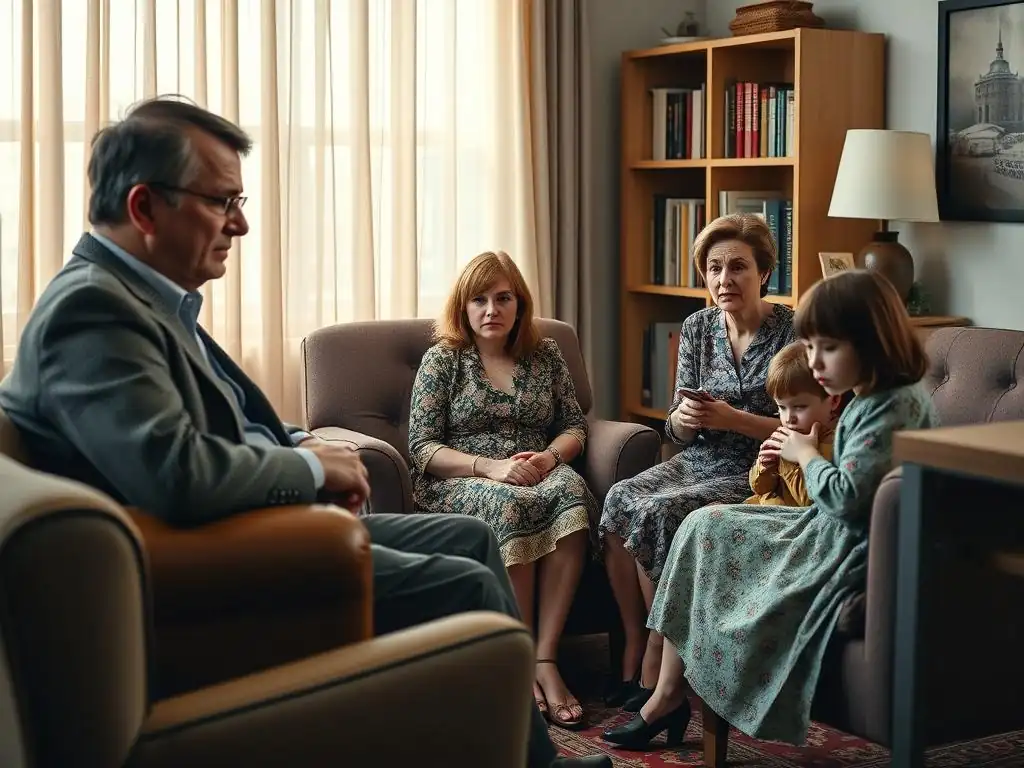
The therapist in family therapy adopts a distinct role compared to individual therapy. Rather than focusing solely on the inner world of one person, the family therapist observes and interacts with the entire family unit, seeking to understand the patterns, alliances, and conflicts that contribute to distress. Their role is often that of an objective facilitator, helping the family identify dysfunctional cycles, improve communication, and develop healthier ways of relating. This involves observing interactions directly, intervening to disrupt negative patterns, and guiding the family towards new ways of functioning.
Furthermore, the family therapist helps the family understand the underlying processes that drive their interactions. This might involve identifying generational patterns, understanding how past unresolved issues affect present relationships, or recognizing how the family attempts to maintain stability (homeostasis) even at the cost of individual well-being. The therapist doesn't take sides but works to empower the family as a whole to find solutions, fostering empathy and mutual understanding among members. This foundational aspect of the therapist's role was central to the development of early family therapy dynamics origins.
Defining Family Therapy: Beyond Individual Treatment
Family therapy is formally defined as a type of psychological counseling (psychotherapy) that helps families improve communication and resolve conflicts. It is distinct from individual therapy primarily in its unit of treatment – the family system – although individual sessions may sometimes be incorporated. The goal is not just to alleviate the symptoms of the identified patient but to improve the overall functioning and well-being of the family unit. This often involves addressing interpersonal dynamics, communication styles, family roles, and the impact of family history on current issues.
Unlike individual therapy, which delves deeply into one person's thoughts, feelings, and history, family therapy focuses on the interactions between family members. For instance, while an individual therapist might explore a teenager's depression, a family therapist would examine how family communication patterns, parental conflict, or sibling relationships might be contributing to the teenager's mood and how the teenager's depression impacts the rest of the family. This systemic perspective, which emerged from the family therapy dynamics origins in the mid-20th century, views the family as a whole entity requiring attention and intervention.
Historical Context: Precursors to Modern Family Therapy
The formal emergence of family therapy in the 1950s and 1960s was not a sudden event but built upon earlier developments in psychology, social work, and other related fields. While individual psychoanalysis dominated the early 20th century, practitioners working with complex social issues and child development began to recognize the profound influence of the family environment on individual well-being. These early insights laid crucial groundwork, suggesting that understanding individual problems required looking beyond the person to their social context.
The post-World War II era saw a growing interest in understanding group dynamics and communication, influenced by cybernetics and general systems theory. Researchers and clinicians working with families, particularly those dealing with severe mental illness like schizophrenia, observed recurring patterns within these families that seemed to maintain the illness. This led to the hypothesis that the family system itself played a significant role, propelling the search for new therapeutic models that could address these complex interpersonal dynamics and trace the core family therapy dynamics origins.
The Child Guidance Movement, which gained momentum in the early 20th century, played a significant role in highlighting the importance of the family environment. Clinics established as part of this movement aimed to address juvenile delinquency and behavioral problems in children. Early practitioners quickly realized that they could not effectively treat the child in isolation; the child's behavior was inextricably linked to parental attitudes, family relationships, and home conditions. This led to working with parents and sometimes the entire family unit, focusing on improving parenting skills and family communication.
Social workers, particularly those working in family service agencies, also developed a strong understanding of family dynamics long before formal family therapy emerged. Their work involved addressing issues like poverty, domestic conflict, and child welfare, requiring them to engage with multiple family members and understand the interplay of social and psychological factors within the home. Their practical experience in navigating complex family situations and mediating disputes provided valuable insights into the patterns and pressures within families, contributing to the early understanding of family therapy dynamics origins.
The Rise of Systemic Thinking in the Mid-20th Century
The mid-20th century witnessed a crucial intellectual shift towards systemic thinking, heavily influenced by advancements in cybernetics and general systems theory. Thinkers like Ludwig von Bertalanffy's work on general systems theory provided a framework for understanding complex entities as interconnected systems rather than simple sums of their parts. This perspective resonated with researchers studying families, suggesting that a family operates as a system with feedback loops, rules, and a drive towards equilibrium (homeostasis).
A pivotal development occurred at the Mental Research Institute (MRI) in Palo Alto, California, in the 1950s. Researchers like Gregory Bateson, Jay Haley, Don Jackson, and John Weakland studied communication patterns in families, particularly those with a member diagnosed with schizophrenia. Their work, including the controversial "double bind" theory, proposed that contradictory communication within the family could contribute to psychological distress. This research group's emphasis on communication and interaction patterns was foundational to the development of systemic family therapy and significantly shaped the understanding of family therapy dynamics origins.
Key Figures and Foundational Theories in Family Therapy's Origins
The formal establishment of family therapy as a distinct field is largely attributed to several pioneering figures in the mid-20th century. These individuals, often working independently or in small groups, developed unique theoretical models and therapeutic approaches that continue to influence practice today. Their work moved beyond the traditional focus on individual psychopathology to emphasize the relational context and systemic processes within families.
These pioneers came from diverse backgrounds, including psychiatry, social work, and psychology, bringing different perspectives to the emerging field. Their contributions laid the theoretical and practical groundwork for understanding complex family dynamics, developing specific techniques for intervention, and advocating for the effectiveness of treating the family unit. Examining their specific models is essential for understanding the multifaceted family therapy dynamics origins.
Murray Bowen and Intergenerational Family Therapy
Murray Bowen (1913-1990), a psychiatrist, developed one of the most comprehensive theories of family systems, known as Bowen Family Systems Theory or Intergenerational Family Therapy. His work, initially based on research with families affected by schizophrenia at the National Institute of Mental Health (NIMH) in the 1950s, posits that individuals are best understood within the context of their family of origin. A key concept is "differentiation of self," referring to an individual's ability to maintain their sense of self while remaining emotionally connected to others. Low differentiation is associated with emotional fusion and vulnerability to stress.
Bowen's theory also introduced concepts like the "triangle," the smallest stable relationship system, and the "multigenerational transmission process," which describes how patterns of interaction and functioning are passed down through generations. Therapy focuses on helping individuals increase their differentiation, understand their role in family patterns, and reduce anxiety within the system. Bowen's empirical work, such as his detailed observations at NIMH, where families lived on a research ward, provided rich data supporting his theoretical constructs and profoundly influenced the understanding of family therapy dynamics origins.
Virginia Satir and Humanistic Family Therapy
Virginia Satir (1916-1988), a social worker, was a highly influential and charismatic figure in the early family therapy movement. Her approach, often categorized as Humanistic Family Therapy, emphasized communication, self-esteem, and emotional expression within the family. Satir believed that families often struggled due to poor communication patterns and low self-worth among members. Her therapeutic style was warm, empathetic, and highly interactive, focusing on helping families become more congruent and authentic in their interactions.
Satir developed techniques such as family sculpting, where family members physically arrange themselves in space to represent their emotional bonds and distances, and communication stances (placater, blamer, superreasonable, irrelevant, and congruent), which describe typical dysfunctional communication patterns. Her work was less focused on abstract theoretical concepts and more on fostering emotional connection and growth within sessions. Satir's emphasis on experiential techniques and communication training provided a practical and humanistic counterpoint to some of the more purely systemic or analytical approaches, adding a vital dimension to the family therapy dynamics origins.
Salvador Minuchin and Structural Family Therapy
Salvador Minuchin (1921-2017), a psychiatrist, developed Structural Family Therapy, a highly influential model that focuses on the family's structure – the invisible set of functional demands that organizes the ways in which family members interact. Minuchin paid close attention to boundaries (the rules defining who participates and how) and subsystems (groupings within the family, like the parental or sibling subsystem). Dysfunction, in this model, arises from rigid or diffuse boundaries and ineffective hierarchies.
Minuchin's work, particularly with disadvantaged families and families with psychosomatic children at the Philadelphia Child Guidance Clinic starting in the 1960s, demonstrated the power of directly intervening in family interactions. Techniques include joining (entering the family system), enactment (getting the family to interact in session), and boundary making (restructuring interactions to create clearer boundaries). Minuchin's pragmatic, action-oriented approach and his focus on observable interaction patterns made Structural Family Therapy widely applicable and provided a powerful framework for altering family dynamics, significantly shaping the family therapy dynamics origins.
Nathan Ackerman and Psychoanalytic Family Therapy
Nathan Ackerman (1908-1971), a psychiatrist trained in psychoanalysis, was one of the earliest proponents of working with entire families. Often considered the "grandfather of family therapy," Ackerman attempted to integrate psychoanalytic concepts with family dynamics. While many early family therapists reacted against psychoanalytic individualism, Ackerman saw the family as a critical unit for understanding individual psychology. He focused on the emotional life of the family, including unconscious processes, roles, and scapegoating.
Ackerman's approach involved active engagement with the family, often challenging members directly and stirring up conflict to reveal underlying issues. He paid attention to how family members defended against anxiety and how individual psychological defenses interacted within the family system. Although his work was less systematically theoretical than Bowen's or Minuchin's, Ackerman's early clinical work and writings in the 1930s and 1940s were instrumental in paving the way for a family-centered approach to mental health treatment and are a key part of the family therapy dynamics origins narrative.
Core Concepts of Family Systems Theory: Understanding Family Dynamics

Family systems theory provides a conceptual lens through which to understand the complex interactions and patterns within a family unit. Rather than viewing individual behaviors in isolation, this perspective sees them as interconnected elements within a larger system. Several core concepts are central to this understanding, explaining how families maintain stability, manage stress, and transmit patterns across generations. These concepts emerged from the foundational work of the pioneers and are essential for grasping the essence of family therapy dynamics origins.
Understanding these concepts helps therapists and families identify repetitive, often unhelpful, patterns of interaction. It moves beyond assigning blame to individuals and instead focuses on the systemic nature of the problems. For instance, a child's defiant behavior might be understood not just as an individual issue but as a response to parental conflict or rigid family rules. Applying systemic thinking allows for interventions that target the system's dynamics rather than just individual symptoms.
Homeostasis and Family Equilibrium
Homeostasis, borrowed from biology, is a core concept in family systems theory referring to the system's tendency to maintain a stable, relatively consistent state or equilibrium over time. Families develop predictable patterns of interaction, roles, and rules (often unspoken) that help them function and maintain this stability. While stability can be adaptive, dysfunctional families may maintain a problematic equilibrium, resisting change even when it's necessary for growth or health. For example, a family might maintain homeostasis around conflict avoidance, where any attempt to discuss difficult issues is quickly shut down, preserving a superficial calm but preventing resolution.
When a family member attempts to change their behavior or role, the system may react to restore the old equilibrium. This resistance to change can manifest as increased conflict, symptom escalation in the identified patient, or other disruptive behaviors. A common observation in early family therapy, contributing to understanding family therapy dynamics origins, was how a patient's improvement sometimes led to distress or symptom development in another family member, as the system sought to re-establish its familiar balance. Therapeutic interventions often aim to disrupt this dysfunctional homeostasis and help the family establish a new, healthier equilibrium.
Boundaries in Family Systems: Definition and Impact
Boundaries in family systems refer to the invisible lines that define who is inside or outside a subsystem and how members interact across these lines. They regulate the amount of contact and emotional closeness between individuals and subsystems. Structural Family Therapy, particularly through Minuchin's work, places significant emphasis on understanding and restructuring boundaries. Boundaries can range from rigid (leading to disengagement and isolation) to diffuse (leading to enmeshment and lack of individual autonomy).
Healthy boundaries are typically clear and permeable, allowing for close connection while maintaining individual identity and subsystem integrity. For example, a healthy boundary between parents and children allows parents to maintain authority while permitting children age-appropriate independence. Diffuse boundaries might manifest as enmeshed relationships where individuals lack personal space or independence, while rigid boundaries might lead to isolated family members with little emotional connection. Identifying and working with boundary issues became a central technique derived from the family therapy dynamics origins explored by pioneers like Minuchin.
Communication Patterns and Family Interactions
Communication is the lifeblood of a family system, and the patterns of interaction reveal much about the family's dynamics. Early researchers at the MRI, like Bateson, Haley, and Jackson, focused heavily on how families communicate, both verbally and nonverbally, and how problematic communication patterns contribute to dysfunction. They observed repetitive sequences of interaction, noting how one person's behavior triggers a predictable response in others, creating feedback loops that maintain the system's state.
Dysfunctional communication patterns can include blaming, placating, being overly critical, avoiding direct communication, or using paradoxical messages (like the "double bind"). Virginia Satir's work specifically focused on helping families shift from these unhelpful "communication stances" to more congruent and open ways of expressing thoughts and feelings. Understanding these recurring communication patterns and intervening to change them is a fundamental aspect of family therapy, deeply rooted in the exploration of family therapy dynamics origins by early theorists.
Triangulation and Emotional Processes Within the Family
Triangulation is a concept particularly emphasized in Bowen Family Systems Theory. It describes the process where a two-person relationship under stress recruits a third person or entity to diffuse the tension. For instance, a couple experiencing marital conflict might focus their energy and anxiety on a child's problem, using the child as an emotional triangle to avoid dealing directly with their own issues. This stabilizes the couple's relationship in the short term but creates problems for the triangulated individual and prevents the original dyad from resolving their conflict.
Emotional processes within the family system include how anxiety is managed and transmitted. Bowen's concept of "emotional fusion" describes a state where individuals are highly reactive to one another's emotions and thoughts, lacking clear emotional boundaries. This can lead to intense reactivity and difficulty thinking clearly under stress. Understanding how anxiety, fusion, and triangulation operate within a family is key to helping members differentiate themselves and navigate relationships more healthily, a central goal stemming from the theoretical underpinnings of family therapy dynamics origins.
The Emergence of Family Therapy as a Distinct Field
The period from the 1950s to the 1970s marked the formal emergence of family therapy as a recognized and distinct field of psychological treatment. Prior to this, working with families was often an adjunct to individual therapy or social work. The development of specific theoretical models, unique therapeutic techniques, and dedicated training programs solidified its status as a separate discipline with its own philosophy and practice. This was a pivotal time for understanding and applying family therapy dynamics origins.
This era saw the publication of foundational books, the establishment of training centers like the Philadelphia Child Guidance Clinic and the Ackerman Institute for the Family, and the formation of professional organizations. Researchers conducted studies, albeit often qualitative or case-based initially, demonstrating the effectiveness of family-based interventions for a range of problems. The increasing recognition of the family's role in mental health propelled this shift.
From Individual Psychotherapy to Family-Focused Interventions
The transition from primarily individual psychotherapy to family-focused interventions was driven by several factors. Clinicians working within traditional models often encountered resistance to change or saw symptoms reappear in different family members after the identified patient improved. This suggested that the problem was not solely within the individual but within the system they inhabited. The work with families affected by severe mental illness, particularly schizophrenia, was a major catalyst, as researchers like those at the MRI observed powerful, recurring family patterns that seemed to maintain the illness.
Moreover, the intellectual currents of the time, including systems theory and cybernetics, provided a new language and framework for understanding complex human interactions. This allowed practitioners to conceptualize the family as a dynamic system rather than just a backdrop for individual pathology. The shift was not without challenges; many traditionally trained therapists were skeptical of working with multiple family members simultaneously and lacked the theoretical framework or practical skills. However, the compelling evidence from early practice and research gradually supported the validity of a family-centered approach, solidifying the trajectory of family therapy dynamics origins.
The Development of Family Therapy Techniques and Approaches
As the field emerged, pioneers developed specific techniques and approaches tailored to working with the family unit. These techniques were designed to assess family structure, communication patterns, and emotional processes, and to intervene directly to facilitate change within the system. Unlike the primarily verbal, insight-oriented techniques of psychoanalysis, early family therapy often involved more active, experiential, and directive interventions.
Examples include Minuchin's enactments and boundary work, Satir's communication exercises and family sculpting, Bowen's genograms (a visual map of family relationships and history), and the strategic interventions developed at the MRI focusing on disrupting problematic feedback loops. These diverse techniques reflected the different theoretical lenses through which the pioneers viewed family dynamics, but all shared the common goal of altering the system's functioning to improve individual and relational well-being. The development and refinement of these techniques were central to the practical application of the emerging understanding of family therapy dynamics origins.
The 20th century was a period of dramatic social and cultural change, and these shifts significantly impacted family structures and dynamics. The rise of family therapy occurred within this context, influenced by and responding to evolving societal norms, roles, and challenges facing families. Understanding these broader influences provides important context for the development of family therapy dynamics origins.
Major events and movements, such as World Wars, economic changes, increased mobility, the Civil Rights Movement, and the Women's Rights Movement, altered traditional family structures, challenged established roles, and brought new stressors and complexities to family life. Therapists working with families had to grapple with these changes and develop models that could address the diverse and changing realities of families in the latter half of the century.
Social movements of the 20th century, particularly the Civil Rights Movement and the Women's Rights Movement, profoundly impacted traditional family structures and dynamics. The Civil Rights Movement challenged racial segregation and inequality, affecting family experiences of discrimination, migration, and community support systems. Therapists began to recognize the need to understand the systemic impact of societal oppression on families, although early models were sometimes limited in this regard.
The Women's Rights Movement challenged traditional gender roles within the family, advocating for women's increased participation in the workforce and greater equality in domestic responsibilities. This led to shifts in power dynamics within marriages and families, sometimes creating tension and requiring families to renegotiate roles and expectations. Early family therapy models had to adapt to address these evolving dynamics, moving beyond assumptions based on traditional nuclear family structures. The growing awareness of these external influences added complexity to the study of family therapy dynamics origins.
Changing Family Roles and Dynamics During the 20th Century
Beyond specific social movements, the 20th century saw broader shifts in family roles and dynamics. Industrialization and urbanization led to families becoming more geographically mobile and less reliant on extended family networks for support. Economic changes impacted family stability and required adjustments in roles, such as the increasing necessity of dual-income households. Divorce rates also saw a significant rise, leading to an increase in single-parent families and blended families, presenting new challenges and structures for therapists to understand and address.
The understanding of childhood and adolescence also evolved, leading to changes in parenting styles and expectations. As traditional authority structures within the family were questioned, new patterns of interaction and conflict emerged. These changing realities necessitated the development of therapeutic approaches that could be flexible enough to work with a wider variety of family structures and address the unique dynamics arising from these societal shifts, further shaping the landscape of family therapy dynamics origins.
Applications of Early Family Therapy Models

The foundational models of family therapy developed in the mid-20th century were applied to a wide range of issues, demonstrating the versatility of the systemic perspective. While initially prominent in working with severe mental illness, practitioners quickly found that family therapy could be effective for addressing common family problems and life cycle transitions. These early applications provided crucial evidence for the efficacy of treating the family unit.
Early applications often focused on problems where the link between individual symptoms and family dynamics was particularly apparent. This included behavioral problems in children, marital conflict, and the complex dynamics surrounding serious mental illnesses like schizophrenia, where family patterns were observed to play a significant role. Exploring these early applications helps illustrate the practical impact of the emerging field and solidify our understanding of family therapy dynamics origins in clinical practice.
Addressing Childhood Behavioral Problems
One of the earliest and most successful applications of family therapy was in addressing behavioral problems in children and adolescents. As recognized by the Child Guidance Movement, a child's difficulties are often embedded within the family context. Instead of solely focusing on the child, therapists began working with parents and siblings to understand how family rules, communication, and interactions contributed to the child's behavior. For instance, a child's defiance might be viewed as a response to inconsistent parenting or as a way of distracting parents from their own marital conflict.
Structural Family Therapy, in particular, proved highly effective in working with children's problems by restructuring family hierarchies and boundaries. Minuchin's work at the Philadelphia Child Guidance Clinic, for example, showed positive outcomes in treating issues like anorexia nervosa in adolescents by altering the family's rigid structure and enmeshed relationships. Early studies, like those in the 1970s, reported success rates suggesting significant improvement in a substantial percentage of cases involving childhood conduct disorders when family therapy was used, highlighting the direct clinical impact of understanding family therapy dynamics origins.
Treating Marital Conflict and Relationship Issues
Marital conflict was another primary area of application for early family therapy models. Recognizing that marital distress impacts the entire family, therapists began working directly with couples to improve communication, resolve disputes, and renegotiate relationship patterns. Models like those developed at the MRI focused on identifying and disrupting negative interactional cycles between partners.
Virginia Satir's humanistic approach was particularly well-suited to working with couples, emphasizing empathetic communication and helping partners express their needs and feelings more effectively. While specific outcome data from the earliest years is sparse and often qualitative, clinical reports from the 1960s and 1970s consistently described improvements in marital satisfaction and reduced conflict through family therapy interventions, demonstrating its value beyond parent-child issues and reinforcing the broad relevance of family therapy dynamics origins.
Family Therapy in Cases of Schizophrenia and Mental Illness
Paradoxically, despite some early theories like the "double bind" being misinterpreted as blaming families for schizophrenia, the work with families affected by severe mental illness was instrumental in the development of family therapy. Researchers observed that family patterns, such as high levels of criticism, hostility, or emotional over-involvement ("high expressed emotion"), could correlate with relapse rates in patients with schizophrenia. This led to the development of family interventions aimed at reducing stress within the family environment.
Early family therapy approaches for schizophrenia focused on educating families about the illness, improving communication, and developing coping strategies to manage stress. While not a cure, studies from the late 20th century, such as those conducted in the 1980s, demonstrated that family psychoeducation and therapy significantly reduced relapse rates for individuals with schizophrenia compared to individual treatment alone, sometimes by as much as 50% over a one-year period. This compelling evidence highlighted the critical role of the family system in managing severe mental illness and was a powerful validation of the principles derived from family therapy dynamics origins.
Criticisms and Limitations of Early Family Therapy Models
While the emergence of family therapy was a revolutionary step, the early models were not without their criticisms and limitations. Like any new field, initial theories and practices reflected the societal norms and limited understanding of the time. Critiques emerged regarding the generalizability of models developed from specific populations, potential biases, and a lack of sensitivity to diversity.
Addressing these criticisms has been crucial for the field's evolution, leading to the development of more nuanced and inclusive approaches. Understanding these early limitations provides important context for how family therapy has grown and adapted over time, refining the understanding of family therapy dynamics origins and practice.
Feminist Critiques of Early Family Therapy
Feminist therapists raised significant critiques of some early family therapy models in the 1970s and 1980s. They argued that certain systemic concepts, such as homeostasis, could inadvertently reinforce traditional, patriarchal family structures and roles that were oppressive to women. For example, maintaining family equilibrium might involve suppressing a woman's aspirations or reinforcing an unequal division of labor, and a therapist focused solely on stability might fail to challenge these dynamics.
Furthermore, some early models were seen as potentially blaming mothers for family problems or children's symptoms, echoing earlier psychoanalytic tendencies. Feminist therapists advocated for approaches that explicitly addressed power imbalances, gender roles, and societal influences on family dynamics, ensuring that therapy empowered all family members, particularly women, rather than pathologizing their struggles within restrictive systems. This critique spurred important self-reflection and adaptation within the field regarding family therapy dynamics origins and their potential biases.
Limitations of Early Models: Cultural Sensitivity
Another significant limitation of early family therapy models was a relative lack of explicit attention to cultural diversity. Many foundational theories were developed based on observations of predominantly white, middle-class Western families. Applying these models universally without considering the impact of culture, ethnicity, religion, and socioeconomic status could be ineffective or even harmful. Family structures, communication styles, roles, and views on mental health vary significantly across cultures.
For instance, concepts like "differentiation of self" might need to be understood differently in collectivistic cultures where individual identity is more intertwined with the family or community. Similarly, views on hierarchy and authority differ greatly. The field gradually recognized the need to develop culturally sensitive and culturally competent approaches, adapting techniques and theoretical assumptions to fit the specific cultural context of the families being served. This ongoing process of adaptation has been vital for the continued relevance and ethical practice of family therapy, building upon the initial exploration of family therapy dynamics origins with greater awareness of context.
Legacy and Evolution: Family Therapy Today
The legacy of the pioneers of family therapy is undeniable. Their groundbreaking work in the mid-20th century fundamentally changed the landscape of mental health treatment by introducing the systemic perspective. While the early models had limitations, their core insights into family dynamics, communication, and the interconnectedness of family members remain highly relevant and form the bedrock of contemporary family therapy. The exploration of family therapy dynamics origins continues to inform current practice.
Today, family therapy is a well-established and diverse field, incorporating insights from various theoretical traditions and continually adapting to meet the needs of modern families. It is recognized as an evidence-based treatment for a wide range of mental health issues and relational problems, practiced globally in various settings.
The Continued Relevance of Family Systems Thinking
Despite the development of numerous new therapeutic approaches, the fundamental principles of family systems thinking remain central to understanding relationships and mental health. The idea that an individual's problems are often best understood within their relational context, and that changing patterns of interaction can lead to significant improvement, is a powerful and enduring insight. Therapists of various orientations still utilize concepts like homeostasis, boundaries, communication patterns, and triangulation, even if they integrate them into different therapeutic frameworks.
For example, a therapist working with an adolescent struggling with anxiety might still explore family communication about emotions, identify potential triangulation dynamics related to parental stress, or help the family establish clearer boundaries around the adolescent's independence, drawing directly from the core understanding of family therapy dynamics origins. The systemic lens encourages therapists to look beyond the identified patient and consider the broader context, leading to more comprehensive and often more effective interventions.
Integration of Family Therapy with Other Therapeutic Approaches
Contemporary family therapy is highly integrative, blending systemic concepts with insights and techniques from other therapeutic models. Therapists may incorporate elements of cognitive-behavioral therapy (CBT) to address specific negative thought patterns within family interactions, use emotionally focused therapy (EFT) techniques to help couples and families deepen emotional connection, or draw from psychodynamic principles to explore the impact of early attachment experiences on current family relationships.
This integration allows therapists to tailor their approach to the specific needs and strengths of each family. For instance, a therapist might use structural techniques to improve boundaries while also employing communication skills training derived from behavioral approaches. This flexible and integrative approach reflects the maturity of the field, recognizing that no single model holds all the answers and that combining different perspectives can enhance therapeutic effectiveness, building upon the rich foundation of family therapy dynamics origins.
Modern Adaptations: Narrative Therapy and Solution-Focused Therapy
The field has also seen the development of entirely new models rooted in systemic thinking but offering different approaches. Narrative Therapy, for example, developed in the late 20th century, focuses on helping families re-author their life stories, separating themselves from problem-saturated narratives and creating new, more empowering stories. It emphasizes the influence of societal discourses and helps families identify their strengths and competencies.
Solution-Focused Brief Therapy (SFBT), another influential model, shifts the focus away from analyzing the problem's origins and towards identifying solutions and building on the family's existing resources. It uses techniques like "miracle questions" and "scaling questions" to help families envision a preferred future and identify steps they are already taking towards it. These modern adaptations, while different in focus from the early models, still operate from a systemic understanding, recognizing that change in one part of the system can lead to change in others, demonstrating the ongoing evolution sparked by the initial family therapy dynamics origins.
Conclusion: Reflecting on Family Therapy Dynamics Origins and Future Directions
Tracing the family therapy dynamics origins reveals a fascinating evolution from focusing solely on the individual to recognizing the profound impact of the family system on mental well-being. The pioneers of the mid-20th century, drawing on influences from social work, child guidance, and systems theory, developed groundbreaking models that shifted the paradigm of treatment. Figures like Bowen, Satir, Minuchin, and Ackerman laid the foundation, introducing core concepts such as homeostasis, boundaries, communication patterns, and triangulation that remain central to the field.
While early models had limitations, particularly concerning cultural sensitivity and potential biases, the field has continuously evolved, integrating new perspectives and adapting to the changing realities of families. Today, family therapy is a diverse and evidence-based practice, offering valuable support to families facing a wide range of challenges. The journey from the initial insights into family therapy dynamics origins to the complex, integrative field of today highlights the enduring power of viewing individuals within their relational context.
The Enduring Importance of Understanding Family Systems
The core insight derived from the family therapy dynamics origins – that the family is a system where each member's well-being is interconnected with the dynamics of the whole – remains critically important. Whether dealing with childhood issues, marital conflict, or severe mental illness, understanding the patterns of interaction, communication, and emotional processes within the family provides essential context for effective intervention. Recognizing how families maintain equilibrium, navigate boundaries, and manage anxiety offers powerful leverage points for promoting positive change.
As families continue to evolve in structure and face new societal pressures, the principles of family systems thinking provide a flexible and robust framework for support. The legacy of the pioneers lives on in the continued development of systemic approaches that seek to strengthen families, improve relationships, and enhance the mental well-being of all members. The ongoing exploration and application of family therapy dynamics origins ensures that this vital field continues to meet the complex needs of individuals and families in the 21st century.
Frequently Asked Questions
What are the origins of family therapy and when did it begin to emerge?
Family therapy's origins are rooted in the mid-20th century, around the 1950s. It emerged as a distinct approach, shifting focus from the individual to the family system itself.
Why did therapists start focusing on the family system instead of just individuals?
Traditional therapy often overlooked the influence of family dynamics on individual well-being. Therapists realized that understanding and addressing family interactions was crucial for lasting change.
What is meant by family therapy dynamics?
Family therapy dynamics refer to the patterns of interaction, communication styles, and roles within a family. These interrelationships profoundly impact each member's mental and emotional health.
How can understanding family therapy dynamics origins help improve mental well-being?
Knowing the historical context helps therapists better understand the theoretical foundations of family therapy. This knowledge aids in effectively addressing complex family issues and promoting positive change.
What are some common mental health challenges that family therapy can address?
Family therapy can effectively address a wide range of issues, including communication problems, conflict resolution, and the impact of mental illness on the family system. It focuses on improving overall family functioning.
Final Reflection: Understanding the Roots of Family Therapy Dynamics
The exploration of family therapy dynamics origins reveals a profound connection between our past and present, highlighting how the evolution of therapeutic practices continues to shape our understanding of familial relationships today. As we navigate the complexities of modern family structures, the insights gained from the foundational theories of the 20th century remain remarkably relevant, reminding us that the dynamics within our families can significantly influence our mental health and overall well-being.
The origins of family therapy have not only transformed the therapeutic landscape but have also fostered a deeper cultural awareness of the importance of family systems. This understanding encourages us to view our relationships through a lens of empathy and interconnectedness. As noted by Murray Bowen, a pioneer in family therapy, The family is the emotional unit, and it is the relationships within that unit that shape our experiences.
This perspective underscores the ongoing influence of family therapy, as it continues to inspire new generations of therapists and individuals seeking to understand their familial ties.
As we reflect on the lessons derived from the origins of family therapy, I invite you to consider how these insights can be applied in your own life. Take a moment to examine your family dynamics and recognize the patterns that may be influencing your relationships. By embracing the principles of family therapy, we can foster healthier connections, promote open communication, and ultimately create a more supportive environment for ourselves and our loved ones. Let us carry forward the legacy of these foundational theories as we strive to build stronger, more resilient families in the future.
Uncover Your Family's Story: Dive Deeper into Family Systems Therapy
Thanks for taking the time to explore the fascinating history of family systems therapy! We hope you gained a new appreciation for its origins and impact. Now, it's time to put this knowledge into action.
- Explore family dynamics in your own life: Reflect on your family's communication patterns and recurring themes. Consider how these patterns might be shaping your present relationships.
- Share this article with someone who might find it enlightening— sparking a conversation about family dynamics could be incredibly insightful.
- Research local therapists specializing in family systems therapy: If you're ready to take the next step towards healthier relationships, this is a great place to start.
So, what family patterns are you most curious to unravel? Let's discuss in the comments below!