
How Wearable Sleep Trackers Can Help You Identify and Fix Poor Sleep Patterns

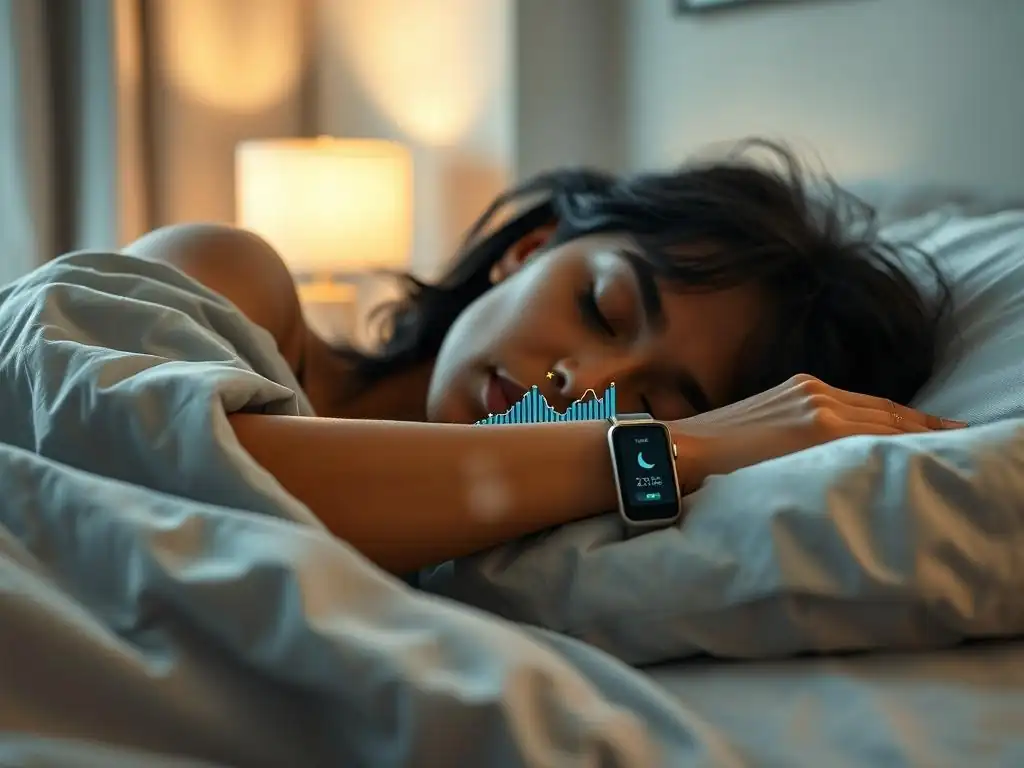
Welcome to Mind Care Guide, a space dedicated to nurturing your mental well-being. Are you tossing and turning, wondering if there's a better way to understand your sleep? Many struggle with restless nights, but did you know that technology could hold the key to unlocking deeper, more restorative sleep? Dive into our article to discover the surprising wearable sleep tracker benefits sleep and how these devices can help you identify and fix poor sleep patterns. Ready to finally get the rest you deserve?
How Wearable Sleep Trackers Can Help You Identify and Fix Poor Sleep Patterns
- Understanding the Connection: Sleep, Mental Health, and Wearables
- Deciphering Your Sleep Data: Wearable Sleep Tracker Benefits Sleep
- Choosing the Right Wearable Sleep Tracker for Your Needs
- Fixing Poor Sleep Patterns with Wearable Sleep Tracker Insights
- Real-Life Success Stories: Wearable Sleep Tracker Benefits Sleep
- Maximizing the Mental Health Benefits of Wearable Sleep Tracking
-
Frequently Asked Questions
- How can a wearable sleep tracker help me understand my sleep patterns?
- What specific sleep data can I expect a wearable sleep tracker to monitor?
- Can a wearable sleep tracker diagnose a sleep disorder?
- What are the potential benefits of using a wearable sleep tracker for improved sleep?
- How accurate are wearable sleep trackers compared to professional sleep studies?
- Final Reflection: Unlocking the Power of Restful Sleep
- Unlock Your Best Sleep Yet!
Understanding the Connection: Sleep, Mental Health, and Wearables
The Vital Link Between Quality Sleep and Mental Well-being
Quality sleep is not merely a period of rest; it is a fundamental pillar of overall health, profoundly impacting our mental and emotional states. During sleep, our brains are actively processing information, consolidating memories, and regulating mood-related neurotransmitters. Adequate, restorative sleep helps maintain emotional resilience, improve cognitive function, and supports effective decision-making. Conversely, consistent poor sleep can significantly impair these processes, leading to increased irritability, difficulty concentrating, and a reduced ability to cope with daily stressors.
Research consistently highlights the bidirectional relationship between sleep and mental health. Studies suggest that individuals who report chronic sleep deprivation are more likely to experience symptoms of various mental health conditions. For instance, a large-scale review might indicate that poor sleep quality is associated with a heightened risk of developing or exacerbating mood disorders. Prioritizing quality sleep is therefore a crucial step in building and maintaining robust mental well-being. Understanding this vital link underscores why tracking and improving sleep patterns is so important, and how wearable sleep tracker benefits sleep quality directly supports better mental health.
How Poor Sleep Contributes to Mental Health Challenges (e.g., Anxiety, Depression)
Poor sleep acts as a significant stressor on the body and mind, directly contributing to the onset or worsening of mental health issues like anxiety and depression. Sleep deprivation can disrupt the body's stress response system, leading to elevated levels of cortisol, the primary stress hormone. This physiological imbalance can increase feelings of worry and unease, making individuals more susceptible to anxiety disorders. Furthermore, impaired emotional regulation caused by insufficient sleep can make it harder to manage anxious thoughts and reactions throughout the day.
For depression, the link is equally strong. Many individuals with depression experience sleep disturbances, and chronic insomnia is considered a significant risk factor for developing depressive episodes. Lack of deep sleep and REM sleep, crucial stages for emotional processing and mood regulation, can leave individuals feeling emotionally drained and less able to experience positive emotions. Persistent sleep problems can create a vicious cycle: poor sleep worsens mental health symptoms, which in turn makes it harder to sleep well. Recognizing these patterns, often illuminated by wearable sleep tracker benefits sleep data, is a critical first step in breaking this cycle.
Introduction to Wearable Sleep Trackers: Your Personal Sleep Lab
Wearable sleep trackers are innovative devices designed to monitor various physiological signals while you sleep, essentially bringing a simplified version of a sleep lab into your home. These devices, worn on the wrist, finger, or head, collect data throughout the night, providing insights into your sleep architecture and overall sleep quality. They utilize sensors like accelerometers, optical heart rate sensors, and sometimes temperature or blood oxygen sensors to gather information about your body's state during sleep.
The data collected is then processed by algorithms to estimate different sleep stages, identify disturbances, and calculate metrics related to sleep duration and efficiency. Unlike subjective self-reporting, which can be inaccurate, wearable sleep trackers offer objective data points that can reveal consistent patterns or anomalies you might not be aware of. This objective information is invaluable for understanding how you sleep, not just if you slept, making the wearable sleep tracker benefits sleep analysis a powerful tool for self-improvement and potential intervention.
Deciphering Your Sleep Data: Wearable Sleep Tracker Benefits Sleep
What Metrics Do Wearable Sleep Trackers Monitor? (Sleep Stages, Heart Rate Variability, Movement)
Wearable sleep trackers employ a combination of sensors to capture a comprehensive picture of your night's rest. The core metrics typically include tracking sleep stages, measuring heart rate and often heart rate variability (HRV), and monitoring movement or activity levels throughout the night. These metrics are processed by the device's software to provide a detailed breakdown of your sleep session, moving beyond just total time spent in bed.
By monitoring these diverse physiological signals, wearable devices can offer insights into the quality and structure of your sleep. For example, accelerometer data primarily detects movement, which helps differentiate between periods of wakefulness, restlessness, and stillness associated with different sleep stages. Optical heart rate sensors measure your pulse, providing data on resting heart rate and its variations, which can correlate with stress levels and recovery state. The combination of these data points is what allows a wearable sleep tracker benefits sleep analysis to be so informative.
Understanding Sleep Stages: Deep Sleep, REM Sleep, Light Sleep
Sleep is not a monolithic state but cycles through distinct stages: NREM (Non-Rapid Eye Movement) stages 1, 2, and 3 (often referred to as light sleep and deep sleep), and REM (Rapid Eye Movement) sleep. Light sleep (NREM 1 & 2) is the transition into sleep and the baseline state for most of the night. Deep sleep (NREM 3), also known as slow-wave sleep, is crucial for physical restoration, tissue repair, and immune function. During deep sleep, brain waves slow significantly.
REM sleep is characterized by rapid eye movements, increased brain activity (similar to wakefulness), and vivid dreams. This stage is vital for cognitive function, memory consolidation, emotional processing, and learning. Wearable sleep trackers estimate the time spent in each of these stages using algorithms that analyze movement and heart rate patterns.
While not as precise as a clinical polysomnography (PSG), the data provides a useful approximation of your sleep architecture over time, helping you see if you're getting adequate amounts of each crucial stage. Observing patterns in sleep stages is a key component of understanding wearable sleep tracker benefits sleep quality improvements.
Heart Rate Variability (HRV) as an Indicator of Sleep Quality and Stress Levels
Heart Rate Variability (HRV) is the variation in time between consecutive heartbeats. It's not about how fast your heart is beating, but how much the interval between beats fluctuates. A higher HRV generally indicates that your autonomic nervous system (ANS) is well-balanced and resilient, suggesting good recovery and lower stress levels. Conversely, a lower HRV can indicate that your body is under stress, fatigue, or illness.
Tracking HRV during sleep can provide valuable insights into your recovery status and the quality of your rest. A night of poor sleep, perhaps due to stress, alcohol, or an inconsistent schedule, will often result in a lower HRV reading compared to a night of restorative sleep. Monitoring trends in HRV over time can help you identify lifestyle factors that negatively impact your recovery and sleep quality. This metric is a powerful way to gauge the physiological impact of your sleep patterns and is a significant part of the wearable sleep tracker benefits sleep analysis offers.
Actigraphy: How Movement Data Reveals Sleep Patterns
Actigraphy is a method used by wearable sleep trackers primarily utilizing an accelerometer to measure movement. During sleep, our bodies are generally still, with brief periods of movement. Actigraphy assumes that periods of prolonged stillness correspond to sleep, while periods of activity correspond to wakefulness. This is a fundamental technique used by almost all wearable devices to differentiate between sleep and wake states.
By continuously recording movement data throughout the night, the tracker can build a minute-by-minute picture of your activity levels. This data is then used in conjunction with other metrics like heart rate to estimate when you fell asleep, when you woke up, how many times you woke up during the night, and the duration of these awakenings. While actigraphy alone cannot definitively determine sleep stages (which requires brainwave analysis like PSG), it is highly effective at identifying sleep onset, offset, and periods of restlessness or fragmentation, providing crucial data points for a wearable sleep tracker benefits sleep analysis.
Interpreting Your Sleep Tracker Data: Identifying Problem Areas
Once you've collected sleep data, the next crucial step is interpreting it to identify specific issues in your sleep patterns. Raw numbers alone aren't useful; understanding what they signify in the context of your own habits and feelings is key. Your tracker's app will typically present data in charts and summaries, showing total sleep time, time spent in each stage, number of awakenings, and metrics like resting heart rate or HRV. Look for consistency or lack thereof in these reports.
Identifying problem areas involves comparing your data against recommended guidelines (e.g., 7-9 hours of sleep for adults) and looking for deviations from healthy patterns. Do you consistently fall short on total sleep? Is your deep sleep or REM sleep percentage low? Are there frequent, lengthy periods of wakefulness during the night? Do your sleep and wake times vary significantly from day to day? These are the types of questions your data can help answer, pinpointing areas that need attention. Understanding these patterns is central to leveraging wearable sleep tracker benefits sleep quality.
Recognizing Irregular Sleep Schedules and Their Impact
One of the most common issues revealed by sleep trackers is an irregular sleep schedule. This occurs when your bedtime and wake-up times vary significantly from night to night, especially between weekdays and weekends (often called "social jet lag"). Your sleep tracker data will clearly show this variation in your sleep onset and offset times plotted over several days or weeks.
An irregular schedule disrupts your body's natural circadian rhythm, the internal clock that regulates sleep and wakefulness. This disruption can make it harder to fall asleep, stay asleep, and wake up feeling refreshed. It can also negatively impact mood, energy levels, and cognitive function. For example, data might show you staying up until 2 AM on Friday and Saturday but trying to go to bed at 11 PM on Sunday, resulting in difficulty falling asleep and fragmented rest before the work week. Identifying this inconsistency through wearable sleep tracker benefits sleep awareness.
Identifying Sleep Fragmentation and Its Causes
Sleep fragmentation refers to being woken up multiple times during the night, even if you don't consciously remember each awakening. These brief awakenings interrupt the natural progression through sleep stages, preventing you from spending adequate time in restorative deep and REM sleep. Your sleep tracker will typically show these awakenings as periods of wakefulness or light sleep interspersed throughout the night, often accompanied by spikes in heart rate or movement.
Causes of sleep fragmentation can range from environmental factors like noise or light, to lifestyle habits like consuming alcohol or caffeine close to bedtime, or underlying issues like restless legs syndrome or sleep apnea. For instance, your tracker might show frequent awakenings around the same time each night, potentially correlating with a partner's snoring or a noisy appliance. Recognizing the frequency and timing of these disruptions through your wearable sleep tracker benefits sleep continuity and quality.
Spotting Insufficient Deep Sleep and REM Sleep
Your sleep tracker provides an estimated breakdown of the time spent in light, deep, and REM sleep. While the exact percentages can vary based on age and individual needs, consistently low amounts of deep sleep or REM sleep can indicate a problem. Deep sleep is typically most prominent in the first half of the night, while REM sleep increases in duration towards the morning.
Insufficient deep sleep can leave you feeling physically unrefreshed, even if you slept for a long time. Low REM sleep might affect your mood, ability to learn, and emotional processing.
For example, your tracker might show you getting 8 hours of sleep, but only 10% of that is deep sleep (when 15-20% might be a typical range) and 12% is REM sleep (when 20-25% might be typical). Identifying these deficits through wearable sleep tracker benefits sleep analysis allows you to explore potential causes, such as inconsistent sleep times, stress, or certain medications, and work towards increasing time in these vital stages.
Choosing the Right Wearable Sleep Tracker for Your Needs
Selecting the appropriate wearable sleep tracker is crucial for getting accurate data and actionable insights. The market offers a variety of devices, each with different features, form factors, and price points. Consider your specific goals: are you focused purely on sleep, or do you want a device that also tracks activity and overall recovery? Your comfort level with wearing a device overnight is also a key factor.
Beyond the basic function of tracking sleep, evaluate the accompanying app and data presentation. Is the data easy to understand? Does it offer personalized insights or recommendations? Can you easily track trends over time? Thinking about how you plan to use the information will guide your choice. A good wearable sleep tracker benefits sleep improvement efforts by providing reliable data in a user-friendly format.
Key Features to Consider When Selecting a Sleep Tracker
When evaluating wearable sleep trackers, several features stand out as particularly important for getting meaningful insights into your sleep patterns and leveraging the wearable sleep tracker benefits sleep analysis provides. Prioritizing these features will help you choose a device that is both effective and practical for your daily life.
Consider the device's form factor – wristband, ring, or head-worn – and how comfortable it will be for you to wear consistently every night. The accuracy and reliability of the data it collects are paramount; look for devices with validated sensors and algorithms, although note that consumer-grade trackers are estimations, not medical diagnoses. Finally, assess the battery life and the ease of charging, as you'll need to wear it almost every night to get consistent data.
Accuracy and Reliability of Sleep Data
The accuracy of a wearable sleep tracker is perhaps the most critical factor. While consumer devices are not medical-grade instruments like those used in a sleep lab (polysomnography), their estimations of sleep stages and duration should be reasonably consistent and reflective of your actual sleep patterns. Look for devices that have undergone independent validation studies, though be aware that results can vary.
Reliable data means the device consistently captures your sleep night after night without significant errors or data dropouts. Read reviews and look for information on how the device performs in real-world conditions. A device that frequently fails to track a night's sleep or provides wildly inconsistent data from one night to the next is less useful for identifying long-term patterns. High accuracy and reliability ensure that the wearable sleep tracker benefits sleep analysis is genuinely helpful.
Comfort and Wearability for Overnight Use
Since you'll be wearing the device for 7-9 hours or more each night, comfort is non-negotiable. A bulky, irritating, or heavy device is likely to interfere with your sleep or cause you to stop using it altogether. Wearable sleep trackers come in various forms: wristbands (like fitness trackers), rings (like the Oura Ring), or even small sensors that clip onto clothing or are placed under the mattress (though the latter aren't typically considered 'wearables').
Consider how you sleep – side sleeper, stomach sleeper – and whether the device's form factor will be disruptive. A comfortable device is one you forget you're wearing, ensuring it doesn't negatively impact the very sleep it's trying to track. Prioritizing comfort ensures consistent usage, which is essential for realizing the wearable sleep tracker benefits sleep tracking offers over time.
Battery Life and Charging Convenience
The battery life of a wearable sleep tracker dictates how often you need to charge it. Ideally, you want a device that can last for several nights on a single charge, minimizing the chance of missing a night's data because the battery died. Devices with longer battery life, perhaps 5-7 days, allow for more consistent tracking without daily charging interruptions.
Consider the charging method as well. Is it a proprietary charger, a standard USB cable, or wireless charging? How long does it take to charge fully? A device that charges quickly and lasts for multiple nights is more convenient and increases the likelihood of consistent use. Consistent tracking is key to gathering enough data to identify meaningful patterns and fully experience the wearable sleep tracker benefits sleep analysis provides.
Data Visualization and Reporting Capabilities
The best sleep tracker data is useless if you can't understand it. The accompanying app's data visualization and reporting capabilities are crucial. Look for apps that present your sleep data clearly and intuitively, using graphs, charts, and summaries. Can you easily view trends over days, weeks, and months? Does the app provide context for the data, explaining what metrics like HRV or sleep stages mean?
Some apps offer personalized insights, comparing your data to benchmarks or suggesting potential reasons for poor sleep based on your patterns. Others might integrate with third-party apps or services. A well-designed app makes interpreting your wearable sleep tracker benefits sleep data straightforward and helps you translate the numbers into actionable steps for improvement.
Top Wearable Sleep Tracker Recommendations for Better Mental Health
Several wearable devices are highly regarded for their sleep tracking capabilities and potential benefits for mental well-being by providing detailed insights into recovery and sleep quality. While the market is always evolving, certain devices have established reputations for their focus on sleep and recovery metrics.
Choosing a device from a reputable brand known for its sleep tracking features increases the likelihood of getting accurate and useful data. Look into reviews and comparisons that specifically evaluate the sleep performance of these devices. Remember that the best device for you depends on your budget, desired features, and comfort preferences. Exploring these options helps you find a wearable sleep tracker benefits sleep improvement the most for your personal needs.
Oura Ring: Minimally Invasive Sleep and Recovery Tracking
The Oura Ring is a popular choice known for its non-wrist form factor and focus on overall health and recovery, with sleep tracking being a core feature. Worn on the finger, it utilizes sensors including an infrared LED, NTC temperature sensor, and accelerometer to collect data.
Features: Sleep Stages, Body Temperature, Activity Tracking
The Oura Ring tracks estimated sleep stages (Light, Deep, REM, Wake), total sleep time, sleep efficiency, and latency. It also monitors resting heart rate, Heart Rate Variability (HRV), respiratory rate, and body temperature deviations during the night. In the morning, it provides a "Readiness Score" based on your sleep, HRV, temperature, and activity from the previous day, designed to indicate your physical and mental preparedness. The body temperature tracking can sometimes help identify illness or menstrual cycle phases, which can impact sleep. Its comprehensive approach to recovery makes understanding the wearable sleep tracker benefits sleep and overall well-being easier.
Whoop Strap: Focus on Recovery and Performance with Sleep Analysis
The Whoop Strap is a subscription-based wearable designed for athletes and individuals focused on optimizing recovery and performance, with detailed sleep analysis as a key component. Worn on the wrist or upper arm, it continuously collects physiological data.
Features: Sleep Performance, Strain Score, Recovery Insights
Whoop tracks total sleep time, sleep efficiency, and estimates time spent in each sleep stage. It emphasizes "Sleep Performance," measuring how much sleep you got compared to how much sleep your body needed based on your recent "Strain" (activity level) and "Recovery" (measured through HRV, resting heart rate, and respiratory rate). The platform provides detailed insights into how your daily activities and recovery status impact your sleep needs and quality. Its strong focus on the interplay between sleep, recovery, and daily stress highlights the wearable sleep tracker benefits sleep has for overall physical and mental capacity.
Biostrap EVO: Comprehensive Biometric Data for Sleep and Recovery Optimization
The Biostrap EVO is a modular system that can be worn on the wrist or ankle, known for collecting a wide range of biometric data beyond basic activity and heart rate, including pulse oximetry (blood oxygen saturation).
Features: Sleep Stages, HRV, Blood Oxygen Saturation
Biostrap EVO provides detailed sleep analysis, including estimated sleep stages, total sleep time, and sleep efficiency. It offers robust HRV analysis and uniquely tracks Blood Oxygen Saturation (SpO2) during sleep, which can be an important metric for identifying potential breathing disturbances like sleep apnea. The platform also provides detailed reports on recovery status based on sleep and other biometrics. Its comprehensive data set, including SpO2, adds another dimension to understanding sleep quality and potential issues, enhancing the wearable sleep tracker benefits sleep tracking provides by offering a broader view of physiological signals during rest.
Fixing Poor Sleep Patterns with Wearable Sleep Tracker Insights
Identifying poor sleep patterns with a wearable sleep tracker is only the first step. The real value lies in using that data to make targeted changes to your habits and environment. Your sleep tracker becomes a feedback tool, showing you how your behaviors impact your sleep quality and helping you track the effectiveness of your interventions. This active process of monitoring, adjusting, and re-monitoring is where the wearable sleep tracker benefits sleep improvement truly manifest.
Making changes based on objective data is often more effective than relying solely on subjective feelings. For instance, you might feel like you slept poorly, but your tracker might show you got enough sleep but had frequent awakenings. This distinction guides you towards addressing fragmentation rather than just focusing on total duration. Use your tracker's insights as a guide, but remember they are estimates and should be considered alongside how you feel.
Step-by-Step Guide: Using Your Sleep Data to Improve Sleep Quality
Improving sleep quality using wearable sleep tracker data is a process that involves analyzing your patterns, identifying potential culprits, implementing changes, and tracking the results. It's an iterative approach that allows for personalization based on your unique sleep profile.
Here is a structured approach to leveraging your sleep tracker data for better rest:
1. Establishing a Consistent Sleep Schedule: The Power of Circadian Rhythm
Your sleep tracker data can reveal inconsistencies in your bedtime and wake-up times. The first step is to identify your average sleep duration and the times you naturally feel tired and wake up when you don't use an alarm. Aim to go to bed and wake up around the same time every day, even on weekends. Your tracker will show if you're sticking to this schedule and how consistency impacts metrics like sleep latency (how long it takes to fall asleep) and total sleep time.
For example, if your data shows you go to bed anywhere between 10 PM and 1 AM and wake up between 6 AM and 9 AM, try setting a target range, say 11 PM to 7 AM. Track this for a week or two and observe if your sleep efficiency or total sleep time improves, or if the time it takes to fall asleep decreases. Consistency reinforces your body's natural circadian rhythm, making it easier to fall asleep and wake up naturally. This is a foundational way a wearable sleep tracker benefits sleep regulation.
2. Optimizing Your Sleep Environment: Creating a Sleep-Conducive Bedroom
Your sleep tracker might show fragmented sleep or frequent awakenings. Consider your bedroom environment. Is it dark, quiet, and cool? Data showing disruptions around certain times might correlate with environmental factors. For example, if your tracker consistently shows light sleep or awakenings starting around sunrise, blackout curtains could be the solution.
Your sleep tracker can provide feedback on the effectiveness of changes. If you implement strategies like using earplugs to block noise or lowering the thermostat and your data shows a decrease in awakenings or an increase in deep sleep, you know the intervention is working. Creating an optimal environment supports consolidated, high-quality sleep, which your tracker can help you verify.
Product Recommendation: [Sunrise Alarm Clock Affiliate Link] for gentle, natural waking.
3. Managing Stress and Anxiety Before Bed: Relaxation Techniques and Tools
High resting heart rate or low HRV during the night, as shown by your tracker, can be indicators of stress or anxiety impacting your sleep. If your data suggests your physiology is not calming down before or during sleep, incorporating pre-sleep relaxation techniques is essential. This could include reading, taking a warm bath, gentle stretching, or practicing mindfulness or meditation.
Use your tracker to see if these practices have a measurable effect. Does your resting heart rate trend downwards over time as you consistently practice meditation? Does your HRV increase on nights when you dedicate time to winding down? Your tracker provides objective feedback on your body's physiological response to stress management techniques, helping you identify what works best for you. Exploring these connections enhances the wearable sleep tracker benefits sleep and stress management.
Service Recommendation: Exploring Insight Timer for free guided meditations. [Insight Timer Affiliate Link]
4. Adjusting Your Diet and Exercise Habits for Better Sleep
Lifestyle factors like diet and exercise significantly impact sleep. Consuming caffeine or alcohol close to bedtime can disrupt sleep architecture, leading to more light sleep and awakenings, which your tracker will likely show. Irregular meal times or heavy meals late at night can also interfere. Similarly, the timing and intensity of exercise matter. While regular exercise generally improves sleep, intense workouts too close to bedtime can be stimulating.
Track your habits alongside your sleep data. Did that late-night coffee impact your sleep latency? Did exercising in the morning versus the evening change your deep sleep duration? Your tracker helps you correlate these lifestyle choices with objective sleep metrics, allowing you to make informed adjustments to your routine. Understanding these correlations is a key part of leveraging wearable sleep tracker benefits sleep health.
5. Addressing Underlying Sleep Disorders: When to Seek Professional Help
While wearable sleep trackers are valuable tools for identifying patterns and making lifestyle adjustments, they are not diagnostic medical devices. If your sleep data consistently shows significant issues, such as very low blood oxygen saturation (if your device tracks it), frequent and long periods of wakefulness, or extremely low percentages of deep/REM sleep, it could indicate an underlying sleep disorder like sleep apnea, chronic insomnia, or restless legs syndrome.
Your tracker data can serve as a useful starting point for a conversation with a healthcare professional or a sleep specialist. You can show them weeks or months of objective data demonstrating your sleep challenges. They can then recommend appropriate diagnostic testing, such as a polysomnography, which is the gold standard for diagnosing sleep disorders. Knowing when to seek professional help based on persistent problematic data is a crucial aspect of responsible wearable sleep tracker benefits sleep improvement efforts.
Real-Life Success Stories: Wearable Sleep Tracker Benefits Sleep
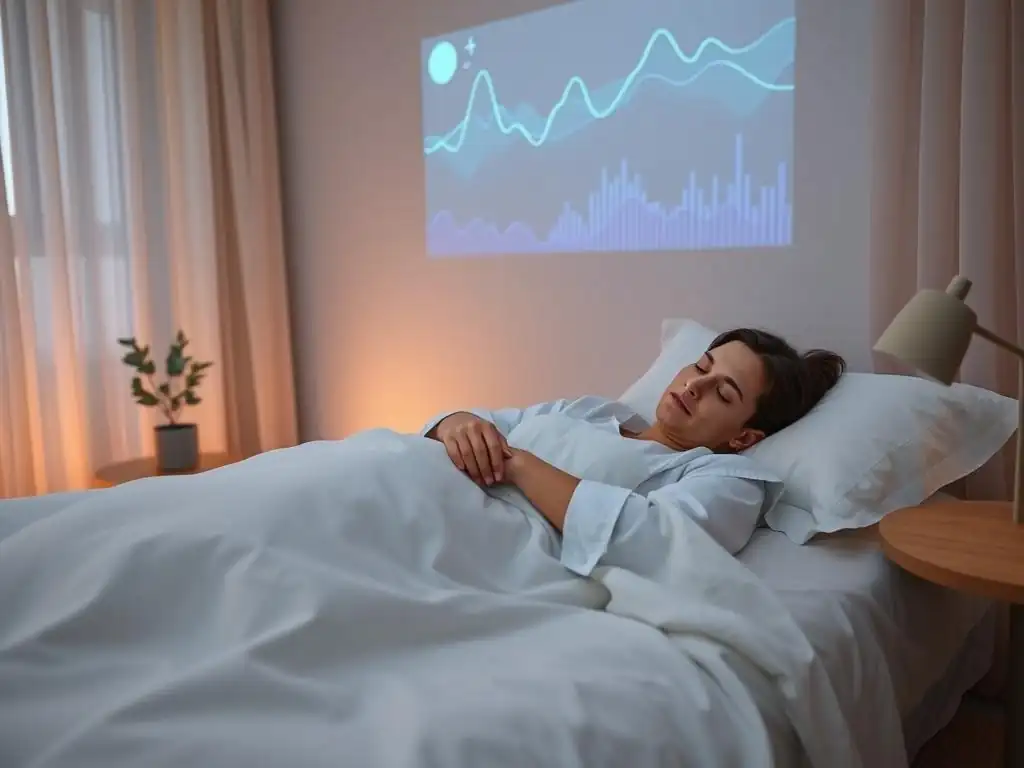
Hearing about how others have successfully used wearable sleep trackers can be incredibly motivating. These devices have helped many individuals identify previously unknown sleep issues and make impactful changes, leading to improved sleep quality and, consequently, better mental health. While specific personal data is confidential, common themes emerge in how people leverage these tools.
These examples illustrate how objective data from a wearable device can provide the necessary insights and motivation to change long-standing habits or seek appropriate medical care, ultimately leading to significant improvements in daily life and mental well-being. The power of seeing your own sleep patterns laid out objectively is a major part of the wearable sleep tracker benefits sleep brings.
Case Study 1: Improved Sleep and Reduced Anxiety with Consistent Sleep Schedule and Mindfulness
Consider the example of 'Sarah', who experienced chronic anxiety and often felt exhausted despite spending 8+ hours in bed. Her wearable sleep tracker initially showed highly variable bedtimes and wake-up times, often fluctuating by several hours, especially on weekends. It also indicated frequent nighttime awakenings and relatively low amounts of deep sleep. Sarah decided to use the data to enforce a stricter sleep schedule, aiming for an 11 PM bedtime and 7 AM wake-up time daily.
Over a few weeks, her tracker data showed a noticeable improvement in sleep consistency and efficiency. As her sleep patterns stabilized, she also incorporated a 15-minute mindfulness practice before bed, which her tracker showed correlated with a slight decrease in resting heart rate before sleep and fewer reported awakenings. Within two months, Sarah reported feeling significantly more rested and noticed a reduction in her baseline anxiety levels, attributing the improvement partly to the objective feedback and structure provided by her wearable sleep tracker benefits sleep consistency and quality.
Case Study 2: Early Identification of Sleep Apnea Thanks to Wearable Sleep Tracker Data
Take the case of 'Mark', who felt constantly tired but didn't think he had a sleep problem, assuming his fatigue was just due to stress. His wearable sleep tracker, which included blood oxygen monitoring capabilities, began showing concerning patterns: frequent dips in blood oxygen saturation during the night, particularly during periods estimated as sleep, along with highly fragmented sleep and low deep sleep percentages. While the tracker couldn't diagnose sleep apnea, these persistent data anomalies strongly suggested a potential issue that needed medical investigation.
Concerned by the recurring low SpO2 readings and fragmented sleep patterns indicated by his wearable sleep tracker benefits sleep analysis, Mark consulted his doctor and shared the data. The doctor recommended a formal sleep study (polysomnography), which confirmed a diagnosis of moderate sleep apnea.
With treatment (using a CPAP machine), Mark's sleep quality dramatically improved, as evidenced by his tracker showing fewer awakenings, higher blood oxygen levels, and increased time in deep sleep. This case highlights how a wearable sleep tracker can act as an early warning system, prompting individuals to seek professional diagnosis and treatment for serious sleep disorders.
Maximizing the Mental Health Benefits of Wearable Sleep Tracking
Simply owning a wearable sleep tracker isn't enough; actively using the data and integrating insights into your broader mental wellness routine unlocks the full potential of the wearable sleep tracker benefits sleep tracking offers for mental health. It's about using the information as a catalyst for positive change and self-awareness.
Think of your sleep tracker as one piece of the puzzle in understanding your overall well-being. By combining sleep data with other forms of self-monitoring and professional support, you gain a more holistic view of how different aspects of your life interact and impact your mental state. This integrated approach maximizes the positive influence of improved sleep on your emotional and cognitive health.
Integrating Sleep Data with Other Mental Wellness Practices
Connecting your sleep data with other practices aimed at improving mental wellness provides a powerful feedback loop. It allows you to see the tangible impact of your efforts across different areas of your life. This integration helps reinforce positive habits and identify what strategies are most effective for you.
By combining data sources, you move beyond just tracking sleep in isolation. You can start to draw correlations between your sleep patterns, mood, stress levels, and energy throughout the day. This richer understanding supports more informed decision-being about your daily routine and self-care practices. Leveraging wearable sleep tracker benefits sleep insights alongside other practices amplifies their combined impact on mental health.
Combining Sleep Tracking with Journaling and Mood Tracking
Journaling and mood tracking are common practices for self-reflection and understanding emotional states. Combining these subjective reports with objective sleep data from your wearable tracker can reveal powerful connections. For instance, you might notice in your journal that days following nights with fragmented sleep (as shown by your tracker) correlate with increased irritability or difficulty concentrating.
Conversely, journaling might show that practicing gratitude before bed leads to feeling calmer, and your tracker data might reflect this with improved sleep efficiency or higher HRV on those nights. This combination allows you to test hypotheses about what impacts your mood and sleep, providing concrete evidence from your tracker to support your subjective feelings recorded in your journal. This synergistic approach strengthens the wearable sleep tracker benefits sleep and emotional awareness.
Using Sleep Data to Inform Therapy Sessions and Mental Health Treatment
Objective data from a wearable sleep tracker can be an invaluable tool in therapy or discussions with mental health professionals. Instead of relying solely on potentially vague recollections of sleep quality, you can share concrete patterns and metrics. This data can help your therapist identify potential behavioral patterns contributing to sleep problems or highlight how sleep deprivation might be exacerbating symptoms of anxiety or depression.
Your therapist can use this information to tailor interventions, such as cognitive behavioral therapy for insomnia (CBT-I), or to monitor the effectiveness of treatment strategies. For example, if you are working on stress reduction techniques in therapy, your tracker data on HRV or sleep fragmentation can provide objective feedback on how well those techniques are translating into physiological changes during sleep. Utilizing wearable sleep tracker benefits sleep data in a clinical context facilitates a more informed and targeted approach to mental health treatment.
Long-Term Strategies for Maintaining Healthy Sleep Habits
Improving sleep is often not a one-time fix but an ongoing process of maintaining healthy habits. Wearable sleep trackers are excellent tools for supporting these long-term strategies. They provide continuous monitoring and feedback, helping you stay accountable and quickly identify when you start slipping back into old patterns.
Consistency is key to long-term sleep health, and your tracker serves as a constant reminder and objective reporter on your consistency. By regularly reviewing your data and being prepared to make adjustments, you can proactively manage your sleep and prevent minor issues from escalating into chronic problems. This sustained monitoring is where the long-term wearable sleep tracker benefits sleep health become most apparent.
Regularly Reviewing Your Sleep Data and Making Adjustments as Needed
Don't just look at your sleep data occasionally; make it a regular habit. Set aside time each week to review your sleep patterns over the past seven days and compare them to previous weeks or months. Look for trends: Is your total sleep time decreasing? Are you spending less time in deep sleep? Are your bedtimes becoming less consistent?
Based on these reviews, identify areas where you might need to make adjustments. If your data shows increasing fragmentation, consider your evening routine or sleep environment. If your HRV is consistently low, evaluate your stress levels and recovery practices. The data provides the starting point for informed decisions about modifying your habits. This continuous review and adjustment process is central to leveraging wearable sleep tracker benefits sleep health over time.
Consulting with a Sleep Specialist for Personalized Recommendations
While your wearable sleep tracker provides valuable insights, it cannot replace professional medical advice, especially for persistent or complex sleep issues. If you consistently struggle with sleep despite making lifestyle changes based on your tracker data, or if your data suggests potential disorders (like low SpO2 or significant fragmentation), consulting a sleep specialist is a wise next step.
A sleep specialist can provide a proper diagnosis, rule out underlying medical conditions, and offer personalized recommendations or treatments. You can bring your sleep tracker data to the appointment to give the specialist a detailed history of your sleep patterns. They can interpret your data in a clinical context and guide you towards the most effective strategies for improving your sleep health. Partnering with a professional while using your wearable sleep tracker benefits sleep recovery and overall well-being significantly.
Frequently Asked Questions
How can a wearable sleep tracker help me understand my sleep patterns?
Wearable sleep trackers use sensors to monitor your sleep stages, like deep sleep, light sleep, and REM sleep. This data helps you identify patterns and inconsistencies in your sleep schedule.
What specific sleep data can I expect a wearable sleep tracker to monitor?
Most trackers monitor sleep duration, sleep stages, heart rate variability, and movement. Some also track ambient noise and temperature during sleep.
Can a wearable sleep tracker diagnose a sleep disorder?
No, wearable sleep trackers are not diagnostic tools. They can highlight potential issues, but a qualified healthcare professional is needed for diagnosis.
What are the potential benefits of using a wearable sleep tracker for improved sleep?
By understanding your sleep patterns, you can identify areas for improvement, such as adjusting your bedtime, creating a better sleep environment, or seeking medical help. This can lead to better sleep quality and overall well-being.
How accurate are wearable sleep trackers compared to professional sleep studies?
While improving, wearable sleep trackers are generally less accurate than polysomnography (PSG) used in sleep labs. They are best used for trend tracking and self-monitoring, not definitive diagnosis.
Final Reflection: Unlocking the Power of Restful Sleep
The pursuit of better sleep is no longer a luxury; it's a necessity in our increasingly demanding world. Wearable sleep trackers, once a niche gadget, are rapidly becoming essential tools for understanding and improving our sleep hygiene, offering a personalized approach to a problem that affects millions. Their ability to quantify sleep patterns and provide actionable insights empowers individuals to take control of their well-being in a way never before possible.
The impact of sleep on our daily lives is profound, influencing everything from our mood and productivity to our physical and mental health. The data collected by these trackers isn't just numbers; it's a window into our internal rhythms, revealing hidden patterns and highlighting areas for improvement. Sleep is the golden chain that binds health and our bodies together.
This quote, though not directly about wearable trackers, perfectly encapsulates the vital role sleep plays in our overall well-being, a role these devices help us understand and nurture. The increasing awareness of the importance of sleep, fueled in part by the accessibility of these technologies, is a positive step towards a healthier and more productive society.
Now, consider your own sleep patterns. Are you satisfied with the quality of your rest? This article has provided you with insights into how wearable sleep trackers can help you identify and address potential issues.
I encourage you to take the next step: research different trackers, consider your individual needs, and explore the possibility of incorporating this technology into your life. By actively monitoring and improving your sleep, you're investing in your present and future well-being, unlocking a potential for greater energy, focus, and overall happiness. The journey to better sleep starts with awareness – and now, you have the tools to begin.
Unlock Your Best Sleep Yet!
Thanks for taking the time to explore the fascinating world of wearable sleep trackers and how they can revolutionize your rest! You've gained valuable insights into improving your sleep quality—now it's time to put that knowledge into action.
Here's what you can do next:
- Start tracking your sleep tonight! Download a sleep tracking app or utilize the features on your existing wearable device. Pay close attention to the data collected and any patterns that emerge.
- Explore different sleep hygiene techniques based on your tracker's insights. Experiment with things like adjusting your bedtime routine or creating a more relaxing sleep environment.
- Share your experience! Tell us (or your friends) about your journey and how using a tracker has improved your sleep. Let’s build a community of better sleepers!
What small change will you make tonight to prioritize your sleep health?