
Finding Inner Calm: A Guide to Reflective Practice


Welcome to Mind Care Guide, your sanctuary for nurturing inner peace.
Feeling overwhelmed by the relentless demands of life? You're not alone. Discover how reflective practice for a calm mind can be a powerful tool in navigating the complexities of mental well-being. This guide offers practical steps and insightful perspectives to help you cultivate mindfulness and find solace within yourself. Curious about how reflection can unlock a calmer, more resilient you? Let's begin your journey towards inner peace...
Finding Inner Calm: A Guide to Reflective Practice
- Introduction: Cultivating Calm Through Reflective Practice
- Understanding Reflective Practice for a Calm Mind
- Benefits of Reflective Practice for Mental Well-being
- Techniques for Effective Reflective Practice
- Implementing Reflective Practice in Your Daily Life
- Reflective Practice and Spiritual Growth
- Case Studies: Real-Life Examples of Reflective Practice
- Resources for Further Exploration of Reflective Practice
- Conclusion: Embracing Reflective Practice for a Calmer, More Meaningful Life
-
Frequently Asked Questions
- What exactly is reflective practice and how can it help me find inner calm?
- How often should I engage in reflective practice for it to be effective?
- What are some practical techniques I can use to begin reflective practice?
- I'm struggling to be honest with myself during reflection. What can I do?
- Are there any potential downsides or limitations to reflective practice?
- Final Reflection: Cultivating the Stillness Within
- Unlock Your Inner Peace: Start Practicing Reflection Today!
Introduction: Cultivating Calm Through Reflective Practice
The Importance of Inner Calm in Modern Life
In today's fast-paced world, achieving a state of inner calm feels increasingly challenging yet vital. The constant barrage of information, social pressures, and personal responsibilities can lead to heightened stress, anxiety, and a feeling of being overwhelmed. Surveys consistently show rising levels of stress across populations; for instance, a 2023 report indicated that a significant percentage of adults globally report experiencing high levels of stress daily.
This persistent state of mental agitation not only impacts our emotional well-being but also has tangible effects on physical health, relationships, and overall quality of life. Cultivating inner calm is not a luxury but a necessary skill for navigating the complexities of modern existence and maintaining mental resilience.
Living with a calm mind allows us to respond to challenges with greater clarity and composure, rather than reacting impulsively out of stress or fear. It enables better focus, improved decision-making, and a deeper connection with ourselves and others. Without intentional effort to foster calm, the default state for many becomes one of reactivity and mental clutter.
Therefore, exploring practices that actively promote tranquility and mental clarity, such as reflective practice, is essential for anyone seeking a more balanced and fulfilling life amidst the demands of the modern world. This pursuit of a calm mind is a foundational element of comprehensive mental well-being.
What is Reflective Practice and How Does it Promote Calm?
Reflective practice is a structured process of thinking about one's experiences, actions, and feelings with the intention of gaining insight and improving understanding. It goes beyond simple introspection by involving a systematic approach to analyzing events, considering different perspectives, and identifying lessons learned. While often associated with professional development, reflective practice is a powerful tool for personal growth and, crucially, for cultivating a calm mind. By intentionally pausing to process thoughts and emotions, individuals can gain distance from immediate reactions and reduce the mental noise that contributes to stress and anxiety.
The process of engaging in reflective practice directly promotes calm by helping to untangle complex thoughts and emotions. For example, reflecting on a stressful interaction can help you identify the specific triggers and your typical responses, making future similar situations less overwhelming. Instead of being swept away by strong feelings, reflection allows you to observe them from a more detached perspective.
This mindful observation, a core component of effective reflective practice for calm mind, reduces the intensity of emotional reactivity. Furthermore, by dedicating time to thoughtful consideration, you create a mental space away from external pressures, providing a much-needed respite and fostering a sense of inner peace.
Reflective Practice as a Spiritual Practice for Mental Health
Reflective practice holds deep roots in many spiritual traditions, often intertwined with prayer, meditation, and contemplation. As a spiritual practice, it involves turning inward to connect with one's deeper self, values, and beliefs, and potentially with a higher power or universal consciousness. This inward focus provides a grounding element that can be profoundly beneficial for mental health. For instance, reflecting on life's challenges through a spiritual lens can help reframe difficulties as opportunities for growth or connect them to a larger purpose, alleviating feelings of despair or isolation often associated with mental health struggles.
When integrated into a spiritual framework, reflective practice for calm mind becomes more than just a psychological tool; it becomes a pathway to spiritual insight and connection. Many find that reflecting on gratitude, forgiveness, or their place in the world within a spiritual context deepens their sense of peace and strengthens their inner resolve.
This form of reflection can help individuals align their actions with their core spiritual values, reducing internal conflict and fostering a sense of integrity that contributes to a calmer, more integrated self. It bridges the gap between mental well-being and spiritual growth, offering a holistic approach to finding inner calm.
Understanding Reflective Practice for a Calm Mind
Defining Reflective Practice: Beyond Simple Reflection
Reflective practice is often misunderstood as merely "thinking about things." While simple reflection involves pondering experiences, reflective practice is a more deliberate and structured process aimed at learning and growth.
It typically involves several stages, such as describing an experience, examining one's feelings and thoughts about it, evaluating what happened, analyzing the situation to understand underlying factors, concluding what was learned, and planning for future actions based on the insights gained. For example, reflecting on a moment of anxiety isn't just noting "I felt anxious"; it involves asking why you felt anxious, what triggered it, how your body reacted, what thoughts were present, and what you might do differently next time to manage the feeling.
This systematic approach differentiates reflective practice from casual introspection and makes it a powerful tool for achieving a calm mind. By breaking down experiences into manageable components, reflection helps to demystify challenging situations and emotions. It moves you from a state of passive reaction ("I feel overwhelmed") to active understanding ("When X happens, I tend to feel Y because of Z"). This understanding reduces uncertainty and increases your sense of agency, which are critical factors in reducing stress and fostering inner calm. Engaging in structured reflective practice for calm mind provides clarity and control over your internal landscape.
Key Principles of Reflective Practice
Several core principles underpin effective reflective practice. Firstly, it requires a willingness to be open and honest with oneself, acknowledging both successes and failures, comfortable and uncomfortable emotions. A non-judgmental attitude is crucial – the goal is to learn, not to criticize oneself. Secondly, reflective practice is active and often involves recording thoughts, whether through writing, speaking, or creative expression, to make the reflection tangible and observable. This externalization helps to gain perspective. Thirdly, it is cyclical; insights gained from one reflection inform future actions and subsequent reflections, creating a continuous loop of learning and development.
Applying these principles to cultivate a calm mind means approaching your internal experiences with curiosity rather than judgment. When you feel stressed, instead of labeling yourself as "bad" or "weak," you observe the stress, ask what might be contributing to it, and reflect on potential strategies for managing it.
This non-judgmental observation, a key principle of reflective practice, reduces the secondary layer of anxiety that often arises from self-criticism. By actively engaging with your thoughts and feelings in a structured, open way, you create a foundation for greater self-understanding and emotional regulation, paving the way for a more consistently calm mind.
The Connection Between Reflective Practice and Mindfulness
Reflective practice and mindfulness are deeply interconnected and mutually reinforcing, particularly when seeking a calm mind. Mindfulness is the practice of paying attention to the present moment without judgment, focusing on thoughts, feelings, bodily sensations, and the surrounding environment. It cultivates present-moment awareness. Reflective practice, while often looking back at past experiences or forward to future actions, is significantly enhanced by a mindful approach. Being able to observe your thoughts and feelings during reflection without getting lost in them is a direct result of mindfulness skills.
Conversely, reflective practice can deepen mindfulness. By reflecting on your experiences of being mindful, you can gain insight into what helps you stay present and what distracts you. For example, reflecting on a meditation session can reveal patterns of thought or external triggers that pull you away from the present moment.
This understanding allows you to approach future mindfulness practices with greater awareness and intention. Together, reflective practice and mindfulness form a powerful synergy: mindfulness provides the non-judgmental awareness needed for effective reflection, and reflection provides insights that can enhance your mindfulness practice, collectively contributing to a more stable and calm mind. This combination is a potent strategy for fostering inner peace.
Benefits of Reflective Practice for Mental Well-being
Reducing Stress and Anxiety Through Reflection
Regular reflective practice is a powerful tool for mitigating the effects of stress and anxiety. By taking time to process experiences, individuals can identify the root causes of their stress rather than merely reacting to symptoms. For example, reflecting on a recurring stressful situation might reveal that the anxiety stems not just from the event itself, but from a specific belief about needing to be perfect or a fear of judgment.
Once these underlying patterns are identified through reflection, they can be addressed directly, perhaps through challenging the belief or developing coping mechanisms. This targeted approach is far more effective than simply trying to suppress anxious feelings.
Furthermore, the very act of setting aside time for reflective practice can be a calming ritual in itself. In a busy world, dedicating a specific period to quiet contemplation creates a necessary pause. This deliberate slowing down allows the nervous system to settle, reducing the physiological arousal associated with stress and anxiety. Even a short, focused reflective session – perhaps 10-15 minutes daily – can significantly impact overall stress levels by providing a mental space to decompress and gain perspective. This consistent engagement with reflective practice for calm mind builds resilience against daily stressors.
Enhancing Self-Awareness and Emotional Regulation
One of the most significant benefits of reflective practice is the profound enhancement of self-awareness. By regularly examining your thoughts, feelings, and behaviors, you gain a deeper understanding of your internal landscape. This includes recognizing your emotional triggers, understanding your typical responses to different situations, and identifying your core values and beliefs. For instance, reflecting on a conflict might reveal a pattern of becoming defensive when feeling misunderstood, providing insight into your emotional response mechanisms. This increased self-awareness is foundational for emotional regulation.
With enhanced self-awareness comes a greater capacity to manage your emotions effectively. When you understand why you feel a certain way and recognize the early signs of an emotional shift, you are better equipped to regulate your response before it escalates. Instead of being controlled by intense emotions like anger or fear, reflective practice helps you observe them, understand their source, and choose a more constructive reaction. This ability to pause, process, and respond intentionally, rather than react automatically, is central to maintaining a calm mind and building emotional resilience.
Improving Decision-Making and Problem-Solving Skills
Reflective practice significantly sharpens decision-making and problem-solving abilities. When faced with a difficult choice or a complex problem, taking time to reflect allows you to step back from the immediate pressure and consider the situation from multiple angles. You can analyze past experiences with similar challenges, evaluate the potential outcomes of different approaches, and identify potential pitfalls based on previous reflections. For example, reflecting on a past career decision might highlight the importance of aligning work with personal values, guiding future career choices.
By systematically reflecting on past decisions and their consequences, you build a repository of lessons learned that informs future choices. This structured approach reduces impulsive or reactive decision-making, which often leads to poor outcomes and increased stress. Reflective practice encourages a more thoughtful, deliberate process, allowing you to anticipate challenges, weigh options more effectively, and make decisions that are more aligned with your long-term goals and values. This leads to fewer regrets and a greater sense of control, contributing to a more settled and calm mind.
Fostering a Sense of Purpose and Meaning
Engaging in reflective practice, particularly as a spiritual practice, can profoundly enhance your sense of purpose and meaning in life. By reflecting on your experiences, relationships, and values, you begin to identify what truly matters to you. This process involves considering your strengths, passions, and contributions, and how they align with your deepest convictions. For example, reflecting on moments of greatest fulfillment might reveal a consistent theme of helping others or pursuing creative endeavors, highlighting areas where you find significant meaning.
This clarity about your values and purpose provides a powerful anchor, especially during times of uncertainty or difficulty. When you have a strong sense of why you are doing what you are doing, challenges become less daunting, and daily life feels more significant. Reflective practice helps to connect the dots between your daily actions and your larger life purpose, fostering a sense of coherence and direction. This connection is deeply calming and provides a resilient inner framework that supports mental well-being. Cultivating this sense of purpose through reflective practice for calm mind is a journey of ongoing discovery.
Techniques for Effective Reflective Practice
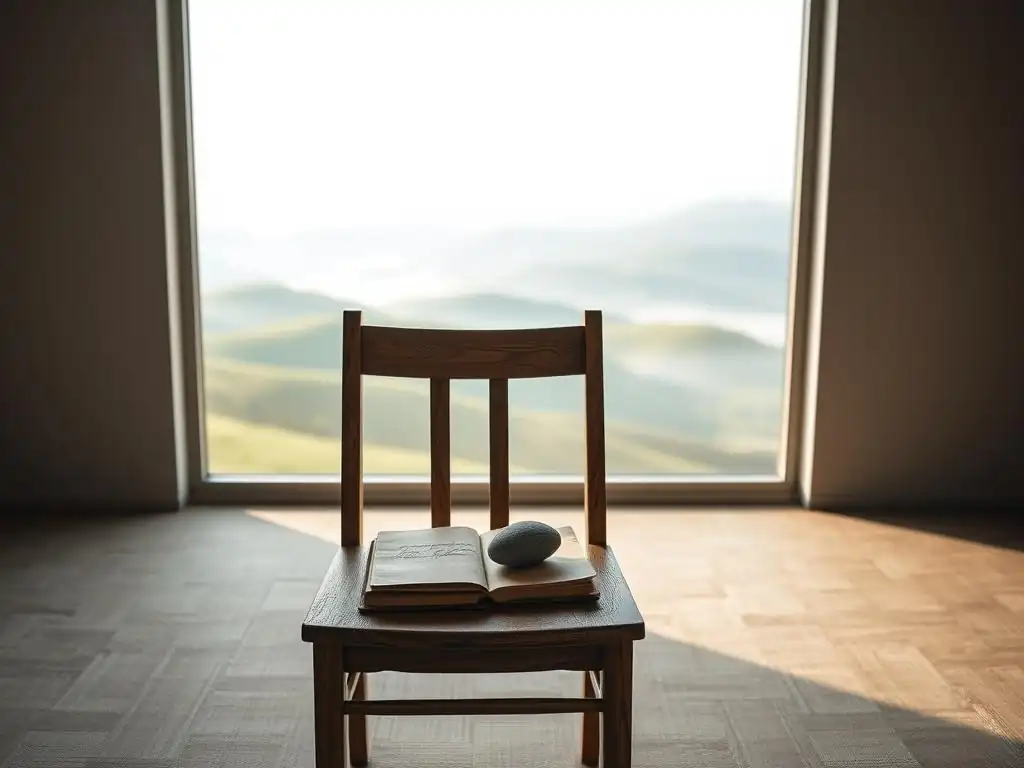
Journaling for Self-Reflection and Calm
Journaling is one of the most accessible and effective techniques for engaging in reflective practice for calm mind. It involves writing down your thoughts, feelings, and experiences in a notebook or digital document. The act of transferring internal thoughts onto paper can create distance from them, making them easier to examine objectively. For instance, if you're feeling overwhelmed by a situation, writing about it can help externalize the feeling, reducing its immediate intensity and allowing you to see it more clearly. Regular journaling provides a tangible record of your internal state and personal journey.
Beyond simply recording events, journaling for reflective practice involves exploring why things happened and how you felt about them. It can serve as a dedicated space to process difficult emotions, celebrate successes, or simply observe the flow of your thoughts without judgment. Many people find that a consistent journaling practice, even just 5-10 minutes daily, helps to clear their mind, reduce mental clutter, and foster a greater sense of inner peace. It's a private space where you can be completely honest, which is essential for genuine self-reflection and cultivating a calm mind.
Prompts for Journaling: Exploring Gratitude, Identifying Triggers, Analyzing Reactions
To deepen your journaling practice and make it more reflective, using prompts can be very helpful. Prompts guide your reflection towards specific areas of your life or internal experience. For example, a gratitude prompt like "List three things you are grateful for today and why" shifts your focus towards positive aspects, which can significantly improve mood and reduce stress. Regularly reflecting on gratitude has been shown in studies to increase feelings of well-being and resilience.
Other useful prompts for fostering a calm mind through journaling include: "What triggered my feeling of anxiety today? ", "How did I react to [specific situation] and what could I have done differently? ", "What thoughts are dominating my mind right now? ", "What progress did I make today towards my goals?
", or "What lesson did I learn from [recent experience]?". Analyzing triggers helps you anticipate and potentially avoid stressful situations, while analyzing reactions provides insight into your behavioral patterns. Consistent use of such prompts transforms journaling from a simple diary entry into a powerful tool for structured reflective practice.
Creating a Consistent Journaling Routine
Establishing a consistent journaling routine is key to reaping the full benefits of reflective practice for calm mind. Consistency, even if for short periods, is more effective than sporadic, lengthy sessions. Find a time that works best for you – perhaps first thing in the morning to set intentions, during a lunch break to process the day so far, or before bed to reflect on the day's events and clear your mind for sleep. The important thing is to make it a regular part of your schedule, like brushing your teeth.
Choose a comfortable and private space where you won't be interrupted. Have your journal or writing tool ready. Don't worry about perfect grammar or spelling; the goal is authentic expression and reflection, not a literary masterpiece. Start with short sessions, maybe just 5 minutes, and gradually increase the time as you feel comfortable. If you miss a day, don't be discouraged; just pick up where you left off. The discipline of maintaining the routine reinforces the commitment to reflective practice and its positive impact on your mental state.
Meditation and Mindfulness Practices for Reflective Calm
Meditation and mindfulness are foundational practices that support reflective practice and directly cultivate a calm mind. While mindfulness meditation focuses on present moment awareness, it naturally leads to observing thoughts and feelings without getting caught up in them – a crucial skill for reflection. Dedicated reflection meditations guide practitioners to contemplate specific themes or experiences. For instance, meditating on compassion involves reflecting on feelings of kindness towards oneself and others.
Incorporating meditation into your routine enhances your capacity for calm observation, which is essential for effective reflection. Regular meditation practice has been shown to reduce activity in the brain's amygdala, the area associated with fear and stress, and increase activity in the prefrontal cortex, associated with calm and rational thinking. This neurobiological effect directly supports the ability to engage in reflective practice with greater clarity and less emotional reactivity, making it easier to process challenging experiences constructively.
Guided Meditations for Self-Reflection
Guided meditations specifically designed for self-reflection can be incredibly beneficial for those new to the practice or seeking structure. These meditations typically involve a guide prompting you to focus on specific aspects of your internal experience, such as bodily sensations, emotions, or recurring thoughts. For example, a guided reflection might ask you to recall a recent interaction and observe your feelings and thoughts about it without judgment, or to contemplate your values and how they are reflected in your actions.
Using guided meditations can make the process of reflective practice feel less daunting and more focused. The guide helps you navigate your internal landscape gently, preventing you from getting lost in overwhelming thoughts or feelings. Many meditation apps and websites offer guided sessions specifically tailored for reflection on themes like forgiveness, self-compassion, or gratitude. Engaging with these resources can provide a structured and supportive way to cultivate a calm mind through guided reflection.
Body Scan Meditation for Present Moment Awareness
The body scan meditation is a powerful mindfulness technique that directly supports reflective practice by building present moment awareness and grounding. It involves systematically bringing your attention to different parts of your body, noticing sensations without judgment. This practice helps you become more attuned to physical feelings, which are often closely linked to emotional states (e.g., tension in the shoulders when stressed, lightness in the chest when happy).
By regularly practicing the body scan, you develop a greater capacity to notice physical manifestations of stress or anxiety as they arise. This early detection allows you to pause and engage in reflective practice before the feelings become overwhelming. Furthermore, the body scan cultivates acceptance of present moment experience, whether pleasant or unpleasant, which is a vital component of non-judgmental reflection. This grounding technique provides a stable base from which to explore your internal world, making reflective practice for calm mind more accessible and effective.
Nature Walks and Contemplative Observation
Connecting with nature offers a unique and powerful pathway to reflective practice and cultivating a calm mind. Taking a walk in nature, whether in a park, forest, or by water, provides a serene environment that naturally reduces stress. The sights, sounds, and smells of nature can be grounding and help shift your focus away from internal worries and external pressures. Studies have shown that spending time in nature can lower cortisol levels (the stress hormone) and improve mood.
Contemplative observation during a nature walk involves more than just casual strolling; it's about engaging mindfully with your surroundings. This could mean pausing to observe the intricate details of a leaf, listening intently to the sound of birdsong, or simply noticing the feeling of the breeze on your skin. These moments of focused, sensory awareness are a form of present-moment reflection. By observing the natural world with curiosity and openness, you can gain perspective on your own experiences and find a sense of connection that fosters inner peace and facilitates reflective practice.
Connecting with Nature for Inner Peace
The inherent tranquility of natural environments makes them ideal settings for fostering inner peace. The rhythms of nature – the changing seasons, the flow of water, the growth and decay of plant life – offer a sense of continuity and perspective that can be deeply calming. Simply sitting quietly in a natural setting and allowing your mind to settle can be a powerful form of passive reflective practice, allowing insights to arise naturally without conscious effort.
Engaging your senses in nature strengthens your connection to the present moment, pulling you out of rumination about the past or worry about the future. Noticing the textures of bark, the vibrant colors of flowers, or the feeling of soft earth underfoot grounds you in the here and now. This sensory engagement is a form of mindful reflection on the world around you, which in turn can lead to insights about your place within it and a greater sense of calm. This connection to nature supports reflective practice for a calm mind by providing a peaceful backdrop for introspection.
Observing Nature as a Form of Reflection
Observing nature can serve as a powerful metaphor and catalyst for internal reflection. The cycles of nature – growth, decay, resilience after storms, the return of light after darkness – mirror many aspects of human experience. Reflecting on the changing seasons, for example, can offer insights into periods of growth, challenges, and rest in your own life. Watching a river flow can be a metaphor for the constant movement of thoughts and feelings, encouraging non-attachment.
Specific observations can also trigger personal reflections. Noticing a tree bending in the wind might lead you to reflect on your own flexibility and resilience. Observing the persistence of a small plant growing through concrete might prompt reflection on overcoming obstacles. These natural observations provide a gentle, non-threatening way to approach difficult internal topics. By using nature as a mirror, you can gain new perspectives on your challenges and strengths, facilitating a deeper reflective practice and fostering a sense of calm acceptance.
Art Therapy and Creative Expression
Art therapy and other forms of creative expression offer a non-verbal pathway for reflective practice and exploring the landscape of the calm mind. Engaging in creative activities like painting, drawing, sculpting, music, or dance can help you access and process emotions and thoughts that may be difficult to articulate verbally. For example, someone struggling with anxiety might find that expressing their feelings through abstract painting allows them to release tension and gain visual insight into their internal state.
The creative process itself can be deeply meditative and calming. Focusing on the act of creating, whether it's mixing colors, shaping clay, or playing an instrument, brings you into the present moment, similar to mindfulness meditation. This focused engagement reduces mental chatter and provides a sense of flow. The finished piece of art or performance then serves as a tangible representation of your internal experience, which you can reflect upon to gain further understanding. Engaging in creative expression is a powerful, often cathartic, form of reflective practice for calm mind.
Using Art to Explore Emotions and Thoughts
Art provides a powerful medium for exploring complex emotions and thoughts that might feel overwhelming or confusing when approached through language alone. Instead of trying to describe a feeling like grief or confusion, you can express it through colors, shapes, or textures. This allows you to externalize the internal experience in a way that can be observed and reflected upon. For instance, someone might create a chaotic, dark piece to represent anxiety and then a calmer, lighter piece to explore feelings of peace, reflecting on the contrast between the two.
Looking at the artwork after completion allows for a different kind of reflection than journaling. You can observe patterns, symbols, and qualities in the piece that you might not have been consciously aware of while creating it. Discussing the art with a therapist or trusted friend (if in a therapeutic setting) can also provide valuable external perspectives. Even reflecting on the art alone, asking yourself "What does this piece convey about how I was feeling?" or "What insights can I gain from this creation? ", facilitates a deeper understanding of your internal world, contributing to a calm mind.
Creative Outlets for Reflective Insights
Beyond just expressing emotions, creative activities can be used to process and reflect upon insights gained through other forms of reflective practice. If you have a realization during journaling or meditation, you might explore that insight further through a creative medium. For example, if you realize through reflection that you need to set better boundaries, you might create a visual representation of what healthy boundaries look like to you, reinforcing the concept on a deeper level.
Creative outlets can also help integrate reflective insights into your daily life. If reflection reveals a need for more joy, you might create art that symbolizes joy and place it somewhere visible as a reminder. If you reflect on forgiveness, you might write a song or poem about the process. These creative acts solidify the insights gained through reflection and help embed them into your consciousness. Utilizing creative expression as part of reflective practice for calm mind provides a rich and multi-faceted approach to mental well-being.
Implementing Reflective Practice in Your Daily Life
Setting Aside Dedicated Time for Reflection
One of the most critical steps in implementing reflective practice is intentionally setting aside dedicated time for it. In busy lives, reflection is often the first thing to be squeezed out. Treating reflection not as a luxury but as a necessary part of your routine, like exercise or eating, is key. Start small; even 5-10 minutes a day can make a difference. This dedicated time signal to yourself that your inner world and mental well-being are priorities.
Choose a time when you are least likely to be interrupted and feel relatively alert and able to focus. For some, this might be first thing in the morning before the day's demands begin. For others, it might be during a quiet lunch break or in the evening before bed. Experiment to find what works best for your schedule and energy levels. Consistency in timing helps establish the habit, making it easier to integrate reflective practice for calm mind into your daily rhythm.
Creating a Calm and Supportive Environment
The environment in which you practice reflection can significantly impact its effectiveness. Ideally, find a space that is quiet, comfortable, and free from distractions. This might be a specific chair in your home, a corner of a room, or even a quiet spot in nature. Minimize potential interruptions by turning off notifications on your phone or letting others in your household know you need some quiet time.
Creating a supportive environment also involves preparing yourself mentally. Approach the practice with an intention of openness and self-compassion. Remember that there's no "right" or "wrong" way to reflect; the goal is simply to observe and learn. Having a journal and pen, a comfortable cushion for meditation, or art supplies readily available can also make it easier to begin your practice without delay. A calm environment supports the internal state necessary for effective reflective practice for calm mind.
Combining Reflective Practice with Other Mental Health Strategies
Reflective practice is most powerful when integrated with other mental health strategies. It can enhance the benefits of therapy, mindfulness, stress management techniques, and even physical activities like exercise. For example, reflecting on insights gained during a therapy session can help solidify them and make them more actionable in your daily life. Similarly, using reflection to analyze your experience with a new stress-reduction technique can help you understand its effectiveness and how to use it best.
Consider how reflective practice can complement your existing mental health toolkit. If you practice deep breathing to manage anxiety, reflect on when you feel most anxious and how the breathing technique impacts those moments. If you exercise to boost your mood, reflect on the connection between your physical activity and your mental state. By using reflective practice for calm mind alongside other strategies, you create a holistic approach to well-being, where each component strengthens the others.
Overcoming Challenges and Maintaining Consistency
Implementing reflective practice isn't always easy, and challenges are common. You might face resistance from feeling like you don't have enough time, encountering uncomfortable emotions during reflection, or simply forgetting to do it. It's important to approach these challenges with patience and self-compassion. If you miss a day or a week, don't view it as a failure; simply acknowledge it and gently recommit to your practice.
Maintaining consistency often requires flexibility and adaptation. If your usual time slot no longer works, find a new one. If journaling feels difficult one day, try a shorter session or a different method like a brief contemplative walk. Consider setting reminders on your phone or linking your reflection practice to another established habit (e.g., "After I finish my morning coffee, I will journal for 5 minutes"). Reflecting on the challenges you face in maintaining your practice can also provide valuable insights into what barriers exist and how to overcome them, reinforcing your commitment to reflective practice for calm mind.
Reflective Practice and Spiritual Growth
Connecting with Your Inner Self Through Reflection
At its core, reflective practice is a journey inward, a deliberate effort to connect with your authentic inner self, distinct from the roles you play or the external expectations placed upon you. This connection is fundamental to spiritual growth in many traditions. By regularly turning your attention inward through reflection, you begin to discern your true thoughts, feelings, and desires, separate from external noise. This process helps clarify who you are at a deeper level.
This connection with the inner self cultivated through reflective practice is vital for spiritual well-being. It allows you to listen to your intuition, understand your deepest needs, and identify what truly nourishes your spirit. For example, reflecting on moments of deep peace might reveal a connection to nature, quiet solitude, or acts of service, pointing towards activities that align with your inner self and spiritual path. This alignment fosters a sense of integrity and peace, which are crucial aspects of a calm mind supported by spiritual growth.
Exploring Your Values and Beliefs
Reflective practice provides a dedicated space to explore and clarify your core values and beliefs, which are often central to one's spiritual framework. What principles guide your actions? What do you believe about yourself, others, and the world? Regularly reflecting on these questions helps bring unconscious beliefs to the surface and allows you to examine whether your current values truly resonate with you or if they are inherited or unexamined.
For instance, reflecting on a difficult decision might reveal a conflict between a stated value (like honesty) and an action taken (like avoiding a difficult conversation). This reflection allows you to consciously choose to realign your actions with your values, strengthening your moral compass and fostering a sense of authenticity. Clarifying and living in accordance with your values, explored through reflective practice, reduces internal conflict and brings a profound sense of peace and purpose, contributing significantly to a calm mind and spiritual coherence.
Finding Meaning and Purpose in Life's Experiences
Reflective practice is a powerful tool for finding meaning and purpose, particularly in the context of spiritual growth. It encourages you to look at your life experiences, both positive and challenging, and consider how they have shaped you and what lessons they offer. This involves reframing difficulties not just as misfortunes, but as potential catalysts for growth or opportunities to live out your values. For example, reflecting on a period of hardship might reveal unexpected resilience or a newfound appreciation for simple blessings.
By consistently reflecting on the trajectory of your life, the connections you share with others, and the impact you wish to have, you begin to weave a narrative that imbues your existence with meaning. This process isn't about finding a grand, pre-defined purpose but about actively constructing meaning from your lived experience. This sense of purpose, cultivated through reflective practice as a spiritual endeavor, provides a resilient inner core that helps navigate life's inevitable ups and downs with a greater sense of peace and perspective, supporting a calm mind.
Reflective Practice as a Form of Prayer and Spiritual Connection
For many, reflective practice is intrinsically linked to prayer and other forms of spiritual connection. Prayer can be seen as a dialogue with the divine or a higher power, and reflection can be the listening part of that conversation. It's a time to quiet the mind, open the heart, and contemplate spiritual teachings, personal experiences, or the nature of existence. For example, reflecting on a scripture passage or a spiritual teaching involves contemplating its meaning and how it applies to your own life and experiences.
Viewing reflective practice as a form of prayer or spiritual connection elevates it from a purely psychological technique to a sacred practice. It provides a structured way to engage with your spiritual beliefs, deepen your faith, and feel connected to something larger than yourself. This connection can be a profound source of comfort, guidance, and inner peace. Engaging in reflective practice for calm mind within a spiritual context can offer a sense of belonging and purpose that significantly enhances mental and emotional well-being.
Case Studies: Real-Life Examples of Reflective Practice
Sarah, a 28-year-old marketing professional, struggled with significant social anxiety, particularly in networking events required for her job. She would experience panic symptoms, avoid conversations, and leave early, leading to feelings of guilt and inadequacy. Sarah began a reflective journaling practice focused specifically on these events. Before an event, she would journal about her fears and expectations. After, she would reflect on what happened, noting specific triggers (e.g., large crowds, initiating conversations) and her physical and emotional reactions (e.g., heart pounding, thoughts of judgment).
Over several months, her reflective practice yielded significant insights. She realized that her anxiety was often triggered most intensely in the first 15 minutes and that her thoughts were overwhelmingly negative self-criticisms ("Everyone thinks I'm awkward"). By reflecting on successful small interactions within those events (e.g., a brief chat with one person), she began to challenge her all-or-nothing thinking.
Her reflection also helped her identify small, manageable goals for each event (e.g., talk to just one new person). This systematic reflective practice didn't eliminate her anxiety entirely, but it helped her understand its patterns, reduce its intensity by approximately 40% according to her self-assessment, and develop targeted coping strategies, significantly improving her ability to manage social situations and fostering a calmer mind in social settings.
Case Study: Finding Calm After Job Loss Through Reflection
Mark, a 50-year-old engineer, was unexpectedly laid off after 20 years with the same company. He felt shock, anger, and deep uncertainty about his future, struggling to find inner calm. He started a daily reflective practice, initially just writing about his feelings of loss and frustration. As the weeks progressed, his reflection evolved. He began to reflect on his career path, identifying aspects of his previous job he genuinely enjoyed and those that were sources of stress. He reflected on his skills and accomplishments, rediscovering a sense of professional identity separate from his former employer.
Through this consistent reflective practice, Mark began to see his job loss not just as an ending, but as an unexpected opportunity. He reflected on his values – spending more time with family, pursuing creative interests – and how a new career might better align with these. He reflected on past challenges he had overcome, drawing strength from his resilience.
While the job search was still stressful, his reflective practice helped him process the emotional turmoil, maintain a sense of perspective, and approach the future with more intentionality and less fear. He estimated his daily feelings of overwhelm decreased by roughly 50% after three months of consistent reflection, allowing him to maintain a calmer mindset during a difficult transition.
Case Study: Enhancing Self-Awareness with Reflective Journaling for Improved Relationships
Maria, a 35-year-old teacher, noticed recurring conflict in her relationships, often stemming from misunderstandings or feeling unheard. She decided to use reflective journaling to understand her role in these dynamics. After difficult interactions with colleagues, friends, or family, she would journal about the conversation, focusing on her own thoughts, feelings, and assumptions during the exchange. She would ask herself: "What was I feeling when they said X? ", "What belief did I hold about this situation? ", "How did my reaction impact the outcome? ".
Her reflective journaling revealed a pattern of making quick assumptions about others' intentions and reacting defensively when she felt criticized. For example, reflecting on a disagreement with a colleague, she realized she had interpreted a neutral comment as a personal attack due to her own insecurities.
This insight, gained through consistent reflective practice, allowed her to pause before reacting in future situations, ask clarifying questions, and communicate her own needs more clearly. While still a work in progress, Maria reported that within six months of dedicated reflective journaling, she saw a noticeable reduction in relationship conflict (estimating a decrease of 30-40% in frequency and intensity) and felt more connected and understood, demonstrating how reflective practice for calm mind can positively impact interpersonal dynamics.
Resources for Further Exploration of Reflective Practice
Books on Reflective Practice and Mindfulness
Numerous books offer guidance on reflective practice and related disciplines like mindfulness and journaling. These resources can provide foundational knowledge, introduce various techniques, and offer prompts or structured exercises to deepen your practice. Look for books that explain the principles of reflection, its benefits for mental well-being, and practical methods for implementation. Many authors blend psychological insights with accessible, actionable advice.
Exploring texts on mindfulness meditation can also significantly enhance your reflective practice by building the capacity for non-judgmental awareness. Books that combine theory with practical exercises, meditations, or journaling prompts are particularly valuable for those looking to actively integrate these practices into their lives. Seek out authors who resonate with your preferred learning style and tone.
Online Courses and Workshops
Online platforms offer a wide range of courses and workshops focused on reflective practice, mindfulness, and personal development. These resources can provide structured learning experiences, guided exercises, and sometimes even interactive elements. Courses might cover specific aspects like reflective journaling, using mindfulness for stress reduction, or integrating reflection into daily routines.
Joining an online workshop can offer a sense of community and accountability, as you often participate alongside others exploring similar practices. Look for courses led by experienced practitioners or mental health professionals. Many platforms offer introductory courses or free trials, allowing you to explore different approaches to reflective practice for calm mind before committing.
Support Groups and Communities
Connecting with others who are also practicing reflection or focusing on mental well-being can be incredibly supportive. Support groups, whether in-person or online, provide a space to share experiences, challenges, and insights related to reflective practice and finding inner calm. Hearing how others approach reflection and navigate difficulties can offer new perspectives and motivation.
Online communities dedicated to mindfulness, journaling, or spiritual practices can also be valuable resources. These forums often share tips, prompts, and encouragement. While not formal therapy, engaging with a supportive community can reinforce your commitment to reflective practice and remind you that you are not alone in your journey towards a calm mind.
Conclusion: Embracing Reflective Practice for a Calmer, More Meaningful Life
The Power of Reflection for Lasting Inner Peace
Reflective practice is far more than just thinking; it is a deliberate, structured process of engaging with your inner world to gain insight, foster self-awareness, and cultivate a calm mind. As we navigate the complexities of modern life, the ability to pause, process, and learn from our experiences is not just beneficial – it's essential for mental well-being.
Consistent reflection reduces stress and anxiety by helping us understand triggers and reactions, enhances emotional regulation by increasing self-awareness, and improves decision-making by providing clarity and perspective. The power of reflective practice lies in its capacity to transform our relationship with ourselves and our experiences, leading to more sustained inner peace.
Whether through journaling, meditation, nature observation, or creative expression, engaging in reflective practice offers a pathway to a richer, more grounded existence. It allows us to connect with our deeper values, find meaning in challenging circumstances, and integrate our experiences into a coherent sense of self. This journey of self-discovery, facilitated by reflective practice, is fundamental to achieving not just fleeting moments of calm, but a more enduring state of tranquility and mental resilience. Embracing reflective practice for calm mind is an investment in your overall well-being.
Integrating Reflective Practice into Your Mental Health Routine
Making reflective practice a regular part of your mental health routine is a conscious choice that yields significant returns. Start small, be consistent, and find the methods that resonate most deeply with you. Just as physical exercise strengthens the body, reflective practice strengthens the mind and spirit, building your capacity to handle stress, navigate emotions, and live more intentionally. It complements other mental health strategies, creating a holistic approach to well-being that addresses both symptoms and underlying patterns.
Integrating reflective practice requires commitment and patience. There will be days when it feels challenging or unproductive, but showing up consistently is what builds the habit and deepens the benefits. View it as a vital component of self-care, a dedicated time to check in with yourself and nurture your inner landscape. By making reflective practice a non-negotiable part of your routine, you are actively choosing to prioritize your mental peace and emotional health, paving the way for a more consistently calm mind.
Continuing Your Journey of Self-Discovery
Reflective practice is not a destination but a continuous journey of self-discovery. The insights gained today will inform your path tomorrow, and the challenges you face will offer new opportunities for reflection and growth. Approach the practice with curiosity and an open heart, ready to learn whatever your inner world reveals. Be patient with yourself, celebrate small insights, and remember that every moment of reflection contributes to building a stronger, more resilient, and calmer you.
As you continue your practice, explore different techniques, revisit past reflections, and notice how your capacity for self-awareness and calm evolves. This ongoing engagement with reflective practice for calm mind is a lifelong commitment to nurturing your inner peace and living a life guided by intention and understanding. Embrace the process, trust in its power, and enjoy the unfolding journey towards a more mindful, meaningful, and profoundly calm existence.
Frequently Asked Questions
What exactly is reflective practice and how can it help me find inner calm?
Reflective practice is a process of thinking critically about your experiences. It helps you understand your thoughts, feelings, and actions, ultimately leading to greater self-awareness and a calmer mind.
How often should I engage in reflective practice for it to be effective?
The frequency depends on your individual needs, but even short, regular sessions can be beneficial. Aim for at least a few times a week initially, increasing as you become more comfortable with the process of self-reflection.
What are some practical techniques I can use to begin reflective practice?
Techniques include journaling, meditation, mindful breathing, and even simply taking time to pause and consider your day. Focus on identifying triggers and understanding your reactions to them.
I'm struggling to be honest with myself during reflection. What can I do?
Create a safe and judgment-free space for yourself. Remember that the goal is self-understanding, not self-criticism. Try focusing on observable behaviors rather than subjective judgments initially.
Are there any potential downsides or limitations to reflective practice?
While generally beneficial, reflective practice can sometimes trigger difficult emotions. If you're struggling with significant mental health challenges, it's best to consult with a mental health professional to guide your reflective process and ensure it's therapeutic and safe.
Final Reflection: Cultivating the Stillness Within
The pursuit of inner calm is not a luxury, but a necessity in our increasingly frenetic world. The techniques of reflective practice, explored throughout this guide, offer a powerful antidote to the anxieties and stresses of modern life, providing a pathway to a more centered and peaceful existence. This isn't just about fleeting moments of tranquility; it's about cultivating a resilient mindset capable of navigating life's inevitable challenges with greater grace and equanimity.
Reflective practice, as we've seen, is not a passive activity but an active engagement with our inner landscape. It's a journey of self-discovery, revealing patterns of thought and behavior that may be contributing to inner turmoil. The unexamined life is not worth living,
Socrates famously declared, and this rings truer than ever in a world that often prioritizes external achievement over internal peace. The ongoing influence of this practice lies in its ability to foster self-awareness, leading to more mindful choices and a deeper understanding of our own emotional responses.
Now, consider how you can integrate these practices into your daily life. Begin with small, manageable steps. Perhaps dedicate just five minutes each day to quiet reflection, journaling, or mindful breathing. Observe your thoughts and emotions without judgment, allowing yourself to simply be. The path to inner calm is a personal journey, unique to each individual. Embrace the process, celebrate your progress, and remember that the stillness you seek resides within you, waiting to be discovered.
Unlock Your Inner Peace: Start Practicing Reflection Today!
Thanks for taking the time to explore the power of reflective practice with us! We hope you gained valuable insights into finding inner calm and a deeper understanding of yourself. Now, let's put that knowledge into action. Here's how you can continue your journey:
- Begin your personal reflection journal today. Dedicate just 5 minutes each evening to jot down your thoughts and feelings. This is your primary step towards consistent self-awareness.
- Share your reflections with a trusted friend or family member. Talking about your experiences can provide valuable new perspectives.
- Consider exploring guided meditation techniques – a surprisingly effective complement to journaling.
What's one small step you can take right now to cultivate more moments of peace in your daily life?