
The Ultimate Guide to Building Strength and Resilience PostTrauma


Welcome to Mind Care Guide, a safe space to explore your mental well-being.
We understand that navigating the aftermath of trauma can feel incredibly isolating. But know that healing is possible, and you're not alone. In this guide, we delve into essential posttrauma resilience building strategies, offering practical steps you can take to reclaim your strength and build a brighter future. Curious about how to start your journey towards healing and growth? Let's explore the path together...
The Ultimate Guide to Building Strength and Resilience PostTrauma
- Understanding Posttraumatic Growth and Resilience
- Key Strategies for Building Posttrauma Resilience
- Practical Steps to Enhance Resilience After Trauma
- Advanced Techniques for Trauma Recovery and Resilience Building
- Maintaining Long-Term Resilience After Trauma
- Resources for Building Resilience After Trauma
- Conclusion: Empowering Your Journey to Resilience After Trauma
-
Frequently Asked Questions
- What are some key posttrauma resilience building strategies I can start using today?
- How does building resilience help me cope with the long-term effects of trauma?
- Where can I find reliable resources to support my posttrauma resilience building journey?
- What is the role of therapy in posttrauma resilience building?
- How long does it typically take to build resilience after experiencing trauma, and what are realistic expectations?
- Final Reflection: Forging Strength from the Ashes of Trauma
- Unleash Your Inner Strength: Next Steps to Resilience
Understanding Posttraumatic Growth and Resilience
Defining Posttraumatic Growth (PTG)
Posttraumatic Growth (PTG) refers to the positive psychological change experienced as a result of grappling with highly challenging life circumstances, such as trauma. It is not about suggesting that trauma is a positive event, but rather that individuals can find ways to grow and develop through the struggle and recovery process.
This growth can manifest in several domains, including a greater appreciation for life, improved relationships, increased personal strength, new possibilities in life, and spiritual development. Understanding PTG is a crucial first step in exploring posttrauma resilience building strategies, as it reframes the narrative from one solely focused on damage to one that includes the potential for positive transformation.
PTG is distinct from simply 'bouncing back' to a previous state (resilience in a traditional sense). It implies a movement beyond the baseline, suggesting that the individual has not only coped but has also experienced significant personal enhancement.
Research indicates that PTG is relatively common; while precise figures vary widely depending on the type and severity of trauma and the populations studied, many studies suggest that a significant percentage of trauma survivors report experiencing some degree of growth, sometimes estimated to be between 30% and 70%. This highlights that while trauma is deeply painful, the human capacity for adaptation and finding meaning in its aftermath is substantial, forming a foundation for effective posttrauma resilience building strategies.
The Science Behind Resilience After Trauma
The science of resilience after trauma is complex, involving a dynamic interplay of biological, psychological, and social factors. Neurobiological research shows that trauma can alter brain structures involved in fear response, memory, and emotional regulation, such as the amygdala, hippocampus, and prefrontal cortex. However, the brain also possesses remarkable plasticity, meaning it can reorganize itself.
Resilience is linked to the brain's ability to adapt to stress, regulate cortisol levels, and maintain functional connections between these crucial areas, allowing individuals to process traumatic memories and manage intense emotions more effectively. This neuroplasticity is a key component that allows for successful posttrauma resilience building strategies.
Psychologically, resilience involves a combination of cognitive styles, emotional regulation skills, and personality traits. Resilient individuals often exhibit traits like optimism, the ability to effectively problem-solve, self-efficacy (the belief in one's ability to succeed), and a capacity for emotional flexibility – the ability to adapt emotional responses to situational demands. They are better equipped to appraise stressful situations realistically and utilize effective coping mechanisms.
Socially, strong support networks play a vital role, providing emotional comfort, practical assistance, and a sense of belonging that buffers the impact of trauma. Understanding these scientific underpinnings provides a roadmap for developing targeted posttrauma resilience building strategies that address multiple levels of functioning.
Debunking Myths About Trauma Recovery and Resilience
One pervasive myth about trauma recovery is that everyone who experiences trauma will inevitably develop a severe, debilitating disorder like PTSD. While PTSD is a serious condition affecting millions globally – estimates suggest about 6% of the U.S. population will have PTSD at some point in their lives – it is not the only outcome. Many individuals exposed to trauma are resilient and do not develop chronic PTSD, or they experience symptoms that resolve over time.
Promoting this understanding is crucial for posttrauma resilience building strategies, as it instills hope and reduces the stigma associated with trauma responses. Resilience is a common outcome, not an exceptional one.
Another common myth is that resilience is an innate, fixed trait – that some people are born resilient and others are not. This is fundamentally untrue. While genetic and early life factors can influence baseline vulnerability and resilience, research overwhelmingly demonstrates that resilience is a dynamic process and a set of skills that can be learned and strengthened over time.
Engaging in deliberate practices, seeking support, and actively working through trauma are all ways to build resilience. Therefore, focusing on actionable posttrauma resilience building strategies is highly effective because these skills are trainable and accessible to everyone, regardless of their initial response to trauma.
Key Strategies for Building Posttrauma Resilience
Cultivating Self-Compassion After Trauma
Cultivating self-compassion is a cornerstone of effective posttrauma resilience building strategies. Trauma often leaves individuals feeling guilt, shame, or self-blame, even when they were not at fault. Self-compassion involves treating oneself with the same kindness, understanding, and acceptance that one would offer a close friend who is suffering. It recognizes that suffering, failure, and imperfection are part of the shared human experience, and it encourages a mindful approach to painful emotions, neither suppressing nor exaggerating them. This gentle internal stance is critical for healing and moving forward, counteracting the harsh self-criticism that trauma can induce.
Practicing self-compassion can involve simple yet powerful actions. This might include speaking kindly to yourself when experiencing distress, acknowledging your pain without judgment, and understanding that your difficult feelings are valid responses to immense challenge. Research suggests that self-compassion is strongly correlated with psychological well-being and reduced symptoms of PTSD and depression among trauma survivors. For instance, studies have shown that interventions specifically designed to enhance self-compassion can lead to significant improvements in mental health outcomes, highlighting its vital role among posttrauma resilience building strategies. Embracing self-compassion is not self-pity; it is an active process of healing and acceptance.
Developing Healthy Coping Mechanisms for Trauma Survivors
Developing and utilizing healthy coping mechanisms is essential for managing the intense emotions and challenges that arise after trauma and is a core element of posttrauma resilience building strategies. Coping mechanisms are the strategies people use to deal with stressful or traumatic experiences. Healthy coping involves actively processing emotions, seeking support, and engaging in activities that promote well-being, rather than avoiding or suppressing difficult feelings. Identifying which strategies are constructive versus destructive is a critical step in this process.
Identifying Unhealthy Coping Strategies
Unhealthy coping strategies often provide temporary relief but can lead to long-term harm or hinder genuine recovery. These include substance abuse (alcohol, drugs), avoidance (social withdrawal, excessive sleep, procrastination), self-harming behaviors, excessive risk-taking, emotional eating, excessive use of distractions like endless scrolling through social media, or suppressing emotions entirely. While these might initially numb the pain, they prevent processing the trauma and can create new problems, such as addiction, isolation, or chronic health issues.
Recognizing these patterns is the first step toward replacing them with more adaptive posttrauma resilience building strategies. For example, a person might initially cope with flashbacks by drinking alcohol, which provides temporary oblivion but ultimately exacerbates anxiety and depression and impedes emotional processing necessary for healing.
Implementing Positive Coping Skills
Positive coping skills are constructive ways to manage stress and emotions, actively supporting recovery and bolstering posttrauma resilience building strategies. These include engaging in regular physical activity, practicing mindfulness or meditation, journaling about thoughts and feelings, seeking support from trusted friends or family, creative expression (art, music, writing), spending time in nature, setting healthy boundaries, and engaging in problem-solving. Unlike unhealthy strategies, positive coping skills help individuals process their experiences, build emotional regulation, and foster a sense of agency and control over their reactions.
For instance, instead of avoiding difficult memories, a survivor might use journaling to explore their feelings in a safe, structured way, or practice deep breathing exercises when triggered by anxiety. Building a diverse toolkit of positive coping skills allows survivors to navigate challenging moments effectively.
Strong social connections and robust support networks are incredibly powerful resources in the journey of building posttrauma resilience. Trauma can often lead to feelings of isolation, mistrust, and difficulty connecting with others. Rebuilding or strengthening these bonds is not always easy, but it is vital for emotional healing and provides a buffer against the ongoing stress that can accompany recovery. Feeling understood, validated, and cared for by others significantly impacts an individual's ability to cope and thrive after a traumatic event. This interpersonal support is a cornerstone of effective posttrauma resilience building strategies.
The Importance of Social Support for Trauma Recovery
Research consistently shows that social support is one of the most significant predictors of positive outcomes after trauma. Individuals with strong support systems tend to experience lower rates of PTSD, depression, and anxiety. Support can come in many forms: emotional support (listening, empathy), informational support (advice, guidance), instrumental support (practical help with tasks), and belonging support (a sense of community and shared experience).
Knowing there are people who care and are willing to help can provide a sense of safety and stability when the world feels unpredictable. Engaging with supportive individuals helps validate feelings, provides different perspectives, and offers a lifeline during difficult moments, reinforcing the power of social connections in posttrauma resilience building strategies.
Building and Maintaining Healthy Relationships
Building and maintaining healthy relationships after trauma can be challenging due to potential trust issues or changes in personality and behavior. It requires intentional effort and often involves setting healthy boundaries, communicating needs clearly, and choosing relationships that are reciprocal and supportive. This might mean reconnecting with old friends, nurturing family ties, joining support groups, or building new connections through shared activities or hobbies.
It is also important to identify and distance oneself from relationships that are toxic, draining, or perpetuate negative patterns. Focusing on relationships characterized by empathy, respect, and mutual support is key to leveraging social connection as part of comprehensive posttrauma resilience building strategies.
Practicing Mindfulness and Emotional Regulation
Practicing mindfulness and developing emotional regulation skills are fundamental components of posttrauma resilience building strategies. Trauma can disrupt an individual's sense of safety and control, leading to heightened emotional reactivity and difficulty managing intense feelings like fear, anger, or sadness. Mindfulness helps individuals become more aware of their present moment experiences – thoughts, feelings, bodily sensations – without judgment. Emotional regulation skills provide concrete tools to manage these experiences in a healthy and adaptive way.
Mindfulness Techniques for Trauma
Mindfulness techniques can be particularly helpful for trauma survivors by helping them ground themselves in the present moment, reducing the pull of intrusive memories or future-oriented anxiety. Simple practices like focused breathing exercises, body scans (paying attention to sensations in different parts of the body), or mindful walking can help individuals reconnect with their physical selves and the present environment. These techniques are often adapted in trauma-informed ways, starting slowly and gently, as intense focus on internal sensations can sometimes be triggering.
The goal is to build the capacity to observe internal experiences with curiosity rather than being overwhelmed by them, a crucial skill in posttrauma resilience building strategies. For example, a survivor might practice noticing the feeling of their feet on the ground or the rhythm of their breath as an anchor when feeling overwhelmed.
Emotional Regulation Skills for Posttraumatic Stress
Emotional regulation skills provide practical strategies for managing intense emotional responses. These skills, often taught in therapies like DBT (Dialectical Behavior Therapy), include techniques such as distress tolerance skills (e.g., using ice packs or intense exercise during moments of crisis to shift focus), emotion identification (learning to name and understand one's feelings), and opposite action (acting in a way opposite to the emotion when the emotion is unhelpful, like approaching a safe social situation when feeling socially anxious).
Learning to identify triggers and apply specific skills to manage the resulting emotional surge empowers survivors, giving them tools to navigate challenging moments more effectively. Mastering these skills is a vital part of posttrauma resilience building strategies, enabling individuals to respond to triggers with intention rather than reactivity.
Practical Steps to Enhance Resilience After Trauma
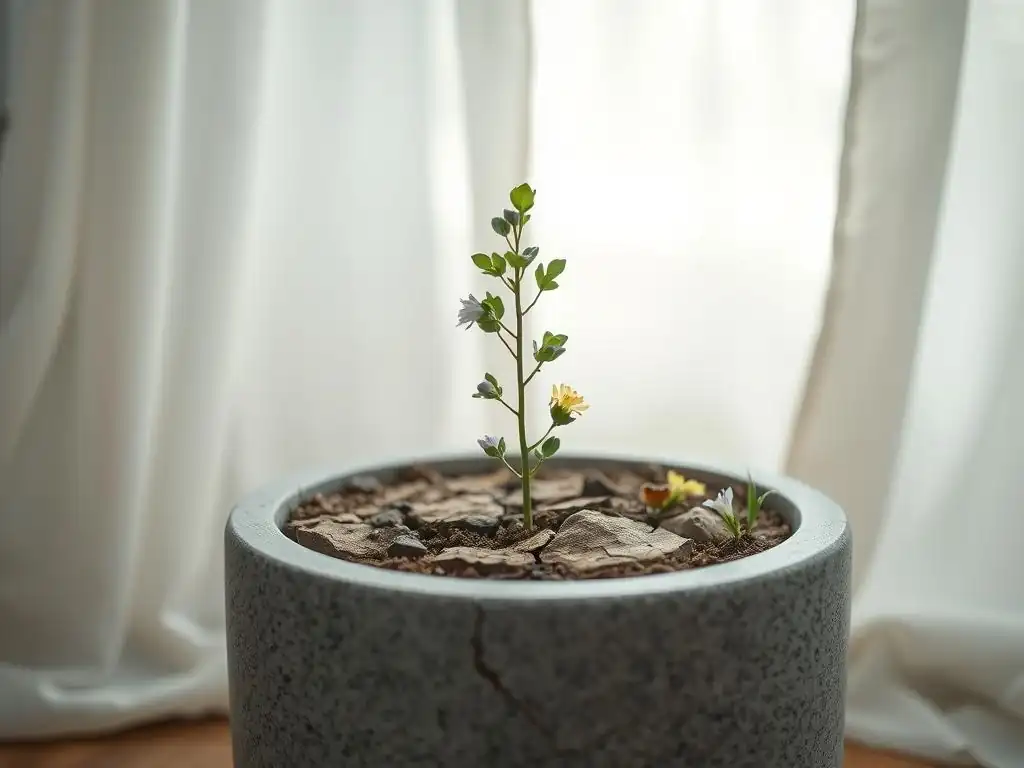
Practical steps are concrete actions individuals can take daily or weekly to actively enhance their resilience after trauma. These steps involve integrating healthy habits and practices into one's routine, moving from understanding the concepts to implementing them. These are the 'how-to' elements of posttrauma resilience building strategies, providing a tangible path forward.
Trauma-Informed Self-Care Practices
Trauma-informed self-care recognizes that trauma impacts every aspect of a person's well-being – physical, emotional, and mental. It involves intentionally engaging in practices that support healing and stability, respecting that triggers and difficult days are part of the process. Self-care is not selfish; it is a necessary foundation for recovery and the capacity to engage fully in life. Integrating consistent self-care is a fundamental part of posttrauma resilience building strategies.
Physical Self-Care for Trauma Recovery
Physical self-care is crucial because trauma is stored not just in the mind but also in the body. Engaging in regular physical activity can help discharge pent-up energy, reduce stress hormones like cortisol, and improve mood through the release of endorphins. This doesn't have to mean intense workouts; even gentle movement like walking, stretching, or yoga can be beneficial.
Aiming for approximately 150 minutes of moderate-intensity exercise per week, as recommended for general health, can significantly support mental well-being. Additionally, prioritizing sufficient sleep (aiming for 7-9 hours per night) and maintaining a balanced diet are essential for physical and mental restoration, providing the body with the resources it needs to heal and function optimally. These physical practices are indispensable posttrauma resilience building strategies.
Emotional Self-Care Strategies
Emotional self-care involves acknowledging, processing, and managing one's feelings in healthy ways. This can include practices like journaling to explore emotions, engaging in creative expression (painting, music, dance) to release feelings, practicing mindfulness or meditation to observe emotions without judgment, or spending time with pets, which can provide unconditional emotional support. It also involves allowing oneself to feel difficult emotions without trying to suppress them, understanding that healing is not linear and bad days are okay.
Identifying activities that bring joy or comfort, even small ones, and making time for them regularly helps nurture the emotional self. These practices are active components of effective posttrauma resilience building strategies.
Mental Self-Care Techniques
Mental self-care focuses on activities that stimulate the mind healthily and manage stress and intrusive thoughts. This can include engaging in activities that require focus and provide a sense of accomplishment, like reading, doing puzzles, learning a new skill, or engaging in hobbies. It also involves practicing relaxation techniques, managing exposure to overwhelming information (e.g., limiting news consumption), and challenging negative thought patterns that may have developed after trauma.
Setting realistic expectations for oneself during recovery and practicing patience are also key mental self-care components. For instance, dedicating 20 minutes each day to reading or a hobby can provide a mental break and a sense of normalcy, contributing significantly to posttrauma resilience building strategies.
Setting Realistic Goals and Celebrating Small Victories
Setting realistic goals and celebrating small victories are vital steps in regaining a sense of control and momentum after trauma. Trauma can leave individuals feeling helpless and overwhelmed, making large tasks seem insurmountable. Breaking down the recovery process into smaller, manageable goals makes the journey less daunting and provides concrete steps forward. Goals could be related to self-care (e.g., "walk for 15 minutes today"), social connection ("call a friend this week"), or engaging in meaningful activities ("spend 30 minutes on my hobby").
Achieving these small goals builds self-efficacy – the belief in one's ability to succeed in specific situations or accomplish a task. Each completed goal, no matter how small, is a step forward and reinforces a sense of capability. Actively acknowledging and celebrating these small victories, whether through positive self-talk, a small reward, or sharing the achievement with a supportive person, reinforces positive behaviors and provides motivation to continue. This process is a deliberate method for building resilience, proving to oneself that progress is possible and empowering the individual to continue implementing posttrauma resilience building strategies.
Engaging in Meaningful Activities and Hobbies
Re-engaging in or discovering meaningful activities and hobbies is a powerful way to rebuild a sense of purpose, connection, and joy after trauma. Trauma can strip away interests and make previously enjoyable activities feel empty or inaccessible. Intentionally seeking out or returning to activities that bring a sense of flow, accomplishment, or simple pleasure helps to create positive experiences that counterbalance the difficult emotions associated with trauma. These activities provide a sense of normalcy and offer opportunities for positive self-expression and connection with others who share similar interests.
Meaningful activities can range widely, from volunteering for a cause, pursuing a creative passion like painting or playing music, engaging in sports or outdoor activities, or joining a book club or community group. The key is to find activities that resonate personally and provide a sense of engagement and satisfaction.
Dedicating time to these pursuits helps to shift focus away from trauma-related distress, build positive associations, and foster a sense of identity beyond the trauma experience. This active pursuit of meaning and joy is a vital component of effective posttrauma resilience building strategies, helping individuals rebuild a life worth living.
Seeking Professional Support for Trauma Recovery
Seeking professional support is one of the most effective and often necessary posttrauma resilience building strategies. While self-help and social support are crucial, trauma can be complex and deeply impactful, and trained mental health professionals offer specialized knowledge and therapeutic techniques designed specifically for trauma recovery. A therapist can provide a safe and confidential space to process the trauma, learn effective coping skills, challenge negative beliefs, and develop a personalized treatment plan.
Professional support is not a sign of weakness but rather a courageous step towards healing and building a stronger future. Therapists specializing in trauma understand the unique challenges survivors face, including symptoms like flashbacks, dissociation, and hyperarousal, and can guide individuals through evidence-based treatments. Engaging with a therapist provides structure and expert guidance through the often non-linear path of recovery, significantly enhancing the potential for building lasting resilience after trauma.
When to Consider Therapy or Counseling
It is advisable to consider therapy or counseling if trauma symptoms are persistent, significantly impacting daily life, relationships, work, or overall well-being. Signs that professional help might be beneficial include intrusive memories, nightmares, or flashbacks that are difficult to manage; intense avoidance of reminders of the trauma; significant changes in mood (e.g., persistent sadness, irritability, or emotional numbness); difficulty concentrating; feeling constantly on edge or easily startled; or using unhealthy coping mechanisms like substance abuse to cope with distress.
If symptoms have lasted for more than a few weeks or months and are not improving, or if they are worsening, professional intervention is strongly recommended. Early intervention can prevent symptoms from becoming chronic and lay a stronger foundation for posttrauma resilience building strategies.
Types of Therapy Effective for Trauma
Several types of therapy have demonstrated effectiveness in treating trauma and fostering posttrauma resilience. Trauma-Focused Cognitive Behavioral Therapy (TF-CBT) is particularly effective for children and adolescents but can be adapted for adults; it helps individuals process traumatic memories and challenge negative beliefs about the trauma and themselves. Eye Movement Desensitization and Reprocessing (EMDR) therapy involves processing distressing memories while focusing on external stimuli, which can help reduce the emotional intensity of the memory.
Prolonged Exposure (PE) therapy involves gradually confronting trauma-related memories, feelings, and situations in a safe environment to reduce avoidance and decrease fear responses. Dialectical Behavior Therapy (DBT) can be helpful for survivors experiencing intense emotional dysregulation or suicidal ideation, teaching skills in mindfulness, distress tolerance, emotion regulation, and interpersonal effectiveness. Somatic Experiencing (SE) focuses on the body's response to trauma to release stored tension and promote healing.
The choice of therapy often depends on the individual's specific needs, preferences, and the nature of the trauma. These evidence-based approaches are powerful tools in posttrauma resilience building strategies.
Advanced Techniques for Trauma Recovery and Resilience Building
Beyond the foundational strategies, several advanced therapeutic techniques offer deeper ways to process trauma and cultivate resilience. These methods often work with the body's response to trauma or utilize specific cognitive processing approaches to facilitate profound healing and strengthen posttrauma resilience building strategies.
Exploring Narrative Therapy for Trauma
Narrative therapy is an advanced approach that can be highly beneficial for trauma survivors. It helps individuals re-author their life story, separating themselves from the problem (the trauma) and highlighting their strengths, skills, and values that were present even during the traumatic experience or have developed since. Trauma can create a "dominant story" of being broken, victimized, or defined solely by the event. Narrative therapy helps individuals explore "subjugated stories" – instances of resilience, resistance, and agency – that were overshadowed by the trauma narrative.
In practice, this involves externalizing the trauma ("the trauma's grip" rather than "I am traumatized") and exploring its effects on the person's life. Therapists use specific questioning techniques to help individuals identify their values and intentions, explore how they have resisted the trauma's negative influence, and connect with others who have faced similar challenges.
By constructing a new narrative that emphasizes survival, strength, and the ability to create meaning, individuals can integrate the trauma into their life story without letting it define them entirely. This process is a sophisticated method for building posttrauma resilience, empowering individuals to see themselves as agents of their own lives rather than passive victims.
Utilizing Eye Movement Desensitization and Reprocessing (EMDR) Therapy
Eye Movement Desensitization and Reprocessing (EMDR) therapy is an evidence-based psychotherapy widely used for treating trauma and PTSD. It is based on the theory that disturbing memories are not fully processed and stored correctly in the brain, leading to symptoms like flashbacks and intense distress. EMDR helps the brain process these memories through a structured approach that involves focusing on the traumatic memory while simultaneously engaging in bilateral stimulation, typically guided eye movements, but sometimes taps or sounds.
During an EMDR session, the therapist guides the client through a specific protocol that includes identifying the target memory, negative beliefs associated with it, and related physical sensations. The client then focuses on the memory while following the therapist's finger or other stimuli moving side-to-side. This process is thought to facilitate the brain's natural healing process, similar to what occurs during REM sleep.
Over several sets of bilateral stimulation, the distress associated with the memory typically decreases, and the negative belief is replaced with a more positive one (e.g., changing "I am helpless" to "I am safe now"). EMDR is a powerful tool for desensitizing individuals to traumatic triggers and reprocessing distressing memories, making it a highly effective approach for enhancing posttrauma resilience building strategies by reducing the emotional charge of past events.
Incorporating Somatic Experiencing for Trauma Healing
Somatic Experiencing (SE) is a body-oriented therapeutic model that focuses on the physiological responses to trauma. Developed by Dr. Peter Levine, it is based on the observation that animals in the wild rarely become traumatized by life-threatening events because they are able to discharge the high levels of energy mobilized during the threat response (fight, flight, or freeze). Humans, however, often override these natural responses, trapping this energy in the body, which can lead to trauma symptoms. SE aims to help individuals complete these inhibited survival responses and release the stored energy, allowing the nervous system to regulate itself.
SE therapists guide clients to track their bodily sensations (soma) in a gentle and titrated manner, working with the "felt sense" of the trauma rather than solely focusing on the narrative details. This might involve noticing subtle shifts in tension, temperature, or vibration in the body. The therapist helps the client pendulate between traumatic sensations and resource states (sensations of safety or calm) to prevent re-traumatization and build the capacity to tolerate difficult feelings.
By gradually discharging the trapped energy and restoring the body's natural rhythm, SE helps individuals move out of chronic states of hyperarousal or hypoarousal and regain a sense of presence and regulation. This body-centered approach is a potent method within posttrauma resilience building strategies, addressing the physiological imprint of trauma directly.
Maintaining Long-Term Resilience After Trauma

Building resilience is not a one-time event but an ongoing process, especially after trauma. Maintaining long-term resilience requires continued effort, self-awareness, and the integration of healthy practices into daily life. It involves creating a sustainable plan for well-being and proactively managing potential challenges. This section focuses on the enduring aspects of posttrauma resilience building strategies.
Creating a Personalized Resilience Plan
Creating a personalized resilience plan is essential for sustaining well-being after trauma recovery. This plan acts as a roadmap, outlining the specific strategies, resources, and self-care practices that are most effective for the individual. It should be tailored to personal needs, preferences, and potential triggers. A resilience plan might include daily or weekly practices (e.g., meditation, exercise, journaling), identified support people to contact during difficult times, specific coping skills to use when triggered, and markers for recognizing when professional support might be needed again.
The process of creating the plan itself can be empowering, giving the individual a sense of agency and control over their ongoing recovery journey. It should be a living document, reviewed and adjusted as needed over time, as resilience needs can change. For example, the plan might specify "If I experience intrusive thoughts for more than three consecutive days, I will use my grounding techniques and reach out to my therapist or a trusted friend." This proactive approach solidifies posttrauma resilience building strategies into a practical, actionable framework.
Identifying and Managing Triggers
Identifying and managing triggers is a critical aspect of maintaining long-term resilience after trauma. Triggers are reminders of the traumatic event, which can be sensory (sights, sounds, smells), emotional (feelings), or situational (places, anniversaries). Triggers can evoke intense emotional or physical responses, making it feel as though the trauma is happening again. Learning to identify what triggers you is the first step in developing strategies to cope with them effectively.
Managing triggers doesn't always mean avoiding them entirely, which can be impossible or limiting. Instead, it involves developing skills to tolerate the distress they cause and reduce their power over time. Strategies include using grounding techniques to stay present during a triggering moment, practicing relaxation exercises, utilizing coping skills learned in therapy (like distress tolerance), planning ahead for potentially triggering situations, and communicating needs to supportive others. Over time, with practice and continued healing, the intensity of trigger responses often diminishes. Effectively navigating triggers is a key skill for sustaining posttrauma resilience building strategies.
The Role of Lifestyle Factors in Maintaining Resilience
Lifestyle factors play a significant role in overall mental and physical health and are fundamental to maintaining long-term resilience after trauma. Consistent attention to nutrition, exercise, and sleep hygiene provides a stable physiological and psychological foundation that supports the ability to cope with stress and regulate emotions. Neglecting these basic needs can undermine even the most effective posttrauma resilience building strategies.
Nutrition for Mental Well-being After Trauma
Nutrition significantly impacts mood, energy levels, and cognitive function, all of which are crucial for resilience. A balanced diet rich in whole foods, lean proteins, healthy fats (like omega-3 fatty acids found in fish and nuts), and complex carbohydrates provides the brain with the nutrients it needs to function optimally. Studies suggest that diets high in processed foods, sugar, and unhealthy fats can be associated with increased risk of depression and anxiety.
While specific dietary needs vary, focusing on nutrient-dense foods helps stabilize blood sugar, reduce inflammation, and support neurotransmitter function. For example, ensuring adequate intake of B vitamins, magnesium, and zinc, found in foods like leafy greens, nuts, and seeds, can support mood regulation. Prioritizing nourishing food choices is a practical component of posttrauma resilience building strategies.
Exercise and Its Impact on Trauma Recovery
Regular physical exercise is a powerful tool for managing stress, anxiety, and depression, common symptoms after trauma. Exercise helps regulate the nervous system, reduce muscle tension, and release endorphins, which have mood-boosting effects. It can also provide a sense of accomplishment and mastery, helping to rebuild self-esteem. Aiming for consistent activity, whether it's daily walks, yoga, swimming, or team sports, can significantly improve mental well-being.
Even short bursts of activity can be beneficial. For instance, a 20-minute brisk walk can help clear the mind and reduce tension. Incorporating regular movement is a vital, accessible part of posttrauma resilience building strategies.
Sleep Hygiene for Resilience Building
Quality sleep is fundamental for physical and mental restoration and plays a critical role in emotional regulation and cognitive function. Trauma can severely disrupt sleep patterns, leading to insomnia or nightmares. Prioritizing good sleep hygiene involves establishing a consistent sleep schedule, creating a relaxing bedtime routine, ensuring the sleep environment is dark, quiet, and cool, and avoiding caffeine and alcohol before bed.
While addressing trauma-related sleep disturbances may require professional help (e.g., therapy for nightmares), establishing healthy sleep habits provides a stable base. Aiming for the recommended 7-9 hours of quality sleep per night supports the brain's ability to process information and regulate emotions, reinforcing the capacity for posttrauma resilience building strategies.
Resources for Building Resilience After Trauma
Accessing relevant resources can significantly support the journey of building posttrauma resilience. These resources offer information, community, and professional guidance, empowering individuals to feel less alone and more equipped to navigate their recovery.
Books and Articles on Posttraumatic Growth
Numerous books and articles provide valuable insights into posttraumatic growth, resilience, and trauma recovery. Reading personal accounts can offer inspiration and a sense of shared experience, while educational resources explain the psychological processes involved and outline practical strategies. Authors like Stephen Porges on polyvagal theory, Bessel van der Kolk on the body keeps the score, and Judith Herman on trauma recovery provide foundational understanding. Many books also offer practical exercises and reflections aimed at helping readers apply posttrauma resilience building strategies in their own lives. Exploring these resources can deepen understanding and provide new tools for healing.
Online Communities and Support Groups
Connecting with others who have similar experiences through online communities and support groups can be incredibly validating and supportive. These platforms offer a space to share experiences, receive empathy, and learn from others' coping strategies. Many organizations dedicated to trauma recovery host online forums or virtual meetings. While not a substitute for professional therapy, peer support can reduce feelings of isolation and provide a sense of belonging. Engaging with others who understand the challenges of trauma can reinforce motivation and provide practical tips for implementing posttrauma resilience building strategies.
Mental Health Organizations Offering Trauma Support
Various national and local mental health organizations offer resources, information, and sometimes direct support services for trauma survivors. These organizations often have websites with extensive information about trauma, treatment options, and directories of mental health professionals specializing in trauma. They may also offer helplines, crisis support, or referrals to support groups.
Examples include organizations focused on specific types of trauma (e.g., domestic violence, sexual assault, combat trauma) or general mental health organizations with trauma-specific programs. Reaching out to these organizations can provide access to vetted information and pathways to professional help, strengthening an individual's access to comprehensive posttrauma resilience building strategies.
Conclusion: Empowering Your Journey to Resilience After Trauma
Building strength and resilience after trauma is a profound and courageous journey. It is a testament to the human spirit's capacity not just to survive, but to grow and find meaning in the face of immense adversity. This guide has explored various facets of this process, from understanding posttraumatic growth and the science behind resilience to implementing practical steps and utilizing advanced therapeutic techniques. We've highlighted the importance of self-compassion, healthy coping, strong social connections, mindful practices, and consistent self-care as fundamental posttrauma resilience building strategies.
Remember that recovery is not a linear path; there will be ups and downs. Be patient and kind to yourself throughout the process. By actively engaging in the strategies outlined, seeking support when needed, and celebrating every step forward, you are empowering yourself to heal, rebuild your life, and cultivate lasting resilience. Your experience is valid, and your capacity for growth is real. Embracing these posttrauma resilience building strategies can help you not only navigate the aftermath of trauma but also build a future characterized by strength, purpose, and well-being.
Frequently Asked Questions
What are some key posttrauma resilience building strategies I can start using today?
Focus on self-care, practice mindfulness techniques, and connect with a support network. These are foundational steps towards healing.
How does building resilience help me cope with the long-term effects of trauma?
Resilience allows you to develop coping mechanisms and reframe negative thoughts, ultimately leading to a greater sense of control and well-being.
Where can I find reliable resources to support my posttrauma resilience building journey?
Mind Care Guide offers a wealth of articles, guides, and support forums. You can also explore local mental health organizations.
What is the role of therapy in posttrauma resilience building?
Therapy, especially trauma-informed therapy, provides a safe space to process the trauma, develop coping skills, and build resilience with professional guidance.
How long does it typically take to build resilience after experiencing trauma, and what are realistic expectations?
There is no set timeline; healing is a personal journey. Be patient with yourself, celebrate small victories, and acknowledge that setbacks are a normal part of the process.
Final Reflection: Forging Strength from the Ashes of Trauma
The strategies outlined in this guide—mindfulness, cognitive reframing, and building supportive networks—aren't just theoretical exercises; they are vital tools for navigating the complex landscape of post-traumatic recovery. The ongoing prevalence of trauma in our world underscores the urgent need for accessible and effective resilience-building techniques, making this knowledge more crucial than ever.
The journey to resilience after trauma is deeply personal, a testament to the human spirit's incredible capacity for healing and growth. It's a journey I've witnessed firsthand, both in my own life and through the stories of countless others. The impact of trauma extends far beyond the individual, rippling outwards to affect families, communities, and society as a whole. The opposite of courage is not cowardice, it is conformity.
- Rollo May. This quote highlights the bravery required to confront trauma and forge a new path, a path that often deviates from societal expectations of "getting over it."
You now hold the knowledge to begin your own journey towards strength and resilience. Don't underestimate the power of small, consistent steps. Start by identifying one strategy from this guide that resonates with you and integrate it into your daily life. Embrace the process, be kind to yourself, and remember that healing is not linear. You are capable of incredible growth and transformation; allow yourself the time and space to discover your own unique path to resilience.
Unleash Your Inner Strength: Next Steps to Resilience
Thanks for taking the time to explore your path to resilience! We hope this guide provided valuable insights and tools to help you navigate your journey. Now it’s time to put that knowledge into action.
Here's how you can continue building your strength:
- Prioritize one self-care activity this week: Choose something you genuinely enjoy – even if it's just 15 minutes of quiet time – and make it a non-negotiable part of your routine. This could be anything from a walk in nature to practicing mindful breathing.
- Share your progress (or any questions) in the comments below: Connect with others on a similar path. Sharing your experiences, or even simply asking a question, can be incredibly empowering.
- Explore additional resources on our site: Discover further articles and tools designed to support your healing journey.
What's one small step you can take today to nurture your resilience?