
How to Start Your Trauma Resilience Journey Today for Lasting Change


Welcome to Mind Care Guide, a space dedicated to nurturing your mental well-being.
Feeling overwhelmed by the echoes of the past? You're not alone. We understand that navigating trauma can feel like traversing a difficult landscape. This is where your trauma resilience journey starts now. But what does that journey actually look like, and how can you begin to heal and rebuild? Let's explore actionable steps you can take today to foster lasting change and reclaim your inner peace.
Building Resilience After Adverse Experiences for Lasting Well-being
Navigating the aftermath of adversity can feel overwhelming, but it's important to remember that healing and growth are possible. Building resilience is not about avoiding pain, but about developing the capacity to recover and adapt in the face of significant challenges. This article explores how you can begin your trauma resilience journey today, laying the groundwork for profound and lasting positive change in your life.
- Understanding Adversity and the Need for Resilience
- Preparing to Cultivate Resilience
- Taking the First Steps Towards Resilience
- Building Core Resilience Skills
- Strategies for Long-Term Resilience
- Overcoming Common Challenges in Building Resilience
- Maintaining Momentum in Your Resilience Journey
- Resources for Resilience and Support
-
Frequently Asked Questions
- How can I identify if I'm ready to begin my trauma resilience journey?
- What are some initial steps I can take to foster trauma resilience?
- What if I feel overwhelmed or triggered during my trauma resilience journey?
- How long does it typically take to build trauma resilience?
- Where can I find reliable resources and support for my trauma resilience journey?
- Final Reflection: Embracing the Power of Now on Your Trauma Resilience Journey
- Ignite Your Inner Strength: Start Your Resilience Journey Now!
Understanding Adversity and the Need for Resilience
Life inevitably presents challenges, some minor, others deeply impactful. Understanding the nature of these experiences and the vital role resilience plays in navigating them is the critical first step in any healing process. Recognizing that the trauma resilience journey starts now empowers individuals to take active steps towards recovery and well-being.
Defining Adverse Experiences and Their Impact
Adverse experiences, often referred to as trauma, are events or series of events that are physically or emotionally harmful or life-threatening and have lasting adverse effects on the individual's mental, physical, social, emotional, or spiritual well-being. These can range from single incidents like a car accident or natural disaster to chronic conditions such as ongoing abuse, neglect, or systemic discrimination. The impact is highly personal and can manifest in various ways, affecting brain development, stress response systems, and overall health.
Research, such as studies on Adverse Childhood Experiences (ACEs), highlights the profound long-term effects of early trauma. For instance, individuals with a high ACE score (indicating exposure to multiple types of childhood adversity) face significantly increased risks of developing chronic health conditions, mental health disorders, and substance use issues later in life.
One study suggested that having four or more ACEs increases the risk of depression by over 400% compared to someone with zero ACEs. This underscores the critical need to address the impact of these experiences and understand that starting your trauma resilience journey starts now is an investment in future health.
Recognizing the Importance of Resilience
Resilience is the process of adapting well in the face of adversity, trauma, tragedy, threats, or significant sources of stress. It's not a fixed trait but a dynamic process that can be learned and developed over time. Recognizing the importance of resilience means understanding that it's the key to navigating difficult emotions, maintaining hope, and continuing to function despite experiencing significant distress. It allows individuals to bounce back, or even bounce forward, from challenging circumstances.
The importance of cultivating resilience is echoed in numerous studies. For example, research following survivors of natural disasters or conflict zones consistently shows that individuals with higher levels of psychological resilience are better able to cope with trauma, experience fewer symptoms of PTSD and depression, and report higher levels of life satisfaction years later. While trauma can leave lasting scars, building resilience provides the tools and strategies to manage those effects and build a meaningful life. Understanding that the trauma resilience journey starts now is about embracing the possibility of healing and growth, regardless of past wounds.
Why Prioritize Resilience Now?
Prioritizing resilience now is crucial because unresolved trauma can continue to impact daily functioning, relationships, and overall health. The cumulative effects of unaddressed stress and trauma can lead to burnout, chronic illness, and persistent emotional distress. By choosing to actively build resilience, individuals are taking control of their healing process and preventing the long-term erosion of their well-being. It's a proactive step towards reclaiming agency and building a stronger foundation for the future.
Furthermore, the world can be unpredictable, and future challenges may arise. Building resilience prepares individuals to face future stressors with greater capacity and coping skills. Consider the global impact of events like the COVID-19 pandemic; individuals who had cultivated resilience skills were often better equipped to manage the associated stress, isolation, and uncertainty. Starting your trauma resilience journey starts now isn't just about healing from the past; it's about equipping yourself for whatever the future may hold, ensuring you have the strength to adapt and thrive.
Preparing to Cultivate Resilience
Embarking on the path of healing and resilience requires intentional preparation. It's not a race, but a deeply personal process that benefits from careful consideration of your current state, resources, and environment. Setting the stage properly can make the difference between a challenging struggle and a sustainable journey towards growth. As you prepare, remember that for many, the trauma resilience journey starts now, requiring patience and self-kindness.
Setting Realistic Expectations for Growth
Building resilience after trauma is a non-linear process with ups and downs. It's vital to set realistic expectations, understanding that healing takes time and effort. There will likely be days when progress feels slow or even nonexistent, and old wounds may resurface. Expecting a quick fix or constant upward trajectory can lead to frustration and discouragement. Instead, focus on small, consistent steps and acknowledge that setbacks are a normal part of the journey, not a sign of failure.
Research into trauma recovery indicates that significant shifts often occur over months or even years, not weeks. For example, a study on veterans recovering from PTSD found that while symptoms decreased over time with therapy, the process of reintegration and building long-term coping mechanisms was ongoing. Setting realistic expectations involves acknowledging this timeline and practicing patience with yourself. Recognizing that your trauma resilience journey starts now means committing to the process for the long haul, embracing gradual progress and celebrating small victories along the way.
Identifying Your Support System
A strong support system is one of the most significant protective factors in building resilience. This includes trusted friends, family members, mentors, or mental health professionals. Identifying who these people are and understanding how they can support you is a crucial preparatory step. Think about who you feel safe talking to, who offers non-judgmental listening, or who can provide practical assistance if needed.
Consider the findings of numerous studies on social support and mental health. For instance, individuals with strong social connections after experiencing a traumatic event often report lower levels of depression and anxiety compared to those who feel isolated. A simple exercise is to list 3-5 people you feel comfortable reaching out to during difficult times. Knowing who your anchors are before a crisis hits strengthens your capacity to cope. Building a robust support network is a foundational element as your trauma resilience journey starts now, providing comfort and strength when you need it most.
Creating a Safe Space for Self-Reflection and Care
Having a physical and emotional space where you feel safe to process emotions and engage in self-care is essential. This doesn't require a dedicated room; it could be a quiet corner in your home, a favorite park bench, or even just ensuring you have uninterrupted time each day. This space should be free from immediate stressors and distractions, allowing you to turn inward and attend to your needs.
Creating this safe space involves setting boundaries with others and with your own demanding internal voice. It might mean scheduling 15 minutes each morning for quiet reflection or ensuring your evenings include time for relaxation without work obligations. For example, someone recovering from relational trauma might designate their bedroom as a strictly calm, media-free zone for winding down and journaling. Establishing this sanctuary is a deliberate act of self-protection and care, signalling to yourself that your healing is a priority. As your trauma resilience journey starts now, cultivate environments, both physical and internal, that foster security and peace.
Taking the First Steps Towards Resilience
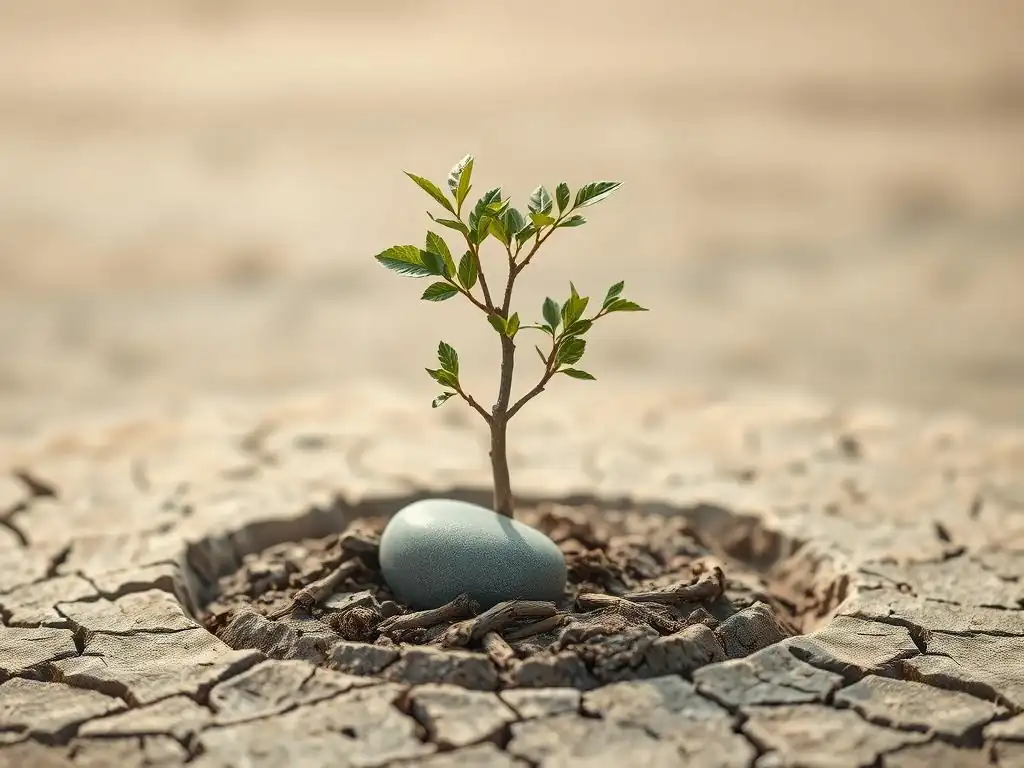
Beginning the active process of building resilience can feel daunting, but the initial steps are often focused on acknowledging your reality and cultivating a kinder relationship with yourself. These foundational actions pave the way for deeper healing and skill development. Embarking on your trauma resilience journey starts now with these gentle yet powerful initial movements.
Acknowledging and Validating Your Experiences
The very first active step is often acknowledging the reality and impact of your adverse experiences. This means allowing yourself to feel the emotions associated with the trauma – sadness, anger, fear, grief – without judgment. Validation involves recognizing that your feelings and reactions are understandable responses to difficult circumstances. It's about saying to yourself, "This happened, and it was hard, and it's okay to feel what I'm feeling."
Suppressing or minimizing trauma can hinder healing. Research consistently shows that emotional avoidance is linked to higher levels of PTSD symptoms. Conversely, approaching and processing emotions, even painful ones, is associated with better long-term outcomes. For example, a study on survivors of assault found that those who engaged in emotional processing early on showed greater reductions in symptom severity over time. Giving yourself permission to acknowledge the truth of your experience is a powerful act of self-respect and a vital starting point as your trauma resilience journey starts now.
Practicing Self-Compassion
Self-compassion involves treating yourself with the same kindness, care, and understanding you would offer a dear friend facing a difficult situation. It's recognizing your suffering and responding with warmth and non-judgment, understanding that imperfection and hardship are part of the shared human experience. This is particularly important after trauma, when self-blame and shame can be prevalent.
Studies have shown that self-compassion is strongly correlated with greater emotional resilience, lower rates of depression and anxiety, and improved ability to cope with stress. For instance, research by Dr. Kristin Neff indicates that individuals high in self-compassion are better able to navigate difficult emotions without getting overwhelmed. Practicing self-compassion could involve simple acts like speaking kindly to yourself when you make a mistake, offering yourself comfort when you're hurting, or reminding yourself that you are not alone in your struggles. Cultivating this inner kindness is fundamental as your trauma resilience journey starts now.
Engaging in Grounding Techniques
Trauma can often leave individuals feeling disconnected from their bodies or overwhelmed by intense emotions and physical sensations. Grounding techniques are simple practices designed to bring you back into the present moment and reconnect with your body and surroundings. They can be incredibly helpful when you feel overwhelmed by anxiety, panic, or dissociation.
Common grounding techniques include focusing on your five senses (naming five things you see, four you can touch, three you hear, two you smell, and one you taste), deep breathing exercises, or feeling your feet firmly on the ground. These techniques activate the parasympathetic nervous system, helping to calm the body's stress response. Many therapists teach grounding as an initial coping skill because it provides immediate relief from distress.
For example, someone experiencing a flashback might use a grounding technique like holding a piece of ice or focusing intently on the texture of their clothing to anchor themselves in the present. Mastering these techniques is a practical skill that supports you as your trauma resilience journey starts now.
Building Core Resilience Skills
Beyond the initial steps of acknowledgment and self-care, building resilience involves developing specific psychological skills that enhance your ability to manage emotions, thoughts, and relationships in the face of adversity. These skills are like muscles that strengthen with practice. Actively developing these capacities is key as your trauma resilience journey starts now.
Developing Emotional Regulation Skills
Emotional regulation is the ability to understand, process, and manage your emotional responses effectively. After trauma, individuals may struggle with intense or unpredictable emotions. Developing emotional regulation skills doesn't mean suppressing feelings, but rather learning to tolerate distress, identify emotions accurately, and choose how to respond rather than react impulsively.
Techniques like distress tolerance skills (e.g., TIPP skills: Temperature, Intense exercise, Paced breathing, Paired muscle relaxation), identifying cognitive distortions, and practicing mindful observation of emotions without judgment are central to this. For instance, someone learning emotional regulation might practice identifying a feeling like intense anger and instead of acting out, use paced breathing to calm their nervous system before deciding on a constructive response.
Research supports the efficacy of therapies like Dialectical Behavior Therapy (DBT), which heavily focuses on emotional regulation skills, showing significant reductions in emotional dysregulation and self-harm behaviors in populations with complex trauma. Building these skills is a cornerstone as your trauma resilience journey starts now.
Enhancing Cognitive Flexibility
Cognitive flexibility is the ability to adapt your thinking to new, changing, or unexpected situations. After trauma, thinking patterns can become rigid or stuck, often focusing on threat or negative outcomes. Enhancing cognitive flexibility helps you challenge unhelpful thought patterns, consider alternative perspectives, and find new ways to approach problems. It involves being able to shift focus, think outside the box, and see shades of gray instead of just black and white.
Practices that promote cognitive flexibility include challenging negative self-talk, reframing challenging situations, and engaging in problem-solving exercises. For example, if someone who experienced trauma automatically assumes the worst in social situations, cognitive flexibility involves questioning that assumption and considering other possible interpretations of others' behavior. Studies in cognitive psychology demonstrate that training in cognitive restructuring can significantly reduce symptoms of anxiety and depression by altering maladaptive thought patterns. Developing this mental agility is a powerful tool as your trauma resilience journey starts now.
While identifying a support system was a preparatory step, actively strengthening those connections and building new healthy relationships is an ongoing skill in resilience. Positive social interactions provide comfort, belonging, and shared experiences, counteracting the isolation that trauma can cause. Learning to build and maintain healthy boundaries within these relationships is also a vital part of this skill.
Engaging in social activities, joining support groups, volunteering, or simply making an effort to connect authentically with trusted individuals are ways to strengthen social ties. Research consistently shows that strong social support is one of the most robust predictors of recovery and well-being after trauma. For instance, a longitudinal study following survivors of a mass shooting found that perceived social support was a critical factor in mitigating long-term psychological distress. Nurturing your social connections is a dynamic process that profoundly impacts your capacity to heal and adapt. Prioritizing healthy relationships is essential as your trauma resilience journey starts now.
Strategies for Long-Term Resilience
Building resilience isn't just about immediate coping; it's about integrating practices and resources into your life for sustainable well-being. These strategies offer deeper avenues for healing and growth, supporting you throughout your long-term journey. Implementing these consistently is crucial as your trauma resilience journey starts now and continues to evolve.
Incorporating Mindfulness Practices
Mindfulness involves paying attention to the present moment without judgment. It's a practice that can significantly enhance resilience by increasing self-awareness, improving emotional regulation, and reducing the tendency to ruminate on the past or worry about the future. Regular mindfulness practice helps individuals observe thoughts and feelings from a distance, creating space to respond thoughtfully rather than reacting automatically, which is particularly beneficial for managing trauma triggers.
Integrating mindfulness can take many forms, such as guided meditation, mindful breathing exercises, mindful walking, or simply paying full attention to everyday activities like eating or washing dishes. Studies show that mindfulness-based interventions can lead to measurable changes in brain regions associated with stress regulation and emotional processing. For example, research on Mindfulness-Based Stress Reduction (MBSR) programs has demonstrated significant reductions in PTSD symptoms and improvements in emotional regulation among trauma survivors. Making mindfulness a regular part of your routine is a powerful strategy for long-term resilience.
Exploring Therapy Options: [Cognitive Behavioral Therapy, EMDR Therapy, Trauma-Focused Therapy]
Therapy is often a cornerstone of healing from trauma and building resilience. Several therapeutic approaches are specifically designed to help individuals process traumatic experiences and develop healthier coping mechanisms. Exploring these options with a qualified mental health professional can provide tailored support and effective strategies.
- Cognitive Behavioral Therapy (CBT): Focuses on identifying and challenging negative thought patterns and behaviors that developed as a result of trauma. A specific type, Trauma-Focused CBT (TF-CBT), is particularly effective for children and adolescents and involves gradually exposing the individual to trauma memories in a safe environment while teaching coping skills. Research consistently shows TF-CBT's effectiveness, with studies reporting significant reductions in PTSD symptoms in 80-90% of child participants.
- EMDR Therapy (Eye Movement Desensitization and Reprocessing): This therapy involves recalling distressing trauma memories while engaging in bilateral stimulation (such as eye movements or tapping). The goal is to help the brain reprocess the memory so it is less emotionally disturbing. EMDR has strong evidence supporting its effectiveness for PTSD, with some studies indicating symptom reduction comparable to or greater than other trauma therapies in a shorter timeframe.
- Trauma-Focused Therapy (General): This category includes various therapies explicitly designed to address trauma, often involving exposure techniques, narrative processing, and skills building. Prolonged Exposure (PE), for instance, involves gradually confronting trauma-related memories, feelings, and situations. Studies on PE have shown significant decreases in PTSD diagnosis rates among participants after treatment.
Choosing the right therapy depends on individual needs and the nature of the trauma, and working with a therapist specializing in trauma is highly recommended. Engaging in therapy provides expert guidance and support as your trauma resilience journey starts now and progresses.
Setting Boundaries and Protecting Well-being
Establishing and maintaining healthy boundaries is crucial for protecting your emotional and physical energy, especially when healing from trauma. Boundaries define what is acceptable and unacceptable in your interactions with others and how you use your time and energy. Learning to say no, limiting contact with toxic individuals, and protecting your time for rest and self-care are all aspects of boundary setting.
After trauma, individuals may struggle with boundaries due to past experiences of powerlessness or difficulty trusting others. Learning to assert your needs and limits is an empowering step in reclaiming control over your life. This might involve communicating clearly with family members about your needs, setting limits on work hours, or deciding to reduce contact with people who consistently drain your energy or disregard your feelings. Prioritizing your well-being through clear boundaries is not selfish; it's a necessary component of sustainable resilience. It reinforces the message that your needs matter as your trauma resilience journey starts now.
Overcoming Common Challenges in Building Resilience
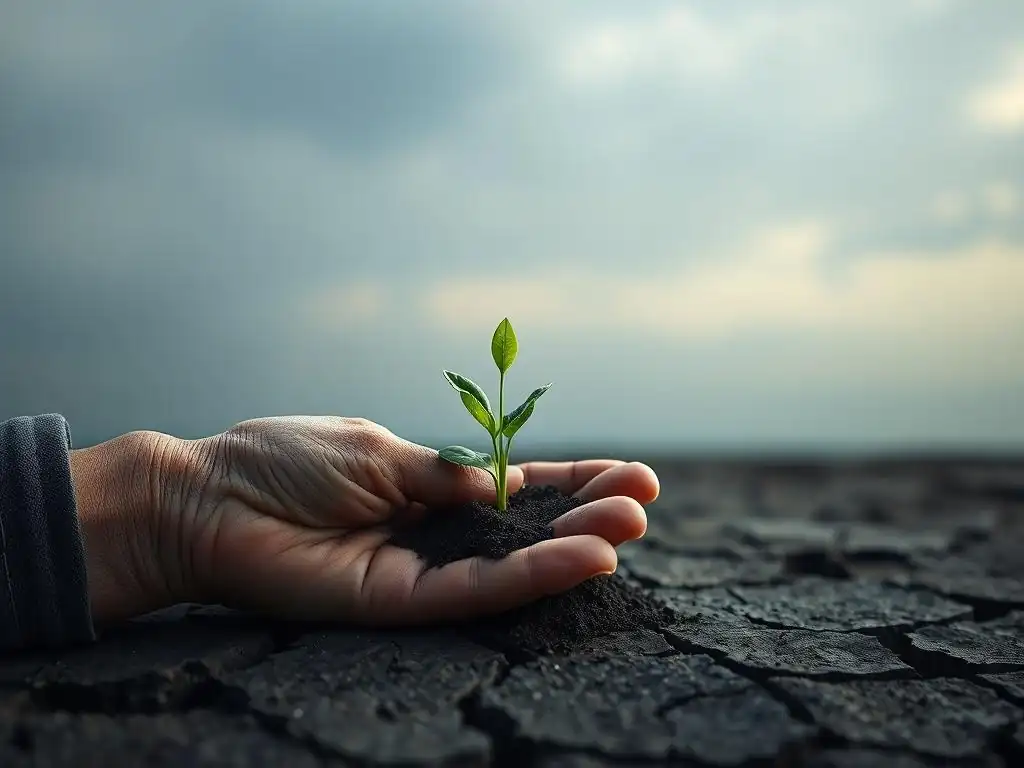
The path to resilience is rarely smooth. You will likely encounter obstacles and difficult moments. Anticipating these challenges and developing strategies to navigate them is part of the process. Understanding that setbacks are normal helps you persist. Facing these hurdles is part of the reality as your trauma resilience journey starts now.
Managing Difficult Emotions
One of the most significant challenges is managing intense and difficult emotions that arise during the healing process. Fear, anger, shame, and grief can feel overwhelming and may trigger old coping mechanisms that are not healthy. Learning to tolerate distress without resorting to avoidance or destructive behaviors is a key skill.
Strategies for managing difficult emotions include using grounding techniques, practicing distress tolerance skills (like those mentioned in DBT), engaging in healthy distractions (like exercise or hobbies), and talking to a trusted person. For example, instead of suppressing intense anger, someone might use vigorous exercise to release physical tension and then journal about the source of their anger to gain insight. Recognizing that emotions are temporary waves, not permanent states, helps in riding them out. Developing a toolkit of healthy coping mechanisms for difficult emotions is vital for steady progress.
Addressing Self-Doubt
Trauma can deeply impact self-worth, leading to pervasive self-doubt and feelings of inadequacy. You might question your ability to heal, doubt your strengths, or blame yourself for what happened. These internal beliefs can become significant barriers to building resilience.
Addressing self-doubt involves challenging negative core beliefs that developed as a result of trauma. This can be done through cognitive restructuring techniques, identifying your strengths and accomplishments (no matter how small), and seeking validation from supportive individuals or a therapist. For example, if the belief is "I am fundamentally flawed," you can look for evidence that contradicts this, such as instances where you showed kindness, competence, or perseverance. Affirmations and self-compassion practices are also powerful tools in combating self-doubt. Believing in your capacity to heal is a critical factor in moving forward.
Coping with Setbacks
Setbacks are an inevitable part of any healing journey. There will be days when symptoms flare up, old triggers resurface, or you feel overwhelmed and discouraged. Viewing setbacks as failures can derail progress and lead to feelings of hopelessness.
Instead, try to view setbacks as temporary detours or learning opportunities. What triggered the setback? What coping strategies did you use, and were they effective? What can you learn from this experience to better handle similar situations in the future?
Having a plan in place for when setbacks occur, such as knowing who to reach out to or which coping skills to deploy, can make them less disruptive. For example, if a specific anniversary triggers intense distress, having a pre-planned self-care day or therapy session can help navigate the difficulty. Resilience isn't about never falling down; it's about learning how to get back up.
Maintaining Momentum in Your Resilience Journey
Building resilience is a lifelong practice, not a destination. Maintaining momentum requires ongoing effort, self-awareness, and commitment to your well-being. As your trauma resilience journey starts now, think about how you will sustain these efforts over time.
Celebrating Progress
It's easy to focus on how far you still have to go, but taking time to acknowledge and celebrate the progress you've already made is incredibly important for motivation and self-esteem. Even small steps, like successfully using a coping skill in a challenging moment or having a day with fewer symptoms, are victories worth recognizing.
Celebrations don't have to be grand; they can be as simple as acknowledging your progress in a journal, sharing it with a trusted friend, or treating yourself to a small reward like a favorite coffee or a relaxing bath. Recognizing your progress reinforces positive behaviors and provides encouragement to keep going. For example, if you successfully navigated a social situation that used to trigger anxiety, take a moment to appreciate your strength and growth. Celebrating milestones, no matter how small, fuels your commitment to the process.
Seeking Ongoing Support
While you are actively building your own resilience skills, ongoing support remains invaluable. This could mean continuing therapy, participating in support groups, staying connected with your trusted network, or engaging in peer support. Your needs for support may change over time, but having resources available is crucial, especially during challenging periods.
Ongoing support provides validation, perspective, and accountability. Sharing your experiences with others who understand can reduce feelings of isolation and provide new insights. For example, participating in a trauma-specific support group can connect you with others who have faced similar challenges and offer unique perspectives on coping and healing. Professional support, even periodic check-ins, can help you navigate complex issues and refine your strategies. Remember, seeking support is a sign of strength, not weakness.
Cultivating a Long-Term Commitment to Self-Care
Self-care is the foundation of sustained resilience. It involves consistently attending to your physical, emotional, and mental health needs. This goes beyond occasional treats and includes regular practices like getting enough sleep, eating nutritious food, exercising, managing stress, engaging in enjoyable activities, and setting boundaries.
Making self-care a non-negotiable part of your routine signals to yourself that you are worthy of care and attention. It replenishes your resources, making you better equipped to handle stress and challenges. For example, committing to 30 minutes of physical activity most days not only benefits physical health but is also proven to reduce symptoms of anxiety and depression. Building a sustainable self-care routine is an active investment in your long-term well-being and a crucial element as you continue your trauma resilience journey.
Resources for Resilience and Support
Accessing helpful resources can significantly aid your resilience journey. These resources offer information, connection, and professional guidance. Exploring them can provide valuable tools and perspectives as your trauma resilience journey starts now and progresses.
Books and Articles on Resilience
Educating yourself about trauma, healing, and resilience can be incredibly empowering. Many excellent books and articles offer insights, strategies, and stories of hope from experts and individuals who have navigated similar paths.
Examples include works on trauma recovery, mindfulness, self-compassion, and specific therapeutic approaches. While we cannot provide specific titles here, searching for books by authors known for their work in trauma (like Bessel van der Kolk, Judith Herman, or Peter Levine) or resilience (like Ann Masten or Kristin Neff) can be a great starting point. Reading personal narratives of recovery can also provide inspiration and a sense of connection.
Online Communities and Support Groups
Connecting with others who understand the impact of trauma can be profoundly healing. Online communities and local support groups offer safe spaces to share experiences, gain support, and learn from others navigating similar challenges.
Many organizations dedicated to mental health or specific types of trauma (e.g., survivors of abuse, veterans) host online forums or in-person meetings. These groups often provide a sense of belonging and reduce feelings of isolation. While online communities offer accessibility, it's important to find well-moderated groups that prioritize safety and respect.
Mental Health Professionals
Working with a qualified mental health professional is one of the most effective ways to address the impacts of trauma and build resilience. Therapists, counselors, psychologists, and psychiatrists can provide diagnosis, tailored treatment plans, therapeutic interventions, and medication if needed.
When seeking a professional, look for someone who specializes in trauma-informed care and has experience with trauma therapies like TF-CBT, EMDR, or Somatic Experiencing. They can help you safely process traumatic memories, develop coping skills, and navigate the complexities of healing. Starting your trauma resilience journey starts now, and professional guidance can provide essential support every step of the way.
Frequently Asked Questions
How can I identify if I'm ready to begin my trauma resilience journey?
Readiness often involves acknowledging the impact of trauma on your life and having a desire to actively heal. It's also important to have some level of emotional stability and support.
What are some initial steps I can take to foster trauma resilience?
Start with self-care practices like mindfulness and healthy eating. Building a strong support network is also crucial. Consider seeking guidance from a qualified therapist.
What if I feel overwhelmed or triggered during my trauma resilience journey?
It's normal to experience setbacks. Grounding techniques and self-compassion are helpful. Remember to pace yourself and reach out for professional support if needed.
How long does it typically take to build trauma resilience?
There's no fixed timeline; it's a highly individual process. Factors like the nature of the trauma and available resources influence the duration. Focus on progress, not perfection.
Where can I find reliable resources and support for my trauma resilience journey?
Mind Care Guide offers information, support, and resources. Look for trauma-informed therapists and support groups in your area. Remember to prioritize your mental well-being.
Final Reflection: Embracing the Power of Now on Your Trauma Resilience Journey
The path to trauma resilience isn't a destination, but a continuous journey of self-discovery and empowerment. Understanding and actively engaging in the process of healing is not only possible, but crucial for a fulfilling life. The tools and strategies discussed throughout this article are not merely theoretical; they are practical steps you can take today to begin reclaiming your narrative and building a stronger, more resilient you.
The impact of trauma extends far beyond the initial event, rippling through our relationships, our self-perception, and our overall well-being. This journey of healing is deeply personal, and its influence on the cultural landscape is undeniable, as more and more people are bravely sharing their stories and advocating for greater understanding and support. The wound is the place where the Light enters you.
- Rumi. This quote beautifully captures the transformative potential inherent in facing our trauma and allowing ourselves to heal. It's a testament to the strength and resilience we all possess, waiting to be unlocked.
Now, consider your own journey. What resonates most deeply with you from the information presented? What small step, however seemingly insignificant, can you take right now to nurture your resilience? Perhaps it's setting aside five minutes for mindful breathing, reaching out to a trusted friend, or simply acknowledging the validity of your feelings. Remember, the journey begins with a single step, and the power to initiate that step lies within you. Embrace the present moment, and begin your journey towards lasting change.
Ignite Your Inner Strength: Start Your Resilience Journey Now!
Thank you for taking the time to explore the powerful path to trauma resilience. We hope you gained valuable insights into building a stronger, more empowered you. Now it's time to put that knowledge into action!
- Prioritize one small step today: Identify one practical technique from the article (e.g., mindful breathing, setting healthy boundaries) and commit to practicing it for just 5 minutes. This consistent effort is key.
- Share your story (if you feel comfortable): Connecting with others can be incredibly supportive. Consider sharing your experiences—or even just one positive takeaway—with a trusted friend or family member.
- Explore additional resources: Dive deeper into the world of trauma resilience by researching relevant books, podcasts, or support groups. Your journey is unique, and the right resources can make all the difference.
What’s one small step you can take today to nurture your resilience? Share your thoughts below!