
Finding Strength in Connection: Community and Trauma Resilience

Welcome to Mind Care Guide, a safe space dedicated to your mental well-being.
Feeling isolated after trauma is a common, yet often unspoken, experience. Are you searching for ways to reconnect and rebuild your life? This week, we delve into the power of connection with our insightful guide on building community after trauma. Discover how shared experiences and supportive networks can be crucial in your journey towards healing and resilience. Curious to learn more? Let's explore how community can be a powerful force for recovery.
Finding Strength in Connection: Community and Trauma Resilience
Trauma, in its many forms, can shatter a person's sense of safety and belonging. It can leave individuals feeling isolated, misunderstood, and disconnected from the world around them. While the internal work of healing is paramount, the external support of a strong community plays a vital, often underestimated, role in the journey toward resilience. This article explores the profound impact of trauma on social connections and highlights the critical importance of building community after trauma as a pathway to recovery and finding renewed strength.
Understanding the complex interplay between individual healing and collective support is essential. Trauma doesn't just affect the mind; it impacts the body, emotions, and our capacity for connection. Rebuilding a sense of safety and connection with others is not merely a pleasant addition to recovery; it is a fundamental pillar. By fostering supportive relationships and engaging in collective healing spaces, individuals can find validation, reduce feelings of shame, and rediscover their capacity for trust and intimacy, which are often damaged by traumatic experiences.
- Understanding Trauma and Its Impact on Social Connections
- Building Community After Trauma: A Foundation for Healing
- Strategies for Fostering Connection and Community
- Practical Steps to Build a Support Network
- The Power of Shared Experiences: Finding Common Ground
- Supporting Others in Their Trauma Recovery Journey
- Maintaining Healthy Boundaries in Trauma-Informed Communities
- The Long-Term Benefits of Community Resilience After Trauma
- Resources for Building Community and Trauma Resilience
-
Frequently Asked Questions
- How does building community help after experiencing trauma?
- Why is connection important for trauma resilience?
- What are some practical ways to build community after trauma?
- What if I find it difficult to connect with others after trauma?
- What resources are available to help me build community and heal from trauma?
- Final Reflection: Weaving Resilience Through Shared Experience
- Unleash Your Resilience: Build a Supportive Network
Traumatic experiences can profoundly alter how individuals perceive themselves and interact with the world, including their relationships. The brain's response to trauma is designed for survival, often leading to hypervigilance or withdrawal, both of which can make forming and maintaining social bonds challenging. Understanding these impacts is the first step towards healing and actively working on building community after trauma.
The disruption caused by trauma can manifest in various ways, from difficulty trusting others to feeling fundamentally different or alienated. These feelings can create significant barriers to connection, making it hard to seek or accept support. Recognizing these internal and external obstacles is crucial for anyone embarking on the path of recovery and seeking to rebuild their social world.
The Neurobiological Effects of Trauma on Relationships
Trauma significantly impacts brain areas responsible for social processing and emotional regulation, such as the amygdala and the prefrontal cortex. The amygdala, involved in processing fear and threat, can become hyperactive, leading to heightened anxiety in social situations and misinterpreting neutral cues as threatening. Simultaneously, the prefrontal cortex, crucial for executive functions like decision-making and social reasoning, may show reduced activity, impairing the ability to navigate complex social interactions effectively. This neurobiological shift can make trusting others incredibly difficult, as the brain remains on high alert, perceiving potential danger even in safe relationships.
Furthermore, trauma can dysregulate the body's stress response system, the HPA axis. Chronic activation of this system can affect the release of oxytocin, a hormone vital for bonding, trust, and social connection. Lower levels or impaired functioning of oxytocin pathways can diminish feelings of closeness and make it harder to form secure attachments, potentially leading to avoidance of intimacy or difficulty forming deep bonds with others. For instance, studies on individuals with complex trauma histories have shown altered oxytocin levels and reduced activity in brain regions associated with social reward, directly impacting their capacity for social connection and trust.
The symptoms of trauma, such as hypervigilance, anxiety, depression, and avoidance behaviors, can directly contribute to social isolation. Individuals might withdraw from friends and family to avoid triggers or because they feel misunderstood. Shame and guilt associated with the trauma can also lead to secrecy, creating distance in relationships. For example, someone who experienced a traumatic event might avoid large crowds or specific locations, limiting opportunities for social interaction. This avoidance, while initially feeling protective, can lead to a shrinking social circle over time.
Moreover, difficulty regulating emotions after trauma can strain relationships. Intense mood swings, irritability, or emotional numbness can be challenging for loved ones to navigate, sometimes leading to conflict or withdrawal from both sides. A person struggling with emotional outbursts might fear hurting others or being rejected, leading them to isolate themselves proactively. This cycle of symptoms leading to isolation, which in turn exacerbates symptoms, can be a significant barrier when attempting the process of building community after trauma.
Identifying social withdrawal after trauma involves observing changes in behavior and interaction patterns. Signs can include a noticeable decrease in participation in social activities previously enjoyed, fewer interactions with friends and family, or expressing feelings of loneliness and disconnection. A person might start making excuses to avoid social gatherings or seem less engaged when they are present. These changes are often subtle at first but can become more pronounced over time.
Other indicators might be increased reliance on solitary activities, difficulty making plans, or expressing a general lack of interest in connecting with others. For example, someone who used to regularly attend a book club might suddenly stop going, or a person who enjoyed family dinners might start eating alone in their room. These behaviors are often a manifestation of the internal struggle with trauma symptoms and a protective mechanism, albeit one that hinders the process of building community after trauma.
Building Community After Trauma: A Foundation for Healing
Building community after trauma is not just about having people around; it's about cultivating supportive, understanding relationships that foster a sense of safety and belonging. This process is fundamental to recovery, providing a crucial buffer against the ongoing effects of trauma and promoting resilience. A strong community offers validation, reduces feelings of shame, and provides practical and emotional support.
Engaging with others who understand or are willing to learn about the impact of trauma can counteract the isolation and disconnection that trauma often creates. It provides opportunities for positive social experiences that can help rewire the brain's response to social cues and rebuild the capacity for trust. The journey of building community after trauma is an active process that requires courage, patience, and the willingness to be vulnerable in safe environments.
Why Community Support is Crucial for Trauma Recovery
Community support provides a vital external resource for individuals navigating trauma recovery. It offers emotional validation, helping survivors feel seen and heard, which can be incredibly healing, especially when trauma has involved feeling invisible or silenced. Knowing that others care and believe their experience can counteract the gaslighting or disbelief sometimes faced by survivors.
Research indicates that social support is one of the most significant protective factors against developing PTSD and other trauma-related difficulties. For instance, a study published in the Journal of Consulting and Clinical Psychology found that strong social support networks significantly predicted better recovery outcomes in trauma survivors compared to those with limited support.
Beyond emotional support, community provides practical assistance and opportunities for positive social interactions. This could involve help with daily tasks when symptoms are overwhelming, or simply providing enjoyable activities that offer respite from trauma-related distress. Being part of a supportive community helps combat the loneliness and isolation that often accompany trauma, fostering a sense of belonging and shared humanity. This connection can help regulate the nervous system, reducing hyperarousal and promoting a sense of calm and safety, which are essential for healing.
Re-establishing Trust: A Key Component of Community Building
Trauma, particularly interpersonal trauma, can severely erode trust in others and in the world. Re-establishing trust is a gradual but essential part of building community after trauma. This involves learning to discern safe relationships from unsafe ones and taking measured risks in connecting with others. It's not about trusting everyone immediately but about finding specific individuals or groups where trust can be tentatively extended and built upon through consistent, positive interactions.
Trust is rebuilt through reliable experiences where vulnerability is met with empathy and respect, not judgment or harm. This process often starts in therapeutic settings or trauma-informed support groups where boundaries are clear and the environment is designed to be safe. For example, sharing a difficult experience with a supportive friend and receiving a validating response helps confirm that it is safe to be vulnerable with that person, strengthening the bond and rebuilding trust incrementally. Each positive interaction, no matter how small, contributes to restoring the capacity for healthy connection.
Trauma often disrupts the ability to regulate emotions, leading to intense mood swings, difficulty managing stress, and feeling overwhelmed. Social support plays a significant role in helping individuals regain emotional equilibrium. Simply being in the presence of a trusted, calm individual can help regulate a dysregulated nervous system through co-regulation. This is a biological process where one person's calm physiological state can help soothe another's agitated state.
Discussing feelings and experiences with supportive listeners can also help process emotions and gain perspective. Verbalizing emotions in a safe space can reduce their intensity and make them feel more manageable. For instance, sharing feelings of panic or fear with a compassionate friend can lessen their grip and prevent them from escalating. Furthermore, positive social interactions can increase the release of feel-good neurochemicals like oxytocin and endorphins, which have a calming effect and counteract the stress hormones associated with trauma, further aiding emotional regulation.
Strategies for Fostering Connection and Community
Actively fostering connection and building community after trauma requires intentional effort and specific strategies. It involves creating environments where individuals feel safe to be vulnerable, developing the skills needed to navigate relationships effectively, and addressing the societal barriers that can hinder connection. These strategies can be implemented within existing social circles, support groups, or broader community initiatives.
Focusing on both individual skills and collective practices is key. While survivors work on their personal healing journeys, the communities around them can adopt practices that are sensitive to the impact of trauma, ensuring that interactions are supportive and not re-traumatizing. This dual approach strengthens both the individual's capacity for connection and the community's ability to provide effective support.
Creating Safe Spaces for Sharing Trauma Experiences
Creating safe spaces is paramount for individuals to feel comfortable sharing their trauma experiences. A safe space is characterized by non-judgment, confidentiality (within ethical limits), empathy, and respect for boundaries. These spaces can be formal, like therapy groups or support group meetings facilitated by trained professionals, or informal, like a trusted circle of friends who have agreed to listen without trying to "fix" or minimize the experience.
Establishing clear group rules and expectations is essential in formal settings. For example, a trauma support group might have rules about not interrupting, respecting everyone's story, and maintaining confidentiality outside the group. These guidelines help build trust and predictability, counteracting the unpredictability often associated with trauma. In informal settings, simply communicating the desire for a listening ear rather than advice can help create a safer dynamic. For instance, saying "I just need to share this, I'm not looking for solutions right now" sets a clear expectation for the listener.
Developing Empathy and Active Listening Skills Within a Community
Empathy and active listening are fundamental skills for anyone supporting trauma survivors or participating in trauma-informed communities. Empathy is the ability to understand and share the feelings of another person. It's about trying to see the world from their perspective, even if you haven't had the same experience. Active listening involves fully concentrating, understanding, responding, and remembering what is being said. It goes beyond just hearing the words; it includes paying attention to non-verbal cues and reflecting back what you've heard to ensure understanding.
Training community members, friends, or family in these skills can significantly enhance the support provided. Workshops on trauma-informed care, basic counseling skills, or even just practicing reflective listening can make a huge difference. For example, instead of offering platitudes like "You should just move on," an empathetic response might be, "It sounds like you're carrying a heavy burden, and I'm here to listen." This validates the person's feelings and encourages further sharing, strengthening the connection and supporting the process of building community after trauma.
Addressing Stigma and Misconceptions About Trauma
Stigma and misconceptions surrounding trauma can be significant barriers to seeking help and building community after trauma. Many people still view trauma as a sign of weakness or something to be hidden, rather than a natural human response to overwhelming events. These attitudes can prevent survivors from opening up and can lead to further isolation. Addressing stigma requires education and open conversations about what trauma is, how it affects people, and that recovery is possible.
Community-wide initiatives, public awareness campaigns, and personal conversations can all help challenge harmful stereotypes. Sharing accurate information about PTSD, complex trauma, and other trauma responses can normalize the experience and reduce shame. For example, highlighting that symptoms like hypervigilance or difficulty trusting are common, understandable responses to threat can help survivors feel less alone and pathologized. Creating a culture where discussing mental health, including the impact of trauma, is normalized makes it easier for individuals to reach out for support and find connection.
Practical Steps to Build a Support Network

Building a support network after trauma is an active process that involves identifying potential sources of connection and intentionally engaging with them. It requires courage to step outside of isolation and take the first steps towards forming new bonds or strengthening existing ones. There are many avenues to explore, from formal support structures to informal connections.
This process isn't about quantity but quality – finding individuals and groups where you feel safe, understood, and genuinely supported. It might involve re-evaluating existing relationships or seeking out entirely new connections based on shared experiences or interests. The goal is to create a network that provides both emotional sustenance and practical help when needed, fortifying the effort of building community after trauma.
Identifying Potential Sources of Support: Family, Friends, Faith-Based Organizations
Potential sources of support exist in various spheres of life. For some, trusted family members can provide a foundation of unwavering support, offering a sense of history and unconditional acceptance. Close friends who are empathetic and reliable can also be invaluable listeners and companions. It's important to assess which existing relationships feel safe and supportive, as not all relationships may be equipped to handle the complexities of trauma recovery.
Faith-based organizations can also offer a strong sense of community and belonging for those whose beliefs are a source of comfort. These communities often provide structured opportunities for connection, mutual aid, and spiritual support. For example, a local church, synagogue, mosque, or temple might have programs focused on caregiving, grief support, or simply provide regular gatherings that foster connection. Exploring these existing networks with a discerning eye for safety and supportiveness is a practical first step in building community after trauma.
Joining or Creating Trauma-Informed Support Groups
Trauma-informed support groups offer a unique and powerful avenue for building community after trauma. These groups bring together individuals who have shared similar experiences, fostering a deep sense of understanding and validation that can be difficult to find elsewhere. Facilitated by trained professionals or peers, these groups provide a safe, structured environment for sharing, learning coping strategies, and reducing feelings of isolation.
Finding a group that is specifically "trauma-informed" is crucial. This means the group structure and facilitators understand the principles of safety, trustworthiness, peer support, collaboration, empowerment, and cultural humility. Examples include groups for survivors of specific types of trauma (e.g., sexual assault, combat trauma, childhood abuse) or general trauma recovery groups. If local options are limited, there are resources available for creating a peer-led group with appropriate guidance and training, further enabling the goal of building community after trauma.
Utilizing Online Communities for Connection and Support
In today's digital age, online communities can provide accessible and valuable sources of connection, particularly for those who face geographical barriers, physical limitations, or social anxiety. Online forums, social media groups, and dedicated platforms focused on trauma recovery allow individuals to connect with others globally who share similar experiences. These platforms can offer 24/7 access to support and a sense of not being alone.
While online interactions differ from in-person ones, they can still foster genuine connections and provide significant emotional support. Many online communities are moderated to ensure safety and respect, though it's important to exercise caution and maintain personal boundaries online. For example, specific subreddits dedicated to trauma recovery or Facebook groups for survivors of particular events can provide a space to share stories, ask questions, and receive encouragement from peers who truly understand. Utilizing these resources can be a practical step in building community after trauma, especially as a starting point.
Connecting with others who have experienced trauma can be profoundly healing. Shared experiences create an immediate sense of understanding and validation that can break down the walls of isolation and shame. Finding common ground in the aftermath of trauma is about recognizing shared humanity and resilience, fostering a sense of solidarity that strengthens the individual and the collective.
This connection through shared narratives moves beyond simply recounting events; it involves finding commonality in feelings, challenges, and triumphs on the path to recovery. It provides a mirror reflecting back the universality of the trauma response and the possibility of healing, reinforcing the importance of building community after trauma.
Connecting Through Similar Trauma Narratives
Connecting with individuals who have similar trauma narratives can create a powerful bond based on mutual understanding. When someone says, "I understand," because they genuinely do, having walked a similar path, it carries immense weight. This shared understanding reduces the need to explain or justify feelings and reactions that might seem confusing to those without similar experiences. For example, survivors of a natural disaster might find profound connection with others who lived through the same event, sharing stories of loss, fear, and resilience that outsiders might not fully grasp.
This common ground allows for a unique form of peer support where insights and coping strategies gained through lived experience can be shared effectively. It normalizes responses that might otherwise feel isolating or shameful, such as difficulty sleeping, heightened anxiety in specific situations, or struggles with trust. Hearing someone else articulate feelings you thought were unique to you can be incredibly validating and reduce the burden of carrying the trauma alone, significantly aiding the effort of building community after trauma.
Building Solidarity and Mutual Understanding
Shared experiences build solidarity – a sense of unity and collective responsibility among those who have faced similar challenges. This solidarity moves beyond individual healing to a collective recognition of the impact of trauma and a shared commitment to supporting one another's recovery. It fosters a sense of "we are in this together," which is incredibly empowering.
Mutual understanding within a trauma-informed community creates an environment where individuals feel safe to be their authentic selves, including their struggles and vulnerabilities. This understanding reduces the fear of judgment or rejection, which is often heightened after trauma. For instance, in a support group for combat veterans, the shared understanding of the unique challenges faced during and after service creates a bond of solidarity that facilitates open communication about difficult experiences and fosters mutual aid, reinforcing the benefits of building community after trauma.
Trauma often breeds shame and isolation. Survivors may feel responsible for what happened, or they may feel fundamentally flawed or different from others. These feelings can lead to secrecy and withdrawal, further entrenching isolation. Sharing one's story in a safe, supportive community can be a powerful antidote to shame. When a vulnerable story is met with empathy and acceptance rather than judgment, it begins to dismantle the shame associated with the experience.
Hearing others share similar stories helps normalize one's own experience and reduces the feeling of being alone in the struggle. It reveals that trauma responses are common and understandable reactions to extraordinary circumstances, not indicators of personal failure. This process of shared storytelling and validation is fundamental to building community after trauma and helps survivors reclaim their narrative and move towards healing, replacing shame with self-compassion and connection.
Supporting Others in Their Trauma Recovery Journey
Being a supportive presence for someone navigating trauma recovery is a meaningful way to contribute to their healing and strengthen the bonds of community. While professional help is essential, the support offered by friends, family, and community members provides a vital layer of care and connection. This support requires empathy, patience, and a willingness to learn about the impact of trauma.
Offering support is also a way to build community after trauma, not just for the survivor but for the supporter as well, fostering empathy and understanding within the broader social fabric. It's about showing up consistently and reliably, offering both practical help and emotional presence in a way that respects the survivor's autonomy and needs.
Being a Supportive Friend or Family Member
Supporting a friend or family member through trauma recovery involves offering consistent, non-judgmental presence. This means listening without trying to fix the problem, validating their feelings, and letting them know you care. Avoid minimizing their experience or telling them how they "should" feel or act. Simply being there, offering a listening ear, and providing a sense of stability can be profoundly helpful.
It's important to educate yourself about trauma and its effects so you can better understand their reactions and challenges. This doesn't mean becoming a therapist, but gaining basic knowledge can help you respond with more empathy and less confusion or frustration. For example, understanding that irritability or withdrawal can be trauma responses, rather than personal affronts, can help you respond with patience and compassion, strengthening the relationship and supporting the survivor's efforts in building community after trauma.
Offering Practical Assistance and Emotional Validation
Support can take many forms, both practical and emotional. Practical assistance might involve helping with daily tasks that feel overwhelming to the survivor, such as grocery shopping, childcare, or managing appointments. Offering concrete help reduces stress and frees up energy for the survivor to focus on their healing. For instance, simply bringing over a meal or offering to accompany them to an appointment can be incredibly supportive.
Emotional validation is equally crucial. This involves acknowledging and accepting the survivor's feelings without judgment. Phrases like "That sounds incredibly difficult," "It makes sense that you feel that way," or "I believe you" can be incredibly powerful. Validation helps the survivor feel seen, heard, and understood, counteracting the isolation and self-doubt that trauma often creates. Combining practical help with genuine emotional validation provides comprehensive support for someone navigating the challenging path of recovery and building community after trauma.
Avoiding Re-Traumatization: What Not to Say or Do
Supporting a trauma survivor also involves being mindful of avoiding actions or words that could inadvertently re-traumatize them. This includes respecting their boundaries, not pressuring them to talk about the trauma before they are ready, and avoiding victim-blaming language. Never imply that they were somehow responsible for what happened or question the validity of their experience.
Avoid unsolicited advice or telling them "just to get over it." Trauma recovery is a complex process with no set timeline. Also, be mindful of potential triggers – situations, sounds, smells, or conversations that might unexpectedly bring back traumatic memories or feelings. If you are unsure about something, it's better to ask respectfully or err on the side of caution. Prioritizing their safety and comfort is paramount in providing support and helps ensure that your interactions contribute positively to their journey of building community after trauma.
Maintaining Healthy Boundaries in Trauma-Informed Communities
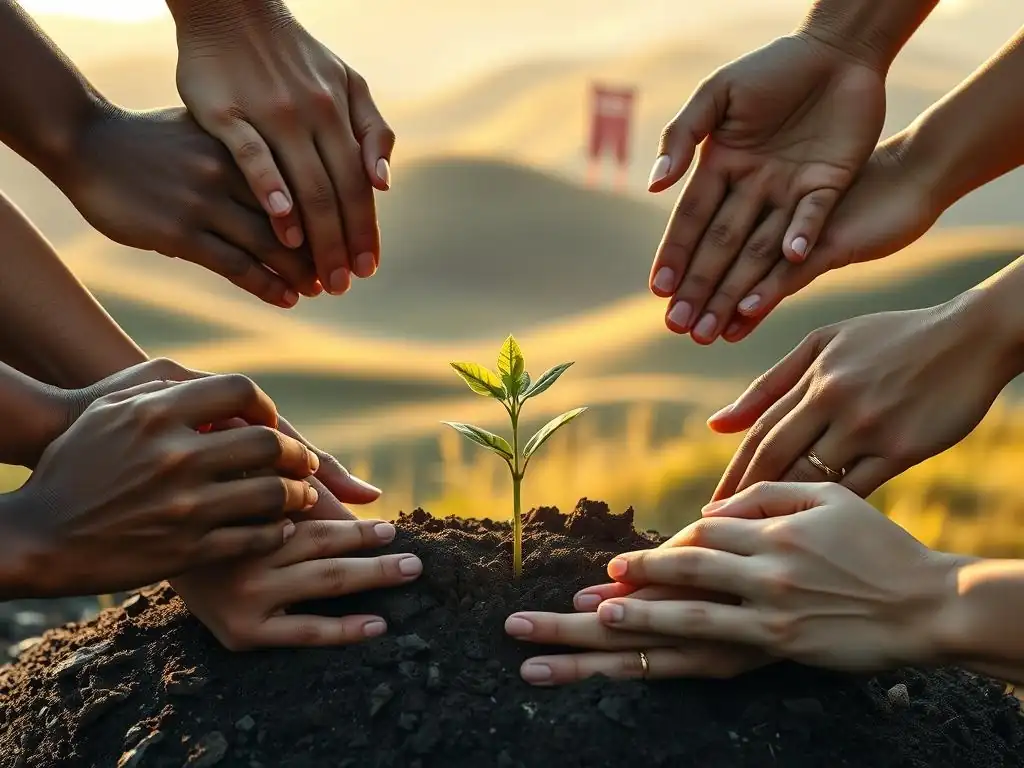
While building community after trauma is vital, maintaining healthy boundaries is equally important for both survivors and those supporting them. Trauma-informed communities thrive when individuals understand and respect limits, ensuring that the space remains safe and sustainable for everyone involved. Boundaries protect against burnout, prevent re-traumatization, and ensure that relationships are based on mutual respect rather than obligation or enmeshment.
Navigating vulnerability and connection requires a clear understanding of personal limits and the ability to communicate them effectively. This is an ongoing process that benefits both the individual and the collective health of the community, strengthening the foundation for continued support and resilience.
Setting and Respecting Personal Limits
Setting personal limits involves recognizing your own emotional, physical, and time capacity and communicating those limits clearly to others. For trauma survivors, this might mean deciding how much detail they are willing to share about their trauma, how often they can attend support group meetings, or how much emotional energy they have for listening to others' stories. It's okay to say "no" to requests that feel overwhelming or draining.
Respecting the personal limits of others is just as crucial. This means not pressuring someone to share more than they are comfortable with, understanding if they need space, or accepting that they may have different needs or coping mechanisms. For example, if a friend says they are not up for a detailed conversation about their trauma today, respecting that limit without judgment is essential. Both setting and respecting boundaries are fundamental to creating a safe and sustainable environment for building community after trauma.
Communicating Needs and Expectations Clearly
Clear communication is the cornerstone of healthy boundaries in any community, especially one focused on trauma recovery. This involves expressing your needs and expectations directly and respectfully. For survivors, this might mean communicating what kind of support is helpful (e.g., "I need you just to listen" vs. "I'd like some advice") or what feels re-traumatizing.
For those offering support, clear communication might involve stating what they are able to offer (e.g., "I can listen for the next hour" vs. making an open-ended commitment that leads to burnout). Avoid passive-aggressive behavior or expecting others to read your mind. Open and honest communication, even when difficult, prevents misunderstandings and resentment, fostering trust and strengthening the community bonds essential for building community after trauma.
Preventing Compassion Fatigue and Burnout
Engaging deeply in trauma-informed communities can be emotionally demanding, particularly for those in support roles or individuals who are both healing and supporting others. Compassion fatigue and burnout are real risks. Compassion fatigue is the emotional and physical exhaustion that can result from caring for others who are suffering, while burnout is broader exhaustion related to chronic stress in one's role.
Preventing these requires intentional self-care strategies. This includes setting clear boundaries on time and emotional energy spent on support, engaging in activities that replenish your energy (hobbies, rest, time in nature), seeking your own support or supervision if in a helping role, and recognizing the signs of fatigue in yourself. Communities can also implement practices to support members, such as rotating responsibilities, encouraging breaks, and normalizing the need for self-care. Proactive measures to prevent burnout ensure the community remains a sustainable source of support for everyone involved in the process of building community after trauma.
The Long-Term Benefits of Community Resilience After Trauma
Building community after trauma yields significant long-term benefits that extend far beyond the initial stages of recovery. A resilient community provides ongoing support, fosters personal growth, and contributes to overall well-being. The connections forged in the aftermath of trauma can become lifelong sources of strength, helping individuals not just survive but thrive.
These benefits impact various aspects of life, from mental and physical health to a renewed sense of purpose and meaning. The collective strength of a community provides a buffer against future stressors and reinforces the skills and resilience developed during the healing process, demonstrating the enduring power of building community after trauma.
Enhanced Coping Mechanisms and Emotional Regulation
Engaging in a supportive community after trauma can significantly enhance an individual's coping mechanisms and ability to regulate emotions. Through shared experiences and peer support, survivors learn from each other about effective ways to manage triggers, intense emotions, and daily challenges. Group settings often involve sharing successful coping strategies, such as mindfulness techniques, grounding exercises, or healthy distraction methods.
Furthermore, the consistent presence of supportive relationships provides a safe space to practice emotional regulation skills learned in therapy or independently. Knowing that there are people who can offer co-regulation during moments of distress helps survivors feel less overwhelmed and more capable of managing intense feelings. This practice within a community context reinforces positive coping behaviors and strengthens the individual's capacity for emotional resilience over time, a direct benefit of building community after trauma.
Improved Mental and Physical Well-being
Strong social connections are a well-documented predictor of improved mental and physical health outcomes. For trauma survivors, building community after trauma can directly counteract the negative health impacts often associated with trauma, such as increased risk of depression, anxiety, chronic stress, and physical ailments. Reduced isolation and increased social support are linked to lower levels of stress hormones, improved immune function, and better overall physical health.
Mentally, belonging to a supportive community reduces feelings of loneliness and hopelessness, which are common after trauma. Positive social interactions can boost mood, increase feelings of self-worth, and provide a sense of purpose. For example, studies have shown that veterans with strong social support networks experience lower rates of PTSD and depression compared to those who are socially isolated. This highlights how community connection is not just emotionally beneficial but has tangible positive effects on both mental and physical well-being.
Increased Sense of Purpose and Meaning in Life
Trauma can strip away a person's sense of purpose and meaning, leaving them feeling lost and disconnected. Building community after trauma can help individuals rediscover or create new sources of meaning in their lives. Contributing to the community, supporting others, and sharing one's story can provide a powerful sense of purpose and validation.
Engaging in shared activities, working towards collective goals (like advocating for other survivors), or simply being a valued member of a group can instill a renewed sense of belonging and significance. For instance, a survivor who volunteers at a trauma support organization or mentors newer group members finds meaning in using their experience to help others. This shift from focusing solely on one's own pain to contributing to something larger than oneself is a transformative aspect of recovery and a profound long-term benefit of building community after trauma.
Resources for Building Community and Trauma Resilience
Accessing the right resources is key to successfully building community after trauma and fostering long-term resilience. There are numerous avenues available, ranging from professional services to peer-led initiatives and educational materials. Knowing where to look can empower individuals to take active steps towards connection and healing.
These resources provide not only opportunities for connection but also valuable information, tools, and guidance for navigating the complexities of trauma recovery within a social context. Utilizing a combination of these resources can create a comprehensive support system tailored to individual needs and preferences.
Local Mental Health Services and Support Groups
Local mental health services are a primary resource for trauma survivors. Therapists, counselors, and psychologists specializing in trauma-informed care can provide individual therapy, which is crucial for processing the trauma itself. Many mental health clinics also offer group therapy specifically for trauma survivors, providing a structured environment to connect with others facilitated by a professional. For instance, a local community mental health center might run weekly groups for survivors of domestic violence or childhood trauma.
Beyond clinical settings, many non-profit organizations and community centers host peer-led support groups. These groups, often free or low-cost, are facilitated by individuals with lived experience, offering a different but equally valuable form of connection and support. Websites for local health departments or mental health associations often list available services and support groups, aiding the search for resources when building community after trauma.
Recommended Books and Articles on Trauma Recovery
Reading books and articles about trauma recovery can provide valuable knowledge, validation, and a sense of connection through shared experiences described by authors and researchers. Literature can help survivors understand their symptoms, learn coping strategies, and feel less alone in their journey. Many books are written by therapists, researchers, or survivors themselves, offering different perspectives and insights.
Examples of widely recommended books include "The Body Keeps the Score" by Bessel van der Kolk, "Trauma and Recovery" by Judith Herman, or personal memoirs by survivors. Articles from reputable mental health websites or academic journals can also offer focused information on specific aspects of trauma and recovery, including the importance of social support. While reading is a solitary activity, the knowledge gained can inform and enhance the process of building community after trauma by providing a framework for understanding oneself and others.
Online Forums and Communities for Trauma Survivors
As mentioned earlier, online platforms offer accessible resources for building community after trauma. Dedicated online forums, moderated social media groups, and specialized websites cater specifically to trauma survivors. These platforms provide spaces to share experiences, ask questions, offer support, and connect with others globally.
It's advisable to seek out well-moderated communities to ensure a safe and respectful environment. Reputable mental health organizations often host or recommend online forums. While online interaction doesn't replace in-person connection, it can be a valuable supplement, offering flexibility and accessibility, particularly for those who find face-to-face interaction challenging initially. Exploring these digital spaces can be a practical step in finding connection and support on the path to recovery and building community after trauma.
Frequently Asked Questions
How does building community help after experiencing trauma?
Building community provides a sense of belonging and shared experience. This fosters a supportive environment where individuals can process their trauma and reduce feelings of isolation.
Why is connection important for trauma resilience?
Connection combats the isolation and disconnection often experienced after trauma. Strong social bonds offer emotional support and a buffer against further distress.
What are some practical ways to build community after trauma?
Joining support groups, volunteering, and participating in community events are all effective ways. Focus on activities that foster shared experiences and meaningful connections, and peer support.
What if I find it difficult to connect with others after trauma?
Start small and be patient with yourself. Consider seeking individual therapy to address any underlying anxiety or trust issues. Look for groups that focus on shared interests, rather than trauma directly.
What resources are available to help me build community and heal from trauma?
Mind Care Guide offers resources like articles, support group directories, and therapist finders. Local community centers and mental health organizations also provide valuable support and connection opportunities.
The power of connection in the face of trauma is not merely a comforting notion; it is a fundamental pillar of healing and recovery. In a world increasingly characterized by isolation and individual struggle, understanding and actively fostering strong community bonds is more crucial than ever before. The ability to share experiences, find solace in shared vulnerability, and build collective strength is a potent antidote to the isolating effects of trauma.
The journey towards resilience after trauma is rarely, if ever, a solitary one. The ripple effects of trauma extend far beyond the individual, impacting families, communities, and even entire societies. Building supportive networks is not just beneficial; it's essential for navigating the complex emotional and psychological landscape that follows traumatic events. As the poet Mary Oliver so eloquently stated: Tell me, what is it you plan to do with your one wild and precious life?
For those who have experienced trauma, rebuilding their lives often involves finding strength in the shared experiences and unwavering support of a community. This shared journey, filled with both vulnerability and strength, is a testament to the human spirit's capacity for healing and growth.
Now, consider your own life. Think about the communities you belong to, both large and small. How can you strengthen these connections? How can you actively contribute to creating spaces where vulnerability is embraced, and support is readily available? Take a moment to reach out to someone in your life who might need a listening ear or a helping hand. By actively participating in building resilient communities, we not only support those who have experienced trauma but also enrich our own lives and foster a more compassionate and supportive world for all.
Unleash Your Resilience: Build a Supportive Network
Thanks for taking the time to explore the power of connection in building resilience! We hope you gained valuable insights into how community can help you navigate challenging experiences. Now it's time to put that knowledge into action.
- Prioritize reaching out: Identify one person you trust and share your thoughts and feelings. Even a small step towards connection can make a big difference.
- Explore local support groups or online communities focused on trauma recovery. This can provide a safe space for sharing your experiences and learning from others.
- Share this article with someone who might benefit from these insights. Let's spread the word about the power of community support!
What's one small action you can take today to strengthen your support network and foster your own resilience?