
TraumaInformed Resilience Building: A Gentle Approach to Strength


Welcome to Mind Care Guide, a space dedicated to nurturing your mental well-being.
Life's challenges can leave invisible scars, and understanding their impact is the first step towards healing. Feeling overwhelmed by past experiences? This article delves into trauma-informed resilience building strategies, offering a gentle and empowering path to reclaim your strength and build a brighter future. Curious to discover how to navigate your journey with compassion and resilience? Let's explore these powerful tools together...
Trauma-Informed Resilience Building: A Gentle Approach to Strength
- Understanding Trauma and Resilience
- Why Trauma-Informed Resilience Building Matters
- Key Principles of Trauma-Informed Resilience Building Strategies
- Practical Trauma-Informed Resilience Building Techniques
- Building Self-Compassion and Self-Care
- Creating a Trauma-Informed Support System
- Measuring and Tracking Progress in Resilience Building
- Trauma-Informed Resilience Building: A Lifelong Journey
-
Frequently Asked Questions
- How does a trauma-informed approach differ from traditional resilience building?
- What are some core principles of trauma-informed resilience building?
- What kind of strategies are considered "gentle" in trauma-informed resilience building?
- How can I start incorporating trauma-informed resilience building strategies into my daily life?
- Where can I find more resources and support for trauma-informed resilience building?
- Final Reflection: Cultivating Inner Strength Through Gentle Resilience
- Unlock Your Inner Resilience: Start Your Journey Today!
Understanding Trauma and Resilience
Defining Trauma: Beyond the Common Perception
Trauma is often understood simply as a deeply distressing or disturbing experience. However, a trauma-informed perspective recognizes that trauma is not just the event itself, but also the lasting adverse effects on a person's mental, physical, social, emotional, and spiritual well-being. These effects can significantly impair functioning and overall quality of life. It's crucial to understand that what is traumatic is subjective; an event that one person experiences as challenging but manageable might be deeply traumatizing for another, depending on individual circumstances, support systems, and previous experiences.
Furthermore, trauma can manifest in various forms, including acute (single event), chronic (repeated, prolonged stress), or complex (multiple, varied traumatic events, often interpersonal). Examples range from natural disasters, accidents, and violence to ongoing neglect, abuse, or systemic oppression. Research indicates that a significant percentage of the population has experienced at least one traumatic event in their lifetime, with estimates suggesting this figure is well over 50% in many countries. Understanding this broad definition and prevalence is fundamental to adopting effective trauma-informed resilience building strategies.
What is Resilience? Bouncing Back and Growing Stronger
Resilience is commonly defined as the process of adapting well in the face of adversity, trauma, tragedy, threats, or significant sources of stress. It means "bouncing back" from difficult experiences. However, resilience is not a fixed trait that someone either has or doesn't have; it is a dynamic process that can be learned and developed over time through various strategies and support systems. It involves behaviors, thoughts, and actions that can be cultivated.
Beyond simply returning to a baseline state, resilience can also involve post-traumatic growth, where individuals not only recover but also experience positive changes, such as increased appreciation for life, improved relationships, new possibilities, greater personal strength, and spiritual development. The journey of building resilience, particularly after trauma, is not about avoiding pain or difficulty, but about developing the capacity to navigate challenges while maintaining well-being and continuing to move forward. Developing robust trauma-informed resilience building strategies focuses on nurturing this capacity gently and effectively.
The Interplay Between Trauma and Resilience: A Complex Relationship
The relationship between trauma and resilience is deeply intertwined and complex. Trauma can significantly challenge an individual's existing resilience, sometimes overwhelming coping mechanisms that were previously effective. It can disrupt a person's sense of safety, trust, control, and connection, which are foundational elements often associated with resilience. Experiencing trauma can lead to a state where the nervous system remains in a heightened state of alert, making it difficult to access resilient responses.
Conversely, understanding the principles of trauma-informed care can significantly enhance resilience building efforts. By acknowledging the pervasive impact of trauma and recognizing the signs and symptoms in clients, families, staff, and others, organizations and individuals can create environments and apply strategies that actively support healing and growth. This approach recognizes that survivors have inherent strengths and capacities for resilience, and effective trauma-informed resilience building strategies aim to unlock and nurture these existing abilities rather than focusing solely on deficits.
Why Trauma-Informed Resilience Building Matters
The Limitations of Traditional Resilience Approaches for Trauma Survivors
Traditional approaches to resilience often focus on teaching coping skills, positive thinking, and stress management techniques, which are valuable. However, for individuals who have experienced trauma, these methods can sometimes be insufficient or even counterproductive if not applied within a trauma-informed framework. For example, simply encouraging someone with trauma to "think positively" can invalidate their very real pain and ongoing struggles, potentially increasing feelings of shame or isolation.
Furthermore, traditional resilience training might inadvertently trigger trauma responses if it pushes individuals too quickly into uncomfortable situations or focuses on exposure without adequate preparation, safety, and choice. A non-trauma-informed approach might overlook the deep physiological and psychological impacts of trauma, such as a dysregulated nervous system or ingrained survival responses. Effective trauma-informed resilience building strategies recognize these unique challenges and adapt techniques to prioritize safety, control, and gradual engagement.
The Importance of Safety and Trust in Resilience Work
Safety and trust are paramount when working with trauma survivors and are cornerstones of trauma-informed care and resilience building. Trauma often shatters a person's sense of safety in the world and their ability to trust others, sometimes even themselves. Therefore, any attempt to build resilience must first establish a foundation of perceived safety – both physical and emotional. This means creating environments where individuals feel secure, predictable, and free from re-traumatization.
Building trust is a gradual process that requires consistency, transparency, and reliability from support providers or systems. For someone whose trust has been profoundly broken by trauma, having a predictable and non-judgmental space is essential before any deep work on resilience can begin. Without this foundation of safety and trust, resilience building exercises, no matter how well-intentioned, are unlikely to be effective and could potentially cause harm. Integrating safety and trust principles is non-negotiable in trauma-informed resilience building strategies.
Creating a Supportive Environment for Healing and Growth
A supportive environment is crucial for fostering healing and enabling individuals to build resilience after trauma. This environment extends beyond the therapeutic setting to include families, workplaces, schools, and communities. A supportive environment is one that understands the potential impact of trauma, avoids blame, offers empathy, and provides consistent, predictable support. It is a place where individuals feel seen, heard, and validated in their experiences and struggles.
Creating such an environment involves training staff and community members in trauma-informed principles, ensuring policies and practices do not inadvertently re-traumatize, and actively promoting connection and belonging. When individuals feel supported and connected to others, they are better equipped to process difficult emotions, access resources, and practice new coping skills. Research consistently shows that strong social support networks are a key predictor of resilience outcomes following adversity, highlighting the importance of fostering connection in trauma-informed resilience building strategies.
Key Principles of Trauma-Informed Resilience Building Strategies
Safety First: Establishing a Sense of Security
The principle of "Safety First" is the absolute bedrock of trauma-informed resilience building strategies. This means prioritizing both physical and psychological safety in all interactions and environments. For individuals who have experienced trauma, their nervous system may be hyper-vigilant, constantly scanning for threats. Therefore, creating a predictable, transparent, and non-threatening atmosphere is essential before any exploration of difficult emotions or past experiences can occur.
Practically, establishing safety involves clear communication about what to expect, ensuring physical spaces feel secure, and being mindful of potential triggers. It also means empowering individuals with choices and control over their participation. For instance, in a group setting, participants should always have the option to pass on sharing or to step out if needed. This level of attention to safety helps rebuild a sense of security that trauma may have shattered, making it possible for resilience to develop.
Choice and Control: Empowering Trauma Survivors
Trauma often involves a loss of control and agency. Therefore, empowering trauma survivors with choice and control is a vital principle in trauma-informed resilience building strategies. Giving individuals autonomy over their healing journey counteracts the powerlessness experienced during traumatic events and helps restore a sense of personal agency.
This principle is implemented by offering options whenever possible – whether it's choosing the pace of therapy, selecting which coping skills to practice, or deciding the level of participation in a support group. Simply asking "How would you like to proceed?" or "What feels comfortable for you today?" can be profoundly empowering. Allowing individuals to make decisions about their care fosters trust and collaboration, reinforcing that they are the experts on their own experiences and needs.
Collaboration and Connection: Fostering Supportive Relationships
Trauma can lead to isolation and difficulty forming trusting relationships. The principle of Collaboration and Connection emphasizes the importance of working with individuals, not on them, and fostering healthy relationships as a pathway to resilience. Collaboration means viewing the individual as a partner in their healing process, sharing power, and recognizing that healing happens in the context of relationships.
Connection involves actively promoting opportunities for individuals to build supportive relationships with others. This could be through peer support groups, family involvement (when safe and appropriate), or connecting with community resources. Research consistently highlights social support as a critical factor in post-trauma recovery and resilience. Trauma-informed resilience building strategies actively work to repair ruptured connections and facilitate the development of new, healthy ones.
Strengths-Based Approach: Focusing on Existing Abilities
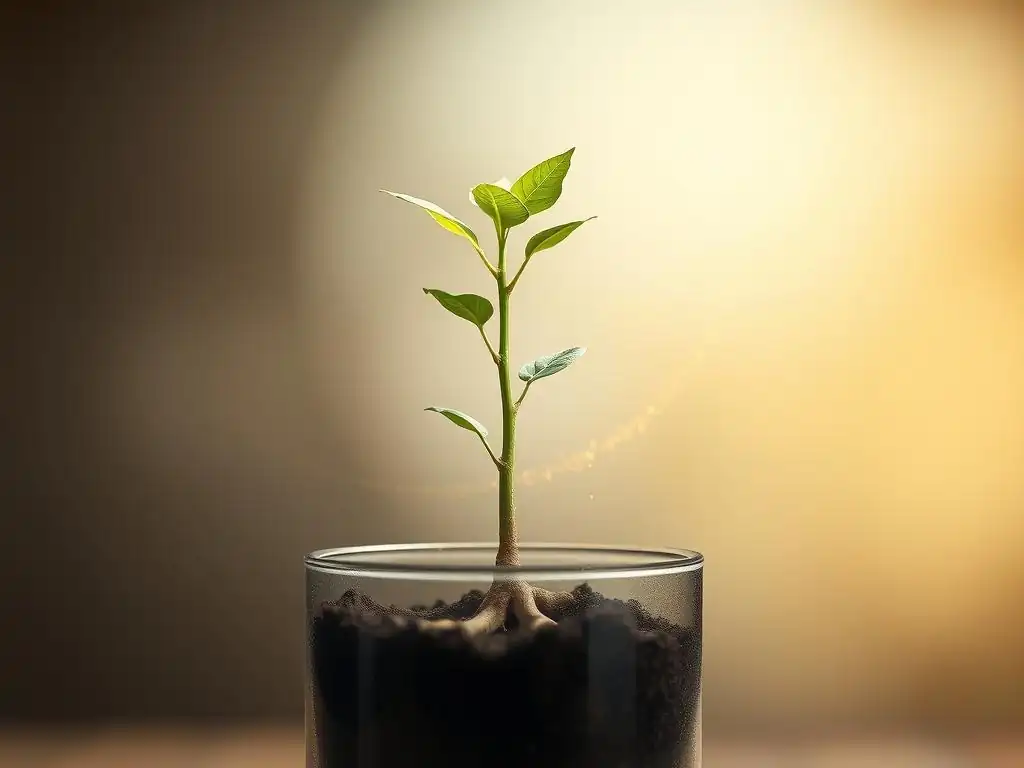
Instead of focusing solely on deficits or symptoms, a strengths-based approach to trauma-informed resilience building strategies deliberately identifies and builds upon an individual's existing capacities, skills, and positive attributes. Trauma can make people feel broken or damaged, overlooking the many ways they have already survived and coped. A strengths-based perspective helps individuals recognize their own inner resources and resilience.
This principle involves asking questions like "How have you coped with difficult situations in the past?" or "What are you proud of accomplishing?" It highlights inherent qualities such as perseverance, creativity, compassion, or a sense of humor. By acknowledging and leveraging these existing strengths, individuals can feel more capable and hopeful, making the task of building further resilience feel less daunting and more achievable.
Cultural Humility: Recognizing Diverse Experiences
Trauma is experienced within cultural contexts, and responses to trauma and pathways to resilience are profoundly influenced by an individual's cultural background, identity, and historical experiences. Cultural humility is a principle that requires ongoing self-reflection and a commitment to understanding the diverse experiences and perspectives of individuals from different cultural backgrounds. It means recognizing that dominant cultural norms around trauma and healing may not apply universally.
Implementing cultural humility in trauma-informed resilience building strategies involves respecting cultural practices, beliefs, and healing traditions. It means being aware of historical trauma experienced by certain groups (e.g., Indigenous populations, racial minorities) and understanding how systemic factors like discrimination and oppression can contribute to or exacerbate trauma. Approaching resilience building with cultural humility ensures that strategies are respectful, relevant, and truly supportive of each individual's unique journey.
Practical Trauma-Informed Resilience Building Techniques
Mindfulness and Grounding Exercises for Emotional Regulation
Mindfulness and grounding are core techniques in trauma-informed resilience building strategies because they help individuals regulate intense emotions and regain a sense of presence in the here and now, counteracting the tendency to be pulled into traumatic memories or future anxieties. Mindfulness involves paying attention to the present moment without judgment, while grounding techniques specifically focus on reconnecting with the external world or one's own body to interrupt dissociation or overwhelming feelings.
These practices help to calm the nervous system, which is often in a state of dysregulation after trauma. By learning to notice thoughts, feelings, and bodily sensations without being overwhelmed by them, individuals can increase their window of tolerance for difficult experiences. Regular practice of these techniques can build a greater capacity to stay present and manage distress, forming a fundamental component of trauma-informed resilience building.
Body Scan Meditation for Trauma Survivors
Body scan meditation involves systematically bringing attention to different parts of the body, noticing sensations without trying to change them. For trauma survivors, this technique is often introduced gently and with options for control, as connecting with the body can sometimes be triggering. A trauma-informed approach might suggest starting with less vulnerable areas (like hands or feet) and always giving the option to pause or stop.
The purpose is not deep relaxation initially, but rather building mindful awareness of bodily sensations in a safe, controlled way. By practicing this, individuals can learn to recognize physical cues associated with emotional states (e.g., tension in shoulders related to stress) and develop a greater sense of embodiment. This practice enhances interoceptive awareness, which is crucial for emotional regulation and a key aspect of trauma-informed resilience building.
Using Sensory Anchors to Regulate Overwhelming Emotions
Sensory grounding techniques use the five senses to connect a person to the present moment when they feel overwhelmed, anxious, or dissociated. This is a practical, in-the-moment strategy that is highly effective for managing acute distress. Common sensory anchors include focusing on what you can see, hear, smell, taste, or touch.
Examples include describing five things you can see, four things you can touch, three things you can hear, two things you can smell, and one thing you can taste (the 5-4-3-2-1 method). Feeling the chair beneath you, noticing the temperature of the air, or holding a comforting object are other simple yet powerful techniques. These methods redirect attention from internal turmoil to external reality, providing a sense of stability and control when emotions feel overwhelming, fitting perfectly within trauma-informed resilience building strategies.
Cognitive Restructuring: Challenging Negative Thought Patterns
Trauma can significantly distort thinking patterns, leading to persistent negative beliefs about oneself, others, and the world (e.g., "I am unsafe," "I am to blame," "The world is a dangerous place"). Cognitive restructuring is a technique used in trauma-informed resilience building strategies to identify these unhelpful or inaccurate thought patterns and work towards developing more balanced and realistic perspectives. It's about changing the relationship with thoughts, not just forcing positive thinking.
This process is approached gently and collaboratively in a trauma-informed way, ensuring the individual feels safe enough to explore their beliefs without feeling challenged or invalidated. The goal is to understand how trauma has shaped thinking and to gradually introduce alternative ways of interpreting experiences, which can significantly impact emotional responses and behaviors.
Identifying and Reframing Trauma-Related Beliefs
Identifying trauma-related beliefs involves becoming aware of the automatic negative thoughts and core beliefs that arose from or were reinforced by the traumatic experience. These might manifest as self-blame, feelings of worthlessness, or a constant expectation of danger. Techniques include journaling about thoughts, using thought records to analyze specific situations, or discussing recurring negative ideas with a supportive professional.
Once identified, the process of reframing involves examining the evidence for and against these beliefs and considering alternative, more balanced perspectives. For example, challenging a belief like "I am always unsafe" might involve looking for evidence of times and places where the individual does feel safe. This isn't about denying the reality of past danger but about recognizing that the past does not define the present or future, a crucial step in trauma-informed resilience building strategies.
Developing More Balanced and Realistic Perspectives
Developing more balanced perspectives is an ongoing process that goes hand-in-hand with reframing. It involves cultivating the ability to see situations from multiple angles and integrating both the difficult reality of the trauma and the evidence of safety, strength, and possibility in the present. This might involve recognizing nuances in situations, understanding that one negative event doesn't define everything, or acknowledging that while danger existed, so did survival and perhaps even support.
This skill helps reduce the intensity of negative emotions tied to distorted thinking. For instance, instead of "It was all my fault," a more balanced perspective might be "I was a child in a dangerous situation, and I did the best I could to survive." This process requires patience and practice and is a fundamental element of cognitive work within trauma-informed resilience building strategies.
Somatic Experiencing: Releasing Trapped Trauma in the Body
Somatic Experiencing (SE) is a body-oriented therapeutic model that focuses on the physiological responses to trauma. It is based on the observation that trauma can freeze energy in the body, leading to symptoms like anxiety, depression, and physical pain. SE helps individuals gently release this trapped energy by focusing on bodily sensations (soma) in a safe and controlled manner. It's a powerful tool in trauma-informed resilience building strategies, acknowledging that the body holds the imprint of trauma.
The approach involves tracking bodily sensations without judgment, allowing the nervous system to complete the thwarted survival responses (like fighting or fleeing) that were interrupted during the traumatic event. This process, called 'titration' and 'pendulation,' releases the stored energy, leading to a reduction in trauma symptoms and an increase in the body's capacity for self-regulation and resilience.
Gentle Movement Exercises for Trauma Release
Movement can be a powerful tool for releasing trapped tension and energy associated with trauma. Gentle exercises, often incorporated in somatic approaches or trauma-informed yoga, help individuals reconnect with their bodies in a safe and empowering way. These are not strenuous workouts but rather mindful movements designed to increase body awareness and facilitate the release of chronic muscle tension.
Examples include gentle stretching, shaking, mindful walking, or simple rocking movements. The focus is on noticing the sensations in the body as it moves and allowing any impulses to complete themselves (e.g., feeling an urge to push away or run). These exercises, when guided by a trauma-informed practitioner, help the nervous system discharge pent-up energy and restore a sense of fluidity and ease, contributing significantly to physical and emotional regulation within trauma-informed resilience building strategies.
Pendulation: Moving Between Comfort and Discomfort
Pendulation is a core technique in Somatic Experiencing that involves gently moving an individual's attention between areas of comfortable or neutral sensation in the body and areas holding activated or uncomfortable sensations related to trauma. This process is done slowly and carefully, ensuring the individual never becomes overwhelmed.
The purpose of pendulation is to help the nervous system learn that it can tolerate small amounts of activation and then return to a state of calm or ease. It increases the individual's "window of tolerance" for difficult sensations and emotions. By repeatedly experiencing the movement from activation to settling, the nervous system learns that these uncomfortable states are not permanent and can be regulated, which is a fundamental mechanism for building physiological resilience in trauma-informed resilience building strategies.
Creative Expression: Using Art, Music, and Writing for Healing
Creative expression offers non-verbal pathways for processing emotions and experiences that may be difficult to articulate through language, which is particularly valuable for trauma survivors. Art, music, writing, dance, or drama can provide a safe outlet for expressing feelings, exploring memories, and externalizing internal struggles. These methods are often integrated into trauma-informed resilience building strategies as they empower individuals to communicate and process at their own pace and in their own way.
Engaging in creative activities can also be inherently grounding and mindful, focusing attention on the creative process itself. It can foster a sense of accomplishment and self-efficacy, contributing to a stronger sense of self. Unlike talking therapy alone, creative expression allows for symbolic representation, which can be less threatening when dealing with overwhelming or fragmented traumatic memories.
Journaling as a Tool for Processing Trauma
Journaling is a widely accessible form of creative expression that can be incredibly helpful for trauma survivors. Writing down thoughts, feelings, and experiences can provide clarity, help organize chaotic internal states, and create a sense of distance from overwhelming emotions. It offers a private space for uncensored expression and processing.
Trauma-informed journaling might involve specific prompts focused on current feelings, body sensations, or daily experiences rather than directly recounting traumatic events, especially in the early stages. Techniques like stream-of-consciousness writing, writing unsent letters, or listing things you are grateful for can be used. Regular journaling can help identify patterns in thoughts and feelings, track progress in coping, and reinforce positive experiences, serving as a flexible tool within trauma-informed resilience building strategies.
Art Therapy Techniques for Self-Expression
Art therapy uses the creative process of making art to explore feelings, resolve emotional conflicts, foster self-awareness, manage behavior and addictions, develop social skills, reduce anxiety, and increase self-esteem. For trauma survivors, art provides a safe medium to express what words cannot capture. Working with colors, shapes, and textures can access different parts of the brain involved in memory and emotion.
Trauma-informed art therapy focuses on the process of creation and the feelings evoked, rather than the final product. Techniques might include creating a collage representing feelings, sculpting a feeling, drawing a safe place, or using colors to express the intensity of emotions. Art therapy, guided by a trained professional, can facilitate non-verbal processing, integration of fragmented memories, and the externalization of internal pain, contributing significantly to building resilience through trauma-informed strategies.
Building Self-Compassion and Self-Care
Understanding the Importance of Self-Compassion for Trauma Survivors
Self-compassion is particularly vital for trauma survivors, who often struggle with intense self-blame, shame, and harsh self-criticism stemming from their experiences. Trauma can internalize negative messages, leading individuals to believe they are fundamentally flawed, damaged, or responsible for what happened. Self-compassion involves treating oneself with the same kindness, understanding, and acceptance that one would offer a close friend suffering.
Developing self-compassion counteracts these harsh internal narratives. It involves recognizing that suffering and personal inadequacy are part of the shared human experience, rather than isolating oneself in pain. Practicing self-compassion allows individuals to acknowledge their pain and struggles without judgment, creating an internal environment conducive to healing and growth. It is a foundational element that supports all other trauma-informed resilience building strategies.
Practical Self-Care Strategies for Managing Trauma Symptoms
Self-care is not a luxury; it is a necessity for managing the often persistent symptoms of trauma and building resilience. Trauma symptoms can include chronic fatigue, difficulty sleeping, hyper-vigilance, and emotional dysregulation, all of which deplete energy and resources. Practical self-care involves intentionally engaging in activities that nourish physical, emotional, and mental well-being.
Effective self-care strategies are personalized and adaptable, recognizing that what works one day might not work the next. They focus on regulating the nervous system, restoring energy, and creating moments of ease and comfort. Integrating consistent self-care practices is a proactive way to manage the long-term effects of trauma and strengthen one's capacity to cope with future stressors, making it an essential component of trauma-informed resilience building strategies.
Setting Boundaries to Protect Your Energy
Setting healthy boundaries is a crucial self-care strategy for trauma survivors. Trauma can make it difficult to assert needs or say no, sometimes leading to feeling overwhelmed, exploited, or re-traumatized in relationships or situations. Boundaries are limits you create to protect your physical, emotional, and mental space.
This involves identifying what feels safe and comfortable for you and clearly communicating those limits to others. It might mean limiting contact with certain people, saying no to requests that feel draining, or creating personal space and time for yourself. Learning to set and maintain boundaries empowers individuals, conserves precious energy needed for healing, and reinforces a sense of self-worth and control, key aspects of trauma-informed resilience building.
Prioritizing Rest and Relaxation
Chronic stress and hyper-vigilance associated with trauma can severely disrupt sleep patterns and lead to constant exhaustion. Prioritizing rest and relaxation is therefore a fundamental self-care practice. This involves not only getting sufficient sleep but also intentionally scheduling time for activities that promote calm and reduce stress.
Examples include taking short breaks throughout the day, engaging in gentle activities like reading or listening to calming music, taking warm baths, or practicing relaxation techniques like progressive muscle relaxation. Making rest a priority helps the nervous system settle, replenishes depleted resources, and improves overall capacity to cope with stress, which is vital for sustaining trauma-informed resilience building efforts over time.
Engaging in Activities That Bring Joy and Meaning
Trauma can dim a person's ability to experience joy and find meaning in life, sometimes leading to withdrawal and anhedonia (inability to feel pleasure). Actively engaging in activities that bring joy, pleasure, or a sense of purpose is a powerful self-care strategy that helps counteract these effects and reconnects individuals with positive aspects of life.
This could be anything from spending time in nature, pursuing a hobby, engaging in creative activities, volunteering, or connecting with loved ones. The key is to intentionally schedule and protect time for these activities, recognizing their value in fostering well-being and counteracting the isolating effects of trauma. Reclaiming the capacity for joy and meaning strengthens the motivation and capacity for continued healing and resilience building.
Creating a Trauma-Informed Support System

Identifying and Cultivating Supportive Relationships
A strong support system is a critical buffer against the impact of trauma and a vital resource for building resilience. Identifying individuals in your life who are trustworthy, empathetic, and respectful of your experiences is the first step. These are people who listen without judgment, offer comfort, and respect your boundaries.
Cultivating these relationships involves open and honest communication (at a pace that feels safe), spending quality time together, and allowing yourself to be vulnerable when appropriate. It's also important to recognize that not all relationships may be supportive, and sometimes it's necessary to set boundaries or distance from those that are not trauma-informed or are re-traumatizing. Building a network of safe connections is a core component of trauma-informed resilience building strategies.
Seeking Professional Help: When to Consult a Therapist
While self-care and supportive relationships are invaluable, trauma often requires professional help to process and heal effectively. Consulting a trauma-informed therapist is a sign of strength, not weakness, and can provide access to specialized knowledge and techniques tailored to trauma recovery. It's advisable to seek professional help if trauma symptoms are persistent, significantly impacting daily life, causing intense distress, or if you are struggling to cope on your own.
A qualified trauma-informed therapist can provide a safe space to explore experiences, teach effective coping skills, help process traumatic memories using evidence-based methods, and support the development of a personalized resilience plan. They are trained to understand the complexities of trauma responses and to work gently and safely, ensuring that therapy itself is not re-traumatizing. Professional guidance is often essential for navigating the challenging terrain of trauma recovery and implementing effective trauma-informed resilience building strategies.
Trauma-Informed Therapy Approaches: EMDR, CBT, and More
Several therapeutic approaches are specifically designed or adapted to be trauma-informed and are highly effective in helping individuals process trauma and build resilience. Eye Movement Desensitization and Reprocessing (EMDR) is one such approach that helps individuals process traumatic memories by using bilateral stimulation (like eye movements) to facilitate the brain's natural healing process. Research supports EMDR's effectiveness in reducing the vividness and emotional charge of traumatic memories.
Trauma-Focused Cognitive Behavioral Therapy (TF-CBT) is another evidence-based model, particularly effective for children and adolescents, though adapted for adults. It involves components like psychoeducation, relaxation techniques, affect regulation, cognitive processing of the trauma, and gradual exposure. Other approaches like Somatic Experiencing (discussed earlier), Trauma-Informed Stabilization Treatment (TIST), and Dialectical Behavior Therapy (DBT), which focuses on emotional regulation and distress tolerance, are also valuable in building resilience within a trauma-informed framework. These specialized therapies are key tools in comprehensive trauma-informed resilience building strategies.
Measuring and Tracking Progress in Resilience Building
Setting Realistic Goals and Expectations
Building resilience after trauma is a process, not an event, and it unfolds over time with ups and downs. Setting realistic goals and expectations is crucial for maintaining motivation and avoiding discouragement. Recovery is not linear; there will be days or weeks that feel like setbacks, and these are normal parts of the healing journey.
Goals should be specific, measurable, achievable, relevant, and time-bound (SMART), but also flexible and compassionate. Instead of a vague goal like "feel better," a realistic goal might be "practice a grounding exercise daily for 5 minutes" or "identify one supportive person to talk to this week." Celebrating small steps forward is important, as is acknowledging that healing takes time and patience. Realistic expectations prevent self-blame during difficult periods and support sustained engagement in trauma-informed resilience building strategies.
Using Journaling or Tracking Apps to Monitor Progress
Tracking progress can be a powerful way to visualize the journey of building resilience and recognize the subtle shifts that occur over time. Journaling, as mentioned earlier, allows individuals to reflect on their experiences, coping efforts, and emotional states, providing a personal record of challenges and growth. Rereading past entries can reveal how far one has come.
Alternatively, various tracking apps are available that allow users to monitor mood, symptoms, coping strategies used, sleep patterns, and other relevant indicators. These tools can provide objective data points that complement subjective feelings, helping individuals and their therapists identify patterns, recognize triggers, and see the effectiveness of different trauma-informed resilience building strategies. Tracking should be a supportive tool, not another source of pressure or judgment.
Celebrating Small Victories and Acknowledging Challenges
Recognizing and celebrating small victories is incredibly important in the process of building resilience, especially after trauma. Healing is often marked by incremental progress – managing a difficult emotion for a few minutes longer, successfully setting a boundary, or having a day with fewer intrusive thoughts. These small steps are significant achievements that demonstrate growing strength and capacity.
Equally important is acknowledging challenges and setbacks without self-criticism. Difficult days are part of the process, and they don't negate the progress already made. Approaching challenges with self-compassion and viewing them as opportunities to learn or adapt strategies is key. Celebrating progress, no matter how small, and accepting setbacks with grace are vital for maintaining momentum and hope in trauma-informed resilience building.
Trauma-Informed Resilience Building: A Lifelong Journey
Maintaining Resilience Over Time
Building resilience is not a destination but an ongoing practice. Maintaining resilience over time requires continued attention to self-care, consistent use of coping strategies, and nurturing supportive relationships. Life will continue to present challenges, and having a solid foundation of trauma-informed resilience allows individuals to navigate future adversities with greater capacity and confidence.
This involves integrating resilience-building practices into daily life, making them habitual rather than something only done during times of crisis. It means staying attuned to one's needs, recognizing early warning signs of distress, and proactively employing learned strategies. Maintaining resilience is an active process of self-awareness, self-compassion, and conscious effort to prioritize well-being, supported by effective trauma-informed resilience building strategies.
Adapting Strategies to Changing Needs and Circumstances
An individual's needs and life circumstances will change over time, and the strategies used for building and maintaining resilience must be adaptable. What was helpful in the initial stages of trauma recovery might need to be adjusted as new challenges arise or as healing progresses. Resilience is dynamic, and so too are the approaches to nurturing it.
This might involve learning new coping skills, seeking different types of support, or revisiting certain therapeutic techniques as needed. For example, someone might initially rely heavily on grounding exercises but later benefit more from focusing on building joyful experiences or strengthening relationships. Regularly assessing what is working and being willing to modify strategies ensures that resilience building remains relevant and effective throughout different life stages.
Continuing to Learn and Grow from Trauma Experiences
Finally, trauma-informed resilience building acknowledges that even though trauma is a source of pain, it can also be a catalyst for growth. While no one would choose to experience trauma, the process of navigating its aftermath and building resilience can lead to profound personal transformation, as seen in post-traumatic growth.
Continuing to learn and grow from trauma experiences involves integrating the experience into one's life narrative in a way that acknowledges the pain but also highlights the lessons learned, the strengths discovered, and the changes that have led to a deeper appreciation of life or stronger relationships. This doesn't mean the trauma is forgotten or minimized, but that its impact is understood in the context of a life that continues to unfold, learn, and build strength. This ongoing process of integration and growth is the ultimate expression of trauma-informed resilience building.
Frequently Asked Questions
How does a trauma-informed approach differ from traditional resilience building?
A trauma-informed approach acknowledges the impact of trauma on an individual's life and focuses on creating a safe and supportive environment. Traditional resilience building often overlooks this crucial aspect, potentially causing further harm.
What are some core principles of trauma-informed resilience building?
Key principles include safety, trust, choice, collaboration, and empowerment. These principles aim to foster a sense of control and agency in individuals who have experienced trauma.
What kind of strategies are considered "gentle" in trauma-informed resilience building?
Gentle strategies prioritize self-compassion, mindfulness, and regulation techniques. They avoid pushing individuals beyond their comfort zone and focus on gradual progress.
How can I start incorporating trauma-informed resilience building strategies into my daily life?
Begin by practicing self-care activities that promote relaxation and well-being. Focus on building supportive relationships and creating a safe environment for yourself.
Where can I find more resources and support for trauma-informed resilience building?
Mind Care Guide offers various articles, resources, and support options. Consider seeking guidance from a qualified mental health professional specializing in trauma.
Final Reflection: Cultivating Inner Strength Through Gentle Resilience
The understanding and application of trauma-informed resilience building strategies are not merely theoretical exercises; they are vital tools for navigating the complexities of modern life. The pervasive nature of trauma, both large and small, demands that we equip ourselves and our communities with the skills to heal, adapt, and thrive. Ignoring the impact of past experiences only perpetuates cycles of suffering; embracing a gentle, trauma-informed approach is the key to unlocking lasting strength.
The journey towards resilience is deeply personal, a testament to the human spirit's capacity for growth and healing. It's a journey I've witnessed firsthand, both in my own life and in the lives of others who have bravely shared their stories. The oak sleeps in the acorn; the bird waits in the egg; and in the highest vision of the soul a waking angel stirs. Dreams are the seedlings of realities.
This quote beautifully encapsulates the potential for growth that lies dormant within each of us, waiting to be nurtured and brought to fruition through compassionate self-care and supportive environments.
Now, I invite you to reflect on your own journey. Consider the ways in which past experiences have shaped your resilience, and identify the gentle approaches that resonate most deeply with you. What small steps can you take today to cultivate your inner strength? Perhaps it's practicing mindfulness, setting healthy boundaries, or seeking support from a trusted friend or professional. Remember, building resilience is a continuous process, a testament to your inherent capacity for growth and healing. Embrace the journey, and allow yourself the grace and compassion you deserve.
Unlock Your Inner Resilience: Start Your Journey Today!
Thank you for taking the time to explore the path to trauma-informed resilience. We hope this article equipped you with valuable insights and gentle practices to nurture your strength. Now, let's take the next step.
- Prioritize one self-care practice from the article—whether it's mindful breathing, a calming ritual, or setting a healthy boundary—and integrate it into your daily routine. Make it a non-negotiable.
- Share this article with someone who might find comfort and guidance in these gentle approaches. Let's build a community of support around resilience.
- Consider journaling about your experience with one of the techniques. Reflect on how it made you feel and what adjustments you might make. This can be a powerful tool for self-discovery.
What small step will you take today to cultivate your inner resilience?