
Practical Steps: How Teachers Can Start Their Personal Mindfulness Journey Today


Welcome to Mind Care Guide, a space dedicated to nurturing your mental well-being.
Feeling overwhelmed? As educators, you pour your heart and soul into shaping young minds, but often, your own needs take a backseat. Are you ready to reclaim your inner peace? This week, we delve into Mindfulness for Teachers Today, offering practical steps to help you navigate the daily stresses and cultivate a sense of calm. Discover how a simple shift in perspective can transform your well-being and reignite your passion for teaching. Let's begin this journey together...
- Practical Steps: How Teachers Can Start Their Personal Mindfulness Journey Today
- Understanding Mindfulness and Its Benefits for Educators
- Preparing to Start Your Mindfulness Journey
- Practical Steps to Begin Your Mindfulness Practice Today
- Overcoming Challenges in Your Mindfulness Journey
- Resources and Further Exploration for Teacher Mindfulness
- Conclusion: Embracing Mindfulness for a More Fulfilling Teaching Career
-
Frequently Asked Questions
- What exactly is mindfulness and why is it relevant for teachers?
- How can a teacher with a very busy schedule realistically incorporate mindfulness?
- What are some simple mindfulness exercises that teachers can do in the classroom with their students?
- Are there any specific resources or apps that you recommend for teachers wanting to learn more about mindfulness?
- What are the potential benefits of mindfulness for teachers' mental health and overall well-being?
- Final Reflection: Cultivating Inner Peace, Transforming Education
- Unleash Your Inner Calm: Start Your Mindfulness Journey Now!
Practical Steps: How Teachers Can Start Their Personal Mindfulness Journey Today
Introduction: Why Mindfulness Matters for Teachers
The teaching profession is incredibly rewarding, yet it often comes with significant challenges. Educators navigate complex classroom dynamics, demanding workloads, administrative tasks, and the emotional needs of many students daily. This high-pressure environment can lead to considerable stress, anxiety, and even burnout, impacting not only the teacher's well-being but also their effectiveness in the classroom. Studies have indicated that a substantial percentage of teachers report high levels of stress, with some surveys suggesting that nearly half consider leaving the profession within their first five years due to these pressures.
In the face of these challenges, finding sustainable strategies for self-care is paramount. Mindfulness offers a powerful and accessible approach. It's a practice that can help teachers cultivate presence, manage stress more effectively, and foster a greater sense of calm and resilience. Starting mindfulness for teachers today is not just a personal benefit; it has the potential to positively influence classroom atmosphere and student interactions, creating a more supportive learning environment for everyone involved.
Understanding Mindfulness and Its Benefits for Educators
Defining Mindfulness: A Simple Explanation for Teachers
At its core, mindfulness is simply paying attention to the present moment without judgment. It's about noticing your thoughts, feelings, bodily sensations, and the world around you as they are, right now, without getting caught up in analyzing, criticizing, or wishing things were different. Think of it like observing clouds passing in the sky – you see them, you notice their shape and movement, but you don't try to grab onto them or push them away; you just watch them go by.
For a teacher, this means being fully present when talking to a student, noticing the feeling of your feet on the floor while walking down the hall, or simply observing your own reaction to a challenging classroom situation without immediately reacting. It's not about emptying your mind or achieving a state of bliss; it's about building awareness of your inner and outer experience from moment to moment. This skill, cultivated through practice, is foundational for starting mindfulness for teachers today.
The Benefits of Mindfulness for Teachers' Mental Well-being
Engaging in a regular mindfulness practice can yield profound benefits specifically tailored to the demands of the teaching profession. These advantages span emotional regulation, stress reduction, improved focus, and enhanced resilience. Research in educational settings often highlights how mindfulness training can lead to decreased symptoms of anxiety and depression among teachers, contributing to a healthier mental state overall.
Beyond mitigating negative states, mindfulness helps cultivate positive ones. Educators who practice mindfulness often report increased feelings of patience, compassion (towards themselves and others), and a greater sense of job satisfaction. It empowers teachers to navigate the emotional rollercoaster of the school day with more grace and less emotional reactivity, fostering a more positive and sustainable teaching experience.
Reduced Stress and Burnout through Mindfulness Practice
One of the most significant benefits of mindfulness for teachers is its proven ability to reduce stress and prevent burnout. By regularly bringing attention to the present moment, teachers can become more aware of their stress triggers and the physical and emotional sensations associated with stress as they are happening. This awareness creates a crucial space between the trigger and the reaction, allowing for a more considered response rather than an automatic, stress-fueled one.
Consistent mindfulness practice has been shown in studies to potentially lower levels of stress hormones like cortisol. Furthermore, by helping teachers detach from ruminative thoughts about past difficulties or future worries, mindfulness anchors them in the present, reducing the mental load that often contributes to exhaustion and burnout. Embracing mindfulness for teachers today is a proactive step towards building resilience against the cumulative effects of occupational stress.
Improved Focus and Concentration for Educators
The ability to focus and concentrate is essential for effective teaching, planning lessons, grading papers, and engaging with students. Mindfulness is fundamentally a practice of training attention. By repeatedly bringing a wandering mind back to the present moment – whether the breath, sounds, or bodily sensations – teachers strengthen their capacity for sustained focus.
This enhanced concentration translates directly to the classroom. Teachers may find it easier to stay present during complex lessons, listen more attentively to student questions, and manage multiple tasks with less mental fatigue. Improved focus also allows for a deeper engagement with the material being taught and with the students learning it, enriching the educational experience for everyone involved.
Enhanced Emotional Regulation and Resilience in Teachers
Teaching is an emotionally demanding profession, often requiring educators to manage their own feelings while also responding to the varied emotional states of their students. Mindfulness helps teachers develop a greater awareness of their internal emotional landscape, recognizing feelings like frustration, anger, or disappointment without immediately being overwhelmed by them. This non-judgmental observation allows for a more skillful response.
By practicing mindfulness, teachers build emotional resilience, the capacity to recover quickly from difficulties. Instead of getting stuck in negative emotional loops after a challenging interaction or a stressful meeting, they can acknowledge the feeling, let it pass, and return to the present moment, ready to engage with what comes next. This enhanced ability to regulate emotions is a vital asset for sustaining a long and fulfilling teaching career.
Preparing to Start Your Mindfulness Journey
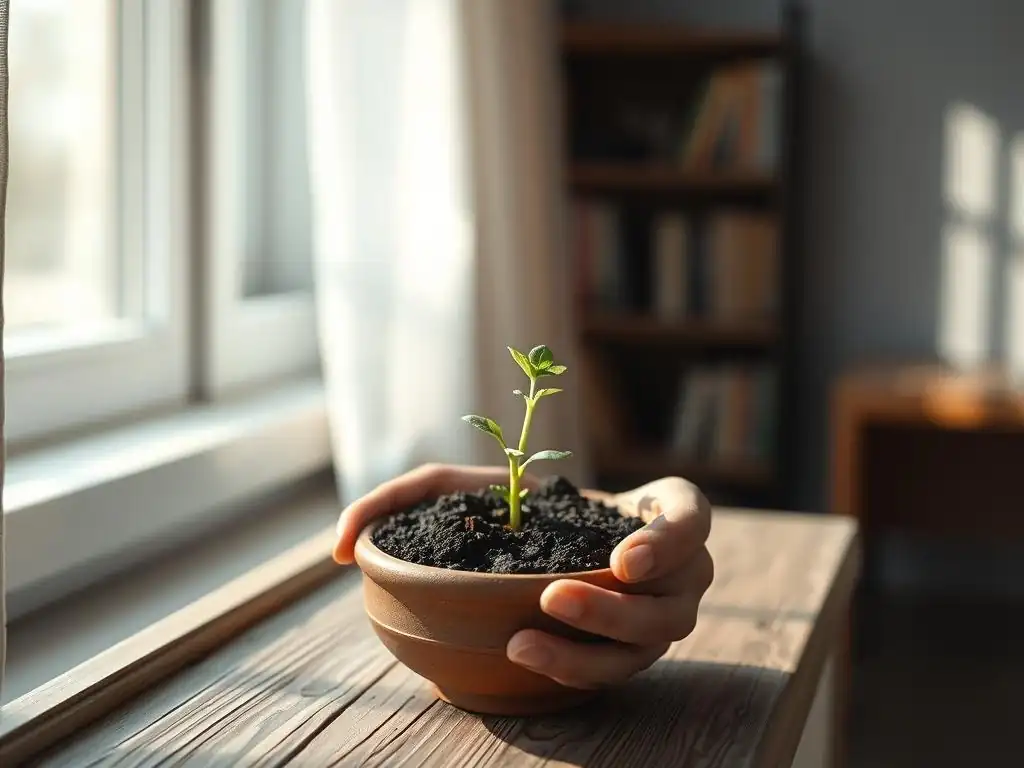
Setting Realistic Expectations for Your Mindfulness Practice
As you begin your mindfulness journey, it's important to approach it with realistic expectations. Mindfulness is not a magic wand that will instantly eliminate all your stress or make you feel calm and peaceful 100% of the time. It is a practice, meaning it requires regular effort and patience. Your mind will wander during meditation; that's completely normal. The practice isn't about stopping thoughts, but about noticing when your mind has drifted and gently bringing it back to your chosen anchor, like your breath.
Don't expect perfection. Some days your practice might feel easy and focused, while other days it might feel challenging and scattered. Both are valid experiences. The key is consistency and cultivating a sense of kindness towards yourself, especially on difficult days. Starting mindfulness for teachers today means accepting the process, with all its ups and downs, as a journey of exploration rather than a destination to be reached overnight.
Creating a Dedicated Space and Time for Mindfulness
To help establish a consistent practice, try to designate a specific time and place for your formal mindfulness sessions, even if they are short. This doesn't require a fancy meditation room; a quiet corner of your living room, a comfortable chair in your bedroom, or even a peaceful spot in the school library during a break can work. The important thing is to find a place where you feel relatively undisturbed for the duration of your practice.
Scheduling a consistent time also helps build the habit. Consider integrating it into your existing routine: perhaps first thing in the morning before the school day begins, during your lunch break, or in the evening before bed. Even just 5-10 minutes of dedicated practice each day can make a difference. Consistency, more than duration, is key when you are starting mindfulness for teachers today.
Gathering Resources: Mindfulness Apps, Books, and Websites for Teachers
Fortunately, there is a wealth of resources available to support your mindfulness journey. Many excellent mindfulness apps offer guided meditations, ranging from a few minutes to longer sessions, perfect for beginners. Popular options often include programs specifically designed for stress reduction, focus, or sleep, which can be particularly helpful for educators.
Additionally, numerous books provide in-depth explanations of mindfulness principles and practical exercises, often tailored for busy individuals or those in demanding professions like teaching. Websites and online platforms dedicated to mindfulness in education can also offer valuable articles, research findings, and sometimes even free guided practices or introductory courses. Exploring these resources can provide guidance and inspiration as you begin practicing mindfulness for teachers today.
Practical Steps to Begin Your Mindfulness Practice Today
Step 1: Start with Mindful Breathing Exercises
Mindful breathing is one of the most accessible entry points into mindfulness practice. It requires no special equipment or location, and can be done anywhere, anytime. The basic idea is simply to bring your full attention to the sensation of your breath as it enters and leaves your body.
Simple Breathing Techniques for Teachers to Practice
A straightforward technique is to simply sit comfortably, close your eyes if you wish, and notice the physical sensation of breathing. Pay attention to the rise and fall of your abdomen or chest, the feeling of air moving in and out of your nostrils, or the temperature difference between the inhale and exhale. When your mind wanders (which it will), simply notice that it has wandered and gently guide your attention back to the breath, without judgment.
Even practicing this for 1-3 minutes can help ground you. Another simple technique is the 4-7-8 breath: inhale for a count of 4, hold for 7, exhale for 8. This specific rhythm can be very calming.
Guided Breathing Meditations for Beginners
For those new to mindfulness, guided breathing meditations can be incredibly helpful. These are audio recordings where an instructor guides you through the process, prompting you to notice your breath and gently redirecting your attention. You can find many guided breathing meditations ranging from 5 to 20 minutes on various mindfulness apps and websites. Following a guided practice can provide structure and support, making it easier to stay present and learn the fundamental skill of focusing on the breath when starting mindfulness for teachers today.
Step 2: Incorporate Mindful Moments Throughout the Day
Formal meditation practice is valuable, but mindfulness can also be woven into the fabric of your daily life, especially during the busy school day. These "mindful moments" are brief opportunities to pause, become present, and bring awareness to ordinary activities.
Mindful Walking During Your Lunch Break
Instead of rushing through your lunch break or scrolling through your phone, try taking a short mindful walk. As you walk, pay attention to the physical sensations: the feeling of your feet hitting the ground, the movement of your legs, the swing of your arms, the air on your skin. Notice the sights and sounds around you without getting lost in thought about them. Even a five-minute walk around the school grounds or a nearby block can become a refreshing mindful practice.
Mindful Listening to Your Students
In the midst of a busy school day, it's easy to listen to students while simultaneously thinking about grading papers, planning the next lesson, or managing classroom behavior. Mindful listening involves giving your full, undivided attention to the student who is speaking. Make eye contact, notice their tone of voice and body language, and truly absorb what they are saying without formulating your response until they have finished. This not only enhances your connection with the student but also grounds you in the present interaction.
Mindful Observation of Your Classroom Environment
Take a few moments throughout the day to simply pause and observe your classroom. Look around as if seeing it for the first time. Notice the colors on the walls, the arrangement of desks, the light coming through the window, the sounds of students working (or not working). Just observe without judgment or the urge to fix anything. This simple act of mindful observation can help you step out of your head and into the present reality of your environment, providing a brief mental reset.
Step 3: Practice Body Scan Meditations
The body scan is a foundational mindfulness practice that involves systematically bringing your attention to different parts of your body, noticing any sensations present without trying to change them. This practice helps increase your awareness of physical sensations and can be very effective for relaxation and stress reduction.
Guided Body Scan Meditations for Relaxation
Guided body scan meditations are readily available on mindfulness apps and websites and are highly recommended for beginners. The instructor will guide you to bring your awareness to areas like your toes, feet, legs, torso, arms, neck, and head, pausing at each area to notice any sensations – tingling, warmth, coolness, pressure, tension, or absence of sensation. The goal is simply to observe with curiosity.
Noticing Sensations and Releasing Tension
As you practice the body scan, you'll become more attuned to where you hold tension in your body, which is often a physical manifestation of stress. Simply noticing this tension without judgment can sometimes help it begin to dissipate. The practice teaches you to be present with physical discomfort without reacting to it automatically, building a greater tolerance for uncomfortable sensations and promoting a deeper state of physical relaxation. This is a practical skill for starting mindfulness for teachers today.
Step 4: Explore Mindful Movement Practices
Mindfulness doesn't have to be practiced sitting still. Incorporating mindful movement can be a wonderful way to connect with your body and cultivate presence, especially if you find sitting meditation challenging.
Yoga and Tai Chi for Teachers' Well-being
Practices like yoga and Tai Chi integrate gentle physical postures and movements with breath awareness. They encourage you to pay attention to the sensations in your body as you move, fostering a mind-body connection. These ancient practices are known for their stress-reducing benefits, improving flexibility, balance, and overall physical and mental well-being. Many studios offer classes, or you can find guided sessions online suitable for various levels.
Mindful Stretching at Your Desk
Even short periods of mindful movement can be beneficial during the school day. Take a few minutes at your desk or during a break to do some simple stretches – neck rolls, shoulder shrugs, arm stretches, or gentle twists. As you stretch, pay attention to the sensations in your muscles and joints. Breathe deeply and notice how the movement feels in your body. These brief mindful stretches can alleviate physical stiffness from sitting and provide a refreshing mental break.
Step 5: Cultivate Mindful Communication
Mindfulness can transform how you interact with students, colleagues, and parents by bringing greater presence and awareness to your communication.
Active Listening in Teacher-Student Interactions
Building on the earlier point about mindful listening, truly active listening involves being fully present when a student is speaking. This means putting aside your internal dialogue, suspending judgment, and focusing solely on understanding their perspective. Nodding, making appropriate eye contact, and offering verbal cues that you are listening can encourage the student and deepen your connection. This mindful approach fosters trust and creates a safe space for students to express themselves.
Responding with Awareness, Not Reacting
Mindfulness cultivates a pause between experiencing a stimulus (like a student's challenging behavior or a colleague's frustrating comment) and your response. Instead of reacting impulsively based on immediate emotion, mindfulness allows you to notice the feeling, take a breath, and choose a more skillful and thoughtful response. This ability to respond with awareness rather than react impulsively can de-escalate conflicts, improve relationships, and help you navigate difficult conversations with greater composure.
Step 6: Extend Mindfulness Beyond the Classroom
While integrating mindfulness into your teaching day is valuable, extending your practice to your personal life can significantly enhance its benefits and your overall well-being.
Mindful Moments at Home
Look for opportunities to practice mindfulness in your daily routines at home. This could be mindfully eating a meal, paying attention to the tastes, textures, and smells of your food; taking a mindful shower, focusing on the sensation of water on your skin; or even mindfully washing the dishes, noticing the warmth of the water and the feel of the soap. These simple practices can turn mundane tasks into moments of presence and calm.
Integrating Mindfulness into Daily Routines
Find small pockets of time throughout your day where you can pause and practice mindfulness. This might be while waiting in line at the grocery store, during your commute (if you're not driving), while brushing your teeth, or before falling asleep. Even just a few mindful breaths or a brief body scan can help anchor you in the present moment. Consistently weaving these small moments throughout your day is key to making mindfulness a sustainable and integral part of your life when starting mindfulness for teachers today.
Overcoming Challenges in Your Mindfulness Journey

Dealing with Distractions and Wandering Thoughts
One of the most common challenges beginners face is dealing with distractions and a busy, wandering mind. It's crucial to understand that having thoughts and getting distracted during mindfulness practice is completely normal; it doesn't mean you're doing it wrong. The practice isn't about achieving a completely empty mind, but about noticing when your mind has wandered and gently bringing your attention back to your chosen anchor, such as your breath.
Approach mind wandering with curiosity and non-judgment. When you notice your mind has drifted into planning lessons, worrying about a student, or rehashing a conversation, simply acknowledge the thought ("Ah, thinking about tomorrow's lesson"), and then gently redirect your attention back to the present moment – perhaps the sensation of your breath. Each time you notice and return, you are strengthening your capacity for attention.
Maintaining Consistency in Your Practice
Finding the time and motivation to practice mindfulness consistently can be difficult with a demanding teaching schedule. Life happens, and some days your practice might fall by the wayside. The important thing is not to get discouraged. If you miss a day (or several), simply acknowledge it without self-criticism and commit to starting again the next day.
Try linking your mindfulness practice to an existing habit, like having your morning coffee or brushing your teeth. Even setting a reminder on your phone for a few minutes each day can help. Consider using a simple task list to track your practice, giving yourself a checkmark for each day you engage in mindfulness, no matter how brief. Remember, short, consistent practice is more beneficial than infrequent long sessions when you are building the habit of mindfulness for teachers today.
Seeking Support and Guidance from Other Teachers
You are not alone in exploring mindfulness. Connecting with other educators who are also interested in or practicing mindfulness can provide valuable support and encouragement. You might find colleagues at your school or within your professional network who are on a similar journey. Consider forming a small group to practice together occasionally or simply share experiences and tips.
Discussing the challenges and successes of integrating mindfulness into a teaching life with peers can offer new perspectives and practical strategies. Many professional development opportunities or teacher wellness programs may also include components of mindfulness, providing structured support and guidance tailored to the educational context.
Resources and Further Exploration for Teacher Mindfulness
Recommended Mindfulness Apps for Educators
Several mobile applications are specifically designed to support mindfulness practice and can be particularly useful for busy teachers looking for guided sessions. Apps like Calm, Headspace, and Insight Timer offer a wide variety of guided meditations, often categorized by duration, topic (like stress or sleep), or skill level. Many include specific programs or single sessions focused on themes relevant to educators, such as managing challenging emotions or cultivating patience.
While some features may require a subscription, most of these apps offer free introductory content or a selection of basic meditations that are excellent starting points for practicing mindfulness for teachers today. Exploring different apps can help you find the guided voice and style that resonates best with you.
Books and Articles on Mindfulness for Teachers' Well-being
The field of mindfulness in education is growing, and there are many valuable books and articles available. Titles such as Mindful Teaching and Teaching Mindfulness by Deborah Schoeberlein David or works by pioneers like Jon Kabat-Zinn ( Wherever You Go, There You Are) offer foundational knowledge and practical exercises.
Searching for articles and research papers on the impact of mindfulness on teacher stress, well-being, and classroom effectiveness can also provide deeper insights and validation for your practice. Many educational journals and professional organizations publish content related to this topic, highlighting specific strategies and positive outcomes observed in schools.
Workshops and Training Programs on Mindfulness in Education
For those seeking more in-depth learning and practice, consider exploring workshops and training programs focused on mindfulness in education. These programs are often designed specifically for educators and may cover both personal mindfulness practice and strategies for integrating mindfulness principles into the classroom environment (though the focus here is on personal practice).
These programs can range from single-day workshops to multi-week courses or even longer certifications. They provide structured learning, guided practice, and often opportunities to connect with other educators interested in this field. Look for programs offered by reputable mindfulness organizations or educational institutions, which can offer comprehensive support for developing your mindfulness practice.
Conclusion: Embracing Mindfulness for a More Fulfilling Teaching Career
The Long-Term Benefits of Mindfulness for Teachers
Embarking on a mindfulness journey is an investment in your long-term well-being and professional sustainability. While the immediate benefits of reduced stress and improved focus are significant, consistent practice over time cultivates deeper resilience, emotional intelligence, and a greater capacity for presence and compassion. Teachers who regularly practice mindfulness often report feeling more grounded, less reactive, and more fulfilled in their roles.
These benefits extend beyond the individual teacher, positively impacting their interactions with students, colleagues, and parents. A more mindful teacher can create a calmer, more empathetic classroom environment, fostering better relationships and supporting student learning and emotional development. Mindfulness is not just a coping mechanism; it's a transformative practice that can enhance every aspect of your teaching life.
Continuing Your Mindfulness Journey and Inspiring Others
Starting mindfulness for teachers today is just the beginning of a lifelong journey. Be patient with yourself, celebrate small victories, and continue to explore different practices and resources as you deepen your understanding and experience. Mindfulness is a skill that strengthens with consistent practice, much like any other skill you teach your students.
As you integrate mindfulness into your own life and experience its positive effects, you may naturally find yourself inspiring others around you. Sharing your journey, perhaps just through the calm and presence you embody, can encourage colleagues and even students to explore mindfulness for themselves. By prioritizing your own well-being through mindfulness, you contribute to a healthier, more compassionate school community for everyone.
Frequently Asked Questions
What exactly is mindfulness and why is it relevant for teachers?
Mindfulness is about paying attention to the present moment without judgment. It's relevant for teachers because it can help reduce stress and improve emotional regulation, leading to a more positive classroom environment.
How can a teacher with a very busy schedule realistically incorporate mindfulness?
Start small! Even 5-10 minutes of daily mindfulness practice can make a difference. Integrate mindfulness into existing routines, like taking mindful breaths before class or during lunch.
What are some simple mindfulness exercises that teachers can do in the classroom with their students?
Try guided meditations focusing on body scan exercises or mindful breathing. Encourage students to notice their thoughts and feelings without judgment, fostering a calmer learning environment.
Are there any specific resources or apps that you recommend for teachers wanting to learn more about mindfulness?
Yes! Several apps like Headspace and Calm offer guided meditations and mindfulness exercises specifically designed for beginners. Also, explore resources from the Mindful Schools organization.
What are the potential benefits of mindfulness for teachers' mental health and overall well-being?
Mindfulness can significantly reduce teacher burnout and improve stress management. It can also enhance self-compassion and resilience, leading to greater job satisfaction and personal well-being.
Final Reflection: Cultivating Inner Peace, Transforming Education
The urgent need for mindfulness in education is undeniable. Teachers face immense pressure, juggling demanding curricula, administrative tasks, and the emotional weight of shaping young minds. Ignoring their own well-being only exacerbates the problem, leading to burnout and hindering their ability to effectively support their students. This article has explored practical, accessible steps teachers can take to begin their personal mindfulness journey, proving that self-care isn't selfish, but essential.
The impact of a mindful teacher extends far beyond the classroom. A teacher who cultivates inner peace and emotional regulation creates a more serene and supportive learning environment for their students. This ripple effect fosters a culture of empathy, resilience, and mindful engagement, benefiting the entire school community. As Jon Kabat-Zinn eloquently stated, Mindfulness means paying attention in a particular way: on purpose, in the present moment, and non-judgmentally.
This simple yet profound practice, when adopted by educators, can revolutionize the learning experience for everyone involved.
Now, it's your turn. Consider the practical strategies outlined in this article – even incorporating just one mindful practice into your daily routine can make a significant difference. Start small, be patient with yourself, and remember that the journey towards inner peace is a continuous process of growth and self-discovery. Embrace the opportunity to nurture your well-being, not just for your own benefit, but for the profound positive impact it will have on your students and the future of education. Begin your mindfulness journey today; your students, and yourself, will thank you for it.
Unleash Your Inner Calm: Start Your Mindfulness Journey Now!
Thanks for taking the time to explore the world of mindfulness and its benefits for educators! We hope you gained valuable insights into how incorporating mindful practices can enhance your well-being and teaching effectiveness. Ready to take the next step?
Here's how you can begin your personal mindfulness journey today:
- Prioritize a 5-minute daily meditation: Even a short session can make a significant difference in reducing stress and improving focus. Try focusing on your breath or a guided meditation app. This is your primary action.
- Share this article with a colleague: Spread the word about the power of mindfulness for teachers. Discuss your experiences and encourage mutual support.
- Try a mindful movement exercise: Explore yoga, tai chi, or even a simple mindful walk. Pay attention to your body's sensations and breath throughout.
What small mindful step will you commit to today to cultivate more peace and presence in your life?