
Practical Steps for Creating a Supportive Home Environment


Welcome to Mind Care Guide, where we believe in nurturing your mental well-being. Feeling overwhelmed or stressed at home? You're not alone. Dive into our latest article, Practical Steps for Creating a Supportive Home Environment, and discover how simple changes can transform your living space into a sanctuary. Curious about how a calmer home can lead to a calmer mind? Let's explore the possibilities together...
- Creating a Calm Home Space: A Practical Guide for Supportive Living
- Understanding the Importance of a Supportive Home Environment
-
Practical Steps to Creating a Calm Home Space
- Step 1: Decluttering and Organizing for a Serene Atmosphere
- Step 2: Establishing Relaxing Sensory Elements
- Step 3: Creating Designated Relaxation Zones
- Step 4: Promoting Open Communication and Emotional Expression
- Step 5: Establishing Consistent Routines and Structure
- Step 6: Minimizing External Stressors Within the Home
- Maintaining a Supportive Home Long-Term
- Resources for Creating a Calm Home Space
-
Frequently Asked Questions
- How can decluttering my home contribute to a calmer mental state?
- What are some simple ways to incorporate natural elements into my home for a calming effect?
- How important is lighting in creating a supportive home environment?
- What role does color play in creating a calming home space?
- Beyond aesthetics, how can I ensure my home is a truly supportive environment for my mental well-being?
- Final Reflection: Cultivating Calm: The Enduring Power of a Supportive Home
- Unleash Your Home's Supportive Power!
Creating a Calm Home Space: A Practical Guide for Supportive Living
Mind Care Guide: Fostering Mental Well-being at Home
Creating a calm home space is more than just interior design; it's a fundamental aspect of supporting mental well-being for everyone living there, especially for those navigating mental health challenges. The home environment serves as a primary sanctuary, and its atmosphere can significantly impact mood, stress levels, and overall emotional stability. A cluttered, chaotic, or overly stimulating home can exacerbate feelings of anxiety, overwhelm, and difficulty concentrating, making daily life more challenging.
Conversely, a thoughtful approach to creating a calm home space can provide a sense of security, predictability, and peace. This supportive environment can help reduce stress, promote relaxation, and offer a stable base from which individuals can manage symptoms and engage with therapeutic practices. It's about intentionally shaping the physical space to nurture the psychological state, recognizing that our surroundings play a crucial role in our inner experience.
Understanding the Importance of a Supportive Home Environment
The Link Between Home Environment and Mental Health
Research consistently points to a strong correlation between our physical surroundings and our mental state. A disorganized or stressful home environment can trigger the body's stress response, potentially increasing cortisol levels, the primary stress hormone. Studies, for instance, have indicated that individuals who perceive their homes as cluttered or unfinished are more likely to report feeling stressed and have difficulty relaxing. This chronic stress can contribute to or worsen conditions like anxiety, depression, and difficulty sleeping.
Furthermore, the home environment influences our sense of control and safety. When a space feels overwhelming or lacks organization, it can diminish a person's feeling of agency over their life. Conversely, a well-ordered and peaceful home can foster a sense of predictability and security, which is particularly beneficial for individuals dealing with conditions characterized by heightened anxiety or sensory sensitivities. Creating a calm home space is therefore not merely about aesthetics but about building a foundation for psychological resilience and comfort.
Why Creating a Peaceful Home Matters for Mental Well-being
Creating a peaceful home environment is crucial because it provides a consistent, reliable sanctuary from the demands and potential stressors of the outside world. For someone managing a mental health condition, having a predictable and soothing space can significantly reduce the daily burden of navigating challenging emotions or sensory overload. It offers a place to retreat, recharge, and feel safe, which are vital components of mental recovery and stability.
Moreover, a peaceful home can encourage positive behaviors and habits essential for mental well-being, such as restful sleep, mindful activities like reading or meditation, and healthy social interactions. It sets the stage for relaxation and allows the nervous system to downregulate after experiencing stress. This deliberate act of creating a calm home space demonstrates a commitment to nurturing oneself and loved ones, reinforcing the message that their well-being is a priority and providing a tangible support system within the everyday living environment.
Practical Steps to Creating a Calm Home Space
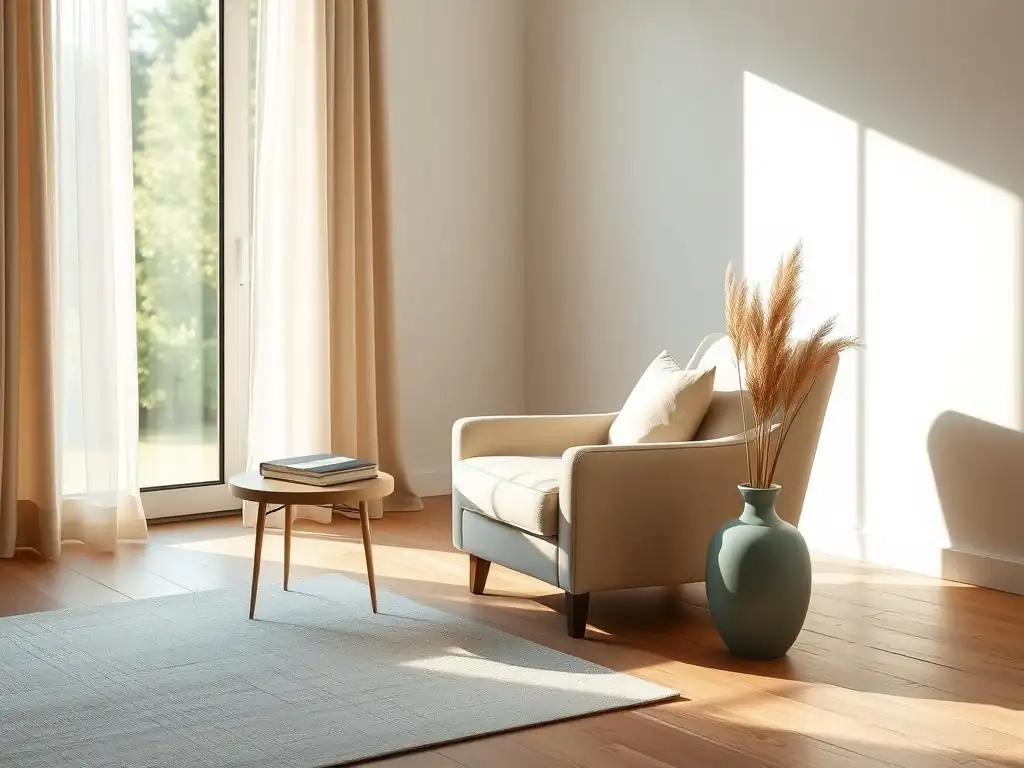
Step 1: Decluttering and Organizing for a Serene Atmosphere
The Power of a Tidy Space: Reducing Anxiety and Stress
The physical state of our home directly impacts our mental state. A cluttered environment can be visually overwhelming and mentally taxing, constantly demanding our attention and making it difficult to focus or relax. Psychologically, clutter can represent unfinished tasks or decisions, contributing to feelings of guilt, anxiety, and being overwhelmed. For instance, studies have shown that women living in cluttered homes tend to have higher levels of cortisol throughout the day compared to those in tidy homes.
Tidying up is more than just cleaning; it's about creating order that promotes mental clarity. By removing excess items and establishing logical systems for what remains, we reduce visual noise and simplify our surroundings. This process of decluttering can feel empowering, offering a sense of control and accomplishment. It allows the mind to relax, as it's no longer constantly processing unnecessary stimuli. The simple act of creating a calm home space through organization can significantly lower daily stress and improve mood.
Practical Decluttering Tips for Mental Clarity
Embarking on the journey of decluttering doesn't have to be overwhelming. Start small, perhaps dedicating just 15-20 minutes a day to one specific area, like a drawer or a single shelf. Use the "four-box method": label boxes for "Keep," "Donate/Give Away," "Trash," and "Maybe." Be decisive but gentle with yourself; it's okay to pause if it feels too much.
- [ ] Start with one small area.
- [ ] Use the four-box method.
- [ ] Donate items you no longer need or use.
- [ ] Designate a specific "home" for every item.
- [ ] Schedule regular, short tidy-up sessions.
Focus on creating clear surfaces and pathways. For example, clearing off a kitchen counter or organizing your bedside table can immediately make the space feel less chaotic. The goal is not perfection but progress towards creating a calm home space where essentials are easily accessible and non-essentials don't create visual noise. Remember, decluttering is an ongoing process, not a one-time event.
Step 2: Establishing Relaxing Sensory Elements
Using Calming Colors and Textures in Your Home Decor
The colors and textures we surround ourselves with have a profound impact on our mood and energy levels. Soft, muted colors like blues, greens, and gentle grays are widely recognized for their calming properties, evoking feelings of nature, tranquility, and peace. These hues can help lower heart rate and blood pressure, contributing to a more relaxed state. Avoid overly bright or harsh colors in areas intended for rest or relaxation, as they can be stimulating and potentially increase anxiety for some individuals.
Beyond color, texture adds another layer of sensory comfort when creating a calm home space. Incorporating soft, inviting textures such as plush throws, woven baskets, or smooth, natural wood can make a space feel more welcoming and cozy. Tactile experiences influence our sense of comfort and security. A soft blanket to snuggle under or a smooth stone to hold can be grounding. Aim for a balance of textures that invite touch and contribute to a feeling of warmth and safety within the home.
Incorporating Soothing Sounds and Aromatherapy for Relaxation
Our auditory environment plays a significant role in our stress levels. Constant noise, whether from traffic, appliances, or electronics, can be a subtle but persistent stressor. Incorporating soothing sounds, such as soft instrumental music, nature sounds (like rain or ocean waves), or even the gentle hum of a white noise machine, can help mask disruptive noises and create a more peaceful soundscape. Consider soundproofing options like heavy curtains or rugs in areas where noise is a particular issue.
Aromatherapy utilizes the power of scent to influence mood. Certain essential oils, like lavender, chamomile, and bergamot, are known for their calming and anxiety-reducing properties. Using diffusers, scented candles (with natural waxes if possible), or room sprays with these scents in relaxation zones can enhance the peaceful atmosphere. Be mindful of sensitivities or allergies within the household when introducing scents. The deliberate use of calming sounds and pleasant aromas is a powerful tool in creating a calm home space that appeals to multiple senses, fostering deeper relaxation.
Step 3: Creating Designated Relaxation Zones
Designing a Meditation or Mindfulness Corner
Having a specific area dedicated to relaxation or mindfulness practices can make it easier to incorporate these stress-reducing activities into daily life. This doesn't require a large space; even a small corner of a room can be transformed. The key is to make it comfortable, quiet, and free from distractions. Consider placing a comfortable cushion, a soft rug, or a cozy chair in this spot.
Enhance the area with elements that promote calm: perhaps a few plants, a small, calming piece of art, or a low-light lamp. Keep meditation cushions, yoga mats, or journals nearby. The visual cue of this dedicated space serves as an invitation to pause, breathe, and practice mindfulness or meditation. Regularly using this corner helps reinforce the habit, making it a true sanctuary within your home for creating a calm home space focused on inner peace.
Establishing a Tech-Free Zone for Unwinding
In our hyper-connected world, constant exposure to screens and notifications is a major source of stress and overstimulation. Designating at least one area in the home as a tech-free zone can provide a much-needed respite. This could be the dining table during meals, a specific living room area in the evenings, or even the entire bedroom. The rule is simple: no phones, tablets, laptops, or televisions allowed in this zone during designated times.
This practice encourages alternative, calming activities such as reading physical books, engaging in conversation, playing board games, or simply enjoying quiet reflection. Removing the temptation of digital distractions helps the mind unwind and reduces the pressure to be constantly "on." Establishing and respecting a tech-free zone is a conscious decision towards creating a calm home space that prioritizes genuine connection, rest, and mental decompression.
Step 4: Promoting Open Communication and Emotional Expression
Creating a Safe Space for Sharing Feelings
A supportive home environment is not just about the physical space; it's also about the emotional atmosphere. Creating a safe space for sharing feelings means fostering an environment where every member feels comfortable expressing their emotions without fear of judgment, criticism, or dismissal. This requires establishing ground rules for communication, such as speaking respectfully, listening without interrupting, and validating each other's feelings, even if you don't fully understand or agree with them.
Regular family check-ins, even informal ones, can provide opportunities for everyone to share highs and lows. For individuals managing mental health challenges, knowing they have a safe outlet to talk about their struggles is invaluable. It reduces feelings of isolation and builds trust within the household. This emotional safety is a critical, often overlooked, component of creating a calm home space.
Active Listening: A Key Component of Supportive Communication
Active listening is fundamental to creating an environment where open communication thrives. It involves fully concentrating, understanding, responding, and remembering what is being said. Instead of just hearing the words, active listening requires engaging with the speaker, paying attention to their tone and body language, and reflecting back what you've heard to ensure understanding.
For example, instead of immediately offering solutions, you might say, "It sounds like you're feeling really overwhelmed by [situation]. Is that right?" This validates the speaker's feelings and encourages them to share more. Practicing active listening shows respect and empathy, strengthening bonds and making the home a place where emotional burdens can be shared and processed together, thereby contributing significantly to creating a calm home space emotionally.
Step 5: Establishing Consistent Routines and Structure
The Benefits of a Predictable Daily Schedule
Predictability can be incredibly grounding, especially for individuals who experience anxiety or have difficulty with transitions. Establishing consistent daily and weekly routines provides a framework that reduces uncertainty and helps manage expectations. Simple routines like consistent wake-up and bedtime hours, scheduled meal times, or a regular time for chores can bring a sense of order and stability.
A predictable schedule minimizes decision fatigue and can help prevent the feeling of days blurring together, which is particularly helpful for maintaining motivation and structure. For instance, knowing that quiet time is from 8 PM to 9 PM every evening creates a reliable period for relaxation. This rhythm contributes to creating a calm home space by making life feel more manageable and less chaotic.
Creating a Family Calendar for Enhanced Organization
Visualizing the week or month ahead can significantly reduce anxiety related to upcoming events, appointments, or deadlines. A shared family calendar, placed in a central location like the kitchen, allows everyone to see what's happening. This could be a physical whiteboard, a large paper calendar, or a shared digital calendar displayed on a tablet.
Include important appointments (doctor's visits, therapy sessions), family activities, work/school schedules, and even planned relaxation time. Seeing everything laid out helps manage expectations and reduces the stress of unexpected events. It also provides opportunities to prepare mentally for busier periods and appreciate quieter times. This organizational tool is practical for managing logistics but also fosters a sense of shared responsibility and reduces individual burden, supporting the goal of creating a calm home space.
Step 6: Minimizing External Stressors Within the Home
Reducing Noise Pollution and Overstimulation
Our homes are not always isolated from the outside world, and external noise can be a significant source of stress. Traffic, construction, or noisy neighbors can disrupt peace and make relaxation difficult. Simple steps can help mitigate this: using earplugs during rest periods, installing thicker curtains or double-paned windows if possible, or strategically placing furniture to absorb sound.
Inside the home, be mindful of competing noises. Try to limit multiple electronic devices running simultaneously in the same space. Encourage quiet activities during designated relaxation times. For individuals sensitive to sensory input, bright lights, loud noises, or strong smells can be particularly overwhelming. Being aware of these potential triggers and making adjustments helps in creating a calm home space that respects individual sensory needs and reduces overall overstimulation.
Limiting Exposure to Negative News and Media
The constant barrage of negative news, social media comparisons, and intense dramas can significantly impact our mental well-being, even within the confines of our home. While staying informed is important, setting boundaries around media consumption is crucial for maintaining a peaceful internal state. Consider designating specific times for checking news or social media, rather than having it on constantly.
Be mindful of the content consumed, especially before bedtime. Opt for uplifting or neutral content during downtime. Discuss media consumption habits as a household and consider periods where screens are turned off to encourage face-to-face interaction or quiet reflection. Consciously managing the flow of external negativity into the home environment is a vital step in creating a calm home space that fosters peace rather than anxiety.
Maintaining a Supportive Home Long-Term
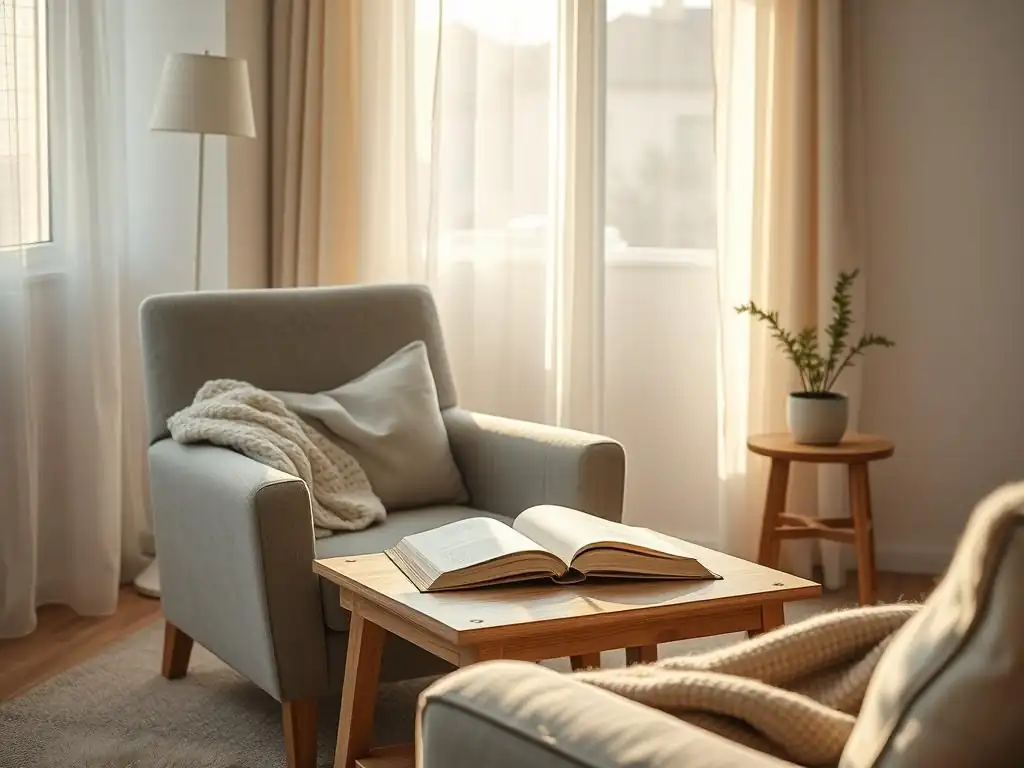
Regularly Assessing and Adapting Your Home Environment
Creating a calm home space is not a one-time project but an ongoing practice. Life changes, needs evolve, and what felt supportive six months ago might need adjustment today. Make it a habit to periodically assess how your home environment is serving the mental well-being of everyone in the household. This could be a simple weekly check-in or a more thorough review every few months.
Ask yourselves:
- Is there new clutter accumulating?
- Are the relaxation zones still effective?
- Are there new stressors entering the home?
- Are communication patterns still supportive?
Based on this assessment, be willing to adapt. Maybe a new organization system is needed, or perhaps a different color scheme feels more soothing now. The key is flexibility and a continued commitment to nurturing the home as a source of support and peace.
Seeking Professional Guidance for Ongoing Support
Sometimes, creating and maintaining a supportive home environment requires external help. If family dynamics are strained, if a loved one's mental health challenges are significantly impacting the household, or if implementing these changes feels overwhelming, professional guidance can be invaluable. Therapists, family counselors, or mental health professionals can offer strategies for improving communication, managing conflict, and developing healthier coping mechanisms within the family unit.
They can also provide specific advice tailored to supporting individuals with particular mental health conditions. Seeking professional support is a sign of strength, not failure. It demonstrates a commitment to the well-being of the entire household and can provide the tools and insights needed to truly build and sustain a calm and supportive home space long-term.
Resources for Creating a Calm Home Space
Recommended Reading and Online Tools
Numerous resources can provide further guidance on creating a calm home space and fostering mental well-being through your environment. Books on decluttering methods, mindfulness practices, and the psychology of space can offer deeper insights and practical techniques. Websites and blogs dedicated to minimalist living, home organization, and mental health often provide free tips, articles, and inspiration.
Look for resources that resonate with your specific needs and circumstances. Online tools like guided meditations, ambient sound generators, or organizational apps can also support your efforts. Exploring different resources allows you to find the strategies that best fit your lifestyle and preferences, making the process of creating a calm home space more accessible and effective.
Connecting with Support Groups and Mental Health Professionals
You are not alone in the journey of supporting a loved one with mental health challenges or working on your own well-being within the home. Connecting with support groups, whether online or in person, offers a valuable opportunity to share experiences, gain advice, and receive encouragement from others facing similar situations. Organizations dedicated to specific mental health conditions often host these groups.
Furthermore, consulting with mental health professionals, such as therapists, psychologists, or social workers, can provide personalized strategies and coping mechanisms for both the individual with the mental illness and their family members. They can help navigate complex emotions, improve communication, and develop tailored approaches to creating a calm home space that meets the unique needs of the household. Reaching out for connection and professional help is a powerful step towards building a truly supportive home environment.
Frequently Asked Questions
How can decluttering my home contribute to a calmer mental state?
Decluttering reduces visual noise and stress, promoting a sense of control and order. This leads to a more peaceful and relaxing home environment.
What are some simple ways to incorporate natural elements into my home for a calming effect?
Introducing plants, natural light, and soothing sounds like water features can significantly enhance calmness. These elements bring the outdoors in, promoting relaxation and reducing anxiety.
How important is lighting in creating a supportive home environment?
Lighting plays a crucial role; using soft, warm lighting in the evenings helps reduce stress. Natural light during the day can boost mood and energy levels, contributing to overall well-being.
What role does color play in creating a calming home space?
Choosing calming colors like blues, greens, and neutrals can create a serene atmosphere. Avoid overly stimulating colors in areas meant for relaxation, such as bedrooms.
Beyond aesthetics, how can I ensure my home is a truly supportive environment for my mental well-being?
Focus on creating designated relaxation areas, establishing consistent routines, and minimizing distractions like excessive screen time. These practices foster a sense of safety and security.
Final Reflection: Cultivating Calm: The Enduring Power of a Supportive Home
Creating a calm home space isn't just a trend; it's a fundamental need, a cornerstone of mental and emotional well-being in our increasingly chaotic world. The practical steps outlined in this article – from decluttering and mindful organization to establishing routines and fostering open communication – are not merely suggestions, but essential tools for building a sanctuary where stress melts away and genuine connection thrives. The impact of a supportive home environment extends far beyond the physical space itself.
The journey towards a calmer home is a deeply personal one, a continuous process of self-discovery and adaptation. It's about recognizing the profound influence our surroundings have on our inner peace and actively shaping them to reflect our values and needs. As the great architect Frank Lloyd Wright once said, Form follows function – that has been misunderstood. Form and function should be one, joined in a spiritual union.
This principle applies beautifully to the creation of a supportive home: the form of our space should directly support the function of fostering calm and well-being within our family and ourselves.
Now, consider your own home. What small changes can you implement today to cultivate a more peaceful atmosphere? Perhaps it's clearing a cluttered surface, engaging in a mindful activity with your family, or simply taking a few moments of quiet reflection. Remember, the journey to a calmer home begins with a single, conscious step. Embrace the process, celebrate the small victories, and allow your home to become a true haven – a place of rest, rejuvenation, and unwavering support.
Unleash Your Home's Supportive Power!
Thanks for taking the time to explore how to create a more supportive home environment! We hope you found practical insights to nurture your well-being. Now it's time to put those ideas into action.
- Prioritize one small change: Choose just one area from the article – decluttering a space, establishing a new family routine, or even just adding a plant – and commit to implementing it this week. This small step makes a big difference.
- Share your "aha!" moment: What resonated most with you from the article? Share your key takeaway on social media and inspire others to build supportive homes!
- Explore Mind Care Guide's resources: Discover more articles and guides on creating a peaceful and nurturing environment on our website. We're here to support you on your journey!
Ready to transform your home into a haven of peace and support? What's the one small step you'll take today?