
Dopamine's Dance with Other Neurotransmitters in Motivation

Welcome to Mind Care Guide, your sanctuary for nurturing mental well-being.
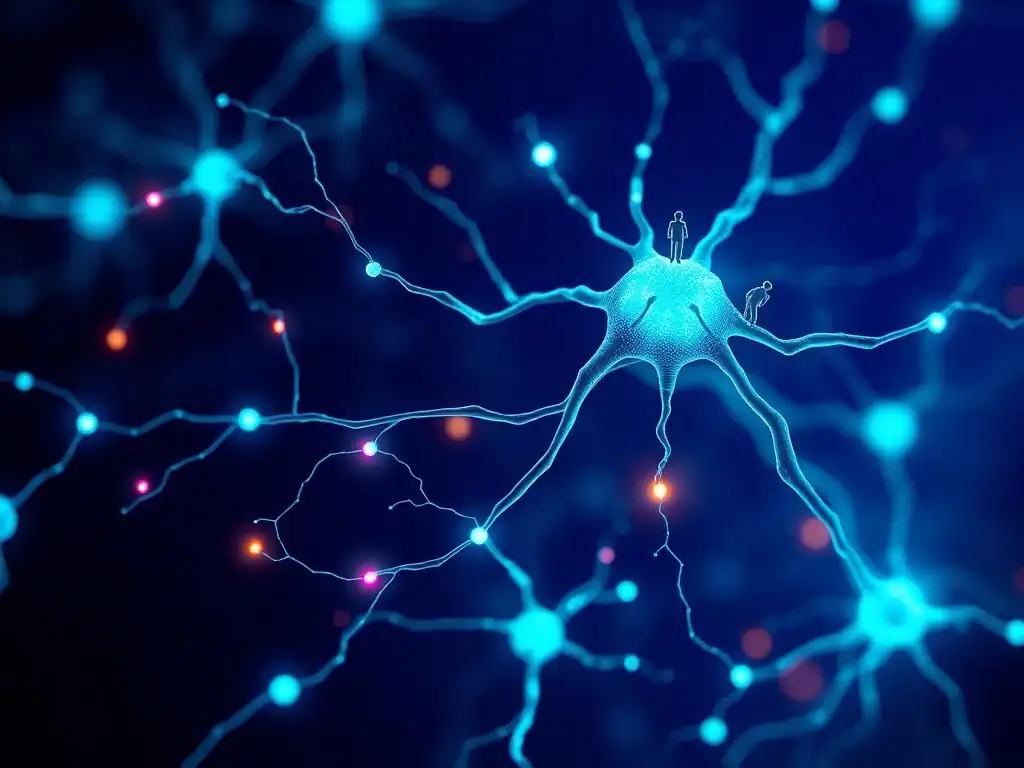
Ever wondered how your drive to achieve and your sense of reward are intricately linked? This article delves into the fascinating world of the Dopamine motivation neurotransmitter balance, exploring its crucial dance with other neurotransmitters. Discover how understanding this complex interplay can unlock new pathways to enhanced motivation and a more balanced mental state. Ready to unravel the secrets? Let's begin.
Dopamine's Dance with Other Neurotransmitters in Motivation: A Guide to Understanding Brain Chemistry
- Understanding Dopamine's Role in Motivation and Reward
- The Interplay of Neurotransmitters: Dopamine's Partners in Motivation
- Factors Influencing Dopamine Levels and Neurotransmitter Balance for Motivation
- Strategies to Enhance Dopamine Function and Improve Motivation
- When to Seek Professional Help for Dopamine-Related Motivational Issues
- Conclusion: Optimizing Dopamine and Neurotransmitter Balance for Sustained Motivation
-
Frequently Asked Questions
- How does dopamine specifically relate to motivation, and what happens when its levels are imbalanced?
- In the context of Mind Care Guide's resources, what strategies can be used to naturally boost dopamine levels without medication to achieve better Dopamine motivation neurotransmitter balance?
- How does dopamine interact with other neurotransmitters, such as serotonin or norepinephrine, to influence motivation and overall Dopamine motivation neurotransmitter balance?
- What are some potential signs or symptoms that might indicate an imbalance in dopamine levels, impacting Dopamine motivation neurotransmitter balance, and when should someone seek professional help?
- How can understanding the role of dopamine in Dopamine motivation neurotransmitter balance empower individuals to take proactive steps in managing their mental well-being, especially considering the resources offered by Mind Care Guide?
- Final Reflection: The Orchestrated Symphony of Motivation
- Unlock Your Motivation: Mastering Dopamine's Power
Understanding Dopamine's Role in Motivation and Reward
What is Dopamine and How Does it Affect Motivation?
Dopamine is a fascinating neurotransmitter often referred to as the "feel-good" chemical, but its role extends far beyond simple pleasure. It's primarily involved in the brain's reward system, playing a crucial part in motivation, learning, and memory. When we anticipate or experience something rewarding, dopamine is released in specific brain pathways, signaling that the activity is important and should be repeated. This surge in dopamine doesn't necessarily cause pleasure directly but rather reinforces the behavior that led to the reward, driving us to seek out similar experiences in the future.
This neurochemical messenger acts as a powerful motivator, influencing our drive to pursue goals, learn new skills, and engage with the world. Think about the satisfaction you feel after completing a challenging task or achieving a milestone; that feeling is closely tied to dopamine release. Studies have shown that dopamine levels correlate with effort exertion; individuals with higher dopamine activity in certain brain regions, like the striatum, tend to be more willing to work harder for rewards. It’s the anticipation, the 'wanting', that dopamine primarily orchestrates, pushing us towards desired outcomes and shaping our motivational landscape.
The Mesolimbic Pathway: A Key to Understanding Motivation and Reward
At the heart of dopamine's influence on motivation lies the mesolimbic pathway, a critical neural circuit extending from the ventral tegmental area (VTA) to the nucleus accumbens and other limbic structures like the amygdala and hippocampus. This pathway is often dubbed the "reward pathway" because it's heavily involved in processing rewarding stimuli and driving goal-directed behavior. When you encounter something novel, pleasurable, or important for survival (like food, social interaction, or achieving a goal), neurons in the VTA release dopamine into the nucleus accumbens, creating a powerful reinforcement signal.
This pathway is fundamental to learning which actions lead to positive outcomes. For instance, if pressing a button delivers a treat, the mesolimbic pathway is activated, strengthening the connection between the action (pressing the button) and the reward (the treat). Over time, this learning process can lead to the formation of habits. Disruptions in this pathway are implicated in various conditions affecting motivation and reward processing, including addiction, depression, and attention deficit hyperactivity disorder (ADHD), highlighting its central role in our drive and ability to pursue and enjoy life's rewards.
Dopamine Dysfunction and Its Impact on Motivational Drive
When the dopamine system isn't functioning correctly, it can have profound effects on motivation. Too little dopamine activity, or damage to the pathways that use it, can lead to a state known as anhedonia – the inability to experience pleasure or interest in activities that were once enjoyable. This is a core symptom in conditions like major depressive disorder and Parkinson's disease, where the degeneration of dopamine-producing neurons is a hallmark. Individuals may struggle with initiation, persistence, and finding the energy or desire to pursue goals, even simple daily tasks.
Conversely, excessive or dysregulated dopamine signaling can also disrupt motivation, particularly in the context of addiction. Substances like cocaine and amphetamines flood the synapse with dopamine, hijacking the mesolimbic pathway and creating an overwhelming, artificial reward signal. This intense signal can override natural motivational drives and lead to compulsive drug-seeking behavior at the expense of other life activities. Understanding these dysfunctions is crucial for developing effective interventions aimed at restoring a healthy dopamine motivation neurotransmitter balance.
The Interplay of Neurotransmitters: Dopamine's Partners in Motivation
Serotonin and Dopamine: A Balancing Act for Mood and Motivation
While dopamine is often associated with the "go" signal for seeking rewards, serotonin is frequently linked to feelings of contentment, well-being, and satiety – essentially, the "stop" signal after a reward is achieved or when risk is high. These two neurotransmitters share a complex, often opposing relationship. In some brain areas, serotonin can inhibit dopamine release, tempering the urge to seek immediate rewards and promoting patience or risk aversion. Conversely, in other areas, their interactions are more nuanced, collectively influencing mood stability and the overall processing of reward and punishment.
Maintaining a healthy balance between serotonin and dopamine is vital for regulating both mood and motivation effectively. Low levels of serotonin, often associated with depression and anxiety, can disrupt this balance, potentially leading to increased impulsivity (seeking quick dopamine fixes) or, paradoxically, decreased motivation due to overall low mood and energy. The intricate dance between these two systems ensures that we are motivated to pursue goals but also feel satisfied upon achieving them and can regulate our behavior based on potential negative consequences. Achieving optimal dopamine motivation neurotransmitter balance often involves addressing the interplay with serotonin.
How Serotonin Influences Dopamine's Motivational Effects
Serotonin exerts its influence on dopamine through various receptor subtypes located in different brain regions. For example, stimulating certain serotonin receptors (like 5-HT1A) can decrease dopamine release in the mesolimbic pathway, potentially reducing impulsive behavior and reward-seeking drive. Conversely, blocking other serotonin receptors (like 5-HT2C) can increase dopamine release, which might contribute to the effects of some antidepressant medications that target serotonin reuptake, indirectly boosting dopamine signaling over time and improving motivation and energy.
This intricate modulation means that serotonin doesn't just act independently; it fine-tunes the dopamine system's responsiveness. If serotonin signaling is out of whack, the dopamine system might become overactive, leading to impulsivity and addiction-like behaviors, or underactive, resulting in apathy and lack of drive. Therefore, understanding the specific ways serotonin receptors interact with dopamine pathways is a key area of research for conditions where motivation and mood are impaired, highlighting the necessity of considering the entire neurotransmitter network, not just dopamine in isolation.
Maintaining a Healthy Serotonin-Dopamine Balance for Optimal Motivation
Optimizing the delicate dopamine motivation neurotransmitter balance requires attention to both serotonin and dopamine systems. Strategies that support overall brain health tend to benefit both. Regular exercise, for instance, has been shown to increase levels of both serotonin and dopamine, contributing to improved mood and motivation. A balanced diet rich in tryptophan (a precursor to serotonin) and tyrosine (a precursor to dopamine) provides the building blocks for these neurotransmitters.
Beyond lifestyle, managing stress is crucial. Chronic stress can deplete serotonin and dysregulate dopamine signaling, negatively impacting mood and motivational drive. Engaging in activities that promote relaxation, mindfulness, and social connection can help buffer the effects of stress and support a healthier neurotransmitter balance, thereby fostering more stable and sustained motivation rather than relying on fleeting dopamine spikes.
Norepinephrine and Dopamine: The Arousal-Motivation Connection
Norepinephrine, also known as noradrenaline, is another catecholamine neurotransmitter closely related to dopamine. While dopamine is central to reward and wanting, norepinephrine is key to arousal, alertness, focus, and the body's "fight or flight" response. In the context of motivation, norepinephrine provides the energy and focus needed to pursue goals that the dopamine system has identified as rewarding. It helps us pay attention to relevant stimuli, maintain vigilance, and mobilize resources to overcome obstacles.
The interaction between norepinephrine and dopamine is particularly evident in the prefrontal cortex, a brain region critical for executive functions like planning, decision-making, and sustained attention. Here, both neurotransmitters work together to enhance cognitive performance and goal-directed behavior. A deficiency in either can impair focus and motivation, as seen in conditions like ADHD, which is often treated with medications that target both dopamine and norepinephrine reuptake to improve attention and drive.
Norepinephrine's Role in Focus, Energy, and Dopamine Release
Norepinephrine plays a significant role in modulating the activity of dopamine neurons, particularly in areas related to arousal and attention. It can increase the excitability of dopamine neurons in the VTA and substantia nigra, potentially leading to enhanced dopamine release in target areas like the prefrontal cortex and striatum. This cross-talk helps to amplify the motivational signal when attention and energy are required to achieve a goal.
Consider a situation where you are working on a challenging project with a deadline. Norepinephrine helps keep you alert and focused on the task, while dopamine provides the drive and sense of reward as you make progress. If norepinephrine levels are low, you might feel fatigued and unable to concentrate, making it difficult to stay motivated even if the reward is appealing. Conversely, excessive norepinephrine can lead to anxiety and distractibility, also hindering effective goal pursuit.
Combining Dopamine and Norepinephrine for Enhanced Motivation and Drive
Many effective strategies and treatments for boosting motivation target both dopamine and norepinephrine pathways. Medications used for ADHD, for example, often work by increasing the availability of both neurotransmitters in the brain, improving focus, energy, and the ability to initiate and complete tasks. Lifestyle factors also influence both systems. Intense physical activity, for instance, is known to acutely increase the release of both dopamine and norepinephrine, contributing to the feeling of energy and accomplishment post-workout.
Optimizing the dopamine motivation neurotransmitter balance often involves ensuring sufficient norepinephrine activity to provide the necessary arousal and focus. Engaging in stimulating activities, maintaining a regular sleep schedule, and managing stress are all important for supporting healthy levels of both neurotransmitters, creating a robust foundation for sustained motivational drive and the ability to concentrate on achieving objectives.
GABA and Dopamine: Inhibition and Excitation in Motivational Circuits
Gamma-aminobutyric acid (GABA) is the primary inhibitory neurotransmitter in the brain, acting like a brake pedal to regulate neuronal activity. While dopamine is excitatory in motivating reward-seeking, GABA plays a crucial role in fine-tuning this excitation by inhibiting dopamine release or modulating the activity of neurons in dopamine pathways. This inhibitory control is essential for preventing excessive, uncontrolled reward-seeking behavior and allowing for behavioral flexibility.
The interaction between GABA and dopamine is complex and occurs in various brain regions involved in motivation and reward. For example, GABAergic neurons in the nucleus accumbens can inhibit dopamine release or the activity of neurons that receive dopamine signals. This provides a mechanism for regulating the intensity and duration of the motivational signal, helping to determine whether a behavior is pursued or suppressed based on context and learned associations.
GABA's Regulatory Effect on Dopamine Release and Motivation
GABAergic interneurons within the VTA, where dopamine neurons originate, play a critical role in controlling dopamine release. These interneurons can inhibit the firing of dopamine neurons, effectively putting a dampener on the reward signal. This inhibitory control is vital for processes like extinction learning, where the motivation to pursue a previously rewarded behavior is reduced when the reward is no longer available. Without sufficient GABAergic inhibition, dopamine neurons might fire excessively or inappropriately, contributing to compulsive behaviors or difficulty adapting to changing circumstances.
Furthermore, GABA receptors are present on dopamine neurons and on the neurons they project to. Activating these receptors can reduce dopamine release or the impact of dopamine signaling. This regulatory mechanism ensures that the dopamine system doesn't become constantly overstimulated, which could lead to burnout or desensitization. A disruption in the balance between excitatory dopamine signals and inhibitory GABA signals can therefore significantly impair motivational control and lead to conditions like addiction or anxiety disorders, where inhibitory control is often compromised.
Achieving a Balanced GABA-Dopamine System for Stable Motivation
A healthy dopamine motivation neurotransmitter balance depends significantly on the proper functioning of the GABA system. Adequate GABAergic tone helps to regulate the intensity and appropriateness of motivational responses. Strategies aimed at enhancing GABA activity or ensuring its proper function can support more stable and controlled motivation. Techniques that promote relaxation, such as deep breathing exercises, yoga, and meditation, have been shown to increase GABA levels in the brain.
Lifestyle factors like regular exercise and sufficient sleep also support healthy GABAergic function, indirectly contributing to better regulation of the dopamine system. For individuals struggling with conditions linked to impaired inhibitory control, therapeutic approaches or, in some cases, medications that modulate GABA activity might be considered to help restore a more balanced neurotransmitter environment, promoting healthier motivational patterns and reducing impulsivity.
Glutamate and Dopamine: Excitation and Learning in Reward-Seeking Behavior
Glutamate is the brain's primary excitatory neurotransmitter and is indispensable for learning, memory, and synaptic plasticity – the ability of synapses to strengthen or weaken over time. Its interaction with dopamine is fundamental to how we learn which actions lead to rewards and how we form habits. Glutamate pathways from areas like the prefrontal cortex and hippocampus project to the striatum, a key target of dopamine neurons, forming circuits that are crucial for goal-directed behavior and habit formation.
When a rewarding event occurs, dopamine release strengthens the glutamatergic synapses involved in the actions that led to the reward. This process, known as long-term potentiation (LTP), makes it more likely that the same action will be performed again in similar circumstances. Glutamate essentially provides the 'context' and 'action' information, while dopamine provides the 'value' signal, reinforcing the connection between the two. This powerful interaction is the neurobiological basis for learning motivated behaviors.
Glutamate's Role in Reinforcing Dopamine-Driven Behaviors
Glutamate receptors (like NMDA and AMPA receptors) are densely located on neurons in the striatum that receive both dopamine and glutamate inputs. The simultaneous arrival of dopamine and glutamate signals at these synapses triggers intracellular changes that strengthen the connection. This allows the brain to form associations between specific cues (like seeing a coffee shop), actions (walking in and ordering), and rewards (the pleasure from the coffee and caffeine).
This reinforcement mechanism is incredibly powerful and underlies both healthy learning (e.g., learning a new skill) and maladaptive learning (e.g., developing an addiction). If glutamate signaling is dysregulated, the learning process can become impaired. For example, excessive glutamate release, often seen in conditions like addiction, can lead to exaggerated strengthening of synapses associated with drug-seeking, making these behaviors highly resistant to change even when they have negative consequences.
The Importance of Glutamate-Dopamine Interaction in Habit Formation
The interplay between glutamate and dopamine is particularly critical in the transition from goal-directed actions to habitual behaviors. Initially, pursuing a reward is a conscious, goal-directed process heavily reliant on the prefrontal cortex and its glutamatergic projections to the striatum, modulated by dopamine. As a behavior is repeated and becomes more automatic, control shifts towards different parts of the striatum, where the glutamate-dopamine interaction reinforces stimulus-response associations, leading to habit formation.
Disruptions in this intricate glutamate-dopamine circuitry can interfere with both the formation of beneficial habits and the breaking of detrimental ones. Understanding this interaction is key to developing strategies for behavioral change, whether it's building new motivational habits or overcoming compulsive behaviors. Maintaining a healthy dopamine motivation neurotransmitter balance necessarily involves ensuring proper glutamate signaling and its interaction with the dopamine system for adaptive learning and behavior.
Factors Influencing Dopamine Levels and Neurotransmitter Balance for Motivation
Lifestyle Factors Affecting Dopamine Production and Release
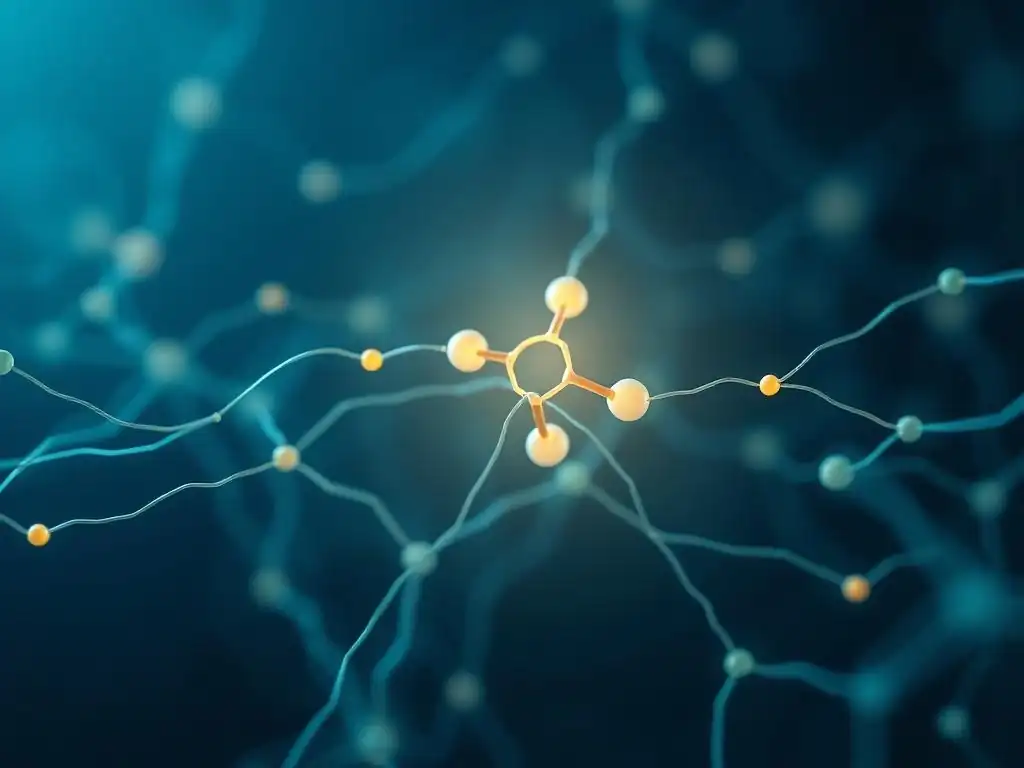
Our daily habits significantly impact the production, release, and overall balance of dopamine and other neurotransmitters involved in motivation. While genetics play a role, lifestyle provides powerful levers for influencing brain chemistry. Understanding these factors empowers individuals to make choices that support optimal motivational function.
The Impact of Diet and Exercise on Dopamine and Motivation
Diet provides the essential building blocks for neurotransmitter synthesis. Dopamine is synthesized from the amino acid tyrosine, which is found in protein-rich foods like lean meats, fish, eggs, dairy, nuts, and seeds. Consuming a diet adequate in protein ensures the brain has access to these precursors. Furthermore, micronutrients like B vitamins, magnesium, and omega-3 fatty acids are crucial cofactors in neurotransmitter production and function.
For example, magnesium is involved in the activity of dopamine receptors. Studies suggest that diets high in processed foods and sugar can negatively impact dopamine signaling over time, potentially reducing the sensitivity of dopamine receptors and contributing to reduced motivation and increased cravings for quick fixes. Conversely, a balanced diet rich in whole foods supports overall brain health and neurotransmitter balance.
Exercise is one of the most potent natural ways to influence dopamine and other neurotransmitters. Physical activity, particularly aerobic exercise, has been shown to increase dopamine synthesis and release, especially in the striatum, the brain's reward center. This increase contributes to the "runner's high" and the improved mood and energy often experienced after a workout.
Regular exercise can also enhance the sensitivity of dopamine receptors, making the system more responsive to natural rewards. Beyond dopamine, exercise also boosts norepinephrine and serotonin, contributing to improved focus, mood, and overall dopamine motivation neurotransmitter balance. Aiming for at least 150 minutes of moderate-intensity exercise per week, as recommended by health guidelines, can have a significant positive impact on motivational neurochemistry.
The Role of Sleep and Stress Management in Maintaining Dopamine Balance
Adequate sleep is critical for regulating dopamine receptor availability and overall neurotransmitter function. Chronic sleep deprivation can disrupt dopamine signaling, leading to reduced dopamine receptor sensitivity and impaired function in the prefrontal cortex, impacting attention, decision-making, and motivation. Research indicates that losing even one night of sleep can significantly alter dopamine receptor binding in the striatum. Prioritizing 7-9 hours of quality sleep per night is fundamental for maintaining healthy dopamine function and motivational drive.
Stress, especially chronic stress, is a major disruptor of neurotransmitter balance. The stress hormone cortisol can interfere with dopamine synthesis and signaling, as well as impact serotonin and norepinephrine systems. Prolonged exposure to stress can lead to a decrease in dopamine receptor density and impaired function in the reward pathway, contributing to symptoms of anhedonia and reduced motivation. Implementing effective stress management techniques such as mindfulness, meditation, deep breathing, spending time in nature, or engaging in hobbies is vital for protecting the delicate dopamine motivation neurotransmitter balance and preserving motivational resilience.
Humans are social creatures, and our social interactions have a significant impact on our brain chemistry, including dopamine. Positive social experiences, such as connecting with loved ones, receiving praise, or engaging in cooperative activities, can trigger dopamine release in the reward pathway. This reinforces social behaviors and motivates us to seek out further social connection. The anticipation of positive social interaction can also stimulate dopamine release, similar to anticipating other rewards.
Conversely, social isolation, rejection, or conflict can negatively impact dopamine levels and overall neurotransmitter balance. Chronic loneliness has been linked to altered dopamine receptor sensitivity and increased stress hormones, contributing to reduced motivation and an increased risk of depression and anxiety. Nurturing healthy relationships, engaging in community activities, and seeking supportive social connections are not just good for emotional well-being but are also powerful ways to support a healthy dopamine motivation neurotransmitter balance and enhance our natural drive to engage with the world.
Genetic Predisposition and Individual Differences in Dopamine Sensitivity
While lifestyle factors are powerful, it's also important to acknowledge that genetic factors contribute to individual differences in dopamine production, receptor density, and enzyme activity. Variations in genes related to dopamine transporters, receptors (like DRD2 or DRD4), and metabolic enzymes (like COMT) can influence how efficiently dopamine is processed and how sensitive an individual is to its effects. For example, certain variations in the DRD4 gene have been associated with novelty-seeking behavior and a higher likelihood of ADHD symptoms, potentially reflecting differences in dopamine signaling.
These genetic predispositions can influence an individual's baseline motivational drive, their susceptibility to addictive behaviors, and their response to interventions that target the dopamine system. However, it's crucial to understand that genetics are not destiny. They represent a predisposition, and lifestyle, environment, and experiences interact with genetic factors to shape the final outcome. Understanding potential genetic influences can sometimes help tailor approaches to support dopamine motivation neurotransmitter balance, but focusing on modifiable lifestyle factors and therapeutic strategies remains widely applicable and empowering.
Strategies to Enhance Dopamine Function and Improve Motivation
Natural Ways to Boost Dopamine Levels for Increased Motivation
Fortunately, there are many natural, evidence-based strategies that can help support healthy dopamine function and improve motivation without relying on external substances. These approaches focus on nurturing the brain's natural ability to produce and regulate neurotransmitters, promoting a sustainable dopamine motivation neurotransmitter balance.
Dietary Strategies and Foods That Support Dopamine Production
As mentioned earlier, providing the brain with the necessary precursors and cofactors is essential. Including adequate sources of tyrosine in your diet is a foundational step. Foods rich in tyrosine include turkey, beef, chicken, fish, eggs, dairy products (like milk and cheese), beans, nuts, and seeds. Aiming for a source of protein at each meal helps ensure a steady supply.
Furthermore, ensuring sufficient intake of B vitamins (especially B6, B9, and B12), magnesium, and omega-3 fatty acids is vital. These nutrients are involved in the complex enzymatic processes that convert tyrosine into dopamine and support overall neuronal health. Good sources include leafy greens, whole grains, legumes, nuts, seeds, fatty fish, and fortified foods. While individual foods won't provide a magical "dopamine boost," a consistent, nutrient-dense diet provides the optimal environment for neurotransmitter synthesis and function, supporting a healthy dopamine motivation neurotransmitter balance over time.
Beyond precursors, some foods contain compounds that may indirectly influence dopamine. For instance, antioxidants found in fruits and vegetables help protect dopamine neurons from damage. Probiotics and fermented foods may influence gut health, which in turn is increasingly understood to impact brain function and neurotransmitter production through the gut-brain axis. Limiting intake of saturated fats and refined sugars is also important, as these have been linked to inflammation and impaired dopamine signaling. Focusing on a diverse, whole-foods-based diet is the most effective dietary strategy for supporting brain health and motivational neurochemistry.
Exercise Regimens That Promote Dopamine Release
Regular physical activity is a cornerstone of supporting dopamine function and boosting motivation. Both aerobic exercise (like running, swimming, cycling) and resistance training have been shown to increase dopamine levels and receptor sensitivity. Aiming for consistency is key; engaging in moderate-intensity exercise for at least 30 minutes most days of the week can yield significant benefits. High-intensity interval training (HIIT) may also provide acute boosts in dopamine and norepinephrine.
Finding an activity you enjoy is crucial for making exercise a sustainable habit, which in itself reinforces the dopamine reward loop. The feeling of accomplishment after completing a workout, the physical energy gained, and the social interaction from group activities all contribute to positive feedback loops that strengthen motivational pathways. Exercise not only increases dopamine availability but also improves blood flow to the brain and promotes the growth of new neurons, creating a healthier environment for optimal neurotransmitter function and dopamine motivation neurotransmitter balance.
Mindfulness and Meditation Techniques for Dopamine Regulation
Mindfulness and meditation practices, often associated with stress reduction and emotional regulation, can also influence dopamine signaling. Regular meditation has been linked to increased dopamine release in certain brain areas, particularly during anticipation of the meditation session itself in experienced practitioners. This suggests that the practice can become intrinsically rewarding over time, leveraging the dopamine system.
Furthermore, mindfulness helps to regulate the prefrontal cortex and reduce activity in the amygdala (involved in fear and stress), which can indirectly support healthier dopamine function by reducing the inhibitory effects of chronic stress. By training attention and fostering non-judgmental awareness, mindfulness can help individuals become more attuned to natural rewards and less reliant on external validation or impulsive behaviors for dopamine hits, contributing to a more stable dopamine motivation neurotransmitter balance.
Cognitive Behavioral Therapy (CBT) and Motivation: Retraining the Brain's Reward System
Cognitive Behavioral Therapy (CBT) is a therapeutic approach that helps individuals identify and challenge negative thought patterns and behaviors. While not directly manipulating neurotransmitter levels, CBT can indirectly influence dopamine pathways by changing how we perceive rewards and challenges and by facilitating the initiation of goal-directed behaviors. For someone struggling with lack of motivation due to depression, for instance, CBT can help break down overwhelming tasks into smaller, manageable steps, making the process less daunting and increasing the likelihood of completion.
Successfully completing these smaller steps provides opportunities for natural dopamine release, reinforcing the new, more positive behavioral patterns. By helping individuals set realistic goals, monitor progress, and challenge self-defeating beliefs about their capabilities, CBT can help retrain the brain's reward system to find satisfaction in effort and accomplishment rather than being stuck in cycles of avoidance or apathy. This behavioral activation component is particularly effective in boosting motivation by creating opportunities for positive reinforcement, supporting a healthier dopamine motivation neurotransmitter balance through learned experiences.

Identifying Symptoms of Dopamine Imbalance and Motivation Deficits
Recognizing when motivational difficulties might stem from underlying neurotransmitter imbalances, including dopamine, is an important step towards seeking appropriate help. While everyone experiences fluctuations in motivation, persistent and significant changes warrant attention. Symptoms that might suggest a potential issue include:
- Pronounced and prolonged lack of interest or pleasure in activities (anhedonia).
- Significant difficulty initiating tasks, even those that were previously easy or enjoyable.
- Persistent fatigue and low energy levels unrelated to physical exertion or lack of sleep.
- Difficulty concentrating or maintaining focus on goals.
- Increased impulsivity or compulsive behaviors, particularly related to seeking immediate gratification.
- Feelings of apathy or indifference that interfere with daily life.
- Significant changes in appetite or sleep patterns accompanying low motivation.
If these symptoms are persistent, significantly impacting your quality of life, work, relationships, or ability to function, it may be beneficial to consult a healthcare professional. These symptoms can be indicative of various conditions, including depression, ADHD, anxiety disorders, or other neurological conditions, many of which involve disruptions in dopamine motivation neurotransmitter balance.
A healthcare professional, such as a primary care physician, psychiatrist, or neurologist, can conduct a thorough evaluation to determine the underlying cause of motivational difficulties. This may involve a medical history, physical examination, psychological assessment, and potentially blood tests to rule out other medical conditions. Based on the diagnosis, various interventions may be recommended.
For conditions like depression or ADHD, which are often associated with neurotransmitter imbalances, including dopamine, pharmacological interventions may be considered. Antidepressants, particularly those that affect norepinephrine and dopamine reuptake (like SNRIs or NDRI such as bupropion), or stimulant medications used for ADHD, work by increasing the availability of these neurotransmitters in the brain, which can help improve mood, energy, focus, and motivation.
It's important to note that medication is typically most effective when combined with other therapeutic approaches. For conditions like Parkinson's disease, medications that replace or mimic dopamine (like L-DOPA or dopamine agonists) are used to manage motor symptoms and can sometimes help with associated motivational deficits.
Therapeutic interventions, such as Cognitive Behavioral Therapy (CBT), Acceptance and Commitment Therapy (ACT), and other forms of psychotherapy, are invaluable for addressing motivational issues. These therapies help individuals understand the psychological factors contributing to their lack of motivation, develop coping strategies, challenge negative thought patterns, and implement behavioral activation techniques to re-engage with rewarding activities. Therapy can also help individuals manage stress, improve sleep, and develop healthier habits that support neurotransmitter balance.
A Holistic Approach to Well-being: Integrating Lifestyle Changes, Therapy, and Medication
Optimizing dopamine motivation neurotransmitter balance and improving motivation is often most successful through a holistic approach that integrates various strategies. Medication, when appropriate, can help correct underlying neurochemical imbalances, providing a foundation for other interventions. Therapy provides the tools and support to address psychological barriers, develop healthy coping mechanisms, and build sustainable behavioral patterns.
Lifestyle changes, including a nutrient-dense diet, regular exercise, adequate sleep, and stress management, are fundamental pillars that support overall brain health and neurotransmitter function. Social connection also plays a vital role. Working collaboratively with healthcare professionals to develop a personalized plan that may include a combination of these elements offers the most comprehensive path towards restoring motivational drive and improving overall well-being. It emphasizes empowering the individual to take an active role in their recovery and maintenance of health.
Conclusion: Optimizing Dopamine and Neurotransmitter Balance for Sustained Motivation
Understanding the intricate "dance" between dopamine and its partner neurotransmitters—serotonin, norepinephrine, GABA, and glutamate—provides valuable insight into the complex neurobiology of motivation. Dopamine's role in reward anticipation and reinforcement is central, but its effectiveness is profoundly influenced by the regulatory and facilitatory actions of these other chemical messengers. A healthy dopamine motivation neurotransmitter balance is not just about having enough dopamine; it's about the harmonious interaction of these diverse systems.
By recognizing the factors that influence this balance, from diet and exercise to sleep, stress, social interactions, and even genetics, individuals can take proactive steps to support their brain health. Implementing lifestyle strategies, engaging in therapeutic practices like CBT and mindfulness, and seeking professional help when needed are all crucial components of optimizing motivational drive. Ultimately, fostering a balanced neurotransmitter environment empowers us to pursue goals, experience satisfaction, and engage fully in life.
Frequently Asked Questions
How does dopamine specifically relate to motivation, and what happens when its levels are imbalanced?
Dopamine is a key neurotransmitter associated with reward and pleasure, driving us to seek out and repeat behaviors that lead to these feelings. An imbalance can lead to decreased motivation or, conversely, addictive behaviors.
In the context of Mind Care Guide's resources, what strategies can be used to naturally boost dopamine levels without medication to achieve better Dopamine motivation neurotransmitter balance?
Simple lifestyle changes like regular exercise, a balanced diet rich in tyrosine-containing foods, and sufficient sleep can naturally increase dopamine. The Mind Care Guide offers resources on behavioral activation techniques as well.
How does dopamine interact with other neurotransmitters, such as serotonin or norepinephrine, to influence motivation and overall Dopamine motivation neurotransmitter balance?
Dopamine doesn't work in isolation; it interacts with other neurotransmitters like serotonin and norepinephrine. Serotonin regulates mood and can influence dopamine's effects on reward processing. Norepinephrine impacts alertness and focus, impacting motivational drive.
What are some potential signs or symptoms that might indicate an imbalance in dopamine levels, impacting Dopamine motivation neurotransmitter balance, and when should someone seek professional help?
Symptoms can include persistent fatigue, lack of motivation, difficulty concentrating, or mood swings. If these symptoms are severe or persistent, seeking professional evaluation and support is essential.
How can understanding the role of dopamine in Dopamine motivation neurotransmitter balance empower individuals to take proactive steps in managing their mental well-being, especially considering the resources offered by Mind Care Guide?
Knowledge empowers individuals to make informed choices about lifestyle, diet, and coping strategies. Mind Care Guide provides tools and resources to self-monitor, implement positive changes, and seek further support when needed for improved mental well-being.
Final Reflection: The Orchestrated Symphony of Motivation
The intricate dance of dopamine with other neurotransmitters isn't just a fascinating neurological phenomenon; it's the very foundation of our drive, our ambition, and our ability to pursue goals. Understanding this complex interplay is crucial in a world increasingly demanding resilience, focus, and the ability to navigate challenges effectively. Ignoring the delicate balance within our brain chemistry risks misinterpreting motivation itself, leading to ineffective strategies for personal growth and well-being.
The exploration of dopamine's role in motivation has profoundly shifted my understanding of human behavior, revealing the limitations of viewing it as a singular driver. It's not simply about chasing the "dopamine hit," but about appreciating the intricate orchestration of various neurochemicals working in concert. This holistic perspective underscores the importance of nurturing a balanced neurochemical environment, rather than solely focusing on boosting dopamine levels. The brain is a symphony, not a solo instrument.
This quote perfectly encapsulates the interconnectedness of neurotransmitters and their collective contribution to our experience of motivation.
Now, consider your own life. How can you cultivate a more balanced neurochemical landscape? What steps can you take to support the harmonious functioning of your brain's intricate network? This isn't about quick fixes or artificial stimulation; it's about fostering a lifestyle that promotes holistic well-being – through mindful practices, balanced nutrition, sufficient sleep, and meaningful connections. Embrace the complexity, understand the symphony, and conduct your own life towards a more fulfilling and motivated existence.
Unlock Your Motivation: Mastering Dopamine's Power
Thanks for diving deep into the fascinating world of dopamine and motivation! You've now gained valuable insights into how this neurotransmitter interacts with others to drive your actions. Ready to put this knowledge into practice?
- Prioritize a Dopamine-Boosting Activity: Identify one thing – even something small – that consistently sparks joy and excitement for you, and schedule it into your day.
- Share Your Insights: Discuss this article with a friend or family member. Sharing knowledge amplifies its impact.
- Explore Complementary Neurotransmitters: Research the roles of serotonin, acetylcholine, and norepinephrine in motivation. Discover how balancing these can further enhance your drive and well-being.
What small change can you implement today to harness the power of dopamine and unlock your full motivational potential?