
Social Media and Dopamine: The Science Behind the Scroll

Welcome to Mind Care Guide.
Are you feeling trapped in the endless scroll of social media, wondering why it's so hard to break free? You're not alone. We understand the pull, and in this comprehensive guide, we delve into the neuroscience behind it. Discover the secrets of social media dopamine addiction help and begin your journey toward a healthier, more mindful relationship with technology. Ready to understand the science and reclaim your focus?
- Social Media and Dopamine: The Science Behind the Scroll | Mind Care Guide
- The Neuroscience of Social Media Engagement
- Problematic Social Media Use: Exploring the Evidence
- The Potential Negative Consequences of Excessive Social Media Use
- Recognizing Signs of Problematic Social Media Use
- Strategies for Healthier Social Media Habits
- Practical Tips for a Healthier Relationship with Social Media
- The Future of Social Media and Well-being
-
Frequently Asked Questions
- How does social media contribute to the release of dopamine in the brain?
- What are the potential negative consequences of social media-induced dopamine release?
- How can I tell if I'm experiencing social media dopamine addiction?
- What are some practical strategies for breaking free from social media dopamine addiction?
- Where can I find professional help if I'm struggling with social media dopamine addiction?
- Final Reflection: Unplugging from the Dopamine Loop
- Unlock Your Digital Wellbeing: Take Control of Your Scroll
The Role of Dopamine in Reward and Motivation
Dopamine is a key neurotransmitter in the brain, often referred to as the "feel-good" chemical because of its association with pleasure and reward. However, its primary role is deeply rooted in motivation and learning. It signals potential rewards and drives us to seek them out, reinforcing behaviors that led to those rewards in the past. This intricate system is fundamental to our survival and learning processes, guiding us toward activities essential for well-being, like eating, social interaction, and achieving goals.
This powerful neurotransmitter acts within complex neural circuits, influencing our desires, habits, and decision-making. When we anticipate or receive a reward, dopamine neurons fire, encoding the experience as positive and motivating us to repeat the action. This mechanism is incredibly efficient at shaping behavior, whether it's learning to find food or, in the modern context, navigating digital environments. Understanding this basic function is crucial when considering the link between our brains and platforms designed to deliver frequent, appealing stimuli.
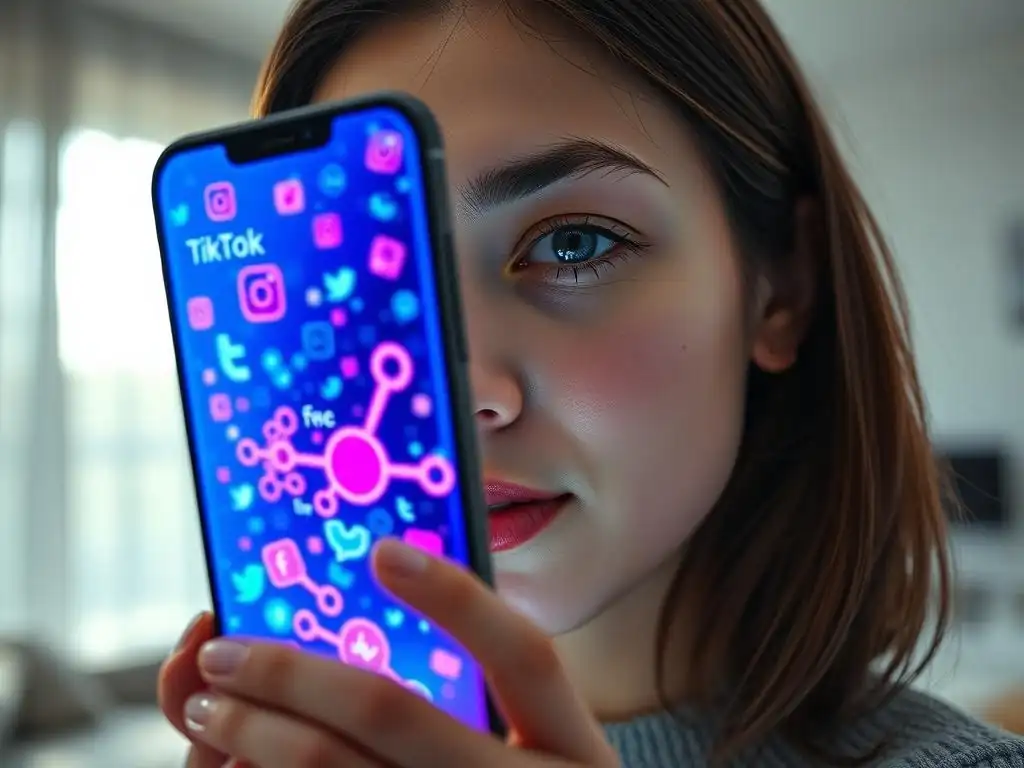
Social media platforms are expertly designed to leverage the brain's reward system, specifically targeting dopamine release. Actions like receiving a "like" on a post, getting a comment, or seeing a notification pop up act as potent social rewards. The anticipation of these positive interactions creates a state of heightened expectation, and receiving them delivers a small, reinforcing surge of dopamine in the brain's reward pathways. This immediate, positive feedback loop encourages repeated engagement with the platform.
Consider the simple act of posting a photo. After sharing, there's often a period of anticipation, checking back frequently to see if anyone has reacted. Each like or comment provides validation, triggering that dopamine release. This isn't just about the content; it's the social validation and the unpredictable timing of the feedback that make it particularly potent. Platforms are designed to deliver these unpredictable rewards, keeping users engaged and returning for more, tapping directly into the brain's fundamental motivational circuitry.
Variable Rewards and Dopamine Surges
Social media operates on a principle similar to variable ratio reinforcement, a concept extensively studied by behavioral psychologist B.F. Skinner. This means the rewards (likes, comments, notifications) are delivered at unpredictable intervals. You never know exactly when or how much positive feedback you'll receive when you check your feed or post something. This uncertainty is incredibly effective at driving compulsive checking behavior. The brain becomes highly motivated to repeat the action (checking the platform) because it might lead to a reward this time.
This unpredictability causes a more sustained and heightened release of dopamine compared to predictable rewards. The anticipation of a potential reward, even if it doesn't materialize every time, keeps the user hooked. Think of it like pulling a slot machine lever – most pulls yield nothing, but the chance of a big payout keeps players engaged. Similarly, the chance of receiving a validating like or an interesting notification fuels the continuous scrolling and checking cycle on social media, making it a powerful driver of habit formation and, for some, problematic use.
Dopamine Pathways and Habit Formation
The mesolimbic pathway, often called the reward pathway, is central to understanding how social media use can become habitual. This pathway connects the ventral tegmental area (VTA) to the nucleus accumbens, amygdala, and prefrontal cortex. When we engage in behaviors perceived as rewarding, like getting positive feedback on social media, the VTA releases dopamine into the nucleus accumbens, signaling pleasure and reinforcing the behavior. The prefrontal cortex then associates cues (like the notification sound) with the reward, making us more likely to seek it out again.
Repeated activation of this pathway strengthens the neural connections associated with checking social media. Over time, the behavior moves from being a conscious choice to a more automatic habit.
The brain becomes conditioned to seek the quick dopamine hit associated with social media interactions, making it difficult to resist the urge to check, even when we intend to do something else. This process is a fundamental way the brain forms habits, both helpful and potentially harmful, highlighting the neurological basis behind the difficulty many face in moderating their usage, which is why seeking social media dopamine addiction help is becoming more relevant.
Research using neuroimaging techniques like fMRI has begun to explore the potential long-term effects of extensive social media use on brain structure and function. Some studies suggest that high levels of social media engagement, particularly during critical developmental periods like adolescence, may be associated with alterations in brain regions involved in reward processing, impulse control, and social cognition. For instance, some findings hint at potential changes in grey matter density in areas like the amygdala (involved in emotions) or the prefrontal cortex (involved in decision-making and self-control) in individuals with very high usage.
While the research is still evolving and establishing clear causation is complex, the findings suggest that the constant stream of social rewards and stimuli might influence how the brain develops and functions. These potential changes could theoretically impact vulnerability to anxiety, depression, or difficulty regulating behavior, underscoring the importance of understanding these neurological links when discussing the need for social media dopamine addiction help. It highlights that excessive use isn't just a time management issue but potentially has deeper neurological implications.
The constant availability of easily accessible, high-frequency rewards from social media can potentially impact the overall sensitivity of the brain's natural reward system. When the brain is repeatedly exposed to intense stimuli that trigger significant dopamine release, it may adapt by becoming less responsive to everyday activities that previously provided satisfaction. This phenomenon, sometimes referred to as hedonic adaptation or desensitization, could mean that natural rewards like spending time with friends in person, pursuing a hobby, or achieving a small goal might feel less potent or exciting compared to the immediate gratification offered by social media.
This potential desensitization can create a cycle where individuals need increasingly stimulating online interactions to achieve the same level of reward, driving more compulsive behavior. It can make it harder to find motivation for real-world activities that require more effort but offer more sustainable well-being benefits. Understanding this potential impact on the brain's reward system is crucial for anyone seeking social media dopamine addiction help, as it explains why simply cutting back can feel challenging and why finding alternative sources of natural reward is important.

Problematic social media use, often discussed in terms of excessive or compulsive engagement, is characterized by patterns of use that negatively impact an individual's life. While not formally recognized as an addiction in the same way as substance use disorders, it shares characteristics with behavioral patterns like problematic gambling or gaming.
Key indicators include preoccupation with social media when not using it, a need to use it for increasing amounts of time to feel satisfied, unsuccessful attempts to cut back, feeling restless or irritable when unable to use it, using it to escape negative moods, jeopardizing relationships or opportunities due to use, and continuing use despite knowing it causes problems.
These characteristics reflect a loss of control over the behavior and its interference with daily functioning and well-being. It moves beyond simply using social media for connection or information and becomes a compulsive habit that takes precedence over other aspects of life. Recognizing these signs is the first step toward understanding if one's relationship with social media has become unhealthy and whether seeking social media dopamine addiction help is necessary. It's about the impact the behavior has, not just the amount of time spent online.
Neuroscientific studies have provided tangible evidence linking social media interactions to dopamine activity in the brain's reward centers. Using techniques like fMRI, researchers have observed increased activity in areas rich in dopamine receptors, such as the nucleus accumbens, when individuals receive positive social feedback online, such as likes or positive comments. One study might show, for example, a significant percentage increase in activation in reward areas when participants view their own photos receiving likes compared to viewing photos with no likes.
Further research has explored the anticipation phase, finding that the mere expectation of receiving social rewards can also trigger dopamine release. This aligns with the variable reward mechanism discussed earlier, where the possibility of a reward is a powerful motivator. These studies provide a neurological basis for understanding why social media can be so compelling and habit-forming, illustrating how the platforms tap directly into fundamental brain circuitry responsible for seeking pleasure and validation.
Problematic social media use exhibits notable parallels with other recognized behavioral issues like compulsive gambling or internet gaming disorder. All these behaviors involve engaging in an activity that triggers the brain's reward system, leading to a release of dopamine and reinforcing the behavior. They can all result in similar negative consequences, including neglect of responsibilities, relationship problems, withdrawal-like symptoms when unable to engage, and unsuccessful attempts to cut down. A study comparing brain activity might show similar patterns of activation in reward pathways across individuals struggling with these different behaviors.
The underlying neurobiological mechanisms, particularly the dysregulation or hijacking of the dopamine-driven reward system, appear to be similar. While the specific stimuli differ (social validation versus a monetary payout or game progression), the process of seeking unpredictable rewards and forming compulsive habits shares common ground. Recognizing these similarities helps validate the challenges faced by individuals struggling with excessive social media use and underscores the need for effective strategies, including social media dopamine addiction help, grounded in an understanding of behavioral change and the brain.
Numerous studies have found a correlation between high levels of social media use and increased symptoms of anxiety and depression, particularly among adolescents and young adults. While correlation doesn't equal causation, the mechanisms are plausible. Factors like constant social comparison to idealized online lives, cyberbullying, fear of missing out (FOMO), and the pressure to present a perfect online persona can contribute significantly to psychological distress. For example, some large-scale surveys have indicated that individuals who spend several hours a day on social media report significantly higher levels of loneliness and depressive symptoms compared to those with more moderate use.
The curated nature of social media feeds often presents an unrealistic portrayal of reality, leading users to feel inadequate or unhappy with their own lives by comparison. The constant need for validation through likes and comments can also create a sense of precarious self-worth, dependent on external digital affirmation. These psychological pressures, combined with the potential neurological impacts on mood regulation, paint a concerning picture of the mental health risks associated with excessive engagement, highlighting a key area where social media dopamine addiction help is needed.
The Impact on Focus, Attention Span, and Sleep
Excessive social media use can significantly impair cognitive functions like focus and attention. The constant stream of notifications, updates, and fragmented content encourages rapid context switching, training the brain to seek novelty and immediate gratification rather than sustained focus on single tasks. Research suggests that heavy digital multi-tasking, often fueled by social media use, can reduce the ability to filter out irrelevant information and maintain concentration. A study might show that individuals with high social media use perform worse on tasks requiring sustained attention compared to less frequent users.
Furthermore, using social media, especially before bed, disrupts natural sleep patterns. The blue light emitted from screens interferes with the production of melatonin, the hormone that regulates sleep. The mentally stimulating content and the urge to check for updates also keep the brain alert. Chronic sleep deprivation has significant negative impacts on mood, cognitive function, and overall physical health, creating a vicious cycle where impaired focus and low mood might even drive more seeking of temporary relief on social media.
Social media platforms are breeding grounds for social comparison. Users are constantly exposed to carefully curated, often unrealistic, depictions of others' lives, achievements, and appearances. This upward social comparison can lead to feelings of envy, inadequacy, and dissatisfaction with one's own life. Studies have consistently linked time spent viewing idealized images on social media to lower self-esteem and negative body image, particularly among young women. For instance, research might find that adolescent girls who spend significant time viewing appearance-focused content report higher levels of body dissatisfaction.
The pressure to conform to perceived online standards of beauty, success, and happiness can be immense. This constant exposure to idealized realities can distort one's perception of what is normal or achievable, eroding self-acceptance and fostering insecurity. Addressing the psychological impact of social comparison is a vital component of any effort to seek social media dopamine addiction help, as it tackles one of the core negative feedback loops perpetuated by excessive engagement.
One of the most obvious signs of problematic social media use is the sheer amount of time spent on platforms, often far exceeding original intentions. This isn't just about checking in briefly; it's about losing track of hours scrolling, refreshing feeds, and engaging in online interactions to the detriment of other activities. For example, someone might plan to check social media for 15 minutes but find two hours have passed, leaving insufficient time for work, hobbies, or face-to-face interactions.
This excessive time commitment often becomes a source of conflict, either internally (feeling guilty about wasted time) or externally (arguments with family or friends about device use). It's a key indicator that the behavior is no longer simply recreational but has become a dominant force in daily life. Recognizing this pattern of excessive time is a crucial first step towards acknowledging a potential issue and exploring options for social media dopamine addiction help.
A significant red flag for problematic social media use is experiencing negative emotional states, such as anxiety, restlessness, or irritability, when unable to access or use platforms. These feelings can be akin to withdrawal symptoms experienced with substance dependence. The individual might feel a compelling urge to check notifications or scroll through feeds, and the inability to do so causes distress.
This discomfort highlights a psychological dependence on the platform. The brain has become accustomed to the frequent dopamine hits and feels a sense of deprivation when they are removed. This withdrawal-like response indicates that the behavior is deeply ingrained and that the individual is struggling to regulate their emotional state without the constant stimulation and validation provided by social media. Recognizing this emotional dependency is vital for seeking appropriate social media dopamine addiction help.
When social media use begins to interfere with important real-life responsibilities and commitments, it moves firmly into the problematic category. This can manifest in various ways: neglecting work or school assignments, missing deadlines, failing to complete household chores, canceling plans with friends or family, or even neglecting personal hygiene or sleep in favor of online activity. For instance, a student might stay up late scrolling, resulting in poor performance on exams, or an employee might spend significant work hours on social media, impacting productivity and job security.
This neglect shows that the pull of social media has become stronger than the motivation to fulfill essential duties and maintain real-world relationships. It signifies a shift in priorities where immediate online gratification takes precedence over long-term well-being and stability. Acknowledging that social media is causing such neglect is a critical realization for anyone considering seeking social media dopamine addiction help.
Reflecting honestly on your social media habits is a powerful tool for self-assessment. Consider asking yourself questions like:
- How much time do I really spend on social media each day? (Using app trackers can provide objective data).
- Do I feel anxious or restless if I can't check social media for a few hours?
- Have I tried to cut back on social media use but failed?
- Does social media use interfere with my sleep, work, studies, or relationships?
- Do I use social media primarily to escape negative feelings or boredom?
- Do I feel compelled to check notifications the moment they appear?
- Do I compare myself negatively to others based on what I see online?
Answering these questions truthfully can help identify patterns of problematic use. If multiple answers point towards negative impacts or a lack of control, it's a strong indicator that your relationship with social media might be unhealthy and that exploring resources for social media dopamine addiction help could be beneficial. This self-awareness is the foundation for making positive changes.

Implementing strict time limits and establishing clear boundaries is a foundational strategy for regaining control over social media use. Many smartphones and apps now offer built-in tools to track usage and set daily limits, which can automatically block access once the limit is reached. Beyond technical solutions, setting personal rules, such as no social media during meals, within the first hour of waking, or after a specific time in the evening (e.g., 9 PM), can create structure and reduce impulsive checking.
These boundaries help retrain the brain by reducing the frequency of the dopamine-triggering stimuli. For example, deciding to only check social media at noon and 6 PM breaks the continuous checking cycle. It requires conscious effort initially, but consistency helps weaken the habitual urge. This practical step is often recommended as an initial intervention for those seeking social media dopamine addiction help, providing a tangible way to start reducing problematic engagement.
Understanding the Dopamine Feedback Loop
Gaining knowledge about the science behind why social media is so compelling – specifically, the role of dopamine and variable rewards – can be incredibly empowering. Understanding that the urge to check is often a conditioned response driven by the brain's reward system, rather than a personal failing, can help reduce self-blame and increase motivation to change. When you feel the urge to scroll, recognizing it as the brain seeking a dopamine hit based on past reinforcement makes it easier to pause and make a conscious choice.
Educating oneself about this feedback loop provides a framework for interpreting one's own behavior. It turns the abstract concept of "addiction" or "problematic use" into a concrete biological process that can be understood and potentially managed. This awareness is a critical tool in the journey towards healthier habits and can be a significant part of finding social media dopamine addiction help.
Mindfulness and Meditation Techniques for Managing Urges
Mindfulness and meditation practices can be highly effective in managing the impulsive urges associated with problematic social media use. Mindfulness involves paying attention to the present moment without judgment. When an urge to check social media arises, mindfulness allows you to notice the physical sensations, thoughts, and emotions associated with that urge without immediately acting on it. Instead of automatically reaching for your phone, you can observe the urge, acknowledge it, and let it pass.
Regular meditation can help strengthen the prefrontal cortex, the part of the brain responsible for executive functions like impulse control and conscious decision-making. By practicing observing thoughts and feelings without acting on them during meditation, you build the capacity to do the same when faced with the urge to check social media. This creates a crucial space between the trigger (the urge) and the behavior (checking the phone), allowing for a more intentional response and supporting efforts to get social media dopamine addiction help.
Cognitive Behavioral Therapy (CBT) is a well-established therapeutic approach that can be very beneficial for individuals struggling with problematic social media use. CBT helps identify the negative thought patterns and beliefs that contribute to excessive use (e.g., "I'm missing out if I'm not online," "My worth depends on likes"). It also helps identify the triggers for problematic behavior and develop healthier coping mechanisms.
Through CBT, individuals learn to challenge and reframe distorted thoughts, develop strategies for resisting urges, and practice replacing problematic social media use with more positive and rewarding activities. A therapist might work with a client to set realistic goals for reducing use, develop a relapse prevention plan, and improve skills in areas like stress management or social interaction offline. CBT provides structured support and evidence-based techniques, offering significant social media dopamine addiction help by addressing the underlying cognitive and behavioral patterns.
Revisiting the practical application of limits, go beyond just setting a timer. Physically removing your phone from your bedroom at night can dramatically improve sleep quality and reduce late-night scrolling. Designate specific "no-phone" zones in your home, like the dinner table or family spaces. Consider scheduling specific, limited blocks of time for social media check-ins (e.g., 15 minutes in the morning and 15 minutes in the evening) rather than allowing continuous background use throughout the day.
Using grayscale mode on your phone can also make apps less visually appealing and reduce the compulsive urge to check. Turning off non-essential notifications minimizes interruptions and reduces the constant stream of dopamine-triggering alerts. These small, consistent changes in behavior and environment can significantly impact how much time you spend on platforms and help break the automatic habit loop, providing practical steps towards social media dopamine addiction help.
Take control of the content you consume online. Unfollow accounts that make you feel inadequate, anxious, or envious. Actively seek out and follow accounts that are uplifting, informative, inspiring, or genuinely connect you with friends and family in a positive way. Hide or mute content that triggers negative emotions or promotes excessive comparison.
Your social media feed should ideally be a source of connection and inspiration, not a trigger for distress. Regularly reviewing who you follow and cleaning up your feed can transform the experience from potentially harmful to genuinely beneficial. This proactive curation puts you back in the driver's seat, making the time you do spend on social media more positive and less likely to perpetuate negative thought patterns.
Engaging in Real-World Activities to Boost Dopamine Naturally
Counterbalance the artificial dopamine hits from social media by actively engaging in real-world activities that provide natural rewards. Exercise is a powerful dopamine booster, releasing endorphins and improving mood. Spending time in nature has also been shown to reduce stress and increase feelings of well-being. Pursuing hobbies you enjoy, learning a new skill, or engaging in creative activities provides a sense of accomplishment and satisfaction.
These activities offer more sustainable and holistic forms of reward compared to the fleeting gratification of a social media notification. They build genuine skills, foster deeper connections (if done with others), and contribute positively to physical and mental health. Incorporating these natural dopamine sources into your routine is a crucial part of reducing reliance on social media for reward and a key strategy for managing problematic habits.
Expand your repertoire of activities that naturally stimulate the brain's reward system. Aerobic exercise, even moderate amounts, increases dopamine levels. Creative pursuits like playing music, painting, or writing can be incredibly rewarding, offering a sense of flow and accomplishment. Learning something new, whether it's a language or a practical skill, activates reward pathways associated with progress and mastery. Crucially, meaningful in-person social interactions release oxytocin and other neurochemicals that contribute to bonding and well-being, providing a different, often deeper, kind of reward than online likes.
These alternative sources not only provide natural dopamine but also contribute to a richer, more fulfilling life outside the digital sphere. By diversifying how you seek reward, you reduce the disproportionate hold social media might have. Actively cultivating these alternative sources is a fundamental aspect of building resilience against problematic social media habits and is a core piece of advice for those seeking social media dopamine addiction help.
As awareness grows about the potential negative impacts of social media design, there is increasing demand for technological solutions that empower users to manage their habits. Many platforms and operating systems now include built-in features like screen time tracking dashboards, app limits, and downtime scheduling. Future developments could include more sophisticated AI-driven nudges that suggest taking breaks or engaging in offline activities, or features that prioritize content from close friends and family over algorithmically amplified viral posts.
Third-party apps also offer advanced features for blocking distracting websites and apps, tracking usage across devices, and providing detailed reports on digital habits. While these tools are not a complete solution, they represent a step towards shifting the balance of control back to the user, providing practical digital assistance for those working on managing problematic social media use.
The ethical implications of designing platforms that leverage neurological vulnerabilities for engagement are becoming a significant area of discussion. Features like infinite scroll, autoplay videos, and persistent notifications are often cited as intentionally addictive design patterns. There is a growing call for social media companies to prioritize user well-being over maximizing engagement metrics. This includes designing interfaces that encourage conscious choices rather than automatic scrolling, providing clearer indicators of time spent, and being more transparent about how algorithms influence content consumption.
Ethical design principles would involve creating platforms that support healthy social connection and information sharing without exploiting the brain's reward system in ways that can lead to compulsive behavior and negative mental health outcomes. This shift in perspective is crucial for fostering a digital environment that promotes well-being rather than undermining it, reducing the need for widespread social media dopamine addiction help in the future.
Educating individuals, particularly young people, about the potential psychological and neurological impacts of social media is paramount. Digital literacy should include understanding how platforms are designed to keep them engaged, the concept of the dopamine feedback loop, the potential risks of social comparison and cyberbullying, and the importance of maintaining a healthy balance between online and offline life.
Providing this knowledge empowers users to make more informed decisions about their social media habits. It helps them recognize the signs of problematic use in themselves and others and understand why it's important to set boundaries and seek alternative sources of reward. Comprehensive education is a proactive approach to promoting responsible social media consumption and reducing vulnerability to negative impacts, complementing resources like social media dopamine addiction help by fostering prevention and early intervention.
Frequently Asked Questions
Social media platforms are designed with features like likes, comments, and notifications that trigger the release of dopamine, a neurotransmitter associated with pleasure and reward. This creates a loop, encouraging users to continue scrolling for more validation.
Excessive dopamine release from social media can lead to addiction, decreased sensitivity to natural rewards, and an increased risk of mental health issues like anxiety and depression. It can also impact real-life relationships.
Signs include feeling anxious or restless when unable to access social media, spending more time online than intended, neglecting responsibilities, and experiencing a constant craving for notifications and engagement. Difficulty focusing is also a key indicator.
Strategies include setting time limits for social media use, turning off notifications, engaging in alternative activities that provide natural dopamine release (exercise, hobbies), and practicing mindfulness. Consider a digital detox.
Mind Care Guide offers resources and information on mental well-being, including support for addiction. You can also seek help from therapists or counselors specializing in addiction and mental health who can provide personalized guidance.
Final Reflection: Unplugging from the Dopamine Loop
The relentless scroll, the endless notifications, the fleeting satisfaction – these are the hallmarks of our digital age, and they're fueled by a neurochemical reward system we're only beginning to fully understand. The addictive nature of social media, driven by the dopamine rush it provides, is no longer a fringe concern; it's a widespread societal challenge impacting mental health and well-being on a massive scale. We've explored the science behind this addictive cycle, and the implications are far-reaching and demand our attention.
The pervasive influence of social media on our lives is undeniable. It shapes our self-perception, our relationships, and even our sense of reality. The constant comparison, the curated perfection, and the fear of missing out (FOMO) are all amplified by the dopamine feedback loop. This constant chase for validation, for that next hit of dopamine, leaves us feeling perpetually unsatisfied and disconnected. As Sherry Turkle wisely observed, We expect more from technology and less from each other.
This quote perfectly encapsulates the paradoxical nature of our relationship with social media: we seek connection, yet often find ourselves more isolated than ever.
You now possess a deeper understanding of the mechanisms driving your engagement with social media. This knowledge is power. Take a moment to reflect on your own relationship with your devices. Are you consciously choosing your interactions, or are you passively reacting to the dopamine triggers designed into these platforms?
Consider setting boundaries, experimenting with mindful usage, and prioritizing real-life connections. The journey to a healthier relationship with technology begins with awareness and a commitment to reclaiming your time and mental well-being. You have the power to break free from the dopamine loop and create a more fulfilling, present life.
Unlock Your Digital Wellbeing: Take Control of Your Scroll
Thanks for diving into the science of social media and dopamine! You've now gained valuable insights into how these platforms impact your brain and behavior. Ready to apply this knowledge? Let's move from understanding to action.
- Prioritize a mindful digital detox: Identify one specific app or platform you use excessively and commit to a one-hour break each day this week. Notice how you feel—are you more present, more focused?
- Share your insights: Discuss your experience with friends or family. Have you noticed similar patterns in their social media habits? Starting a conversation can be incredibly empowering.
- Explore alternative rewarding activities: Consider substituting screen time with an activity that boosts dopamine in healthier ways – exercise, spending time in nature, or engaging in a creative hobby.
What small step will you take today to reclaim your time and energy from the endless scroll?