
Sensory Techniques for Immediate Crisis Relief

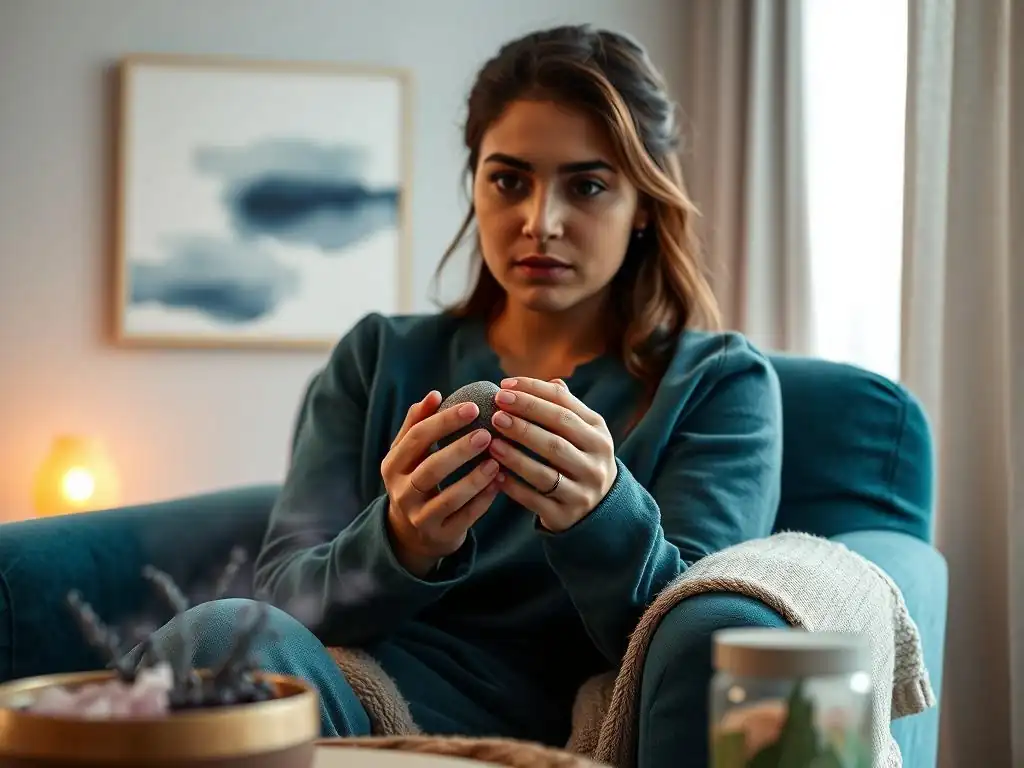
Welcome to Mind Care Guide, your trusted companion on the journey to mental well-being. Feeling overwhelmed by anxiety or panic? You're not alone. This space is dedicated to providing you with practical tools and compassionate support. In this article, we delve into how sensory techniques can manage anxiety panic in the moment, offering immediate relief when you need it most. Curious to discover how engaging your senses can help you regain control? Let's explore together...
Sensory Techniques for Immediate Crisis Relief: A Mind Care Guide
- Understanding Crisis and the Role of Sensory Input
- Immediate Anxiety and Panic Relief: Sensory Techniques to Try
- Creating Your Sensory Toolkit for Anxiety and Panic Management
- Beyond Immediate Relief: Long-Term Strategies for Anxiety Management
-
Frequently Asked Questions
- What are sensory techniques and how can they help with anxiety and panic?
- How quickly can sensory techniques provide relief during a panic attack?
- What are some examples of simple sensory techniques I can use at home?
- Are sensory techniques a replacement for professional mental health treatment?
- Where can I find more information and support for managing anxiety and panic?
- Final Reflection: Finding Calm in the Storm: The Power of Sensory Grounding
- Unleash Your Inner Calm: Take Control Now
Understanding Crisis and the Role of Sensory Input
Defining a Mental Health Crisis and Its Impact
A mental health crisis is a significant deterioration in a person's mental state or emotional regulation, often leading to severe distress, impaired functioning, or a risk to their safety or the safety of others. These crises can manifest in various ways, including intense panic attacks, severe anxiety overwhelming daily life, acute depressive episodes, or suicidal thoughts. For individuals experiencing such a crisis, the world can feel chaotic and overwhelming, making simple tasks feel insurmountable and immediate relief paramount.
The impact extends beyond the individual, affecting relationships, work, and overall quality of life. Approximately one in five adults in the United States experiences a mental illness in any given year, and a significant portion of these individuals will face a crisis point requiring immediate intervention.
Symptoms of a mental health crisis can include rapid heart rate, difficulty breathing, intense fear or dread, racing thoughts, detachment from reality, or an inability to cope with everyday situations. During these moments, the rational part of the brain can feel hijacked by the emotional response, particularly the amygdala, the brain's "fear center." Traditional coping mechanisms may become inaccessible, leaving individuals feeling helpless.
It is during these intense periods that immediate, accessible techniques are vital to help regain a sense of control and safety. Understanding the signs and impacts of a crisis is the first step towards effective intervention and support.
The Science Behind Sensory Input and Emotional Regulation
The human brain is constantly processing information from our senses: sight, sound, smell, taste, and touch. This sensory input travels through neural pathways, influencing our thoughts, feelings, and behaviors. During periods of high stress or crisis, the brain's alarm system, centered in the amygdala, becomes hyperactive. This triggers the "fight, flight, or freeze" response, flooding the body with stress hormones like cortisol and adrenaline. Rational processing in the prefrontal cortex can be significantly reduced, making it difficult to think clearly or use complex coping strategies.
Sensory techniques work by providing a direct, immediate pathway to interrupt this stress response. By focusing attention on specific, grounding sensory input, you can bypass the overwhelmed emotional centers and engage different parts of the brain. For example, tactile input like holding an ice cube or focusing on the texture of fabric can activate the somatosensory cortex, diverting attention away from the racing thoughts and fear signals originating in the amygdala.
This shift helps to regulate the nervous system, lowering heart rate and breathing, and bringing the individual back into the present moment, away from the overwhelming internal experience of crisis. Research indicates that sensory processing plays a crucial role in self-regulation, particularly for individuals with conditions like anxiety disorders or PTSD, where sensory input can either trigger distress or provide comfort and grounding.
Why Sensory Techniques Work for Anxiety and Panic
Sensory techniques manage anxiety panic effectively because they provide a tangible, immediate way to interrupt the escalating cycle of fear and physiological arousal. Panic attacks and severe anxiety often involve a feeling of losing control, rapid physical symptoms, and catastrophic thinking. By engaging one or more of the five senses, an individual can ground themselves in the present moment, shifting focus from internal distress to external reality.
This is often referred to as "grounding." For example, the 5-4-3-2-1 technique, a popular sensory grounding exercise, asks you to identify five things you can see, four things you can touch, three things you can hear, two things you can smell, and one thing you can taste.
This deliberate redirection of attention helps to slow down the racing thoughts characteristic of anxiety and panic. It provides a specific task for the brain to focus on, reducing the mental space for fearful rumination. Furthermore, certain sensory inputs can have a direct calming effect on the nervous system.
The vagus nerve, which plays a key role in regulating heart rate and stress response, can be influenced by sensory input like deep pressure (touch), certain sounds, and even specific tastes. By activating the parasympathetic nervous system, these techniques can help to lower the physiological symptoms of anxiety and panic, such as rapid heartbeat and shortness of breath, thereby helping sensory techniques manage anxiety panic episodes more effectively in the moment.
Immediate Anxiety and Panic Relief: Sensory Techniques to Try

Grounding Techniques Through Touch: Tactile Sensory Input
Tactile grounding involves focusing on the physical sensations of touch to anchor yourself in the present moment. This can be incredibly effective during moments of intense anxiety or panic because it provides a direct connection to your physical body and the external world. When your mind is racing or you feel detached, the simple act of feeling something real can be a powerful interrupt.
Common methods involve manipulating or feeling objects with distinct textures, temperatures, or pressures. For instance, holding something cold, like an ice pack wrapped in a cloth, can provide an intense physical sensation that immediately demands your attention, pulling you out of your internal crisis.
Another common tactile technique involves focusing on the feeling of your clothing against your skin, the chair beneath you, or your feet on the floor. You might notice the texture of your jeans, the warmth of your sweater, the solid support of the chair, or the specific sensation of your heel connecting with the ground.
This deliberate focus on physical sensations helps to activate the somatosensory cortex, diverting resources away from the areas of the brain responsible for fear and worry. Studies and clinical observations consistently show that engaging the tactile sense is a fundamental component of many effective grounding strategies used in therapy for anxiety and trauma.
Using Textures for Anxiety Reduction: Smooth stones, soft fabrics, textured balls
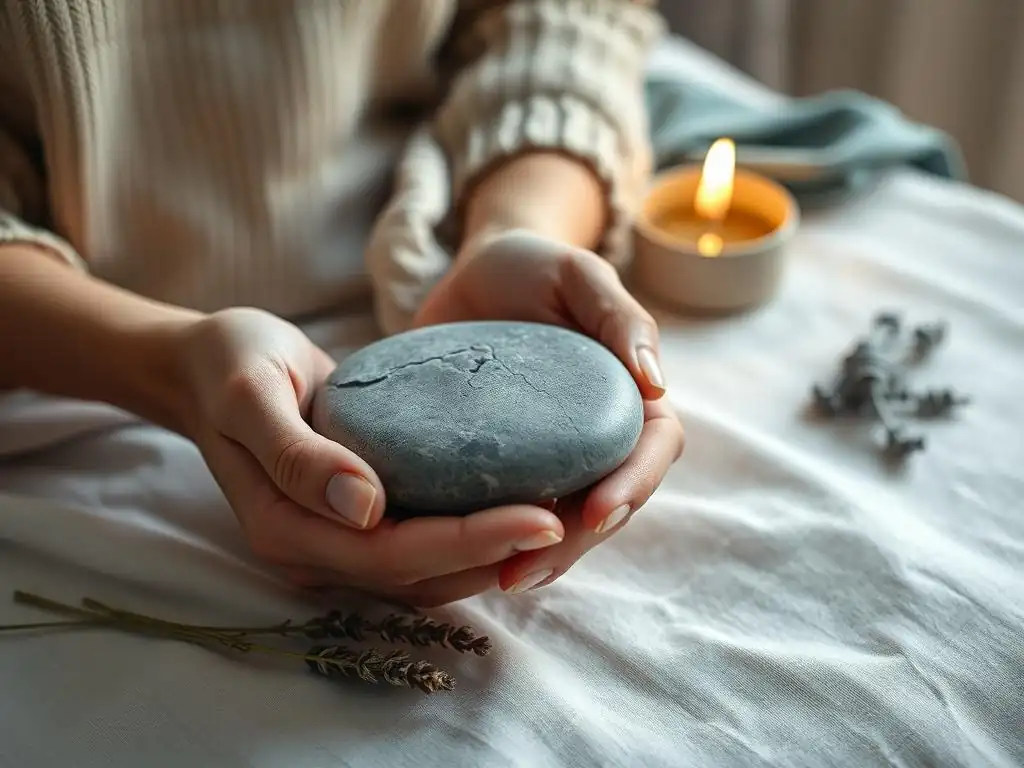
Engaging with different textures can be a simple yet powerful way to manage anxiety and panic. Carrying small objects with varied textures allows for easy access to grounding whenever needed. For example, holding a smooth, cool stone can provide a comforting weight and a distinct tactile sensation to focus on.
The lack of texture can be calming for some, requiring a deliberate focus on the coolness and solidity. Similarly, running your fingers over a piece of soft, plush fabric, like velvet or fleece, can evoke feelings of comfort and security. The gentle, yielding texture can be soothing and provide a pleasant distraction from distressing thoughts.
Textured balls, such as stress balls with nubs or sensory balls designed for therapeutic use, offer another avenue for tactile grounding. Squeezing and feeling the varying textures provides a focal point for physical energy and attention. The act of squeezing can also release physical tension often held during anxiety. Many people find that the combination of pressure and texture helps to anchor them firmly in the present. Incorporating these simple, portable items into your daily life can make sensory techniques manage anxiety panic more accessible and effective on the go, providing immediate relief when a crisis begins to build.
The Power of Weighted Blankets and Deep Pressure
Weighted blankets and other forms of deep pressure stimulation (DPS) have gained significant recognition for their calming effects on the nervous system. These blankets, typically filled with plastic pellets or glass beads, provide evenly distributed weight across the body, ranging from a few pounds to over twenty. The sensation is similar to a firm hug or being swaddled, which can trigger the release of neurotransmitters like serotonin and dopamine, often referred to as "feel-good" chemicals. This release can promote relaxation, reduce cortisol levels (the stress hormone), and help regulate the autonomic nervous system.
Deep pressure stimulation works by activating the parasympathetic nervous system, which is responsible for the body's "rest and digest" state, counteracting the "fight or flight" response of the sympathetic nervous system. For individuals experiencing anxiety or panic, the grounding sensation of a weighted blanket can provide a profound sense of safety and security.
Research, including studies on conditions like autism spectrum disorder and anxiety, suggests that DPS can decrease physiological signs of stress, such as heart rate and blood pressure. While a weighted blanket might not be practical during an acute panic attack in a public place, the principles of deep pressure can be applied through self-hugging, firmly pressing your feet into the ground, or squeezing your hands together, offering immediate tactile relief when needed most.
Calming Scents: Aromatherapy for Panic Attacks
The sense of smell is directly linked to the limbic system, the part of the brain responsible for emotions, memory, and motivation. This direct connection means that certain scents can trigger rapid emotional responses and memories, both positive and negative. When used intentionally, calming scents can provide a powerful and immediate tool for managing anxiety and panic attacks.
Aromatherapy utilizes the aromatic compounds from plants, often in the form of essential oils, to promote psychological and physical well-being. In the context of a crisis, inhaling a soothing aroma can help to interrupt the cycle of escalating fear and bring a sense of calm.
Carrying a small bottle of essential oil, a personal inhaler, or even a sachet with a comforting scent can provide quick access to this grounding technique. When you feel anxiety or panic beginning, simply taking a moment to inhale the scent deeply can shift your focus and engage a different part of your brain.
The familiarity of a chosen calming scent can also create a positive conditioned response, where the scent itself becomes associated with feelings of safety and relaxation over time. This makes aromatherapy a highly portable and discreet sensory technique manage anxiety panic effectively, whether you're at home, at work, or in public.
Essential Oils for Anxiety: Lavender (calming), Chamomile (relaxing), Frankincense (grounding)
Certain essential oils are particularly well-regarded for their anxiolytic (anxiety-reducing) properties and are commonly used in aromatherapy for stress and panic relief. Lavender oil is perhaps the most widely studied and used essential oil for anxiety. Research has shown that inhaling lavender can reduce heart rate and blood pressure, and some studies suggest it can be as effective as low-dose benzodiazepines for generalized anxiety disorder symptoms, though it should never replace prescribed medication. Its calming aroma is thought to interact with neurotransmitters that regulate mood.
Chamomile is another popular choice, often consumed as tea for its relaxing effects, but its essential oil is also used in aromatherapy. Chamomile oil contains compounds like apigenin, which can bind to certain receptors in the brain that help reduce anxiety and promote sleep. Frankincense oil, with its rich, earthy aroma, is often used for grounding and promoting feelings of peace.
It is thought to help slow down breathing and create a sense of spiritual connection for some. When using essential oils, it's crucial to use high-quality products, dilute them properly if applying to the skin, and consult with a healthcare professional, especially if pregnant, nursing, or managing other health conditions. Using these specific scents provides a targeted approach to help sensory techniques manage anxiety panic symptoms through olfaction.
Creating a Safe and Soothing Scent Environment
Beyond direct inhalation during a crisis, creating a consistently safe and soothing scent environment in your home or personal space can contribute to overall anxiety management and make sensory techniques manage anxiety panic more effective when needed. This involves incorporating calming aromas into your daily life in a less intense way. Using a diffuser with essential oils in your living room or bedroom can create a relaxing atmosphere that promotes a sense of peace and reduces baseline stress levels. The gentle diffusion allows the scent to permeate the space subtly.
Another way to build a soothing scent environment is through scented candles (choose natural waxes and essential oil-based scents if possible), room sprays, or even incorporating fragrant plants like lavender or chamomile into your home. The key is to associate specific scents with relaxation and safety.
Over time, your brain will link these aromas with feelings of calm, making them powerful anchors during moments of distress. Having a signature "calm scent" that you use specifically when you are relaxed can be incredibly effective; when you encounter that scent during a panic attack, it can trigger the conditioned relaxation response, helping to interrupt the crisis and provide immediate relief.
Visual Anchors: Using Sight for Immediate Calm
During a panic attack or intense anxiety, the visual world can become distorted, overwhelming, or feel unreal. Focusing your sight on something specific and grounding can help to re-orient you to reality and interrupt the cascade of fearful thoughts and physical sensations. Visual grounding techniques involve deliberately observing details in your environment to bring your attention back to the present moment.
This can be as simple as noticing the colors in a room, the patterns on a rug, or the way light falls on an object. The act of focused observation engages the prefrontal cortex, which can help to calm the overactive amygdala.
One common visual grounding exercise, often part of the 5-4-3-2-1 technique, is to identify five things you can see around you. You don't just identify them; you observe them in detail – their shape, color, texture, how they are positioned. This deliberate act of looking and describing engages your cognitive functions in a way that competes with the anxiety.
Keeping a small, visually appealing object with you, like a smooth stone with interesting patterns or a colorful trinket, can serve as a personal visual anchor to focus on when needed. These simple visual sensory techniques manage anxiety panic by redirecting your attention outward.
Focusing on a Single Object: Mindful Observation
A particularly effective visual grounding technique is to focus intensely on a single object in your immediate environment. This requires mindful observation – not just seeing the object, but truly noticing its details. For example, if you choose to focus on a pen, you might observe its color, the material it's made from, any writing or logos on it, its shape, how light reflects off it, and any imperfections. You spend several moments simply observing this one object, letting its details fill your visual field and your awareness.
This exercise works because it requires concentration and engages the analytical parts of the brain, providing a distraction from the internal chaos of anxiety or panic. It pulls your attention away from the abstract fears and overwhelming feelings and grounds it in the concrete reality of the object before you. Practicing this skill when you are calm can make it easier to employ during a crisis.
Choosing an object that is neutral or pleasant to look at can enhance its calming effect. The goal is not to analyze the object's purpose, but simply to observe its visual characteristics, allowing the sensory input to anchor you.
Color Therapy for Stress Reduction: Blue (calming), Green (balancing), Pink (soothing)
Colors have long been associated with different psychological and emotional effects, a concept explored in color therapy. While not a standalone treatment for severe crisis, incorporating specific colors into your environment or focusing on them during a crisis can act as a visual aid for calming. Certain colors are widely perceived as having soothing properties due to cultural associations and potentially physiological responses. For instance, blue is often associated with calmness, tranquility, and serenity, like a clear sky or still water. Focusing on something blue or visualizing a calming blue scene can help lower feelings of agitation.
Green is linked to nature, growth, and balance. It is often perceived as a restful color for the eyes and can promote feelings of harmony and stability. Spending time in nature or focusing on green objects can contribute to a sense of peace.
Pink, particularly soft or pastel shades, is often considered a soothing and nurturing color, sometimes used to reduce aggression and promote empathy. While individual responses to color can vary, being mindful of the colors around you and intentionally focusing on calming hues can serve as a passive or active visual sensory technique manage anxiety panic by influencing mood and promoting relaxation through sight.
Auditory Soothing: Sounds to Manage Anxiety
The sounds we hear can profoundly impact our emotional state. Sudden, loud noises can trigger the startle response and exacerbate anxiety, while soft, rhythmic, or familiar sounds can be incredibly calming and grounding. During a panic attack, the internal experience can be very loud with racing thoughts and physical symptoms; external auditory input can help to redirect attention and provide a sense of normalcy or peace. Auditory grounding involves focusing on specific sounds in your environment or listening to sounds intentionally chosen for their calming properties.
This can range from simply noticing the sounds around you – the hum of a refrigerator, distant traffic, birds singing – to actively listening to music or nature sounds. The key is to use sound as an anchor to the present moment, pulling your awareness away from the internal noise of the crisis. Having access to headphones and a pre-selected playlist of calming sounds can be a highly effective and discreet way to employ auditory sensory techniques manage anxiety panic, especially in public or noisy environments where external sounds might be triggering.
White Noise and Nature Sounds for Relaxation
White noise, which contains all audible frequencies played at equal intensity, can create a consistent sound environment that masks sudden or jarring noises that might trigger anxiety. It doesn't necessarily provide a distinct sound to focus on, but rather creates a "sound curtain" that can be very soothing and help the mind settle by reducing unpredictable auditory stimuli. Many people find white noise helpful for sleep, but it can also be used during the day to create a more predictable and less jarring auditory landscape, which can be beneficial for individuals with sensory sensitivities or high anxiety.
Nature sounds, such as the gentle lapping of waves, the rustling of leaves, rainfall, or birdsong, are often found to be profoundly relaxing. These sounds are generally perceived as non-threatening and are associated with peaceful environments. Listening to recordings of nature sounds can help to lower heart rate and blood pressure, mimicking the calming effects of being in nature itself.
Apps and streaming services offer extensive libraries of these sounds, making them readily accessible. For someone experiencing panic, focusing on the rhythmic sound of waves or the consistent patter of rain can provide a powerful auditory anchor, helping to quiet the internal storm.
Creating a Personalized Calming Playlist
Building a personalized playlist of music or sounds that you find uniquely calming is a proactive step in preparing for potential anxiety or panic attacks. The music that one person finds soothing might be different for another; it could be classical music, instrumental pieces, ambient sounds, or even specific songs with positive associations. The key is that the music should help you feel relaxed, safe, and grounded. Avoid music with jarring changes, intense vocals (unless they are specifically comforting to you), or negative associations.
Your calming playlist should be easily accessible on your phone or music player. When you feel anxiety rising or a panic attack starting, putting on your headphones and listening to this pre-selected music can immediately shift your auditory focus. The familiar, soothing sounds can help lower physiological arousal, slow down breathing, and redirect your attention away from fearful thoughts.
Over time, listening to this playlist during moments of calm can strengthen its association with relaxation, making it an even more powerful tool during a crisis. This personalized approach ensures that the auditory sensory techniques manage anxiety panic are tailored specifically to your needs and preferences.
The Power of Taste: Sensory Input Through Flavors
Engaging the sense of taste can be a surprisingly effective way to ground yourself during moments of intense anxiety or panic. Like other senses, taste provides a direct, physical sensation that can pull your attention away from distressing thoughts and feelings and anchor you in the present moment. The act of deliberately tasting something requires focused attention and can interrupt the cycle of fear. This technique is particularly useful when you need a discreet way to ground yourself, as it can be done subtly.
Choosing items with strong, distinct, or comforting flavors can enhance the grounding effect. This isn't about eating a meal, but rather focusing on the experience of taste. Keeping small, non-perishable items on hand for this purpose can be helpful. When you feel overwhelmed, take a small bite or sip and focus intensely on the flavor, texture, and temperature in your mouth. This mindful engagement with taste provides a powerful sensory anchor, helping to bring you back to reality and away from the internal experience of crisis.
Mindful Eating as a Grounding Technique
Mindful eating, even just a small bite or sip, is a specific application of engaging the sense of taste for grounding. It involves paying full attention to the sensory experience of eating or drinking. When using this technique during anxiety or panic, you would take a small piece of food or a sip of a drink and focus entirely on the taste, texture, smell, and even the sound it makes as you chew or swallow. Notice the initial flavor, how it changes, the feeling of the food in your mouth, and the sensation as you swallow.
This deliberate, slow attention to the act of eating or drinking serves as a powerful anchor. It requires you to be fully present with the physical sensation, leaving less mental capacity for anxious thoughts. It's not about consuming food for comfort (though comforting tastes can be used), but about using the process of tasting and eating as a grounding exercise.
This technique can be particularly effective because it engages multiple senses simultaneously – taste, smell, touch (texture), and even sound (chewing/swallowing). Practicing mindful eating during calm times can make it a more accessible and effective sensory technique manage anxiety panic when a crisis arises.
Comforting and Familiar Tastes for Anxiety Relief: Herbal tea, dark chocolate, crunchy vegetables
Choosing specific tastes that you find comforting or have strong, distinct flavors can enhance the effectiveness of taste-based grounding. Familiar tastes can evoke positive memories or associations, adding an extra layer of comfort during distress. Herbal teas, particularly calming varieties like chamomile or peppermint, offer a warm, soothing temperature and a distinct flavor to focus on. Holding the warm mug also adds a tactile grounding element. The act of slowly sipping and focusing on the warmth and flavor can be very calming.
Dark chocolate, in a small amount, can also be effective. Its intense, slightly bitter flavor is very distinct, demanding attention. The way it melts in your mouth provides a unique texture to focus on. Some studies also suggest that dark chocolate may have mood-boosting properties, though the primary benefit here is the sensory focus.
Crunchy vegetables, like carrots or celery, provide a different kind of sensory input. The crisp texture and the sound of chewing are very grounding. The relatively neutral but distinct flavor also provides a point of focus. Keeping small portions of these items accessible can provide quick and effective taste-based sensory techniques manage anxiety panic symptoms by engaging your senses in a deliberate and focused way.
Creating Your Sensory Toolkit for Anxiety and Panic Management
Identifying Your Personal Sensory Preferences
Not all sensory techniques work equally well for everyone. What one person finds calming, another might find irritating or even triggering. Therefore, a crucial step in using sensory techniques manage anxiety panic effectively is identifying your personal sensory preferences. This involves some self-exploration and experimentation. Think about what sensory experiences you naturally gravitate towards when you feel stressed or need to relax. Do you find comfort in soft blankets? Are you soothed by particular smells? Does certain music help you unwind?
Consider each of the five senses and make a list of things that typically make you feel calm, safe, or grounded. This might include specific textures (e.g., smooth, soft, rough), scents (e.g., lavender, citrus, rain), sounds (e.g., ocean waves, instrumental music, silence), sights (e.g., nature scenes, calming colors, specific objects), and tastes (e.g., peppermint, warm drinks, crunchy snacks). Pay attention to how different sensory inputs affect you.
Some people might be hypersensitive to certain stimuli, while others might be hyposensitive and require stronger input to feel grounded. Understanding your unique sensory profile is the foundation for building an effective personal toolkit.
Building a Portable Sensory Kit for On-the-Go Relief
Once you've identified your preferred sensory techniques manage anxiety panic, assemble a portable kit that you can carry with you. This ensures you have access to immediate relief no matter where you are when a crisis occurs. A small bag or box can hold a collection of items that engage your chosen senses. The contents should be small, discreet, and easy to use quickly.
Here are some ideas for items to include, based on the sensory techniques discussed:
- [ ] Touch: A smooth stone, a small piece of soft fabric, a textured stress ball, a sachet of rice to squeeze, a small hand sanitizer (focus on the cool, wet feel).
- [ ] Smell: A small rollerball of essential oil (like lavender or chamomile), a personal aromatherapy inhaler, a cotton ball with a drop of your favorite calming scent, a strongly scented lip balm.
- [ ] Sight: A small, visually appealing object to focus on (e.g., a colorful charm, a patterned pebble), a calming picture or photo to look at (kept on your phone or a small print), a small mirror to focus on your reflection (for grounding).
- [ ] Sound: Earbuds/headphones and your calming playlist on your phone, small earplugs (to reduce overwhelming noise).
- [ ] Taste: A few pieces of strong mints, a small piece of dark chocolate, a small bag of crunchy nuts or dried fruit, a calming herbal tea bag (if you'll have access to hot water).
Keep this kit easily accessible in your bag, backpack, or car. Regularly check and replenish the items as needed. Having this physical toolkit ready can provide a sense of preparedness and empowerment, knowing that you have tangible tools to help sensory techniques manage anxiety panic when they strike.
Integrating Sensory Techniques into Your Daily Routine
While sensory techniques are invaluable for immediate crisis relief, integrating them into your daily routine can also help manage baseline anxiety levels and strengthen their effectiveness during a crisis. Regular practice makes these techniques more automatic and accessible when you need them most. This doesn't require dedicating large blocks of time; small, consistent practices can make a significant difference.
Consider incorporating sensory grounding into daily moments:
- Mindfully enjoy your morning coffee or tea, focusing on the warmth, aroma, and taste.
- Pay attention to the feeling of water while washing your hands or showering.
- Take a few moments to notice the colors and textures in your environment during a work break.
- Listen attentively to a favorite calming song during your commute.
- Use a calming scent before bed to signal relaxation.
- Spend a few minutes mindfully feeling the texture of an object in your pocket throughout the day.
By making sensory awareness a regular part of your life, you train your brain to engage with the present moment through your senses. This practice builds resilience and makes it easier to use sensory techniques manage anxiety panic effectively when you are feeling overwhelmed. It shifts these strategies from being just emergency tools to being integral components of your overall mental wellness plan.
Beyond Immediate Relief: Long-Term Strategies for Anxiety Management
Combining Sensory Techniques with Therapy and Medication
While sensory techniques manage anxiety panic and provide crucial immediate relief during a crisis, they are often most effective when used as part of a broader, long-term mental wellness strategy. For many individuals dealing with chronic anxiety or panic disorder, combining sensory tools with professional support like therapy and potentially medication offers the most comprehensive approach. Therapy, such as Cognitive Behavioral Therapy (CBT) or Dialectical Behavior Therapy (DBT), can help individuals understand the root causes of their anxiety, identify triggers, and develop more complex coping mechanisms and thought patterns.
Medication, such as SSRIs (Selective Serotonin Reuptake Inhibitors) for chronic anxiety or benzodiazepines for acute panic (used cautiously and typically short-term), can help regulate the brain chemistry underlying severe anxiety and panic disorders. When used in conjunction with therapy and medication, sensory techniques serve as practical, accessible tools to manage acute distress in the moment, allowing individuals to engage more effectively in therapy sessions and benefit from medication.
Think of sensory techniques as the essential first aid kit, while therapy and medication address the underlying condition and build long-term coping skills. A holistic approach acknowledging the biological, psychological, and behavioral aspects of anxiety is generally recommended by mental health professionals.
Developing a Personalized Mental Wellness Plan
Creating a personalized mental wellness plan is key to long-term anxiety management. This plan should outline your triggers, coping strategies, daily routines, and resources for support. Sensory techniques manage anxiety panic are valuable components of this plan, listed alongside other coping skills like deep breathing exercises, mindfulness meditation, physical activity, and social connection.
Your plan might include specific instructions for what to do when you feel anxiety rising, incorporating your preferred sensory tools. For example, it might state: "If feeling overwhelmed in public: Find a quiet corner, put on headphones with calming playlist, hold smooth stone in pocket and focus on its texture, take slow sips of water focusing on taste."
The plan should also include strategies for maintaining well-being outside of crisis moments, such as regular sleep hygiene, balanced nutrition, and stress-reducing activities. It should also outline steps to take if your anxiety worsens or if you experience suicidal thoughts, including contact information for your therapist, doctor, trusted friends or family, and crisis hotlines (e.g., the 988 Suicide & Crisis Lifeline in the U.S.).
Regularly reviewing and updating your plan ensures it remains relevant to your needs. A well-developed plan empowers you to take proactive steps for your mental health, utilizing sensory techniques and other tools as part of a comprehensive strategy.
Seeking Professional Help for Persistent Anxiety and Panic
While sensory techniques manage anxiety panic effectively in the moment and are valuable coping tools, they are not a substitute for professional mental health care, especially if anxiety or panic is persistent, severe, or significantly impacts your daily life. If you are experiencing frequent panic attacks, debilitating anxiety, or finding it difficult to function, seeking help from a qualified mental health professional is essential. This could be a therapist, counselor, psychologist, or psychiatrist.
Mental health professionals can provide a proper diagnosis, help you understand the underlying causes of your anxiety, and develop an evidence-based treatment plan tailored to your specific needs. This plan might include therapy modalities proven effective for anxiety disorders, such as CBT or Exposure and Response Prevention (ERP), and may involve medication if appropriate. They can also help you refine your use of sensory techniques and integrate them into your overall coping strategy.
Reaching out for professional support is a sign of strength and a critical step towards long-term recovery and well-being. You don't have to manage severe anxiety or panic alone; effective treatments are available.
Frequently Asked Questions
What are sensory techniques and how can they help with anxiety and panic?
Sensory techniques involve using your senses (sight, sound, smell, taste, touch) to ground yourself in the present moment. This helps to interrupt the cycle of anxiety and panic by shifting your focus away from distressing thoughts and sensations, providing immediate relief.
How quickly can sensory techniques provide relief during a panic attack?
Sensory techniques are designed to offer immediate relief, often within minutes. The effectiveness can vary from person to person, but many find that they can calm down significantly using these strategies quickly.
What are some examples of simple sensory techniques I can use at home?
Examples include focusing on a specific object and describing it in detail (visual grounding), listening to calming music (auditory grounding), holding a piece of ice (tactile grounding), or smelling essential oils like lavender (olfactory grounding).
Are sensory techniques a replacement for professional mental health treatment?
No, sensory techniques are not a replacement for professional help. They are a complementary tool that can be used alongside therapy and/or medication to manage anxiety and panic. Seek professional guidance for underlying causes.
Where can I find more information and support for managing anxiety and panic?
The Mind Care Guide website offers a comprehensive guide to mental well-being, including information, support, and resources for various mental health challenges. Additionally, consult with a mental health professional for personalized guidance and treatment.
Final Reflection: Finding Calm in the Storm: The Power of Sensory Grounding
The overwhelming prevalence of anxiety and panic in our modern world demands accessible and effective coping mechanisms. The techniques explored in this article – focusing on the power of sensory grounding – offer a readily available pathway to immediate relief, a lifeline in moments of intense distress. This isn't simply about managing symptoms; it's about reclaiming control and fostering resilience in the face of overwhelming emotions.
The impact of these simple yet profound techniques extends far beyond the individual. They offer a tangible way to navigate the escalating mental health challenges of our time, providing a sense of agency and empowerment that can be particularly crucial during periods of uncertainty and stress. The ability to self-soothe, to find a moment of calm amidst the chaos, is a skill that ripples outwards, influencing relationships, productivity, and overall well-being. The mind is everything. What you think you become.
– Buddha. This quote highlights the transformative power of focusing our attention, even in the midst of a crisis, to shift our internal state.
Now, consider the power you hold within yourself. You have the capacity to learn and utilize these sensory techniques, to build your own personal toolkit for managing anxiety and panic. Practice these methods regularly, not just in moments of crisis, but as a preventative measure. Explore which techniques resonate most deeply with you, and integrate them into your daily routine. By cultivating this awareness and self-compassion, you are investing in your mental health and building a stronger, more resilient you. This is not a passive process; it is an active journey towards a calmer, more fulfilling life.
Unleash Your Inner Calm: Take Control Now
Thanks for taking the time to explore sensory techniques for immediate crisis relief! We hope you gained valuable tools to navigate challenging moments. Now, it's time to put your newfound knowledge into practice.
- Prioritize one sensory grounding technique from the article that resonates most with you, and commit to practicing it daily for the next week. Notice how it shifts your state.
- Share your experience with a friend or family member. Talking about these techniques can make them even more effective.
- Consider exploring a related resource – try searching for guided meditation tracks that incorporate sensory elements.
Ready to experience the transformative power of sensory grounding? What small step will you take today to build your resilience?