
TM and the Vedic Tradition: The Source of the Mantra

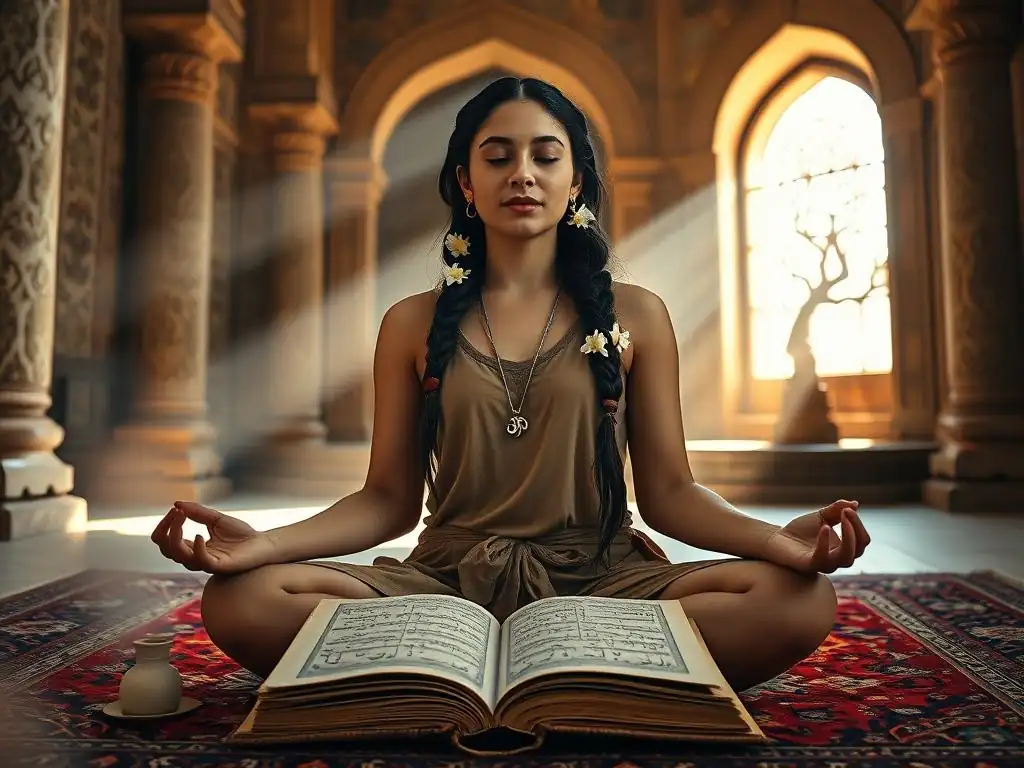
Welcome to Mind Care Guide, a space dedicated to nurturing your mental well-being.
Are you seeking a deeper understanding of how ancient practices can unlock inner peace? Perhaps you've heard whispers of transformative power, but feel uncertain about where to begin? In this article, we'll delve into Vedic mantra meditation benefits, uncovering its origins and exploring how this timeless technique can positively impact your life. Discover the source of mantra and begin your journey towards a calmer, more centered you.
Transcendental Meditation and the Vedic Tradition: The Source of the Mantra
- Understanding Transcendental Meditation and Its Vedic Roots
- The Vedic Tradition: A Foundation for Mantra Meditation
- Unveiling the Source of TM Mantras
- Vedic Mantra Meditation Benefits: A Deeper Dive
- The Science Behind Vedic Mantras and Their Effects on the Brain
- Integrating Transcendental Meditation with Vedic Wisdom for Enhanced Well-being
- Beyond the Mantra: The Broader Context of Vedic Meditation Techniques
-
Frequently Asked Questions
- What is the connection between Transcendental Meditation (TM) and the Vedic tradition?
- What are the Vedic mantra meditation benefits that TM specifically aims to provide?
- How does TM differ from other forms of meditation related to the Vedic tradition?
- Does TM require any specific religious beliefs or adherence to Vedic rituals to experience its benefits?
- How do I learn Vedic mantra meditation benefits and begin practicing TM?
- Final Reflection: The Enduring Power of Vedic Mantra Meditation
- Unlock the Power of Mantra: Your Vedic Journey Begins Now
Understanding Transcendental Meditation and Its Vedic Roots
Transcendental Meditation (TM) is a specific form of mantra meditation that has gained global recognition for its profound effects on stress reduction and overall well-being. Unlike some other meditation techniques that emphasize focused concentration or mindful observation, TM involves effortlessly allowing the mind to settle inward to a state of deep rest and expanded awareness. This unique approach is rooted in ancient traditions, specifically the vast body of knowledge known as the Vedic tradition. Understanding this connection is crucial to appreciating the depth and efficacy of the TM practice.
The practice of TM involves using a specific, individualized sound or mantra, which is introduced by a certified teacher. The technique is taught in a standardized seven-step course to ensure its purity and effectiveness as passed down through generations. While the practice itself is simple and easy to learn, its underlying principles and the source of its power are deeply intertwined with the historical and philosophical framework of the Vedic tradition, offering a rich context for its modern application in improving mental health and quality of life.
The Connection Between TM and Ancient Vedic Knowledge
Transcendental Meditation is presented as a reawakening of an ancient meditative technique originating from the Vedic tradition of India. This tradition encompasses a wide range of philosophical texts, rituals, and practices developed over thousands of years. The connection is not merely historical; the fundamental principles underlying TM, such as the nature of consciousness, the power of sound, and the path to inner peace, are central themes within Vedic philosophy.
The lineage of TM is traced back through Shankaracharya, a pivotal figure in the revival of Vedic knowledge in the 8th century CE, and further back through legendary figures like Veda Vyasa. Maharishi Mahesh Yogi, the founder of the modern TM movement, presented TM as the "Science of Creative Intelligence," drawing explicit parallels between the mechanics of the TM technique and the principles described in ancient Vedic texts like the Upanishads and the Bhagavad Gita.
He articulated how the process of transcending, or settling beyond active thought, aligns with the Vedic understanding of accessing a universal field of consciousness, often referred to as Brahman.
The Role of Mantras in Transcendental Meditation Practice
In Transcendental Meditation, the mantra serves a specific, technical purpose: to facilitate the process of transcending. It is not a word with meaning to be contemplated, nor is it used for focusing the mind or for religious invocation. Instead, it is a sound vibration selected for its specific quality to allow the thinking process to become quieter and finer until the mind settles into a state of deep, silent awareness.
The TM mantra acts as a vehicle for the mind to move from the active, surface level of thought to deeper levels of consciousness. As the mind effortlessly follows the subtle vibration of the mantra, it naturally transcends the boundaries of thought, leading to the experience of the "transcendental field" – a state described as unbounded awareness, or the "fourth state of consciousness" beyond waking, dreaming, and sleeping. This unique use distinguishes TM mantras from those used in devotional chanting or concentration practices found in other traditions.
The Vedic Tradition: A Foundation for Mantra Meditation
The Vedic tradition is one of the world's oldest continuous spiritual and philosophical traditions, originating in ancient India. Its bedrock is the Vedas, a collection of hymns, prayers, rituals, and philosophical treatises compiled over centuries, perhaps beginning as early as 1500 BCE. This vast body of knowledge forms the basis for much of Indian philosophy, religion, and spiritual practice, including various forms of meditation.
Understanding the Vedic tradition provides essential context for appreciating the depth and potential of practices like Transcendental Meditation. It offers a worldview that emphasizes the interconnectedness of all things, the cyclical nature of existence, and the inherent potential for human consciousness to expand and realize its true nature. Many of the core concepts within the Vedic tradition are directly relevant to the theory and practice of Vedic mantra meditation benefits.
Origins of the Four Vedas and Their Significance
The Vedic tradition is founded upon four principal texts known collectively as the Vedas: the Rigveda, the Samaveda, the Yajurveda, and the Atharvaveda. These texts were orally transmitted for generations before being written down, preserving ancient wisdom, cosmology, and practices. The Rigveda, the oldest, primarily contains hymns praising deities and exploring fundamental questions about existence. The Samaveda compiles hymns from the Rigveda set to musical modes, intended for chanting. The Yajurveda provides prose mantras and formulas for rituals. The Atharvaveda contains spells, charms, and speculative hymns related to daily life, healing, and philosophical concepts.
The significance of the Vedas extends beyond religious ritual; they are considered repositories of knowledge about the fundamental laws governing the universe and human consciousness. Within these texts are early explorations of concepts like Brahman (the ultimate reality), Atman (the self or soul), karma (action and consequence), and dharma (righteous conduct or duty). These foundational ideas provide the philosophical scaffolding for understanding the purpose and mechanisms of many Vedic practices, including those aimed at self-realization and accessing deeper states of consciousness through sound and meditation.
Key Principles of the Vedic Tradition Relevant to Meditation: Dharma, Karma, and Moksha
Several core principles from the Vedic tradition are particularly relevant to the practice and understanding of meditation, including the attainment of Vedic mantra meditation benefits. Dharma refers to one's duty, righteous conduct, or the underlying order of the cosmos. Engaging in one's dharma is seen as essential for individual and societal harmony. In the context of meditation, dharma can relate to the practice itself as a means of fulfilling one's potential and aligning with universal order.
Karma, the principle of cause and effect, states that every action creates a consequence, shaping one's present and future experiences. Meditation, particularly within the Vedic framework, is viewed as a means to purify the effects of negative karma and create positive karma by fostering clarity, peace, and wise action.
Moksha, or liberation, is the ultimate goal in many Vedic-based philosophies – the release from the cycle of birth, death, and rebirth (samsara) and the realization of one's true, eternal nature, often described as union with Brahman. Meditation is considered a primary path to achieving this state of liberation, allowing the practitioner to transcend the limitations of the ego and experience unbounded consciousness.
How Vedic Sounds (Shabda) Influence Consciousness
The Vedic tradition places immense importance on sound, known as Shabda. It is not merely seen as a physical phenomenon but as a fundamental creative force and a carrier of consciousness. The ancient seers (rishis) were said to have cognized the Vedas through deep meditative states, perceiving the fundamental vibrations of reality which were then expressed as Vedic hymns and mantras.
The belief is that specific sounds or combinations of sounds have particular vibrations that can resonate with different aspects of consciousness and the universe. Chanting Vedic mantras is not just reciting words; it's invoking specific energetic patterns that can purify the environment, align internal energies, and elevate consciousness.
In the context of Vedic mantra meditation benefits, the specific sounds used in mantras are believed to have a subtle but powerful effect on the nervous system and mind, helping to quiet mental chatter and facilitate the experience of deeper states of awareness. The resonance of these ancient sounds is thought to connect the individual consciousness with the universal field of consciousness described in the Vedas.
Unveiling the Source of TM Mantras
One of the distinctive aspects of Transcendental Meditation is the use of specific, apparently meaningless mantras assigned individually to practitioners by a certified teacher. The origin and selection process of these mantras are rooted in the Vedic tradition, though the specific details are part of the proprietary teaching method of TM. These aren't arbitrary sounds but are drawn from a traditional system believed to correlate specific sound vibrations with different streams of consciousness or aspects of the universal field.
The process emphasizes that the sound itself is the key, acting as a subtle vehicle for the mind to transcend. The individual assignment, based on factors like age and sometimes the time of initiation, is intended to ensure the mantra resonates effectively with the individual's nervous system, facilitating the effortless settling of the mind. This individualized approach is considered crucial for achieving the deep rest and transcendental experience characteristic of TM.
Examining the Selection Process of TM Mantras Based on Sound and Individual Suitability
The Transcendental Meditation organization states that the mantras used are derived from the ancient Vedic tradition. They are described as specific sound vibrations, or bija (seed) mantras, traditionally used in certain forms of Vedic meditation. The selection process for each individual is not random but follows a specific formula or system based on traditional criteria. While the exact algorithm is not public knowledge, it is understood to take into account factors related to the individual's age at the time of initiation.
The underlying principle is that certain sounds resonate more harmoniously with certain individual constitutions or stages of life, based on Vedic understanding of subtle energies and vibrations. The goal is to provide a mantra that effortlessly facilitates the mind's journey inward, allowing it to settle to its least excited state.
This contrasts with mantras used for concentration or chanting, where the focus might be on the meaning or rhythmic repetition. In TM, the sound's quality as a vehicle for transcending is paramount, and the individual suitability ensures this process is as natural and easy as possible, maximizing the potential for Vedic mantra meditation benefits.
The Significance of Individualized Mantras in TM
The practice of assigning an individualized mantra is a cornerstone of the Transcendental Meditation technique. This is not simply a matter of personal preference or a symbolic gesture. According to the tradition from which TM originates, the specific sound vibrates at a frequency that is optimally suited to the individual's nervous system, helping the mind to effortlessly transcend. Using a generic mantra, or one chosen arbitrarily, is believed to be less effective or potentially even counterproductive to the specific process taught in TM.
This individual suitability is said to enhance the automatic nature of the practice, allowing the mind to settle down without effort or control. The mantra is described as a "vehicle" that the mind naturally follows to subtler levels of thought until it reaches the state of pure consciousness. The individualized mantra ensures this journey is smooth and efficient, facilitating a deeper and more consistent experience of transcendence, which is the source of the profound rest and revitalization gained from the practice.
Debunking Myths About TM Mantra Selection: Not Random Assignment
There are sometimes misconceptions about how TM mantras are assigned. It is important to clarify that the mantras are not randomly chosen, nor are they based on personality traits, astrological signs, or any subjective assessment of the individual's character or needs. They are also not chosen from a vast, ever-changing pool of sounds.
Instead, the mantras come from a specific, limited set of sounds traditionally used for this particular type of effortless meditation practice within the Vedic tradition. The assignment follows a fixed, systematic procedure based primarily on the individual's age, ensuring that the chosen sound is traditionally deemed appropriate for facilitating the transcending process for someone at that stage of life. This systematic approach, rooted in ancient knowledge, is intended to maintain the integrity and effectiveness of the technique as it has been passed down.
Vedic Mantra Meditation Benefits: A Deeper Dive
The practice of Transcendental Meditation, with its roots in the Vedic tradition and its use of specific mantras, has been the subject of extensive scientific research over the past 50 years. This research has explored a wide range of effects, from physiological changes like reduced blood pressure to psychological benefits such as decreased anxiety and improved mental clarity, and even reported experiences of expanded consciousness and inner peace. These findings collectively point to significant Vedic mantra meditation benefits.
Studies have been conducted at hundreds of independent research institutions worldwide, including prestigious universities and medical centers. The body of evidence suggests that regular TM practice leads to a unique state of restful alertness, distinct from ordinary relaxation, sleep, or other forms of meditation. This state is associated with integrated brain functioning and deep physiological rest, which underlies the wide spectrum of positive outcomes reported by practitioners.
Physiological Benefits of Vedic Mantra Meditation: Reduced Blood Pressure and Heart Rate
One of the most well-documented physiological benefits of Vedic mantra meditation, specifically TM, is its impact on cardiovascular health. Numerous studies, including research funded by the U.S. National Institutes of Health (NIH), have demonstrated that regular practice can lead to significant reductions in blood pressure. For instance, research published in the American Journal of Hypertension showed that African American adults with high blood pressure who practiced TM twice daily experienced an average reduction in systolic blood pressure by about 4.9 mmHg and diastolic pressure by about 2.4 mmHg over a period.
Beyond blood pressure, studies consistently show that TM practice induces a state of deep physiological rest, often deeper than sleep. This is evidenced by decreased metabolic rate, reduced oxygen consumption, and slower heart rate. Research has shown average heart rate reductions of 5-7 beats per minute during TM compared to normal resting states. This deep rest allows the body to release accumulated stress and tension, contributing to overall physical health and resilience. The effortless nature of the Vedic mantra meditation technique is believed to be key to achieving this uniquely profound state of rest.
Psychological Benefits of Vedic Mantra Meditation: Reducing Stress and Anxiety
The primary reason many people turn to Transcendental Meditation is to manage stress and anxiety, and research strongly supports its effectiveness in this area. Studies have shown substantial reductions in stress hormones like cortisol and improvements in psychological well-being markers. A meta-analysis of 14 studies found that TM practice produced significantly greater reductions in anxiety compared to other meditation and relaxation techniques. The effect size indicated a clinically significant reduction in anxiety levels.
Regular practice helps calm the nervous system, reducing the 'fight or flight' response and promoting the 'rest and digest' state. Practitioners often report feeling less overwhelmed, more resilient to daily challenges, and experiencing a greater sense of calm and perspective. This reduction in chronic stress is a significant Vedic mantra meditation benefit, impacting not just mental health but also physical health, as chronic stress is linked to numerous ailments. The effortless nature of the technique allows even highly stressed individuals to gain rapid relief.
Spiritual Benefits of Vedic Mantra Meditation: Cultivating Inner Peace and Self-Realization
While often presented in secular terms, TM, rooted in the Vedic tradition, also offers profound spiritual benefits for those inclined towards that perspective. The experience of transcending thought and contacting the field of pure consciousness is described in Vedic texts as accessing one's innermost Self (Atman) and experiencing unity with the universal reality (Brahman). Regular access to this state cultivates a deep sense of inner peace, contentment, and fulfillment that is independent of external circumstances.
Practitioners frequently report increased self-awareness, a greater sense of connection to others, and a deeper understanding of life's purpose. The settling of the mind allows for intuition to surface and provides a clearer perspective on one's values and goals. While the term "self-realization" can be interpreted in various ways, within the Vedic context, it refers to the direct, subjective experience of the transcendental reality.
TM is considered a direct path to this experience, allowing the individual consciousness to repeatedly dip into and eventually stabilize in this state of unbounded awareness, leading to profound personal growth and a natural inclination towards living in accordance with higher principles (dharma). These spiritual dimensions are considered a significant Vedic mantra meditation benefit by many long-term practitioners.
The Science Behind Vedic Mantras and Their Effects on the Brain
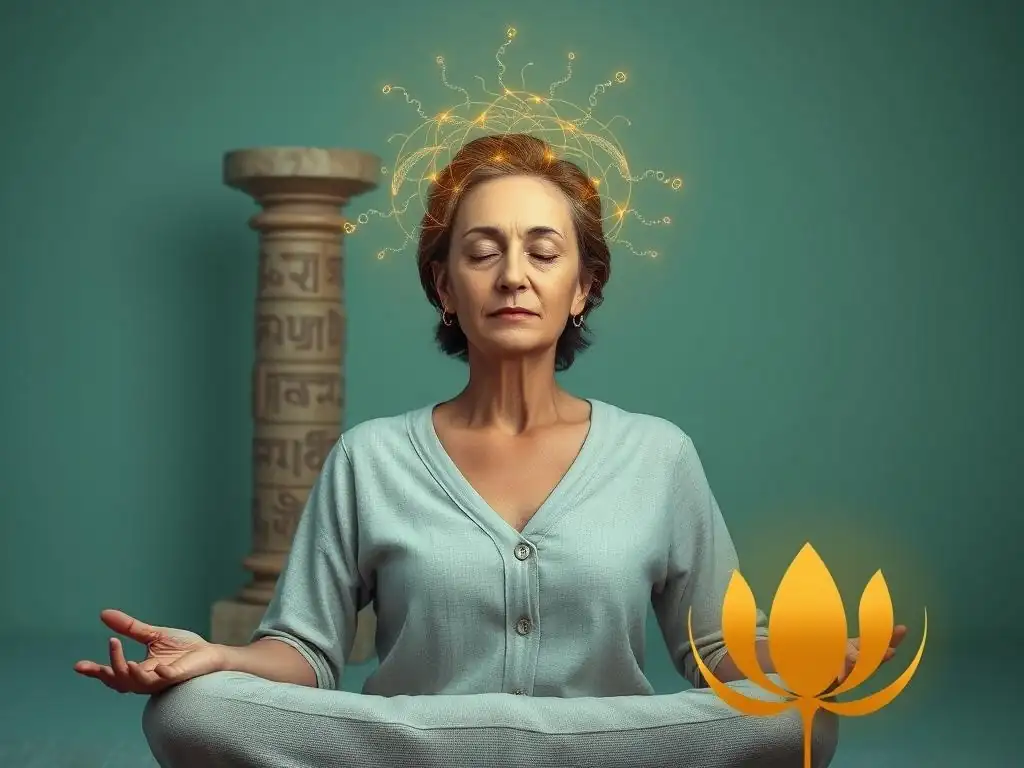
Modern neuroscience is beginning to shed light on how meditation practices, including those rooted in the Vedic tradition like Transcendental Meditation, impact the brain. Research using techniques such as electroencephalography (EEG) and functional magnetic resonance imaging (fMRI) is providing objective evidence for the subjective experiences reported by practitioners. These studies explore brainwave patterns, structural and functional changes in brain regions, and the brain's response to stress and other stimuli.
Understanding the neurological correlates of Vedic mantra meditation benefits helps bridge the gap between ancient wisdom and modern scientific understanding. While the full extent of the brain's response to these practices is still being explored, current findings offer compelling insights into how specific techniques, particularly the use of Vedic mantras in the effortless approach of TM, can foster significant positive changes in neural activity and brain structure.
Neurological Research on Mantra Meditation and Brainwave Activity: Alpha and Theta Waves
Neurological studies on Transcendental Meditation have consistently shown specific changes in brainwave patterns during the practice. One characteristic finding is an increase in alpha wave activity, particularly in the frontal regions of the brain. Alpha waves are associated with a state of relaxed alertness, wakefulness, and a calm mind, often observed when the eyes are closed and the mind is resting.
Furthermore, research indicates periods of increased theta wave activity, especially in the frontal lobes, during TM. Theta waves are typically associated with deep relaxation, drowsiness, and states of consciousness just before sleep or during deep meditation.
The pattern observed during TM is often described as a unique state combining alpha and theta activity, signifying deep rest alongside heightened alertness – sometimes referred to as "restful alertness." This integrated brain state, characterized by increased coherence between different brain regions, is considered a key neurological correlate of the profound rest and expanded awareness gained from the practice, contributing directly to Vedic mantra meditation benefits.
How Vedic Mantras Can Promote Neuroplasticity
Neuroplasticity refers to the brain's remarkable ability to reorganize itself by forming new neural connections throughout life. Research suggests that meditation practices, including those using mantras, can positively influence neuroplasticity, leading to beneficial structural and functional changes in the brain. Studies comparing meditators to non-meditators, or examining brain changes over time with regular practice, have shown effects in areas associated with self-awareness, compassion, and stress regulation.
While specific studies on TM's direct impact on grey matter volume or connectivity in particular brain regions have been conducted, the overall body of meditation research indicates that regular practice can lead to increased grey matter density in areas like the hippocampus (involved in learning and memory) and decreased grey matter in the amygdala (involved in fear and stress processing).
The repetitive, yet effortless, use of a Vedic mantra in TM is thought to help quiet the default mode network (DMN), the brain network active during mind-wandering and self-referential thought, allowing for greater focus and reducing rumination, thereby potentially promoting beneficial neuroplastic changes associated with reduced stress and improved emotional regulation.
Exploring the Resonance of Vedic Sounds within the Body's Energy System (Prana)
Within the Vedic tradition, the concept of Prana refers to the vital life force or energy that permeates the universe and the body. It is understood as the subtle energy that sustains life and consciousness. While not directly measurable by current scientific instruments, the Vedic perspective posits that specific sounds, particularly those used in mantras, can resonate with and influence the flow of Prana within the body's subtle energy channels (nadis) and centers (chakras).
From this traditional viewpoint, the vibrational quality of Vedic sounds is not just auditory but energetic. The repetition of a specific mantra during meditation is believed to help purify and balance the flow of Prana, removing blockages and harmonizing the individual's energy system.
This harmonization is thought to contribute to physical health, mental clarity, and the unfolding of higher states of consciousness. While modern science explores neurological pathways, the Vedic tradition offers a complementary perspective rooted in the understanding of subtle energy dynamics, suggesting that the power of Vedic mantra meditation benefits may also lie in their capacity to work with the fundamental life force.
Integrating Transcendental Meditation with Vedic Wisdom for Enhanced Well-being
While Transcendental Meditation is taught as a simple, mechanical technique requiring no belief or lifestyle change, its effectiveness is undeniably linked to its origins in the profound wisdom of the Vedic tradition. For practitioners interested in deepening their understanding and enhancing the benefits of their TM practice, exploring the broader context of Vedic knowledge can be immensely rewarding. This integration can provide a richer framework for understanding the subjective experiences gained during meditation and how to live a life that naturally supports inner growth and well-being.
Connecting the personal practice of TM with the universal principles described in Vedic texts can illuminate the path towards greater self-awareness, purpose, and fulfillment. It moves beyond seeing TM merely as a stress-reduction tool to recognizing it as a powerful technique for unfolding one's full potential, aligning with the ultimate aims described in the ancient tradition.
Practical Tips for Deepening Your TM Practice Through Vedic Understanding: Study of Vedic Literature
For TM practitioners interested in exploring the roots of their practice, engaging with Vedic literature can provide invaluable insights. Reading translations of key texts such as selections from the Upanishads, the Bhagavad Gita, or commentaries by figures like Shankaracharya or Maharishi Mahesh Yogi can offer a deeper philosophical context for the experience of transcending and the nature of consciousness.
This study is not about adopting a specific religion but about understanding the worldview from which the TM technique emerged. It can help contextualize the Vedic mantra meditation benefits experienced, providing a framework for understanding the growth of consciousness, the nature of reality, and the purpose of life as described in this ancient tradition. Engaging with these texts can enrich one's appreciation for the depth of the practice and inspire a more conscious integration of its principles into daily life.
The Importance of Proper Guidance in Vedic Mantra Meditation
The Vedic tradition places great emphasis on the role of a qualified teacher (Guru) for guidance on the spiritual path, particularly concerning meditation and knowledge of the self. While the TM technique itself is standardized and taught by certified teachers, the broader exploration of Vedic wisdom and its application to life is complex. Attempting to navigate the vastness of Vedic philosophy or adopt meditation practices without proper guidance can lead to confusion or misinterpretation.
For Transcendental Meditation specifically, receiving instruction only from certified TM teachers is stressed to ensure the technique is learned correctly and effectively, preserving its purity as passed down. For those exploring deeper Vedic concepts or other related practices like yoga or pranayama, seeking guidance from experienced teachers within those specific lineages is crucial. Proper guidance ensures safety, accuracy, and a clear path towards achieving the desired Vedic mantra meditation benefits and spiritual growth.
Integrating Vedic Principles of Detachment and Non-Attachment into Daily Life
Two significant principles in Vedic philosophy relevant to well-being are Vairagya (detachment) and Aparigraha (non-attachment or non-possessiveness). Detachment, in this context, does not mean indifference or apathy, but rather the ability to act in the world without being overly consumed by the outcomes or becoming emotionally entangled in transient experiences. Non-attachment relates to cultivating freedom from excessive desire and possessiveness towards material things, relationships, or even one's own thoughts and emotions.
Integrating these principles into daily life, supported by the clarity and inner peace cultivated through TM, can significantly enhance well-being. Practicing detachment helps reduce suffering caused by clinging to expectations or fearing loss. Cultivating non-attachment fosters contentment and freedom. The settled state of mind achieved during Vedic mantra meditation provides a stable inner ground from which to observe thoughts and experiences without immediate reaction, making it easier to practice these principles naturally in daily interactions and challenges. This integration is a key aspect of living the full Vedic mantra meditation benefits beyond the meditation cushion.
Beyond the Mantra: The Broader Context of Vedic Meditation Techniques
While Transcendental Meditation is a prominent example of a meditation technique rooted in the Vedic tradition, it is by no means the only one. The Vedic heritage encompasses a diverse array of practices aimed at purifying the mind, cultivating inner peace, and realizing higher states of consciousness. Understanding this broader context helps position TM within a rich tapestry of ancient wisdom and techniques.
Exploring other Vedic meditation practices and related disciplines like Yoga and Pranayama reveals different approaches to working with the mind, body, and energy. Recognizing the role of qualified teachers in these traditions and understanding how Vedic meditation compares to other forms, such as mindfulness, provides a more complete picture of the landscape of meditative practices available for enhancing well-being, all while appreciating the specific Vedic mantra meditation benefits offered by TM.
Exploring Other Vedic Meditation Practices: Yoga and Pranayama
Yoga, in its original Vedic context, is far more than just physical postures (asanas). It is a comprehensive system encompassing ethical principles (Yamas and Niyamas), physical disciplines, breathing techniques (Pranayama), sense withdrawal (Pratyahara), concentration (Dharana), meditation (Dhyana), and ultimately, absorption (Samadhi). Many forms of meditation practiced today, including various mantra-based techniques, can trace their lineage back to the Yoga Sutras of Patanjali, which synthesizes earlier Vedic thought.
Pranayama, specifically, involves conscious control of the breath, which is considered intimately linked to the control of Prana and the mind. Techniques like alternate nostril breathing (Nadi Shodhana) or victorious breath (Ujjayi) are designed to purify the energy channels and calm the nervous system, preparing the mind for deeper states of meditation. While TM does not involve specific breath control, these other Vedic practices highlight the tradition's understanding of the interconnectedness of breath, energy, and mind in the pursuit of higher consciousness and well-being.
The Role of a Qualified Teacher (Guru) in Vedic Meditation Traditions
In traditional Vedic and Yogic systems, the role of a Guru or qualified teacher is considered indispensable. Knowledge, particularly spiritual knowledge and the correct practice of subtle techniques like meditation, is traditionally transmitted personally from teacher to student within a lineage. The Guru provides not just instruction but also guidance, inspiration, and corrections necessary for the student's progress.
This emphasis on lineage and qualified teaching is reflected in the structure of Transcendental Meditation instruction, where the technique is only taught by certified teachers who have undergone rigorous training. This ensures the purity and effectiveness of the technique are maintained. In broader Vedic traditions, a Guru helps the student navigate the complexities of philosophy, practice, and personal challenges on the path to self-realization, ensuring the techniques, including those aimed at achieving Vedic mantra meditation benefits, are practiced safely and effectively.
Comparison with Mindfulness Meditation
While both Transcendental Meditation and mindfulness meditation are widely practiced and offer significant benefits, they differ in their approach and theoretical underpinnings. Mindfulness meditation, often rooted in Buddhist traditions, typically involves focusing attention on the present moment, observing thoughts, feelings, and sensations without judgment. The emphasis is on cultivating awareness and acceptance of one's current experience.
Transcendental Meditation, in contrast, is an effortless technique that uses a mantra to allow the mind to transcend active thought and settle into a state of restful alertness. The focus is not on observing or controlling the mind but on allowing it to naturally move towards subtler levels of awareness.
While mindfulness cultivates focused attention and open monitoring, TM aims for the experience of unbounded consciousness beyond the thinking process. Both practices yield positive outcomes like stress reduction and improved well-being, but they achieve these effects through different mechanisms rooted in distinct philosophical traditions, highlighting the unique approach and specific Vedic mantra meditation benefits offered by TM.
Frequently Asked Questions
What is the connection between Transcendental Meditation (TM) and the Vedic tradition?
TM's mantra-based practice has roots deeply embedded in the ancient Vedic tradition of India. It's a system passed down through a lineage of Vedic masters, emphasizing the direct experience of consciousness.
What are the Vedic mantra meditation benefits that TM specifically aims to provide?
TM aims to provide a range of Vedic mantra meditation benefits, including reduced stress, improved focus, and a deeper sense of inner peace through regular practice.
While many meditation techniques have Vedic origins, TM emphasizes the use of a specific mantra chosen for the individual, and a unique instruction method that promotes effortless transcendence.
Does TM require any specific religious beliefs or adherence to Vedic rituals to experience its benefits?
No, TM doesn't require any specific religious beliefs or Vedic rituals. It's presented as a technique for personal development and can be practiced regardless of one's faith or background.
How do I learn Vedic mantra meditation benefits and begin practicing TM?
To learn TM and fully experience its Vedic mantra meditation benefits, you need to receive personalized instruction from a certified TM teacher. They will provide you with a suitable mantra and guidance.
Final Reflection: The Enduring Power of Vedic Mantra Meditation
The ancient practice of Vedic mantra meditation, far from being a relic of the past, offers a potent antidote to the anxieties and stresses of modern life. Its enduring relevance lies in its ability to cultivate inner peace and a deeper connection with oneself and the universe, benefits increasingly sought in our fast-paced world. The techniques explored in this article, from the origins of the mantras to their practical application, provide a roadmap for navigating the complexities of the present.
The exploration of Vedic mantra meditation has profoundly impacted my understanding of mindfulness and its potential for personal transformation. It's not simply a technique to reduce stress; it's a journey of self-discovery, a path towards unlocking inner wisdom. As the ancient sage Patanjali stated, Yoga citta vritti nirodhah,
meaning "Yoga is the cessation of the fluctuations of the mind." This resonates deeply with the experience of practicing mantra meditation, where the repetitive sound helps quiet the mental chatter and allows for a state of profound stillness.
Now, consider your own life. What space do you carve out for inner peace amidst the demands of daily life? This article has presented a powerful tool – Vedic mantra meditation – that can help you cultivate that space. I encourage you to explore the techniques discussed, to experiment with different mantras, and to discover the transformative power of this ancient practice for yourself. Embrace the journey, and allow the vibrations of the mantra to guide you towards a more centered, peaceful, and fulfilling existence.
Unlock the Power of Mantra: Your Vedic Journey Begins Now
Thanks for exploring the fascinating connection between TM and the Vedic tradition! You've gained valuable insights into the ancient origins of mantra and its profound impact on inner peace. Ready to take the next step?
- Begin your own mantra practice: Even a few minutes daily can make a remarkable difference. Explore different mantras and find one that resonates with you. (Consider experimenting with simple, nature-based sounds to start.)
- Share your experience: Discuss your journey with friends or family, or join an online community dedicated to Vedic practices. (You might be surprised at how many people share your interest!)
- Deepen your understanding: Research further into the rich history and philosophy of Vedic meditation. (Explore different texts and perspectives to find your own unique connection.)
What personal mantra will you choose to cultivate inner harmony and discover your true potential?