
Teaching Coping Skills: Equipping Youth to Handle Stress and Despair

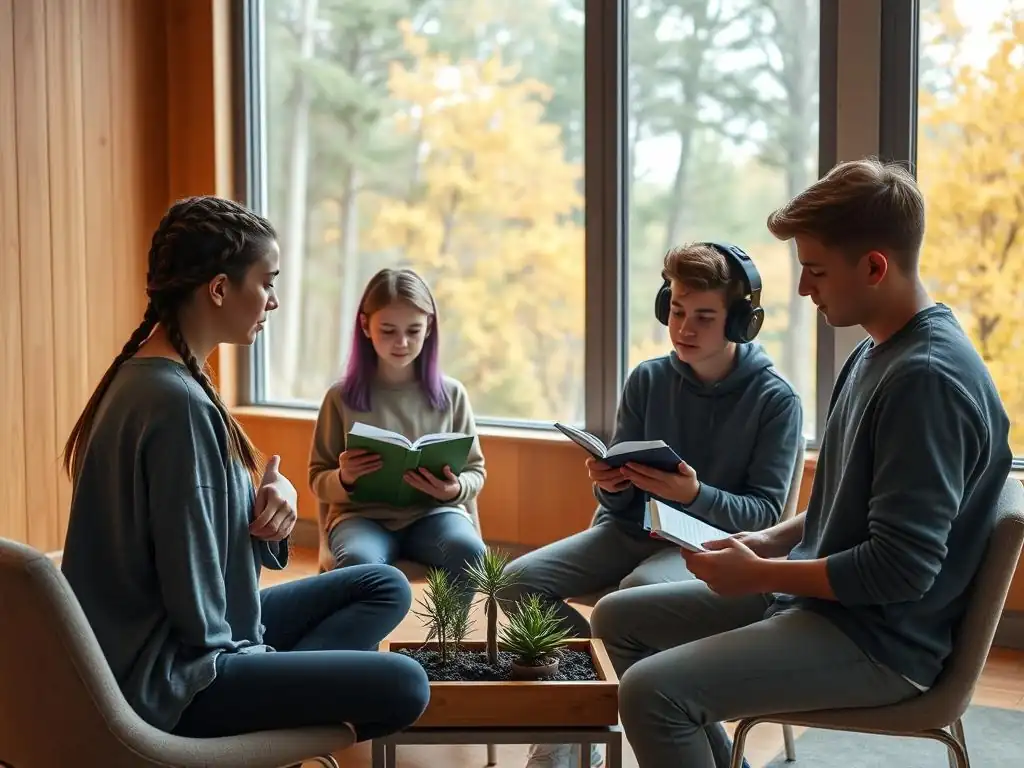
Welcome to Mind Care Guide, a space dedicated to nurturing your mental well-being.
Feeling overwhelmed? You're not alone. Many young people today face immense pressure, leading to stress and, sometimes, despair. This guide offers a path forward. Let's explore vital coping skills for young stress and discover practical strategies to navigate these challenging times. Are you ready to build resilience and reclaim your peace of mind?
- Teaching Coping Skills: Equipping Youth to Handle Stress and Despair | Mind Care Guide
- What are Coping Skills? Defining and Categorizing Effective Strategies
-
Teaching Coping Skills: Practical Strategies and Techniques for Youth
- Creating a Safe and Supportive Environment for Learning Coping Skills
- Modeling Healthy Coping Mechanisms as a Role Model
- Active Listening and Empathy: Essential Communication Skills for Educators and Parents
- Mindfulness and Meditation Techniques for Anxiety Reduction in Youth
- Cognitive Restructuring: Challenging Negative Thoughts and Beliefs
- Problem-Solving Skills: A Step-by-Step Approach to Managing Stressors
- Relaxation Techniques: Deep Breathing, Progressive Muscle Relaxation, and Visualization
- The Importance of Physical Activity and Healthy Lifestyle Choices in Coping with Stress
- Creative Outlets: Art, Music, and Writing as Coping Mechanisms
- Promoting Resilience and Long-Term Mental Well-being Through Coping Skills
- Resources and Support for Teaching Coping Skills to Youth
- Addressing Common Challenges in Teaching Coping Skills
- Conclusion: Empowering Youth with Coping Skills for a Brighter Future
-
Frequently Asked Questions
- How can I, as a parent, identify if my child needs help developing coping skills?
- What are some simple coping skills I can teach a young person to help them manage stress in the moment?
- How can I make learning coping skills fun and engaging for young people?
- What resources are available if I'm struggling to teach my child coping skills effectively?
- Why is it important to teach coping skills for young stress at an early age?
- Final Reflection: Cultivating Resilience in a Stressed Generation
- Unlock Your Child's Resilience: Start Building Coping Skills Today!
Teaching Coping Skills: Equipping Youth to Handle Stress and Despair | Mind Care Guide
The Prevalence of Anxiety and Depression Among Young People
The mental health landscape for young people has shifted significantly in recent decades, with studies consistently indicating a concerning rise in the rates of anxiety and depression. For instance, research from organizations like the CDC and various academic institutions suggests that approximately one in five adolescents aged 13-18 will experience a severe mental health disorder at some point in their lives. This isn't just about occasional worries; it refers to conditions that significantly impact daily functioning, academic performance, and social interactions.
Data further highlights this trend, with surveys showing that symptoms of anxiety and depression have become more common among middle and high school students. Some reports suggest that between 30% and 40% of teenagers experience persistent feelings of sadness or hopelessness, which are key indicators of depression. This pervasive presence of mental health challenges underscores the urgent need to equip young individuals with effective coping skills for young stress and despair.
Identifying Triggers and Early Warning Signs of Anxiety in Adolescents
Recognizing the early signs of anxiety in adolescents is crucial for timely intervention. Triggers can vary widely, ranging from academic pressures like exams and homework deadlines to social challenges such as peer rejection or navigating complex social dynamics. Family conflicts, significant life changes like moving or parental divorce, and even exposure to news or social media can also act as powerful stressors leading to anxiety.
Warning signs may manifest differently in each young person, but common indicators include excessive worry about future events, difficulty concentrating, irritability, changes in sleep patterns (either too much or too little), and physical symptoms like headaches or stomachaches without a medical cause. Some adolescents may withdraw from activities they once enjoyed, avoid social situations, or exhibit increased perfectionism or self-doubt. Learning to identify these subtle or overt signals is the first step in helping youth develop coping skills to manage their anxiety.
The Connection Between Unmanaged Anxiety and Self-Harm Risk in Youth
When anxiety and despair in young people go unaddressed and they lack healthy ways to cope, the risk of engaging in self-harm behaviors significantly increases. Unmanaged emotional distress can become overwhelming, leading some youth to seek ways to alleviate intense psychological pain through physical means. Self-harm is often not a suicide attempt, but rather a coping mechanism—albeit a dangerous and maladaptive one—to deal with unbearable feelings or situations.
Research indicates a strong correlation between anxiety disorders, depression, and self-harm in adolescent populations. For example, studies have shown that young people with untreated anxiety are at a substantially higher risk of self-harm compared to their peers. Without effective coping skills for young stress, the cycle of distress can escalate, making it harder for them to see alternatives and increasing their vulnerability. Providing healthy coping strategies is a vital component of prevention efforts.
What are Coping Skills? Defining and Categorizing Effective Strategies
Defining Coping Skills: Adaptive vs. Maladaptive Approaches
Coping skills are the strategies, thoughts, and behaviors that individuals use to manage stressful or difficult situations. They are essentially tools for navigating emotional challenges and maintaining psychological balance. These skills can be broadly categorized into two main types: adaptive and maladaptive. Adaptive coping mechanisms are healthy, constructive ways of dealing with stress that promote well-being and problem-solving. Examples include talking to a trusted friend, exercising, or practicing mindfulness.
In contrast, maladaptive coping strategies are unhelpful or harmful ways of responding to stress that may provide temporary relief but ultimately cause more problems or avoid addressing the root issue. Examples include substance abuse, excessive gaming or social media use, emotional eating, withdrawal from social contact, or engaging in self-harm. Teaching youth effective coping skills for young stress focuses on building a repertoire of adaptive strategies while helping them identify and replace maladaptive ones.
Emotion-Focused vs. Problem-Focused Coping Strategies: Which is Right?
Coping strategies can also be categorized based on their focus: emotion-focused or problem-focused. Emotion-focused coping aims to manage the feelings associated with a stressful situation, without necessarily changing the situation itself. This might involve techniques like journaling about feelings, deep breathing exercises to calm down, or seeking emotional support from others. It is particularly useful when the stressor is outside of one's control, such as grieving a loss or dealing with a difficult diagnosis.
Problem-focused coping, on the other hand, aims to change or eliminate the source of stress. This involves identifying the problem, brainstorming solutions, and taking action to resolve it. Examples include creating a study schedule for an upcoming exam, confronting a bully (safely and with support), or breaking down a large task into smaller, manageable steps. Both types of coping are valuable, and the "right" approach often depends on the nature of the stressor and the individual's capacity to change it. A balanced approach, utilizing both emotion-focused and problem-focused coping skills for young stress, is often most effective.
Examples of Healthy and Effective Coping Skills for Young People
Developing a diverse toolkit of healthy coping skills is key for young people navigating the challenges of adolescence. These skills should be accessible, safe, and tailored to individual preferences.
Some examples of effective coping strategies include:
- Mindfulness and Meditation: Focusing on the present moment without judgment.
- Deep Breathing Exercises: Calming the nervous system through controlled breathing.
- Progressive Muscle Relaxation: Releasing tension in the body.
- Physical Activity: Exercise releases endorphins and reduces stress hormones.
- Creative Expression: Art, music, writing, or dance as outlets for emotions.
- Talking to Someone Trusted: Sharing feelings with a parent, friend, counselor, or mentor.
- Journaling: Writing down thoughts and feelings to process them.
- Problem-Solving Steps: Breaking down issues and finding solutions.
- Setting Healthy Boundaries: Learning to say no and protect personal space/time.
- Engaging in Hobbies: Doing enjoyable activities that provide distraction and pleasure.
- Spending Time in Nature: Connecting with the outdoors to reduce stress.
- Positive Self-Talk: Challenging negative thoughts with affirming statements.
Teaching a variety of these coping skills for young stress allows them to choose strategies that work best for them in different situations.
Teaching Coping Skills: Practical Strategies and Techniques for Youth

Creating a Safe and Supportive Environment for Learning Coping Skills
Teaching coping skills effectively requires establishing an environment where young people feel safe, understood, and accepted. This means creating spaces, whether at home, in school, or within community programs, where they feel comfortable discussing their struggles and exploring new strategies without fear of judgment or ridicule. Trust is paramount; youth are more likely to engage with learning about coping skills for young stress when they feel genuinely cared for and supported by the adults in their lives.
This supportive environment also involves validating their feelings and experiences. Phrases like "It makes sense that you feel overwhelmed right now" or "That sounds really tough" can open the door for conversation and learning. It's not about fixing their problems for them, but about empowering them with tools. Consistency and patience are also key; learning and applying new coping skills takes time and practice, and setbacks are a normal part of the process.
Modeling Healthy Coping Mechanisms as a Role Model
One of the most powerful ways to teach coping skills is by demonstrating them yourself. Young people learn by observing the adults around them. When parents, teachers, or mentors openly and healthily navigate their own stress, they provide a real-world example of effective coping skills for young stress. This doesn't mean pretending everything is perfect, but rather showing how you identify stress, choose a coping strategy, and implement it.
For example, a parent might say, "I'm feeling stressed about this deadline, so I'm going to take a 15-minute walk to clear my head," or a teacher might mention, "I'm going to use some deep breathing before this meeting because I'm feeling a bit anxious." These simple acts normalize the experience of stress and model constructive responses. Discussing how different strategies work for you and acknowledging that not every strategy works every time makes the learning process more relatable and less intimidating for youth.
Active Listening and Empathy: Essential Communication Skills for Educators and Parents
Effective communication is fundamental to helping youth develop coping skills. Active listening involves fully concentrating on, understanding, responding to, and remembering what is being said. For a young person struggling with stress or despair, feeling truly heard can be incredibly validating and can lower their emotional defenses, making them more receptive to learning coping strategies. This means putting away distractions, making eye contact, and providing verbal and non-verbal cues that show you are engaged.
Empathy is the ability to understand and share the feelings of another person. Approaching a young person's stress with empathy means trying to see the situation from their perspective, acknowledging their feelings without minimizing them, and communicating that you understand their distress, even if you haven't experienced the exact same thing.
Phrases like "I can see how upsetting this must be" or "It sounds like you're going through a really difficult time" convey empathy. This empathetic connection builds trust and encourages youth to open up about their struggles, making it easier to identify which coping skills for young stress might be most helpful for them.
Mindfulness and Meditation Techniques for Anxiety Reduction in Youth
Mindfulness and meditation are increasingly recognized as powerful tools for managing anxiety and promoting emotional regulation in young people. Mindfulness involves paying attention to the present moment—thoughts, feelings, bodily sensations, and the surrounding environment—without judgment. Simple practices like focusing on the breath for a few minutes or mindfully eating a snack can help ground anxious youth and interrupt cycles of worry.
Guided meditations, often available through apps or online resources designed specifically for teens, can teach youth how to observe their thoughts without getting swept away by them. Research indicates that regular mindfulness practice can lead to reductions in reported anxiety and stress levels among adolescents. Introducing these techniques as accessible coping skills for young stress provides youth with a portable tool they can use anytime, anywhere, to find a sense of calm.
Cognitive Restructuring: Challenging Negative Thoughts and Beliefs
Cognitive restructuring is a technique derived from Cognitive Behavioral Therapy (CBT) that helps individuals identify and challenge negative or unhelpful thought patterns that contribute to anxiety and despair. Young people often fall into thinking traps, such as catastrophizing (assuming the worst possible outcome), black-and-white thinking (seeing everything as all good or all bad), or overgeneralization (assuming one negative event means everything will be negative).
Teaching youth to recognize these distorted thoughts and question their validity is a crucial coping skill. This involves asking questions like "What is the evidence for this thought?" or "Is there another way to look at this situation?" or "What would I tell a friend who had this thought?" By learning to challenge negative beliefs and replace them with more balanced and realistic ones, young people can reduce the intensity of their emotional reactions to stressors. This method is a powerful part of building effective coping skills for young stress.
Problem-Solving Skills: A Step-by-Step Approach to Managing Stressors
Many stressors youth face are, at least in part, solvable. Teaching problem-solving skills empowers young people by giving them a structured approach to tackle challenges rather than being overwhelmed by them. This process typically involves several steps:
- Identify the problem: Clearly define what the issue is.
- Brainstorm solutions: Come up with as many possible solutions as possible, without judgment.
- Evaluate solutions: Consider the pros and cons of each potential solution.
- Choose a solution: Select the best option based on the evaluation.
- Make a plan: Outline the steps needed to implement the chosen solution.
- Implement the plan: Put the plan into action.
- Review the outcome: Evaluate whether the solution worked and adjust if necessary.
Practicing this step-by-step method helps youth feel more in control of their circumstances and builds confidence in their ability to handle difficulties, making it a foundational set of coping skills for young stress.
Relaxation Techniques: Deep Breathing, Progressive Muscle Relaxation, and Visualization
Physical tension is a common symptom of stress and anxiety. Teaching relaxation techniques provides youth with practical ways to calm their bodies and minds. Deep breathing is a simple yet effective technique; slow, deep breaths signal the nervous system to relax. Practicing diaphragmatic breathing (breathing into the belly) for just a few minutes can significantly reduce feelings of panic or anxiety.
Progressive muscle relaxation involves tensing and then releasing different muscle groups in the body, from the toes to the head. This process helps individuals become aware of physical tension and learn how to consciously release it. Visualization involves creating calming mental images, such as picturing a peaceful place. These techniques are tangible coping skills for young stress that can be easily taught and practiced, offering immediate relief from physical and emotional tension.
The Importance of Physical Activity and Healthy Lifestyle Choices in Coping with Stress
A healthy lifestyle forms a crucial foundation for effective stress management. Regular physical activity is a powerful stress reliever; exercise releases endorphins, which have mood-boosting effects, and helps reduce the body's stress hormones like cortisol. Encouraging youth to find enjoyable ways to be active, whether through sports, dancing, walking, or playing outdoors, is a vital part of building their resilience.
Adequate sleep and nutritious eating also play significant roles. Lack of sleep exacerbates stress and impairs the ability to cope, while poor nutrition can affect mood and energy levels. Educating youth about the connection between physical health and mental well-being empowers them to make choices that support their ability to manage stress and despair effectively. Integrating these habits into daily life provides essential, long-term coping skills for young stress.
Creative Outlets: Art, Music, and Writing as Coping Mechanisms
Creative expression offers a non-verbal avenue for processing emotions and reducing stress. Engaging in activities like drawing, painting, playing a musical instrument, singing, dancing, or writing poetry or stories can provide a healthy release for difficult feelings that may be hard to articulate verbally. These activities allow youth to externalize their internal experiences, gain perspective, and find a sense of flow or absorption that can be deeply calming.
Creative outlets are versatile coping skills for young stress because they can be adapted to individual interests and moods. A young person feeling angry might use bold colors and vigorous strokes in a painting, while someone feeling sad might write melancholic poetry. These practices validate emotions and provide a constructive way to channel energy, fostering self-awareness and emotional resilience.
Promoting Resilience and Long-Term Mental Well-being Through Coping Skills

Building Self-Esteem and Self-Efficacy in Young People
Developing coping skills is intrinsically linked to building self-esteem and self-efficacy in youth. Self-esteem is a person's overall sense of self-worth, while self-efficacy is the belief in one's ability to succeed in specific situations or accomplish a task. When young people learn and successfully apply coping skills for young stress, they gain confidence in their ability to handle challenges. Each time they use a technique like deep breathing to calm anxiety or problem-solving to navigate a difficult situation, they reinforce their belief in their own capabilities.
This mastery experience is crucial. It shifts their internal narrative from "I can't handle this" to "I have tools to help me handle this." As they build a repertoire of effective strategies, their self-efficacy grows, leading to increased resilience and a more positive self-image. Supporting their efforts and celebrating small successes in applying coping skills is vital for nurturing this growth.
Strong social connections are a powerful buffer against stress and despair and are integral to effective coping. Teaching youth the importance of nurturing positive relationships with family, friends, mentors, or peers provides them with a vital support network. Knowing they are not alone and having people to talk to, lean on, or simply spend time with can significantly reduce feelings of isolation and overwhelm.
Encouraging participation in group activities, clubs, or sports can help youth build these connections. Furthermore, teaching communication skills, like how to express needs or resolve conflicts constructively, enhances their ability to maintain healthy relationships. These social skills are themselves a form of coping, enabling youth to navigate interpersonal stressors and access support when needed, complementing their individual coping skills for young stress.
Encouraging Help-Seeking Behavior and Reducing Stigma Around Mental Health
A critical aspect of promoting long-term well-being is fostering a culture where seeking help for mental health challenges is seen as a sign of strength, not weakness. Many young people hesitate to reach out due to fear of judgment, shame, or not knowing where to turn. Educating youth, parents, and educators about mental health, normalizing conversations about struggles, and openly discussing the benefits of therapy or counseling are essential steps in reducing stigma.
Teaching youth how and when to seek help—whether from a trusted adult, school counselor, or mental health professional—is a vital coping skill. It empowers them to access support beyond their individual capacity to cope when faced with overwhelming stress or despair. Promoting help-seeking behavior ensures that youth have access to the full spectrum of resources available to support their mental health journey.
Coping Skills and Self-Harm Prevention: A Proactive Approach
Teaching coping skills is a proactive and preventative strategy in addressing the risk of self-harm among youth. By providing young people with healthy alternatives for managing intense emotional pain, we equip them with the tools to navigate distress without resorting to harmful behaviors. Effective coping skills for young stress can help youth tolerate difficult emotions, regulate intense feelings, and find constructive ways to express themselves.
While coping skills are not a guaranteed solution for everyone, building a strong foundation of healthy strategies significantly lowers vulnerability. It provides youth with agency and hope, demonstrating that there are ways to manage suffering and work towards feeling better. Integrating comprehensive coping skills education into prevention programs is a critical step in supporting the mental well-being and safety of young people.
Resources and Support for Teaching Coping Skills to Youth
Books, Websites, and Organizations Offering Coping Skills Training
Numerous resources are available to support adults and youth in learning and teaching coping skills. Many books targeted at teens offer practical exercises and explanations of concepts like mindfulness, cognitive restructuring, and stress management. Websites from reputable mental health organizations provide free information, guides, and downloadable worksheets on various coping techniques.
Organizations dedicated to youth mental health often offer programs, workshops, or online modules specifically designed to teach coping skills for young stress. Examples might include resources from national mental health associations or non-profits focused on adolescent well-being. Exploring these resources can provide structured approaches and diverse materials for implementing coping skills education.
Mental Health Professionals Specializing in Youth Stress Management
For youth experiencing significant stress, anxiety, or despair, or for those struggling to adopt coping skills independently, seeking support from a mental health professional is highly recommended. Therapists, counselors, and psychologists specializing in adolescent mental health are trained to assess individual needs, identify underlying issues, and teach tailored, evidence-based coping strategies.
Professionals can provide individual therapy, group therapy, or family therapy, offering a safe space to explore challenges and learn more advanced coping skills. They can also help address co-occurring conditions like depression or trauma that may impact a young person's ability to cope. Consulting with a mental health professional is a valuable step for youth needing more intensive support to manage stress effectively.
Crisis Hotlines and Suicide/Self-Harm Prevention Lifelines
In moments of acute distress or crisis, it is crucial for youth and those supporting them to know where to find immediate help. Crisis hotlines and suicide/self-harm prevention lifelines provide confidential, 24/7 support from trained counselors. These services are designed to provide immediate emotional support, help de-escalate crises, and connect individuals with local resources.
Having the numbers for these lifelines readily accessible is a critical component of a safety plan for any young person struggling with intense despair or suicidal thoughts. While not a substitute for learning daily coping skills for young stress, these resources are a vital safety net for moments when distress becomes overwhelming, providing immediate connection and support.
Addressing Common Challenges in Teaching Coping Skills
Overcoming Resistance and Skepticism from Young People
It's common for young people to initially show resistance or skepticism towards learning coping skills. They might view it as unnecessary, feel awkward trying new techniques, or believe these strategies won't work for them. This resistance can stem from various factors, including peer influence, a desire for independence, past negative experiences, or simply the natural adolescent inclination to question adult-led initiatives.
To overcome this, approach the topic with patience, understanding, and flexibility. Frame coping skills not as a fix for being "broken," but as tools for navigating life's inevitable challenges, similar to learning a sport or an instrument. Allow youth to have input in choosing which skills to try, make it fun or creative where possible, and connect the skills to their own experiences and goals. Sharing personal stories (appropriately) about how you use coping skills can also make it more relatable and less like a lecture.
Addressing Co-occurring Mental Health Conditions
Teaching coping skills is often more complex when a young person is also dealing with co-occurring mental health conditions like clinical depression, severe anxiety disorders, ADHD, or trauma. These conditions can impact a young person's energy levels, focus, motivation, and emotional regulation, making it harder for them to learn and apply new skills. For example, severe depression might make it difficult to engage in activities like exercise or creative expression, while intense anxiety might make mindfulness practice feel overwhelming initially.
In such cases, it is crucial to integrate coping skills education with professional mental health treatment. A therapist can tailor the approach, addressing the specific symptoms of the co-occurring condition while introducing and practicing coping strategies. Medication, if prescribed by a psychiatrist, can also help manage symptoms to a level where the young person can more effectively benefit from learning and using coping skills for young stress. Collaboration between parents, educators, and mental health professionals is key to providing comprehensive support.
Adapting Coping Skills to Different Cultural Backgrounds
Cultural background significantly influences how individuals understand and express stress, seek help, and utilize coping mechanisms. What is considered a healthy or appropriate coping strategy in one culture might be viewed differently in another. For example, some cultures place a high value on stoicism and emotional restraint, which might make it harder for a young person to embrace strategies involving outward emotional expression or talking openly about feelings. Conversely, some cultures have strong traditions of communal support or spiritual practices that can serve as powerful, culturally relevant coping resources.
When teaching coping skills, it is essential to be culturally sensitive and adaptable. Avoid presenting a single, universal set of skills as the "right" way to cope. Instead, explore and validate existing coping strategies within a young person's cultural context. Work with families and community members to identify culturally relevant practices that can be integrated, such as specific prayer rituals, traditional arts, or community-based support systems. The goal is to build upon existing strengths and find strategies that resonate with the young person's values and background, making the coping skills for young stress feel authentic and effective for them.
Conclusion: Empowering Youth with Coping Skills for a Brighter Future
Frequently Asked Questions
How can I, as a parent, identify if my child needs help developing coping skills?
Look for signs like increased irritability, changes in sleep or eating habits, withdrawal from social activities, or frequent expressions of worry. These can indicate difficulty managing stress and the need for intervention.
What are some simple coping skills I can teach a young person to help them manage stress in the moment?
Encourage deep breathing exercises, mindfulness techniques (like focusing on their senses), or engaging in a quick physical activity. These provide immediate relief from stressful feelings.
How can I make learning coping skills fun and engaging for young people?
Use games, role-playing scenarios, and relatable examples to make the process interactive. Tailor the coping strategies to their specific interests and hobbies.
What resources are available if I'm struggling to teach my child coping skills effectively?
Websites like Mind Care Guide offer information, support groups, and referrals to mental health professionals. Professional guidance can be invaluable.
Why is it important to teach coping skills for young stress at an early age?
Early intervention helps build resilience, reduces the risk of developing mental health problems later in life, and equips them with the tools for long-term emotional well-being.
Final Reflection: Cultivating Resilience in a Stressed Generation
The pervasive nature of stress and anxiety among young people is undeniable, demanding a proactive approach to equipping them with effective coping skills. This isn't just about managing symptoms; it's about fostering resilience, building emotional intelligence, and empowering the next generation to navigate the complexities of modern life with strength and grace. The tools and strategies discussed in this article are not merely theoretical; they are vital for creating a healthier, more emotionally stable future.
The impact of teaching coping skills extends far beyond the individual. By fostering emotional literacy and self-awareness in young people, we contribute to a more compassionate and understanding society. As the Dalai Lama wisely stated, The purpose of our lives is to be happy. But to be happy we must be healthy, both physically and mentally.
This article highlights the crucial link between mental well-being and overall happiness, emphasizing the importance of proactive mental health strategies, particularly for young people facing unprecedented pressures. This is not just a personal responsibility; it's a collective one, requiring a societal shift towards prioritizing mental health education and support.
Consider the lessons presented within these pages. What strategies resonate most with you? Which techniques could you integrate into your own life, or perhaps share with a young person in need?
Take a moment to reflect on your own coping mechanisms – are they healthy, sustainable, and effective? This is an invitation to not only learn but to actively cultivate your own resilience, and to become a champion for mental well-being in the lives of young people around you. Let us work together to build a future where stress is not a debilitating force, but a challenge met with strength, understanding, and the tools to overcome.
Unlock Your Child's Resilience: Start Building Coping Skills Today!
We hope this article equipped you with valuable insights into teaching coping skills to young people. You've learned powerful strategies to help them navigate stress and build resilience. Now, let's put that knowledge into action!
- Prioritize one coping skill: Choose one skill from the article—deep breathing, mindfulness, or positive self-talk—and practice it with your child daily this week. Even 5 minutes can make a difference.
- Share this article: Pass on this knowledge! Send the link to a friend, family member, or teacher who might benefit from these strategies. Let's build a supportive community.
- Explore further: Consider exploring other resources on MindCareGuide.org, or try journaling together to document your experiences with these new techniques.
What small step will you take today to empower your child to handle stress more effectively?