
Addiction and Epigenetics: Why Some Brains Are More Vulnerable


Welcome to Mind Care Guide.
Ever wondered why addiction seems to grip some individuals more fiercely than others? We delve into the fascinating world of epigenetics and its profound impact on addiction vulnerability within the brain. This journey into the Neuroscience of Mental Health may unlock answers you've been searching for, offering a fresh perspective on the intricate interplay between our genes and our environment. Are you ready to explore how these subtle changes can reshape our susceptibility to addiction and, more importantly, what we can do about it?
Addiction and Epigenetics: Why Some Brains Are More Vulnerable
- Introduction: Understanding the Link Between Epigenetics and Addiction Vulnerability
- The Neuroscience of Addiction: Key Brain Regions Affected
- How Epigenetic Changes Contribute to Addiction Vulnerability
- Environmental Factors and Epigenetic Addiction Programming
- Specific Genes and Epigenetic Modifications Linked to Addiction
- Can Epigenetic Changes in Addiction Be Reversed?
- The Future of Addiction Research: Epigenetics as a Target for Novel Therapies
- Conclusion: Epigenetics as a Key Factor in Understanding and Addressing Addiction
-
Frequently Asked Questions
- What is epigenetics and how does it relate to addiction vulnerability?
- How can epigenetic changes in the brain contribute to addiction?
- Can environmental factors influence epigenetic changes that increase addiction risk?
- Is addiction solely determined by epigenetics, or are other factors involved?
- Can epigenetic changes related to addiction be reversed or treated?
- Final Reflection: The Epigenetic Legacy of Addiction
- Unlock Your Brain's Potential: Take Control of Your Genetic Inheritance
Introduction: Understanding the Link Between Epigenetics and Addiction Vulnerability
Epigenetics: A Brief Overview of Gene Expression and Environmental Influence
Epigenetics refers to heritable changes in gene expression that do not involve alterations to the underlying DNA sequence. Think of it as a layer of instructions on the DNA that tells your genes when and how to turn on or off. These modifications are like switches or volume knobs, controlling the activity of genes in response to various signals. Key epigenetic mechanisms include DNA methylation, histone modifications, and non-coding RNA regulation. Unlike genetic mutations, which permanently change the DNA code, epigenetic changes are potentially reversible and highly dynamic, constantly being influenced by internal and external factors.
This field highlights that while our genes provide the blueprint, environmental factors play a crucial role in how that blueprint is read and implemented throughout our lives. Everything from the food we eat, the stress we experience, to the social interactions we have can leave lasting marks on our epigenome. These marks can influence cellular processes, tissue development, and ultimately, complex behaviors and susceptibility to diseases, including mental health conditions and addiction. Understanding this interplay is vital for grasping why individuals with the same genetic predispositions can have vastly different health outcomes.
The Role of Epigenetics in Shaping Brain Development and Function
The brain is particularly sensitive to epigenetic regulation, especially during critical periods of development like gestation and early childhood. Epigenetic modifications guide the differentiation of stem cells into specific types of neurons and glial cells, establish neural circuits, and fine-tune synaptic connections. These processes determine the fundamental architecture and functional capacity of the brain. For instance, studies show that specific histone modifications are essential for proper neuron differentiation and migration in the developing cortex.
Throughout life, epigenetic mechanisms continue to regulate gene expression in neurons, influencing processes crucial for learning, memory, and behavioral adaptation. The ability of neurons to change their activity and connections in response to experience, known as plasticity, is heavily reliant on dynamic epigenetic changes. Research has identified that learning new tasks or forming memories involves specific patterns of DNA methylation and histone acetylation in brain regions like the hippocampus. Disruptions to these epigenetic processes can impair brain function, potentially leading to cognitive deficits or altered emotional regulation, factors that can contribute to increased vulnerability to addiction.
Why Certain Individuals Exhibit Increased Vulnerability to Addiction: An Epigenetic Perspective
Addiction is a complex disease influenced by a confluence of genetic, environmental, and psychological factors. While genetic variations (polymorphisms) contribute to risk, they don't tell the whole story. Epigenetics offers a compelling explanation for why individuals with similar genetic backgrounds can have vastly different levels of susceptibility to developing substance use disorders. The epigenetic landscape of an individual's brain, shaped by their unique life experiences, can predispose them to seek out and become dependent on addictive substances.
Consider identical twins, who share nearly identical genetic code. Despite this, one twin might develop a severe addiction while the other does not. Studies comparing discordant twin pairs have revealed significant differences in epigenetic marks in brain regions associated with reward and impulse control. These differences are often linked to variations in their life experiences, such as exposure to stress, trauma, or substance use itself. This highlights how environmental exposures, acting through epigenetic mechanisms, can alter brain function in ways that increase an individual's epigenetic addiction vulnerability brain profile, making them more prone to compulsive drug seeking and use.
The Neuroscience of Addiction: Key Brain Regions Affected
The Reward System: Dopamine and the Addictive Cycle
The brain's reward system, primarily involving the mesolimbic pathway connecting the ventral tegmental area (VTA) to the nucleus accumbens (NAc), plays a central role in motivation, pleasure, and reinforcement. Dopamine, a key neurotransmitter in this pathway, signals the "salience" or importance of stimuli, particularly those associated with survival, like food, water, and sex. Addictive substances hijack this system, causing a massive and rapid surge of dopamine release in the NAc, far exceeding natural rewards. This creates an intense feeling of euphoria and strongly reinforces the drug-taking behavior.
Repeated exposure to addictive substances leads to profound neuroadaptations in the reward system. The brain attempts to compensate for the overwhelming dopamine signal by reducing the number of dopamine receptors or altering the sensitivity of neurons. This results in a blunted response to natural rewards, requiring more of the drug to achieve the same effect (tolerance) and leading to anhedonia (inability to experience pleasure) when not using. The brain becomes rewired to prioritize drug seeking, shifting motivation from natural rewards to obtaining and using the substance, driving the compulsive cycle characteristic of addiction.
The Prefrontal Cortex: Impaired Decision-Making and Impulse Control in Addiction
The prefrontal cortex (PFC), located at the front of the brain, is the seat of executive functions, including planning, decision-making, impulse control, and evaluating consequences. It acts as the brain's "braking system," helping us regulate our desires and make rational choices. In healthy individuals, the PFC works in concert with the reward system, allowing us to evaluate the long-term consequences of immediate pleasures and exercise self-control.
However, chronic exposure to addictive substances significantly impairs PFC function. Imaging studies in individuals with addiction often show reduced activity or structural changes in key PFC subregions. This impairment weakens the ability to inhibit impulsive behaviors, evaluate risks, and make sound decisions, particularly those related to drug use. The balance shifts, with the overactive reward system driving compulsive behavior while the compromised PFC loses its ability to exert control. This neurobiological change contributes heavily to the loss of control over drug use, a hallmark symptom of addiction.
Epigenetic Modifications in Reward Pathways and Addiction Development
Research has increasingly focused on how epigenetic modifications contribute to the neuroadaptations observed in the reward system and PFC, shaping an individual's epigenetic addiction vulnerability brain state. Studies in animal models and post-mortem human brains of individuals with substance use disorders have identified specific epigenetic marks, such as changes in DNA methylation and histone acetylation, in key genes within the VTA, NAc, and PFC.
For example, chronic cocaine exposure has been shown to induce significant epigenetic changes in the NAc, altering the expression of genes involved in synaptic plasticity and dopamine signaling. These epigenetic modifications contribute to the enduring changes in neural circuits that underlie compulsive drug seeking and relapse. Similarly, studies on alcohol dependence have identified specific methylation patterns in genes related to stress response and reward processing in the amygdala and PFC, suggesting that epigenetic alterations in these regions can contribute to heightened anxiety and impaired control over drinking, further solidifying the addiction cycle.
How Epigenetic Changes Contribute to Addiction Vulnerability
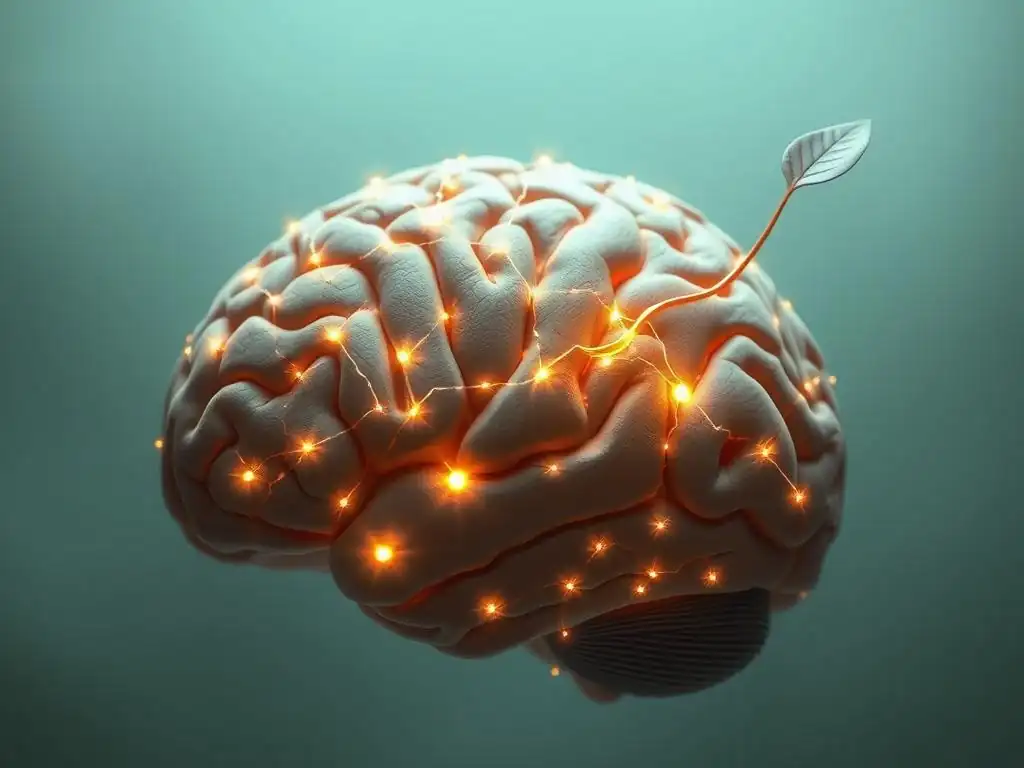
Epigenetic marks act as molecular switches or rheostats on our DNA, influencing whether a gene is turned "on" (expressed) or "off" (silenced), or how much protein product is made. In the context of addiction, these marks can alter the expression levels of genes critical for brain function, particularly those involved in neurotransmitter systems, stress response, and synaptic plasticity. For instance, increased methylation near the start of a gene can often silence it, while certain histone modifications can make the DNA more accessible, increasing gene expression.
These changes in gene expression don't alter the genetic code itself, but they change how the brain's cells function. If epigenetic marks silence genes that are supposed to help regulate dopamine signaling or promote healthy stress responses, it can create a biological environment in the brain that is more susceptible to the effects of drugs and less capable of recovering from those effects. This molecular reprogramming contributes directly to the development and persistence of an epigenetic addiction vulnerability brain profile.
DNA Methylation: A Key Epigenetic Mechanism in Addiction
DNA methylation, the addition of a methyl group to a cytosine base (typically in CpG dinucleotides), is one of the most well-studied epigenetic mechanisms in addiction. Changes in methylation patterns, particularly in promoter regions of genes, can lead to long-lasting alterations in gene expression. Research has found distinct patterns of DNA methylation in the brains of individuals with substance use disorders compared to healthy controls.
For example, studies have observed altered methylation levels in genes like BDNF (Brain-Derived Neurotrophic Factor) and CREB (cAMP response element-binding protein) in the NAc of individuals with cocaine addiction. BDNF is crucial for neuronal survival and plasticity, while CREB is involved in the cellular response to dopamine signaling. Changes in methylation affecting these genes can disrupt normal neuronal function, reinforcing drug-seeking behaviors and contributing to the enduring nature of addiction. These methylation patterns can persist long after drug use stops, potentially contributing to relapse vulnerability.
Histone Modification: Altering Chromatin Structure and Gene Accessibility in Addiction
Histones are proteins around which DNA is wrapped, forming a complex called chromatin. The way DNA is wrapped around histones affects how accessible genes are to the cellular machinery that reads and transcribes them into proteins. Histone modifications, such as acetylation, methylation, phosphorylation, and ubiquitination, can alter chromatin structure, making it more "open" (euchromatin) or "closed" (heterochromatin), thereby increasing or decreasing gene expression.
Addictive substances have been shown to induce specific histone modifications in brain reward regions. For instance, cocaine has been found to increase histone acetylation at the promoters of certain genes in the NAc, leading to increased expression of those genes. Conversely, other drugs might cause deacetylation or specific methylation patterns that silence genes.
These histone changes can persist for extended periods, creating a lasting change in the transcriptional state of neurons. These enduring changes in chromatin structure and gene accessibility mediated by histone modifications are considered a significant contributor to the long-term behavioral changes and relapse risk associated with addiction, playing a crucial role in the epigenetic addiction vulnerability brain state.
Environmental Factors and Epigenetic Addiction Programming
Early Life Stress and its Epigenetic Impact on Addiction Risk
Adverse experiences during critical developmental periods, particularly early life stress (ELS) such as neglect, abuse, or parental instability, are strongly linked to increased risk for substance use disorders later in life. ELS can profoundly shape the developing brain and its stress response systems, and epigenetics provides a molecular mechanism for this lasting impact. Stress hormones like cortisol can trigger epigenetic changes in brain regions involved in stress regulation and reward processing.
Studies have identified specific epigenetic signatures in individuals exposed to ELS. For instance, increased methylation has been observed in the promoter region of the gene encoding the glucocorticoid receptor ( NR3C1) in the hippocampus of adults who experienced childhood abuse. This epigenetic change can impair the feedback mechanism that shuts down the stress response, leading to a hyper-reactive stress system. This heightened stress reactivity, coupled with altered reward pathways due to other ELS-induced epigenetic marks, can increase the likelihood of turning to substances as a coping mechanism, thus increasing epigenetic addiction vulnerability brain risk.
Emerging research suggests that diet and nutrition can also influence epigenetic profiles, potentially affecting addiction vulnerability. Nutrients provide the building blocks for epigenetic modifications, such as methyl groups for DNA methylation and cofactors for enzymes that add or remove epigenetic marks. A diet rich in methyl donors (like folate, B vitamins, and choline) or other bioactive compounds (like sulforaphane from broccoli or curcumin from turmeric) can influence the activity of epigenetic enzymes.
Conversely, diets lacking essential nutrients or high in processed foods and sugar might disrupt epigenetic balance. For example, studies in rodents have shown that maternal diet can induce epigenetic changes in the offspring's brain that affect stress response and reward sensitivity, potentially predisposing them to addiction-like behaviors. While human research is still developing, the evidence suggests that nutritional status, particularly during development and adolescence, can contribute to the epigenetic landscape of the brain, influencing its resilience or vulnerability to addiction.
Exposure to Addictive Substances and Epigenetic Alterations
Perhaps one of the most direct environmental influences on the epigenome in the context of addiction is exposure to the addictive substance itself. Chronic drug use is not just a behavioral phenomenon; it is a biological process that actively rewires the brain, in part through inducing significant epigenetic changes. These changes are not merely consequences of addiction; they are active contributors to its development and maintenance.
For example, repeated administration of psychostimulants like methamphetamine or opioids like heroin has been shown to cause widespread changes in DNA methylation and histone modifications in the NAc and PFC. These epigenetic alterations can persist long after the drug is cleared from the system, leading to long-lasting changes in gene expression that promote craving, withdrawal symptoms, and increased sensitivity to drug-related cues. This means that the act of using the drug itself can create an enduring epigenetic addiction vulnerability brain state, making it harder to quit and increasing the risk of relapse.
Specific Genes and Epigenetic Modifications Linked to Addiction
The DRD4 Gene: Epigenetic Regulation and Addiction Susceptibility
The DRD4 gene encodes the dopamine receptor D4, a key protein involved in dopamine signaling in the brain, particularly in the reward pathways and PFC. Variations in the DNA sequence of DRD4 have been linked to personality traits like novelty seeking and conditions like ADHD, which can sometimes overlap with addiction vulnerability. Beyond genetic sequence variations, epigenetic modifications affecting the expression of DRD4 are also being investigated for their role in addiction.
Studies have explored methylation patterns in the promoter region of the DRD4 gene. For instance, research has found associations between specific DRD4 methylation levels and susceptibility to gambling addiction or alcohol dependence. Altered methylation could lead to changes in the density or function of D4 receptors, impacting how an individual's brain responds to dopamine signals and reinforcing stimuli, including those from addictive substances. This epigenetic regulation of a crucial dopamine receptor gene contributes to the complex picture of epigenetic addiction vulnerability brain mechanisms.
The OPRM1 Gene: Its Role in Reward Processing and Epigenetic Changes
The OPRM1 gene encodes the mu-opioid receptor, the primary target for opioid drugs like heroin, morphine, and prescription painkillers. This receptor is highly expressed in brain regions associated with pain relief and reward. Genetic variations in OPRM1 have been linked to differences in pain sensitivity and response to opioid treatment, as well as individual risk for opioid addiction.
Epigenetic modifications, particularly DNA methylation, have also been identified as regulators of OPRM1 expression in the context of addiction. Studies have found altered methylation patterns in the OPRM1 gene in the brains of individuals with opioid dependence. These epigenetic changes can lead to increased or decreased expression of the mu-opioid receptor, affecting how the brain responds to opioids and potentially influencing the intensity of drug-induced euphoria, withdrawal symptoms, and craving. Understanding these epigenetic changes affecting OPRM1 is crucial for understanding the biological underpinnings of opioid addiction and informing potential therapeutic strategies.
Other Key Genes Involved in Addiction and Their Epigenetic Regulation
Beyond DRD4 and OPRM1, numerous other genes involved in various aspects of brain function relevant to addiction are subject to epigenetic regulation. These include genes involved in:
- Glutamate signaling: Genes like
GRIN2B(encoding a subunit of the NMDA receptor) are crucial for synaptic plasticity. Epigenetic changes affecting these genes can alter excitatory neurotransmission, contributing to craving and relapse. - GABA signaling: Genes encoding components of GABA receptors are involved in inhibitory neurotransmission. Epigenetic dysregulation can disrupt the balance between excitation and inhibition, affecting anxiety and stress responses linked to addiction.
- Stress response: Genes like
CRF(corticotropin-releasing factor) and its receptors are central to the stress axis. Epigenetic modifications here can lead to a hyperactive stress system, increasing vulnerability to substance use as a coping mechanism. - Neurotrophic factors: Genes like
BDNFare vital for neuronal health and plasticity. Epigenetic silencing ofBDNFcan impair the brain's ability to adapt and recover, contributing to the persistence of addiction.
Research is actively identifying specific epigenetic marks (e.g., methylation sites, histone modifications) on these and other genes in different brain regions and cell types, building a more comprehensive map of the epigenetic addiction vulnerability brain landscape.
Can Epigenetic Changes in Addiction Be Reversed?
The Potential of Epigenetic Therapies for Addiction Treatment
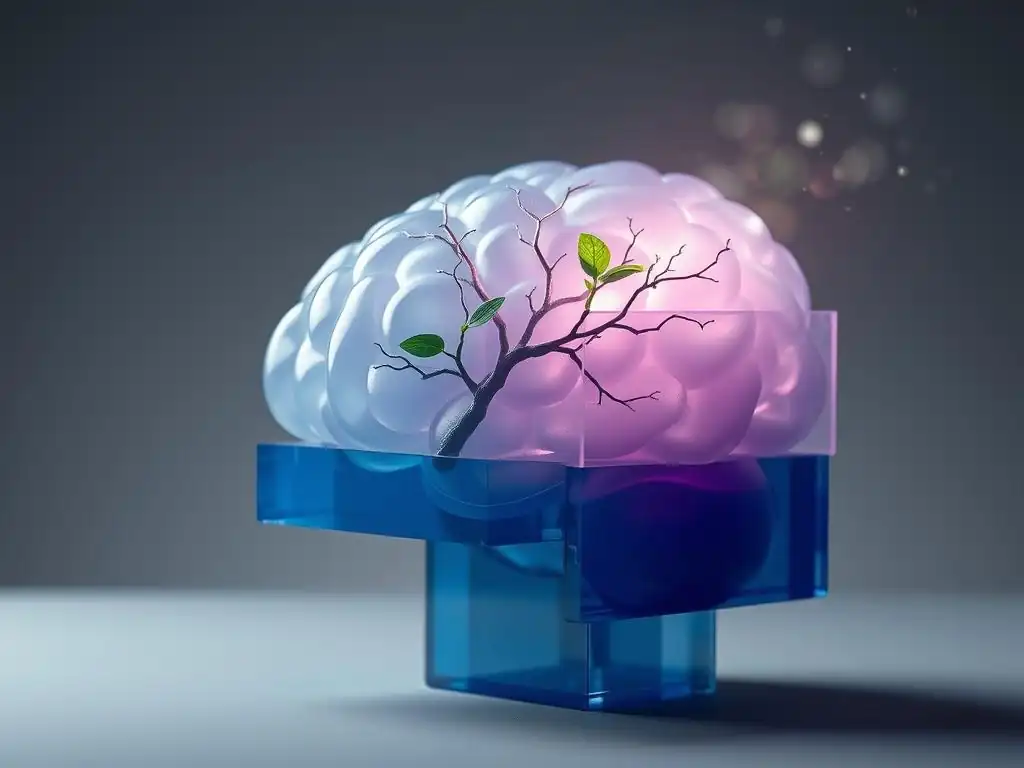
Given that epigenetic changes are potentially reversible, they represent promising targets for novel addiction treatments. Epigenetic therapies aim to modify the activity of enzymes that add or remove epigenetic marks, or to target specific epigenetic readers that bind to these marks. The goal is to reverse maladaptive epigenetic changes that contribute to addiction pathology and restore normal gene expression and brain function.
Preclinical studies in animal models of addiction have shown encouraging results using epigenetic-modifying drugs. For example, inhibitors of histone deacetylases (HDACs) have been shown to reduce drug-seeking behavior and reinstate synaptic plasticity in brain reward regions. Similarly, drugs targeting DNA methyltransferases (DNMTs) are being explored. While these therapies are still largely in the experimental stage and face challenges like ensuring specificity for brain regions involved in addiction, they offer a potential avenue for developing treatments that address the underlying biological changes driving the chronic nature of addiction.
Lifestyle Interventions: Modifying Epigenetic Profiles Through Diet and Exercise
Beyond pharmacological approaches, lifestyle interventions are increasingly recognized for their potential to positively influence the epigenome. Diet and exercise are two key factors known to induce epigenetic changes. Engaging in regular physical activity has been shown in studies to alter methylation patterns and histone modifications in various tissues, including the brain. These changes can affect genes related to neurotrophic factors, inflammation, and stress response, potentially improving brain health and resilience.
Similarly, adopting a balanced, nutrient-rich diet can provide the necessary cofactors for epigenetic enzymes and introduce bioactive compounds with epigenetic effects. For individuals recovering from addiction, incorporating healthy lifestyle practices like regular exercise, a nutritious diet, and stress-reducing activities such as mindfulness or meditation may help to remodel their epigenetic landscape, potentially counteracting some of the negative epigenetic adaptations induced by chronic drug use and supporting long-term recovery. While more research is needed to specifically map these effects in human addiction recovery, the general principle of lifestyle influencing epigenetics is well-established.
The Importance of Early Intervention in Preventing Epigenetic Addiction Programming
The sensitivity of the epigenome to environmental influences is particularly high during critical developmental periods. This highlights the crucial importance of early intervention strategies to prevent the establishment of epigenetic changes that could increase addiction vulnerability later in life. Addressing adverse childhood experiences, promoting stable and nurturing environments, and ensuring adequate nutrition during pregnancy and early childhood can help foster a healthy epigenetic profile in the developing brain.
Furthermore, early identification and intervention for individuals showing early signs of substance use or risk factors can potentially mitigate the extent of drug-induced epigenetic alterations. Preventing or limiting exposure to addictive substances, especially during adolescence when the brain is still developing and highly plastic, can reduce the likelihood of establishing the maladaptive epigenetic marks that contribute to a persistent epigenetic addiction vulnerability brain state. Public health initiatives focused on early prevention and support systems can therefore play a significant role in reducing the societal burden of addiction.
The Future of Addiction Research: Epigenetics as a Target for Novel Therapies
Personalized Medicine: Tailoring Addiction Treatment Based on Individual Epigenetic Profiles
One of the exciting future directions in addiction treatment involves leveraging epigenetic information to personalize therapy. Just as genetic testing is beginning to inform treatment for some conditions, analyzing an individual's epigenetic profile could provide insights into their specific vulnerabilities and the biological underpinnings of their addiction. This could allow clinicians to tailor treatment plans, selecting interventions (pharmacological or behavioral) that are most likely to be effective for that individual's unique epigenetic landscape.
For example, if a patient's epigenetic profile shows specific alterations in genes related to stress response that contribute to their addiction, therapies targeting the stress system or interventions aimed at stress reduction might be prioritized. Conversely, if alterations are primarily in reward pathway genes, different approaches might be more suitable. This personalized approach, based on understanding the individual's epigenetic addiction vulnerability brain signature, holds the promise of improving treatment outcomes and reducing relapse rates compared to current one-size-fits-all methods.
Developing Epigenetic Biomarkers for Early Addiction Detection
Another promising area is the development of epigenetic biomarkers for early addiction detection and risk assessment. Since epigenetic changes can occur relatively early in response to environmental exposures or substance use, analyzing epigenetic marks in accessible tissues like blood, saliva, or even hair could potentially provide early indicators of increased addiction risk or the presence of substance use disorder before it becomes severe.
Research is ongoing to identify specific epigenetic patterns (e.g., methylation levels at particular gene sites) that correlate reliably with addiction vulnerability or current substance use. While challenging due to the tissue-specific nature of epigenetics (brain epigenetics is not perfectly mirrored in blood), progress is being made. Identifying reliable epigenetic biomarkers could allow for targeted prevention efforts, earlier intervention, and more accurate prognosis for individuals at risk or in the early stages of addiction, contributing to a better understanding of the epigenetic addiction vulnerability brain link in living individuals.
Ethical Considerations in Epigenetic Addiction Research and Treatment
As epigenetic research in addiction advances, it is crucial to address the associated ethical considerations. The potential to identify individuals with increased epigenetic addiction vulnerability raises questions about privacy, stigmatization, and potential discrimination in areas like insurance or employment. How will this information be used, and who will have access to it?
Furthermore, the development of epigenetic therapies requires careful consideration of potential off-target effects and the long-term consequences of altering gene expression patterns. Ensuring that these interventions are safe, effective, and equitably accessible will be paramount. Research in this field must proceed with transparency, informed consent, and robust ethical frameworks to navigate these complex issues and ensure that epigenetic advancements in addiction research are used responsibly to benefit individuals and society.
Conclusion: Epigenetics as a Key Factor in Understanding and Addressing Addiction
The Complex Interplay of Genes, Environment, and Epigenetics in Addiction
Addiction is clearly not a simple matter of weak will or poor choices. It is a chronic, relapsing brain disease influenced by a complex interplay of factors. While genetic predispositions provide a foundation, the environment acts upon this foundation, not just through direct experiences, but by leaving enduring molecular marks on our DNA – epigenetic modifications. These marks alter how our genes are expressed, particularly those critical for brain development, function, stress response, and reward processing.
Understanding the role of epigenetics provides a crucial missing piece in the puzzle of addiction vulnerability. It explains why individuals with similar genetic backgrounds can have vastly different outcomes and highlights how life experiences, from early childhood trauma to chronic substance use, can fundamentally change the brain's biology, creating a persistent epigenetic addiction vulnerability brain state that drives compulsive behavior and makes recovery challenging. This integrated view, considering genes, environment, and epigenetics, is essential for a holistic understanding of the disease.
Promoting Brain Health and Resilience Through Epigenetic Awareness
Awareness of the influence of epigenetics on brain health and addiction vulnerability empowers individuals and communities. Recognizing that environmental factors and lifestyle choices can shape our epigenome underscores the importance of promoting healthy environments, especially for children and adolescents. It highlights the value of interventions that mitigate stress, trauma, and exposure to addictive substances during critical developmental periods.
For individuals struggling with or recovering from addiction, understanding that their brain has undergone biological changes, mediated in part by epigenetics, can reduce self-blame and foster self-compassion. It also emphasizes that the brain is capable of change. Lifestyle interventions like exercise, nutrition, and therapy, which are known to influence epigenetic marks, offer tangible ways to support brain recovery and build resilience, potentially helping to reverse some of the maladaptive epigenetic adaptations associated with addiction.
Future Directions: Longitudinal Studies Examining Epigenetic Changes and Addiction Trajectories
The field of epigenetics in addiction is rapidly evolving. Future research needs to focus on large-scale, longitudinal studies that track individuals over time, examining how epigenetic profiles change in response to environmental exposures, substance use, and recovery efforts. Such studies, involving diverse populations, are necessary to identify reliable epigenetic biomarkers for risk, diagnosis, and prognosis.
Further research is also needed to refine epigenetic therapies, ensuring they are safe and effective for human use. Investigating the complex interactions between different epigenetic mechanisms (e.g., how DNA methylation and histone modifications work together) and their precise roles in specific brain cell types involved in addiction will provide a more detailed understanding. Ultimately, integrating epigenetic knowledge with other areas of neuroscience and behavioral science will pave the way for more effective prevention strategies, personalized treatments, and improved outcomes for individuals impacted by addiction, building on our growing understanding of the epigenetic addiction vulnerability brain link.
Frequently Asked Questions
What is epigenetics and how does it relate to addiction vulnerability?
Epigenetics refers to changes in gene expression without altering the DNA sequence itself. These changes can influence how vulnerable someone is to developing an addiction, potentially predisposing some brains.
How can epigenetic changes in the brain contribute to addiction?
Epigenetic modifications can alter the brain's reward pathways, making addictive substances more appealing and increasing the likelihood of compulsive behavior. These changes can affect gene activity involved in pleasure, motivation, and impulse control.
Can environmental factors influence epigenetic changes that increase addiction risk?
Yes, environmental factors like stress, exposure to toxins, and early life experiences can induce epigenetic modifications that elevate the risk of addiction later in life. These factors can alter gene expression patterns.
Is addiction solely determined by epigenetics, or are other factors involved?
Addiction is a complex disorder influenced by a combination of factors. While epigenetics plays a significant role in shaping brain vulnerability, genetics, environment, and individual choices also contribute.
Research is ongoing, but there's growing interest in developing therapies that target epigenetic mechanisms. While not fully reversible, interventions that modify gene expression could potentially reduce the severity of addiction in some individuals.
Final Reflection: The Epigenetic Legacy of Addiction
The vulnerability of the brain to addiction isn't solely determined by genetics; it's a complex interplay shaped by epigenetics, impacting individuals and society in profound ways. Understanding this intricate dance between genes and environment is crucial in developing more effective prevention and treatment strategies, moving beyond simplistic notions of personal responsibility. The implications are far-reaching, demanding a shift in how we perceive and address this pervasive issue.
The exploration of epigenetics in addiction has fundamentally altered my understanding of this complex disorder. It's no longer just a matter of willpower or moral failing; it's a story written in the very chemistry of our brains, a story influenced by experiences passed down through generations. The environment is not just something we live in; it's something we live by.
This quote encapsulates the power of epigenetic modifications, highlighting how our surroundings, from trauma to nutrition, can leave lasting marks on our susceptibility to addiction.
Now, consider your own life. Have you witnessed the impact of addiction firsthand? Perhaps you've seen how environmental factors, like childhood trauma or exposure to substance abuse, can influence an individual's vulnerability. This understanding should empower us to advocate for policies that support early intervention, trauma-informed care, and access to comprehensive addiction treatment. Let's move beyond blame and embrace a future where we utilize the knowledge of epigenetics to build a more compassionate and effective response to addiction. The future of addiction treatment lies in understanding and addressing the epigenetic vulnerabilities that shape our brains.
Unlock Your Brain's Potential: Take Control of Your Genetic Inheritance
Thanks for diving deep into the fascinating world of addiction and epigenetics with us! You've now gained valuable insights into how our genes interact with our environment to influence vulnerability to addiction. Ready to put this knowledge into action?
- Prioritize epigenetic-friendly lifestyle choices: Focus on improving your diet, sleep, and stress management to positively influence gene expression. This is the most impactful step you can take based on what you've learned.
- Share this knowledge: Discuss this article with a friend or family member who might benefit from understanding the role of epigenetics in addiction. Starting a conversation could be life-changing.
- Explore further: Delve deeper into the research on epigenetics and addiction – search for relevant studies and resources online to expand your understanding.
What specific lifestyle changes will you prioritize to foster a healthier brain and reduce your susceptibility to addiction?