
From Overwhelm to Calm: Tai Chi as Your Daily Mental Reset

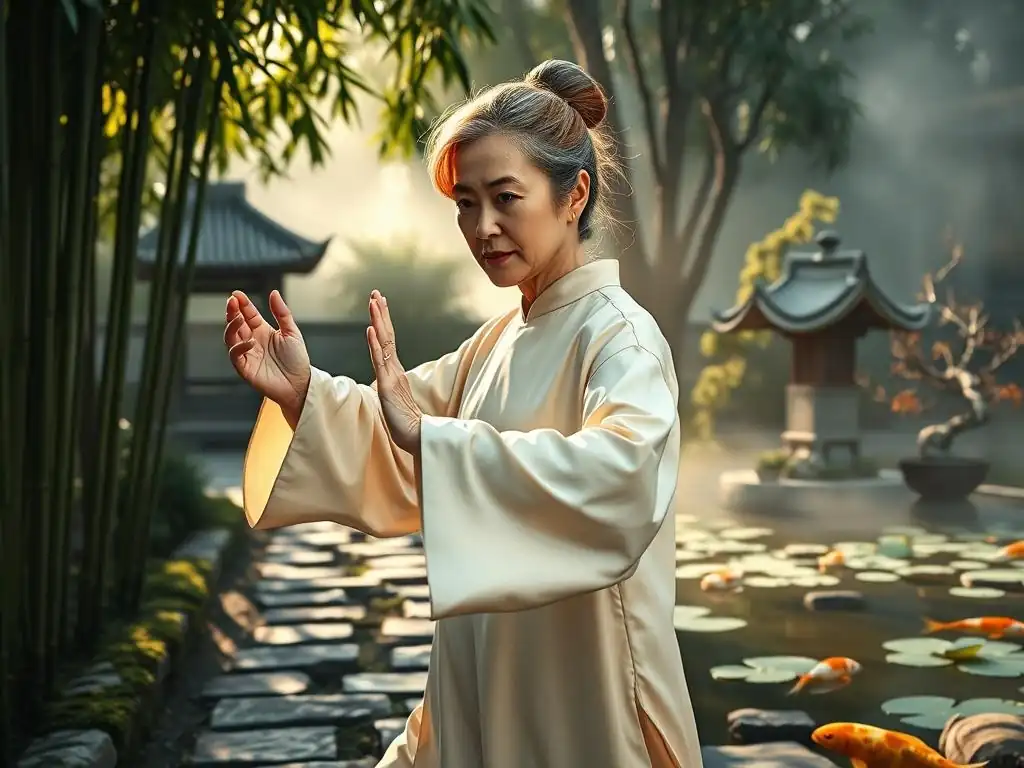
Welcome to Mind Care Guide.
Feeling overwhelmed? You're not alone. We understand the daily pressures that can weigh heavily on your mental well-being. In this space, we're dedicated to providing you with the tools and knowledge you need to navigate those challenges. Dive into our guide on how Tai Chi can be your daily mental reset. Discover how this ancient practice can help you reduce anxiety stress and cultivate a greater sense of inner peace. Curious to learn more? Let's begin your journey to calm.
From Overwhelm to Calm: Tai Chi as Your Daily Mental Reset
- Understanding Tai Chi's Mental Health Benefits
- Tai Chi and Anxiety Reduction: Scientific Evidence and Research
- Getting Started with Tai Chi for Mental Wellbeing
- Integrating Tai Chi Into Your Daily Routine for Stress Management
- Tai Chi for Specific Mental Health Challenges
- Overcoming Challenges and Maintaining Your Tai Chi Practice
- The Long-Term Benefits of Tai Chi for Sustained Mental Calm
- Resources for Further Learning About Tai Chi and Mental Health
-
Frequently Asked Questions
- How can Tai Chi specifically help to reduce anxiety and stress?
- How often should I practice Tai Chi to experience its mental health benefits?
- Is Tai Chi suitable for everyone, even if I have physical limitations?
- What are the key components of Tai Chi that contribute to mental well-being?
- Where can I find reliable resources to learn Tai Chi for stress reduction?
- Final Reflection: Finding Inner Peace in a Frantic World
- Unlock Your Inner Peace: Start Your Tai Chi Journey Today!
Understanding Tai Chi's Mental Health Benefits
Tai Chi: More Than Just Exercise – A Path to Inner Peace
Tai Chi Chuan, often simply called Tai Chi, is an ancient Chinese martial art renowned for its slow, deliberate movements and meditative state. While it originated as a fighting discipline, its modern practice is widely embraced for its profound health benefits, particularly its ability to foster inner peace and reduce stress. Unlike vigorous aerobic activities, Tai Chi emphasizes mindful movement, deep breathing, and mental focus, creating a moving meditation that calms the nervous system.
The practice involves flowing forms, sequences of postures performed in a slow, continuous manner. This constant, gentle motion, combined with focused awareness on the body and breath, helps quiet the mental chatter that often accompanies anxiety and stress. Regular engagement with Tai Chi encourages practitioners to stay present, shifting attention away from worries about the past or future and anchoring it firmly in the here and now. This deliberate cultivation of presence is a cornerstone of mindfulness, making Tai Chi a powerful tool for mental well-being.
How Tai Chi Helps Reduce Anxiety and Stress
Tai Chi's effectiveness in helping people manage and Tai chi reduce anxiety stress stems from its unique combination of physical movement, breath control, and mental concentration. The slow, flowing movements promote relaxation by easing muscle tension, a common physical manifestation of stress and anxiety. As the body relaxes, the mind often follows, interrupting the cycle of anxious thoughts.
Furthermore, the emphasis on deep, abdominal breathing in Tai Chi stimulates the parasympathetic nervous system, which is responsible for the body's 'rest and digest' response. This counteracts the 'fight or flight' response triggered by stress, helping to lower heart rate, reduce blood pressure, and promote a sense of calm. The focused attention required during practice also acts as a form of meditation, training the mind to resist distraction and cultivating a state of peaceful awareness that can be carried into daily life, offering significant Tai Chi anxiety relief.
Exploring the Mind-Body Connection in Tai Chi Practice
Tai Chi is fundamentally rooted in the principle of the mind-body connection, viewing the physical, mental, and emotional aspects of a person as intrinsically linked. The practice teaches individuals to become acutely aware of this connection, noticing how mental states influence physical sensations and vice versa. Through slow, mindful movements, practitioners learn to release physical blockages that may be holding emotional tension.
By coordinating breath with movement and maintaining focused awareness, Tai Chi helps integrate these different aspects of self. This enhanced self-awareness allows individuals to recognize early signs of stress or anxiety in their bodies and minds, providing an opportunity to apply coping strategies learned through practice, such as conscious breathing or shifting focus. This holistic approach not only helps to reduce stress with Tai Chi in the moment but also builds resilience over time, strengthening the individual's capacity to maintain emotional balance.
Tai Chi and Anxiety Reduction: Scientific Evidence and Research
Studies Showing Tai Chi's Impact on Anxiety Reduction
Numerous scientific studies have investigated the impact of Tai Chi on mental health, particularly its role in helping to Tai chi reduce anxiety stress. Research published in peer-reviewed journals has consistently demonstrated positive outcomes. For instance, a meta-analysis pooling data from multiple studies might indicate that participants engaging in regular Tai Chi practice, typically for 8 to 12 weeks with sessions lasting 60-90 minutes, report statistically significant reductions in self-reported anxiety levels compared to control groups.
Specific studies have used standardized scales, such as the State-Trait Anxiety Inventory (STAI), to measure changes in anxiety. Findings often show reductions in scores averaging around 20-30% after a dedicated period of practice. These studies often include diverse populations, from healthy adults experiencing everyday stress to individuals diagnosed with anxiety disorders or chronic conditions associated with heightened stress levels. The consistent findings across various study designs lend strong support to Tai Chi's potential as a therapeutic tool for anxiety management.
The Science Behind Tai Chi's Calming Effects on the Nervous System
The calming effects of Tai Chi on the nervous system are linked to its influence on the autonomic nervous system (ANS), which controls involuntary bodily functions like heart rate, breathing, and digestion. Stress activates the sympathetic nervous system, initiating the 'fight or flight' response. Tai Chi, with its slow movements and deep diaphragmatic breathing, promotes the activation of the parasympathetic nervous system, the 'rest and digest' branch.
This shift towards parasympathetic dominance helps to lower physiological arousal. Research using measures like Heart Rate Variability (HRV) often shows improvement in markers associated with parasympathetic activity after Tai Chi training. Higher HRV is generally indicative of a more resilient and less stressed nervous system. By regulating the ANS balance, Tai Chi effectively interrupts the physiological cascade associated with anxiety and stress, helping the body and mind return to a state of equilibrium.
Tai Chi and Stress Hormone Regulation: Cortisol Reduction
Chronic stress leads to the prolonged release of stress hormones, most notably cortisol, from the adrenal glands. Elevated cortisol levels over time can have detrimental effects on physical and mental health, contributing to anxiety, depression, sleep problems, and impaired immune function. Studies exploring the biochemical effects of Tai Chi have investigated its impact on these hormone levels.
Several research projects have measured cortisol levels in participants before and after a period of Tai Chi intervention. Results from these studies frequently indicate a reduction in cortisol levels, particularly in those with elevated baseline levels due to chronic stress. For example, some studies report reductions in salivary cortisol concentrations by approximately 15-25% after several weeks of consistent Tai Chi practice. This hormonal regulation is a key mechanism by which Tai Chi helps to mitigate the physiological burden of stress and supports mental well-being.
Getting Started with Tai Chi for Mental Wellbeing
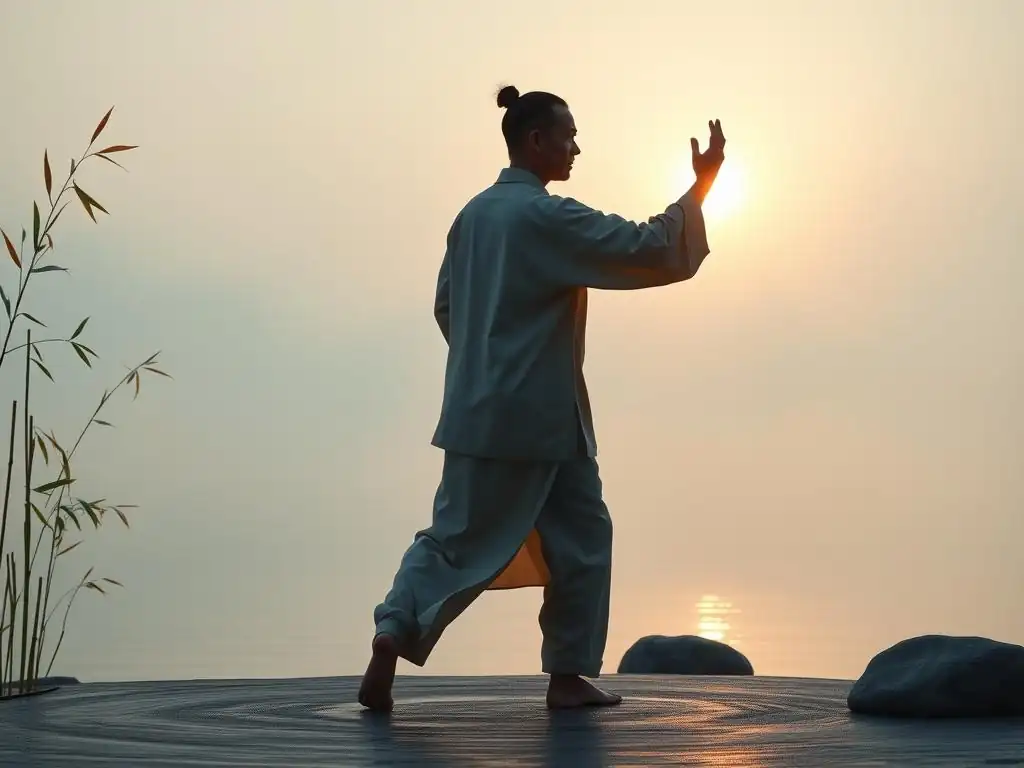
Choosing the Right Tai Chi Style: Yang, Chen, and Sun Styles
Deciding to start Tai Chi for Tai Chi anxiety relief is a positive step, and choosing a style can influence your initial experience. The Yang style is the most widely practiced globally, known for its gentle, expansive, and evenly paced movements. It is often recommended for beginners due to its accessibility and focus on relaxation and health benefits. Its forms are typically longer but emphasize fluid transitions and a calm demeanor, making it excellent for stress reduction.
The Chen style is older and more physically demanding, incorporating faster movements, explosive power (fa jin), and lower stances alongside slow, spiraling motions. While beneficial, its complexity and physical rigor might be less immediately suitable for someone primarily seeking gentle stress relief. The Sun style is characterized by agile footwork and a unique 'open-close' hand technique, often incorporating Qigong elements.
It is known for its flowing movements and can be particularly good for improving balance and joint health, offering a good balance between gentleness and movement variation for mental focus. For most beginners focused on how Tai chi reduce anxiety stress, the Yang style is a very popular and effective starting point.
Finding a Qualified Tai Chi Instructor or Online Resources
Once you have an idea of a suitable style, finding a qualified teacher is crucial for learning the fundamental principles correctly and safely. A good instructor provides personalized guidance on posture, alignment, breathing, and the underlying philosophy, which deepens the mental benefits. Look for instructors with certification from recognized Tai Chi organizations or those with significant experience (e.g., 10+ years of teaching). Local community centers, martial arts schools, and dedicated Tai Chi studios are good places to search.
If in-person classes are not feasible, numerous high-quality online resources are available. Many experienced teachers offer video courses, live online classes, and instructional materials. When choosing online resources, look for structured programs designed for beginners, clear video demonstrations, and positive reviews. While online learning offers flexibility, pay extra attention to your body's signals and avoid pushing into discomfort, as personalized feedback on posture is harder to obtain remotely.
Essential Tai Chi Movements for Beginners: Cloud Hands, Single Whip, Wave Hands Like Clouds
Beginner Tai Chi forms often introduce fundamental movements that embody the core principles of relaxation, balance, and flow, all contributing to the ability to reduce stress with Tai Chi. 'Cloud Hands' is a ubiquitous movement across many styles, involving slow, circular arm movements coordinated with shifting weight from side to side. This movement teaches coordination, balance, and the concept of continuous, flowing energy (Qi), promoting a calm, centered state of mind.
'Single Whip' is another foundational posture, characterized by one arm extending like a whip while the other forms a hook shape. It helps beginners understand weight distribution, turning the waist, and generating power from the core, even in slow motion. The focused attention required to execute the turns and shifts precisely helps anchor the mind.
'Wave Hands Like Clouds' is often a variation or extension of Cloud Hands, emphasizing smooth, continuous motion and the feeling of buoyancy. Practicing these core movements repeatedly helps build body awareness, improve coordination, and cultivate the meditative focus essential for harnessing Tai Chi's mental benefits.
Integrating Tai Chi Into Your Daily Routine for Stress Management
Creating a Consistent Tai Chi Practice Schedule
Consistency is key to unlocking the full potential of Tai Chi for Tai Chi anxiety relief. Aim to incorporate practice into your daily or near-daily routine, even if it's just for 10-15 minutes initially. Think of it not as another chore, but as a dedicated time for self-care and mental reset. Mornings can be ideal for setting a calm tone for the day, while evenings can help release accumulated stress before sleep.
Start small and gradually increase the duration as you become more comfortable. A consistent schedule helps train your mind and body to transition into a relaxed state more readily. Even practicing a few movements mindfully is more beneficial than sporadic, lengthy sessions. Find a time and place where you won't be interrupted, creating a peaceful sanctuary for your practice.
Tai Chi as a Daily Mental Reset: Simple Routines for Busy Lives
Even with a busy schedule, Tai Chi can serve as a powerful daily mental reset. You don't need an hour to experience benefits. A simple 5-10 minute routine focusing on core principles can significantly impact your stress levels. This could involve standing meditation (Zhan Zhuang) for a few minutes, focusing purely on breath and posture, or performing just a few repetitions of foundational movements like Cloud Hands.
- Morning Reset: 5-10 minutes of standing meditation and gentle arm circles to awaken the body and calm the mind before the day begins.
- Midday Pause: A brief 5-minute break to practice conscious breathing and perhaps one or two simple movements like 'Wave Hands Like Clouds' to release tension built up during work.
- Evening Wind-Down: 10-15 minutes of slow, flowing forms to transition from daily activities to rest, preparing the mind for restful sleep and helping to reduce stress with Tai Chi.
These short, focused sessions can break the cycle of stress and bring you back to a state of presence and calm throughout the day.
Combining Tai Chi with Other Mindfulness Practices
Tai Chi integrates beautifully with other mindfulness and self-care practices, amplifying their collective benefits for managing anxiety and stress. Combining your Tai Chi routine with seated meditation, mindful walking, or deep breathing exercises can create a comprehensive approach to mental well-being. For example, begin your morning with 10 minutes of seated meditation, followed by 15 minutes of Tai Chi forms.
Journaling about your experiences before or after practice can also enhance self-awareness, helping you notice subtle shifts in your mood and energy levels. Incorporating Tai Chi into a broader mindfulness framework reinforces the principles of present moment awareness, non-judgment, and acceptance, which are essential for effectively navigating stress and achieving Tai Chi anxiety relief. This synergy allows you to cultivate a deeper and more resilient state of inner peace.
Tai Chi for Specific Mental Health Challenges
Tai Chi for Managing Generalized Anxiety Disorder (GAD)
Generalized Anxiety Disorder (GAD) is characterized by persistent, excessive worry about various things. Tai Chi's structured yet gentle approach offers a promising complementary therapy for managing GAD symptoms. The repetitive, slow movements and focus on breath provide a concrete anchor for attention, helping to redirect the mind away from anxious thought loops.
For individuals with GAD, the physical symptoms of anxiety (muscle tension, restlessness, fatigue) can be as debilitating as the mental ones. Tai Chi's emphasis on releasing tension and promoting relaxation can directly address these physical manifestations. Furthermore, the practice helps cultivate a greater tolerance for uncertainty and discomfort by encouraging practitioners to stay present with sensations without judgment, a skill directly applicable to managing the cognitive aspects of GAD. Regular practice builds a sense of control and self-efficacy, which can be particularly empowering for those who often feel overwhelmed by worry.
Stress and anxiety are major contributors to insomnia and poor sleep quality. The calming effects of Tai Chi make it an effective tool for improving sleep patterns, especially when sleep disturbances are stress-related. By reducing overall stress levels and promoting relaxation, Tai Chi helps quiet the racing thoughts that often keep individuals awake at night.
A consistent evening Tai Chi practice can signal to the body that it's time to wind down. The gentle, flowing movements release physical tension that can interfere with comfort and sleep initiation. Studies have shown that regular Tai Chi can lead to improvements in sleep duration and efficiency, and reductions in sleep disturbances in various populations, including older adults and individuals with chronic conditions.
For instance, some research has indicated that participants practicing Tai Chi report significant improvements in sleep quality scores after several weeks, comparable to or exceeding the effects of some conventional interventions. This ability to help Tai chi reduce anxiety stress directly translates into more restful and restorative sleep.
Overcoming Challenges and Maintaining Your Tai Chi Practice
Common Obstacles to Starting Tai Chi and How to Overcome Them
Starting any new practice can come with challenges. Common obstacles to beginning Tai Chi include feeling awkward or self-conscious about the movements, believing you lack coordination, finding the time, or feeling intimidated by traditional forms. It's important to remember that Tai Chi is a journey, not a destination, and everyone starts as a beginner.
To overcome self-consciousness or coordination concerns, begin practicing in a private space or join a beginner-specific class where everyone is learning. Focus on the feeling of the movement and the breath rather than striving for perfect form initially. For time constraints, start with very short sessions (5-10 minutes) and gradually increase as your schedule allows. Finding a supportive teacher or practice group can also provide encouragement and make the learning process more enjoyable, helping you stay committed to using Tai chi reduce anxiety stress.
Staying Motivated and Consistent with Your Tai Chi Routine
Maintaining consistency with Tai Chi practice requires motivation and discipline. One effective strategy is to connect your practice directly to the benefits you experience, such as feeling calmer, more centered, or sleeping better. Keep a simple journal to track how you feel before and after practice, reinforcing the positive impact it has on your stress and anxiety levels.
Setting realistic goals is also crucial. Instead of aiming for an hour every day, commit to 20-30 minutes three or four times a week, or even just 10 minutes daily. Practice with others if possible; group energy and shared commitment can be powerful motivators. Varying your practice, perhaps exploring different forms or focusing on specific principles like rooting or relaxation on different days, can keep it feeling fresh and engaging. Remember why you started – to find calm and reduce stress with Tai Chi.
Adapting Tai Chi to Your Physical Limitations and Needs
Tai Chi is highly adaptable and can be modified to suit various physical conditions, limitations, and needs, making it accessible for almost anyone seeking Tai Chi anxiety relief. If standing for extended periods is difficult, many Tai Chi forms can be practiced seated in a chair. This modification retains the focus on breath, upper body movement, and mental concentration, providing significant benefits.
Individuals with balance issues can practice near a wall or chair for support. Movements can be performed smaller or with less weight transfer. Communicate openly with your instructor about any physical concerns; a qualified teacher can provide specific modifications tailored to your situation. The core principles of relaxed movement, mindful breathing, and focused awareness are the most important elements, and these can be cultivated regardless of physical constraints. The adaptability ensures that Tai Chi remains a viable path to stress reduction and mental well-being for a wide range of people.
The Long-Term Benefits of Tai Chi for Sustained Mental Calm
Cultivating Resilience and Emotional Balance Through Tai Chi
Beyond immediate stress reduction, a significant long-term benefit of consistent Tai Chi practice is the cultivation of resilience and emotional balance. Regular engagement trains the mind to be more present and less reactive to stressors. By repeatedly returning focus to the breath and movement during practice, individuals build the capacity to observe difficult emotions or challenging situations without being overwhelmed by them.
This cultivated non-reactivity allows for a more measured and thoughtful response to life's inevitable difficulties, rather than an immediate, often anxious, reaction. Tai Chi helps develop a stronger internal locus of control, fostering a sense of being able to navigate challenges from a centered place. Over time, this practice doesn't just help you Tai chi reduce anxiety stress when it arises, but builds an inner strength that prevents you from being as easily destabilized by future stressors.
Tai Chi as a Preventative Measure for Mental Health Decline
Engaging in regular Tai Chi can serve as a proactive and preventative measure against mental health decline, particularly in aging populations or those at risk of stress-related conditions. The combination of physical activity (which supports brain health), stress reduction, and cognitive engagement (memorizing forms, maintaining focus) provides a comprehensive protective effect.
Studies have suggested that Tai Chi practice is associated with improved cognitive function, including memory and executive functions, which can be negatively impacted by chronic stress and anxiety. By maintaining mental acuity and promoting emotional regulation, Tai Chi helps build a buffer against the factors that contribute to conditions like depression and anxiety later in life. It offers a sustainable lifestyle practice that supports overall brain health and emotional well-being for the long term, helping individuals maintain calm and vitality.
Embracing Tai Chi as a Lifelong Journey to Inner Peace
Embracing Tai Chi is embarking on a lifelong journey towards greater inner peace and self-understanding. It is a practice that deepens over time, revealing new layers of subtlety in movement, breath, and mental stillness. The initial goal of learning forms gradually evolves into a deeper exploration of the underlying principles of energy flow, relaxation, and mindfulness.
As you continue your practice, the benefits of Tai Chi anxiety relief become more ingrained, transforming from a temporary state of calm into a more enduring trait. Tai Chi becomes less about doing movements and more about cultivating a way of being – present, balanced, and peaceful. It's a continuous process of learning, adapting, and refining, offering a reliable anchor of calm amidst the fluctuations of life. This lifelong commitment to Tai Chi is an investment in sustained mental calm and holistic well-being.
Resources for Further Learning About Tai Chi and Mental Health
Recommended Books and Articles on Tai Chi and Anxiety
For those wishing to delve deeper into the connection between Tai Chi and mental well-being, several excellent books and articles provide valuable insights. Look for books that explain the philosophy and principles of Tai Chi in accessible language, focusing on its health aspects rather than martial applications. Many authors discuss the meditative qualities and stress-reducing mechanisms of the practice.
Academic articles and research papers published in journals focusing on complementary medicine, psychology, or geriatrics often present scientific evidence on how Tai chi reduce anxiety stress. Searching databases for terms like "Tai Chi and anxiety," "Tai Chi and stress," or "Tai Chi and mental health" can yield studies detailing specific research findings, methodologies, and observed benefits. While access to some academic papers may require subscriptions, abstracts are often freely available and provide a good overview of the research.
Online Tai Chi Communities and Support Groups
Connecting with others who practice Tai Chi can provide motivation, support, and a sense of community. Numerous online forums, social media groups, and dedicated websites host Tai Chi communities. These platforms allow practitioners to share experiences, ask questions, discuss challenges, and celebrate progress.
Joining an online community can be particularly helpful when practicing independently, offering a virtual space to feel connected to the broader Tai Chi world. Some online instructors also facilitate private groups for their students, fostering a supportive learning environment. Engaging with these communities can reinforce your commitment to practice and provide valuable insights from others on their journey to reduce stress with Tai Chi.
Finding Tai Chi Classes and Workshops Near You
Participating in in-person classes or workshops is an excellent way to learn Tai Chi correctly and benefit from direct instruction and the energy of group practice. Search online directories, local community center schedules, or ask at martial arts schools for Tai Chi class offerings in your area. Look for beginner-level classes specifically designed for health and relaxation.
Workshops offer an opportunity to immerse yourself in the practice for a longer period, often focusing on specific aspects like fundamental movements, breathing techniques, or the mental principles of Tai Chi. Attending a workshop can accelerate your learning and deepen your understanding of how Tai Chi can help you manage stress and anxiety effectively. Don't hesitate to visit a few different schools or instructors to find the best fit for your learning style and goals.
Frequently Asked Questions
How can Tai Chi specifically help to reduce anxiety and stress?
Tai Chi combines gentle movements, focused breathing, and mindfulness to calm the nervous system. This helps to lower cortisol levels and promote a sense of inner peace, effectively reducing anxiety and stress.
How often should I practice Tai Chi to experience its mental health benefits?
Even short, regular Tai Chi sessions can make a difference. Aim for at least 15-20 minutes, 3-4 times per week to start experiencing noticeable mental health benefits.
Is Tai Chi suitable for everyone, even if I have physical limitations?
Yes, Tai Chi is highly adaptable and can be modified to suit different fitness levels and physical limitations. Beginner-friendly variations and chair Tai Chi options are readily available.
What are the key components of Tai Chi that contribute to mental well-being?
The key components are slow, deliberate movements, deep breathing techniques, and mindful focus on the present moment. These all synergistically promote relaxation and reduce anxiety and stress.
Where can I find reliable resources to learn Tai Chi for stress reduction?
"Mind Care Guide" and other reputable online resources offer instructional videos and information on local Tai Chi classes. Look for qualified instructors who can guide you through the practice.
Final Reflection: Finding Inner Peace in a Frantic World
The relentless pace of modern life leaves many of us feeling overwhelmed, anxious, and perpetually stressed. Tai Chi, often perceived as a gentle exercise, offers a powerful antidote to this pervasive feeling, providing a tangible path towards a calmer, more centered existence. Its ability to reduce anxiety and stress isn't just a fleeting trend; it's a deeply rooted practice with profound and lasting benefits for the mind and body.
The impact of Tai Chi extends far beyond the mat; its principles of mindfulness, slow movement, and deep breathing seep into daily life, influencing how we respond to challenges and navigate stressful situations. It's a practice that fosters a sense of self-awareness and inner resilience, equipping us with the tools to manage the inevitable ups and downs of life. As Bruce Lee eloquently stated, Be like water making its way through cracks. Do not be assertive, but adjust to the object, and you shall find a way around or through it.
This philosophy, central to Tai Chi, encourages adaptability and a peaceful response to external pressures.
You don't need to dedicate hours each day to experience the transformative power of Tai Chi. Start small. Begin with just a few minutes of mindful movement, focusing on your breath and the gentle flow of your body. Embrace the stillness within the movement, and allow yourself to be present in the moment. Let the lessons of Tai Chi guide you towards a life less frantic, more mindful, and ultimately, more peaceful. The journey to inner calm begins with a single, deliberate step.
Unlock Your Inner Peace: Start Your Tai Chi Journey Today!
Thanks for taking the time to explore the calming power of Tai Chi! We hope this article equipped you with the knowledge to begin your journey towards a more peaceful and centered mind. Now it's time to put that knowledge into action.
- Begin your Tai Chi practice with a simple 5-minute routine. There are many free resources online to guide you. Find one that resonates with you and commit to just five minutes daily.
- Share your experience! Tell us (or others) about your first Tai Chi session – what surprised you, what felt challenging, and what brought you a sense of calm. Your journey is unique and inspiring to others.
- Explore different Tai Chi styles to find the one that best suits your personality and preferences. There's a style for everyone!
What small step will you take today to cultivate more inner peace?