
Daily Yoga Habits for Lasting Mental Peace

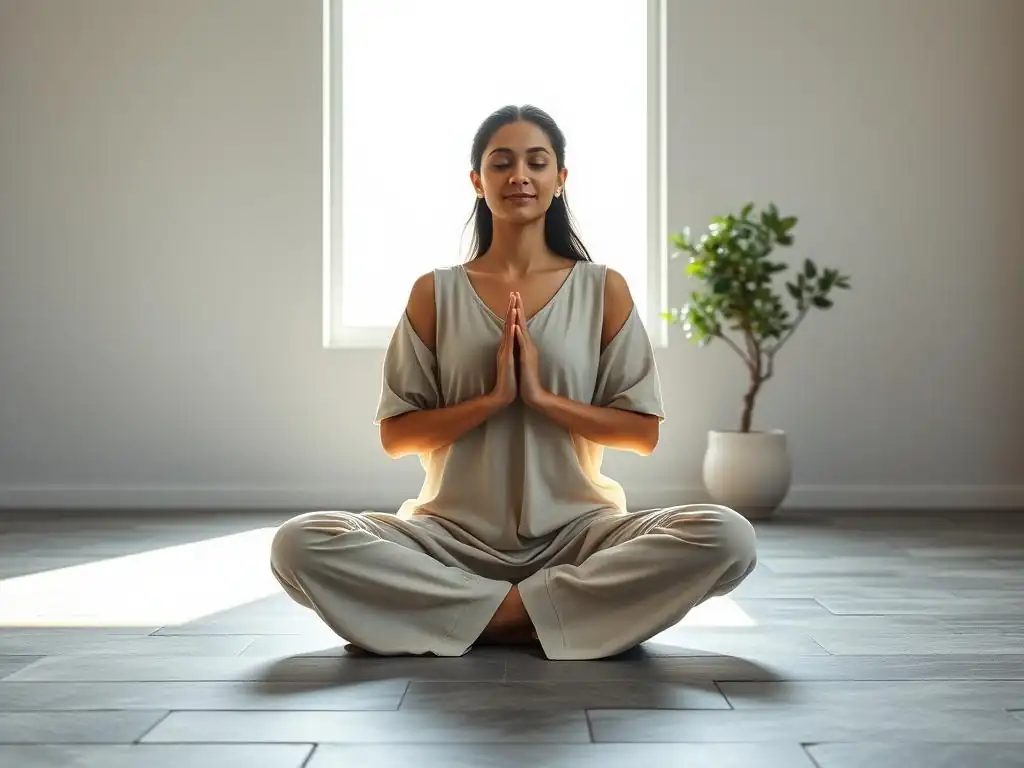
Welcome to Mind Care Guide, your sanctuary for navigating the journey to mental well-being. Feeling overwhelmed? You're not alone. Many find solace in movement and breath. Dive into our exploration of Yoga for anxiety relief, and discover how simple daily habits can cultivate lasting inner peace. Curious to learn more? Let's begin.
- Daily Yoga Habits for Lasting Mental Peace: A Mind Care Guide
- Establishing Your Daily Yoga Routine for Anxiety Relief
-
Essential Yoga Poses for Anxiety and Stress Reduction
- Child's Pose (Balasana): Grounding and Calming
- Corpse Pose (Savasana): Ultimate Relaxation for Mental Peace
- Mountain Pose (Tadasana): Building Stability and Mental Focus
- Cat-Cow Pose (Marjaryasana to Bitilasana): Releasing Tension and Promoting Mindfulness
- Forward Fold (Uttanasana): Calming the Nervous System
- Breathing Techniques (Pranayama) for Anxiety Relief and Mental Clarity
- Integrating Mindfulness into Your Yoga Practice
- Beyond the Mat: Extending Yoga's Benefits into Daily Life
- Overcoming Challenges and Maintaining Consistency in Your Daily Yoga Practice
- The Long-Term Benefits of Daily Yoga for Mental Health
- Conclusion: Embracing Daily Yoga for a Calmer, More Peaceful Mind
- Frequently Asked Questions
- Final Reflection: Cultivating Inner Calm Through Daily Yoga
- Unveil Your Inner Calm: Start Your Yoga Journey Today
Daily Yoga Habits for Lasting Mental Peace: A Mind Care Guide
The Power of Yoga for Mental Well-being
Yoga, an ancient practice originating in India, is far more than just physical exercise; it's a holistic discipline that connects the mind, body, and spirit. While often associated with flexibility and strength, its profound impact on mental well-being is increasingly recognized. Regular yoga practice can help individuals navigate the complexities of modern life, offering tools to manage stress, improve focus, and cultivate a deeper sense of calm. The combination of movement, breathwork, and meditation inherent in yoga provides a powerful antidote to the mental clutter and emotional turbulence that many experience daily.
Research consistently highlights the benefits of yoga for mental health. For instance, several studies have indicated that consistent yoga practice can lead to a significant reduction in symptoms associated with depression and anxiety. Participants in some programs have reported a decrease in perceived stress levels by 20-30% after just a few weeks of regular sessions. This impact is often attributed to yoga's ability to lower cortisol levels, the body's primary stress hormone, and increase the production of gamma-aminobutyric acid (GABA), a neurotransmitter that helps regulate nerve activity and promote relaxation.
Why Daily Yoga is Essential for Anxiety Relief and Mental Clarity
Anxiety is a pervasive challenge for many, manifesting as excessive worry, restlessness, and difficulty concentrating. While various strategies exist, incorporating daily yoga habits offers a sustainable and accessible path toward lasting relief. Unlike sporadic exercise or temporary coping mechanisms, a daily yoga practice builds resilience over time, training both the body and mind to respond differently to stressors. It provides a dedicated time each day to pause, breathe, and reconnect with oneself, creating a buffer against the demands of the external world.
The cumulative effect of daily yoga on the nervous system is particularly beneficial for those seeking yoga for anxiety relief. By engaging the parasympathetic nervous system through mindful movement and controlled breathing, daily practice helps to counteract the "fight or flight" response often triggered by anxiety.
Many individuals who commit to daily yoga report noticing subtle shifts initially, such as improved sleep or reduced irritability, which gradually build into more significant changes, including fewer panic attacks and a greater sense of mental clarity. This consistent engagement fosters a positive feedback loop, where feeling calmer encourages continued practice, reinforcing the benefits.
Establishing Your Daily Yoga Routine for Anxiety Relief
Setting Realistic Goals for Daily Yoga Practice
Embarking on a daily yoga journey doesn't mean you need to commit to 90-minute power flows every morning. For effective yoga for anxiety relief, the key is consistency and finding what works for you. Start small, perhaps with just 10-15 minutes a day. This could be a few simple stretches, some focused breathing exercises, or even just sitting quietly and tuning into your breath. Setting realistic, achievable goals helps prevent overwhelm and makes it easier to stick with your practice, building momentum over time.
Consider what time of day feels most natural for you. Some prefer a morning practice to set a calm tone for the day, while others find an evening session helps unwind before bed. Think about what you hope to gain from your practice – is it primarily stress reduction, improved focus, or better sleep? Tailoring your goals to your specific needs will make the practice more meaningful and sustainable. For instance, if your goal is to reduce evening anxiety, aiming for a gentle 20-minute session focused on calming poses and breathwork just before dinner might be the perfect fit.
Creating a Dedicated Yoga Space at Home
Having a specific area for your daily yoga practice, even if it's just a small corner, can significantly enhance consistency and focus. This dedicated space signals to your brain that it's time to transition into a state of mindfulness and movement. It doesn't need to be elaborate; a clean, quiet spot where you can lay out your mat comfortably is sufficient. Ensuring the space is free from clutter and distractions (like turning off your phone) helps cultivate the mental presence needed for effective yoga for anxiety relief.
Personalizing your yoga space can also make it more inviting and conducive to relaxation. Consider adding elements that promote a sense of calm, such as a small plant, a soft blanket, or perhaps a calming scent like lavender (if using essential oils, ensure they are used safely). Even a simple cushion or block can make certain poses more accessible and comfortable. Making this space your sanctuary encourages you to step onto your mat daily, reinforcing the habit and deepening the benefits for your mental peace.
Essential Yoga Poses for Anxiety and Stress Reduction
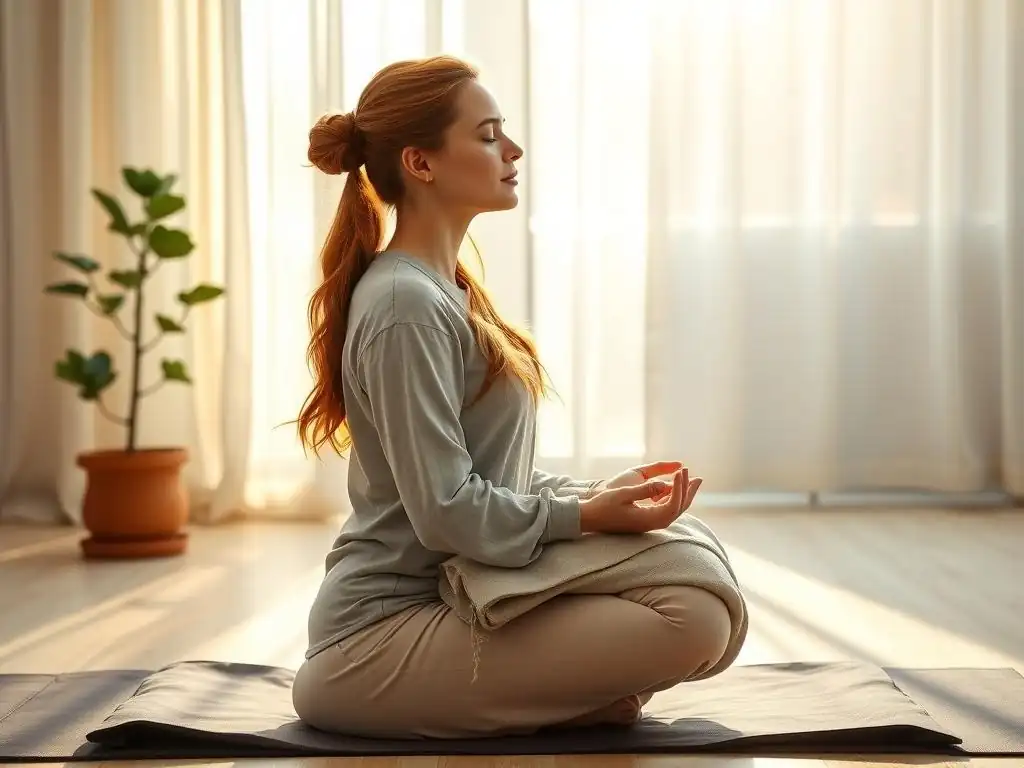
Child's Pose (Balasana): Grounding and Calming
Child's Pose is a fundamental resting pose in yoga, offering immediate grounding and comfort. Kneeling on the floor, you bring your big toes to touch and sit back on your heels. Then, you fold forward, resting your torso between your thighs and allowing your forehead to rest on the mat or a prop. Your arms can extend forward or rest alongside your body. This pose gently stretches the back and hips while allowing the entire body to relax, creating a sense of security and retreat.
Holding Child's Pose for several minutes, focusing on the breath expanding the back ribs, can significantly calm the nervous system. It provides a safe space to turn inward, release physical tension, and quiet a racing mind. Many individuals find that just a few moments in Balasana can help interrupt anxious thought patterns and bring a sense of immediate relief, making it a powerful tool in daily yoga for anxiety relief. It's a pose you can return to anytime you feel overwhelmed or need a moment of respite.
Corpse Pose (Savasana): Ultimate Relaxation for Mental Peace
Savasana might look simple – lying flat on your back with arms and legs extended – but it is arguably one of the most challenging and beneficial poses for mental peace, especially for those struggling with anxiety. It requires conscious effort to relax every part of the body, from the tips of your toes to the crown of your head, and to allow the mind to settle without drifting into planning or worrying. Often practiced at the end of a yoga session, Savasana is where the benefits of the physical practice integrate into the nervous system.
During Savasana, the body enters a state of deep rest, allowing heart rate and blood pressure to lower, and muscles to release residual tension. It is a practice in letting go, which is incredibly healing for an anxious mind that often feels the need to be constantly 'on guard'. Aim to stay in Savasana for 5-10 minutes, resisting the urge to check your phone or rush off. This dedicated period of stillness teaches the mind to be present and experience profound relaxation, reinforcing the core purpose of yoga for anxiety relief.
Mountain Pose (Tadasana): Building Stability and Mental Focus
Mountain Pose, or Tadasana, is often considered the foundation of all standing poses, but its mental benefits are equally significant. Standing tall with feet together or hip-width apart, shoulders relaxed, and arms by your sides, the focus is on rooting down through the feet while lengthening up through the crown of the head. This pose cultivates a sense of stability and presence, encouraging awareness of your posture and alignment.
Practicing Tadasana mindfully involves paying attention to the subtle sensations in the body – the connection to the earth, the gentle sway, the flow of breath. This simple act of standing with awareness can help ground a restless mind and improve concentration. For those experiencing anxiety, which can often manifest as feeling scattered or ungrounded, Tadasana offers a tangible experience of stability and centeredness, serving as a quick yet effective technique within daily yoga for anxiety relief.
Cat-Cow Pose (Marjaryasana to Bitilasana): Releasing Tension and Promoting Mindfulness
Cat-Cow is a gentle, flowing movement practiced on hands and knees that synchronizes breath with movement, making it excellent for releasing tension in the spine and promoting mindfulness. As you inhale, you drop your belly, arch your back, and lift your gaze (Cow Pose). As you exhale, you round your spine, tuck your chin, and draw your navel towards your spine (Cat Pose). This rhythmic movement massages the internal organs and increases spinal flexibility.
Beyond the physical benefits, the deliberate coordination of breath and movement in Cat-Cow helps to calm the nervous system and bring awareness to the present moment. The gentle rocking motion can be soothing, and releasing physical tension in the back and neck, common areas for stress accumulation, directly impacts mental ease. Incorporating several rounds of Cat-Cow into your daily yoga routine provides a simple yet effective way to start or end your practice with mindful movement, contributing significantly to managing anxious feelings.
Forward Fold (Uttanasana): Calming the Nervous System
Uttanasana, or Standing Forward Fold, involves bending at the hips and letting your torso hang heavy towards the floor, with knees slightly bent to protect the hamstrings and lower back. This inversion, where the head is below the heart, has a naturally calming effect on the nervous system. It helps to reduce stress and fatigue by slowing down the heart rate and increasing blood flow to the brain.
Allowing the head to hang freely in Uttanasana can release tension in the neck and shoulders, areas often tight when experiencing anxiety. The pose encourages surrender, inviting you to let go of physical and mental holding. Spending a few moments in Forward Fold, perhaps gently swaying side to side, can provide a sense of release and quiet the internal chatter, making it a valuable pose for immediate relief within your daily yoga for anxiety relief practice.
Breathing Techniques (Pranayama) for Anxiety Relief and Mental Clarity
Deep Belly Breathing: Activating the Relaxation Response
Deep belly breathing, or diaphragmatic breathing, is a foundational pranayama technique and one of the most accessible tools for immediate anxiety relief. Unlike shallow chest breathing, which is often associated with the stress response, deep belly breathing engages the diaphragm, allowing for fuller inhales and more complete exhales. This signals to the body that it is safe to relax, activating the parasympathetic nervous system.
To practice, sit or lie down comfortably. Place one hand on your chest and the other on your belly. Inhale slowly and deeply through your nose, feeling your belly expand like a balloon while your chest remains relatively still. Exhale slowly through your nose or mouth, feeling your belly contract. Even just a few minutes of conscious deep belly breathing can lower heart rate, reduce muscle tension, and promote a sense of calm, making it an essential component of daily yoga for anxiety relief.
Alternate Nostril Breathing (Nadi Shodhana): Balancing the Mind
Nadi Shodhana is a powerful pranayama technique known for its ability to balance the left and right hemispheres of the brain, calm the nervous system, and clear mental clutter. It involves using your thumb and ring finger to alternately close off one nostril while inhaling through the other, then exhaling through the opposite nostril. This rhythmic, controlled breathing pattern requires focus, drawing your attention away from anxious thoughts.
Regular practice of Alternate Nostril Breathing can significantly reduce stress and anxiety levels. Many practitioners report feeling more centered, focused, and emotionally balanced after just a few rounds. It's a technique that can be practiced anywhere, anytime you need to restore a sense of equilibrium, making it an invaluable tool for managing anxiety throughout the day, complementing your physical yoga practice.
Ujjayi Breath: Cultivating Inner Calm and Focus
Ujjayi breath, or "victorious breath," is characterized by a gentle constriction at the back of the throat, creating a soft, oceanic sound as you inhale and exhale through the nose. This technique helps to regulate the flow of breath, making it smoother and longer, and generates subtle internal heat. It is often used during the physical practice of yoga to link movement and breath and maintain focus.
The audible nature of Ujjayi breath serves as an anchor for the mind, helping to quiet distractions and stay present. The controlled, rhythmic flow of air has a naturally calming effect on the nervous system, similar to the sound of ocean waves. Incorporating Ujjayi breath into your daily yoga poses or even practicing it separately for a few minutes can enhance your ability to stay focused and cultivate a deep sense of inner calm, significantly aiding in yoga for anxiety relief.
Integrating Mindfulness into Your Yoga Practice
Focusing on the Present Moment During Yoga
Mindfulness is the practice of paying attention to the present moment without judgment, and it is intrinsically woven into the fabric of yoga. During your daily yoga practice, consciously bring your awareness to the sensations in your body, the rhythm of your breath, and the thoughts and emotions that arise, simply observing them without getting carried away. This deliberate focus helps to pull the mind out of worrying about the past or future, which are common drivers of anxiety.
By repeatedly directing your attention back to the present moment – whether it's the stretch in a hamstring, the feeling of your feet on the mat, or the sound of your breath – you train your mind to be less reactive to anxious thoughts. This practice of non-judgmental observation builds mental resilience and self-awareness. Over time, this ability to remain present cultivated on the mat extends into your daily life, making it easier to navigate stressful situations with greater ease and less reactivity.
Body Scan Meditation During Savasana
Savasana, the final resting pose, provides an ideal opportunity to deepen mindfulness through a body scan meditation. As you lie comfortably, bring your awareness to different parts of your body, starting from your toes and slowly moving up to the crown of your head. Notice any sensations – warmth, tingling, tension, ease – without trying to change them, simply observing with gentle curiosity.
This systematic process helps to release physical tension you might not even be aware of holding and brings you fully into the present moment experience of your physical form. For those with anxiety, who may intellectualize or worry excessively, the body scan offers a grounding practice that connects them back to the tangible reality of their body. It teaches the skill of simply being rather than doing or thinking, a crucial aspect of finding peace through daily yoga for anxiety relief.
Cultivating Gratitude Through Yoga
Integrating gratitude into your daily yoga practice can shift your perspective from focusing on what's wrong or what you lack (common anxiety triggers) to appreciating what is good in your life. This can be done at the beginning or end of your practice, or even woven into moments of stillness within the flow. Take a few moments to silently acknowledge things you are grateful for – your breath, the strength in your body, the quiet time for practice, or simple joys in your day.
Focusing on gratitude helps to foster positive emotions and counteract negative thought patterns. It creates a sense of contentment and abundance, which can be a powerful antidote to the scarcity and worry often associated with anxiety. By intentionally cultivating gratitude on your mat each day, you train your mind to seek out the positive, gradually rewiring your brain for greater optimism and resilience against anxious feelings.
Beyond the Mat: Extending Yoga's Benefits into Daily Life
Mindful Walking: Connecting with Nature and the Present Moment
The principles of mindfulness and presence cultivated during your daily yoga practice can easily be extended to other activities, such as walking. Mindful walking involves paying attention to the physical sensations of walking – the feeling of your feet hitting the ground, the swing of your arms, the rhythm of your breath – and the sensory input from your surroundings – the sights, sounds, and smells.
Taking a mindful walk, especially in nature, can be incredibly grounding and calming. It provides a gentle form of movement combined with sensory engagement that pulls you out of your head and into the present environment. This practice reinforces the skills learned on the yoga mat, offering another accessible tool for managing stress and finding moments of peace throughout your day, further supporting the goals of yoga for anxiety relief.
Applying Yoga Principles to Reduce Stress at Work
The ability to stay present, regulate breath, and respond thoughtfully rather than reactively – skills honed through daily yoga – are directly applicable to the workplace. When faced with demanding deadlines, difficult colleagues, or overwhelming workloads, you can draw upon your practice. Taking a few deep Ujjayi breaths before a stressful meeting, practicing mindful listening during conversations, or stepping away for a quick Forward Fold in a private space can significantly reduce stress levels.
Furthermore, the practice of non-judgment learned in yoga encourages a more compassionate view of yourself and others, which can improve workplace relationships and reduce internal pressure. Recognizing that thoughts are not facts and observing challenging situations with a degree of detachment, similar to observing thoughts on the mat, allows for a more measured and less anxious response to professional stressors.
Using Yoga to Improve Sleep Quality and Reduce Insomnia
Anxiety often interferes with sleep, creating a vicious cycle where poor sleep exacerbates anxious feelings. Daily yoga practice, particularly evening routines focused on calming poses and breathwork, can significantly improve sleep quality. Gentle stretches, Forward Folds, and extended Savasana help to release physical tension and quiet the mind, preparing the body for rest.
Pranayama techniques like Deep Belly Breathing or Alternate Nostril Breathing before bed signal to the nervous system that it's time to wind down, making it easier to fall asleep and stay asleep. Many practitioners report falling asleep faster and experiencing fewer nighttime awakenings after incorporating a consistent evening yoga routine. This improvement in sleep is a crucial benefit of daily yoga for anxiety relief, as restful sleep is essential for emotional regulation and mental resilience.
Overcoming Challenges and Maintaining Consistency in Your Daily Yoga Practice
Dealing with Time Constraints and Busy Schedules
One of the most common hurdles to a daily yoga practice is finding the time amidst busy schedules. The key is flexibility and prioritizing consistency over duration. Even 10-15 minutes of focused practice is beneficial. Consider integrating short bursts of yoga throughout your day – a few Cat-Cows during a work break, five minutes of deep breathing before breakfast, or a quick Forward Fold while waiting for the kettle to boil.
Task list approach for busy days:
- [ ] 5 minutes of breathwork upon waking.
- [ ] 10 minutes of gentle stretching midday.
- [ ] 10 minutes of calming poses before bed.
Remember that perfection is not the goal; progress and consistency are. If you miss a day, don't dwell on it. Simply acknowledge it and commit to returning to your mat the next day. Finding small pockets of time can make a daily practice feel less daunting and more sustainable, ensuring you continue to reap the benefits of yoga for anxiety relief.
Adapting Yoga for Physical Limitations and Injuries
Yoga is a highly adaptable practice, and most poses can be modified to accommodate physical limitations, injuries, or chronic conditions. Using props like blocks, blankets, bolsters, and straps can provide support, increase accessibility, and reduce strain. For example, if kneeling is uncomfortable, Child's Pose can be practiced seated or with a bolster under the torso. If standing is difficult, many poses can be adapted to be done seated in a chair.
It is crucial to listen to your body and honor its needs each day. Pushing through pain is counterproductive and can lead to further injury. If you have a specific condition, consulting with a qualified yoga instructor experienced in therapeutic yoga or speaking with your healthcare provider can provide guidance on safe and effective modifications. The goal is a sustainable practice that supports your well-being, not one that causes discomfort or pain.
Staying Motivated and Engaged in Your Yoga Journey
Maintaining motivation for a daily practice can wax and wane. It's helpful to remember why you started – likely to find greater peace and manage anxiety. Reconnecting with this intention can reignite your commitment. Varying your practice can also help prevent monotony; explore different styles, lengths of practice, or focus on specific aspects like breathwork or restorative poses on different days.
Finding a community, even online, can provide support and inspiration. Sharing experiences or practicing alongside others can foster a sense of connection and accountability. Tracking your practice, even informally, can also highlight your consistency and the progress you're making. Celebrating small victories, like completing a week of daily practice or noticing a reduction in stress, reinforces positive habits and keeps you engaged in your journey towards lasting mental peace through daily yoga for anxiety relief.
The Long-Term Benefits of Daily Yoga for Mental Health
Enhanced Emotional Regulation and Resilience
Consistent daily yoga practice builds emotional regulation skills over time. By regularly encountering challenging poses or moments of discomfort on the mat and learning to breathe through them with presence and acceptance, you train your capacity to handle difficult emotions off the mat. The practice of observing thoughts and feelings without immediate reaction fosters a greater ability to choose your response to stressful situations rather than being overwhelmed by them.
This leads to enhanced emotional resilience – the ability to bounce back from adversity. Studies have shown that individuals with a regular yoga practice often report feeling more equipped to handle life's challenges with less distress. They develop a greater tolerance for discomfort and uncertainty, crucial traits for managing anxiety in the long term. This cultivated resilience is a significant long-term benefit of incorporating daily yoga for anxiety relief into your life.
Improved Self-Awareness and Body Image
Daily yoga encourages a deep connection with your physical self, fostering increased self-awareness. By paying close attention to bodily sensations, alignment, and the mind-body connection, you become more attuned to how stress manifests physically and how your emotions impact your body. This heightened awareness allows you to recognize early signs of anxiety or tension and apply coping strategies before they escalate.
For many, the focus in yoga shifts from how the body looks to how it feels and what it can do. This can lead to a more positive and accepting body image, reducing self-consciousness and improving self-esteem, which are often intertwined with anxiety. Embracing your body's capabilities and limitations on the mat cultivates self-compassion and acceptance, contributing to a healthier mental state beyond just reducing anxious symptoms.
A Deeper Sense of Inner Peace and Well-being
Perhaps the most profound long-term benefit of daily yoga is the cultivation of a deeper sense of inner peace and overall well-being. While yoga can significantly reduce anxiety symptoms, it also fosters positive mental states like contentment, calm, and joy. The regular practice of mindfulness, gratitude, and self-compassion gradually shifts your internal landscape.
This isn't about eradicating all challenges or negative emotions, but rather about developing the capacity to meet them with greater equanimity. The consistent effort on the mat and in integrating yoga principles into daily life creates a foundation of stability and peace from which to navigate the world. This enduring sense of calm is the ultimate reward of committing to daily yoga for anxiety relief and holistic mental wellness.
Conclusion: Embracing Daily Yoga for a Calmer, More Peaceful Mind
The transformative power of yoga for anxiety relief and mental health.
Embracing daily yoga habits offers a powerful and holistic approach to finding lasting mental peace and effectively managing anxiety. From the grounding stillness of Child's Pose to the centering power of mindful breathing, each aspect of the practice provides valuable tools for calming the nervous system, reducing stress hormones, and cultivating presence. It's not about achieving physical perfection, but about creating a consistent space each day to connect with yourself, breathe deeply, and release accumulated tension.
The benefits extend far beyond the yoga mat, influencing how you navigate challenges at work, your relationships, your sleep patterns, and your overall sense of well-being. By setting realistic goals, creating a dedicated space, exploring essential poses and breathing techniques, and integrating mindfulness, you build a sustainable practice tailored to your needs.
While challenges like time constraints or physical limitations may arise, adapting and staying connected to your intention allows you to overcome them. The long-term rewards – enhanced emotional resilience, improved self-awareness, and a profound sense of inner peace – make the commitment to daily yoga for anxiety relief an incredibly worthwhile investment in your mental health journey.
Frequently Asked Questions
How does yoga help with anxiety relief?
Yoga combines physical postures, breathing techniques, and meditation to calm the nervous system, reduce stress hormones, and promote a sense of relaxation and well-being. This can significantly alleviate anxiety symptoms.
Which yoga poses are most effective for reducing anxiety?
Poses like Child's Pose, Legs-up-the-Wall Pose, and Corpse Pose are known for their calming effects. They promote relaxation and help to ground the body, reducing feelings of anxiety.
How often should I practice yoga to experience anxiety relief?
Even short, daily yoga sessions of 15-20 minutes can make a difference. Consistency is key; incorporating it into your routine will provide the most lasting benefits for anxiety management.
Can yoga completely cure anxiety?
Yoga is a valuable tool for managing anxiety, but it's not a guaranteed cure. It's often most effective when combined with other therapies, such as talk therapy or medication, as recommended by a professional.
What if I'm new to yoga, can I still benefit from it for anxiety relief?
Absolutely! Start with beginner-friendly classes or online tutorials focusing on relaxation and stress reduction. Focus on gentle movements and mindful breathing to ease yourself into the practice.
Final Reflection: Cultivating Inner Calm Through Daily Yoga
The pursuit of mental peace is no longer a luxury, but a necessity in our fast-paced world. The overwhelming pressures of modern life leave many feeling anxious and overwhelmed, highlighting the urgent need for accessible and effective coping mechanisms. This article explored the profound impact of incorporating daily yoga habits into your routine as a powerful tool for anxiety relief, demonstrating how simple practices can cultivate lasting inner calm.
The transformative power of yoga extends far beyond the physical; it's a journey of self-discovery and acceptance. It's a practice that has profoundly shaped my own life, offering a sanctuary from the relentless demands of daily life. As the ancient proverb states, You cannot always control what goes on outside. But you can always control what goes on inside.
This resonates deeply with the core message of this article: that through consistent yoga practice, we gain the ability to navigate life's challenges with greater resilience and inner peace, regardless of external circumstances.
Now, consider your own journey towards mental well-being. What small step can you take today to integrate the principles of mindful movement and breathwork into your daily life? Perhaps it's a five-minute sun salutation before work, or a guided meditation before bed. Remember, the path to lasting mental peace is a personal one, and even the smallest act of self-care can have a ripple effect, leading to a more balanced and fulfilling life. Embrace the journey, and discover the transformative power of yoga within yourself.
Unveil Your Inner Calm: Start Your Yoga Journey Today
Thanks for taking the time to explore the power of daily yoga with Mind Care Guide! We hope you’ve discovered new ways to cultivate mental peace. Ready to integrate these practices into your life?
- Begin your personal yoga practice today: Even 10 minutes of mindful movement can make a difference. Try the sun salutations sequence outlined in the article.
- Share this article with a friend who could benefit from finding more inner calm. Let's build a community of mindful practice together!
- Consider exploring a local yoga studio or online class for guided instruction and a supportive environment.
What simple change will you make today to nurture your mental well-being?