
Finding Your Flow State: Tai Chi for Enhanced Focus and Creativity

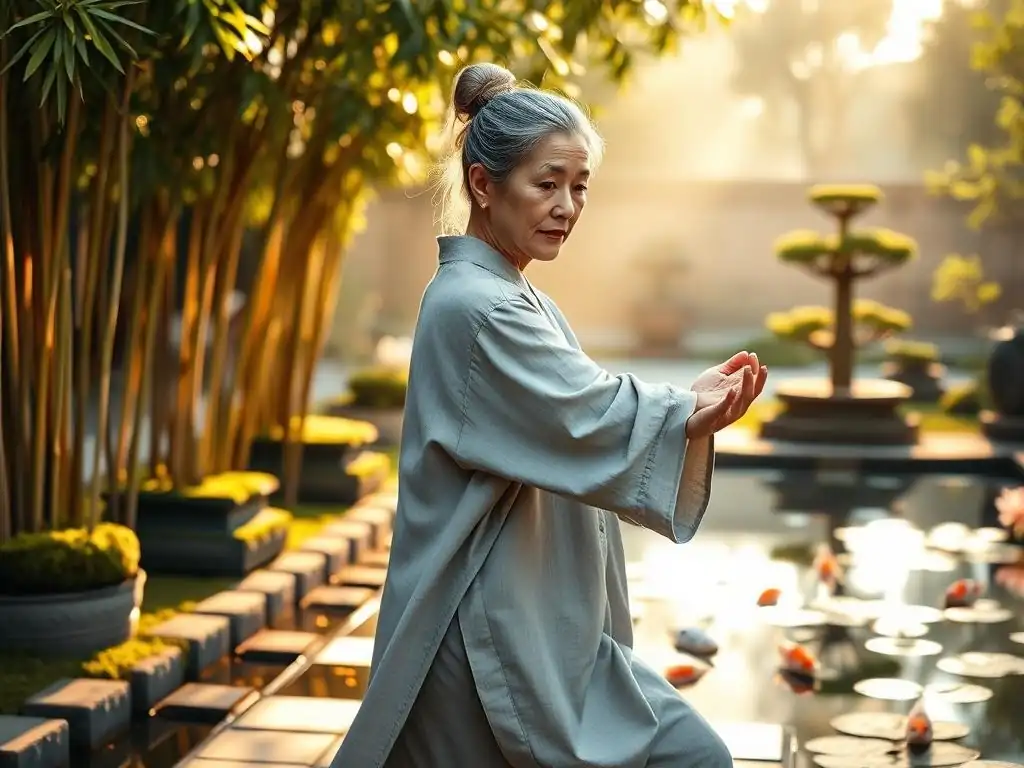
Welcome to Mind Care Guide, a sanctuary dedicated to your mental well-being.
Feeling scattered and uninspired? We understand. In today's fast-paced world, finding moments of clarity and creative spark can feel like an uphill battle. This is why we're thrilled to explore a powerful, ancient practice that can help: discover how Tai Chi improves focus creativity and unlocks a deeper connection to your inner flow state. Intrigued? Let's begin...
Finding Your Flow State: Tai Chi for Enhanced Focus and Creativity
- Introduction: Unlocking Mental Clarity and Creativity with Tai Chi
- Tai Chi: A Gentle Path to Improved Focus and Concentration
- Boosting Creativity Through Tai Chi Practice
- Tai Chi vs. Other Mindfulness Practices: Focusing on the Differences
- Integrating Tai Chi into Your Daily Routine for Sustained Focus and Creativity
- The Science Behind Tai Chi's Cognitive Benefits
- Overcoming Challenges in Your Tai Chi Journey for Mental Clarity
- Conclusion: Embracing Tai Chi for Enhanced Focus, Creativity, and Mental Wellness
-
Frequently Asked Questions
- How can Tai Chi specifically help improve focus and creativity?
- How often should I practice Tai Chi to see improvements in my focus and creativity?
- Is prior experience in martial arts or fitness required to benefit from Tai Chi for focus and creativity?
- What are some specific Tai Chi movements or principles that are most helpful for boosting focus and creativity?
- Are there any potential downsides or precautions to consider when using Tai Chi for mental well-being?
- Final Reflection: Unlocking Inner Peace, Outer Focus
- Unlock Your Inner Calm: Embrace the Flow
Introduction: Unlocking Mental Clarity and Creativity with Tai Chi
What is Tai Chi and How Can It Benefit Your Mental Well-being?
Tai Chi Chuan, often simply called Tai Chi, is an ancient Chinese martial art practiced for both its defense training and its health benefits. It involves a series of slow, flowing movements combined with deep breathing and focused intention. While rooted in martial arts, modern Tai Chi practice is often centered on promoting health, relaxation, and mental well-being. Unlike high-impact exercises, Tai Chi is gentle on the joints, making it accessible to people of many ages and physical conditions.
The practice is considered a form of moving meditation, where the practitioner maintains a state of relaxed awareness while performing the forms. This mindful movement helps to calm the nervous system, reduce stress hormones like cortisol, and promote a sense of inner peace. Regularly engaging in Tai Chi can lead to improved mood, reduced anxiety, and a greater ability to manage stress, all of which are foundational for enhancing cognitive functions like focus and creativity.
The Connection Between Tai Chi, Flow State, and Cognitive Enhancement
The concept of "flow state," or being completely absorbed and focused on an activity, is often associated with peak performance and creativity. Tai Chi practice inherently encourages this state. The slow, deliberate movements require concentration and a conscious connection between mind and body. As practitioners become more skilled, the movements become more fluid and intuitive, allowing the mind to settle into a state of effortless concentration.
This process of entering a flow state through Tai Chi has a direct impact on cognitive enhancement. By reducing mental clutter and distractions, Tai Chi helps to sharpen focus and improve attention span. Furthermore, the relaxed yet alert state cultivated during practice can open up new pathways for creative thinking. When the mind is not bogged down by stress or racing thoughts, it is more free to make novel connections and generate innovative ideas, demonstrating how Tai chi improve focus creativity.
Tai Chi: A Gentle Path to Improved Focus and Concentration
How Tai Chi Movements Cultivate Mindfulness and Attention
Tai Chi movements are performed slowly and deliberately, requiring the practitioner to pay close attention to their posture, balance, and the smooth transition between forms. This intense focus on the physical sensations and the present moment is the essence of mindfulness. By directing attention inward to the body's subtle cues and outward to the surrounding space, practitioners train their minds to stay anchored, reducing the tendency for mind-wandering.
For example, a common movement like "Ward Off" requires coordinating shifting weight, turning the waist, and specific arm postures simultaneously. Attempting this while your mind is elsewhere quickly leads to imbalance or awkwardness. This immediate feedback loop encourages the practitioner to bring their attention back to the task at hand, effectively strengthening the "muscle" of attention. Over time, this practice translates into an improved ability to maintain focus in other areas of life, whether it's concentrating on a complex work task or simply engaging fully in a conversation.
Tai Chi Breathing Techniques for Enhanced Focus and Mental Clarity
Integral to Tai Chi is coordinated, deep abdominal breathing. The breath is synchronized with the movements, typically inhaling during expansive movements and exhaling during contracting ones. This conscious control and regulation of breath directly impacts the nervous system, shifting it from a state of "fight or flight" (sympathetic activation) to a state of "rest and digest" (parasympathetic activation).
Deep, slow breathing increases oxygen flow to the brain and helps to calm the mind, reducing the physiological symptoms of stress and anxiety that often impair concentration. By focusing on the breath, practitioners further anchor their attention to the present moment. This practice of mindful breathing during movement creates a powerful synergy that clears mental fog and enhances overall mental clarity, making it easier to sustain focus on demanding tasks.
The Role of Tai Chi in Reducing Mental Clutter and Distractions
Modern life often bombards us with information and demands, leading to a constant state of mental clutter and susceptibility to distractions. Tai Chi provides a structured method for quietening this internal noise. The repetitive, flowing nature of the forms, combined with focused breathing and mindfulness, acts as a powerful antidote to racing thoughts and worries.
During a Tai Chi session, the primary "task" is the performance of the movements themselves. This simple yet demanding focus displaces the mental energy that would otherwise be consumed by rumination or planning. Practitioners often report feeling a sense of mental spaciousness and calm after practice, as if non-essential thoughts have been swept away. This reduction in mental clutter frees up cognitive resources, allowing for improved concentration and a greater capacity to engage deeply with tasks without being easily pulled away by internal or external distractions.
Boosting Creativity Through Tai Chi Practice
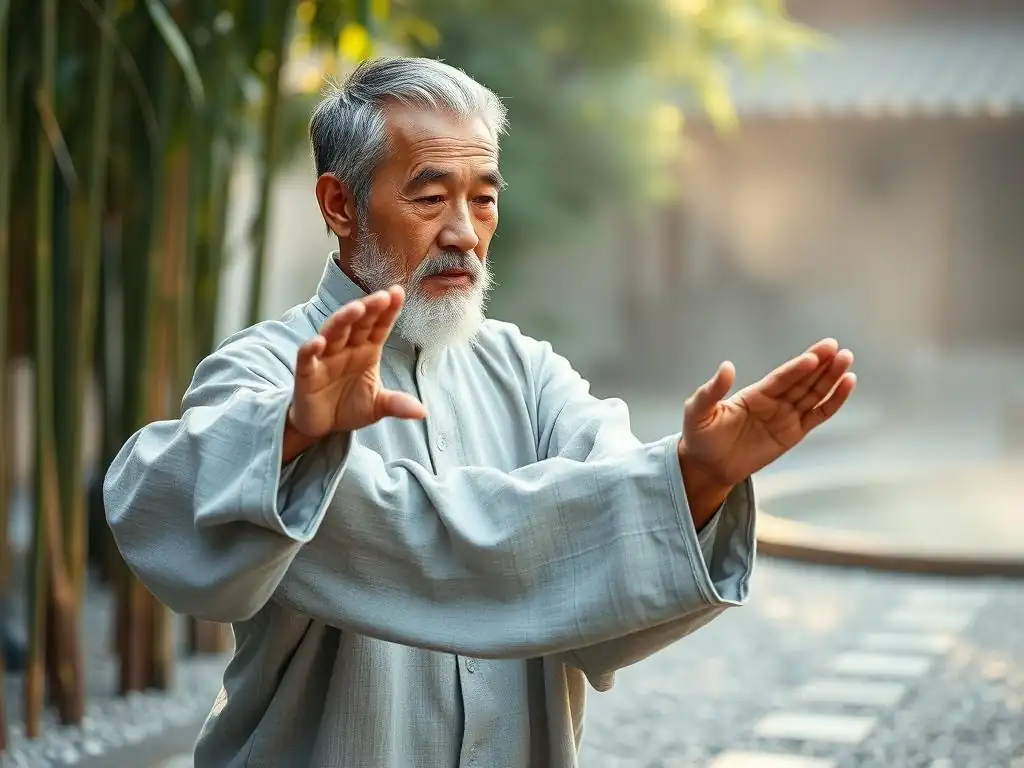
Tai Chi as a Catalyst for Creative Thinking and Problem-Solving
Creativity often flourishes when the mind is relaxed, open, and free from rigid constraints. Tai Chi cultivates exactly these conditions. The gentle, flowing movements and the emphasis on relaxed awareness help to reduce stress and anxiety, which are known inhibitors of creative thought. By entering a state similar to a meditative or flow state, the practitioner's mind becomes more receptive to novel ideas and unexpected connections.
Anecdotal evidence from practitioners across various creative fields suggests that Tai Chi practice can lead to breakthroughs in problem-solving and artistic expression. The non-linear, intuitive nature of learning and performing Tai Chi forms can encourage a shift away from purely logical, sequential thinking, fostering a more holistic and imaginative approach. This relaxed yet focused state is fertile ground for generating innovative solutions and fresh perspectives, demonstrating Tai chi improve focus creativity in action.
How Tai Chi Stimulates the Mind to Generate New Ideas
While Tai Chi might seem purely physical, its deep connection to mindfulness and internal energy (Qi) has a significant impact on cognitive flexibility. The practice encourages a subtle awareness of internal states and external interactions, fostering a heightened sense of perception and connection. This increased sensitivity can lead to new insights and the cross-pollination of ideas.
Moreover, the physical movement itself, even at a slow pace, increases blood flow to the brain, supplying it with vital oxygen and nutrients necessary for optimal function. Some theories also suggest that coordinating complex movements stimulates different areas of the brain, potentially strengthening neural pathways associated with cognitive processes, including idea generation. The combination of physical activity, mental focus, and a relaxed state creates an environment where the mind is more inclined to explore possibilities and synthesize information in novel ways.
Experiential Learning: Exploring the "Cloud Hands" Form for Creative Inspiration
The "Cloud Hands" movement is a fundamental element in many Tai Chi styles and serves as an excellent example of how the practice can foster creative inspiration. This movement involves a continuous, circular motion of the hands and arms, coordinated with weight shifts and torso rotation, mimicking the gentle movement of clouds. Practicing "Cloud Hands" requires maintaining a sense of flow and connection throughout the body.
Focusing on the smooth, continuous circle, the soft gaze, and the coordination of breath and movement can induce a meditative state. Within this state of relaxed focus, the mind is less likely to get stuck in rigid thought patterns. The repetitive, hypnotic quality of "Cloud Hands" can quiet the internal critic and allow for a more intuitive, non-linear mode of thinking. Many find that ideas or solutions that were previously elusive emerge during or after practicing this specific form, highlighting the experiential link between mindful movement and creative insight.
Tai Chi vs. Other Mindfulness Practices: Focusing on the Differences
Comparing Tai Chi with Meditation for Improving Mental Focus
Both Tai Chi and seated meditation are powerful practices for cultivating mindfulness and improving mental focus, but they differ in their approach. Seated meditation typically involves remaining still and focusing the mind on a single point, such as the breath or a mantra, or observing thoughts without judgment. The primary challenge often lies in maintaining stillness and bringing the wandering mind back to the object of focus. It is a direct training in mental discipline through stillness.
Tai Chi, conversely, trains focus through movement. The practitioner must simultaneously attend to posture, balance, coordination, breath, and the sequence of forms. This active engagement of the body adds another layer of complexity and provides a different avenue for cultivating attention. For individuals who find it difficult to sit still or quiet their minds in traditional meditation, Tai Chi offers a dynamic alternative where the body's movement helps to anchor the mind, making focused attention more accessible and enjoyable. Both improve mental focus, but through distinct pathways – stillness versus movement.
Tai Chi and Yoga: A Comparative Analysis for Cognitive Benefits
Yoga, particularly styles like Hatha or Vinyasa, also combines physical postures (asanas), breathing techniques (pranayama), and meditation to enhance well-being, including cognitive benefits. Both Tai Chi and Yoga improve body awareness, reduce stress, and can enhance focus and mental clarity. However, their emphasis and execution differ. Yoga often involves holding postures for a period, challenging flexibility and strength, and sequences can vary widely in pace and intensity.
Tai Chi's movements are generally slower, more continuous, and emphasize smooth transitions and internal energy flow rather than static holds or deep stretches. While Yoga can build physical strength and flexibility more overtly, Tai Chi focuses on cultivating balance, coordination, and a relaxed internal state through fluid motion. For cognitive benefits, both practices reduce stress and improve mindfulness, but Tai Chi's emphasis on continuous, deliberate movement combined with deep breathing might be particularly effective for cultivating a state of relaxed, sustained focus that directly supports enhanced creativity and cognitive flow.
Integrating Tai Chi into Your Daily Routine for Sustained Focus and Creativity
Creating a Tai Chi Practice Schedule for Mental Wellness
Consistency is key to reaping the mental benefits of Tai Chi, including improved focus and creativity. Start by committing to a realistic schedule, perhaps 15-20 minutes a few times a week. It doesn't need to be a lengthy session initially. Choose a time of day when you can practice undisturbed, whether it's first thing in the morning to set a focused and creative tone for the day, during a lunch break to refresh your mind, or in the evening to unwind and clear mental clutter before rest.
Consider using a planner or setting reminders to help you stay on track. Be flexible; missing a session occasionally is okay, but try to return to your schedule as soon as possible. Even short, frequent practices can be more beneficial than infrequent, long ones. The goal is to build a sustainable habit that supports your mental wellness journey.
Here is a sample task list for starting:
- [ ] Identify a quiet space at home or nearby.
- [ ] Choose a consistent time slot (e.g., 7:00 AM, 12:30 PM, 6:00 PM).
- [ ] Start with 15 minutes, 3 times per week.
- [ ] Find a beginner-friendly resource (e.g., a simple form sequence).
- [ ] Schedule your first practice session.
- [ ] Reflect on how you feel after practice.
Simple Tai Chi Exercises to Enhance Focus at Work or Home
Even without a full hour, simple Tai Chi principles and exercises can be incorporated throughout the day to regain focus and stimulate creativity. A few minutes of mindful movement or breathing can make a significant difference.
- Mindful Standing (Zhan Zhuang): Stand with feet shoulder-width apart, knees slightly bent, arms relaxed at your sides or held in front as if hugging a tree. Focus on your posture, grounding your feet, and deep abdominal breathing for 3-5 minutes. This simple stance calms the mind and builds foundational focus.
- Simple Weight Shifting: Stand with feet shoulder-width apart. Slowly shift your weight entirely onto one leg, then smoothly shift it back to the center, and then onto the other leg. Repeat for a few minutes, coordinating with slow breaths. Pay attention to the subtle shifts in balance and pressure on your feet. This exercise enhances body awareness and anchors attention.
- Arm Circles with Breath: Stand relaxed. Slowly raise your arms out to the sides and up, inhaling deeply. Lower them slowly, exhaling. Repeat for 1-2 minutes. Focus on the smooth motion and the breath. This releases tension and helps clear the mind.
These brief practices can be done in a small space and are excellent for taking a mental break, reducing screen fatigue, and resetting your focus during a busy day.
Morning Tai Chi Routine: Enhancing Creativity Before Work
Starting your day with Tai Chi can significantly impact your focus and creativity. A morning routine doesn't need to be long; even 10-15 minutes can be transformative. Find a quiet spot, perhaps near a window or outdoors if possible, to connect with the morning light and air.
Begin with a few minutes of mindful standing and deep breathing to center yourself. Then, move through a short, familiar sequence of forms, focusing on the flow of movement and coordinating with your breath. Pay attention to the sensations in your body and the feeling of energy circulating.
This gentle physical activity wakes up the body and mind without the jarring effects of more vigorous exercise. The calm, focused state cultivated during this practice can help you approach your work with enhanced clarity, reduced stress, and a more open, creative mindset. It sets a positive tone, preparing your mind to tackle challenges with improved focus and a flow of new ideas.
The Science Behind Tai Chi's Cognitive Benefits
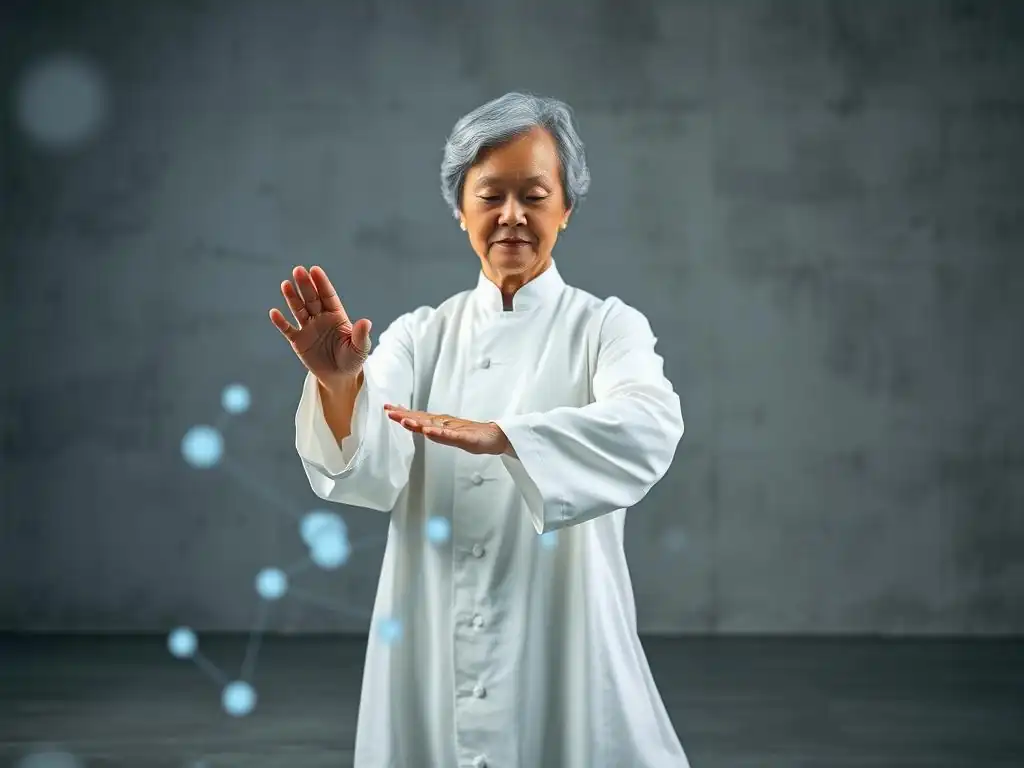
Research Studies on Tai Chi and Improved Cognitive Function
A growing body of scientific research supports the cognitive benefits of Tai Chi. Studies have investigated its effects on various aspects of brain function, particularly in older adults, where cognitive decline is a concern. For example, numerous reviews of research have consistently found that regular Tai Chi practice is associated with improvements in executive function, which includes crucial abilities like attention control, working memory, and cognitive flexibility – skills directly related to focus and problem-solving.
One type of study, often involving randomized controlled trials, compares groups practicing Tai Chi with control groups engaged in other activities or no intervention. These studies frequently report statistically significant improvements in cognitive performance measures among Tai Chi practitioners. While more large-scale studies are always beneficial, the existing research provides compelling evidence that Tai Chi is not just a physical exercise but a powerful tool for enhancing cognitive function and maintaining mental sharpness as we age.
The Neurological Effects of Tai Chi on Focus and Creativity
The cognitive benefits of Tai Chi are rooted in observable neurological effects. Neuroimaging studies, such as those using fMRI, have explored how Tai Chi impacts brain structure and activity. Some findings suggest that long-term Tai Chi practice may lead to structural changes in brain regions associated with cognitive control and attention, such as the prefrontal cortex and hippocampus.
Furthermore, Tai Chi's ability to reduce stress and anxiety is mediated by its influence on the autonomic nervous system and neurochemical levels. Lower stress hormone levels create a more optimal environment for cognitive processes.
The mindful aspect of Tai Chi also likely strengthens neural networks related to focused attention and present-moment awareness. While the direct neurological pathways linking Tai Chi specifically to creativity are still an active area of research, the practice's proven ability to enhance focus, reduce stress, and promote a relaxed yet alert state creates favorable conditions for creative thinking and insight generation by potentially influencing brain states associated with divergent thinking.
Brainwave Activity: Exploring Alpha Waves and Flow State in Tai Chi
Brainwave patterns provide insights into different states of consciousness, and research on Tai Chi practitioners often highlights changes in alpha wave activity. Alpha waves (typically 8-13 Hz) are commonly associated with a state of relaxed alertness, often experienced during meditation or quiet contemplation. This is distinct from the higher frequency beta waves associated with active, focused thinking or anxiety, and the lower frequency theta waves linked to deep relaxation or sleep.
Studies measuring EEG activity during Tai Chi practice have shown an increase in alpha wave power, particularly in certain brain regions. This increase in alpha waves correlates with the subjective experience of relaxed focus and reduced mental chatter reported by practitioners. This state of relaxed alertness is precisely what characterizes the "flow state" – being deeply absorbed in an activity with a sense of effortless concentration. The increase in alpha waves during Tai Chi provides neurological support for its effectiveness in cultivating a state conducive to both enhanced focus and creative exploration, reinforcing how Tai chi improve focus creativity.
Overcoming Challenges in Your Tai Chi Journey for Mental Clarity
Common Obstacles and How to Overcome Them
Starting and maintaining a Tai Chi practice for mental clarity can present challenges. One common obstacle is finding the time in a busy schedule. Solution: Begin small. Even 10-15 minutes a day, or a few times a week, is beneficial. Integrate it into an existing routine, like before breakfast or during a lunch break. Another challenge is feeling awkward or self-conscious when learning the movements. Solution: Practice in a private space initially, or find a beginner-friendly class or online resource where you feel comfortable. Focus on the internal feeling of the movement and breath rather than external perfection.
Feeling impatient about seeing results is also common. Solution: Remember that Tai Chi is a journey. The benefits to focus and creativity accumulate gradually with consistent practice. Celebrate small improvements, such as feeling slightly calmer or more present during a session. Don't aim for mastery immediately; aim for mindful participation.
Tips for Staying Motivated and Consistent with Your Tai Chi Practice
Maintaining motivation is crucial for long-term benefits. Set clear intentions for why you are practicing Tai Chi – perhaps specifically to improve focus at work or boost creative problem-solving. Reminding yourself of this goal can be a powerful motivator.
- Find a practice buddy or group: Practicing with others provides support, accountability, and a sense of community.
- Track your progress: Keep a simple journal to note how you feel before and after practice. Do you notice shifts in your focus or mood? Recognizing these subtle changes can reinforce the value of your practice.
- Vary your practice: Explore different forms or exercises to keep things interesting. Even returning to fundamental movements with renewed attention can provide variety.
- Be kind to yourself: Some days practice will feel easier than others. Accept this variation without judgment. If you miss a day, don't dwell on it; simply return to your practice the next opportunity you have. Consistency over perfection is the goal.
Conclusion: Embracing Tai Chi for Enhanced Focus, Creativity, and Mental Wellness
The Long-Term Benefits of Tai Chi for Cognitive Enhancement
Embracing Tai Chi as a regular practice offers significant long-term benefits for cognitive enhancement, extending beyond just temporary improvements in focus and creativity. Over time, consistent practice can lead to sustained improvements in attention span, working memory, and executive functions. It builds mental resilience, making it easier to navigate distractions and maintain concentration even in challenging environments.
Furthermore, by consistently reducing stress and promoting a state of relaxed alertness, Tai Chi creates an optimal internal environment for the brain to function at its best. This supports not only daily cognitive tasks but also fosters a sustained capacity for creative thinking and innovative problem-solving throughout life. The gentle, cumulative nature of Tai Chi makes it a sustainable practice for lifelong mental wellness and cognitive vitality.
Taking the Next Steps: Resources for Learning and Practicing Tai Chi
Ready to explore how Tai chi improve focus creativity in your own life? Starting your Tai Chi journey is accessible. Many communities offer classes through local parks departments, senior centers, or martial arts schools. Look for beginner-friendly classes that emphasize the health and mindfulness aspects of the practice.
Numerous online resources, including websites and video platforms, offer instructional content, from basic warm-ups and breathing exercises to full form sequences in various styles (like Yang, Wu, or Chen). Choose a style and instructor whose approach resonates with you. Remember to start slowly, be patient with yourself, and focus on the principles of relaxed movement, deep breathing, and focused awareness. The journey of Tai Chi is one of continuous learning and self-discovery, offering a profound path to enhanced focus, creativity, and overall mental well-being.
Frequently Asked Questions
How can Tai Chi specifically help improve focus and creativity?
Tai Chi's slow, deliberate movements and emphasis on mind-body connection calm the nervous system, reducing distractions. This allows for greater mental clarity and access to the "flow state," which is crucial for creative problem-solving. It also enhances mindfulness, a key component of focus.
How often should I practice Tai Chi to see improvements in my focus and creativity?
While individual results vary, consistency is key. Aim for at least 2-3 sessions per week, each lasting around 30-60 minutes. Noticeable improvements in focus and creativity often appear after a few weeks of regular practice.
Is prior experience in martial arts or fitness required to benefit from Tai Chi for focus and creativity?
No, prior experience is not required. Tai Chi is a low-impact exercise suitable for all fitness levels. Beginners can easily learn the basic forms and principles to start experiencing the mental benefits almost immediately.
What are some specific Tai Chi movements or principles that are most helpful for boosting focus and creativity?
Focus on movements that emphasize slow, controlled breathing and mindful awareness of your body's position in space. The principle of "centering" – finding your physical and mental equilibrium – is particularly beneficial for focus.
Are there any potential downsides or precautions to consider when using Tai Chi for mental well-being?
Tai Chi is generally safe, but individuals with pre-existing physical limitations should consult with a healthcare professional before starting. It's also important to find a qualified instructor who can teach proper form and technique to prevent injuries.
Final Reflection: Unlocking Inner Peace, Outer Focus
The pursuit of focus and creativity in our increasingly fragmented world is a universal struggle, and the ancient practice of Tai Chi offers a surprisingly potent antidote. Its gentle movements and mindful breathing aren't just physical exercises; they're a pathway to accessing the flow state, that elusive zone of peak performance where creativity blossoms and concentration deepens. This isn't just a fleeting trend; it's a timeless technique with profound modern relevance.
The impact of Tai Chi extends far beyond improved focus and creativity; it cultivates a deeper sense of self-awareness and inner peace, qualities increasingly vital in navigating the stresses of modern life. This journey into the practice has profoundly shifted my own perspective, reminding me of the importance of slowing down to speed up. The journey of a thousand miles begins with a single step.
This ancient proverb perfectly encapsulates the essence of Tai Chi – consistent practice, even in small increments, yields remarkable results, both internally and externally. The ripple effect of this practice extends to improved relationships, reduced stress, and a greater appreciation for the present moment.
Now, consider your own life. Are you feeling overwhelmed, scattered, struggling to find that creative spark? I invite you to explore the world of Tai Chi, to embark on this journey of self-discovery and mindful movement. Even a few minutes a day can unlock a wellspring of focus, creativity, and inner peace. Don't just read about the benefits; experience them firsthand. Begin your journey today, and discover the transformative power of finding your flow.
Unlock Your Inner Calm: Embrace the Flow
Thanks for exploring the world of Tai Chi with us! We hope you've discovered how this ancient practice can unlock incredible focus and creativity in your daily life. Ready to take the next step?
- Begin your Tai Chi journey today! Find a local class, watch a beginner's video online, or even just dedicate 5 minutes to a simple sun salutation. This small step can make a big difference.
- Share your experiences! Tell us – or your friends – about your first steps into this calming practice. What surprised you? What benefits did you notice immediately?
- Explore further: Discover the various Tai Chi styles and find one that resonates with your personality and energy level.
Ready to feel the transformative power of mindful movement? What will be your first step towards finding your flow?