
Exercising Away Anxiety: Natural Relief Strategies That Work

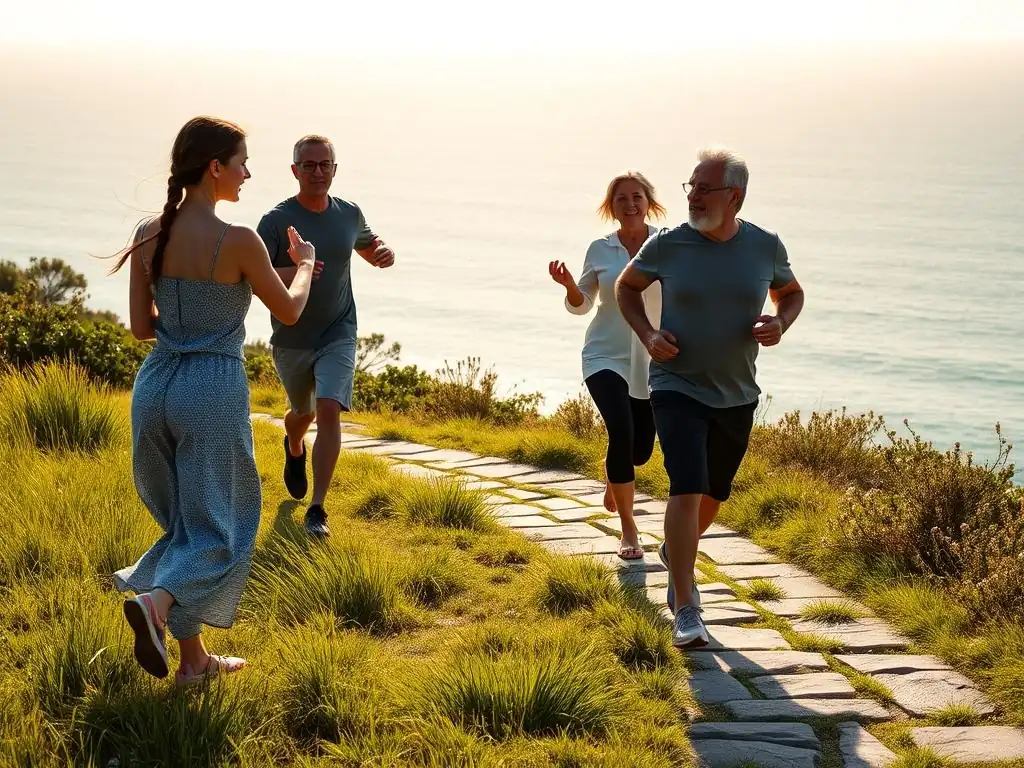
Welcome to Mind Care Guide, a safe space to explore your mental well-being.
Feeling overwhelmed by anxiety? You're not alone. Discover how exercise can reduce anxiety naturally, offering a powerful and accessible path to calmer days. We understand the struggles you're facing, and we're here to guide you towards proven strategies that truly make a difference. Intrigued? Let's delve into the science and practical steps you can take today to reclaim your peace of mind.
Exercising Away Anxiety: Natural Relief Strategies That Work
- Mind Care Guide: Your Path to Anxiety Relief Through Exercise
- Understanding the Link Between Exercise and Anxiety Reduction
- Effective Exercise Strategies to Reduce Anxiety Naturally
- Creating an Exercise Routine for Anxiety Relief: Practical Tips
- Maximizing the Anxiety-Reducing Effects of Exercise
- Beyond Exercise: Holistic Approaches to Anxiety Management
- Conclusion: Embracing Exercise for a Calmer, More Resilient You
- Frequently Asked Questions
- Final Reflection: The Enduring Power of Movement Against Anxiety
- Unleash Your Inner Calm: Take Control of Your Anxiety Today!
Mind Care Guide: Your Path to Anxiety Relief Through Exercise
Welcome to Mind Care Guide, your trusted resource for navigating the complexities of mental well-being. We understand that anxiety can feel overwhelming, impacting every facet of life. While various treatments exist, many individuals seek natural, accessible methods to manage their symptoms. This article explores a powerful, evidence-backed strategy: using exercise to naturally reduce anxiety. Discover how incorporating physical activity into your routine can offer significant relief and foster a greater sense of calm and resilience.
Through this guide, we aim to provide you with practical insights and actionable steps. We'll delve into the science behind why exercise is so effective, explore different types of physical activity that can help, and offer guidance on building a sustainable routine. Our goal is to empower you to harness the natural anxiety-reducing benefits of exercise and embark on a path toward improved mental health.
Understanding the Link Between Exercise and Anxiety Reduction
Anxiety is a complex condition involving both psychological and physiological components. It's characterized by feelings of worry, nervousness, or unease, often accompanied by physical symptoms like increased heart rate, rapid breathing, and muscle tension. While challenging, it's important to recognize that there are effective strategies for managing these symptoms, and physical activity stands out as a potent natural intervention.
The connection between our physical state and mental health is undeniable. Our bodies and minds are intricately linked, and activities that benefit one often profoundly impact the other. Understanding this connection is the first step in leveraging the power of exercise to naturally reduce anxiety and build a more balanced state of being.
How Physical Activity Impacts Mental Well-being
Engaging in physical activity triggers a cascade of beneficial effects throughout the body, many of which directly counter the physiological manifestations of anxiety. Regular exercise helps regulate stress hormones like cortisol and adrenaline. While these hormones are essential for our fight-or-flight response, chronic elevation due to stress or anxiety can be detrimental. Exercise helps bring these levels back into balance over time.
Furthermore, physical activity improves sleep patterns, which is crucial as poor sleep often exacerbates anxiety symptoms. It also provides a healthy distraction from anxious thoughts and worries, offering a period where the mind can focus on movement and the present moment rather than dwelling on potential threats or stressors. This mental break is invaluable for individuals struggling with persistent anxiety.
The Science Behind Exercise and Lower Anxiety Levels
The scientific community has extensively studied the impact of exercise on mental health, consistently finding a strong correlation between regular physical activity and reduced anxiety symptoms. One key mechanism involves the release of endorphins, often referred to as "feel-good" neurotransmitters. These naturally occurring chemicals can produce feelings of euphoria and well-being, acting as natural mood elevators and pain relievers.
Beyond endorphins, exercise influences other neurotransmitters involved in mood regulation, such as serotonin, dopamine, and norepinephrine. It also promotes neurogenesis (the creation of new brain cells) and improves blood flow to the brain, enhancing cognitive function and potentially improving resilience to stress. Studies indicate that even moderate levels of exercise, performed consistently, can lead to significant reductions in overall anxiety levels, sometimes comparable to the effects seen with medication for mild to moderate cases.
Why Exercise is a Natural Anxiety Remedy
Exercise offers a holistic and natural approach to managing anxiety, working with the body's own systems rather than introducing external substances. It addresses both the physical and mental aspects of anxiety simultaneously. Physically, it helps dissipate built-up tension, regulates breathing, and improves cardiovascular health, all of which can mitigate the uncomfortable bodily sensations associated with anxiety attacks or chronic worry.
Mentally, exercise provides a sense of accomplishment, boosts self-esteem, and offers a structured activity that can help regain a sense of control when anxiety feels overwhelming. It's a readily available tool, accessible to most people in some form, making it a sustainable and empowering strategy for long-term anxiety management. Using exercise to naturally reduce anxiety leverages the body's innate capacity for healing and regulation.
Effective Exercise Strategies to Reduce Anxiety Naturally
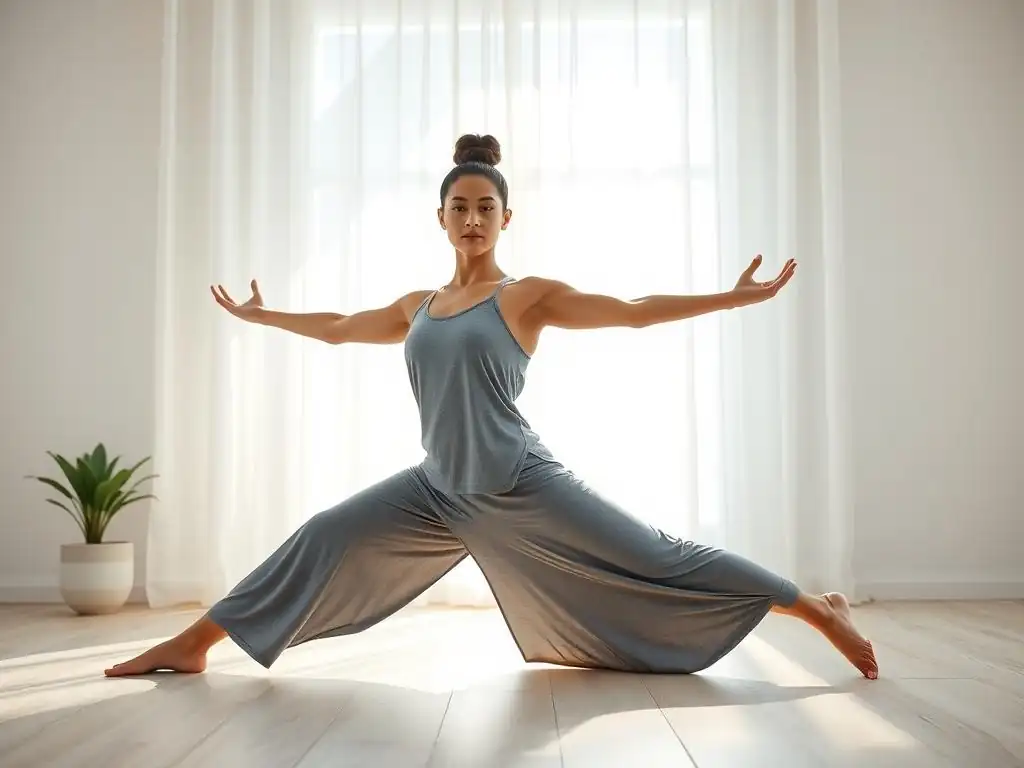
Finding the right type of exercise is key to making it a sustainable and enjoyable part of your anxiety management plan. Different forms of activity offer unique benefits, and exploring various options can help you discover what resonates most with you. The goal is to find activities that you look forward to, making consistency easier to achieve.
Remember, the most effective exercise strategy is the one you will do regularly. Don't feel pressured to engage in high-intensity workouts if that doesn't appeal to you. Even moderate activity can yield significant benefits when it comes to using exercise to naturally reduce anxiety.
Cardiovascular Exercise for Anxiety: A Comprehensive Guide
Cardiovascular, or aerobic, exercise is often highlighted for its profound impact on mental health. Activities that elevate your heart rate and keep it there for a sustained period are particularly effective at reducing stress hormones and releasing endorphins. Aim for at least 150 minutes of moderate-intensity aerobic exercise or 75 minutes of vigorous-intensity exercise per week, as recommended by health guidelines, although even less can be beneficial initially.
Examples of cardiovascular exercise include running, brisk walking, cycling, swimming, dancing, and using elliptical machines. The rhythmic nature of many of these activities can also be meditative, further enhancing their anxiety-reducing effects.
The Benefits of Running for Anxiety Relief
Running is a popular and effective way to combat anxiety. The repetitive motion and focus on breathing can create a meditative state, helping to quiet anxious thoughts. Furthermore, the physical exertion involved in running is excellent for releasing pent-up energy and tension often associated with anxiety. Many runners report experiencing a significant mood boost, often referred to as "runner's high," which is attributed to the release of endorphins.
Starting with short, manageable runs or walk-run intervals can make it less intimidating. Even a brisk 20-minute run can help clear your head and reduce feelings of overwhelm. Consistency is more important than speed or distance when using running to help exercise reduce anxiety naturally.
Cycling and its Impact on Stress Reduction
Cycling, whether outdoors or on a stationary bike, is another excellent cardiovascular activity for anxiety relief. It offers similar benefits to running in terms of elevating heart rate and releasing endorphins, but it can be lower impact, making it suitable for individuals with joint concerns. The rhythmic pedaling motion can be very calming, and cycling outdoors provides the added benefit of being in nature, which is known to reduce stress.
Cycling can be a solitary activity for quiet reflection or a social one, offering connection and support. The sense of freedom and exploration, especially during outdoor rides, can be a powerful antidote to feelings of being trapped or overwhelmed by anxiety.
Swimming as a Calming and Anxiety-Reducing Activity
Swimming is often described as a uniquely calming form of exercise. The buoyancy of the water can feel incredibly soothing, and the focus required on breath control and stroke can pull your attention away from anxious thoughts. The rhythmic nature of swimming laps can be deeply meditative.
Swimming is also a full-body workout that builds strength and endurance without putting stress on joints. The feeling of being submerged in water can create a sense of peaceful detachment, making it an ideal activity for those seeking a tranquil way to exercise reduce anxiety naturally.
Strength Training for Mental Health: Building Resilience
While cardiovascular exercise gets a lot of attention for its immediate mood-boosting effects, strength training offers distinct benefits for mental health, contributing to long-term resilience. Building physical strength can translate into a feeling of mental strength and capability. It provides tangible evidence of progress and self-efficacy, which can be incredibly empowering when battling feelings of helplessness often associated with anxiety.
Strength training also helps improve body image and self-esteem, indirectly reducing social anxiety or worries related to physical appearance. It promotes bone health and metabolism, contributing to overall physical well-being which supports mental health.
Lifting Weights to Combat Anxiety Symptoms
Lifting weights provides a structured activity with clear goals (lifting a certain weight, completing a set number of repetitions). This focus can be a helpful distraction from anxious rumination. The physical effort involved helps release tension and stress that can accumulate in the body.
As you get stronger, you gain a sense of accomplishment and control, which can significantly reduce feelings of powerlessness that often accompany anxiety. Studies suggest that regular strength training can lead to a decrease in anxiety symptoms over time, complementing the immediate effects of cardio and offering a different pathway to exercise reduce anxiety naturally.
Bodyweight Exercises for Improved Mood and Reduced Stress
You don't need a gym or heavy equipment to benefit from strength training. Bodyweight exercises like squats, push-ups, lunges, and planks can be performed anywhere and are highly effective. These exercises build functional strength, improve balance, and increase muscle endurance.
The focus required to perform bodyweight exercises correctly can help anchor you in the present moment, similar to mindfulness practices. Achieving milestones, like doing your first full push-up or holding a plank longer, provides tangible proof of your growing strength and resilience, boosting confidence and helping to manage stress and anxiety.
Yoga and Mindfulness: Combining Movement and Mental Clarity
Yoga is a practice that intentionally combines physical postures (asanas), breathing techniques (pranayama), and meditation or relaxation. It's a powerful tool for connecting the mind and body, making it exceptionally effective for managing anxiety. Yoga encourages present moment awareness and can teach valuable skills for regulating the nervous system.
The emphasis on breath control in yoga is particularly helpful for anxiety, as controlled breathing can directly calm the body's stress response. Regular practice can increase body awareness, helping you recognize the physical signs of anxiety earlier and employ techniques learned on the mat to manage them.
Yoga Poses for Anxiety Management
Certain yoga poses are known for their calming and grounding effects. Poses that promote relaxation and gentle stretching can release physical tension often held in the shoulders, neck, and hips when anxious. Examples include Child's Pose (Balasana), Legs-Up-the-Wall Pose (Viparita Karani), and Seated Forward Bend (Paschimottanasana).
Poses that require balance, like Tree Pose (Vrksasana), can help focus the mind and distract from anxious thoughts. Incorporating a sequence that moves mindfully through various poses can create a moving meditation, helping to exercise reduce anxiety naturally through deliberate movement and breath.
The Role of Meditation in Reducing Anxiety
While often practiced separately, meditation is frequently integrated into yoga and is a potent tool for anxiety management on its own. Meditation involves training the mind to focus, often on the breath, a mantra, or bodily sensations, to increase awareness and cultivate a sense of calm. It teaches you to observe your thoughts without judgment, reducing their power over you.
Regular meditation practice can actually change the structure of the brain, increasing activity in areas associated with calm and reducing activity in areas associated with fear and stress. Even a few minutes of daily meditation can significantly reduce overall anxiety levels and improve your ability to cope with stressful situations.
Creating an Exercise Routine for Anxiety Relief: Practical Tips
Starting and maintaining an exercise routine when you're struggling with anxiety can feel like a significant hurdle. Lack of motivation, fatigue, and the anxiety itself can make it difficult to begin. However, approaching it with empathy for yourself and setting realistic expectations can make it achievable. Remember, the goal is progress, not perfection.
Here are some practical tips to help you establish a consistent exercise routine tailored to help you exercise reduce anxiety naturally:
Setting Realistic Goals for Exercise and Mental Health
- [ ] Start small: Don't aim for an hour-long workout every day if you're currently inactive. Begin with 10-15 minutes a few times a week.
- [ ] Focus on consistency over intensity: Regular, gentle movement is more beneficial than sporadic, intense sessions.
- [ ] Tie goals to how you feel: Instead of "run 5k," set a goal like "go for a 20-minute walk to feel more relaxed."
- [ ] Acknowledge small victories: Celebrate showing up, even if you don't complete the full planned activity.
It's crucial to be kind to yourself. Some days will be harder than others, and that's okay. If you miss a workout, don't view it as a failure; simply get back on track the next day. Realistic goals prevent burnout and make the process feel less daunting.
Finding an Exercise You Enjoy to Reduce Anxiety
The key to sustainability is enjoyment. If you dread your workout, you're less likely to stick with it. Explore different activities until you find something that you genuinely like. This might involve trying a variety of things:
- Dancing in your living room to your favorite music.
- Taking a nature walk.
- Joining a recreational sports league.
- Trying a beginner's yoga class.
- Gardening or other active hobbies.
When you enjoy the activity, it feels less like a chore and more like self-care. This intrinsic motivation is powerful for maintaining consistency and maximizing the benefits of using exercise to naturally reduce anxiety.
Incorporating Exercise into Your Daily Routine for Lasting Benefits
Consistency is paramount for experiencing the full benefits of exercise on anxiety. Aim to make physical activity a non-negotiable part of your day or week, just like brushing your teeth or eating meals.
Consider:
- Scheduling it: Put your exercise time in your calendar.
- Stacking habits: Pair exercise with something you already do, like listening to a podcast only while walking.
- Having a backup plan: If you can't get to the gym, have a plan for bodyweight exercises at home.
Finding a time that works best for you – morning, afternoon, or evening – and sticking to it helps build a routine. Over time, your body and mind will begin to anticipate and even crave this activity, solidifying its role in helping you exercise reduce anxiety naturally.
Addressing Time Constraints and Motivation Challenges
Lack of time and motivation are common barriers, especially when dealing with anxiety. Break down these challenges into smaller, manageable parts.
- Time: Can you find 10-15 minutes? Short bursts of activity throughout the day are also beneficial. Take the stairs, walk during your lunch break, or do a quick set of squats while waiting for coffee.
- Motivation: On days when motivation is low, lower the bar. Tell yourself you only have to exercise for 5 minutes. Often, once you start, you'll feel like continuing. Find an accountability partner or join a group class. Focus on how you'll feel afterwards rather than the effort required to start.
Be patient and persistent. Understand that motivation fluctuates, and rely on discipline and routine on days when it's low. Every little bit helps in the journey to exercise reduce anxiety naturally.
Maximizing the Anxiety-Reducing Effects of Exercise
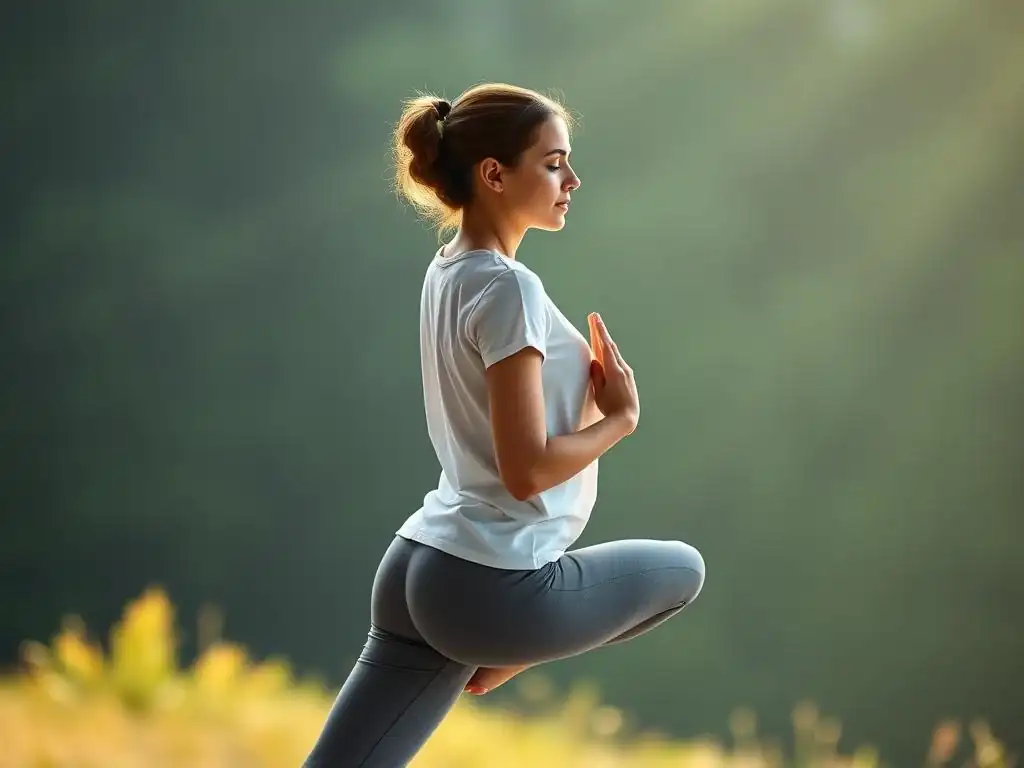
Simply moving your body is a great start, but you can enhance the anxiety-reducing benefits of exercise by being mindful of certain factors. Integrating your physical activity with other healthy habits and approaches can create a powerful synergistic effect, amplifying the positive impact on your mental well-being.
Consider these additional strategies to get the most out of using exercise to naturally reduce anxiety.
The Importance of Consistency in Exercise for Anxiety Relief
Consistency is arguably the most critical factor in leveraging exercise for long-term anxiety management. While a single workout can provide temporary relief, regular physical activity leads to cumulative benefits. Over time, your body adapts, stress hormone regulation improves more permanently, and beneficial neurotransmitter levels stabilize.
Aim for regularity, even if it's just short sessions. Three 20-minute walks a week are likely more beneficial in the long run than one intense 60-minute workout every two weeks. Building a consistent habit allows your body and mind to rely on exercise as a regular outlet for stress and anxiety, reinforcing its natural healing effects.
Combining Exercise with Other Natural Anxiety Remedies
Exercise is a powerful tool, but it's often most effective when used as part of a broader holistic approach. Combining physical activity with other natural anxiety remedies can provide more comprehensive relief.
Consider pairing exercise with:
- Mindfulness or meditation: As discussed earlier, these can be integrated during or after exercise.
- Deep breathing exercises: Practice conscious breathing before, during, or after your workout.
- Spending time in nature: Combine your exercise with being outdoors (e.g., hiking, trail running).
- Journaling: Reflect on how you feel after exercising.
This multi-faceted approach addresses anxiety from several angles, strengthening your ability to cope and promoting overall well-being alongside the benefits of using exercise to naturally reduce anxiety.
Nutrition and Hydration for Optimal Mental Well-being During Exercise
What you fuel your body with significantly impacts both your physical performance and your mental state. Proper nutrition and hydration are essential for supporting your exercise routine and maximizing its benefits for anxiety relief.
Ensure you are:
- Eating a balanced diet rich in whole foods, fruits, vegetables, lean proteins, and healthy fats.
- Staying well-hydrated throughout the day, especially before, during, and after exercise.
- Avoiding excessive caffeine or sugar, which can sometimes exacerbate anxiety symptoms.
- Getting enough complex carbohydrates to fuel your workouts and maintain stable energy levels.
Supporting your body with good nutrition and hydration enables you to perform better during exercise and helps regulate mood and energy, contributing positively to your efforts to exercise reduce anxiety naturally.
Beyond Exercise: Holistic Approaches to Anxiety Management
While exercise is a cornerstone of natural anxiety relief, it's important to remember that it's one piece of a larger puzzle. A holistic approach to managing anxiety involves addressing various aspects of your life and well-being. Integrating exercise with other proven strategies can provide more robust and sustainable relief.
Mind Care Guide advocates for a comprehensive view of mental health, recognizing that different tools and techniques work together to build resilience and foster healing.
Mindfulness and Meditation Techniques for Anxiety
As mentioned earlier, mindfulness and meditation are invaluable complements to exercise. Mindfulness involves paying attention to the present moment without judgment. This practice can help you become more aware of your anxious thought patterns and physical sensations, allowing you to respond to them with greater calm rather than reactivity.
Regular meditation practice, even for just 5-10 minutes daily, can train your brain to be less reactive to stressors and anxious thoughts. It builds a mental space between you and your anxiety, giving you more control over your reactions. These techniques, combined with physical activity, provide powerful tools to help you exercise reduce anxiety naturally and mindfully.
The Role of Therapy in Anxiety Treatment
For many individuals, therapy, particularly cognitive behavioral therapy (CBT) or exposure therapy, is a crucial component of anxiety treatment. Therapy provides a safe space to explore the root causes of your anxiety, challenge unhelpful thought patterns, and develop coping mechanisms.
A therapist can help you identify triggers, learn relaxation techniques, and develop strategies for facing feared situations gradually. While exercise can alleviate symptoms, therapy can help address the underlying issues contributing to your anxiety, offering deeper, long-term healing. Combining therapy with regular exercise is a highly effective strategy for comprehensive anxiety management.
Building a Support System for Mental Wellness
You don't have to navigate anxiety alone. Building and nurturing a strong support system is vital for mental wellness. This can include friends, family, support groups, or online communities. Sharing your experiences with trusted individuals can reduce feelings of isolation and provide comfort and understanding.
A support system can also offer practical help and encouragement, such as having a friend join you for a walk or talk through challenges you're facing. Feeling connected and supported provides a buffer against stress and anxiety, complementing your efforts to exercise reduce anxiety naturally and live a more fulfilling life.
Conclusion: Embracing Exercise for a Calmer, More Resilient You
Anxiety can be a challenging journey, but it is not a destination. By understanding the powerful, natural link between physical activity and mental well-being, you gain access to a potent tool for managing your symptoms. Exercise offers a scientifically supported way to reduce stress hormones, boost mood-regulating neurotransmitters, improve sleep, and build a greater sense of self-efficacy and control.
Whether you choose cardiovascular exercise, strength training, or mind-body practices like yoga, finding an activity you enjoy and incorporating it consistently into your routine is key. Remember to start small, set realistic goals, and be patient and compassionate with yourself throughout the process.
Taking Control of Your Anxiety with Natural Strategies
Embracing exercise as a natural anxiety remedy is an empowering step. It's a proactive choice to work with your body's innate capacity for healing and regulation. When combined with other holistic approaches like mindfulness, therapy, and building a strong support system, exercise becomes part of a comprehensive strategy for long-term well-being.
You have the power to make positive changes that can significantly impact your anxiety levels. Start moving today, listen to your body, and celebrate every step forward. By using exercise to naturally reduce anxiety, you are investing in a calmer, more resilient version of yourself, ready to face life's challenges with greater ease and confidence.
Frequently Asked Questions
How does exercise help to reduce anxiety?
Exercise triggers the release of endorphins, which have mood-boosting effects. It also helps to regulate stress hormones like cortisol and adrenaline, leading to a calmer state. Furthermore, engaging in physical activity provides a healthy distraction from anxious thoughts.
What types of exercise are most effective for anxiety relief?
While any exercise can be beneficial, aerobic exercises like running, swimming, and cycling are particularly effective. Mindfulness-based exercises such as yoga and Tai Chi can also be very helpful in managing anxiety symptoms. Ultimately, the best exercise is the one you enjoy and can consistently incorporate into your routine.
How much exercise is needed to see a reduction in anxiety?
The amount of exercise needed varies from person to person, but generally, aiming for at least 30 minutes of moderate-intensity exercise most days of the week is recommended. Even shorter bursts of activity can have a positive impact. Consistency is key for long-term anxiety management.
Are there any risks associated with using exercise as a primary anxiety treatment?
Exercise is generally safe, but it's important to consult with a doctor before starting a new exercise program, especially if you have underlying health conditions. Exercise alone may not be sufficient for severe anxiety disorders, and professional treatment might be necessary. Always listen to your body and avoid overexertion.
Can exercise completely eliminate anxiety?
While exercise can significantly reduce anxiety symptoms, it's not a guaranteed cure for everyone. It is often most effective when used as part of a comprehensive treatment plan that may also include therapy, medication, and lifestyle changes. Remember that managing anxiety is a journey, not a destination.
Final Reflection: The Enduring Power of Movement Against Anxiety
The simple act of moving our bodies offers a profound and readily available antidote to the pervasive grip of anxiety. In a world increasingly characterized by stress and uncertainty, understanding and utilizing the natural anxiety-reducing power of exercise is not just beneficial—it's essential. This isn't about achieving peak physical fitness; it's about harnessing the inherent connection between physical well-being and mental resilience.
The impact of exercise on anxiety extends far beyond the immediate feeling of accomplishment after a workout. It's a ripple effect, influencing our sleep patterns, our mood regulation, and even our ability to cope with future stressors. This holistic approach to well-being is increasingly recognized, moving beyond the simplistic view of exercise as merely physical exertion. The body achieves what the mind believes.
This quote, while often attributed to various sources, perfectly encapsulates the powerful mind-body connection at the heart of using exercise to combat anxiety. The belief in its efficacy is as crucial as the act itself.
You now possess the knowledge to integrate movement into your life as a powerful tool against anxiety. Don't wait for a crisis to strike; begin today. Start small, find an activity you genuinely enjoy, and gradually increase its intensity and frequency. Listen to your body, celebrate your progress, and remember that every step, every stretch, every mindful movement is a step towards a calmer, more resilient you. The journey towards a more tranquil mind begins with a single, intentional movement.
Unleash Your Inner Calm: Take Control of Your Anxiety Today!
Thanks for taking the time to explore natural anxiety relief strategies with us! We hope you found practical techniques to help you manage stress and feel more at ease. Now it's time to put that knowledge into action.
- Prioritize one new relaxation technique: Choose one of the methods discussed (deep breathing, mindful walking, progressive muscle relaxation) and commit to practicing it daily for a week. Notice how it impacts your anxiety levels.
- Share your experience: Let's build a supportive community! Share your thoughts and progress on this technique in the comments below – your insights could inspire others!
- Explore further: Dive deeper into the world of anxiety management by exploring other resources available online (you can search for "Mind Care Guide" + "anxiety management" on your search engine! ).
What small step will you take today to prioritize your mental well-being?