
Sleep Better Naturally: Connecting Time Outdoors with Improved Rest

Welcome to Mind Care Guide, a sanctuary for your mental well-being.
Struggling to find restful sleep? You're not alone. Discover how simple changes in your daily routine, like spending time outdoors, can dramatically improve your outdoor sleep quality. Explore our article, "Sleep Better Naturally," and unlock the secrets to deeper, more restorative rest. We believe everyone deserves peaceful nights – let's embark on this journey to better sleep, together. What small change will you make today?
- Sleep Better Naturally: Connecting Time Outdoors with Improved Rest
- Understanding the Link Between Outdoor Exposure and Sleep Quality
- Outdoor Sleep Quality Improvement Tips: Your Guide to Restful Nights
- Minimizing the Negative Impacts: Outdoor Time and Sleep
- Creating a Relaxing Outdoor Evening Routine for Improved Sleep
- Advanced Strategies for Optimizing Outdoor Exposure for Sleep
- Conclusion: Embracing the Power of Nature for Better Sleep and Mental Well-being
-
Frequently Asked Questions
- How can spending time outdoors improve my sleep quality?
- What types of outdoor activities are most beneficial for sleep quality improvement?
- How much time outdoors should I aim for to see improvements in my sleep?
- Are there any specific times of day that are better for outdoor exposure to improve sleep?
- What if I live in an area with limited sunlight? Can I still benefit from outdoor time for sleep improvement?
- Final Reflection: Reclaiming the Night Through Nature's Embrace
- Unlock Your Natural Sleep Potential
Sleep Better Naturally: Connecting Time Outdoors with Improved Rest
Mind Care Guide: Holistic Mental Health & Self-Care - Nature and Mental Health
Spending time in nature offers profound benefits for our mental well-being, and one significant area often overlooked is its impact on sleep quality. In our increasingly indoor lives, disconnected from natural light cycles and fresh air, many of us struggle with restless nights. Reconnecting with the outdoors is a powerful, natural strategy to improve sleep patterns and enhance overall restorative rest.
Exploring the link between our environment and our sleep is crucial for anyone seeking holistic approaches to mental health. This guide delves into how leveraging the power of nature can provide effective Outdoor sleep quality improvement tips and help you achieve the restful sleep your mind and body need to thrive.
Understanding the Link Between Outdoor Exposure and Sleep Quality
The Science Behind Sunlight and Your Circadian Rhythm
Our bodies operate on an internal clock called the circadian rhythm, which regulates various functions, including our sleep-wake cycle. This rhythm is primarily set by light, particularly natural sunlight. When we are exposed to bright light during the day, it signals to our brain that it's time to be awake and alert. Conversely, the absence of bright light in the evening prompts the body to prepare for sleep.
Studies indicate that consistent exposure to natural daylight helps to strengthen and synchronize this internal clock. People who spend more time outdoors during the day often report falling asleep more easily at night and feeling more awake during the day. This natural regulation is a foundational principle behind effective Outdoor sleep quality improvement tips.
How Natural Light Regulates Melatonin Production
Melatonin, often called the "sleep hormone," plays a critical role in signaling to the body that it's time to sleep. Its production and release are heavily influenced by light exposure. When your eyes detect bright light, especially the blue wavelengths present in sunlight, melatonin production is suppressed. As light levels decrease in the evening, melatonin production increases, making you feel sleepy.
Regular exposure to bright natural light during the day helps to ensure a strong signal for melatonin suppression, leading to a more robust increase in production as darkness falls. This natural pattern is disrupted by spending excessive time under dim indoor lighting or artificial light at night. Maximizing your daytime exposure to natural light is one of the most accessible Outdoor sleep quality improvement tips available.
The Impact of Spending Time Outdoors on Sleep Duration
Beyond regulating the sleep-wake cycle, consistent outdoor exposure has been associated with improvements in both sleep duration and quality. Research suggests that individuals who spend more time in natural environments may experience fewer sleep disturbances and spend more time in deep, restorative sleep stages. This isn't solely due to light; factors like physical activity and reduced stress levels often associated with outdoor time also contribute.
For example, a study tracking office workers found that those in offices with windows and access to natural light slept, on average, 46 minutes more per night than those in windowless environments. While this study focused on indoor light, it highlights the significant impact of light exposure, a benefit amplified by direct outdoor time. Incorporating outdoor activities is a practical step towards applying Outdoor sleep quality improvement tips.
Outdoor Sleep Quality Improvement Tips: Your Guide to Restful Nights

Maximizing Sunlight Exposure for Better Sleep Patterns
Leveraging the power of natural light is perhaps the most impactful of the Outdoor sleep quality improvement tips. Our bodies are designed to respond to the sun's rhythm, and intentionally increasing your exposure can reset and strengthen your circadian timing. This doesn't necessarily require hours outdoors, but rather strategic timing.
Aim to get outside, especially during the morning hours, to signal to your body that the day has begun. Even on cloudy days, the natural light intensity outdoors is significantly higher than typical indoor lighting. Making this a daily habit can profoundly influence your ability to fall asleep at night and feel rested in the morning.
Morning Sunlight: The Key to Resetting Your Body Clock
Exposure to bright light within the first hour or two of waking is crucial for setting your internal clock for the day. This early light exposure tells your brain to stop producing melatonin and increases alertness. It helps solidify the timing of your circadian rhythm, making it easier to feel sleepy at your desired bedtime later that evening.
Just 20 to 30 minutes of outdoor morning light exposure can make a significant difference. Consider stepping outside for your morning coffee, eating breakfast near a window with natural light, or simply standing on your balcony or in your yard shortly after waking. This simple action is a cornerstone of effective Outdoor sleep quality improvement tips.
Outdoor Morning Walk: A Simple and Effective Method
Combining morning light exposure with gentle physical activity enhances its benefits. A brisk 15-30 minute walk outdoors shortly after waking is an excellent way to maximize morning light exposure while also getting your blood flowing and boosting your mood. This activity helps to solidify the "wake up" signal for your body.
Even a short walk around the block or in a nearby park can provide ample natural light exposure. This routine is particularly beneficial for those who work indoors or live in climates with limited winter daylight. Incorporating an outdoor morning walk is a practical and enjoyable way to implement Outdoor sleep quality improvement tips.
The Role of Fresh Air in Enhancing Sleep
Beyond light, the quality of the air we breathe can also influence our sleep. Spending time in environments with good air circulation and lower levels of indoor pollutants can contribute to better respiratory health and overall comfort, both of which are conducive to restful sleep. Natural outdoor air, especially away from urban pollution sources, is often richer in oxygen and free from common indoor allergens and irritants.
While research directly linking fresh outdoor air alone to sleep quality is still developing, the benefits of improved respiration and reduced exposure to indoor air contaminants are well-documented. Many people report feeling more refreshed and less congested after spending time outdoors, which can indirectly support better sleep.
Exploring the Benefits of Outdoor Exercise for Sleep
Regular physical activity is widely recognized as a powerful tool for improving sleep quality, and exercising outdoors adds the benefits of natural light and fresh air. Outdoor exercise can help reduce stress and anxiety, two major contributors to insomnia and poor sleep. The physical exertion helps you feel more tired at bedtime, making it easier to fall and stay asleep.
Moderate-intensity aerobic exercise, such as jogging, cycling, or hiking outdoors, has been shown to decrease sleep latency (how long it takes to fall asleep) and reduce the number of nighttime awakenings. It's one of the most frequently cited Outdoor sleep quality improvement tips because it combines physical and environmental benefits.
Late Afternoon Outdoor Exercise: Balancing Activity and Relaxation
While morning light is crucial for setting the circadian rhythm, late afternoon exercise outdoors can also be beneficial for sleep. Exercising a few hours before bedtime allows your body temperature to rise during the activity and then gradually cool down afterward, a process that can promote sleepiness. A walk or light jog in a park as the day cools down can be a pleasant and effective way to unwind.
However, strenuous exercise too close to bedtime (within 1-2 hours) can be counterproductive for some individuals, as it may increase alertness and body temperature. Experiment to find the timing that works best for you. Incorporating late afternoon outdoor activity is another valuable addition to your repertoire of Outdoor sleep quality improvement tips.
Grounding (Earthing): Connecting with Nature for Deeper Sleep
Grounding, or earthing, involves direct physical contact with the surface of the Earth, such as walking barefoot on grass, soil, or sand. The theory is that the Earth's surface possesses a subtle electrical charge that can help neutralize free radicals and reduce inflammation in the body, potentially impacting various physiological processes, including sleep.
While research is still emerging, some preliminary studies and anecdotal reports suggest that grounding may help regulate cortisol levels, a stress hormone that follows a circadian rhythm and can interfere with sleep when dysregulated. Reducing chronic stress and inflammation are indirect ways grounding might contribute to improved rest.
The Science of Grounding and its Sleep-Related Benefits
Proponents of grounding suggest that direct contact with the Earth allows the body to absorb free electrons, which act as antioxidants. A study published in the Journal of Alternative and Complementary Medicine in 2004 reported that participants who slept on a conductive mattress pad connected to the Earth experienced reduced cortisol levels, less pain, and improved sleep quality compared to a control group.
While more rigorous research is needed to fully understand the mechanisms, the concept aligns with the broader benefits of spending time in nature for stress reduction and well-being. Considering grounding as part of your Outdoor sleep quality improvement tips can be a low-cost, simple experiment.
Walking Barefoot on Grass: A Simple Grounding Technique
One of the easiest ways to practice grounding is simply walking barefoot outdoors. Find a safe, clean patch of grass, soil, or sand and spend 10-30 minutes walking or standing barefoot. This can be done while enjoying other outdoor activities, such as gardening or picnicking.
Even brief contact can be beneficial. This practice can be incorporated into your daily routine, perhaps during a lunch break in a park or while relaxing in your backyard. Walking barefoot on grass is a straightforward technique to explore the potential benefits of grounding as part of your Outdoor sleep quality improvement tips.
Minimizing the Negative Impacts: Outdoor Time and Sleep
While spending time outdoors offers numerous sleep benefits, it's also important to be mindful of potential environmental factors that could negatively impact your rest. Addressing these concerns ensures that your efforts to use nature for better sleep are effective and comfortable.
Being aware of potential disruptions like excessive light exposure late at night, allergens, or insects allows you to take preventative measures. Integrating these considerations into your approach ensures you are applying Outdoor sleep quality improvement tips holistically and safely.
Avoiding Blue Light Exposure Before Bed After Spending Time Outdoors
Even if you've spent the day soaking up natural light, exposure to artificial blue light from screens (phones, tablets, computers, TVs) in the hours before bedtime can interfere with melatonin production. This is especially true if you transition directly from outdoor evening activities to screen time.
Aim to dim indoor lights and minimize screen use for at least 1-2 hours before you plan to sleep. If you must use screens, consider using blue light filtering glasses or software. This combination of maximizing natural light during the day and minimizing artificial light at night is a powerful strategy within Outdoor sleep quality improvement tips.
Managing Allergies and Environmental Factors for Uninterrupted Sleep
Seasonal allergies, like pollen, can significantly disrupt sleep with symptoms such as nasal congestion, sneezing, and itchy eyes. If you suffer from allergies, spending time outdoors during peak season might worsen symptoms at night.
Consider checking pollen counts before spending extended time outside, especially during allergy season. Showering and changing clothes after being outdoors can help remove allergens. Managing allergies effectively through medication or other strategies recommended by a healthcare professional is crucial for ensuring that outdoor exposure contributes positively to your sleep, rather than negatively.
Using Mosquito Netting and Protective Clothing: Avoiding Insect Bites
Insects like mosquitoes and ticks can be more than just annoying; their bites can cause discomfort, itching, and even transmit diseases, all of which can interfere with sleep. Especially during warmer months or in certain climates, taking precautions against insect bites is essential for comfortable outdoor activities that support sleep.
When spending time outdoors, particularly in the evening, consider using insect repellent, wearing long sleeves and pants, and using mosquito netting around outdoor seating areas or even your bed if you sleep with windows open. These simple protective measures help ensure that your pursuit of Outdoor sleep quality improvement tips isn't undone by uncomfortable insect encounters.
Creating a Relaxing Outdoor Evening Routine for Improved Sleep
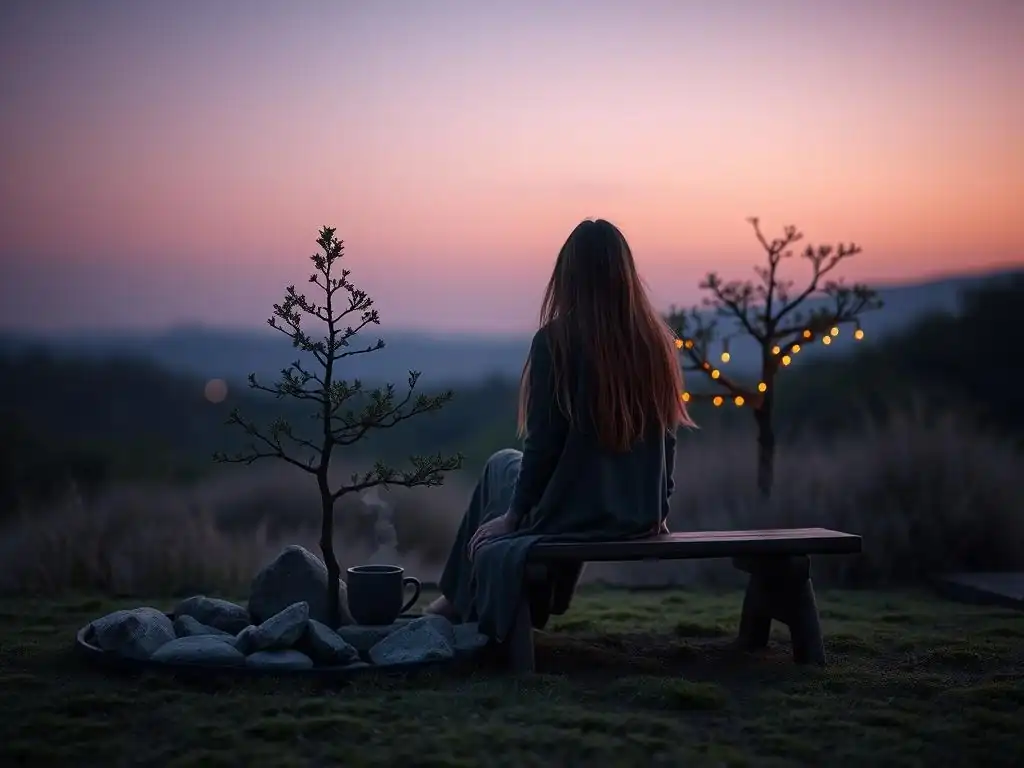
Transitioning from the day's activities to a state of relaxation is key for preparing for sleep. Incorporating calming outdoor elements into your evening routine can signal to your body that it's time to wind down. This doesn't need to be elaborate; simple practices can be very effective.
Focus on activities that promote peace and reduce stress. This part of implementing Outdoor sleep quality improvement tips is about creating a mindful connection with the natural environment as you prepare for rest.
Incorporating Nature Sounds and Aromatherapy
Even if you can't be physically outdoors in the evening, bringing elements of nature into your home can help create a relaxing atmosphere. Listening to recordings of nature sounds, like gentle rain, ocean waves, or forest ambiance, can have a calming effect on the nervous system.
Pairing these sounds with aromatherapy using natural essential oils, such as lavender or chamomile, known for their relaxation properties, can enhance the effect. Diffusing these scents in your bedroom or adding a few drops to a warm bath can help prepare your mind and body for sleep.
Gentle Rain Sounds and Lavender Essential Oil: Promoting Relaxation
Many people find the rhythmic, consistent sound of gentle rain incredibly soothing. It can mask distracting noises and create a peaceful auditory environment. Combining this with the well-researched calming effects of lavender essential oil can be a potent sleep aid.
Studies have shown that inhaling lavender scent can decrease heart rate and blood pressure, promoting a relaxed state. Try playing gentle rain sounds at a low volume and diffusing pure lavender essential oil in your bedroom for 30-60 minutes before bedtime. This simple combination is a popular technique among Outdoor sleep quality improvement tips focused on creating a peaceful sleep environment.
The Importance of a Consistent Sleep Schedule, Even on Weekends
While enjoying the outdoors, it's still vital to maintain a consistent sleep schedule. Going to bed and waking up around the same time each day, including weekends, helps reinforce your circadian rhythm. Erratic sleep times, even if spent outdoors or after outdoor activities, can disrupt your body's natural sleep-wake cycle.
Consistency is one of the most fundamental Outdoor sleep quality improvement tips. Even if you spend a weekend camping or enjoying late outdoor evenings, try to stick within an hour or two of your usual sleep and wake times. This regular pattern is more important for long-term sleep health than occasional late nights.
Advanced Strategies for Optimizing Outdoor Exposure for Sleep
For those looking to fine-tune their approach to using outdoor time for better sleep, several advanced strategies can be considered. These involve a deeper understanding of light exposure and recognizing when professional help might be needed.
Applying these more detailed techniques can help you maximize the benefits derived from the natural environment and ensure your Outdoor sleep quality improvement tips are fully optimized for your individual needs.
Tracking Your Sunlight Exposure: The Use of Light Meters and Apps
To get a more precise understanding of your daily light exposure, you can use a personal light meter or smartphone apps designed for this purpose. These tools can measure the intensity of light (measured in lux) you are exposed to throughout the day.
Aiming for exposure to several thousand lux for a sustained period (e.g., 30 minutes) in the morning is significantly more effective for circadian timing than spending hours under typical indoor lighting (which might only be a few hundred lux). Tracking helps you quantify your exposure and make adjustments to ensure you are getting enough bright light to properly set your internal clock, enhancing your Outdoor sleep quality improvement tips.
Considering Seasonal Affective Disorder (SAD) and Outdoor Light Therapy
In regions with significant seasonal changes, reduced daylight during winter months can impact mood and sleep, a condition known as Seasonal Affective Disorder (SAD). Less natural light exposure can disrupt circadian rhythms and melatonin production, leading to increased sleepiness and difficulty waking.
For individuals affected by SAD, outdoor light exposure is even more critical. When outdoor light is insufficient, light therapy using a specialized SAD lamp (typically emitting 10,000 lux) for a set period each morning can mimic the effects of natural light and help regulate the circadian rhythm. Consulting a healthcare professional is recommended before starting light therapy, but maximizing natural outdoor light remains a primary recommendation.
Consulting a Sleep Specialist: When Lifestyle Changes Aren't Enough
While integrating Outdoor sleep quality improvement tips into your routine can significantly help many people, chronic severe sleep problems may indicate an underlying sleep disorder or other health issue. If consistent efforts to improve sleep through lifestyle changes, including increased outdoor exposure, do not yield significant results, it may be time to seek professional help.
A sleep specialist can conduct evaluations, such as a sleep study, to identify specific issues like sleep apnea, restless legs syndrome, or chronic insomnia. They can provide personalized treatment plans that may include behavioral therapies, medication, or other interventions. Nature is a powerful tool, but it's part of a broader approach to health.
Conclusion: Embracing the Power of Nature for Better Sleep and Mental Well-being
The connection between spending time outdoors and achieving restful sleep is clear and supported by scientific understanding of our body's natural rhythms. By intentionally incorporating more natural light, fresh air, and physical activity in nature into our daily lives, we can positively influence our circadian rhythm, hormone production, and overall relaxation levels, leading to improved sleep quality.
Embracing Outdoor sleep quality improvement tips is a practical and accessible step towards better rest. It encourages us to step away from artificial environments and reconnect with the natural world that our bodies are inherently tied to.
Recap of Outdoor Sleep Quality Improvement Tips
We've explored several actionable strategies to enhance your sleep through outdoor exposure:
- Prioritizing morning sunlight exposure shortly after waking.
- Incorporating outdoor morning walks or exercise.
- Exploring the potential benefits of grounding by walking barefoot.
- Balancing the timing of outdoor exercise.
- Being mindful of environmental factors like light at night, allergies, and insects.
- Creating a relaxing evening routine using nature sounds and scents.
- Maintaining a consistent sleep schedule.
Encouraging a Mindful Approach to Outdoor Time for Enhanced Rest
Beyond just implementing these tips, adopting a mindful approach to your time outdoors can deepen the benefits. Pay attention to the sensory experience – the feel of the sun, the sound of the wind, the scent of the air. Engaging your senses can further reduce stress and promote relaxation, enhancing the sleep-promoting effects of being in nature.
Making conscious choices to spend time outdoors is an investment in your sleep health and overall mental well-being. By integrating these Outdoor sleep quality improvement tips into your life, you can unlock the restorative power of nature and pave the way for more peaceful, rejuvenating nights.
Frequently Asked Questions
How can spending time outdoors improve my sleep quality?
Exposure to natural sunlight helps regulate your circadian rhythm, which is your body's internal clock. This improved _internal clock_ can lead to better sleep-wake cycles and improved sleep quality.
What types of outdoor activities are most beneficial for sleep quality improvement?
Activities like walking in nature, gardening, or simply sitting in a park can all be beneficial. The key is to expose yourself to natural light and fresh air for a sustained period.
How much time outdoors should I aim for to see improvements in my sleep?
Aim for at least 30 minutes of outdoor exposure during the day, preferably in the morning. Consistency is key; making it a daily habit will yield the best results for _sleep enhancement_.
Are there any specific times of day that are better for outdoor exposure to improve sleep?
Morning sunlight is particularly effective because it helps suppress melatonin production during the day and promote it in the evening. This helps you feel more awake during the day and _sleepier at night_.
What if I live in an area with limited sunlight? Can I still benefit from outdoor time for sleep improvement?
Even on cloudy days, being outdoors exposes you to more light than staying indoors. Supplementing with light therapy lamps that mimic sunlight can also be helpful, as well as _prioritizing outdoor activities_ when the sun is visible.
Final Reflection: Reclaiming the Night Through Nature's Embrace
The connection between time spent outdoors and improved sleep quality isn't just a trend; it's a fundamental truth our increasingly digital world desperately needs to rediscover. We've explored the science behind this link, from the impact of sunlight on our circadian rhythm to the calming effects of nature on our nervous system. The evidence is clear: embracing the outdoors is a powerful, natural tool for better sleep.
This journey into the restorative power of nature has profoundly impacted my own understanding of sleep and well-being. I've personally experienced the transformative effects of incorporating more outdoor time into my daily routine, trading screen time for sunlight and finding a deeper, more restful sleep as a result. Nature holds the key to our serenity.
This simple statement resonates deeply, highlighting the often-overlooked connection between our environment and our inner peace, a peace that directly translates to the quality of our sleep.
Now, I invite you to consider your own relationship with the outdoors. How much time do you dedicate to connecting with nature each day? What small changes could you make to incorporate more sunlight, fresh air, and natural beauty into your life? Start small – a short walk at lunchtime, a mindful moment in your garden, or simply opening your window to let the breeze in. The rewards – a deeper, more restorative sleep and a greater sense of well-being – are well worth the effort. Let's reclaim the night, one sunset at a time.
Unlock Your Natural Sleep Potential
Thanks for taking the time to explore the connection between nature and better sleep! We hope you gained valuable insights into how spending time outdoors can dramatically improve your rest. Now it's time to put that knowledge into practice.
- Prioritize a daily dose of nature: Even 15-20 minutes of sunlight and fresh air can make a world of difference. Try a lunchtime walk, a sunset stroll, or simply sitting outside with a cup of tea. This is your primary step towards better sleep.
- Share your nature sleep journey: Tell us (and others!) about your experiences. What nature activities have you found most helpful for improving your sleep? Share your tips in the comments below!
- Designate a "wind-down" outdoor ritual: Create a calming evening routine that includes time outdoors. This could be anything from light gardening to stargazing – something that promotes relaxation before bed.
So, what nature-based strategy will you try first to boost your sleep quality tonight?