
The GutBrain Axis: How Food Choices Affect Your Mood

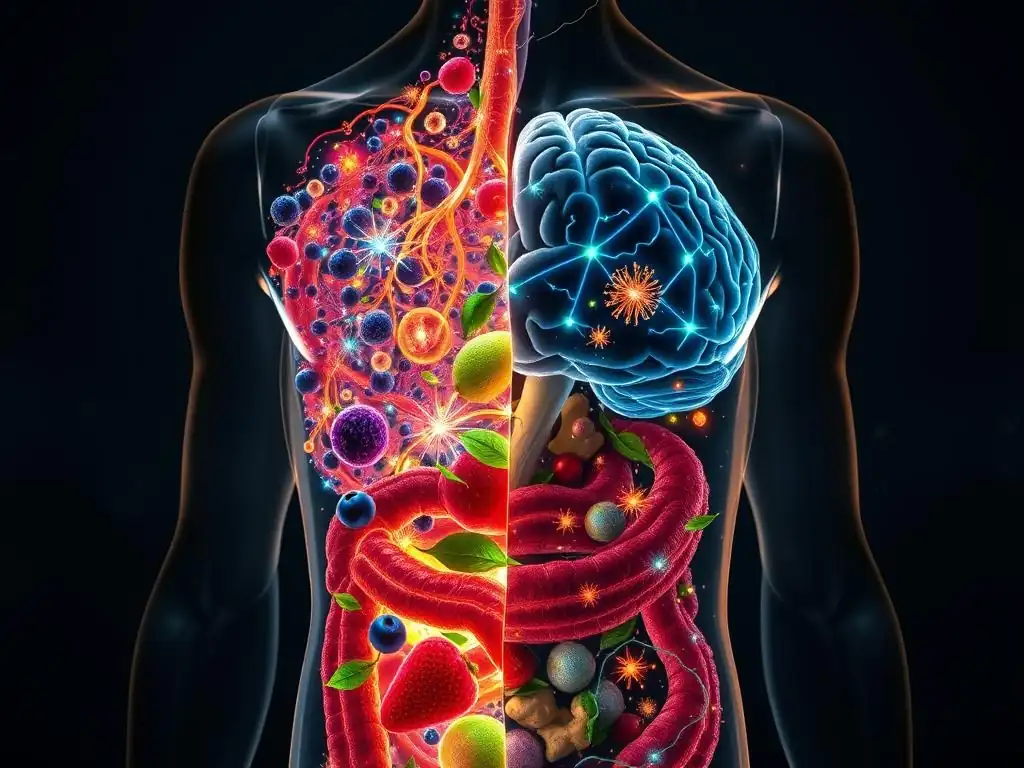
Welcome to Mind Care Guide, a safe space dedicated to nurturing your mental well-being. Feeling a little disconnected? You're not alone. Explore the fascinating connection between what you eat and how you feel as we delve into the Gut Brain Axis, uncovering how strategic food choices can profoundly impact your mood. Are you ready to discover the power of mood food? Let's begin!
The Gut-Brain Axis: How Food Choices Affect Your Mood
- Understanding the Gut-Brain Connection and Mental Health
- Food and Mood: The Impact of Diet on the Gut-Brain Axis
- Gut Health and Mood Disorders: A Closer Look
- Optimizing Your Diet for a Healthy Gut and Improved Mood
- Practical Tips for Implementing a Gut-Friendly Diet
- Beyond Diet: Other Factors Influencing the Gut-Brain Axis
- Conclusion: Nurturing Your Gut for a Happier, Healthier You
- Frequently Asked Questions
- Final Reflection: Nourishing the Mind, One Meal at a Time
- Unlock Your Happiest Self: Nourish Your Mind & Mood
Understanding the Gut-Brain Connection and Mental Health
The intricate connection between our gut and our brain is a fascinating area of research that's shedding light on how our physical health, particularly digestive health, profoundly influences our mental state. This two-way communication system, known as the gut-brain axis, is far more complex than previously understood, involving not just nerve pathways but also hormones, the immune system, and the vast community of microorganisms living in our intestines – the gut microbiota.
Understanding this axis is crucial for anyone seeking a comprehensive approach to mental well-being, as it highlights how fundamental factors like our diet play a direct role in regulating mood and cognitive function.
Exploring the gut-brain axis reveals a dynamic interplay where signals from the gut can impact brain areas responsible for emotion, stress response, and decision-making, while signals from the brain can influence gut motility, secretion, and even the composition of the gut microbiota. This constant dialogue means that what happens in our digestive system doesn't stay in our digestive system; it sends ripples throughout our entire body, reaching our brain and potentially affecting how we feel, think, and behave.
For many, recognizing this connection is the first step toward understanding how lifestyle choices, especially those related to food, can be powerful tools for supporting mental health.
Defining the Gut-Brain Axis: A Two-Way Communication System
The gut-brain axis is essentially a complex network involving direct and indirect pathways that link the enteric nervous system (ENS) within the gut wall to the central nervous system (CNS) in the brain and spinal cord. Often referred to as the "second brain," the ENS contains around 100 million neurons – more than the spinal cord – and can operate independently to manage digestion, though it also communicates extensively with the brain. This communication happens via major nerve pathways like the vagus nerve, which acts like a superhighway transmitting signals in both directions.
Beyond the nervous system, the gut-brain axis also utilizes hormonal and immunological signaling. Gut cells produce numerous hormones, some of which are identical to neurotransmitters found in the brain (like serotonin), that can enter the bloodstream and influence brain function. Furthermore, the gut is the body's largest immune organ, and the immune cells there constantly interact with the gut microbiota.
Inflammatory molecules produced in the gut can cross the blood-brain barrier, potentially contributing to neuroinflammation, which is implicated in various mood disorders. This multi-faceted communication ensures constant feedback between the digestive system and the brain, impacting everything from appetite to emotional state.
The Role of Gut Microbiota in Mental Well-being
The gut microbiota, a diverse ecosystem containing trillions of bacteria, viruses, fungi, and other microorganisms, is a key player in the gut-brain axis. These microbes aren't just passive residents; they actively participate in numerous bodily functions vital for health, including breaking down food, synthesizing vitamins (like B vitamins and Vitamin K), and protecting against pathogens. Crucially, they also produce a wide array of neuroactive compounds that can influence brain function and mood.
One significant way the gut microbiota impacts mental health is through the production of short-chain fatty acids (SCFAs), such as butyrate, propionate, and acetate, which are produced when microbes ferment dietary fiber. SCFAs can cross the blood-brain barrier and have been shown to influence neurotransmitter production, reduce inflammation, and support brain cell health. For example, butyrate is a primary energy source for colon cells and has anti-inflammatory properties that may benefit brain health.
Additionally, gut microbes produce up to 90% of the body's serotonin, a neurotransmitter heavily involved in mood regulation. While much of this serotonin acts locally in the gut, it highlights the profound biochemical influence the gut microbes wield over pathways relevant to mood and anxiety.
How the Gut Influences Brain Function and Mood Regulation
The gut's influence on brain function and mood regulation is mediated through several interconnected pathways, all part of the gut-brain axis. The vagus nerve provides rapid, direct communication, allowing the gut to send signals about its state (e.g., fullness, discomfort) directly to the brainstem, which then relays this information to higher brain centers involved in processing emotions and stress. This is why gut discomfort can instantly impact mood or trigger anxiety.
Furthermore, the gut's impact is felt through its production of neurotransmitters and other signaling molecules. As mentioned, gut microbes produce serotonin, but they also influence levels of dopamine, GABA, and other neurotransmitters crucial for mood stability, stress response, and cognitive function.
Dysbiosis, an imbalance in the gut microbiota composition, can disrupt the production of beneficial compounds and increase inflammatory signals, potentially leading to altered neurotransmitter profiles and heightened vulnerability to mood disorders. Research indicates that chronic low-grade inflammation originating in the gut may contribute to the development and severity of conditions like depression and anxiety, underscoring the gut's central role in mental well-being via the gut brain axis mood food connection.
Food and Mood: The Impact of Diet on the Gut-Brain Axis
The foods we choose to eat are arguably the most significant modifiable factor influencing the health of our gut microbiota and, consequently, our mood via the gut-brain axis. Diet provides the fuel not only for our own bodies but also for the trillions of microbes residing in our gut.
The composition and diversity of this microbial community are highly sensitive to dietary changes, with different foods favoring the growth of different types of bacteria. This means that our daily food choices have a direct and powerful impact on the microbial balance, which in turn affects the signals sent along the gut-brain axis to influence our mood and mental health.
A diet rich in diverse plant fibers and fermented foods tends to foster a more diverse and beneficial gut microbiota, associated with positive mental health outcomes. Conversely, a diet high in processed foods, sugar, and unhealthy fats can lead to a less diverse microbial community, potentially favoring bacteria that promote inflammation and negatively impact gut barrier function, thereby sending detrimental signals to the brain. Understanding this link between specific foods and mental health is a critical component of leveraging the gut brain axis mood food connection for improved well-being.
The Link Between Specific Foods and Mental Health
Research increasingly demonstrates a strong association between dietary patterns and the risk of developing mood disorders. Studies have shown that diets rich in fruits, vegetables, whole grains, lean proteins, and healthy fats (like those found in the Mediterranean diet) are associated with a lower risk of depression and anxiety. For instance, a meta-analysis published in 2018 found that following a traditional Mediterranean diet was associated with a 33% reduced risk of depression. This dietary pattern provides abundant fiber and diverse nutrients that nourish beneficial gut bacteria and reduce inflammation.
Conversely, diets characterized by high consumption of processed foods, sugary drinks, refined grains, and unhealthy fats are linked to an increased risk of mood disorders. These diets often lack the fiber needed to feed beneficial gut bacteria and can contribute to gut dysbiosis and increased systemic inflammation. Specific foods like fatty fish (rich in omega-3 fatty acids), nuts, seeds, and fermented foods (like yogurt, kefir, sauerkraut) are particularly highlighted for their positive effects on both gut health and mental well-being, providing essential nutrients and beneficial microbes that support a healthy gut-brain axis.
The Impact of Processed Foods on the Gut and Mood
Processed foods, including many snacks, sugary cereals, fast food, and pre-packaged meals, often contain high levels of refined sugars, unhealthy fats (like trans and saturated fats), artificial additives, and lack essential fiber and nutrients. This composition has a detrimental effect on the gut microbiota. High sugar intake, for example, can promote the growth of certain bacterial species or yeasts that may contribute to dysbiosis and increased gut permeability ("leaky gut"), allowing inflammatory molecules to enter the bloodstream.
Furthermore, the low fiber content in many processed foods starves the beneficial gut bacteria that produce protective SCFAs. This leads to a reduction in beneficial microbes and an increase in those that may produce harmful metabolites or contribute to inflammation. The resulting gut imbalance and increased inflammation can negatively impact the gut-brain axis, sending signals to the brain that may exacerbate symptoms of anxiety, depression, and poor mood regulation. Choosing whole, unprocessed foods over highly processed options is a fundamental step in supporting a healthy gut and stable mood.
Exploring the Benefits of a Balanced Diet for Gut Health and Emotional Stability
A balanced diet, rich in variety and whole foods, is the cornerstone of supporting a healthy gut and promoting emotional stability through the gut-brain axis. Such a diet provides the necessary fuel and building blocks for a diverse and thriving gut microbial community. Emphasizing a wide range of colorful fruits and vegetables ensures intake of diverse types of fiber and polyphenols, complex plant compounds that act as prebiotics, selectively feeding beneficial gut bacteria.
Incorporating sources of probiotics, live beneficial bacteria found in fermented foods like yogurt (with live cultures), kefir, sauerkraut, kimchi, and kombucha, can also help introduce beneficial microbes to the gut. Combining these with prebiotic-rich foods (like onions, garlic, bananas, oats, legumes) creates a synergistic effect.
A balanced diet also typically includes adequate protein and healthy fats, which are important for overall bodily function, including brain health. By nourishing the gut with a diverse and nutrient-dense diet, we help maintain a healthy microbial balance, reduce inflammation, and support the optimal functioning of the gut-brain axis, contributing significantly to improved mood and resilience.
Gut Health and Mood Disorders: A Closer Look
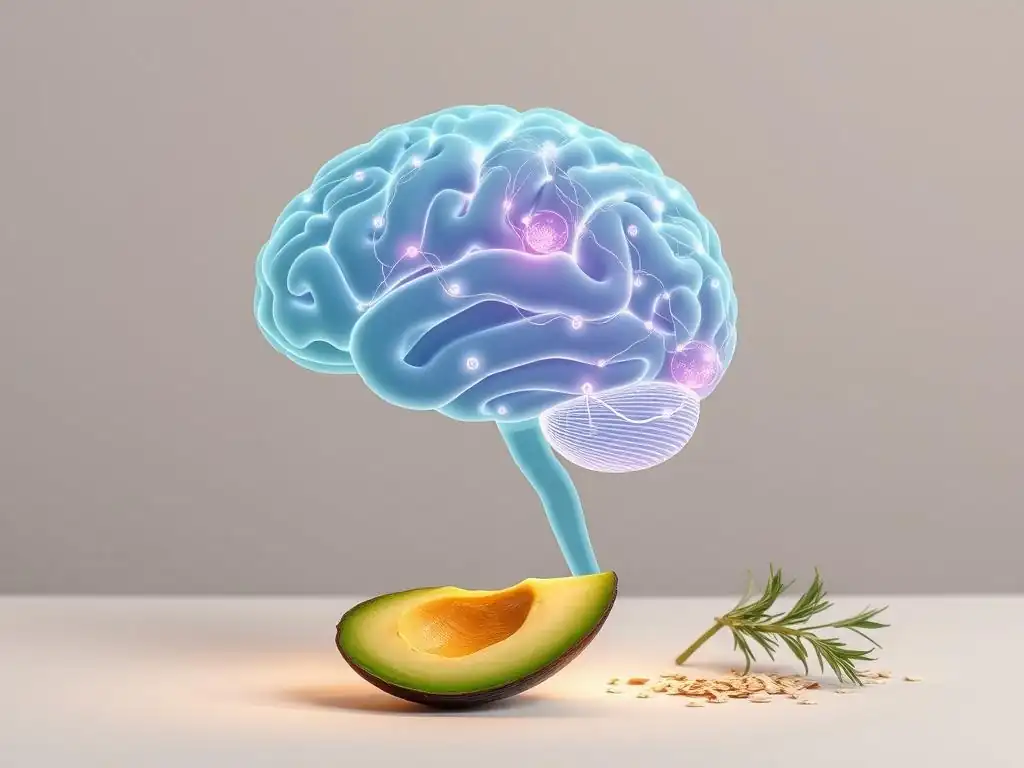
The emerging understanding of the gut-brain axis has opened new avenues for exploring the roots and potential treatments for mood disorders. While not the sole cause, disruptions in gut health and the gut microbiota are increasingly recognized as significant contributing factors or exacerbating elements in conditions like anxiety, depression, and even more complex disorders like bipolar disorder. This section delves deeper into the specific connections observed between gut health issues and these mental health challenges, highlighting the bidirectional nature of the gut brain axis mood food relationship in clinical contexts.
Research in both human populations and animal models has provided compelling evidence linking gut dysbiosis, altered gut permeability, and gut inflammation to the presence and severity of mood disorder symptoms. This isn't just about correlation; studies are starting to explore causal pathways, such as how microbial metabolites directly affect brain regions or how gut-derived inflammation impacts neurochemical balance. Understanding these specific links is crucial for developing targeted interventions that address gut health as part of a holistic approach to managing mood disorders.
The Gut-Brain Axis in Anxiety and Depression
Anxiety and depression are two of the most common mood disorders globally, and mounting evidence points to significant alterations in the gut microbiota and gut-brain axis communication in individuals affected by these conditions. Studies comparing the gut microbial composition of depressed individuals to healthy controls often reveal differences, such as reduced diversity and alterations in the abundance of certain bacterial species. For example, some studies have noted lower levels of Faecalibacterium prausnitzii, a bacterium known for its anti-inflammatory properties, in depressed patients.
The mechanisms by which gut health influences anxiety and depression are multifaceted. Dysbiosis can impair the production of beneficial SCFAs, which are important for gut barrier integrity and anti-inflammatory effects. An impaired gut barrier (increased permeability) can lead to the translocation of bacterial products into the bloodstream, triggering systemic inflammation that can reach the brain and affect neurotransmitter systems.
Furthermore, altered gut microbiota can affect the metabolism of tryptophan, an amino acid precursor to serotonin, potentially impacting serotonin availability in the brain. The constant communication along the gut-brain axis means that these gut-originated issues can directly signal the brain's emotional centers, contributing to feelings of anxiety and low mood.
Irritable Bowel Syndrome (IBS) and Mental Health: The Connection
The strong co-occurrence of Irritable Bowel Syndrome (IBS) and mood disorders provides a clear clinical example of the gut-brain axis in action. IBS is a common gastrointestinal disorder characterized by symptoms like abdominal pain, bloating, diarrhea, and constipation, often occurring alongside anxiety and depression. Studies show that up to 60% of individuals with IBS also experience significant psychological symptoms, and conversely, individuals with anxiety or depression have a higher prevalence of IBS.
The shared pathophysiology likely involves dysfunction in the gut-brain axis. In IBS, altered gut motility and visceral hypersensitivity (increased pain perception from the gut) are common, and these can be influenced by stress signals from the brain. Simultaneously, individuals with IBS often exhibit gut dysbiosis, increased gut permeability, and low-grade inflammation, all of which can send distress signals back to the brain via the vagus nerve and other pathways, exacerbating anxiety and mood symptoms. This bidirectional relationship means that treating one condition often requires addressing the other, highlighting the inseparability of gut and mental health in this context.
Bipolar Disorder and the Gut: A Detailed Analysis
While the link between the gut-brain axis and conditions like depression and anxiety is more widely studied, research is beginning to explore its potential role in more complex mood disorders such as bipolar disorder. Bipolar disorder is characterized by significant shifts in mood, energy, and activity levels, ranging from manic highs to depressive lows. Emerging studies suggest that individuals with bipolar disorder may also exhibit alterations in their gut microbiota composition compared to healthy individuals or those with major depressive disorder.
Preliminary findings indicate potential differences in microbial diversity and the abundance of specific bacterial genera during manic versus depressive episodes, suggesting that gut health might fluctuate with mood states or even contribute to phase shifts. Mechanisms under investigation include the role of gut-derived inflammation, oxidative stress, and altered fatty acid metabolism, all of which have been implicated in bipolar disorder pathophysiology and can be influenced by the gut microbiota.
While research is still in its early stages, these findings suggest that the gut-brain axis could be a relevant area for future therapeutic strategies in managing bipolar disorder, potentially through dietary interventions or probiotics aimed at modulating the gut microbiota.
Optimizing Your Diet for a Healthy Gut and Improved Mood
Given the profound influence of the gut-brain axis on mood, optimizing your diet is a powerful strategy for supporting both gut health and mental well-being. Focusing on nutrient-dense, whole foods that nourish beneficial gut bacteria can help restore balance, reduce inflammation, and improve the communication signals sent along the gut-brain pathway. This isn't about restrictive dieting, but rather about embracing a pattern of eating that provides the necessary fuel and building blocks for a thriving internal ecosystem.
Implementing dietary changes focused on supporting the gut involves prioritizing certain types of foods known to benefit the microbiota and minimizing those that can cause harm. This includes intentionally incorporating sources of prebiotics and probiotics, ensuring adequate fiber intake, and choosing foods with anti-inflammatory properties. Making these conscious food choices is a proactive step towards leveraging the gut brain axis mood food connection to cultivate a more stable and positive emotional state.
Prebiotics and Probiotics: Fueling the Gut for Better Mental Health
Prebiotics are non-digestible fibers that selectively feed beneficial bacteria in the gut. They are found in foods like garlic, onions, leeks, asparagus, bananas, oats, apples, and legumes. When beneficial microbes ferment prebiotics, they produce SCFAs like butyrate, which nourish gut cells, strengthen the gut barrier, and have anti-inflammatory effects that can benefit brain health. Including a variety of prebiotic-rich foods in your diet helps cultivate a diverse and robust population of beneficial gut bacteria.
Probiotics are live microorganisms that, when consumed in adequate amounts, confer a health benefit to the host. They can be found in fermented foods like yogurt (check for "live and active cultures"), kefir, sauerkraut, kimchi, tempeh, and miso. Consuming probiotics can help introduce beneficial bacterial strains to the gut, potentially improving microbial balance and diversity.
While research on specific probiotic strains for mood disorders is ongoing, general probiotic consumption is associated with improved gut health, which indirectly supports the gut-brain axis and may positively influence mood. Combining prebiotic foods with probiotic foods creates a synergistic effect, often referred to as consuming synbiotics.
The Importance of Fiber in Gut Health and Mood Regulation
Dietary fiber is absolutely essential for gut health and plays a critical role in regulating mood through the gut-brain axis. Fiber, particularly soluble fiber, is the primary food source for many beneficial gut bacteria. When these bacteria ferment fiber, they produce SCFAs, including butyrate, which is vital for maintaining the health and integrity of the gut lining. A strong gut barrier prevents inflammatory molecules from entering the bloodstream and reaching the brain.
Inadequate fiber intake starves beneficial gut bacteria, leading to reduced SCFA production, potential overgrowth of less beneficial bacteria, and increased gut permeability. The average adult in many Western countries consumes significantly less fiber than recommended (often less than 15 grams per day, compared to the recommended 25-35 grams). Increasing fiber intake through whole grains, fruits, vegetables, legumes, nuts, and seeds provides the necessary fuel for a healthy gut microbiota, supporting beneficial microbial activity and the production of compounds that positively influence mood and brain function.
Anti-Inflammatory Foods: Reducing Inflammation for Enhanced Well-being
Chronic low-grade inflammation is increasingly implicated in the development and persistence of mood disorders. The gut can be a significant source of this inflammation, particularly when gut barrier function is compromised or dysbiosis is present. Therefore, incorporating anti-inflammatory foods into your diet is a key strategy for reducing systemic inflammation and supporting mental well-being via the gut-brain axis.
Foods rich in omega-3 fatty acids, such as fatty fish (salmon, mackerel, sardines), flaxseeds, chia seeds, and walnuts, have potent anti-inflammatory properties. Fruits and vegetables, especially colorful ones like berries, leafy greens, and broccoli, are packed with antioxidants and polyphenols that combat inflammation. Spices like turmeric (containing curcumin) and ginger are also known for their anti-inflammatory effects. By emphasizing these foods while reducing intake of pro-inflammatory foods (like refined sugars, unhealthy fats, and processed meats), you can help calm inflammation in the gut and body, contributing to a healthier gut-brain axis and potentially alleviating mood disorder symptoms.
Practical Tips for Implementing a Gut-Friendly Diet
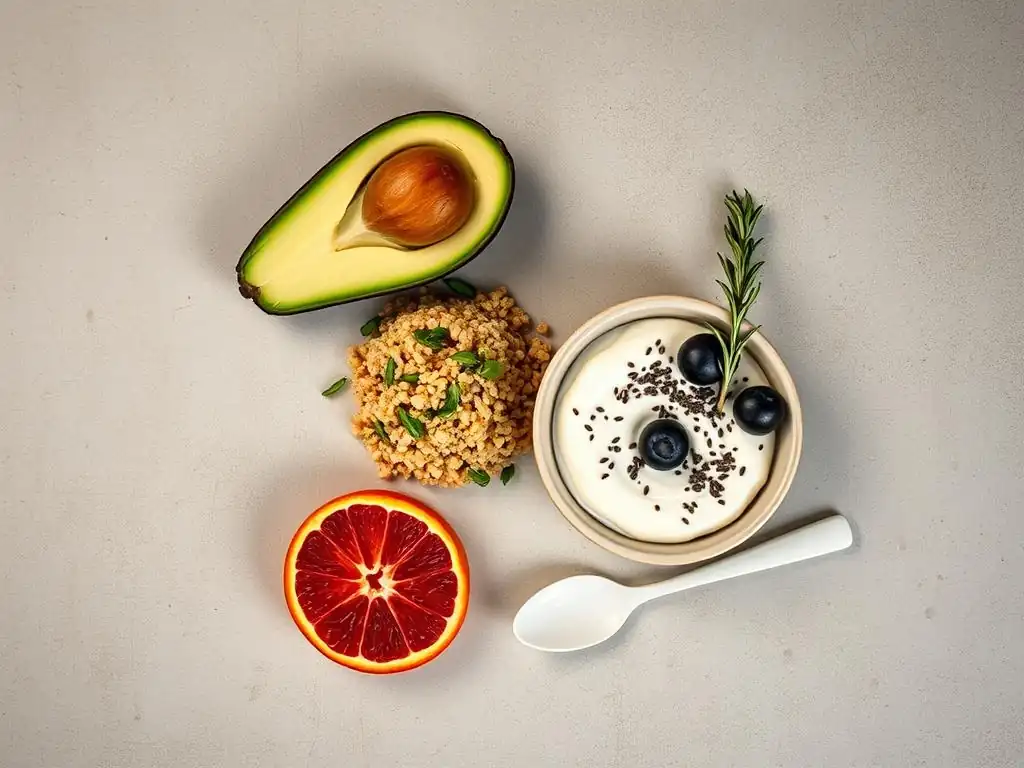
Transitioning to a gut-friendly diet doesn't have to be overwhelming. It's about making gradual, sustainable changes that prioritize whole, nutrient-dense foods and support your gut microbiota. Focusing on incorporating more fiber, prebiotics, and probiotics while reducing processed foods can significantly impact your gut health and, consequently, your mood. These practical steps can help you navigate the journey towards optimizing your diet for a healthier gut-brain axis and improved mental well-being, reinforcing the positive gut brain axis mood food connection.
Remember that everyone's gut is unique, and what works perfectly for one person may require slight adjustments for another. Pay attention to how your body responds to different foods and make modifications as needed. Consistency is key; aim for long-term dietary changes rather than quick fixes. Small, consistent efforts can lead to significant improvements in both gut health and mood over time.
Meal Planning for a Healthy Gut-Brain Axis
Effective meal planning is crucial for consistently nourishing your gut and supporting your mood. Start by focusing on incorporating a variety of plant-based foods into every meal. Aim for diversity in your fruits, vegetables, whole grains, legumes, nuts, and seeds throughout the week, as different plants feed different beneficial bacteria.
Here's a simple task list for meal planning:
- [ ] Plan meals around diverse vegetable and fruit servings (aim for 5-7+ servings daily).
- [ ] Choose whole grains over refined grains (e.g., oats, quinoa, brown rice).
- [ ] Include sources of legumes (beans, lentils) several times a week.
- [ ] Incorporate probiotic-rich foods (yogurt, kefir, sauerkraut) daily or several times a week.
- [ ] Plan for sources of healthy fats (avocado, nuts, seeds, olive oil, fatty fish).
- [ ] Prepare meals at home more often to control ingredients and reduce processed food intake.
- [ ] Batch cook staples like grains, legumes, or roasted vegetables for easy meal assembly.
Recipes for a Happy Gut and Mind
Creating delicious meals that are also gut-friendly can be simple and enjoyable. Focus on recipes that feature plenty of vegetables, fiber-rich ingredients, and healthy fats.
Consider simple ideas like:
- Breakfast: Overnight oats with berries, chia seeds, and a dollop of yogurt; scrambled eggs with spinach and mushrooms; fruit smoothie with kefir or yogurt and flaxseeds.
- Lunch: Large salad with mixed greens, various colorful vegetables, legumes (chickpeas, lentils), nuts, seeds, and a simple olive oil vinaigrette; lentil soup with whole-grain bread; leftover dinner featuring vegetables and lean protein.
- Dinner: Baked salmon with roasted broccoli and quinoa; chicken or bean chili with plenty of vegetables; vegetable and lentil curry with brown rice; stir-fry loaded with diverse vegetables and lean protein, served with brown rice or noodles.
- Snacks: A handful of nuts and seeds; apple slices with almond butter; vegetable sticks with hummus; a small serving of yogurt with fruit.
Example Recipe Concept (Simple & Gut-Friendly):
Mediterranean Quinoa Salad

Ingredients:
- Cooked quinoa
- Chopped cucumber, tomatoes, bell peppers (various colors)
- Red onion, finely sliced
- Canned chickpeas, rinsed
- Kalamata olives
- Fresh parsley and mint, chopped
- Feta cheese (optional)
- Dressing: Extra virgin olive oil, lemon juice, dried oregano, salt, pepper

Instructions:
Combine cooked quinoa, chopped vegetables, chickpeas, olives, and herbs in a large bowl. Whisk together dressing ingredients and pour over the salad. Toss gently. Add feta cheese if desired. This salad is packed with fiber, prebiotics (onion, chickpeas), healthy fats, and diverse plant nutrients.
Lifestyle Changes to Support Gut Health and Improve Mood
Diet is foundational, but other lifestyle factors significantly impact the gut-brain axis and mental well-being. Integrating these alongside dietary changes creates a comprehensive approach to nurturing your gut for a happier, healthier you. Addressing stress, ensuring adequate physical activity, and prioritizing sleep all play crucial roles in maintaining a balanced gut microbiota and optimizing gut-brain communication.
- Stress Management: Chronic stress negatively impacts gut motility, permeability, and microbial composition. Practices like mindfulness meditation, deep breathing exercises, yoga, or spending time in nature can help manage stress levels.
- Regular Exercise: Physical activity is linked to increased diversity and beneficial changes in gut microbiota composition. Aim for regular moderate exercise most days of the week.
- Adequate Sleep: Poor sleep can negatively affect gut barrier function and microbial balance. Prioritize 7-9 hours of quality sleep per night.
- Limit Antibiotic Use: Use antibiotics only when necessary, as they can significantly disrupt gut microbiota diversity. When prescribed, discuss strategies with your doctor to support gut recovery (e.g., probiotics).
- Stay Hydrated: Drinking enough water is important for overall digestive health and helps fiber move through the system effectively.
By adopting these lifestyle habits in conjunction with a gut-friendly diet, you create an environment that fosters a healthy gut-brain axis, which is essential for stable mood and overall mental resilience.
Beyond Diet: Other Factors Influencing the Gut-Brain Axis
While food choices are a primary driver of gut health and its impact on mood via the gut-brain axis, it's important to recognize that this connection is influenced by a multitude of factors. Stress levels, physical activity, and sleep patterns all have significant, bidirectional relationships with both the gut and the brain. Understanding these additional influences provides a more complete picture of the gut-brain axis and highlights the importance of a holistic approach to mental well-being that extends beyond just diet.
These lifestyle factors can independently alter gut microbiota composition, affect gut barrier function, and influence neurochemical signaling pathways that are integral to the gut-brain communication. Addressing these areas alongside dietary modifications can significantly enhance efforts to support a healthy gut and improve mood. Ignoring these factors may limit the potential benefits of focusing solely on the gut brain axis mood food connection through diet.
The Role of Stress Management in Gut Health and Mood
Chronic stress is a well-established disruptor of gut health and a significant factor in mood disorders. When we experience stress, our body releases stress hormones like cortisol, which can directly impact the gut. Cortisol can alter gut motility, increase gut permeability (contributing to "leaky gut"), and negatively shift the composition of the gut microbiota, often reducing beneficial bacteria and increasing potentially harmful ones.
This stress-induced gut dysbiosis and increased permeability can lead to higher levels of inflammation in the gut, which then sends inflammatory signals back to the brain via the gut-brain axis. This creates a vicious cycle: stress harms the gut, and the compromised gut sends signals that can exacerbate feelings of anxiety and depression, further intensifying stress. Implementing effective stress management techniques – such as mindfulness, meditation, deep breathing, spending time in nature, or engaging in hobbies – is therefore not just beneficial for the mind, but also crucial for maintaining a healthy gut and breaking this negative feedback loop.
The Impact of Exercise on Gut Microbiota and Mental Well-being
Regular physical exercise has numerous benefits for both physical and mental health, and emerging research shows it also has a positive impact on the gut microbiota. Studies have observed that individuals who exercise regularly tend to have greater diversity in their gut microbial composition compared to sedentary individuals. A more diverse microbiota is generally associated with better gut health and overall well-being.
Exercise appears to promote the growth of beneficial bacteria that produce SCFAs, including butyrate, which has positive effects on gut barrier function, immune regulation, and potentially brain health. Furthermore, exercise can help reduce gut transit time, potentially decreasing exposure to harmful substances. The positive effects of exercise on the gut contribute to a healthier gut-brain axis, which in turn can lead to improved mood, reduced anxiety, and enhanced resilience to stress, complementing the effects of focusing on the gut brain axis mood food link through diet.
Sleep and the Gut-Brain Connection: How Sleep Affects Mood
Sleep is another fundamental pillar of health that is intricately linked to the gut-brain axis and mood. Disrupted sleep patterns, whether due to insomnia, shift work, or other factors, can negatively impact the gut microbiota composition and function. Research suggests that sleep deprivation can lead to changes in gut bacteria that are associated with negative metabolic outcomes and increased inflammation.
Poor sleep can also impair gut barrier function, potentially leading to increased gut permeability. This allows inflammatory molecules to enter the bloodstream and influence brain function, contributing to mood disturbances like irritability, anxiety, and depression. The relationship is bidirectional: just as poor sleep can harm the gut, gut issues like IBS or inflammation can disrupt sleep. Prioritizing consistent, quality sleep (aiming for 7-9 hours per night for most adults) is therefore essential for supporting a healthy gut-brain axis and maintaining stable mood, working in synergy with dietary and stress management efforts.
Conclusion: Nurturing Your Gut for a Happier, Healthier You
The exploration of the gut-brain axis reveals a powerful and often underestimated connection between our digestive health and our mental well-being. It highlights that our gut is far more than just a processing plant for food; it's a complex ecosystem and a vital communication hub that profoundly influences our mood, stress response, and cognitive function. Understanding the intricate relationship between the gut, brain, and mood, and recognizing the significant role of food choices within this system – the gut brain axis mood food connection – empowers us to take proactive steps towards improving our mental health from within.
By nurturing our gut through conscious dietary choices and supportive lifestyle habits, we are not just addressing digestive comfort; we are directly investing in the health of our brain and our emotional stability. This holistic perspective offers hope and practical strategies for individuals seeking to manage mood challenges and enhance their overall quality of life. The science is clear: a healthy gut is a cornerstone of a healthy mind.
The Future of Gut-Brain Axis Research and Mental Health Treatment
The field of gut-brain axis research is rapidly evolving, promising exciting developments for the future of mental health treatment. Scientists are actively investigating the specific roles of different microbial species and their metabolites, aiming to identify targeted probiotic or prebiotic interventions that could alleviate symptoms of specific mood disorders. For instance, certain strains of Lactobacillus and Bifidobacterium are being studied for their potential anxiolytic (anxiety-reducing) and antidepressant effects.
Beyond probiotics and prebiotics, future treatments may involve fecal microbiota transplantation (FMT) to introduce a healthy microbial community into individuals with severe dysbiosis, although this is currently primarily used for recurrent C. difficile infections and its application for mood disorders is still highly experimental. Research is also exploring how diet can be tailored to individual gut microbiota profiles for personalized mental health support. As our understanding deepens, interventions targeting the gut-brain axis are poised to become significant complementary strategies in the comprehensive care of mood disorders, offering new hope alongside traditional therapies.
Taking Control of Your Mental Well-being Through Diet and Lifestyle
Empowered by the knowledge of the gut-brain axis, individuals can take significant control over their mental well-being by focusing on diet and lifestyle. While professional medical and psychological support is essential for managing mood disorders, integrating gut-supportive strategies offers a powerful adjunctive approach. Making conscious food choices – prioritizing whole, fiber-rich foods, incorporating fermented foods, and reducing processed items – directly impacts the gut microbiota and strengthens the gut-brain connection.
Coupled with effective stress management techniques, regular physical activity, and consistent, quality sleep, these lifestyle changes create a synergistic effect that fosters a resilient gut and a more stable mood. This approach acknowledges that mental health is not solely determined by brain chemistry but is deeply interconnected with the health of our entire body, starting with the gut. By making these actionable changes, you are actively participating in cultivating an internal environment that supports both physical vitality and emotional balance.
Start Cultivating a Healthier Gut Today
Embarking on the journey to a healthier gut and improved mood begins with small, consistent steps. You don't need to overhaul your entire life overnight. Start by making one or two simple changes this week, like adding an extra serving of vegetables to your dinner, swapping sugary drinks for water, or incorporating a fermented food like yogurt into your breakfast. Pay attention to how these changes make you feel, both physically and emotionally.
Consider incorporating a wider variety of plant foods into your diet gradually. Experiment with different types of fiber-rich foods, prebiotics, and probiotics to see what works best for your system. Remember that building a healthy gut microbiota is a long-term process, much like nurturing any other relationship. Be patient and persistent. By consistently making choices that nourish your gut, you are actively working to optimize the gut-brain axis, paving the way for a happier, healthier mind and body, fully embracing the potential of the gut brain axis mood food connection.
Frequently Asked Questions
How does the gut-brain axis influence mood?
The gut-brain axis is a bidirectional communication system connecting the gut and brain. This connection influences mood through the production of neurotransmitters in the gut and inflammatory responses.
What role do gut bacteria play in mental well-being?
Gut bacteria produce vital neurotransmitters like serotonin, impacting mood regulation. An imbalance in gut bacteria, known as dysbiosis, can contribute to anxiety and depression.
What are "mood foods," and how do they work?
"Mood foods" are foods that support healthy gut bacteria and neurotransmitter production. They work by providing the necessary nutrients for a thriving gut microbiome, positively impacting mood.
Can dietary changes really improve mental health symptoms?
Yes, dietary changes can significantly improve mental health symptoms. Focusing on whole, unprocessed foods and limiting sugar and processed foods can reduce inflammation and support a healthier gut-brain connection.
What are some specific foods that are good for the gut-brain axis?
Foods rich in fiber, probiotics, and prebiotics are beneficial. Examples include fermented foods like yogurt and kimchi, as well as fruits, vegetables, and whole grains.
Final Reflection: Nourishing the Mind, One Meal at a Time
The connection between our gut and our brain is no longer a fringe theory; it's a fundamental truth shaping our daily experiences. Understanding the gut-brain axis and its profound impact on mood is not just scientifically fascinating, it's critically important for navigating the complexities of modern life and achieving lasting well-being. The overwhelming evidence presented underscores the power we hold in influencing our mental health through conscious food choices.
The exploration of the gut-brain axis has been a deeply personal journey for me, highlighting the often-overlooked link between what we consume and how we feel. This isn't just about avoiding processed foods; it's about cultivating a mindful relationship with our bodies and recognizing the intricate dance between our microbiome and our mental state. You are what you eat,
is more than a cliché; it's a biological imperative. This understanding empowers us to take proactive steps towards better mental health, moving beyond reactive solutions and embracing a holistic approach to well-being.
Now, consider your own plate. What story does your food tell? Are you nourishing your mind with the nutrients it needs to thrive, or are you inadvertently contributing to imbalances that affect your mood and overall well-being? I urge you to take this knowledge and use it to make informed choices. Explore the diverse world of gut-friendly foods, experiment with recipes that support a healthy microbiome, and listen to your body's signals. The journey to a happier, healthier you begins with one mindful meal at a time.
Unlock Your Happiest Self: Nourish Your Mind & Mood
Thanks for taking the time to explore the fascinating connection between your gut and your brain! You've now learned how powerful food choices are in shaping your mood and overall well-being. Ready to put this knowledge into action?
- Prioritize gut-friendly foods this week: Start small – swap one processed snack for yogurt, add a handful of berries to your breakfast, or simply drink more water. Notice the difference!
- Share your discoveries: Tell a friend or family member about what you’ve learned. Inspire them to explore the gut-brain connection too!
- Dive deeper: Experiment with adding a new gut-healthy recipe to your routine each week. What surprising changes do you notice?
What simple change will you make today to nourish your mind and body?