
The Science of Sweat: How Exercise Changes Your Brain Chemistry


Welcome to Mind Care Guide, a space dedicated to nurturing your mental well-being. Feeling like your mood could use a boost? You're not alone. Ever wondered how something as simple as moving your body could dramatically shift your perspective? Dive into the fascinating science behind exercise brain chemistry benefits and discover how physical activity can be a powerful tool in managing mood disorders and unlocking a happier, healthier you. Let's explore the science of sweat together!
The Science of Sweat: How Exercise Changes Your Brain Chemistry
- Introduction: Unlocking the Mental Health Benefits of Exercise
- How Exercise Alters Brain Chemistry: The Key Mechanisms
- The Role of Neurotransmitters: Exercise and Brain Function
- Exercise and Neuroplasticity: Remodeling Your Brain for Better Mental Health
- Exercise Brain Chemistry Benefits: Specific Mental Health Conditions
- Types of Exercise and Their Impact on Brain Chemistry
- Optimizing Your Exercise Routine for Maximum Brain Benefits
- Beyond Brain Chemistry: Other Mental Health Benefits of Exercise
- Conclusion: Embracing Exercise for a Healthier Mind
-
Frequently Asked Questions
- How does exercise impact brain chemistry?
- What are the specific "exercise brain chemistry benefits" mentioned in the article?
- What types of exercise are most effective for altering brain chemistry?
- How long does it take to experience the "exercise brain chemistry benefits"?
- Is there a link between exercise and improved cognitive function?
- Final Reflection: The Enduring Power of Sweat
- Unlock Your Brain's Potential: Take Charge of Your Mental Wellness
Introduction: Unlocking the Mental Health Benefits of Exercise
Exercise as a Natural Mood Booster: A Mind Care Guide Perspective
From the perspective of mental well-being, exercise is far more than just a physical activity; it's a powerful tool for managing mood and enhancing emotional resilience. At Mind Care Guide, we recognize that integrating movement into your routine can be a cornerstone of a holistic approach to mental health. Regular physical activity has been consistently shown to alleviate symptoms associated with common mental health challenges like depression and anxiety, offering a natural pathway to improved mood and overall psychological health. It's the accessibility and multifaceted benefits that make exercise such a valuable component in a comprehensive mental health strategy.
Engaging in exercise triggers a complex series of physiological responses that directly impact brain function. These responses contribute significantly to the observed improvements in mood, stress levels, and cognitive function. Unlike pharmacological interventions, exercise offers a side-effect profile that is overwhelmingly positive, contributing not just to mental wellness but also to physical health. Understanding the profound connection between physical exertion and brain health is key to leveraging its full potential for enhancing your mental state.
Understanding the Connection Between Physical Activity and Mental Well-being
The relationship between physical activity and mental well-being is deeply rooted in our biology and evolutionary history. Our bodies and brains are designed for movement, and sedentary lifestyles often disrupt the delicate balance of neurochemicals essential for stable mood and cognitive performance. Research over decades has solidified this link, demonstrating that individuals who engage in regular exercise tend to report lower levels of psychological distress and higher levels of life satisfaction compared to their less active counterparts.
This connection isn't merely anecdotal; it's supported by robust scientific evidence detailing how physical movement influences brain structure and function. The regular challenge posed by exercise encourages the brain to adapt and strengthen, much like muscles do. This adaptive process involves changes at the cellular level, impacting everything from neuron communication to the growth of new brain cells. Recognizing this fundamental link empowers individuals to view exercise not as an optional add-on, but as an integral practice for nurturing a healthy mind.
How Exercise Alters Brain Chemistry: The Key Mechanisms
The Neurochemical Cascade: What Happens in Your Brain During Exercise?
When you engage in physical activity, a remarkable cascade of events unfolds within your brain. This neurochemical response is immediate and profound, affecting various systems that regulate mood, stress, and cognition. Initially, increased blood flow delivers more oxygen and nutrients to the brain, supporting optimal function. Simultaneously, neurons become more active, triggering the release and reuptake of several key neurotransmitters. Think of it as your brain becoming a highly active chemical factory, optimizing its output of beneficial compounds.
This complex process involves the activation of pathways that influence everything from pain perception to feelings of pleasure and motivation. The intensity and duration of exercise can modulate the specific neurochemicals released and the magnitude of their effect. For instance, moderate-intensity aerobic exercise might primarily boost endorphins and serotonin, while high-intensity interval training (HIIT) could have a more pronounced impact on dopamine and norepinephrine systems. Understanding this cascade is fundamental to appreciating the exercise brain chemistry benefits.
Exercise-Induced Release of Endorphins: Beyond the "Runner's High"
One of the most widely known exercise brain chemistry benefits is the release of endorphins. These endogenous opioids are produced by the central nervous system and the pituitary gland, acting as natural painkillers and mood elevators. While often associated with the euphoric feeling known as the "runner's high," the impact of endorphins is more nuanced and extends beyond this temporary state. Endorphins bind to opioid receptors in the brain, similar to how certain pain medications work, effectively reducing the perception of pain and inducing feelings of pleasure and well-being.
The release of endorphins during exercise can contribute to a sense of calm and reduced anxiety, even after the physical activity has ceased. While the "runner's high" might be elusive for some or only occur during sustained, strenuous effort, lower levels of endorphin release occur with moderate exercise and contribute to the overall mood-lifting effects. It's this consistent, albeit sometimes subtle, neurochemical boost that plays a significant role in the long-term mental health benefits associated with regular physical activity.
The Role of Neurotransmitters: Exercise and Brain Function
Boosting Serotonin Levels Through Physical Activity
Serotonin is a neurotransmitter often associated with mood regulation, sleep, appetite, and social behavior. Low levels of serotonin are frequently implicated in conditions like depression and anxiety. Engaging in physical activity has been shown to influence serotonin synthesis, release, and breakdown, generally leading to increased availability in the brain. This isn't just a temporary spike; consistent exercise can lead to more sustained positive changes in serotonergic activity.
Studies suggest that exercise increases the availability of tryptophan, an amino acid that is a precursor to serotonin, and improves the transport of tryptophan into the brain. Furthermore, physical activity appears to enhance the sensitivity of serotonin receptors. The cumulative effect is a better-regulated serotonin system, contributing significantly to the exercise brain chemistry benefits observed in mood improvement and reduced symptoms of depression. Think of exercise as a natural way to fine-tune your brain's serotonin signaling.
Dopamine's Reward System: Exercise and Motivation
Dopamine is a key neurotransmitter involved in the brain's reward system, playing crucial roles in motivation, pleasure, and learning. It's the chemical that helps us feel a sense of accomplishment and drives us to repeat behaviors that are rewarding. Exercise stimulates the release of dopamine, contributing to feelings of pleasure and reinforcing the behavior of exercising itself. This is part of why starting an exercise routine can feel challenging initially, but becomes easier and more rewarding over time.
The impact of exercise on dopamine extends beyond just the immediate reward. It can help regulate dopamine pathways that are sometimes dysregulated in conditions like ADHD and addiction. By supporting a healthy dopamine system, exercise can enhance motivation, improve focus, and contribute to a greater sense of well-being. The benefits of exercise on brain chemistry related to dopamine are particularly relevant for individuals struggling with low motivation or issues related to reward processing.
The Impact of Exercise on Norepinephrine: Focus and Alertness
Norepinephrine, also known as noradrenaline, is a neurotransmitter involved in the body's "fight or flight" response, but it also plays a critical role in attention, focus, alertness, and mood. Exercise, particularly moderate to vigorous activity, stimulates the release of norepinephrine. This increase helps sharpen focus and improve cognitive function, making it easier to concentrate and stay alert.
For individuals experiencing symptoms like brain fog or difficulty concentrating, the impact of exercise on norepinephrine can be particularly beneficial. By modulating the activity of this neurotransmitter, physical activity helps the brain manage stress more effectively and enhances the ability to pay attention. The exercise brain chemistry benefits related to norepinephrine contribute to both improved cognitive performance and enhanced mood stability.
Exercise and Neuroplasticity: Remodeling Your Brain for Better Mental Health
What is Neuroplasticity and How Does Exercise Affect It?
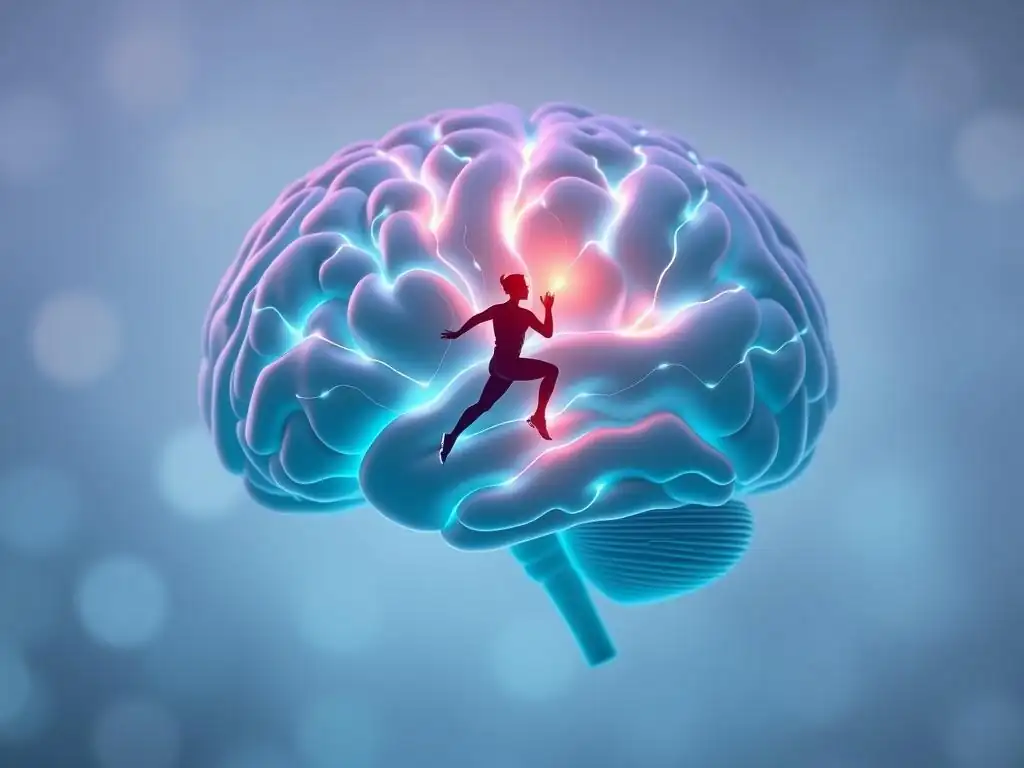
Neuroplasticity is the remarkable ability of the brain to change and adapt throughout life, forming new neural connections and reorganizing existing ones in response to experiences. It's the biological basis for learning and memory, and it plays a crucial role in recovery from brain injury and adaptation to new challenges. Exercise is a powerful driver of neuroplasticity, encouraging the brain to become more resilient and efficient.
Physical activity stimulates the production of various growth factors, particularly brain-derived neurotrophic factor (BDNF), which is often referred to as "Miracle-Gro" for the brain. BDNF supports the survival of existing neurons, encourages the growth of new neurons (neurogenesis), and promotes the formation of new synapses (synaptogenesis), strengthening the connections between brain cells. This fundamental impact on neuroplasticity is a core component of the long-term exercise brain chemistry benefits.
Exercise Promotes Neurogenesis: Growing New Brain Cells
One of the most exciting discoveries in neuroscience is that the adult brain can generate new neurons, a process called neurogenesis. This primarily occurs in the hippocampus, a brain region critical for learning, memory, and emotional regulation. Chronic stress and conditions like depression can impair neurogenesis, potentially contributing to cognitive deficits and mood disturbances.
Regular aerobic exercise has been consistently shown to promote neurogenesis in the hippocampus. This growth of new brain cells is thought to enhance cognitive function, improve learning capacity, and contribute to resilience against stress and depression. The benefits of exercise on brain chemistry and structure through neurogenesis highlight its potential as a therapeutic intervention for improving both cognitive and emotional health.
Enhancing Cognitive Function Through Regular Physical Activity
Beyond its impact on mood, exercise significantly enhances various aspects of cognitive function, including memory, attention, processing speed, and executive functions like planning and problem-solving. These cognitive benefits are a direct result of the neurochemical changes and neuroplasticity induced by physical activity. Improved blood flow, increased neurotransmitter activity, and enhanced neurogenesis all contribute to a brain that functions more efficiently.
For example, studies have shown that regular exercise can improve performance on tasks requiring executive control and working memory, skills often impaired in conditions like ADHD and age-related cognitive decline. The cognitive benefits of exercise on brain chemistry are evident across the lifespan, from improving academic performance in children to preserving cognitive function in older adults. Incorporating exercise is a proactive step towards maintaining a sharp and resilient mind.
Exercise Brain Chemistry Benefits: Specific Mental Health Conditions
Exercise for Depression: A Natural Antidepressant?
Exercise is increasingly recognized as a potent intervention for depression, often used as an adjunct or even alternative to traditional treatments. The exercise brain chemistry benefits play a significant role here, particularly through the modulation of serotonin, norepinephrine, and dopamine, as well as the release of endorphins. These neurochemical shifts can help alleviate symptoms such as persistent sadness, loss of interest, and fatigue.
Clinical trials and meta-analyses have demonstrated that regular exercise can be as effective as antidepressant medication for some individuals, particularly those with mild to moderate depression. A typical recommendation might involve 30 minutes of moderate-intensity aerobic exercise three to five times per week. This consistent activity helps regulate brain chemistry, improves sleep patterns, and provides a sense of accomplishment, all contributing to a reduction in depressive symptoms.
Exercise for Anxiety: Calming the Mind Through Movement
Anxiety disorders are characterized by excessive worry, fear, and physiological symptoms like rapid heart rate and shortness of breath. Exercise offers a physiological outlet for the body's stress response and directly impacts brain chemistry to promote calm. The release of endorphins provides a sense of relaxation, while the regulation of norepinephrine can help reduce the hypersensitivity of the fight-or-flight system.
Furthermore, engaging in physical activity can serve as a powerful distraction from anxious thoughts and worries. The focus required during exercise can help break the cycle of rumination often associated with anxiety. Research indicates that regular exercise can significantly reduce anxiety symptoms, with benefits often observed after just a few weeks of consistent activity. The exercise brain chemistry benefits contribute to a greater sense of control and reduced physiological arousal associated with anxiety.
Exercise for ADHD: Improving Focus and Attention Span
Attention-Deficit/Hyperactivity Disorder (ADHD) is characterized by difficulties with attention, hyperactivity, and impulsivity, often linked to dysregulation in dopamine and norepinephrine pathways. Exercise, by modulating these very neurotransmitters, can offer significant benefits for individuals with ADHD. Physical activity increases the availability of dopamine and norepinephrine in the prefrontal cortex, the brain region responsible for executive functions like attention, planning, and impulse control.
For children and adults with ADHD, incorporating exercise into their routine can lead to improved focus, reduced hyperactivity, and better impulse control. Studies have shown that a single session of moderate-intensity exercise can improve attention and cognitive performance for several hours afterward. Regular exercise can lead to more sustained improvements in these areas, making it a valuable non-pharmacological strategy for managing ADHD symptoms.
Exercise for Stress Management: Reducing Cortisol Levels
Chronic stress can have detrimental effects on both the body and the brain, leading to elevated levels of cortisol, the primary stress hormone. Prolonged exposure to high cortisol can impair cognitive function, suppress the immune system, and increase the risk of mental health conditions. Exercise provides an effective way to manage stress and regulate the body's stress response system.
While acute exercise initially increases cortisol, regular, moderate exercise actually helps to regulate the hypothalamic-pituitary-adrenal (HPA) axis, the body's main stress response system. Over time, this leads to a reduced cortisol response to stress and improved resilience. The exercise brain chemistry benefits, including the release of endorphins and the positive impact on neurotransmitters, also contribute to a greater sense of calm and well-being, counteracting the negative effects of stress.
Types of Exercise and Their Impact on Brain Chemistry
Aerobic Exercise: Cardiovascular Benefits and Mental Clarity
Aerobic exercise, such as running, swimming, cycling, or brisk walking, is often the most studied type of exercise in relation to brain health. It significantly increases heart rate and blood flow, delivering more oxygen and nutrients to the brain. This enhanced circulation supports overall brain function and is particularly effective at stimulating the release of endorphins, serotonin, and norepinephrine.
The consistent engagement in aerobic activity promotes neurogenesis in the hippocampus and increases levels of BDNF. This leads to improved memory, learning, and executive function. For many, aerobic exercise provides a profound sense of mental clarity and reduced stress. Aiming for at least 150 minutes of moderate-intensity aerobic activity or 75 minutes of vigorous activity per week is a common guideline to reap these significant exercise brain chemistry benefits.
Strength Training: Building Muscle and Boosting Mood
While often associated with physical strength and muscle building, resistance or strength training also offers significant exercise brain chemistry benefits. Strength training has been shown to improve mood, reduce anxiety, and alleviate symptoms of depression. It appears to influence neurotransmitter levels and may also play a role in enhancing cognitive function, particularly executive functions.
Strength training can also improve body image and self-esteem, which are often linked to mental well-being. The sense of accomplishment gained from lifting weights or using resistance bands contributes to positive feelings. While the neurochemical mechanisms might differ slightly from aerobic exercise, the overall impact on mood and cognitive health is substantial. Incorporating strength training two to three times per week complements the benefits of aerobic exercise for a well-rounded approach to mental fitness.
Yoga and Mindfulness: Combining Physical and Mental Well-being
Practices like yoga, Tai Chi, and Qigong combine physical movement with elements of mindfulness and breath control. These activities offer a unique blend of exercise brain chemistry benefits and psychological advantages. The physical postures and movements improve flexibility, strength, and balance, while the focus on breath and present moment awareness helps regulate the nervous system.
Studies suggest that yoga can reduce stress hormones like cortisol and increase levels of GABA, a neurotransmitter that helps calm nerve activity and is often low in individuals with anxiety. The meditative aspects of yoga enhance mindfulness, which has been shown to reduce rumination and improve emotional regulation. Integrating yoga or similar mind-body practices can be a powerful way to enhance mental well-being by addressing both the physical and psychological aspects of health.
Optimizing Your Exercise Routine for Maximum Brain Benefits
Finding the Right Intensity and Duration for Exercise Brain Chemistry Benefits
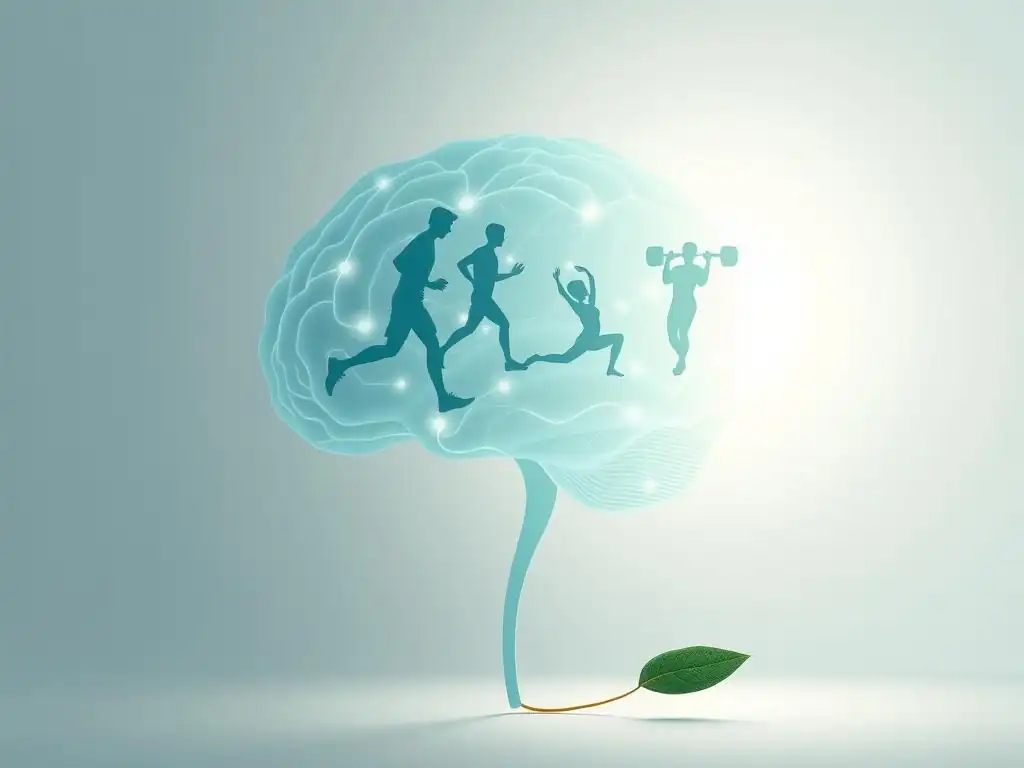
Determining the optimal intensity and duration of exercise for mental health benefits can vary by individual and specific goals. Generally, moderate-intensity exercise, where you can talk but not sing, for at least 30 minutes most days of the week is recommended for significant mood benefits. For cognitive function, even shorter bursts of high-intensity exercise can be effective, but consistency remains key.
It's important to find an intensity level that is challenging enough to elevate your heart rate and breathing but not so intense that it leads to burnout or injury. Listening to your body and gradually increasing duration or intensity is a sustainable approach. For example, starting with 15-20 minutes of brisk walking daily and gradually increasing to 30-45 minutes can yield substantial exercise brain chemistry benefits over time.
Consistency is Key: Establishing a Regular Exercise Habit
Perhaps the most crucial factor in unlocking the long-term exercise brain chemistry benefits is consistency. Sporadic exercise provides temporary boosts, but regular physical activity leads to more sustained changes in brain structure and function, including neurogenesis and lasting neurotransmitter regulation. Aiming for a routine of exercise 3-5 times per week is often cited as effective for managing mood and improving cognitive function.
Building a habit takes time and effort. Starting small, scheduling exercise like any other important appointment, finding activities you enjoy, and exercising with a friend or group can all help maintain consistency. Even short bouts of movement throughout the day can contribute to your overall activity level and support brain health. The cumulative effect of regular exercise is where the most profound mental health improvements are realized.
Listen to Your Body: Avoiding Overtraining and Injury
While more exercise can be beneficial, it's also important to avoid overtraining, which can actually increase stress hormones and lead to burnout, fatigue, and even negative impacts on mood. Symptoms of overtraining include persistent fatigue, decreased performance, increased resting heart rate, irritability, and sleep disturbances. Pushing too hard without adequate rest can counteract the positive exercise brain chemistry benefits.
Pay attention to your body's signals. Rest days are essential for muscle recovery and preventing injuries. If you feel excessively sore or fatigued, it's okay to take a lighter day or rest completely. Proper warm-up and cool-down routines are also important for injury prevention. Finding a balance between challenging yourself and allowing for recovery is key to maintaining a sustainable exercise routine that supports both physical and mental well-being.
Beyond Brain Chemistry: Other Mental Health Benefits of Exercise
Improved Sleep Quality Through Physical Activity
Exercise has a significant positive impact on sleep quality, which in turn profoundly affects mental health. Regular physical activity helps regulate sleep patterns by influencing the body's circadian rhythm. It can help you fall asleep faster, sleep more deeply, and wake up feeling more rested. This is partly mediated by the body's natural temperature regulation during and after exercise and the reduction of stress and anxiety.
Improved sleep contributes to better mood, enhanced cognitive function, and increased resilience to stress. While intense exercise too close to bedtime might be disruptive for some, moderate exercise earlier in the day generally promotes better sleep. Addressing sleep issues through exercise is a powerful way to enhance overall mental well-being, leveraging another indirect but crucial exercise brain chemistry benefit.
Increased Self-Esteem and Body Image
Achieving fitness goals, no matter how small, can lead to a significant boost in self-esteem and confidence. Seeing improvements in physical strength, endurance, or body composition can positively impact how you view yourself. This improved self-perception is not solely about physical appearance but also about recognizing your ability to set and achieve goals, fostering a sense of empowerment.
Exercise provides a sense of accomplishment and mastery, which are vital for a healthy self-image. Focusing on what your body can do rather than just what it looks like can shift your perspective positively. This psychological benefit, while not a direct exercise brain chemistry mechanism in the way neurotransmitter release is, works in tandem with the chemical changes to support a more positive mental state.
Participating in group exercise classes, team sports, or simply working out with a friend can provide valuable social interaction and a sense of community. Social connection is a fundamental human need and plays a significant role in mental health. Feeling connected to others can reduce feelings of isolation and loneliness, which are often associated with depression and anxiety.
The social support and encouragement found in group settings can also help maintain motivation and consistency with your exercise routine. This social aspect of exercise adds another layer of benefit, complementing the direct exercise brain chemistry effects with the powerful positive influence of human connection on mental well-being.
Conclusion: Embracing Exercise for a Healthier Mind
The Power of Movement: A Holistic Approach to Mental Well-being
The evidence is clear: exercise is a potent force for improving mental health, operating through a complex interplay of neurochemical changes, structural adaptations, and psychological benefits. From boosting mood-regulating neurotransmitters like serotonin and dopamine to promoting the growth of new brain cells through neurogenesis, the exercise brain chemistry benefits are profound and far-reaching. Integrating regular physical activity into your life is not just about physical fitness; it's a fundamental component of a holistic approach to nurturing a resilient and healthy mind.
Embracing the power of movement means recognizing it as a vital strategy for managing stress, alleviating symptoms of depression and anxiety, enhancing cognitive function, and improving overall quality of life. It's an accessible tool that empowers individuals to take an active role in their mental well-being journey.
Integrating Exercise into Your Daily Life for Long-Term Mental Health Benefits
Making exercise a consistent part of your daily or weekly routine is key to unlocking its long-term mental health advantages. Start small, find activities you genuinely enjoy, and gradually build up duration and intensity. Whether it's a brisk walk in nature, a high-energy dance class, lifting weights, or practicing mindful yoga, the important thing is to find movement that works for you and stick with it.
Consider exercise not as a chore, but as an investment in your mental and physical health. The significant exercise brain chemistry benefits, coupled with improved sleep, increased self-esteem, and social connections, create a powerful synergy that supports sustained well-being. By prioritizing physical activity, you are actively remodeling your brain for greater resilience, clarity, and happiness.
Frequently Asked Questions
How does exercise impact brain chemistry?
Exercise triggers the release of neurotransmitters like endorphins, serotonin, and dopamine, which are chemical messengers that improve mood and reduce stress. This change in brain chemistry contributes to feelings of well-being.
What are the specific "exercise brain chemistry benefits" mentioned in the article?
The article highlights benefits such as reduced anxiety and depression, improved cognitive function, and enhanced mood regulation. These are all directly linked to changes in brain chemistry induced by exercise.
What types of exercise are most effective for altering brain chemistry?
While any form of exercise can be beneficial, aerobic exercises like running, swimming, and cycling are particularly effective at stimulating the release of mood-boosting neurotransmitters. Consistency is key for long-term benefits.
How long does it take to experience the "exercise brain chemistry benefits"?
Some people experience a mood boost immediately after exercise, but significant and lasting changes in brain chemistry typically require regular exercise over several weeks or months.
Is there a link between exercise and improved cognitive function?
Yes, exercise promotes neuroplasticity, which is the brain's ability to reorganize itself by forming new neural connections. This improved brain function can enhance memory, focus, and overall cognitive performance.
Final Reflection: The Enduring Power of Sweat
The science of sweat isn't just about physical fitness; it's a powerful testament to the inextricable link between our bodies and minds. Understanding how exercise alters brain chemistry isn't merely an academic pursuit; it's a key to unlocking a healthier, happier, and more resilient self in a world increasingly demanding mental fortitude. The benefits extend far beyond the physical, offering a potent antidote to the stresses of modern life.
The profound impact of exercise on our cognitive function and emotional well-being is undeniable, shaping our cultural landscape in ways we are only beginning to understand. We're seeing a growing emphasis on mindfulness and holistic wellness, a shift driven, in part, by the increasing awareness of the brain-boosting effects of physical activity. This resonates deeply with my own experience; I've witnessed firsthand the transformative power of consistent exercise, not just in my physical health but also in my ability to manage stress and enhance my focus. The body achieves what the mind believes.
This simple statement encapsulates the potent synergy between physical and mental well-being, a synergy that exercise powerfully reinforces.
Consider the implications of this knowledge. You have the power, through consistent physical activity, to directly influence your brain chemistry, fostering resilience, sharpening focus, and enhancing your overall sense of well-being. Don't just passively accept the challenges of daily life; actively shape your brain's landscape through movement. Embrace the science of sweat, not as a chore, but as a powerful tool for self-improvement and a pathway to a richer, more fulfilling life. Start small, find an activity you enjoy, and experience the transformative power of exercise for yourself.
Unlock Your Brain's Potential: Take Charge of Your Mental Wellness
Thanks for diving into the science of sweat with us! You've just discovered how powerful exercise is for boosting your brainpower and mood. Ready to put this knowledge into action?
- Prioritize a sweat session this week: Even a short, brisk walk can make a difference. Schedule it in your calendar now – treat it like an important meeting with yourself!
- Share your experience: Tell us (or your friends!) how you feel after incorporating more movement into your day. Did you notice any changes in your mood or focus?
- Explore new ways to move your body: Try a new fitness class, dance to your favorite music, or simply spend more time walking outside. What new activity sparks your joy?
What small step will you take today to improve your brain chemistry through exercise?