
Breathing Techniques Beyond the Basics: Advanced Stress Relief

Welcome to Mind Care Guide, a space dedicated to nurturing your mental well-being. Feeling overwhelmed? Take a deep breath. But what if there's more to it than just inhaling and exhaling? Discover advanced deep breathing stress relief techniques that go beyond the basics, offering a powerful path to calm and control. Curious to unlock the full potential of your breath? Let's explore together...
Breathing Techniques for Stress Relief and Performance Enhancement
- Introduction to Advanced Breathing Practices
- The Physiology of Stress, Performance, and Breathing
-
Advanced Breathing Techniques for Specific Outcomes
- Diaphragmatic Breathing for Relaxation and Core Stability
- Box Breathing: Enhancing Focus and Reducing Anxiety
- Alternate Nostril Breathing (Nadi Shodhana): Balancing Nervous System Activity
- Ujjayi Breath (Ocean Breath): Promoting Relaxation and Mindfulness
- Breath Retention (Kumbhaka): Increasing Oxygenation and Mental Clarity
- Integrating Breathing into Daily Life and Training
- Addressing Common Challenges
- The Science of Breathing and its Impact
- Conclusion: Long-Term Benefits of Conscious Breathing
-
Frequently Asked Questions
- How does deep breathing actually reduce stress?
- What are some examples of "advanced" deep breathing techniques beyond basic belly breathing?
- How often should I practice deep breathing techniques for stress relief to see results?
- Can deep breathing techniques completely eliminate stress?
- Are there any situations where deep breathing techniques might not be beneficial or could even be harmful?
- Final Reflection: Breathing's Profound Power in a Stressed World
- Unlock Deeper Calm: Breathe Your Way to Wellness
Introduction to Advanced Breathing Practices
Breathing is often an unconscious act, yet it holds profound power over our mental and physical states. While basic deep breathing is a fundamental tool for calm, exploring advanced breathing techniques offers a pathway to more sophisticated control over stress responses, emotional regulation, and even physical performance. Moving beyond simple inhales and exhales allows us to tap into the intricate connection between our respiratory system and our nervous system, unlocking deeper levels of relaxation and resilience. These advanced practices build upon the foundation of mindful breathing, guiding individuals toward greater self-awareness and physiological control.
Integrating advanced deep breathing stress relief techniques into a daily routine can transform how we navigate challenges. It's not just about slowing down; it's about consciously influencing physiological processes. For instance, while a simple deep breath might momentarily lower heart rate, techniques involving specific pacing or breath retention can sustain this effect and influence other bodily functions like digestion and muscle tension. This intentional manipulation of breath patterns provides a robust toolkit for managing the physiological cascade triggered by stress and optimizing states required for peak performance.
Why Advanced Techniques Offer Deeper Benefits
Advanced breathing techniques delve into specific patterns of inhalation, exhalation, and breath retention designed to target particular physiological and psychological outcomes. Unlike simply "taking a deep breath," these methods often involve precise timing, controlled airflow, and engagement of specific muscles like the diaphragm. This deliberate manipulation allows for more potent activation of the parasympathetic nervous system, often referred to as the "rest and digest" system, which directly counteracts the effects of the sympathetic "fight or flight" response.
The deeper benefits stem from this targeted physiological impact. For example, consistent practice of techniques like Alternate Nostril Breathing has been shown in some observational studies to potentially improve heart rate variability (HRV), a key indicator of autonomic nervous system health and resilience to stress.
While specific percentage improvements vary widely among individuals and studies, the consistent finding across various research indicates that disciplined breathing practices can lead to measurable changes in physiological markers associated with stress and recovery. These techniques offer a more nuanced approach than basic breathing, enabling individuals to cultivate specific states like enhanced focus, profound relaxation, or increased energy.
Tailoring Breathing to Individual Needs and Goals
Effective breathing practice is not one-size-fits-all. The most beneficial approach involves understanding individual physiological responses and personal goals. Someone seeking to reduce anxiety before public speaking might benefit most from a rapid, calming technique like Box Breathing, aiming to quickly lower a racing heart rate from perhaps 100+ bpm down to a more manageable 80-90 bpm. Conversely, someone looking to improve endurance for physical activity might explore techniques incorporating breath retention to enhance oxygen utilization.
Tailoring deep breathing stress relief techniques also involves considering physical health conditions, lung capacity, and comfort levels. For instance, individuals with respiratory issues like asthma or COPD need modified approaches, often focusing on controlled exhalation rather than deep or retained breaths. A certified instructor or healthcare provider can help assess individual capacity and recommend safe and effective practices. The goal is to find techniques that feel comfortable and sustainable, allowing for consistent practice that yields lasting benefits, whether it's managing chronic stress or optimizing cognitive function for complex tasks.
The Physiology of Stress, Performance, and Breathing
Respiratory System's Response to Stress and Performance Demands
When the body perceives stress, whether from a physical threat or a psychological pressure like a deadline, the sympathetic nervous system kicks into gear. This triggers a cascade of physiological changes, including an increase in heart rate, blood pressure, and respiratory rate. Breathing becomes faster and shallower, often moving from the diaphragm high into the chest. This chest breathing is less efficient, leading to reduced oxygen exchange and potentially exacerbating feelings of anxiety and panic. A typical resting respiratory rate of 12-20 breaths per minute can jump significantly, sometimes exceeding 30 breaths per minute under acute stress.
Conversely, during peak performance, the body ideally maintains a state of focused calm. Efficient breathing is crucial here to ensure adequate oxygen supply to muscles and the brain and to manage the build-up of carbon dioxide. Deep, controlled breathing helps regulate heart rate and blood pressure, preventing the body from shifting into a full "fight or flight" response that can impair fine motor skills, cognitive processing, and decision-making. Athletes, performers, and professionals in high-stakes environments recognize that maintaining a steady respiratory rhythm is fundamental to sustaining physical and mental output.
Vagus Nerve Stimulation Through Breathing
The vagus nerve is the longest cranial nerve, connecting the brainstem to most of the major organs in the body, including the heart, lungs, and digestive system. It plays a critical role in the parasympathetic nervous system, mediating the body's relaxation response. Stimulating the vagus nerve is a key mechanism by which deep breathing stress relief techniques exert their calming effects. Slow, deep, and rhythmic breathing, particularly with a prolonged exhalation, sends signals via the vagus nerve to the brain, indicating that the body is safe and relaxed.
This vagal stimulation leads to a decrease in heart rate and blood pressure, reduction in muscle tension, and activation of the digestive system. It essentially signals the body to switch from a state of alert to a state of rest and repair. While quantifying the precise level of vagal stimulation from specific techniques is complex and varies between individuals, studies using measures like heart rate variability (HRV) often show increased HRV after vagus-stimulating breathing exercises, indicating enhanced parasympathetic activity. This is a powerful physiological pathway through which conscious breathing can directly influence emotional state and physical well-being.
Advanced Breathing Techniques for Specific Outcomes
Diaphragmatic Breathing for Relaxation and Core Stability
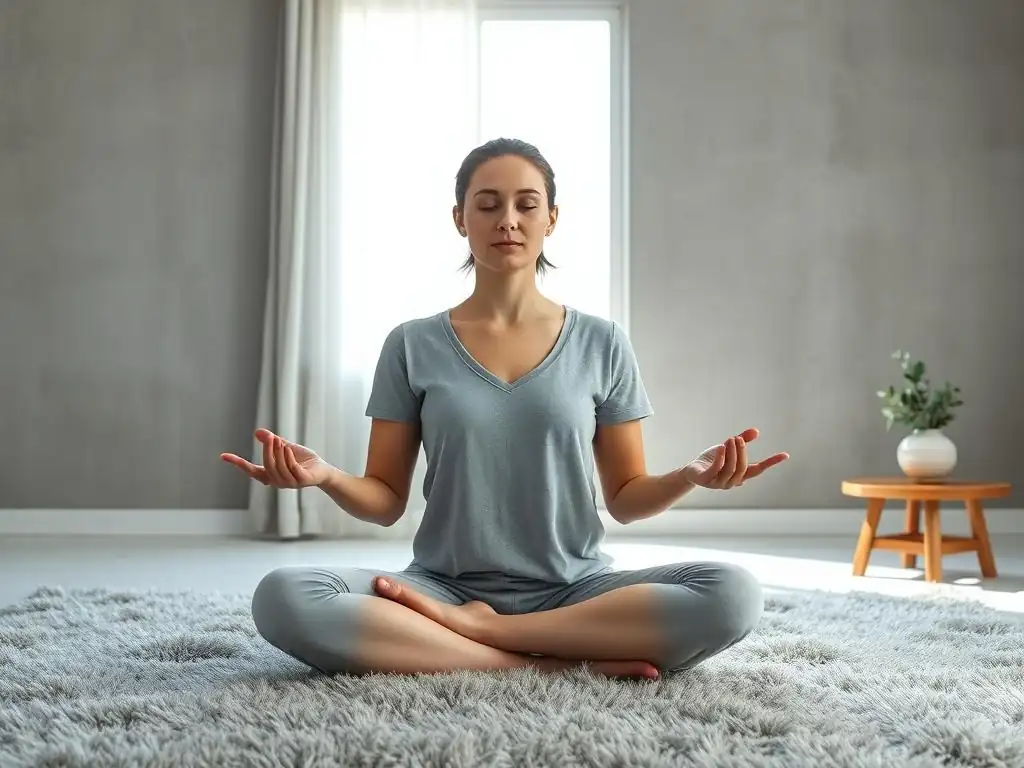
Diaphragmatic breathing, also known as belly breathing, is the foundation of many advanced techniques. It involves engaging the diaphragm, a large, dome-shaped muscle located at the base of the chest cavity, rather than relying primarily on the smaller muscles in the chest and shoulders. When you inhale correctly using the diaphragm, your abdomen should rise; when you exhale, it should fall. This type of breathing is more efficient, drawing air deep into the lungs and promoting better oxygen exchange.
Beyond relaxation, diaphragmatic breathing also plays a crucial role in core stability. The diaphragm works in conjunction with the pelvic floor muscles and the deep abdominal muscles (transversus abdominis) to create intra-abdominal pressure, which supports the spine and improves posture. Consistent practice strengthens these muscles, leading to better physical alignment and reduced risk of back pain. While it might feel unnatural at first if you're used to shallow chest breathing, dedicating even 5-10 minutes daily can significantly improve respiratory efficiency and core function.
Breath Pacing: Regulating Rate for Calm and Focus
Breath pacing involves consciously controlling the speed and rhythm of your breath, often aiming for a slower rate than your natural resting breath. A common paced breathing technique involves inhaling for a count of 4, holding for a count of 4, and exhaling for a count of 6 or 8. The goal is typically to lower the respiratory rate to around 5-8 breaths per minute, significantly slower than the average 12-20 breaths. This slow, rhythmic pattern is highly effective at signaling the vagus nerve to activate the parasympathetic response, promoting calm.
Different pacing ratios can be used for different effects. An equal inhale and exhale (e.g., 4-4) can promote balance, while a longer exhale is particularly effective for relaxation and reducing anxiety. For focus, a slightly longer hold after the inhale might be incorporated. Practicing paced breathing for just 3-5 minutes can lead to measurable decreases in heart rate, sometimes dropping by 10-15 beats per minute, and a subjective feeling of reduced stress. It provides a concrete, repeatable method for shifting your physiological state on demand.
Diaphragmatic Breathing with Guided Imagery
Combining diaphragmatic breathing with guided imagery enhances the relaxation response by engaging both the physiological and psychological systems. While practicing deep belly breaths, you simultaneously visualize calming scenes or positive outcomes. For example, you might imagine breathing in peace and exhaling tension, or visualize a wave washing away stress with each exhale. This dual-action approach leverages the body's natural relaxation mechanism (diaphragmatic breathing) and the mind's power to influence emotional states through visualization.
The integration of imagery helps to distract the mind from anxious thoughts and deepen the state of relaxation initiated by the breath. Studies on the combination of relaxation techniques often show greater reductions in anxiety and stress markers compared to using a single technique alone. For instance, individuals practicing diaphragmatic breathing with imagery might report a higher percentage decrease in perceived stress levels – perhaps a 50% reduction compared to 30% with breathing alone – over a period of consistent practice. This method is particularly useful for managing anticipatory anxiety or preparing for stressful events.
Box Breathing: Enhancing Focus and Reducing Anxiety
Box breathing, also known as square breathing, is a simple yet powerful technique for regulating the nervous system and improving focus. It follows a four-part cycle: inhale for a count of four, hold the breath for a count of four, exhale for a count of four, and hold the breath again for a count of four before repeating. This symmetrical pattern provides a clear structure that helps quiet the mind and establish a steady rhythm, which is particularly grounding when feeling overwhelmed or scattered.
This technique is favored by military personnel, first responders, and athletes because of its effectiveness in high-stress situations. By imposing a deliberate, controlled pace on the breath, it interrupts the shallow, rapid breathing associated with the stress response. Practicing box breathing for even a few minutes can help lower cortisol levels and heart rate, bringing the body back into a more balanced state conducive to clear thinking and focused action. It's an accessible technique that can be done anywhere, anytime, making it a valuable tool for immediate stress relief.
Box Breathing for Panic Attacks
During a panic attack, breathing becomes rapid, shallow, and irregular, often leading to hyperventilation, dizziness, and a feeling of suffocating. Box breathing provides a structured way to regain control of the breath and interrupt this cycle. By focusing intently on the count of four for each phase, the mind is redirected away from fearful thoughts, and the respiratory rate is forcibly slowed down. This helps to re-establish a healthy balance of oxygen and carbon dioxide in the bloodstream, alleviating the physical symptoms of hyperventilation.
Adopting box breathing at the first signs of a panic attack can be incredibly effective. Instead of feeling helpless against the escalating physical symptoms, focusing on the simple 4-4-4-4 count gives a tangible action to perform. While individual results vary, many people report that practicing box breathing for just 2-3 minutes during an attack can significantly reduce the intensity and duration of symptoms, preventing the panic from escalating to its peak. It serves as an anchor in the storm of physiological distress.
Box Breathing for Cognitive Performance
Beyond stress relief, box breathing can also enhance cognitive performance, making it a useful tool before tasks requiring focus, concentration, or decision-making. The rhythmic, controlled pattern helps to calm the nervous system and quiet mental chatter, creating a state of relaxed alertness. This optimal state allows for improved attention span and working memory.
By regulating breathing, box breathing helps optimize the supply of oxygen to the brain while managing carbon dioxide levels, which is essential for neural function. Before a test, an important meeting, or a complex problem-solving task, practicing box breathing for 5-10 minutes can help clear mental fog and sharpen focus. Some individuals report feeling more centered and less distracted, leading to improved performance on cognitive tasks requiring sustained attention.
Alternate Nostril Breathing (Nadi Shodhana): Balancing Nervous System Activity
Alternate Nostril Breathing, or Nadi Shodhana in Sanskrit, is a yogic breathing technique aimed at balancing the flow of energy (prana) in the body and calming the mind. The technique involves closing one nostril at a time and breathing through the other, alternating between nostrils. This practice is believed to harmonize the two hemispheres of the brain and balance the sympathetic and parasympathetic nervous systems, promoting a state of equilibrium and deep relaxation.
This technique is particularly effective for reducing anxiety, stress, and restless thinking. By focusing on the controlled flow of air through each nostril, it requires concentration, which helps to quiet the internal dialogue. Regular practice is associated with improved respiratory function, reduced blood pressure, and enhanced mental clarity. It's a profound deep breathing stress relief technique that gently guides the practitioner towards a state of inner peace.
Proper Technique for Alternate Nostril Breathing
To practice Nadi Shodhana, find a comfortable seated position with a straight spine. Close your right nostril gently with your right thumb. Inhale slowly and deeply through your left nostril. Close your left nostril with your ring finger, release your thumb from the right nostril, and exhale slowly through your right nostril. Inhale through your right nostril, then close it with your thumb. Release your ring finger from the left nostril and exhale through your left nostril. This completes one cycle. Continue alternating, always inhaling through the nostril you just exhaled from.
Maintain a smooth, unforced rhythm. The breath should be quiet and controlled, not strained. Aim for equal length inhales and exhales, or a slightly longer exhale for increased relaxation. Practice for 5-10 minutes, gradually increasing the duration as you become more comfortable. It's important to breathe gently and not force the breath, especially if you have nasal congestion. If you experience dizziness, stop the practice and resume normal breathing.
Cognitive and Emotional Benefits of Nadi Shodhana
Nadi Shodhana is renowned for its ability to calm the mind and balance emotions. By regulating the flow of breath and focusing attention on the process, it helps to interrupt anxious thought patterns and reduce mental agitation. Many practitioners report feeling more centered, peaceful, and less reactive to stressors after practicing Nadi Shodhana.
Research suggests that Nadi Shodhana can positively impact brain function, potentially promoting coherence between the left and right hemispheres. This can lead to improved cognitive function, better concentration, and enhanced decision-making abilities. Emotionally, it helps to alleviate feelings of frustration, irritability, and anxiety, fostering a sense of inner harmony. While specific percentage improvements vary, consistent practice is widely reported to significantly enhance overall emotional resilience and mental clarity.
Ujjayi Breath (Ocean Breath): Promoting Relaxation and Mindfulness
Ujjayi breath, often translated as "victorious breath" or "ocean breath," is characterized by a gentle constriction at the back of the throat during both inhalation and exhalation, creating a soft, audible sound similar to ocean waves. This sound is key to the technique, providing an auditory anchor for the mind and facilitating a state of mindfulness. The breath is smooth, deep, and typically performed through the nose.
This technique is widely used in yoga practices to build heat, regulate the breath during postures, and cultivate a meditative state. The slight constriction at the throat helps to slow down the airflow, making the breath longer and more controlled. This controlled, rhythmic breathing activates the parasympathetic nervous system, promoting relaxation and reducing stress. The continuous, gentle sound also helps to drown out distracting thoughts, drawing attention inward.
The Auditory Component of Ujjayi Breath
The distinctive sound of Ujjayi breath is not merely a byproduct; it's an integral part of the practice. Created by slightly constricting the glottis (the opening between the vocal cords) as air passes through, the sound should be soft and consistent, audible primarily to the practitioner. This auditory feedback serves as a powerful tool for mindfulness, keeping the awareness anchored to the present moment and the physical sensation of breathing.
Focusing on the sound helps to quiet the internal dialogue and prevents the mind from wandering into anxious or stressful thoughts. It provides a rhythmic, soothing backdrop that can be incredibly calming. The sound also allows the practitioner to monitor the quality and length of their breath, ensuring it remains smooth and even. This conscious attention to the breath's sound and flow is a key aspect of how Ujjayi breath cultivates relaxation and presence.
Ujjayi Breath for Sleep and Emotional Regulation
Ujjayi breath is an excellent deep breathing stress relief technique for preparing the body and mind for sleep. The rhythmic sound and slow, deep pace help to calm the nervous system, reducing the mental and physical tension that often interferes with falling asleep. Practicing Ujjayi breath for 5-10 minutes before bed can signal to the body that it's time to rest, easing the transition into sleep.
Emotionally, Ujjayi breath is a powerful tool for regulation. When faced with challenging emotions like anger, frustration, or anxiety, consciously shifting to Ujjayi breath can help to ground you and prevent an impulsive reaction. The controlled, steady rhythm provides a sense of stability amidst emotional turbulence. It allows you to create space between the emotion and your response, fostering a more mindful and measured reaction.
Breath Retention (Kumbhaka): Increasing Oxygenation and Mental Clarity
Breath retention, known as Kumbhaka in yogic traditions, involves holding the breath after either inhalation (Antara Kumbhaka) or exhalation (Bahya Kumbhaka). This practice is typically introduced after a foundation of comfortable, deep breathing is established, as it requires healthy lung capacity and comfort with holding the breath. When practiced safely and mindfully, breath retention can increase the efficiency of oxygen exchange in the lungs and have profound effects on mental clarity and nervous system regulation.
Holding the breath temporarily increases the level of carbon dioxide in the bloodstream, which triggers physiological responses that can enhance oxygen delivery to tissues and stimulate respiratory centers in the brain. While it might initially feel uncomfortable, controlled breath retention can build resilience to CO2 fluctuations and improve the body's ability to utilize oxygen. This can lead to increased energy levels, improved focus, and a sense of stillness in the mind.
Safe Practices for Breath Retention
Breath retention should always be practiced gently and without strain. Never hold your breath to the point of gasping or feeling distressed. Start with short holds, perhaps just 2-4 seconds, and gradually increase the duration as your comfort and capacity improve. The breath hold should feel comfortable and effortless, not like you are fighting for air. It's also crucial to release the breath slowly and controlled after the hold, avoiding a sudden gasp.
Individuals with certain health conditions, such as high blood pressure, heart conditions, or respiratory disorders, should avoid breath retention techniques or practice them only under the guidance of a qualified healthcare professional or experienced instructor. Listen closely to your body and prioritize comfort and ease over pushing your limits. The goal is to calm the nervous system, not stress it further.
Benefits of Breath Retention for Endurance and Focus
Controlled breath retention can offer benefits for both physical endurance and mental focus. In physical activities, short, controlled holds can potentially increase the body's tolerance for CO2 and improve the efficiency of oxygen transport, which may contribute to increased stamina. While this is an area of ongoing research, some athletes incorporate specific breath-hold training into their routines.
Mentally, the stillness created during the breath hold can quiet the mind and enhance concentration. The brief pause between inhale and exhale, or exhale and inhale, provides a moment of complete stillness and presence. This can sharpen focus and improve mental clarity, making it easier to concentrate on tasks requiring sustained attention. Practicing breath retention can cultivate a sense of inner calm and mental resilience.
Integrating Breathing into Daily Life and Training
Designing a Personalized Breathing Routine
Creating a personalized deep breathing stress relief routine is key to consistent practice and long-term benefits. Start by assessing your needs and lifestyle. Are you looking for quick ways to de-stress during the workday? Do you need help falling asleep? Are you an athlete aiming to improve performance? Based on your goals, select 1-3 techniques that resonate with you and feel accessible. For example, someone with high daily stress might choose Box Breathing for quick calm and Nadi Shodhana for evening relaxation.
Schedule dedicated time for practice, even if it's just 5-10 minutes daily. Consistency is more important than duration initially. You might practice Ujjayi breath during your morning commute, Box Breathing before a stressful meeting, and Diaphragmatic Breathing with imagery before bed. Keep a simple journal to note how different techniques make you feel, helping you refine your routine over time. Remember, the best routine is one you can stick to.
Combining Breathing with Mindfulness and Movement
Breathing techniques are powerful on their own, but their effects are amplified when combined with mindfulness and movement. Practicing mindful awareness during breathing simply means paying attention to the sensations of the breath without judgment – the feeling of air entering and leaving the nostrils, the rise and fall of the abdomen. This focused attention enhances the calming effect and strengthens the mind-body connection.
Integrating breathing with movement, such as yoga, Tai Chi, or even a mindful walk, allows you to experience the benefits of controlled breathing in a dynamic context. Coordinating breath with physical activity improves efficiency, reduces perceived exertion, and enhances the meditative aspect of movement. For example, synchronizing Ujjayi breath with yoga poses helps to link movement and breath, creating a moving meditation that is deeply grounding and stress-reducing.
Applying Breathing Techniques in High-Pressure Situations
The true test of deep breathing stress relief techniques comes when applying them in real-world, high-pressure situations. This requires practice and preparedness. Identify common triggers for stress or anxiety in your life – public speaking, difficult conversations, athletic competition, tight deadlines. Practice your chosen technique before these situations arise, visualizing yourself remaining calm and focused while using the breath.
When in the moment, if you feel stress building, consciously shift your attention to your breath. Use techniques like Box Breathing or Paced Breathing to regulate your nervous system. Even taking just 3-5 controlled breaths can make a significant difference in lowering heart rate and clearing your mind. With consistent practice, these techniques become an automatic response, allowing you to navigate challenging situations with greater composure and effectiveness.
Addressing Common Challenges

Managing Hyperventilation and Discomfort
Sometimes, focusing too intensely on breathing, especially for beginners, can paradoxically lead to feelings of lightheadedness or hyperventilation. This is often due to trying too hard, forcing the breath, or breathing too quickly. If you experience discomfort, stop the technique immediately and return to your normal, effortless breathing.
To avoid this, always start slowly and gently. Never force an inhale or exhale. Focus on making the breath smooth and relaxed rather than deep or long. If practicing breath retention, keep the holds very short initially. If discomfort persists, simplify the technique or practice lying down, which can sometimes feel more comfortable. Remember, the goal is relaxation, not strain.
Adapting Techniques to Individual Needs
Every individual is different, and breathing techniques may need adaptation based on physical condition, emotional state, and personal comfort. For example, someone with asthma might need to avoid breath retention or focus solely on gentle, prolonged exhalations. Pregnant individuals may also need to modify techniques, avoiding anything that causes strain.
Listen to your body and adjust the pace, depth, and duration of the breath as needed. If a technique feels uncomfortable or triggering, try a different one. There are many variations of deep breathing stress relief techniques; find what works best for you. Consulting with a qualified breathing coach, yoga instructor, or healthcare provider can help you find safe and effective adaptations.
When to Seek Professional Guidance
While breathing techniques are powerful self-help tools, they are not a substitute for professional medical or psychological care. If you are experiencing severe anxiety, panic attacks, chronic stress, or other mental health challenges, it is important to seek help from a qualified therapist or counselor.
Breathing exercises can be a valuable complement to professional treatment, helping you manage symptoms and build coping skills. If you have underlying respiratory or cardiovascular conditions, consult your doctor before starting any new breathing practices, especially those involving breath retention or significant changes in respiratory patterns. Professional guidance ensures that you are practicing safely and effectively for your specific health profile.
The Science of Breathing and its Impact
Evidence Supporting Breathing Technique Effectiveness
A growing body of scientific evidence supports the effectiveness of deep breathing stress relief techniques in influencing physiological and psychological states. Studies have shown that controlled breathing can lead to measurable changes in heart rate, blood pressure, cortisol levels (a primary stress hormone), and brainwave activity. For instance, research using fMRI scans has indicated that mindful breathing practices activate areas of the brain associated with self-awareness and emotional regulation.
While the specific mechanisms and magnitudes of effect are still being fully explored, meta-analyses of studies on breathing exercises often report significant reductions in symptoms of anxiety and depression. For example, one review found that breathing exercises were associated with a moderate to large effect size in reducing anxiety. These findings provide a scientific basis for the ancient wisdom that links breath control to well-being.
Breathing's Role in Autonomic Nervous System Regulation
The autonomic nervous system (ANS) controls involuntary bodily functions like heart rate, digestion, and breathing. It has two main branches: the sympathetic nervous system (responsible for the "fight or flight" response) and the parasympathetic nervous system (responsible for the "rest and digest" response). Under stress, the sympathetic system dominates, leading to shallow, rapid breathing.
Deep, controlled breathing techniques consciously manipulate respiratory patterns to influence the ANS. By slowing down the breath, extending the exhalation, and engaging the diaphragm, these techniques activate the parasympathetic nervous system via the vagus nerve. This activation counteracts the sympathetic response, lowering heart rate, reducing muscle tension, and promoting a state of calm. Essentially, by controlling your breath, you gain a degree of conscious control over your body's automatic stress response, a powerful tool for self-regulation.
Conclusion: Long-Term Benefits of Conscious Breathing
Conscious breathing, particularly the practice of advanced deep breathing stress relief techniques, offers far-reaching benefits that extend well beyond momentary calm. Regular engagement with these practices cultivates a deeper connection with your body, enhances your ability to manage stress effectively, and can improve both mental and physical performance over time. It's a foundational skill for building resilience in the face of life's challenges.
The consistent application of techniques like Box Breathing, Nadi Shodhana, or Diaphragmatic Breathing transforms them from simple exercises into powerful tools for self-regulation. Over weeks and months of practice, you may notice a lower baseline stress level, improved sleep quality, enhanced focus, and a greater sense of emotional stability. This isn't a quick fix, but a sustainable path towards improved well-being.
Continuous Improvement Through Breathing Practices
The journey with breathing techniques is one of continuous learning and refinement. As you practice, you'll become more attuned to your body's responses and better able to select and adapt techniques for different situations. What feels challenging initially, like extending the breath hold or maintaining a slow pace, will become easier with consistency.
Think of it like training a muscle; the more you engage in conscious breathing, the stronger your ability to regulate your nervous system becomes. This continuous improvement empowers you to navigate stress with greater ease, enhance your focus when needed, and cultivate a deeper sense of peace in daily life. The subtle shifts in your respiratory patterns lead to profound changes in your overall state of being.
Resources for Further Learning
-
Task list for getting started:
- [ ] Choose 1-2 techniques that sound interesting.
- [ ] Find a quiet space and set aside 5-10 minutes daily.
- [ ] Start slowly and gently, focusing on comfort.
- [ ] Use a timer or app for paced breathing if helpful.
- [ ] Note how you feel before and after practice.
- [ ] Gradually increase practice duration if desired.
- [ ] Consider exploring guided audio or video resources.
Exploring resources like books, online courses, or classes with certified instructors can deepen your understanding and practice of these advanced techniques. Many qualified yoga teachers, mindfulness instructors, and breathing coaches offer guidance tailored to various needs and goals. Look for resources that emphasize safe and mindful practice. Remember that consistency and patience are key to unlocking the full potential of deep breathing stress relief techniques.
Frequently Asked Questions
How does deep breathing actually reduce stress?
Deep breathing activates the parasympathetic nervous system, which is responsible for the "rest and digest" response. This counteracts the stress response and promotes relaxation by slowing heart rate and lowering blood pressure.
What are some examples of "advanced" deep breathing techniques beyond basic belly breathing?
Examples include box breathing (equal inhale, hold, exhale, hold), alternate nostril breathing (balancing the nervous system), and coherent breathing (focused on rhythm). These techniques offer more focused benefits and require greater concentration.
How often should I practice deep breathing techniques for stress relief to see results?
Consistency is key. Aim for at least 5-10 minutes daily, even if you're not feeling stressed. Regular practice builds resilience and allows you to quickly access relaxation when needed.
Can deep breathing techniques completely eliminate stress?
No, deep breathing is a tool to manage stress effectively, not eliminate it entirely. It's best used in conjunction with other healthy coping mechanisms and, if necessary, professional help.
Are there any situations where deep breathing techniques might not be beneficial or could even be harmful?
While generally safe, individuals with certain respiratory conditions (like severe asthma) or anxiety disorders may need to modify techniques or consult a healthcare professional. Avoid forcing breaths if you feel lightheaded or uncomfortable.
Final Reflection: Breathing's Profound Power in a Stressed World
The simple act of breathing, often overlooked, is a powerful tool readily available to combat the pervasive stress of modern life. We've explored techniques beyond the basics, delving into the nuanced world of diaphragmatic breathing, pranayama, and other advanced methods. These aren't just exercises; they are pathways to a calmer, more centered self, offering a tangible antidote to the anxieties that grip us daily.
The impact of chronic stress on our physical and mental well-being is undeniable, and the search for effective coping mechanisms is more urgent than ever. The techniques discussed here offer a holistic approach, moving beyond superficial solutions to address the root causes of stress. As the Dalai Lama wisely said, The time to repair the roof is when the sun is shining.
Learning and practicing these breathing techniques is akin to strengthening our inner resilience, preparing us for the inevitable storms of life. This proactive approach to stress management is not just beneficial for individuals; it ripples outwards, impacting our relationships, productivity, and overall societal well-being.
Now, consider how you can integrate these techniques into your daily routine. Start small, perhaps with just five minutes of conscious breathing each day. Notice the subtle shifts in your body and mind. Don't be discouraged by initial challenges; consistency is key. Embrace the journey of cultivating a deeper, more mindful relationship with your breath – it's an investment in your present and future well-being. This is not just about stress relief; it's about unlocking a profound connection to your inner self, fostering a sense of calm and empowerment that will serve you well throughout your life.
Unlock Deeper Calm: Breathe Your Way to Wellness
Thanks for taking the time to explore advanced breathing techniques with us! We hope you've gained valuable tools to manage stress more effectively. Now, let's put that knowledge into practice.
- Master a new breathing exercise: Choose one of the techniques discussed (e.g., alternate nostril breathing, box breathing) and dedicate just 5 minutes each day to practice it. Consistency is key!
- Share your experience: Tell us (or a friend!) about your progress and any insights you’ve gained from trying these techniques. Sharing your journey can inspire others!
- Explore a related mindfulness practice: Try a short guided meditation or a mindful movement exercise – these can enhance the benefits of your breathwork.
Ready to discover the transformative power of mindful breathing? What small step will you take today to cultivate deeper calm in your life?