
Tai Chi and Better Sleep: The MindCalming Connection

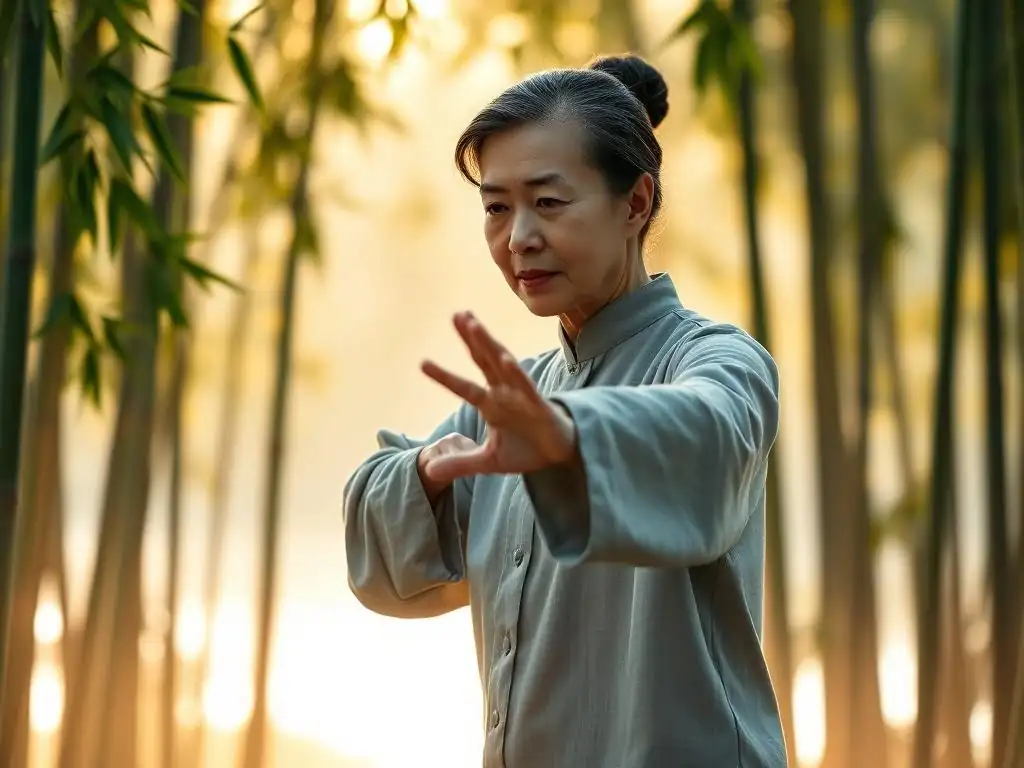
Welcome to Mind Care Guide, your sanctuary for cultivating inner peace and well-being.
Feeling the weight of restless nights? You're not alone. Many seek solace from the grip of insomnia, and we understand the yearning for restful sleep. Discover how the gentle, flowing movements of Tai Chi can unlock a pathway to deeper, more restorative sleep. Intrigued? Let's explore the mind-calming connection between Tai Chi and improved sleep quality.
Tai Chi and Better Sleep: The Mind-Calming Connection
- Introduction: Unlocking Restful Sleep with Tai Chi
- Understanding the Sleep-Tai Chi Connection: How Tai Chi Promotes Sleep
- Key Tai Chi Principles for Sleep Improvement
- Practical Tai Chi Exercises for Sleep Enhancement
- Integrating Tai Chi into Your Bedtime Routine
- Addressing Common Sleep Problems with Tai Chi
- Tips for Maximizing Tai Chi's Sleep Benefits
- Potential Benefits Beyond Sleep: The Holistic Impact of Tai Chi
- Conclusion: Embracing Tai Chi for Sound Sleep and a Healthier Mind
-
Frequently Asked Questions
- What is Tai Chi, and how does it relate to sleep?
- How can Tai Chi help me fall asleep faster?
- How often should I practice Tai Chi to see improvements in my sleep?
- Are there any specific Tai Chi movements that are particularly helpful for sleep?
- What are the other benefits of Tai Chi besides improving sleep?
- Final Reflection: Finding Rest Through Movement
- Unlock Your Best Sleep with Tai Chi!
Introduction: Unlocking Restful Sleep with Tai Chi
Sleep is a fundamental pillar of health, yet for many, a peaceful night's rest remains elusive. Stress, anxiety, and the demands of modern life often interfere with our ability to fall asleep and stay asleep.
As people increasingly seek holistic approaches to well-being, ancient practices like Tai Chi are gaining recognition not just for physical health, but also for their profound impact on mental clarity and, notably, sleep quality. This gentle form of exercise, originating in China, combines slow, deliberate movements with deep breathing and meditation, creating a powerful synergy that can quiet the mind and prepare the body for rest.
Exploring the connection between Tai Chi and sleep reveals a promising path for those struggling with restless nights. Unlike vigorous exercise that might be stimulating close to bedtime, Tai Chi offers a calming alternative. Its emphasis on mindful movement and internal focus directly addresses many common barriers to sleep, such as a racing mind or physical tension.
By integrating Tai Chi into a regular routine, individuals can cultivate a state of relaxation that is conducive to falling asleep more easily and experiencing deeper, more restorative sleep. The practice provides practical tools to soothe the nervous system, making it a valuable addition to anyone's journey towards better sleep and overall mental well-being.
Understanding the Sleep-Tai Chi Connection: How Tai Chi Promotes Sleep
The Science Behind Tai Chi and Improved Sleep
Research has increasingly focused on the physiological and psychological mechanisms through which Tai Chi improves sleep quality. Studies utilizing polysomnography (PSG), a comprehensive sleep study, have observed that regular Tai Chi practice can lead to measurable improvements in sleep parameters. For instance, some research indicates a reduction in sleep onset latency—the time it takes to fall asleep—and an increase in total sleep time among practitioners compared to control groups.
Furthermore, improvements in sleep efficiency, which measures the proportion of time in bed spent asleep, have also been noted. These objective findings suggest that Tai Chi influences the body's sleep-wake cycles and the depth of sleep experienced.
Beyond objective measurements, the scientific understanding points to Tai Chi's impact on the autonomic nervous system. The practice encourages a shift from sympathetic nervous system dominance (associated with the 'fight or flight' response and wakefulness) towards parasympathetic nervous system dominance (associated with rest and digestion). This shift is facilitated by the slow movements and deep, rhythmic breathing inherent in Tai Chi.
Studies measuring heart rate variability, a marker of autonomic nervous system balance, have shown positive changes in Tai Chi practitioners, indicating enhanced parasympathetic activity. This physiological calming effect is a key factor in how Tai Chi improves sleep quality, preparing the body for a restful state rather than an alert one.
Reducing Stress and Anxiety: Tai Chi's Impact on Mental Well-being for Sleep
Chronic stress and anxiety are major contributors to sleep disturbances, often leading to difficulty falling asleep, frequent awakenings, and non-restorative sleep. Tai Chi offers a potent antidote to these mental health challenges through its meditative qualities and emphasis on mindfulness. By focusing on the present moment, the movements, and the breath, practitioners learn to quiet the internal chatter that often fuels worry and prevents relaxation at bedtime. This practice of mindful awareness helps to detach from stressful thoughts and reduces rumination, creating a more peaceful mental state conducive to sleep.
The physical act of performing Tai Chi also releases tension stored in the body, which is often a physical manifestation of stress and anxiety. The gentle, flowing movements promote circulation and ease muscular tightness without the intensity that might be overstimulating.
This combination of mental calming and physical release helps to lower cortisol levels, the body's primary stress hormone, which is often elevated in individuals with sleep problems. By effectively managing stress and anxiety through regular practice, Tai Chi significantly enhances one's ability to relax and transition smoothly into sleep, demonstrating a clear link between Tai Chi and sleep quality improvement.
Enhancing Body Awareness: How Tai Chi Promotes Physical Relaxation for Better Sleep
Developing enhanced body awareness is a core benefit of Tai Chi that directly impacts sleep. The practice encourages a deep connection between mind and body, prompting individuals to become more attuned to their physical sensations, posture, and movement patterns. Through slow, deliberate movements, practitioners learn to identify areas of tension they might hold unknowingly throughout the day.
This awareness is the first step in consciously releasing that tension, which is crucial for achieving physical relaxation necessary for sleep. Many people carry stress in their shoulders, neck, or jaw, areas that can remain tense even when trying to rest; Tai Chi helps illuminate and alleviate these habitual patterns.
Furthermore, improved body awareness cultivated through Tai Chi allows individuals to better sense when their body is ready for rest. By becoming more sensitive to subtle cues of fatigue or relaxation, practitioners can align their activities with their body's natural rhythms. This heightened interoception—the ability to sense internal states—also aids in recognizing and addressing physical discomfort that might interfere with sleep.
Learning to move and hold the body with ease and fluidity during Tai Chi translates into a greater capacity for physical relaxation when lying down, making it easier to settle into a comfortable position and drift off to sleep. This physical aspect of Tai Chi greatly contributes to its ability to Tai Chi improve sleep quality.
Key Tai Chi Principles for Sleep Improvement
Mindful Movement and Sleep Quality
Mindful movement is a cornerstone of Tai Chi and a key principle for enhancing sleep quality. Each movement is performed with conscious attention, focusing on the flow, balance, and connection between breath and action. This deliberate focus draws the mind away from distracting thoughts about the past or future, anchoring it firmly in the present moment. For individuals whose minds race at bedtime, this practice provides a powerful technique to train the brain to quiet down on command. By cultivating this state of focused calm during practice, it becomes easier to access this state when preparing for sleep.
The repetitive, flowing nature of Tai Chi forms also has a meditative effect. The gentle rhythm can be deeply soothing, promoting a sense of tranquility that counteracts the restlessness often associated with sleep difficulties. This active form of meditation not only calms the mind but also reduces physiological arousal.
Unlike seated meditation which might be challenging for beginners to sustain for long periods, the gentle physical activity in Tai Chi can make it easier to maintain focus and enter a relaxed state. This principle of mindful movement is central to how Tai Chi improves sleep quality by creating a bridge between physical activity and mental serenity.
Diaphragmatic Breathing Techniques in Tai Chi for Sleep
Diaphragmatic breathing, often referred to as abdominal breathing, is an integral part of Tai Chi practice and a highly effective technique for promoting relaxation and improving sleep. Unlike shallow chest breathing, diaphragmatic breathing involves deep inhales that expand the abdomen, allowing for fuller oxygen exchange and activating the parasympathetic nervous system.
This type of breathing slows the heart rate, lowers blood pressure, and reduces muscle tension, counteracting the physiological signs of stress and preparing the body for rest. Consciously focusing on slow, deep breaths during Tai Chi helps train the body to enter a relaxed state more readily, both during practice and at bedtime.
Integrating diaphragmatic breathing into the mindful movements of Tai Chi enhances its calming effect. The coordination of breath with movement creates a smooth, continuous flow that further deepens relaxation. Practicing this type of breathing regularly strengthens the diaphragm and improves respiratory efficiency, which can even help some individuals who experience mild sleep-disordered breathing.
Learning to utilize this technique during the day makes it a more accessible tool to employ when lying in bed, struggling to sleep. Simply focusing on deep, slow abdominal breaths can become a powerful strategy to calm the nervous system and ease into sleep, highlighting the importance of this Tai Chi principle for anyone seeking to Tai Chi improve sleep quality.
Posture and Alignment: Promoting Relaxation for Sleep Through Tai Chi
Proper posture and alignment are fundamental principles in Tai Chi, emphasizing a relaxed yet upright stance that allows energy (Qi) to flow freely. This focus on maintaining a balanced and relaxed body structure, from the crown of the head to the soles of the feet, has significant implications for physical comfort and relaxation necessary for sleep.
Chronic poor posture can lead to muscular strain and discomfort, which can make it difficult to find a comfortable sleeping position or can cause pain that disrupts sleep. Tai Chi teaches practitioners how to hold their body with minimal effort, releasing unnecessary tension in muscles and joints.
Through consistent practice, the principles of good posture and alignment become more ingrained, translating into improved body mechanics even when not actively practicing. This reduced physical tension carries over into bedtime, making it easier for the body to fully relax when lying down. Learning to release tension in areas like the neck, shoulders, and lower back through Tai Chi movements and awareness helps alleviate common sources of nighttime discomfort.
The focus on rooting and stability in Tai Chi also promotes a sense of groundedness, which can contribute to feeling more secure and settled, further aiding the transition into a restful sleep state. Mastering these postural principles is a quiet yet powerful way that Tai Chi improves sleep quality.
Practical Tai Chi Exercises for Sleep Enhancement

Tai Chi Warm-Up Routine for Relaxation Before Bed
A gentle Tai Chi warm-up can serve as an excellent transition from the day's activities to a state of relaxation before sleep. This routine should focus on slow, easy movements designed to release tension rather than build heat or energy. Begin by standing with feet shoulder-width apart, knees slightly bent, and shoulders relaxed. Start with gentle neck rotations, slowly turning the head from side to side and then tilting the ear towards the shoulder. Follow this with shoulder rolls, both backward and forward, to release tension often held in the upper back and neck.
Next, incorporate gentle torso rotations, twisting slowly from the waist while keeping the hips relatively still. This helps loosen the spine. Finish the warm-up with some light leg swings or gentle knee circles to ensure the lower body is also relaxed.
Throughout these movements, maintain slow, deep diaphragmatic breathing. The entire warm-up should be performed mindfully, paying attention to any areas of tightness and encouraging them to release with each exhale. A simple 5-10 minute routine like this can signal to the body and mind that it's time to wind down, setting the stage for the main Tai Chi practice or preparing directly for bed, enhancing the effects of Tai Chi improve sleep quality.
Specific Tai Chi Forms to Promote Sleep
While many Tai Chi forms can promote relaxation, some are particularly well-suited for bedtime practice due to their emphasis on gentle, flowing movements and grounding. Practicing a short sequence from a well-known style like Yang style, which is characterized by its large, slow, and even movements, is often recommended. The focus should be on executing the form smoothly and mindfully, without striving for perfection, but simply allowing the body to move with the breath.
Wave Hands Like Clouds: Gentle Movement for Calming the Mind
The "Wave Hands Like Clouds" movement is a particularly soothing and meditative form often found in various Tai Chi styles. It involves a gentle shifting of weight from one leg to the other while the hands move in continuous, circular patterns in front of the body, resembling clouds drifting across the sky. This movement encourages coordination, balance, and a sense of continuous flow, which can be deeply calming. The repetitive, rhythmic motion, combined with slow, deep breathing, helps to quiet a busy mind and release tension in the arms, shoulders, and torso.
Practicing "Wave Hands Like Clouds" before bed allows the practitioner to enter a state of moving meditation. The focus required to coordinate the hand movements with the weight shifts keeps the mind engaged in the present moment, diverting attention from worries or stressful thoughts. The gentle swaying motion can also be inherently soothing, reminiscent of rocking. Performing this form slowly and deliberately for several repetitions can effectively reduce mental chatter and induce a state of tranquility, making it easier to transition from wakefulness to sleep and demonstrating a specific way Tai Chi improves sleep quality.
Single Whip: Grounding Energy and Promoting Relaxation
The "Single Whip" is another fundamental movement in Tai Chi forms that can be beneficial for sleep, particularly for its grounding qualities. This posture typically involves extending one arm out to the side with the hand in a "hook" shape, while the other hand forms a soft "palm" in front of the body, accompanied by a shift in weight and a turn of the waist. Despite its name, the movement is performed slowly and deliberately, emphasizing stability and rootedness through the supporting leg.
The grounding aspect of "Single Whip" helps to settle scattered energy and bring focus inward. The stable stance promotes a sense of security and presence, which can counteract feelings of restlessness or anxiety that interfere with sleep. The gentle stretching and opening of the body through the posture also helps to release physical tension.
Practicing "Single Whip" mindfully, focusing on the connection to the earth through the feet and the relaxed strength throughout the body, can instill a sense of calm stability that is conducive to a peaceful state for falling asleep. It's a movement that embodies controlled relaxation, contributing to the overall goal to Tai Chi improve sleep quality.
Cool-Down and Meditation: Preparing for a Peaceful Night's Sleep
Following the Tai Chi forms, a brief cool-down and meditation period can deepen the relaxation and further prepare the body and mind for sleep. After completing the chosen forms, stand quietly for a few moments, allowing the breath to return to its natural rhythm. Gently shake out the limbs or perform a few very gentle stretches if needed, but the focus should be on stillness and integration.
Transition into a short standing or seated meditation. If standing, maintain the relaxed Tai Chi posture with knees slightly bent and hands resting comfortably. If seated, find a comfortable position with the spine upright but relaxed. Close the eyes gently or soften your gaze.
Bring your awareness to your breath, simply observing the inhale and exhale without trying to change it. As thoughts arise, acknowledge them without judgment and gently guide your attention back to the breath. This period of quiet reflection allows the calming effects of the Tai Chi practice to settle fully, promoting a state of deep relaxation that is ideal for transitioning into a restful night's sleep. A 5-10 minute cool-down and meditation can significantly enhance the sleep benefits derived from the practice.
Integrating Tai Chi into Your Bedtime Routine
Creating a Calming Bedtime Ritual with Tai Chi
Establishing a consistent bedtime ritual is crucial for signaling to your body that it is time to wind down and prepare for sleep. Integrating Tai Chi into this ritual can make it even more effective. Choose a specific time each evening, ideally an hour or two before you plan to go to bed, to dedicate to your Tai Chi practice. This consistency helps regulate your body's internal clock. The ritual could begin with dimming the lights, putting away electronic devices, and perhaps playing some quiet, calming music.
Follow this preparation with your chosen Tai Chi warm-up, a short sequence of forms focusing on relaxation (like Wave Hands Like Clouds or Single Whip), and a brief cool-down meditation. Keep the practice area quiet and comfortable. The entire process, from preparation to cool-down, should be a peaceful transition, not a rushed activity. By making Tai Chi a non-negotiable part of your evening routine, you create a powerful habit that reinforces relaxation and prepares your mind and body for a night of restful sleep, significantly helping you to Tai Chi improve sleep quality.
Best Time to Practice Tai Chi for Optimal Sleep Benefits
While Tai Chi can be practiced at any time of day, the timing can influence its impact on sleep. For promoting sleep specifically, practicing in the late afternoon or early evening is often considered ideal. This timing allows you to reap the stress-reducing and calming benefits of the practice as the day winds down, without the risk of becoming too energized close to bedtime. A late afternoon session can help release accumulated tension from the day and provide a mental reset before the evening.
Practicing too close to bedtime (e.g., within 30-60 minutes of trying to sleep) might be too stimulating for some individuals, even though Tai Chi is gentle. The ideal window is typically between 6 PM and 8 PM, or at least 1-2 hours before you intend to go to sleep. However, individual responses vary, so some people might find a short, very gentle sequence immediately before bed helpful. Experimenting with timing and paying attention to how your body responds is key to finding the optimal time for you to practice Tai Chi improve sleep quality effectively.
Recommended Duration and Frequency of Tai Chi Practice for Sleep
Consistency is more important than duration when using Tai Chi to improve sleep quality. Even short, regular sessions can yield significant benefits. For beginners, starting with 15-20 minutes of practice three to four times a week is a realistic and effective goal. This duration allows enough time to warm up, move through a few forms mindfully, and include a short cool-down. As you become more comfortable, you might gradually increase the duration to 30-45 minutes per session if time permits and it feels beneficial.
For optimal sleep benefits, aiming for daily practice is highly recommended. Even a 10-15 minute session every evening as part of your bedtime ritual can make a noticeable difference in your ability to relax and fall asleep. Regularity helps to build the habit of relaxation and reinforces the positive neurological and physiological changes that support better sleep. Think of it as consistent, gentle conditioning for your nervous system. Committing to regular, even short, sessions is key to unlocking Tai Chi's potential to Tai Chi improve sleep quality over time.
Addressing Common Sleep Problems with Tai Chi
Tai Chi for Insomnia Relief
Insomnia, characterized by difficulty falling or staying asleep, is often linked to hyperarousal—both mental and physiological. Tai Chi directly addresses this by calming the nervous system and reducing intrusive thoughts.
The slow, deliberate movements and focus on breath lower heart rate, blood pressure, and cortisol levels, counteracting the 'fight or flight' response that keeps insomniacs awake. A study published in the Journal of the American Medical Association (JAMA) Internal Medicine in 2014, for example, found that Tai Chi was as effective as cognitive behavioral therapy for insomnia (CBT-I) in improving sleep quality in older adults with chronic insomnia, highlighting its significant potential.
Furthermore, Tai Chi provides a structured way to practice mindfulness and detachment from the worries that often fuel insomnia. By learning to gently redirect attention back to the body and breath during practice, individuals gain a valuable skill set they can apply when lying in bed with a racing mind.
The physical relaxation achieved through releasing tension in the muscles also helps alleviate the physical restlessness that can accompany insomnia. Consistent practice over several weeks or months typically leads to a noticeable reduction in sleep onset latency and an increase in total sleep time, making Tai Chi a powerful non-pharmacological intervention for insomnia relief.
Tai Chi for Reducing Nighttime Awakenings
Frequent nighttime awakenings disrupt the sleep cycle and prevent restorative sleep. These awakenings can be triggered by stress, anxiety, physical discomfort, or an overactive mind. Tai Chi helps mitigate these causes by promoting deeper, more consolidated sleep. The practice's ability to reduce overall stress levels means fewer stress-induced cortisol surges that can wake you up during the night. By cultivating a state of calm and relaxation, Tai Chi helps maintain a more stable sleep state throughout the night.
The enhanced body awareness developed through Tai Chi also helps in identifying and releasing physical tensions that might lead to discomfort and awakenings. Learning to relax muscles and improve circulation can reduce issues like restless legs or general physical unease that interrupt sleep. Moreover, the meditative aspect of Tai Chi provides tools to handle awakenings if they do occur.
Instead of becoming frustrated and fully alert, practitioners can utilize their learned breathing and mindfulness techniques to calm themselves and potentially drift back to sleep more easily. This consistent practice improves the continuity of sleep, helping to Tai Chi improve sleep quality by reducing disruptive awakenings.
Tai Chi for Improving Sleep Quality in Seniors
Sleep disturbances are particularly common among older adults, often due to age-related changes, chronic health conditions, and increased medication use. Tai Chi is an exceptionally suitable exercise for seniors seeking to improve their sleep quality due to its low-impact nature and numerous health benefits. It improves balance, flexibility, and strength, addressing physical issues like pain or instability that can interfere with comfortable sleep. Its gentle pace makes it accessible even for those with limited mobility or chronic conditions.
Beyond the physical, Tai Chi's benefits for mental well-being are crucial for seniors. It helps reduce anxiety and depression, conditions frequently associated with poor sleep in older populations. The social aspect of participating in Tai Chi classes can also combat loneliness, another factor impacting sleep.
Research, including studies specifically on older adults, consistently shows that Tai Chi practice leads to significant improvements in sleep quality indices such as Pittsburgh Sleep Quality Index (PSQI) scores, often reporting improvements of several points on the scale, indicating better subjective sleep quality. This makes Tai Chi a valuable practice for seniors looking to enhance their sleep and overall quality of life.
Tips for Maximizing Tai Chi's Sleep Benefits
Creating a Conducive Sleep Environment
Optimizing your sleep environment is a crucial complement to using Tai Chi improve sleep quality. A dark, quiet, and cool bedroom signals to your body that it is time for rest. Ensure your bedroom is as dark as possible by using blackout curtains or an eye mask. Minimize noise disturbances with earplugs or a white noise machine if necessary. The ideal temperature for sleep is typically between 60 and 67 degrees Fahrenheit (around 15-19 degrees Celsius), as cooler temperatures help lower your core body temperature, which is part of the natural process of initiating sleep.
Your mattress and pillows should be supportive and comfortable. Consider removing electronic devices that emit blue light, which can interfere with melatonin production, from the bedroom. By creating a sanctuary specifically for sleep, you enhance the effectiveness of your Tai Chi practice. The calm state cultivated through Tai Chi is more easily maintained and translated into sleep when the external environment supports rest rather than stimulating wakefulness. A peaceful practice space and a restful bedroom work synergistically for better sleep.
Combining Tai Chi with Other Sleep Hygiene Practices
For the most significant improvements in sleep, integrate Tai Chi practice with other established sleep hygiene principles. This includes maintaining a consistent sleep schedule by going to bed and waking up around the same time each day, even on weekends. Avoid stimulating substances like caffeine and alcohol, especially in the hours leading up to bedtime. Limit exposure to bright screens from phones, tablets, and computers in the hour before sleep, as the blue light can suppress melatonin.
Using your bed only for sleep and intimacy helps strengthen the mental association between your bed and rest. If you can't fall asleep after about 20 minutes, get out of bed and do a quiet activity in dim light, like reading or gentle stretching, until you feel sleepy before returning to bed.
Combining these practices with your regular Tai Chi sessions creates a comprehensive approach to sleep improvement, addressing multiple factors that can interfere with rest. Tai Chi enhances your ability to relax and manage stress, making it easier to adhere to these good sleep hygiene habits and further helping you Tai Chi improve sleep quality.
Seeking Guidance from a Qualified Tai Chi Instructor
While it is possible to learn basic Tai Chi movements from videos or books, receiving instruction from a qualified teacher can significantly enhance the benefits, especially when aiming to improve sleep quality. An experienced instructor can provide personalized guidance on posture, alignment, and the subtle energy principles of Tai Chi that are crucial for deep relaxation. They can help you correct your form to avoid strain and ensure you are performing the movements in a way that promotes physical ease rather than tension.
Furthermore, a teacher can guide you in integrating diaphragmatic breathing correctly with the movements, which is vital for activating the parasympathetic nervous system. They can also offer insights into the meditative aspects of the practice and help you cultivate the mindful awareness necessary to quiet the mind for sleep. Learning in a class setting can also provide motivation and a sense of community. While self-practice is beneficial, the nuanced understanding and correction provided by an instructor can deepen your practice and maximize its potential to help you Tai Chi improve sleep quality safely and effectively.
Potential Benefits Beyond Sleep: The Holistic Impact of Tai Chi
Tai Chi for Stress Reduction and Anxiety Management
Beyond its direct impact on sleep, Tai Chi is widely recognized for its profound benefits in managing stress and anxiety, which are often root causes of sleep problems. The combination of slow, deliberate movement, deep breathing, and mindful focus helps to calm the nervous system and reduce the production of stress hormones like cortisol. Regular practice teaches the body and mind how to enter and maintain a state of relaxation even amidst daily pressures.
Tai Chi provides a moving meditation that interrupts the cycle of anxious thoughts and worries. By requiring focus on the present moment and physical sensations, it trains the mind to let go of ruminative thinking. Studies have shown significant reductions in reported levels of stress, anxiety, and depression among regular Tai Chi practitioners.
For example, some research indicates that Tai Chi can lead to decreases in anxiety scores comparable to those seen with other relaxation techniques. This improved ability to manage stress and anxiety during the day naturally translates into a calmer state of mind when it's time to sleep, reinforcing how Tai Chi improves sleep quality indirectly through mental well-being.
Tai Chi for Improved Physical Health and Well-being
Tai Chi offers a wealth of physical health benefits that contribute to overall well-being and indirectly support better sleep. As a low-impact exercise, it is gentle on the joints while still improving muscle strength, flexibility, and balance. Enhanced physical comfort and stability can reduce pain and restlessness that interfere with sleep, especially in older adults or individuals with conditions like arthritis. A systematic review published in 2015 analyzing multiple studies found Tai Chi effective in reducing pain and improving physical function in various populations.
The practice also improves cardiovascular health by gently increasing heart rate and promoting better circulation. Improved blood flow can aid muscle recovery and reduce stiffness. Tai Chi's emphasis on proper posture and alignment can alleviate chronic aches and pains caused by poor body mechanics. By fostering a stronger, more flexible, and less painful body, Tai Chi creates a more comfortable physical state conducive to falling asleep and staying asleep. These wide-ranging physical benefits complement its mental effects, providing a holistic pathway to improved health that includes how Tai Chi improve sleep quality.
Tai Chi for Enhanced Mental Clarity and Focus
In addition to calming the mind, Tai Chi can sharpen it, leading to improved mental clarity and focus. The practice demands concentration to coordinate movements, breath, and balance, effectively training the brain to sustain attention. This mindful engagement helps clear mental fog and enhances cognitive function. Regular practitioners often report feeling more alert and focused during the day, a benefit that can indirectly support healthy sleep patterns by improving daytime functioning and reducing mental fatigue caused by poor concentration.
The ability to focus cultivated during Tai Chi can also be applied to the task of winding down for sleep. Instead of being overwhelmed by scattered thoughts, the practitioner learns to gently guide their attention, making it easier to focus on relaxation techniques or simply allow the mind to quiet naturally. This improved mental discipline helps break the cycle of overthinking that often prevents sleep.
By enhancing both the ability to focus and the capacity to relax, Tai Chi provides a powerful tool for cognitive health that supports not only daytime function but also the necessary mental state for restful sleep. This cognitive benefit is another way Tai Chi improves sleep quality through its holistic impact.
Conclusion: Embracing Tai Chi for Sound Sleep and a Healthier Mind
Embracing Tai Chi offers a gentle yet powerful path toward achieving sound sleep and cultivating a healthier, more resilient mind. Its unique blend of mindful movement, deep breathing, and meditation effectively addresses many of the common barriers to restful sleep, from stress and anxiety to physical tension and a racing mind. The scientific evidence increasingly supports what practitioners have known for centuries: Tai Chi improves sleep quality through measurable physiological and psychological changes, promoting a state of calm conducive to rest.
Integrating Tai Chi into your daily or evening routine, even for short periods, can yield significant benefits. By consistently practicing its principles of relaxation, mindfulness, and gentle movement, you train your body and mind to transition more smoothly into a state of rest.
Coupled with good sleep hygiene and a supportive environment, Tai Chi provides a holistic approach to sleep improvement that nurtures overall well-being. As you continue to practice, you may find that the benefits extend far beyond better sleep, leading to reduced stress, improved physical health, and enhanced mental clarity – a truly comprehensive approach to living a healthier, more balanced life.
Frequently Asked Questions
What is Tai Chi, and how does it relate to sleep?
Tai Chi is a gentle form of exercise and meditation originating from China. It can improve sleep quality by reducing stress and promoting relaxation, key factors that often disrupt sleep patterns.
How can Tai Chi help me fall asleep faster?
The slow, deliberate movements of Tai Chi can help to calm the nervous system, reducing anxiety and mental chatter that can prevent you from falling asleep. This leads to a more peaceful state conducive to sleep.
How often should I practice Tai Chi to see improvements in my sleep?
While individual results may vary, practicing Tai Chi for at least 30 minutes, 3-5 times per week has been shown to significantly improve sleep quality in many individuals.
Are there any specific Tai Chi movements that are particularly helpful for sleep?
Many gentle, flowing Tai Chi forms are beneficial, but focusing on movements that emphasize deep breathing, relaxation, and mindfulness can be especially helpful for preparing the body and mind for sleep.
What are the other benefits of Tai Chi besides improving sleep?
Beyond sleep improvements, Tai Chi can enhance balance, flexibility, and muscle strength. It can also reduce stress, anxiety, and improve overall mental well-being, as highlighted by Mind Care Guide.
Final Reflection: Finding Rest Through Movement
The ancient practice of Tai Chi Chuan, far from being a relic of the past, offers a potent and readily accessible solution to the modern epidemic of sleep deprivation. In a world increasingly dominated by relentless schedules and digital distractions, the gentle, flowing movements of Tai Chi provide a powerful antidote, restoring balance to both body and mind and paving the way for a deeper, more restorative sleep.
The impact of Tai Chi on sleep quality extends far beyond the immediate benefits of physical relaxation. It cultivates a mindful awareness that permeates all aspects of life, fostering a sense of calm and centeredness that naturally translates into improved sleep hygiene. The body benefits from movement, and the mind benefits from stillness.
This quote, while not directly about Tai Chi, perfectly encapsulates the essence of its sleep-enhancing properties – the harmonious blend of physical activity and mental tranquility. The practice encourages a detachment from the anxieties and stresses that often plague our minds before bed, creating space for restful slumber.
You don't need a martial arts background or years of dedicated practice to reap the rewards. Even incorporating a short, daily Tai Chi routine can significantly improve your sleep quality. I invite you to explore this ancient practice, to experience the gentle power of its movements, and to discover the profound connection between mindful movement and peaceful rest. Begin with a few simple forms, breathe deeply, and allow the tranquility of Tai Chi to guide you towards a more restful and rejuvenating night's sleep. Your body and mind will thank you for it.
Unlock Your Best Sleep with Tai Chi!
Thanks for taking the time to explore the calming connection between Tai Chi and better sleep! We hope you discovered valuable insights into improving your rest and well-being. Now it's time to put that knowledge into action.
- Start your Tai Chi journey today! Even 10 minutes of gentle practice can make a difference. Find a beginner's video online or explore a local class.
- Share your experience! Tell us about your first Tai Chi session and how it impacted your sleep in the comments below. Let's build a supportive community!
- Consider incorporating a relaxing pre-bedtime routine that includes deep breathing exercises, inspired by the mindful movements of Tai Chi.
Ready to embrace a more peaceful, restful night? What small step will you take towards better sleep tonight?