
Beyond Solitude: The Mental Health Perks of Group Tai Chi Practice

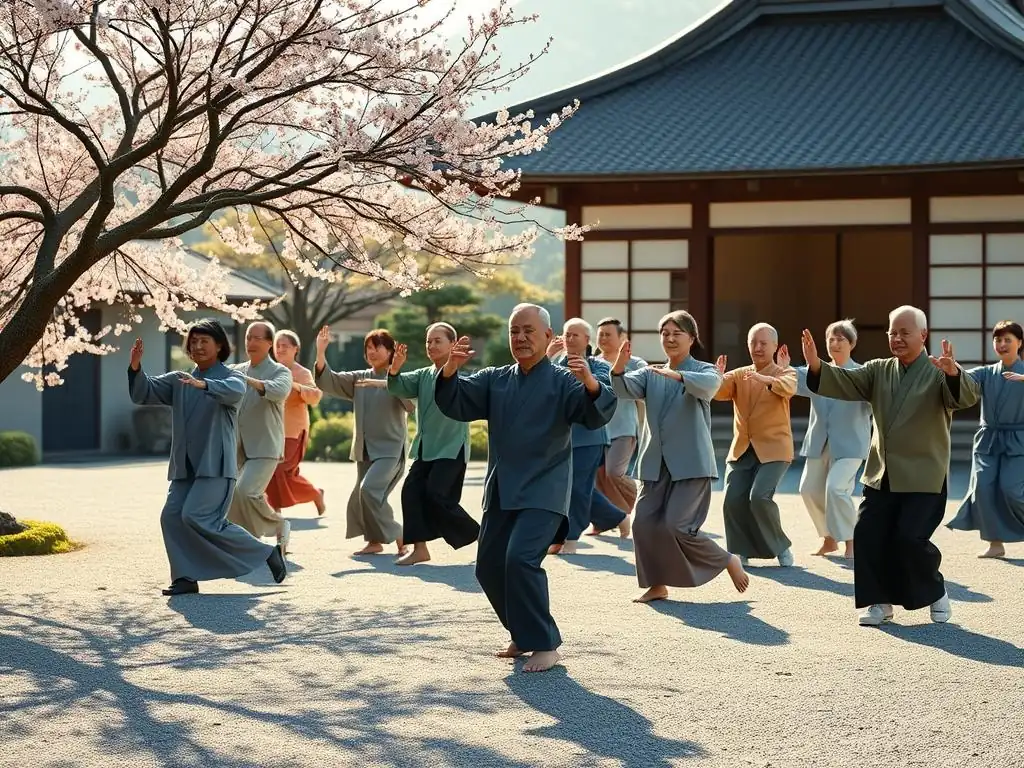
Welcome to Mind Care Guide, a supportive space dedicated to nurturing your mental well-being. Are you feeling overwhelmed and searching for a gentle path to inner peace? Discover how the ancient practice of Tai Chi can offer surprising mental health benefits. We'll delve into its transformative potential, particularly when experienced in a group setting. Intrigued? Let's explore how this mindful movement can unlock a calmer, more centered you.
What is Tai Chi and How Does it Impact the Mind?
Tai Chi Chuan, often simply called Tai Chi, is an ancient Chinese martial art practiced for both its defense training and its health benefits. It involves a series of slow, deliberate movements, often described as "meditation in motion." While rooted in martial principles, modern Tai Chi practice typically emphasizes gentle, flowing sequences performed with deep breathing and mental focus.
This mind-body connection is central to its impact on mental well-being. Unlike high-impact exercises, Tai Chi's low-intensity, continuous movements promote relaxation and reduce physical tension, which in turn alleviates mental strain. The focus required to perform the movements correctly redirects attention away from anxious thoughts and worries, fostering a sense of calm and presence.
The therapeutic effects of Tai Chi on the mind stem from its unique combination of physical movement, controlled breathing, and mindfulness. The slow, rhythmic nature of the practice calms the nervous system, potentially reducing the production of stress hormones like cortisol. Simultaneously, the conscious effort to coordinate breath with movement enhances oxygen flow and promotes a meditative state.
This integrated approach helps quiet the mental chatter that often accompanies stress, anxiety, and depression. Research suggests that regular Tai Chi practice can lead to structural and functional changes in the brain associated with improved mood regulation and cognitive function, highlighting the profound Tai chi mental health benefits.
Tai Chi for Anxiety and Stress Reduction: A Group Dynamic Advantage
Tai Chi is widely recognized for its efficacy in reducing anxiety and stress. The controlled, flowing movements, combined with deep, diaphragmatic breathing, activate the body's relaxation response, counteracting the "fight or flight" state. This practice provides a tangible method for individuals to manage their physiological reactions to stress, lowering heart rate and blood pressure while promoting a sense of tranquility. Engaging in the slow, mindful movements creates a buffer against external stressors, allowing the practitioner to cultivate inner calm. Studies have shown that consistent Tai Chi practice can lead to significant reductions in self-reported stress levels and anxiety symptoms.
Practicing Tai Chi in a group setting amplifies these benefits. The shared experience of moving together in rhythm creates a collective sense of calm and support. Witnessing others navigate the movements, sharing quiet moments of focus, and breathing together fosters a feeling of connection that can be incredibly soothing, especially for those struggling with social anxiety or isolation.
This group dynamic provides a sense of belonging and mutual encouragement, making the practice more accessible and sustainable. The non-competitive environment of most group Tai Chi classes further reduces pressure, allowing individuals to relax and fully immerse themselves in the stress-relieving aspects of the practice alongside others.
- What is Tai Chi and How Does it Impact the Mind?
- Tai Chi for Anxiety and Stress Reduction: A Group Dynamic Advantage
- What are the primary mental health benefits associated with practicing Tai Chi?
- How does practicing Tai Chi in a group setting enhance its mental health benefits?
- What specific mental health conditions can Tai Chi potentially help manage?
- How often should someone practice Tai Chi to experience noticeable mental health improvements?
- Are there any potential risks or limitations to consider before starting Tai Chi for mental health?
The Unique Mental Health Benefits of Group Tai Chi Practice
Loneliness and social isolation are significant contributors to poor mental health. Participating in a group Tai Chi class directly addresses these challenges by providing a regular opportunity for positive social interaction. While the practice itself is often done in silence or with minimal talking during the forms, the shared commitment to the activity creates a natural bond among participants. There are often moments before and after class for informal chat, shared smiles, and mutual encouragement, fostering a sense of community and belonging.
This consistent, low-pressure social engagement can be particularly beneficial for individuals who find traditional social gatherings overwhelming. The focus on the movements provides a comfortable structure, reducing the pressure to make conversation. Over time, these small interactions can build into meaningful connections, helping to combat feelings of isolation. For example, a study involving older adults found that participation in group Tai Chi significantly reduced feelings of loneliness and improved social support networks, demonstrating the powerful Tai chi mental health benefits derived from its communal aspect.
Boosting Mood and Emotional Regulation in Group Tai Chi Sessions
Regular physical activity is known to boost mood by releasing endorphins, the body's natural mood elevators. Tai Chi, despite being low-impact, is still a form of exercise that contributes to this effect. Beyond the biochemical response, the mindful movement and focus inherent in Tai Chi help individuals become more aware of their emotional state without judgment. This increased self-awareness is a crucial step in learning to regulate emotions more effectively.
In a group setting, the collective energy and shared experience can further enhance mood. Practicing alongside others creates a supportive atmosphere where individuals feel less alone in their mental health journey. The gentle, flowing movements themselves can feel calming and uplifting, and performing them in unison with others can create a powerful sense of harmony and shared positive energy. Witnessing the progress and presence of fellow participants can be inspiring and motivating, contributing to a more positive outlook and reinforcing the Tai chi mental health benefits experienced collectively.
Cultivating Mindfulness and Presence Together Through Tai Chi
Mindfulness, the practice of being fully present and aware of the current moment without judgment, is a core component of Tai Chi. The slow, deliberate movements require focused attention on posture, balance, and the flow of energy within the body. This constant gentle redirection of attention away from distracting thoughts trains the mind to stay anchored in the present, reducing rumination on the past or worry about the future – common features of anxiety and depression.
Practicing mindfulness in a group setting adds another dimension. While the focus is internal during the forms, there is a shared, unspoken awareness of the collective presence. Moving in sync with others creates a sense of shared intention and peacefulness. This collective mindfulness can deepen the individual experience, making it easier to stay focused and present. The quiet, shared focus on the breath and movement within the group reinforces the practice of letting go of distractions and simply being in the moment, amplifying the calming effects and cultivating a stronger sense of presence together.
Tai Chi Group Support for Overcoming Mental Health Challenges
Participating in a group dedicated to a health-promoting activity like Tai Chi provides a unique form of support for individuals managing mental health challenges. While not a substitute for therapy or medical treatment, the group environment offers a safe and understanding space. Sharing the commitment to practice with others who may be facing similar struggles can reduce feelings of isolation and stigma often associated with mental health conditions.
The group dynamic fosters mutual encouragement and resilience. Seeing others show up and engage in the practice, even on difficult days, can be incredibly motivating. Instructors and fellow participants often offer quiet support through shared presence and understanding. This sense of community provides a consistent, positive anchor, making it easier for individuals to maintain their practice and benefit from the cumulative Tai chi mental health benefits over time. It's a supportive network built around shared movement and a commitment to well-being.
Finding the Right Group Tai Chi Class for Your Mental Well-being
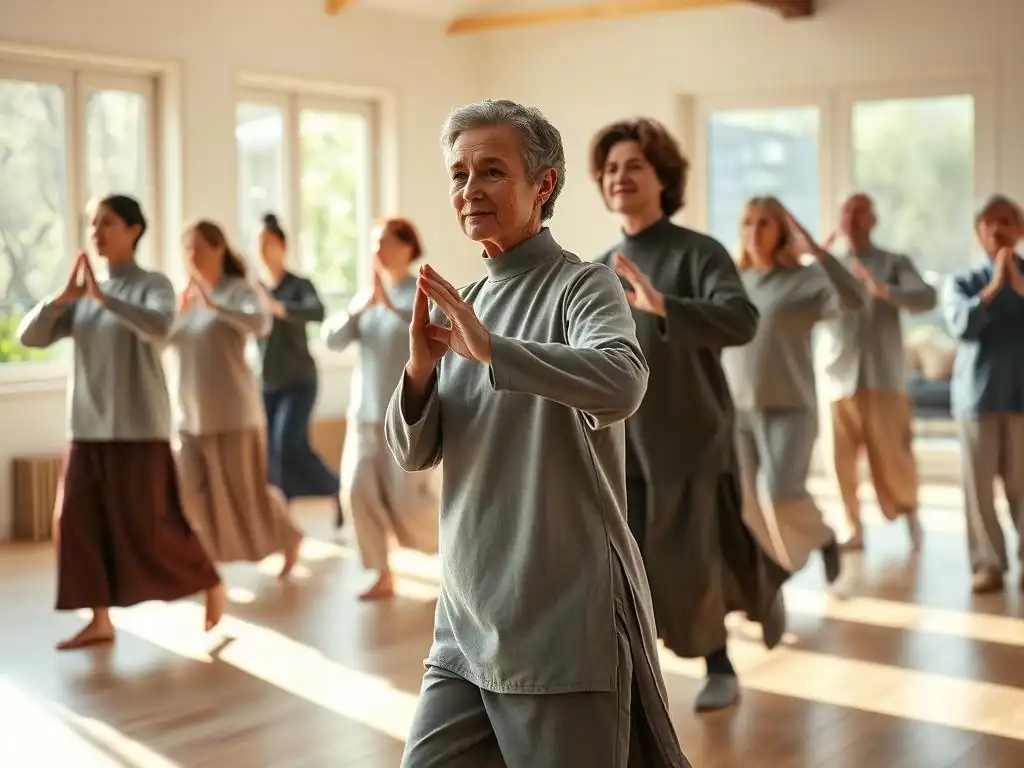
Key Considerations When Choosing a Group Tai Chi Class
Selecting the right group Tai Chi class is crucial for maximizing its mental health benefits. First and foremost, consider the style of Tai Chi being taught. Styles like Yang or Chen are common, but variations exist, some focusing more on health and relaxation than martial application. Look for classes explicitly marketed for health or stress reduction. The instructor's approach is also vital; seek an instructor who is patient, knowledgeable, and creates a welcoming, non-competitive atmosphere. A good instructor can significantly impact your experience and adherence to the practice.
Logistics like location, schedule, and class size also play a role. Choose a class that is conveniently located and fits easily into your routine to ensure consistent attendance. Consider visiting a class before committing to observe the atmosphere and teaching style. A smaller class size might offer more individual attention, while a larger one could provide a stronger sense of collective energy. Don't hesitate to ask about the instructor's experience, the class's focus (e.g., health, forms, meditation), and the general demographic of the participants to ensure it feels like a good fit for your specific needs and comfort level.
Tailoring Your Tai Chi Practice to Your Individual Mental Health Needs
While group classes offer powerful collective benefits, it's also important to tailor your personal approach within the group setting to meet your individual mental health needs. If you are experiencing significant anxiety, focus particularly on the deep breathing and grounding aspects of the movements. If depression is a challenge, emphasize the gentle physical activity and the mood-boosting aspects of the practice. Communicate with your instructor if you have specific physical limitations or mental health concerns; they may be able to offer modifications or guidance.
Remember that Tai Chi is a journey, not a destination. Some days you might feel more present and focused than others. Be patient and compassionate with yourself. The group setting provides a safe space to practice this self-compassion alongside others. It's okay to struggle with a movement or a thought; the important thing is to keep returning to the breath and the gentle flow. Integrating elements like a brief personal reflection after class on how the practice made you feel can also help solidify the mental health benefits you are gaining.
Real-Life Examples: Tai Chi Mental Health Success Stories
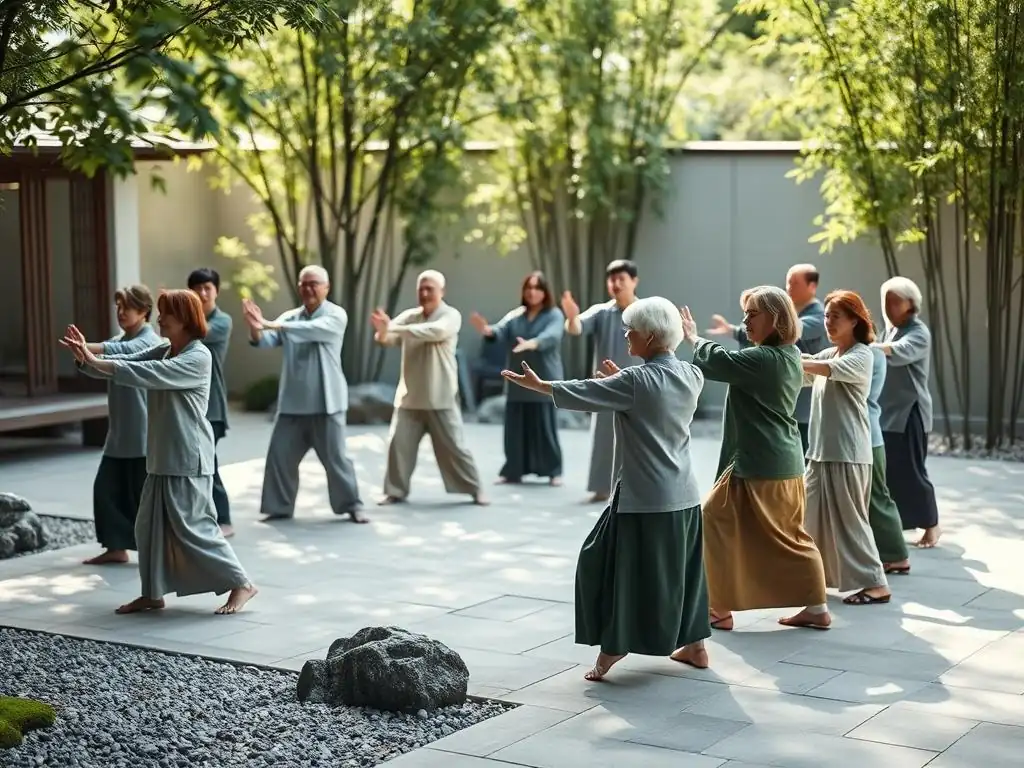
Many individuals have found significant relief from mental health challenges through group Tai Chi. Consider the case of "Eleanor," a 55-year-old who struggled with chronic anxiety following a stressful period in her life. Traditional talk therapy helped, but she found the physical tension remained. After joining a local community center Tai Chi group, she reported feeling a noticeable reduction in muscle tightness and a greater ability to stay calm during stressful situations within just a few months. The consistent practice and the camaraderie of the group became a vital part of her coping strategy.
Another example is "David," a retiree who experienced significant loneliness after his spouse passed away, contributing to feelings of depression. He was hesitant to join social clubs but found the structured, quiet nature of a Tai Chi class less intimidating. The regular interaction, even if minimal, and the shared focus on movement helped him feel connected again. He began looking forward to classes not just for the physical benefits but for the quiet companionship and the sense of purpose it brought back into his week, illustrating the profound Tai chi mental health benefits in action.
Conclusion: Embracing the Collective Path to Mental Well-being Through Tai Chi
Embarking on the journey of Tai Chi practice, particularly within a group setting, offers a powerful and holistic approach to enhancing mental well-being. Beyond the individual benefits of mindful movement and stress reduction, the collective experience provides invaluable social connection, emotional support, and a sense of shared purpose. It's a gentle yet effective path that acknowledges the interconnectedness of mind, body, and community.
Choosing to practice Tai Chi in a group opens the door to not only improving your own mental health but also contributing to a supportive environment for others. It's a commitment to self-care that blossoms in the presence of others, offering a unique blend of personal tranquility and collective strength. If you are seeking a gentle, accessible way to improve your mental health, exploring group Tai Chi classes could be a profoundly rewarding step towards a more balanced and connected life. The Tai chi mental health benefits are truly amplified when shared.
Frequently Asked Questions
What are the primary mental health benefits associated with practicing Tai Chi?
Tai Chi is known to reduce stress and anxiety and improve mood and emotional regulation. It also promotes mindfulness and a sense of inner peace.
How does practicing Tai Chi in a group setting enhance its mental health benefits?
Group Tai Chi fosters a sense of community and social connection, combating feelings of loneliness and isolation. This social interaction can boost self-esteem and provide support.
What specific mental health conditions can Tai Chi potentially help manage?
Tai Chi has shown promise in managing symptoms of depression and anxiety disorders, as well as improving cognitive function and sleep quality. It may also assist with PTSD symptom management.
How often should someone practice Tai Chi to experience noticeable mental health improvements?
While individual experiences vary, consistent practice of at least two to three times per week is generally recommended. This allows for cumulative benefits and improved mind-body connection.
Are there any potential risks or limitations to consider before starting Tai Chi for mental health?
Tai Chi is generally considered safe but consulting with a healthcare professional is advised, especially for individuals with pre-existing medical conditions. It should be seen as a complementary therapy, not a replacement for conventional treatment.
The profound connection between physical well-being and mental resilience is undeniable, and the practice of Tai Chi offers a powerful pathway to both. This exploration of group Tai Chi has revealed not only its individual benefits, but also the surprising and significant advantages of practicing within a supportive community. The gentle movements, mindful breathing, and shared experience create a potent antidote to the stresses of modern life.
The impact of group Tai Chi extends far beyond the physical. It fosters a sense of belonging, reduces feelings of isolation, and cultivates a supportive network crucial for navigating the complexities of mental health. The shared experience creates a sense of camaraderie and mutual understanding, something often missing in our increasingly individualistic society. The best way to find yourself is to lose yourself in the service of others,
a quote often attributed to Mahatma Gandhi, perfectly encapsulates the spirit of collaborative Tai Chi practice. The focus shifts from individual struggle to collective growth, creating a powerful synergy of support and healing.
Now, consider how you might integrate the principles of mindful movement and community connection into your own life. Perhaps a group Tai Chi class is the perfect starting point, or maybe you can find ways to cultivate a similar sense of shared purpose and support within your existing social circles. Embrace the power of collective well-being, and discover the transformative potential of shared practice. The journey to inner peace begins with a single step – and perhaps, a gentle, flowing movement.
Unleash Your Inner Calm: Take the Next Step with Tai Chi
Thanks for taking the time to explore the incredible mental health benefits of group Tai Chi practice! We hope you discovered a new path toward inner peace and well-being. Now it’s time to turn this newfound knowledge into action.
- Find a local Tai Chi class: This is your first step towards experiencing the transformative power of group practice firsthand. Search online for classes near you, or ask your doctor or physical therapist for recommendations. This is the core action we encourage!
- Share this article with a friend: Spread the word about the amazing benefits of Tai Chi. Encourage a loved one to join you on this journey to better mental health.
- Explore Tai Chi videos online: Even if you can't make a class right away, supplement your knowledge with guided videos. You can start practicing some basic movements at home to ease yourself into the practice.
Ready to move towards a calmer, more centered you? What's the first step you'll take to incorporate Tai Chi into your life?