
Dopamine and Pleasure: Why the Reward Isn't Just the Feeling

Welcome to Mind Care Guide, a safe space to explore your mental well-being.
Ever wondered why that hit of pleasure from a small victory feels so powerful, yet fleeting? We delve deep into the fascinating world of the dopamine reward system psychology to uncover the science behind motivation, pleasure, and even addiction. But it's not just about feeling good. Understanding how dopamine works can unlock keys to managing stress, boosting your mood, and building healthier habits. Ready to discover the hidden power of your brain's reward pathways? Let's begin.
Dopamine and Reward: Beyond Simple Pleasure
- Understanding the Dopamine Reward System
- Dopamine's Nuances: Learning, Motivation, and Anticipation
- The Neuroscience of Dopamine and Reward
- Factors Influencing the Dopamine System
- Dopamine Imbalances and Mental Health
- Optimizing the Dopamine System for Well-being
- Dopamine and Mental Health: A Broader Perspective
- Conclusion: Understanding and Utilizing the Dopamine Reward System
-
Frequently Asked Questions
- What is the dopamine reward system in psychology?
- How does dopamine influence our behavior beyond just feeling pleasure?
- What happens when the dopamine reward system is dysregulated?
- Can the dopamine reward system be "hacked" or manipulated?
- What are some healthy ways to support a balanced dopamine reward system?
- Final Reflection: Beyond the Buzz: Understanding Dopamine's Deeper Role
- Unlock Your Brain's Reward System: Take Control of Dopamine
Understanding the Dopamine Reward System
The dopamine reward system psychology is a complex network within the brain that plays a pivotal role in motivation, learning, and experiencing pleasure. While often simplified to the "pleasure chemical," dopamine's function is far more intricate, acting as a key signal in predicting and seeking rewards, rather than simply being the feeling of pleasure itself. Understanding this system is fundamental to grasping many aspects of human behavior, from daily habits to challenges like addiction and mood disorders.
What is the Dopamine Pathway?
The dopamine pathway, often referred to as the mesolimbic pathway when discussing reward, originates in the ventral tegmental area (VTA) of the midbrain. From here, dopamine-producing neurons project to various brain regions, including the nucleus accumbens, amygdala, hippocampus, and prefrontal cortex. These projections form a critical communication network that influences behavior in response to stimuli.
This pathway is not a single, simple line, but rather a complex set of connections. For instance, the mesolimbic pathway is heavily implicated in reward and motivation, while the mesocortical pathway, also originating in the VTA but projecting to the prefrontal cortex, is crucial for cognitive functions like planning and decision-making. Together, these pathways, involving millions of neurons and billions of connections, orchestrate how we perceive potential rewards and decide to act upon them.
Dopamine's Role in Motivation and Behavior
Dopamine is primarily involved in the drive to seek rewards. It is released not just when we receive a reward, but often in anticipation of one. This anticipatory release motivates us to pursue goals, learn new behaviors, and repeat actions that have led to positive outcomes in the past. Think of the feeling of excitement you get before a favorite meal or the anticipation of completing a challenging task – dopamine is a key player in generating that motivational push.
Research has shown that the amount of effort an animal is willing to expend for a reward correlates strongly with dopamine activity. For example, studies using rats demonstrate that if dopamine signaling is blocked, the animals may still like a sugary treat, but they lose the motivation to work for it, such as pressing a lever repeatedly. This highlights dopamine's critical role in energizing behavior and directing it towards desired outcomes, forming the core of the dopamine reward system psychology.
Separating Dopamine's Role from Pleasure
A common misconception is that dopamine is pleasure. While dopamine signaling is closely associated with rewarding experiences, its primary function is related to motivation, learning, and the prediction of rewards. The actual feeling of pleasure or "liking" is mediated by other neurochemicals and brain regions, such as opioids and endocannabinoids acting in areas like the ventral pallidum and amygdala.
Consider the experience of eating a delicious piece of chocolate. Dopamine neurons may fire intensely before you even take a bite, driven by the anticipation and the memory of past enjoyment. This dopamine surge motivates you to reach for the chocolate and consume it. The actual sensory pleasure, the "mmm, that's good" feeling, involves other systems. This distinction is crucial in understanding how the dopamine reward pathway influences behavior, particularly in contexts like addiction where the intense wanting driven by dopamine can become disconnected from the actual liking of the substance.
Dopamine's Nuances: Learning, Motivation, and Anticipation
The influence of dopamine extends beyond simple reward-seeking, deeply integrating with cognitive processes that support learning and future planning. Its role in signaling prediction errors and valuing potential outcomes makes it central to adaptive behavior. Understanding these nuances provides a richer perspective on the psychology of the dopamine reward system.
Dopamine's Involvement in Learning and Conditioning
Dopamine plays a critical role in associative learning, particularly in classical and operant conditioning. When an unexpected reward occurs, dopamine neurons fire robustly. However, as an association is learned between a cue (like a bell) and a reward (like food), dopamine release shifts to the presentation of the cue before the reward is received. This shift signals the prediction of the reward.
If the predicted reward is omitted, dopamine activity dips below baseline, signaling a "prediction error." This error signal is crucial for learning, helping the brain update its predictions and adjust future behavior. For instance, in a study, monkeys learned to associate a light with juice. Initially, dopamine spiked when they received the juice.
After learning, the spike occurred when the light appeared. If the light appeared but no juice followed, dopamine activity decreased, indicating the error and prompting the monkey to adjust its expectation in the future. This process underpins how we learn which cues in our environment are associated with positive outcomes.
Dopamine and Goal-Oriented Behavior
Dopamine is essential for initiating and sustaining goal-directed behavior. It helps assign value to potential rewards and calculates the effort required to obtain them. Higher dopamine activity in certain pathways can increase the perceived value of a distant goal, making us more willing to overcome obstacles and persist through challenges.
This is evident in tasks requiring sustained effort. For example, individuals with higher tonic (baseline) dopamine levels or greater dopamine release in specific brain areas might be more likely to choose a larger reward that requires significant work over a smaller reward that is easily obtained. Dopamine helps bridge the gap between the present moment and a future desired state, providing the motivational drive to stay on course, a key component of the dopamine reward system psychology.
"Wanting" vs. "Liking": Dopamine and Anticipation
As mentioned earlier, a crucial distinction in dopamine reward psychology is between "wanting" (motivation, anticipation, seeking) and "liking" (consummatory pleasure). Dopamine primarily drives the "wanting." It increases our desire for a reward and motivates us to pursue it. The anticipation of a reward, mediated by dopamine, can sometimes be even more powerful than the pleasure of receiving it.
Think about planning a vacation. The anticipation leading up to the trip – researching destinations, booking flights, packing – is often filled with dopamine-driven excitement. The actual experience of the vacation involves many other feelings and sensory pleasures. This separation explains why sometimes the pursuit of a goal feels more rewarding than achieving it, or why individuals might relentlessly pursue a reward even when the pleasure derived from it diminishes. This "wanting" system is highly sensitive to cues associated with rewards, making it a powerful driver of habits and behaviors, both adaptive and maladaptive.
The Neuroscience of Dopamine and Reward
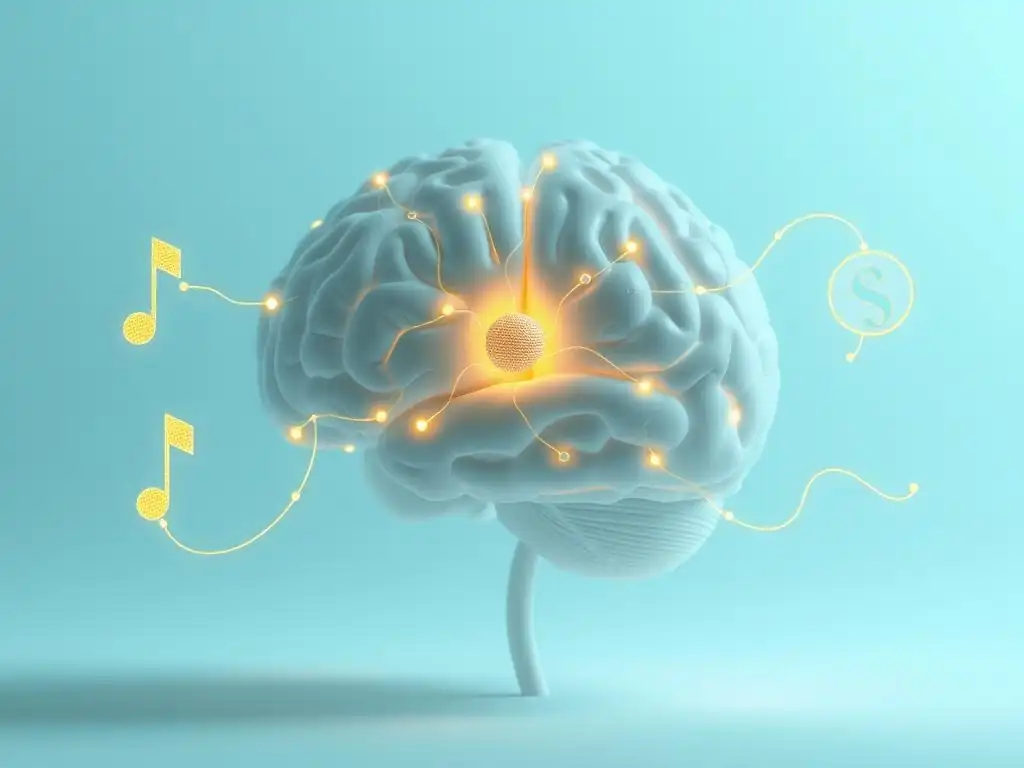
Delving into the specific brain structures and cellular mechanisms involved provides a deeper understanding of how the dopamine reward system functions at a biological level.
Dopamine Neurons and Signal Transmission
Dopamine is a neurotransmitter, a chemical messenger that transmits signals between neurons. Dopamine-producing neurons synthesize dopamine from the amino acid tyrosine. Once synthesized, dopamine is stored in vesicles at the axon terminal. When a neuron is activated, these vesicles fuse with the cell membrane, releasing dopamine into the synaptic cleft – the tiny gap between neurons.
The released dopamine then binds to specific dopamine receptors on the surface of the receiving neuron. There are several types of dopamine receptors (D1, D2, D3, D4, D5), each with different properties and distributions throughout the brain. Binding to these receptors triggers a response in the receiving neuron, either exciting or inhibiting its activity. The signal is terminated when dopamine is cleared from the synaptic cleft, primarily through reuptake transporters that pump it back into the releasing neuron. This precise process of synthesis, release, binding, and reuptake is fundamental to dopamine signaling within the dopamine reward system.
Brain Regions Involved in the Reward System
The dopamine reward system involves a network of interconnected brain areas. While dopamine originates primarily in the VTA and Substantia Nigra, its effects are exerted in projection areas. The mesolimbic pathway, critical for reward processing, connects the VTA to several key limbic structures.
The Ventral Tegmental Area (VTA)
Located in the midbrain, the VTA is one of the primary sources of dopamine neurons in the brain. These neurons project widely, forming the mesolimbic and mesocortical pathways. The VTA receives input from many other brain regions, including the prefrontal cortex, amygdala, and hypothalamus, allowing it to integrate information about the internal state and external environment.
The activity of VTA dopamine neurons is modulated by various factors and is highly responsive to novel, unexpected, or rewarding stimuli. For example, studies using electrophysiology show VTA neurons firing rapidly when a reward is received unexpectedly, or when a cue predicting a reward is presented. This area is considered the starting point for the dopamine reward pathway.
The Nucleus Accumbens
Often considered the central hub of the dopamine reward system, the nucleus accumbens receives dense dopamine projections from the VTA. It plays a crucial role in translating motivational signals into action. The nucleus accumbens is involved in processing the motivational salience of stimuli – how "attractive" or "important" a potential reward is.
When dopamine is released into the nucleus accumbens, it signals the predicted value of a reward and enhances the motivation to pursue it. This area is heavily implicated in the reinforcing effects of natural rewards like food and sex, as well as addictive drugs. For instance, stimulating the nucleus accumbens in animal models can lead to intense seeking behavior, even for non-essential rewards.
The Prefrontal Cortex
The prefrontal cortex (PFC), particularly the medial and orbitofrontal regions, receives dopamine projections from the VTA (the mesocortical pathway) and also interacts extensively with the nucleus accumbens. The PFC is involved in higher-order cognitive functions such as planning, decision-making, working memory, and evaluating the long-term consequences of behavior.
Dopamine in the PFC influences executive functions and helps guide goal-directed behavior based on predictions and values processed in the nucleus accumbens and VTA. It allows us to consider different options, weigh risks and rewards, and inhibit impulsive actions. Dysfunction in the PFC dopamine system is implicated in conditions like ADHD and addiction, where decision-making and impulse control are impaired, underscoring its importance in the dopamine reward system psychology.
Factors Influencing the Dopamine System
The function of the dopamine reward system is not static; it can be influenced by a variety of internal and external factors, from chronic stress to genetic predispositions and lifestyle choices.
Stress and Dopamine Levels
Chronic stress can significantly impact the dopamine system. Prolonged exposure to stress hormones like cortisol can alter dopamine synthesis, release, and receptor sensitivity, particularly in areas like the prefrontal cortex and nucleus accumbens. This can lead to changes in motivation, pleasure capacity, and decision-making.
For example, studies in rodents show that chronic unpredictable stress can reduce dopamine levels and impair the function of dopamine receptors in the nucleus accumbens, contributing to anhedonia – the reduced ability to experience pleasure – a common symptom of depression. While acute stress can sometimes transiently increase dopamine release, prolonged stress generally dysregulates the system, highlighting the delicate balance within the dopamine reward pathway.
Genetics and Dopamine Function
Genetic variations can influence various aspects of the dopamine system, including the enzymes that synthesize and break down dopamine, the dopamine transporters that clear it from the synapse, and the different types of dopamine receptors. These genetic differences can predispose individuals to variations in personality traits, vulnerability to certain mental health conditions, and responses to treatments.
For instance, variations in the DRD4 gene, which codes for the D4 dopamine receptor, have been associated with novelty-seeking behavior. Polymorphisms in the COMT gene, which affects dopamine breakdown in the prefrontal cortex, have been linked to differences in cognitive function and vulnerability to stress. While genetics do not dictate destiny, they contribute to the individual variability observed in dopamine reward system psychology.
Lifestyle Factors: Diet, Exercise, and Sleep
Lifestyle choices have a profound impact on dopamine system health. Nutrition provides the building blocks for dopamine synthesis. Adequate intake of tyrosine (found in protein-rich foods) and essential cofactors like B vitamins and magnesium is necessary for optimal dopamine production.
- Diet: Diets high in saturated fats and refined sugars have been shown in animal studies to impair dopamine receptor function and reduce dopamine signaling, potentially contributing to reduced motivation and increased cravings for palatable foods.
- Exercise: Regular physical activity is known to boost dopamine levels and increase the density of dopamine receptors in areas like the striatum, contributing to improved mood, motivation, and cognitive function. Even moderate exercise, like a brisk 30-minute walk, can trigger a noticeable increase in dopamine activity.
- Sleep: Sufficient, quality sleep is essential for maintaining healthy neurotransmitter balance, including dopamine. Sleep deprivation can impair dopamine receptor sensitivity and disrupt the normal diurnal rhythm of dopamine release, negatively affecting motivation, attention, and emotional regulation.
These lifestyle factors offer tangible avenues for supporting a healthy dopamine reward system.
Dopamine Imbalances and Mental Health
Dysregulation of the dopamine reward system is implicated in a wide range of mental health conditions, from mood disorders to substance use disorders. Understanding these imbalances is key to developing effective interventions.
Dopamine Deficiency and Its Effects
Reduced dopamine synthesis, release, or receptor sensitivity can manifest as symptoms related to decreased motivation, pleasure, and motor control. Parkinson's disease, a neurodegenerative disorder, is a classic example of severe dopamine deficiency, specifically the loss of dopamine-producing neurons in the substantia nigra, leading to motor symptoms like tremors and rigidity.
In the context of mental health, reduced dopamine signaling in the mesolimbic pathway is strongly associated with anhedonia and lack of motivation (avolition), core symptoms of depression. Individuals with depression may report feeling less driven to pursue activities they once enjoyed, finding it difficult to initiate tasks or experience pleasure from typically rewarding stimuli. This highlights how a dysfunctional dopamine reward system can profoundly impact emotional and motivational states.
Dopamine Overactivity and Associated Conditions
Conversely, excessive dopamine signaling or hypersensitivity of dopamine receptors can also contribute to psychopathology. Conditions characterized by symptoms like hallucinations, delusions, and disorganized thinking, such as schizophrenia, are often associated with excessive dopamine activity, particularly in the mesolimbic pathway. Antipsychotic medications commonly work by blocking dopamine receptors (specifically D2 receptors) to reduce this overactivity.
Tourette's syndrome, characterized by involuntary motor and vocal tics, is also thought to involve dysregulation in dopamine signaling, particularly in the striatum. Understanding these different patterns of dopamine imbalance is crucial for the differential diagnosis and treatment within the field of dopamine reward system psychology.
Dopamine and Addiction
Addiction is perhaps the most well-known example of the dopamine reward pathway being hijacked. Addictive substances (like cocaine, amphetamines, nicotine, alcohol, opioids) and behaviors (like gambling, excessive gaming) cause a massive, rapid, and sustained release of dopamine in the nucleus accumbens and other reward areas, far exceeding the dopamine surge produced by natural rewards.
This intense dopamine signal strongly reinforces the drug-seeking or behavior, conditioning the brain to associate cues related to the substance or behavior with this powerful reward signal. Over time, chronic exposure to high dopamine levels can lead to neuroadaptations, including reduced sensitivity of dopamine receptors and altered function in the prefrontal cortex. This results in a state where the individual experiences reduced pleasure from natural rewards (anhedonia) but feels an intense, compulsive need (craving) for the addictive substance or behavior to restore a sense of normalcy or simply function, illustrating a profound disruption of the dopamine reward system psychology.
Optimizing the Dopamine System for Well-being
Given the critical role of dopamine in motivation, pleasure, and learning, supporting its healthy function is important for overall mental well-being. While severe imbalances require professional intervention, several lifestyle strategies can help optimize the dopamine reward system.
Natural Ways to Support Dopamine Levels
Focusing on foundational health habits can provide a solid basis for supporting neurotransmitter function. These are not quick fixes, but sustainable practices that nurture the brain.
Exercise and Physical Activity
Regular aerobic exercise is one of the most effective natural ways to support dopamine. Studies show that consistent physical activity increases dopamine synthesis, release, and receptor density, particularly in the striatum and prefrontal cortex.
- Task List:
- Aim for at least 150 minutes of moderate-intensity aerobic exercise per week.
- Include activities you enjoy, such as brisk walking, running, swimming, or dancing.
- Try incorporating short bursts of high-intensity activity for added benefit.
- Make exercise a regular part of your routine to experience sustained effects on the dopamine reward system.
Even a single exercise session can transiently boost dopamine, contributing to improved mood and energy levels immediately afterward. Over time, the cumulative effects can lead to more lasting changes in motivation and reward sensitivity.
Nutrition and Dopamine Production
Providing the brain with the necessary nutrients is fundamental for dopamine synthesis and function. Ensuring adequate intake of protein, healthy fats, vitamins, and minerals is crucial.
- Consume foods rich in tyrosine, the precursor to dopamine, such as lean meats, poultry, fish, eggs, dairy, nuts, seeds, and legumes.
- Include sources of B vitamins (especially B6), magnesium, and omega-3 fatty acids, which are cofactors or support the health of dopamine neurons. Examples include leafy greens, whole grains, fatty fish, and avocados.
- Limit intake of processed foods, excessive sugar, and saturated fats, which can negatively impact dopamine system function.
- Stay hydrated, as dehydration can affect overall brain function, including neurotransmitter balance.
A balanced diet supports not just dopamine, but the complex interplay of neurochemicals essential for mental well-being, reinforcing positive dopamine reward psychology.
Mindfulness and Meditation
Practices like mindfulness and meditation have been shown to influence brain chemistry and structure, including areas related to the dopamine system. Regular meditation can increase dopamine release in the striatum, potentially contributing to feelings of calm and well-being.
Mindfulness involves paying attention to the present moment without judgment. By shifting focus from external rewards or future outcomes to present experiences, individuals can cultivate a greater appreciation for intrinsic rewards and reduce the reliance on external validation that can sometimes dysregulate the dopamine reward system.
Goal Setting and Achievement
Engaging the dopamine reward system in a healthy way involves setting achievable goals and experiencing the satisfaction of working towards and accomplishing them. Breaking down larger goals into smaller, manageable steps allows for more frequent dopamine releases as each mini-goal is met.
The process of anticipating and working towards a goal, and the subsequent feeling of accomplishment, reinforces the associated behaviors and pathways. This natural cycle of motivation, effort, anticipation, and reward helps maintain a healthy and functional dopamine reward pathway, fostering a sense of purpose and capability.
Dopamine and Mental Health: A Broader Perspective
Understanding dopamine's role is just one piece of the puzzle in the complex landscape of mental health. It interacts intricately with other brain systems and neurochemicals.
Dopamine's Interaction with Other Neurotransmitters
Dopamine does not function in isolation. It interacts extensively with other neurotransmitters like serotonin, norepinephrine, glutamate, and GABA. For example, serotonin, often associated with mood regulation, influences dopamine release, and imbalances in one system can affect the other. Norepinephrine, involved in arousal and attention, also works alongside dopamine in regulating motivation and focus.
The balance between excitatory (like glutamate) and inhibitory (like GABA) neurotransmitters is also crucial for modulating dopamine neuron activity. Understanding these complex interactions is essential for a holistic view of brain function and mental health, moving beyond focusing solely on the dopamine reward system psychology.
The Future of Dopamine Research
Research into the dopamine reward system psychology is constantly evolving. Future studies aim to:
- Develop more targeted therapies for conditions like addiction and depression that modulate specific dopamine receptor subtypes or pathways with fewer side effects.
- Better understand the long-term impacts of early life stress or chronic disease on dopamine system development and function.
- Explore the role of dopamine in social behavior, empathy, and decision-making in complex social contexts.
- Utilize advanced neuroimaging techniques to visualize dopamine activity in real-time in the human brain, providing deeper insights into its dynamic role in health and disease.
These advancements promise to refine our understanding and improve interventions related to the dopamine reward pathway and its impact on mental well-being.
Conclusion: Understanding and Utilizing the Dopamine Reward System
The dopamine reward system psychology is a powerful and complex network that drives our motivation, influences our learning, and shapes our behavior. Far more than just a "pleasure chemical," dopamine is central to the process of predicting and seeking rewards. While imbalances in this system are linked to various mental health challenges, from depression and anhedonia to addiction, a greater understanding empowers us to take proactive steps.
By supporting brain health through lifestyle choices like diet, exercise, and mindfulness, and by engaging in healthy goal-setting behaviors, we can work towards optimizing this crucial system. Recognizing the difference between "wanting" and "liking" and appreciating the role of anticipation helps us navigate our desires and build a life aligned with our values, fostering resilience and well-being by consciously interacting with our innate dopamine reward pathway.
Frequently Asked Questions
What is the dopamine reward system in psychology?
It's a neural pathway in the brain that releases dopamine in response to pleasurable stimuli and helps reinforce behaviors that lead to those stimuli. It's crucial for motivation and learning.
How does dopamine influence our behavior beyond just feeling pleasure?
Dopamine is involved in anticipation and motivation. It encourages us to seek out rewards rather than just experiencing pleasure upon receiving them. The expectation of reward is a key driver.
What happens when the dopamine reward system is dysregulated?
Dysregulation can lead to issues like addiction, depression, and other mental health conditions. Imbalances in dopamine levels can disrupt normal reward processing.
Can the dopamine reward system be "hacked" or manipulated?
Yes, certain substances and behaviors can artificially inflate dopamine levels, potentially leading to dependency. Understanding this is important for managing addictive tendencies.
What are some healthy ways to support a balanced dopamine reward system?
Engaging in meaningful activities, practicing mindfulness, and maintaining a healthy lifestyle are all beneficial. Focus on intrinsic motivation rather than solely external rewards.
Final Reflection: Beyond the Buzz: Understanding Dopamine's Deeper Role
The pursuit of pleasure, driven by our dopamine reward system, is not simply a fleeting sensation; it's the fundamental engine of learning, motivation, and ultimately, survival. Understanding this intricate biological mechanism is more crucial than ever in a world saturated with instant gratification and engineered rewards. The implications extend far beyond simple enjoyment; they touch upon our mental health, our societal structures, and our very understanding of what it means to be human.
The pervasive influence of dopamine on our choices, from the seemingly insignificant scroll through social media to the pursuit of long-term goals, is a powerful force shaping our individual lives and collective culture. This understanding has profoundly impacted my own perspective on motivation and self-improvement. The brain is a reward-seeking machine. It's not about the pleasure itself, but the anticipation of pleasure that drives behavior.
This quote encapsulates the core of the article's argument, highlighting the predictive nature of dopamine and its role in shaping our future actions, not just reacting to present stimuli. The more we understand this, the better equipped we are to navigate the complexities of modern life and make conscious choices aligned with our long-term well-being.
Now, consider your own relationship with pleasure and reward. How can you leverage this knowledge to cultivate healthier habits, to pursue goals with greater intention, and to find genuine satisfaction beyond the fleeting dopamine rush? Take a moment to reflect on the ways in which your daily choices are shaped by this powerful neurochemical. By understanding the intricate dance between dopamine, anticipation, and reward, you can consciously design a life that fosters both immediate satisfaction and lasting fulfillment. The journey towards a more balanced and rewarding life begins with understanding the very mechanisms that drive us.
Unlock Your Brain's Reward System: Take Control of Dopamine
Thanks for diving deep into the fascinating world of dopamine and pleasure with us! We hope you gained a new understanding of how this crucial neurotransmitter impacts your everyday life. Now it's time to put that knowledge into action.
- Prioritize activities that genuinely reward you: Identify 2-3 activities that consistently bring you joy and satisfaction, then schedule dedicated time for them this week. Think beyond the usual suspects – what truly nourishes your mind and spirit?
- Share your “aha” moment: Did a specific section resonate with you? Share this article with a friend who could benefit from this knowledge. Let's spread the understanding of dopamine's power together!
- Explore mindful reward strategies: Try incorporating mindful practices like meditation or journaling to increase your awareness of your reward system's responses. This will help you make more conscious choices.
What small change will you make today to better understand and manage your dopamine response?