
Synaptic Plasticity: How Your Brain Rewires Itself in Mood Disorders

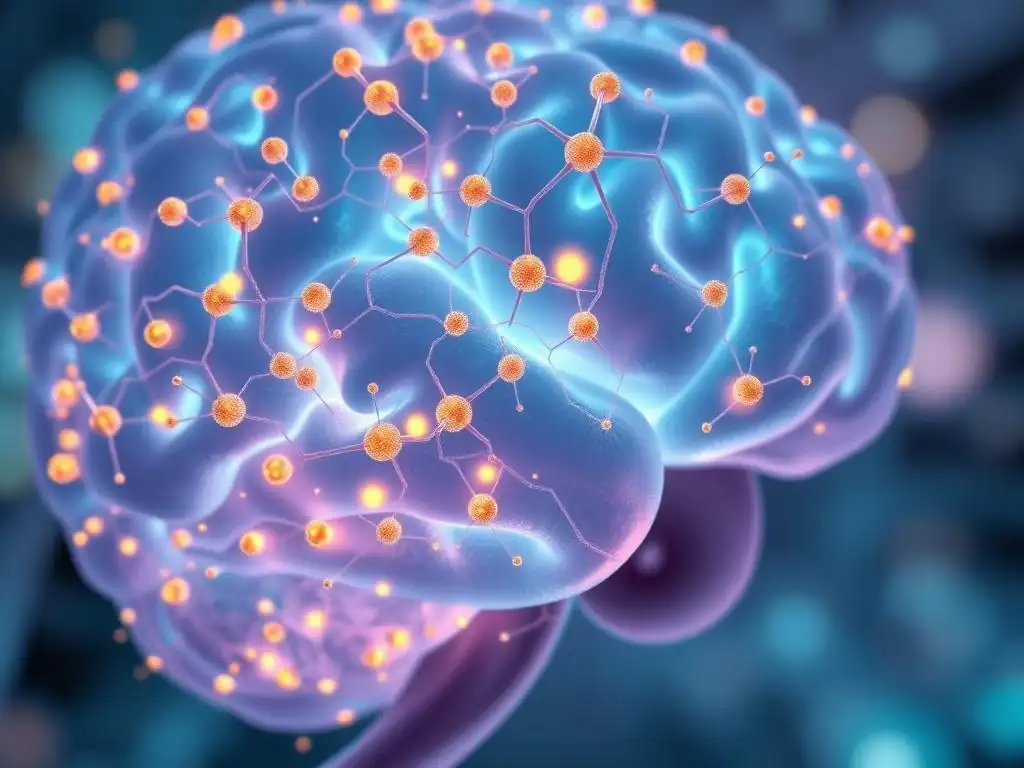
Welcome to Mind Care Guide, a safe space dedicated to understanding and nurturing your mental well-being. Feeling trapped by your mood? Perhaps you've heard of synaptic plasticity, but wonder how brain rewiring can actually help with mood disorders? This is where we begin. Discover the fascinating science behind how your brain adapts and changes, and how this process offers hope for managing and overcoming mood-related challenges. Let's explore the potential for a brighter, more balanced you.
Synaptic Plasticity: Rewiring the Brain in Mood Disorders
- Understanding Synaptic Plasticity in Mood Disorders
- Neuropsychological Changes in Mood Disorders
- Promoting Neuroplasticity for Mood Regulation
- Recovery Through Brain Rewiring
- Resources and Support
-
Frequently Asked Questions
- How does synaptic plasticity relate to mood disorders?
- What is "brain rewiring" in the context of mood disorders, and how does it help?
- Can lifestyle changes actually rewire my brain and improve my mood?
- What therapies are most effective at promoting synaptic plasticity and helping with mood disorders?
- How long does it typically take to see noticeable changes in mood through brain rewiring techniques?
- Final Reflection: The Rewiring of Hope in Mood Disorders
- Unlock Your Brain's Rewiring Power
Understanding Synaptic Plasticity in Mood Disorders
Synaptic Plasticity: The Foundation of Neural Adaptation
Synaptic plasticity is the remarkable ability of synapses, the junctions between neurons, to strengthen or weaken over time. This dynamic process is fundamental to learning, memory formation, and the brain's overall adaptability. It involves changes in the number, size, and efficiency of synaptic connections, allowing the brain to reorganize itself in response to new experiences, environmental changes, and even internal states. Think of it as the brain's built-in mechanism for brain rewiring, constantly adjusting its circuitry. This constant adaptation is crucial for maintaining healthy cognitive function and emotional regulation.
This intricate process occurs at multiple levels, from molecular changes within individual neurons to structural modifications of entire neural networks. For example, long-term potentiation (LTP) is a well-studied form of synaptic plasticity where a persistent strengthening of synapses occurs based on recent activity. Conversely, long-term depression (LTD) involves a weakening of synaptic efficacy. These opposing forces are vital for the brain to fine-tune its responses, ensuring that relevant information is processed efficiently while less important signals are filtered out. The balance between LTP and LTD is essential for flexible cognitive and emotional processing.
Synaptic Plasticity's Role in Mental Well-being
The dynamic nature of synaptic plasticity is intimately linked to our mental well-being. A healthy, adaptable brain, capable of effective brain rewiring, is better equipped to cope with stress, learn new coping mechanisms, and maintain emotional stability. When synaptic plasticity functions optimally, neural circuits involved in mood regulation, reward processing, and stress response can adapt appropriately, supporting resilience against psychological challenges. This allows individuals to navigate life's ups and downs with greater emotional flexibility.
Conversely, disruptions in this crucial process can contribute significantly to the development and persistence of mental health conditions. If the synapses in key brain regions become less plastic or are improperly wired, it can lead to rigid thought patterns, impaired emotional processing, and difficulty recovering from stress. Understanding how synaptic plasticity influences the intricate neural networks governing mood provides a critical perspective on the biological underpinnings of psychological health and offers avenues for therapeutic intervention aimed at restoring healthy brain rewiring mood disorders help.
Mood Disorders: Disruptions in Synaptic Plasticity
Research consistently points to altered synaptic plasticity as a significant factor in the pathophysiology of mood disorders like Major Depressive Disorder (MDD) and Bipolar Disorder. Studies have shown reduced synaptic density and function in critical brain areas in individuals with these conditions. For instance, post-mortem studies and imaging techniques often reveal fewer synaptic markers and reduced gray matter volume in regions like the prefrontal cortex and hippocampus in individuals with chronic depression compared to healthy controls. This suggests a failure in effective brain rewiring.
These disruptions don't necessarily mean a complete loss of plasticity, but rather a maladaptive form or a reduced capacity for beneficial changes. In some cases, stress or genetic predispositions might lead to synaptic changes that reinforce negative emotional states or impair the ability to process positive experiences. The challenge lies in identifying these specific alterations and developing strategies to promote beneficial brain rewiring mood disorders help restore healthy brain function. The goal is to shift the balance back towards adaptive plasticity, allowing the brain to build pathways that support recovery and emotional resilience.
Neuropsychological Changes in Mood Disorders
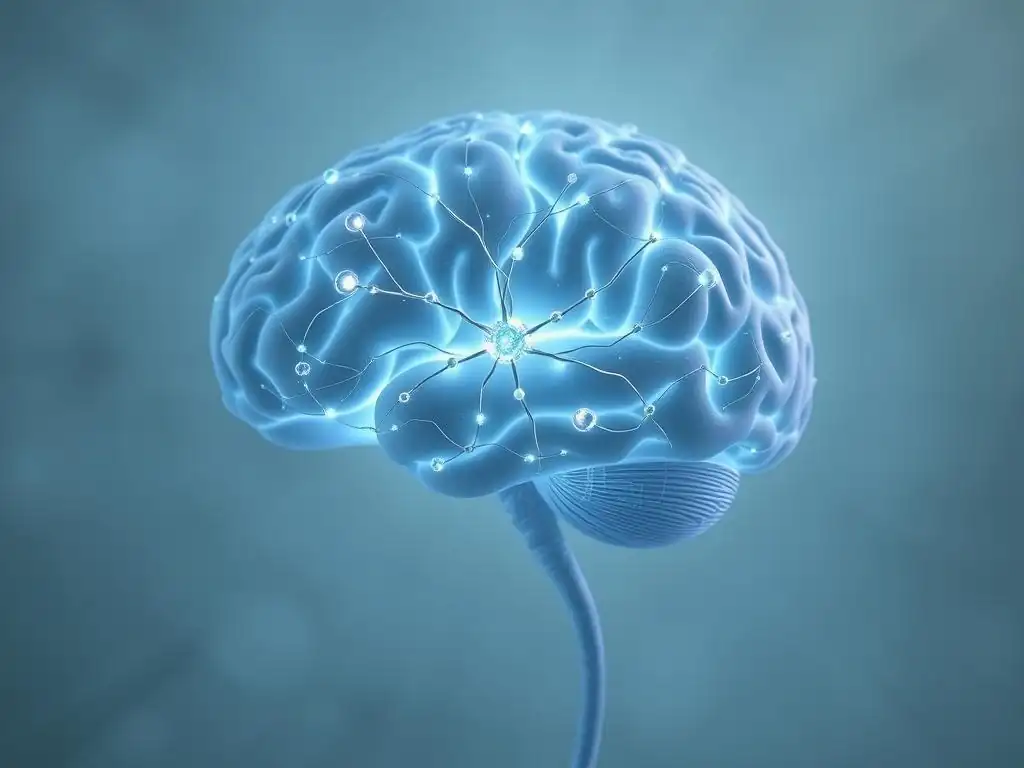
Brain Regions Impacted by Synaptic Dysfunction
Mood disorders are associated with structural and functional abnormalities in specific brain circuits, many of which are heavily reliant on proper synaptic function. Key regions implicated include the prefrontal cortex (PFC), particularly its medial and orbital subdivisions, which are involved in executive function, decision-making, and emotional regulation. The hippocampus, crucial for memory and stress response, also shows significant changes, often manifesting as reduced volume and impaired neurogenesis and synaptic connectivity in depression.
Furthermore, areas within the limbic system, such as the amygdala (involved in processing emotions, especially fear) and the nucleus accumbens (part of the reward pathway), exhibit altered activity and connectivity in individuals with mood disorders. These changes in synaptic density and function within these interconnected regions contribute to symptoms like persistent sadness, anhedonia (loss of pleasure), impaired cognition, and altered stress reactivity observed in these conditions. Effective brain rewiring interventions often target the function and connectivity within these specific circuits.
Synaptic Alterations in Major Depressive Disorder
In Major Depressive Disorder (MDD), research highlights several specific synaptic alterations. Studies in animal models of depression and post-mortem human brains often show a decrease in the density of dendritic spines, which are small protrusions on neurons that receive synaptic inputs, particularly in the prefrontal cortex and hippocampus. This reduction suggests fewer synaptic connections are being formed or maintained, potentially leading to reduced communication within these critical mood-regulating circuits.
Moreover, there are observed changes in the expression levels and function of various neurotransmitter receptors and synaptic proteins that are essential for synaptic transmission and plasticity. For example, alterations in glutamate and GABA systems, the brain's primary excitatory and inhibitory neurotransmitters, respectively, are frequently reported. These imbalances can disrupt the delicate excitatory-inhibitory balance necessary for healthy neural circuit function and contribute to the symptoms of depression, underscoring the need for approaches that support brain rewiring mood disorders help.
Synaptic Plasticity in Bipolar Disorder
Bipolar Disorder, characterized by extreme mood swings between depressive and manic or hypomanic episodes, also involves significant alterations in synaptic plasticity, though the pattern might differ from MDD. Some research suggests that while depressive phases in Bipolar Disorder might share some synaptic deficits with MDD, manic phases could involve periods of excessive or dysregulated synaptic activity in certain brain regions.
Studies have also pointed to altered glial cell function (cells that support neurons and synapses) and inflammation in Bipolar Disorder, both of which can profoundly impact synaptic health and plasticity. The fluctuating nature of the illness might reflect a dysregulation in the brain's capacity for adaptive brain rewiring, leading to instability in neural circuits responsible for mood stability. Understanding these differences is key to developing targeted therapeutic strategies for each phase of Bipolar Disorder.
Promoting Neuroplasticity for Mood Regulation
Lifestyle Strategies for Enhancing Synaptic Plasticity
Diet: Fueling Brain Health for Mood
Nutrition plays a crucial role in supporting brain health and promoting beneficial synaptic plasticity. A diet rich in omega-3 fatty acids, found in fatty fish like salmon and walnuts, is particularly beneficial. Omega-3s are integral components of neuronal membranes and influence synaptic function and plasticity. For instance, studies suggest a correlation between higher omega-3 intake and reduced risk of depression, potentially mediated by their impact on synaptic health and inflammation.
Antioxidants (found in fruits and vegetables), B vitamins (essential for neurotransmitter synthesis), and minerals like zinc and magnesium also support synaptic function and protect against oxidative stress, which can impair plasticity. Conversely, diets high in saturated fats and refined sugars have been linked to inflammation and impaired cognitive function and synaptic health. Prioritizing nutrient-dense foods provides the building blocks for effective brain rewiring.
Exercise: Impact on Synaptic Strength
Physical exercise is a powerful modulator of brain plasticity and mood. Aerobic exercise, in particular, has been shown to increase levels of Brain-Derived Neurotrophic Factor (BDNF), a protein often called "Miracle-Gro" for the brain. BDNF promotes the growth, survival, and differentiation of neurons and synapses, significantly enhancing synaptic plasticity and neurogenesis (the birth of new neurons), especially in the hippocampus.
Regular physical activity, even moderate exercise like brisk walking for 30 minutes several times a week, can lead to observable improvements in mood and cognitive function in individuals with depression. This benefit is strongly linked to its ability to promote adaptive brain rewiring, strengthening connections in mood-regulating circuits and increasing resilience to stress. Exercise is a highly accessible form of brain rewiring mood disorders help.
Sleep: Consolidating Neural Connections
Sufficient and quality sleep is essential for consolidating memories and optimizing synaptic function. During sleep, the brain prunes unnecessary synaptic connections (synaptic homeostasis) and strengthens important ones, a process critical for learning and cognitive function. Sleep deprivation disrupts this process, leading to impaired synaptic plasticity, reduced BDNF levels, and increased vulnerability to stress, all of which can negatively impact mood.
Chronic sleep problems are highly prevalent in mood disorders and can exacerbate symptoms. Prioritizing 7-9 hours of quality sleep per night supports the brain's natural processes of repair and reorganization, facilitating healthy brain rewiring and promoting emotional resilience. Establishing a consistent sleep schedule is a fundamental step in supporting brain health.
Therapeutic Interventions Targeting Synaptic Plasticity
Psychotherapy: Remodeling Neural Pathways
Psychotherapy, particularly modalities like Cognitive Behavioral Therapy (CBT) and Interpersonal Therapy (IPT), works by helping individuals identify and change negative thought patterns and behaviors. While seemingly behavioral, these interventions are understood to induce changes in brain function and structure by promoting brain rewiring. By repeatedly practicing new ways of thinking and reacting, individuals strengthen specific neural pathways associated with healthier emotional responses and cognitive processing.
Neuroimaging studies have shown that successful psychotherapy is associated with changes in activity and connectivity in brain regions involved in mood regulation, similar to those observed with effective medication. For instance, studies of CBT for depression have shown changes in the prefrontal cortex and amygdala activity. This demonstrates that psychological interventions can directly influence the brain's physical structure and function through the principles of synaptic plasticity, offering effective brain rewiring mood disorders help.
Pharmacotherapy: Modulating Synaptic Transmission
Antidepressant and mood-stabilizing medications primarily work by modulating neurotransmitter systems, such as serotonin, norepinephrine, and dopamine, which are critical for synaptic transmission and plasticity. Selective Serotonin Reuptake Inhibitors (SSRIs), for example, increase serotonin levels in the synaptic cleft, which over time is thought to lead to downstream effects on synaptic function and structure, including increased BDNF expression and enhanced synaptic plasticity.
While the immediate effect of these medications is on neurotransmitter levels, their therapeutic benefits, which often take several weeks to appear, are believed to result from these slower, adaptive changes in synaptic strength and connectivity. This highlights that medications are not just correcting a chemical imbalance but are facilitating the brain's capacity for beneficial brain rewiring, helping to restore function in impaired circuits.
Novel Therapies: Directing Synaptic Plasticity
Emerging therapies for mood disorders are increasingly focusing on directly manipulating synaptic plasticity. Ketamine, an NMDA receptor antagonist, has shown rapid antidepressant effects, and its mechanism is thought to involve a surge in glutamate transmission and subsequent rapid formation of new synaptic connections, particularly in the prefrontal cortex. This represents a direct approach to promoting brain rewiring.
Other novel approaches include transcranial magnetic stimulation (TMS) and deep brain stimulation (DBS), non-invasive and invasive neuromodulation techniques, respectively. These methods apply electrical or magnetic pulses to specific brain regions to alter neuronal activity and promote lasting changes in synaptic strength and connectivity. These therapies offer exciting possibilities for providing brain rewiring mood disorders help by directly influencing the brain's plastic capabilities.
Recovery Through Brain Rewiring
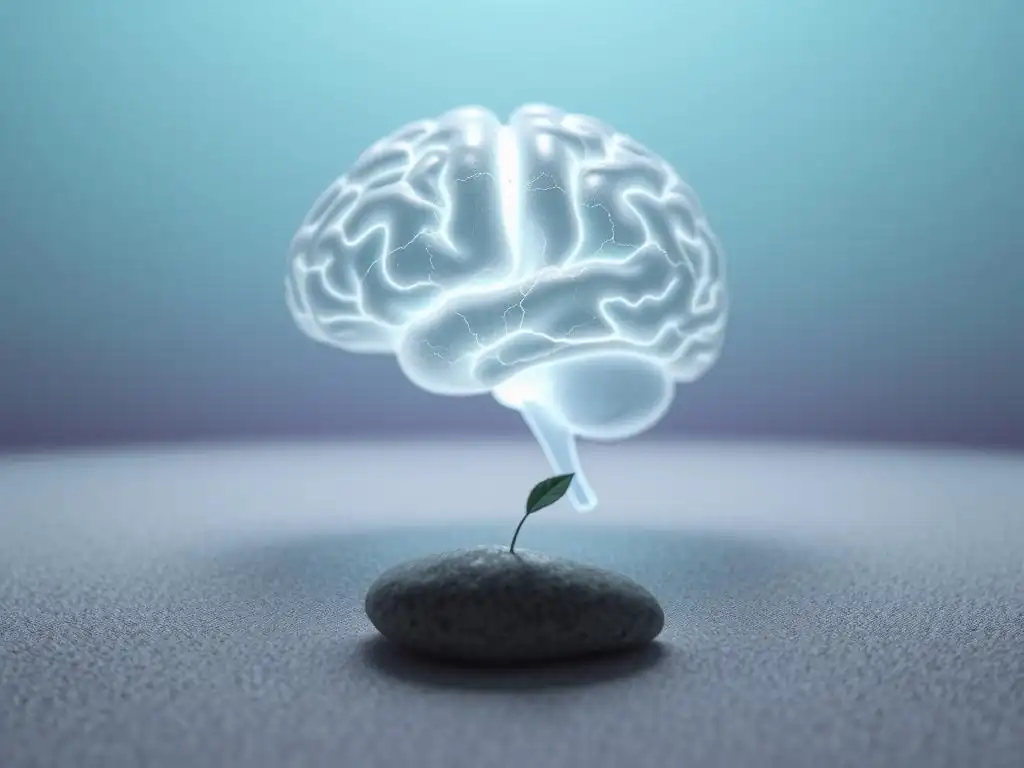
Long-Term Benefits of Enhanced Synaptic Plasticity
Enhancing synaptic plasticity offers significant long-term benefits for individuals managing mood disorders. By facilitating adaptive brain rewiring, individuals can build more resilient neural pathways for emotional regulation, stress management, and positive affect. This can lead to a sustained reduction in the severity and frequency of depressive or manic episodes, improved cognitive function (such as better concentration and decision-making), and greater overall emotional stability.
The ability to form new, healthy synaptic connections helps the brain recover from the detrimental effects of chronic stress or illness. It allows individuals to learn and integrate new coping strategies more effectively, break free from negative rumination loops, and experience a wider range of emotions. This ongoing capacity for brain rewiring is not just about recovering from an episode but building a foundation for long-term mental wellness.
Personalized Approaches to Neuroplasticity
Recognizing that each individual's brain and experience with mood disorders are unique, personalized approaches to promoting neuroplasticity are becoming increasingly important. Factors such as genetic predisposition, specific symptom profiles, lifestyle habits, and response to different interventions can all influence the most effective path for brain rewiring. What works well for one person might be less effective for another.
A personalized strategy might involve a combination of targeted psychotherapy, specific types of exercise tailored to the individual's physical capabilities and preferences, dietary adjustments, sleep hygiene optimization, and potentially pharmacotherapy or novel neuromodulation techniques. Assessing an individual's specific synaptic deficits or areas of dysfunction through advanced neuroimaging or genetic testing could, in the future, further refine these personalized brain rewiring mood disorders help strategies.
Future Research: Optimizing Synaptic Plasticity
The field of synaptic plasticity and its relationship to mood disorders is rapidly evolving. Future research is focused on gaining a deeper understanding of the precise molecular and cellular mechanisms underlying maladaptive plasticity in these conditions. This includes identifying specific proteins, genes, and signaling pathways that are disrupted and could serve as targets for new therapies.
Another key area of research is developing more precise and targeted interventions to promote beneficial brain rewiring. This could involve novel pharmacological agents that directly enhance synaptic formation or function, more sophisticated neuromodulation techniques, or even integrating technology like virtual reality to create immersive experiences designed to stimulate specific neural circuits and promote adaptive plasticity. The goal is to unlock the full potential of the brain's natural ability to rewire itself for better mental health, offering more effective brain rewiring mood disorders help.
Resources and Support
National Institute of Mental Health (NIMH)
The National Institute of Mental Health (NIMH) is the leading federal agency for research on mental disorders. They provide comprehensive information on various mental health conditions, including mood disorders, and fund extensive research into their causes, treatments, and prevention. Their website offers reliable information about the brain's role in mental health and ongoing studies related to neurobiology and treatment advancements.
Depression and Bipolar Support Alliance (DBSA)
The Depression and Bipolar Support Alliance (DBSA) is a leading peer-directed national organization focusing on depression and bipolar disorder. They offer support groups, educational materials, and advocacy for individuals living with these conditions and their families. Their resources provide valuable support and community for those navigating the challenges of mood disorders.
Cognitive Behavioral Therapy (CBT) Specialists
Cognitive Behavioral Therapy (CBT) is a well-established form of psychotherapy known to be effective for mood disorders, partly by facilitating adaptive brain rewiring. Finding a qualified CBT specialist can provide individuals with structured techniques to challenge negative thoughts and behaviors, leading to healthier emotional responses and promoting beneficial changes in brain function. Many professional organizations and health directories list certified CBT practitioners.
Frequently Asked Questions
How does synaptic plasticity relate to mood disorders?
Synaptic plasticity, the brain's ability to reorganize connections, is often impaired in mood disorders. This impairment can affect mood regulation and contribute to symptoms like depression or anxiety. Ultimately, understanding this process is crucial for developing effective treatments.
What is "brain rewiring" in the context of mood disorders, and how does it help?
"Brain rewiring" refers to the process of modifying neural pathways to improve mood and overall mental health. It helps by strengthening positive connections and weakening negative ones, leading to better emotional regulation. This process is heavily linked to synaptic plasticity.
Can lifestyle changes actually rewire my brain and improve my mood?
Yes, certain lifestyle changes can influence synaptic plasticity and contribute to brain rewiring. Practices like exercise, mindfulness, and a healthy diet can promote neurogenesis and strengthen positive neural pathways. These changes can significantly improve mood and reduce symptoms of mood disorders.
What therapies are most effective at promoting synaptic plasticity and helping with mood disorders?
Therapies like cognitive behavioral therapy (CBT) and mindfulness-based cognitive therapy (MBCT) are effective at promoting synaptic plasticity. They help individuals identify and change negative thought patterns, leading to positive changes in brain structure and function. Some medications can also assist in this process.
How long does it typically take to see noticeable changes in mood through brain rewiring techniques?
The timeline varies depending on the individual and the severity of the mood disorder. However, with consistent effort and the right therapeutic approach, some may experience noticeable improvements within a few weeks. Others may need several months of dedicated practice to see significant changes in brain rewiring.
Final Reflection: The Rewiring of Hope in Mood Disorders
The ability of the brain to rewire itself, a process known as synaptic plasticity, offers a profound and increasingly relevant hope for individuals struggling with mood disorders. This isn't just a scientific curiosity; it's a revolutionary understanding that empowers us to actively participate in our own healing and recovery. The implications for treatment and self-management are immense, moving beyond passive acceptance of symptoms towards proactive engagement with the brain's inherent capacity for change.
The exploration of synaptic plasticity has fundamentally shifted the landscape of mental health care, moving away from solely pharmaceutical interventions towards a more holistic approach that incorporates lifestyle changes, therapy, and targeted interventions aimed at stimulating neuroplasticity. This understanding has profoundly impacted my own perspective on mental well-being, reinforcing the importance of self-care and the power of consistent effort in fostering positive change. The brain is not a machine; it is a garden, which needs tending.
This quote, while not directly about synaptic plasticity, perfectly encapsulates the active role we must play in cultivating mental health.
Consider the implications of this knowledge for your own life. Are you actively engaging in activities that promote neuroplasticity – things like regular exercise, mindfulness practices, challenging cognitive tasks, and nurturing social connections? This isn't about a quick fix; it's about cultivating a lifelong relationship with your brain, understanding its capacity for growth and change, and actively participating in its rewiring towards a healthier, more resilient you. Embrace the power of synaptic plasticity, and embark on your journey towards a brighter future.
Unlock Your Brain's Rewiring Power
Thanks for diving deep into the fascinating world of synaptic plasticity and its role in mood disorders! You've gained valuable insights into how your brain can adapt and heal. Now, let's put that knowledge into action.
- Prioritize a Brain-Boosting Lifestyle: Focus on one key area – whether it's improving sleep, incorporating mindful movement, or nurturing positive social connections – and make a small, sustainable change this week.
- Share Your Insights: Discuss this article with a friend or family member who might benefit from understanding brain plasticity. Spark a conversation about mental wellbeing.
- Explore Further: Delve deeper into the research mentioned; search for related articles or books on neuroplasticity and mood management.
Ready to begin your journey towards a more resilient and balanced mind? What small step will you take today to nurture your brain's incredible ability to adapt?