
How Art Therapy Builds Resilience and Coping Skills After Trauma

Welcome to Mind Care Guide, a safe space for understanding and nurturing your mental well-being.
Experiencing trauma can leave lasting scars, making it difficult to navigate daily life. Are you seeking effective tools to rebuild your resilience? This article delves into Art therapy trauma resilience skills, exploring how creative expression can unlock powerful healing and coping mechanisms. Discover how art can become your ally in reclaiming your strength and finding pathways to a brighter tomorrow. Curious to learn more about how art therapy can help you heal? Read on...
Art Therapy for Building Resilience and Coping Skills After Trauma
- Understanding Trauma and Its Impact on Mental Health
- The Role of Art Therapy in Trauma Recovery
- Art Therapy Trauma Resilience Skills: Building Emotional Strength
- Specific Art Therapy Techniques for Trauma Survivors
- Art Therapy and the Brain: Neurobiological Benefits
- Integrating Art Therapy into a Comprehensive Trauma Treatment Plan
- Finding a Qualified Art Therapist for Trauma Support
- Building Resilience After Trauma: The Long-Term Benefits of Art Therapy
-
Frequently Asked Questions
- How does art therapy specifically help build resilience after trauma?
- What types of art activities are typically used in art therapy for trauma recovery?
- Can art therapy be used in conjunction with other forms of therapy for trauma?
- Is art therapy suitable for all individuals who have experienced trauma, regardless of age or artistic ability?
- What are some key benefits of using art therapy to develop trauma resilience skills, beyond emotional expression?
- Final Reflection: The Healing Power of Art After Trauma
- Unleash Your Inner Strength: Start Your Healing Journey Today
Understanding Trauma and Its Impact on Mental Health
Defining Psychological Trauma: A Foundation for Healing
Psychological trauma is a deeply distressing or disturbing experience that overwhelms an individual's ability to cope, causes feelings of helplessness, diminishes their sense of self and their ability to feel a full range of emotions and sensations. It's not just the event itself, but the individual's subjective experience and response to it. Trauma can stem from a single event, such as a car accident or natural disaster, or from chronic exposure to stressful situations, like neglect, abuse, or prolonged conflict. The impact can be profound, affecting one's emotional stability, cognitive processing, social interactions, and even physical health.
Understanding the definition of trauma is crucial because it validates the survivor's experience and forms the basis for effective therapeutic interventions. For instance, someone who experienced a severe dog attack at age 7 might develop a lifelong fear of dogs and public spaces where dogs might be present. This isn't just a fear; it's a post-traumatic response impacting their daily life. Similarly, a veteran who witnessed combat may struggle with hypervigilance and nightmares years later. Recognizing these as symptoms of trauma, rather than personal failings, is the first step toward seeking help and building resilience and coping skills.
The Connection Between Trauma and Coping Mechanisms
Trauma significantly disrupts an individual's natural coping mechanisms. In the face of an overwhelming threat, the brain and body activate survival responses – often described as fight, flight, freeze, or fawn. While adaptive during the traumatic event, these responses can become maladaptive when they persist long after the threat is gone. For example, constant hypervigilance (a form of fight/flight) can lead to anxiety and exhaustion, while emotional numbing (a form of freeze) can hinder healthy emotional processing and connection.
Many trauma survivors develop coping strategies that, while providing temporary relief or a sense of safety, can be detrimental in the long run. These might include substance abuse to numb feelings, avoidance of situations that trigger memories, social withdrawal, or engaging in risky behaviors.
These mechanisms, though understandable as attempts to manage unbearable pain, often prevent true healing and the development of healthy art therapy trauma resilience skills. A person who avoids all social gatherings after a traumatic public event, for instance, might reduce immediate anxiety but also increase isolation and prevent the development of supportive relationships crucial for recovery.
How Trauma Affects Emotional and Cognitive Functions
Trauma fundamentally alters the way the brain processes information and regulates emotions. The amygdala, the brain's fear center, can become hypersensitive, triggering alarm responses even when no real danger is present. Simultaneously, the prefrontal cortex, responsible for executive functions like reasoning and decision-making, and the hippocampus, involved in memory formation and context, can become less active. This can lead to difficulties with emotional regulation, concentration, memory retrieval (especially sequencing events), and distinguishing between past threats and present safety.
Emotionally, trauma survivors often experience a wide range of intense feelings, including fear, anger, shame, guilt, and sadness, which can fluctuate unpredictably. They may also experience emotional numbing or dissociation, feeling disconnected from their bodies, emotions, or reality.
Cognitively, trauma can manifest as intrusive thoughts, flashbacks, difficulty concentrating, negative beliefs about oneself or the world ("I am unsafe," "I am bad"), and problems with memory. These emotional and cognitive challenges underscore the need for therapeutic approaches that can access and process traumatic material in ways that bypass purely cognitive or verbal routes, paving the way for art therapy trauma resilience skills.
The Role of Art Therapy in Trauma Recovery
What is Art Therapy? An Introduction to Creative Healing
Art therapy is a form of psychotherapy that uses creative media as the primary mode of expression and communication. It is facilitated by a trained art therapist who guides clients in using materials like paint, clay, collage, and drawing to explore feelings, resolve conflicts, reduce anxiety, and increase self-awareness. Unlike an art class, the focus in art therapy is not on artistic skill or creating a beautiful product, but on the process of creation itself and the insights gained through engaging with the materials and the therapist.
In the context of trauma, art therapy provides a non-verbal avenue for expressing experiences and emotions that may be too difficult or impossible to articulate verbally. Trauma is often stored in the body and the non-dominant parts of the brain, bypassing language centers. Art can access these areas, allowing for a different kind of processing.
A client might create an abstract painting filled with chaotic colors and jagged lines to represent the internal turmoil they feel, or sculpt a figure to embody a feeling of being trapped. The therapist helps the client reflect on their creations, offering interpretations and connections to their trauma experience, fostering healing and developing essential art therapy trauma resilience skills.
Art Therapy as a Trauma-Informed Approach: Principles and Practices
Trauma-informed art therapy operates on the understanding that clients have experienced trauma and that their behaviors and responses may be adaptations to these experiences. Key principles include safety, trustworthiness, choice, collaboration, and empowerment. The therapist creates a safe and predictable environment, offering choices in materials and activities, and collaborating with the client rather than directing them. The goal is to avoid re-traumatization and build a sense of control and agency, which are often lost in trauma.
Practices in trauma-informed art therapy involve pacing the creative process carefully, ensuring the client feels in control of what they create and share. Techniques may involve starting with grounding exercises before engaging with art materials, focusing on sensory experiences, or creating symbols of safety and strength. For example, a therapist might invite a client to create a "safe container" for difficult feelings using clay or a box, allowing them to externalize and manage overwhelming emotions. This careful approach helps clients process trauma at a pace they can tolerate, gradually building art therapy trauma resilience skills without being overwhelmed.
Benefits of Art Therapy for Processing Traumatic Experiences
Art therapy offers numerous benefits for individuals processing traumatic experiences. One significant advantage is its ability to bypass verbal defenses and access implicit memories and emotions stored non-verbally. This allows clients to express aspects of their trauma story that they may not have conscious access to or the words to describe. The act of externalizing traumatic material through art can also make it feel less overwhelming and more manageable to process.
Furthermore, engaging in the creative process can be inherently calming and grounding, helping to regulate the nervous system which is often dysregulated after trauma. It can foster a sense of agency and control as the individual makes choices about materials, colors, and forms. Through creating and discussing their art, clients can gain new perspectives on their experiences, challenge negative self-beliefs, and integrate fragmented aspects of their trauma narrative into a more coherent understanding. This process is fundamental to developing art therapy trauma resilience skills.
Art Therapy Trauma Resilience Skills: Building Emotional Strength
Developing Emotional Regulation Through Art
Emotional dysregulation is a common challenge for trauma survivors, often manifesting as intense, unpredictable mood swings or emotional numbing. Art therapy provides a safe space to explore and express these difficult emotions. By giving feelings a tangible form through color, shape, or texture, individuals can begin to identify, tolerate, and understand their emotional states without being completely overwhelmed by them.
For example, someone struggling with intense anger might use vigorous brushstrokes and dark colors to express this feeling on paper. The act of painting itself can be cathartic, releasing pent-up energy. Subsequently, the therapist can help the client look at the artwork and discuss the emotion it represents, helping them externalize and gain distance from the feeling. Over time, through repeated practice of expressing and reflecting on emotions in a contained way, clients develop a greater capacity to recognize their feelings, understand their triggers, and manage their intensity, which are key art therapy trauma resilience skills.
Fostering Self-Awareness and Self-Expression
Trauma can severely damage a person's sense of self and inhibit their ability to express themselves authentically. Art therapy offers a powerful pathway to rediscover and rebuild these capacities. Through creating art, individuals can explore different facets of their identity, including parts that may have been suppressed or fragmented by trauma. The process of making choices about the art piece – what to create, how to create it – strengthens self-awareness and a sense of agency.
Self-expression through art allows trauma survivors to communicate their inner world, often for the first time, in a way that feels safe and empowering. They can depict their experiences, feelings, hopes, and fears symbolically or literally. A client might create a self-portrait that reflects how trauma has impacted their identity, or a series of images that tell a story they couldn't speak aloud. This process validates their experiences, helps integrate fragmented parts of the self, and builds confidence in expressing their authentic voice, contributing significantly to art therapy trauma resilience skills.
Enhancing Problem-Solving Abilities with Creative Techniques
Trauma can impair cognitive functions, including problem-solving and decision-making, often leaving individuals feeling stuck or overwhelmed by challenges. Art therapy engages different parts of the brain and encourages flexible thinking, which can enhance these abilities. By working through creative challenges within the art process, clients can practice approaching problems from multiple angles and experimenting with different solutions.
For instance, a client might be asked to visually represent a problem they are facing and then create a second artwork depicting a potential solution. This exercise shifts the problem from a purely verbal or abstract concept to a tangible visual form, making it easier to manipulate and explore possibilities. Working with different materials also encourages flexibility and adaptability. This practice in creative problem-solving within the art session can translate into improved problem-solving skills in daily life, strengthening art therapy trauma resilience skills.
Specific Art Therapy Techniques for Trauma Survivors
Drawing and Painting: Visualizing and Processing Trauma
Drawing and painting are fundamental art therapy techniques widely used in trauma recovery. They offer a direct way to externalize internal experiences. Clients can use line, shape, color, and form to depict memories, feelings, or symbols related to their trauma. Drawing can be particularly useful for creating visual narratives or maps of experiences that are difficult to sequence verbally.
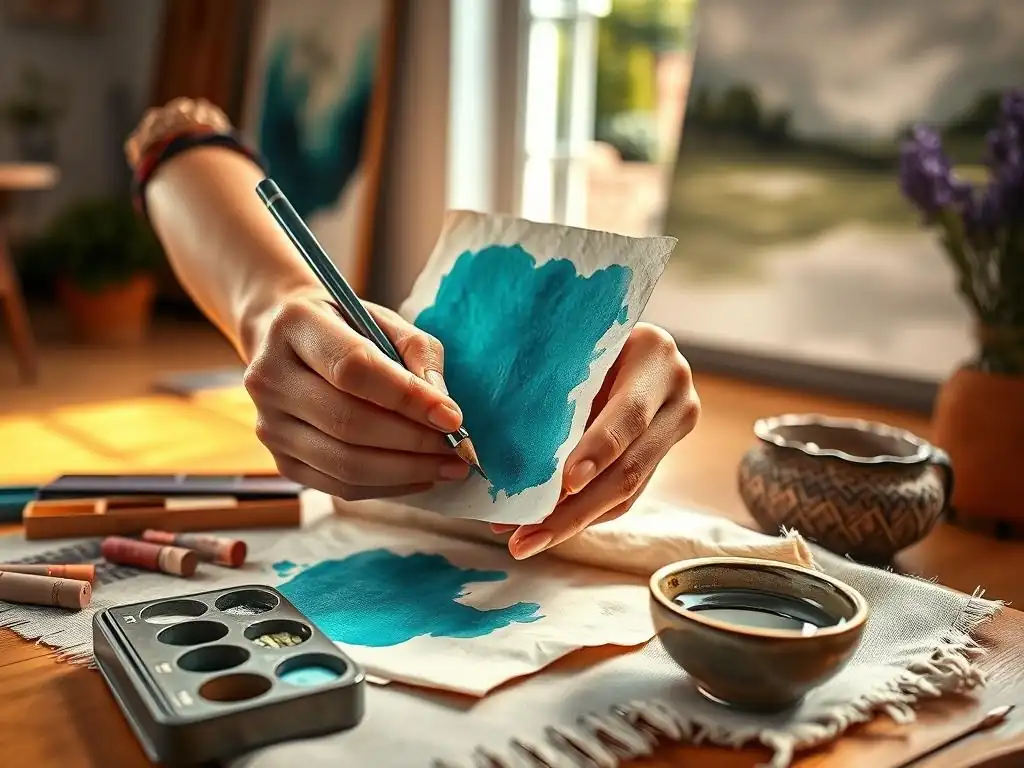
For example, a therapist might invite a client to draw "how trauma feels in your body" or "a picture of your safe place." Painting, with its fluid nature and vibrant colors, can be effective for expressing intense emotions or creating abstract representations of feelings. The process of applying paint to paper can be both expressive and soothing. These visual techniques help clients gain distance from overwhelming experiences by placing them outside themselves on the page, making them more manageable to process and discuss with the therapist, contributing to art therapy trauma resilience skills.
Sculpture and Clay: Exploring Sensory Experiences and Grounding
Working with three-dimensional materials like clay or other sculpting media engages the tactile and kinesthetic senses, which can be particularly grounding for trauma survivors who often feel disconnected from their bodies. The physical act of molding, shaping, and manipulating clay can be deeply therapeutic, allowing for the release of tension and the expression of embodied experiences.
Clients might use clay to create figures representing aspects of their trauma, feelings, or even parts of themselves. Creating a solid, tangible object can provide a sense of control and reality for individuals who feel fragmented or dissociated. For instance, a client might sculpt a heavy, solid object to represent feeling weighed down by trauma, or create a protective barrier. The sensory input from the clay itself can also help bring a client into the present moment, counteracting flashbacks or dissociation and building essential art therapy trauma resilience skills.
Collage and Mixed Media: Creating Narratives of Healing
Collage involves assembling different materials, such as magazine clippings, photographs, fabric, and found objects, onto a surface. Mixed media combines various art materials in a single artwork. These techniques are valuable in trauma therapy for several reasons. They allow clients to work with pre-existing images and textures, which can be less intimidating than starting with a blank page. This can be particularly helpful for clients who feel creatively blocked or overwhelmed.
Collage also lends itself well to creating narratives or fragmented stories, mirroring the often fragmented nature of traumatic memory. Clients can select images or words that resonate with their experience and arrange them in a way that makes sense to them, even if the narrative is symbolic rather than literal. Creating a collage about "my journey through trauma" or "what helps me feel safe" can be a powerful way to process the past, explore the present, and envision the future, supporting the development of art therapy trauma resilience skills.
Mandalas: Promoting Mindfulness and Emotional Containment
Mandalas are circular designs, often with intricate patterns radiating from a center point. Creating mandalas can be a highly therapeutic practice for trauma survivors, promoting mindfulness, focus, and emotional containment. The circular form provides a natural boundary, which can feel containing and safe for individuals who feel chaotic or overwhelmed by their emotions.
The repetitive process of creating patterns within the circle can be meditative and grounding, helping to calm the nervous system. Clients can use colors and shapes within the mandala to represent their inner state in a symbolic way. For example, placing chaotic elements towards the center and more organized or soothing elements towards the periphery might represent a journey towards healing. Working on a mandala encourages concentration and can provide a sense of accomplishment and peace, fostering emotional stability and contributing to art therapy trauma resilience skills.
Art Therapy and the Brain: Neurobiological Benefits
How Art Therapy Impacts Brain Function After Trauma
Trauma significantly impacts brain function, particularly in areas related to memory, emotion regulation, and executive function. Art therapy engages multiple areas of the brain simultaneously, offering a unique pathway for healing these disruptions. Engaging in visual and kinesthetic activities stimulates the sensory and motor cortices. The process of creating and interpreting art involves both hemispheres of the brain – the right hemisphere for non-verbal, emotional, and spatial processing, and the left hemisphere for narrative, language, and logical processing.
By engaging both sides of the brain, art therapy can help integrate fragmented traumatic memories that may be stored primarily in the non-verbal, emotional right hemisphere. For instance, research using fMRI scans has shown increased activity in areas like the prefrontal cortex (associated with self-regulation and executive function) and decreased activity in the amygdala (the fear center) during creative tasks compared to passive viewing. While precise figures vary, studies suggest creative expression can help restore balance in brain activity altered by trauma, supporting the development of art therapy trauma resilience skills.
The Role of Creativity in Neural Plasticity and Recovery
Neural plasticity is the brain's ability to reorganize itself by forming new neural connections throughout life. Trauma can disrupt these connections, but creativity, as engaged in art therapy, can actively promote positive neural changes. Engaging in novel, stimulating, and complex activities like art-making encourages the formation of new synapses and strengthens existing neural pathways.
For trauma survivors, this means creativity can help rebuild brain circuits that were compromised by the traumatic experience. For example, creating art related to a traumatic event, and then processing it verbally with a therapist, can help link the emotional, sensory memory (often stored non-verbally) with the narrative, contextual memory (processed verbally). This integration is crucial for moving memories from an unprocessed, triggering state to a processed, historical one. This active rewiring process is fundamental to recovery and the development of art therapy trauma resilience skills.
Art Therapy and the Reduction of Stress Hormones
Chronic stress and trauma exposure lead to elevated levels of stress hormones, particularly cortisol, which can have detrimental effects on physical and mental health. Engaging in calming, absorbing activities has been shown to reduce these stress hormone levels. Art therapy, with its focus on process, mindfulness, and safe expression, can be a powerful tool for stress reduction.
Studies have measured cortisol levels before and after art therapy sessions, finding significant decreases in participants. For example, one study involving adults reported an approximate 20% decrease in cortisol levels after just 45 minutes of creative activity. The focused attention required for art-making can act as a distraction from intrusive thoughts and worries, activating the parasympathetic nervous system ("rest and digest") and counteracting the "fight or flight" response. This physiological calming effect is a direct way art therapy supports the development of art therapy trauma resilience skills by reducing the biological impact of chronic stress.
Integrating Art Therapy into a Comprehensive Trauma Treatment Plan

Combining Art Therapy with Other Therapeutic Modalities
Art therapy is rarely used in isolation for complex trauma; it is most effective when integrated into a comprehensive treatment plan that may include other therapeutic modalities. Combining art therapy with approaches like Somatic Experiencing, Sensorimotor Psychotherapy, or Trauma-Focused Cognitive Behavioral Therapy (TF-CBT) can address different facets of trauma recovery – the bodily sensations, the cognitive distortions, and the emotional processing.
For instance, a client might use art therapy to access and express the raw feelings and body sensations associated with a traumatic memory. They could then process these insights verbally in a talk therapy session, gaining cognitive understanding and developing new coping strategies. The visual or symbolic language of art can provide entry points into difficult topics that are then explored more deeply through conversation, creating a multi-faceted approach to building art therapy trauma resilience skills.
Art Therapy as a Complement to Medication and Talk Therapy
For many trauma survivors, medication may be necessary to manage severe symptoms like debilitating anxiety, depression, or sleep disturbances. Similarly, traditional talk therapy provides a crucial space for verbal processing, psychoeducation, and skill-building. Art therapy complements these approaches by offering a non-verbal, experiential dimension that can reach parts of the trauma experience that words alone cannot.
While medication can help regulate brain chemistry and talk therapy can provide cognitive restructuring, art therapy allows for emotional release, symbolic representation, and engagement with the creative process itself, which is inherently healing. A client might use art to depict the impact of their symptoms, which they can then discuss with their talk therapist or psychiatrist. This integrative approach acknowledges that trauma affects the whole person – mind, body, and spirit – and utilizes different methods to promote holistic healing and strengthen art therapy trauma resilience skills.
Art Therapy Combined with EMDR Therapy for Enhanced Processing
Eye Movement Desensitization and Reprocessing (EMDR) is a highly effective therapy for trauma that involves bilateral stimulation (often eye movements) to help the brain process traumatic memories. Combining art therapy with EMDR can enhance the processing of traumatic material, particularly for clients who struggle to access or tolerate the emotional intensity during EMDR.
Clients can use art before or after an EMDR session to prepare for processing, express what came up during the session, or integrate the insights gained. For example, creating an image of the traumatic memory before EMDR can help anchor the target memory. After processing, creating a new image depicting the desired outcome or a feeling of safety can help solidify the positive shifts. Art can also be used to manage dissociation or overwhelming affect during EMDR. This combination leverages the strengths of both modalities for deeper, more integrated trauma resolution and robust art therapy trauma resilience skills.
Finding a Qualified Art Therapist for Trauma Support
What to Look for in an Art Therapist: Credentials and Experience
When seeking an art therapist for trauma recovery, it's essential to find someone qualified and experienced. Look for credentials such as "ATR" (Registered Art Therapist) or "ATR-BC" (Board Certified Art Therapist) in the United States, or equivalent certifications in other countries. These credentials indicate that the therapist has met specific educational and supervised experience requirements.
Beyond basic credentials, seek an art therapist who explicitly states they specialize in trauma or have experience working with trauma survivors. Ask about their specific training in trauma-informed care and their approach to working with complex trauma, PTSD, or specific types of trauma relevant to your experience. Experience in using art therapy trauma resilience skills is paramount. A therapist with years of dedicated practice in this area will have a deeper understanding of the unique challenges and sensitivities involved in trauma work.
Questions to Ask Potential Art Therapists
Before committing to therapy, it's helpful to have an initial consultation and ask questions to ensure the therapist is a good fit for your needs in developing art therapy trauma resilience skills. Some key questions include:
- What is your experience working with trauma survivors?
- What is your approach to trauma-informed care?
- How do you ensure client safety during art sessions?
- What art materials do you typically use, and how do you help clients choose materials?
- How do you integrate verbal processing with the art-making process?
- What is your understanding of [mention your specific type of trauma, e.g., complex trauma, childhood abuse]?
- Are you licensed or certified in art therapy and/or counseling in this state/region?
- What are your fees and cancellation policy?
Asking these questions can help you gauge the therapist's expertise, understand their therapeutic style, and determine if you feel comfortable and safe working with them. The therapeutic relationship is a cornerstone of trauma healing, so finding a therapist you trust is crucial.
Resources for Finding Art Therapists Specializing in Trauma
Finding a qualified art therapist specializing in trauma requires knowing where to look. Professional organizations are often the best starting point. In the United States, the American Art Therapy Association (AATA) has a searchable directory of registered and board-certified art therapists, often allowing filtering by specialization like trauma. Similarly, countries like the UK (British Association of Art Therapists - BAAT), Canada (Canadian Art Therapy Association - CATA), and others have their own professional bodies with directories.
Many therapists also list their specializations on online directories like Psychology Today, GoodTherapy, or Zocdoc. When using these platforms, filter specifically for "art therapy" and "trauma" or "PTSD." Additionally, local mental health clinics, community centers, or hospitals may have art therapists on staff, some of whom specialize in trauma. Don't hesitate to call organizations or use their online search tools to find a professional who can help you build art therapy trauma resilience skills.
Building Resilience After Trauma: The Long-Term Benefits of Art Therapy
Art Therapy as a Tool for Ongoing Self-Care
Trauma recovery is not a linear process, and building long-term resilience requires ongoing self-care and coping strategies. Art therapy skills learned in session can be powerful tools for self-care long after formal therapy ends. The creative process itself can become a source of comfort, stress relief, and emotional expression in daily life.
Individuals can continue to use art materials to process difficult emotions, manage stress, practice mindfulness through creative flow, or simply engage in an activity that brings joy and a sense of accomplishment. Creating a daily sketch journal, painting abstractly when feeling overwhelmed, or working on a long-term collage project can provide a consistent outlet for self-expression and emotional regulation, reinforcing the art therapy trauma resilience skills developed in therapy.
Fostering Post-Traumatic Growth through Creative Expression
Post-traumatic growth (PTG) refers to the positive psychological changes that can occur after experiencing a highly challenging life event. This is not about saying trauma is good, but acknowledging that in the aftermath, individuals can develop new understandings of themselves, their relationships, and the world, leading to increased resilience, personal strength, and appreciation for life.
Creative expression through art therapy can be a significant catalyst for PTG. By externalizing and processing the trauma narrative, individuals can re-author their story, shifting from being defined solely by the trauma to recognizing their strength and capacity to overcome. Art can help visualize positive changes, new possibilities, and a sense of hope for the future. Creating art that symbolizes growth, transformation, or newfound strength solidifies these aspects of post-traumatic growth and cements art therapy trauma resilience skills.
Supporting Emotional Wellbeing and Preventing Relapse
Art therapy plays a vital role in supporting long-term emotional wellbeing and preventing relapse of trauma symptoms. By providing a non-verbal means of expression and emotional processing, it offers a safety valve for managing stress and difficult feelings that may arise in the future. The art therapy trauma resilience skills learned, such as emotional regulation, self-awareness, and creative problem-solving, become integral parts of an individual's coping repertoire.
Regular engagement with creative activities can act as a preventative measure, helping individuals stay connected to their emotions, express themselves authentically, and maintain a sense of agency and control. The ability to turn to art during challenging times provides a healthy alternative to maladaptive coping mechanisms, helping trauma survivors maintain their hard-won healing and continue to build a resilient and fulfilling life.
Frequently Asked Questions
How does art therapy specifically help build resilience after trauma?
Art therapy provides a safe and non-verbal outlet for processing traumatic experiences. It helps individuals develop coping mechanisms by allowing them to express emotions that might be difficult to articulate. This fosters self-awareness and emotional regulation.
What types of art activities are typically used in art therapy for trauma recovery?
Activities vary but often include painting, drawing, sculpting, and collage. The focus is on the process of creation, not necessarily the final product. These activities can help access suppressed memories and re-establish a sense of control.
Can art therapy be used in conjunction with other forms of therapy for trauma?
Yes, art therapy is often used as a complementary therapy alongside traditional talk therapy, such as Cognitive Behavioral Therapy (CBT) or Eye Movement Desensitization and Reprocessing (EMDR). It can enhance the therapeutic process and provide a more holistic approach to healing.
Is art therapy suitable for all individuals who have experienced trauma, regardless of age or artistic ability?
Art therapy can be adapted for various age groups and skill levels. No prior artistic experience is required; the focus is on self-expression and emotional exploration. A qualified art therapist will tailor the approach to meet individual needs.
What are some key benefits of using art therapy to develop trauma resilience skills, beyond emotional expression?
Beyond emotional expression, art therapy can improve self-esteem, enhance problem-solving abilities, and foster a stronger sense of identity and purpose. It can also promote mindfulness and relaxation, which are crucial for managing trauma-related symptoms.
Final Reflection: The Healing Power of Art After Trauma
The transformative potential of art therapy in fostering resilience and coping mechanisms after trauma is not merely a theoretical concept; it's a vital resource increasingly recognized in our world's urgent need for healing. The rising awareness of trauma's pervasive impact, coupled with the growing understanding of the brain's plasticity, underscores the critical role art therapy plays in empowering individuals to reclaim their lives. This isn't just about creating pretty pictures; it's about accessing and processing deeply held emotions, building self-awareness, and developing the tools necessary to navigate life's challenges with greater strength and agency.
The journey of healing from trauma is deeply personal, and witnessing the profound impact of art therapy on individuals' lives has been both humbling and inspiring. It's a testament to the innate human capacity for growth and the power of creative expression to unlock inner resources. As Carl Jung eloquently stated, The creation of something new is not accomplished by the intellect but by the play instinct arising from deep inner necessity. The creative mind plays with the objects it loves.
This "play," within the safe and supportive environment of art therapy, allows individuals to explore their experiences, process their emotions, and ultimately, rewrite their narratives.
Consider the ways in which art therapy's principles can enrich your own life, even outside of a clinical setting. Embrace the power of creative expression as a tool for self-discovery and emotional regulation. Whether it's through painting, sculpting, journaling, or any other form of artistic exploration, allow yourself the space to process your experiences, nurture your inner resilience, and cultivate the coping skills you need to thrive. The journey to healing is ongoing, but with the right tools and support, you can build a stronger, more resilient you.
Unleash Your Inner Strength: Start Your Healing Journey Today
Thanks for taking the time to explore the powerful connection between art therapy and resilience. We hope you gained valuable insights into how creative expression can support healing and growth after trauma. Now, it's time to take the next step on your journey.
- Schedule a consultation with an art therapist: This is the most impactful step towards harnessing the healing power of art. Finding the right therapist is key – take your time and explore different approaches.
- Explore online resources and art therapy exercises: Many free resources are available to gently introduce you to the benefits of art therapy. Try a simple guided drawing exercise – you might be surprised by what emerges!
- Share this article with someone who might benefit: Let's spread awareness and support for those navigating trauma's impact. A simple share can make a big difference.
What small step will you take today to nurture your inner strength and begin your healing process?