
Boost Creativity and Clarity with a Mindful Walk.

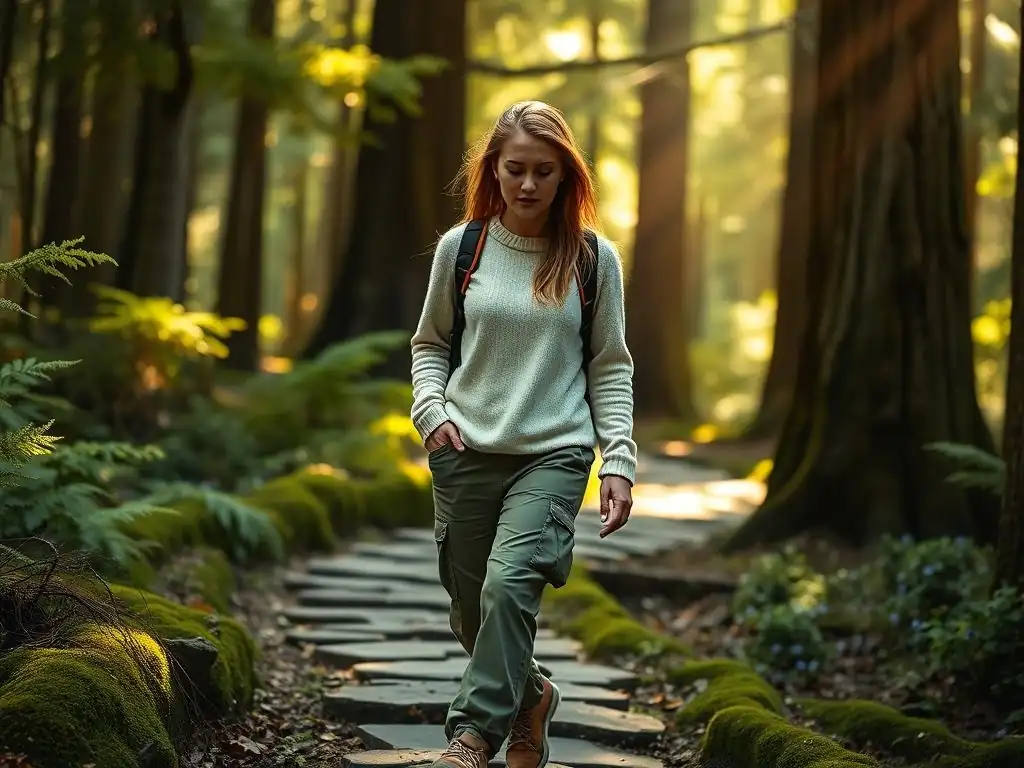
Welcome to Mind Care Guide, a safe space to nurture your mental well-being.
Feeling stuck? Perhaps the answer isn't sitting still. Discover how a simple shift in perspective can unlock a torrent of fresh ideas. Our latest article delves into how mindful walking boosts creativity, offering practical tips and insights to help you harness the power of presence and unlock your inner innovator. Intrigued? Let's walk together on this path to clarity and inspiration...
Boost Creativity and Clarity with a Mindful Walk
- Introduction: Unleash Your Creative Potential Through Mindful Walking
- What is Mindful Walking and How Does it Promote Clarity?
- Mindful Walking for Creativity: Unlocking Innovative Ideas
- Practical Guide: How to Practice Mindful Walking for Creativity
- Benefits Beyond Creativity: Exploring the Holistic Advantages of Mindful Walking
- Integrating Mindful Walking into Your Daily Routine
- Troubleshooting: Addressing Challenges in Your Mindful Walking Practice
- Conclusion: Embrace Mindful Walking for a More Creative and Clearer Mind
-
Frequently Asked Questions
- How does mindful walking specifically boost creativity?
- What are some key elements of mindful walking that differentiate it from regular walking?
- How long should a mindful walk be to experience the benefits for creativity and clarity?
- Can mindful walking help with other mental health challenges besides enhancing creativity?
- Are there any specific techniques or exercises to incorporate into a mindful walk to maximize its creative benefits?
- Final Reflection: The Unfolding Path of Mindful Walking
- Unlock Your Creative Flow: Take the Next Step
Introduction: Unleash Your Creative Potential Through Mindful Walking
The Power of Presence: Why Mindful Walking Enhances Creativity
In our fast-paced world, finding moments of calm and focus can feel like a luxury. Yet, these very moments are often the fertile ground from which new ideas spring. Engaging in mindful walking offers a simple yet profound way to cultivate presence, anchoring your awareness in the present moment rather than letting your mind race through worries or distractions. This deliberate act of slowing down and paying attention creates mental space, a crucial ingredient for innovative thinking. When you are fully present, your mind is less cluttered by noise, allowing novel connections and insights to emerge more readily.
Research underscores the connection between mindfulness and cognitive flexibility, a key component of creativity. Studies have shown that even short bursts of mindful practice can improve performance on tasks requiring divergent thinking – the ability to generate multiple solutions to a problem. By intentionally bringing awareness to the physical sensations of walking and the surrounding environment, mindful walking gently guides the mind away from habitual thought patterns, opening it up to new possibilities and perspectives. This shift in mental state is precisely how mindful walking boosts creativity, fostering an environment where ideas can flourish.
Walking Meditation: A Path to Enhanced Focus and Reduced Mental Clutter
Walking meditation is a dynamic form of mindfulness that trains your attention while you are in motion. Unlike seated meditation, which focuses on stillness, walking meditation uses the physical act of walking as the primary anchor for awareness. This practice helps to quiet the internal dialogue, reducing the mental clutter that often obstructs clear thinking and creative flow. By directing your focus to the rhythm of your steps, the sensation of your feet on the ground, or the gentle sway of your body, you create a space for your mind to settle and become less reactive to distracting thoughts.
The act of walking itself has long been associated with clearer thinking. Philosophers throughout history have incorporated walking into their routines, recognizing its power to stimulate the mind. When combined with mindfulness, this inherent benefit is amplified. The repetitive yet gentle nature of walking meditation helps to soothe the nervous system, decreasing levels of cortisol, the stress hormone. Lower stress levels are directly linked to improved cognitive function, including enhanced focus and the ability to concentrate on complex tasks, which are essential for both clarity and creative problem-solving.
What is Mindful Walking and How Does it Promote Clarity?
Defining Mindful Walking: A Simple Meditation Technique
Mindful walking, often referred to as walking meditation, is a form of meditation performed while walking. It involves bringing your full, conscious attention to the experience of walking itself. This isn't about getting from point A to point B efficiently or exercising vigorously; it's about using the movement as an opportunity to cultivate mindfulness. The practice can be done anywhere – indoors or outdoors, in a small space or a long path – and requires no special equipment, making it incredibly accessible. The core principle is simple: pay attention to your senses and physical sensations as you move.
During a mindful walk, you might focus on the feeling of your feet lifting and falling, the swing of your arms, the air on your skin, or the sounds around you. The goal is not to empty your mind, but to observe whatever arises – thoughts, feelings, sensations, external stimuli – without judgment, gently bringing your attention back to the act of walking whenever your mind wanders. This consistent, gentle redirection is the heart of mindfulness practice, strengthening your ability to maintain focus and awareness not just during the walk, but throughout your day.
The Connection Between Mindful Walking and Mental Clarity
Mental clarity is the state of having a clear and focused mind, free from confusion, distraction, and excessive rumination. Mindful walking directly contributes to achieving this state by providing a structured way to practice present moment awareness. When you are engaged in mindful walking, you are actively training your brain to focus on the here and now, rather than getting lost in worries about the future or regrets about the past. This reduces the mental noise and chatter that often cloud judgment and impede clear thinking.
Furthermore, the physical act of walking increases blood flow to the brain, which is known to support cognitive function. Combining this physiological benefit with the mental discipline of mindfulness creates a powerful synergy. By observing thoughts without getting entangled in them, you develop a greater capacity to discern what is truly important and what is merely mental static. This detachment from overwhelming thoughts is crucial for gaining perspective and achieving mental clarity, allowing you to see situations more objectively and make decisions more effectively.
Walking Meditation: A Gateway to Enhanced Focus and Reduced Mental Clutter
Walking meditation serves as an active training ground for your attention span. In a world filled with constant demands and notifications, our ability to focus deeply is often fragmented. By deliberately focusing on the simple, repetitive action of walking, you are building your attentional muscle.
Each time your mind drifts off – which it inevitably will – and you gently guide it back to the present experience of walking, you strengthen your capacity for sustained attention. This improved focus translates directly into other areas of your life, making it easier to concentrate on tasks, listen effectively, and engage more fully in activities.
The reduction of mental clutter is another significant benefit. Our minds can often feel like overcrowded rooms, filled with jumbled thoughts, to-do lists, worries, and random associations. Walking meditation provides a gentle process for tidying this internal space.
By acknowledging thoughts as they arise and letting them pass without dwelling on them, you gradually reduce their power to overwhelm you. This process helps to clear the mental fog, leaving you with a greater sense of spaciousness and calm. It's this cleared space that is essential for allowing new ideas to surface and for achieving the mental clarity needed for creative insight.
Mindful Walking for Creativity: Unlocking Innovative Ideas

How Mindful Walking Stimulates Creative Thinking
Mindful walking acts as a powerful catalyst for creative thinking by providing the optimal conditions for divergent thought. When we are walking, our brains are in a different state than when we are sitting still. The gentle, rhythmic movement seems to free up cognitive resources that might otherwise be engaged in more focused, analytical thinking. This shift allows the mind to wander in a more open and associative way, which is fundamental to generating novel ideas. It moves us out of rigid problem-solving modes and into a state of exploration.
Beyond the physical act, the mindful component is key. By intentionally observing the environment and internal sensations without judgment, you are training your mind to be more receptive to new input and less constrained by preconceived notions. This practice encourages a playful curiosity and openness that is essential for creative breakthroughs. Ideas often don't arrive when we are forcing them; they emerge when the mind is relaxed, open, and gently engaged, precisely the state fostered by mindful walking. This is a core reason why mindful walking boosts creativity effectively.
Breaking Through Creative Blocks with Mindful Movement
Creative blocks can be frustrating obstacles, leaving you feeling stuck and unproductive. Often, these blocks stem from overthinking, fear of failure, or simply being too deeply entrenched in a particular way of approaching a problem. Mindful walking offers a physical and mental escape from these constraints. The act of moving your body can literally help you move past mental hurdles. Stepping outside or even walking indoors changes your physical perspective, which can in turn shift your mental perspective.
Furthermore, the reduced stress and mental clutter achieved through mindful walking create a more conducive environment for problem-solving. When your mind is less anxious and preoccupied, it is better able to make connections between seemingly unrelated concepts – a hallmark of creative insight. A study from Stanford University published in 2014, for instance, found that walking boosted creative output by an average of 60 percent compared to sitting.
While this study didn't specifically test mindful walking, it highlights the power of movement. Adding the mindful element enhances the practice by ensuring presence and openness, making it a potent tool for dissolving creative blocks and allowing ideas to flow more freely.
The Science Behind Mindful Walking and Creativity: Increased Alpha Wave Activity and Improved Cognitive Flexibility
The positive impact of mindful walking on creativity is supported by insights into brain function. Studies on mindfulness meditation often show an increase in alpha wave activity in the brain, particularly in the frontal and parietal lobes. Alpha waves are associated with a relaxed but alert state, often linked to creative flow states and reduced rumination. While research specifically on alpha waves during mindful walking is still developing, the general effects of mindfulness and walking on brain activity suggest a similar outcome. This relaxed alertness is an ideal state for generating novel ideas.
Moreover, mindful practices, including walking meditation, have been shown to improve cognitive flexibility. Cognitive flexibility is the ability to switch between thinking about two different concepts simultaneously, or to think about multiple concepts at the same time. It's about adapting your thinking to new situations and overcoming habitual patterns.
By repeatedly bringing attention back to the present moment during a mindful walk, you are exercising this mental muscle, making your brain more adaptable and open to exploring different possibilities. This improved flexibility is a direct mechanism by which mindful walking boosts creativity, allowing you to approach challenges from fresh angles and synthesize diverse information more effectively.
Practical Guide: How to Practice Mindful Walking for Creativity
Step-by-Step Guide to Mindful Walking Meditation
Engaging in mindful walking is a simple practice that can be adapted to various environments and time constraints. While the goal is to cultivate presence and openness for creativity, the basic steps remain consistent. You don't need hours; even 10-15 minutes can be beneficial. Find a place where you feel relatively comfortable and safe to walk, whether it's a park, a quiet street, a hallway, or even a loop in your backyard.
The process involves intentionally bringing your awareness to the physical sensations and the environment around you as you move. It's not about achieving a specific destination or pace, but about the journey of awareness itself. Approach the practice with curiosity and patience, knowing that your mind will wander, and the goal is simply to notice when it does and gently guide it back. This consistent practice over time strengthens your mindfulness muscle and enhances its effects on your creativity and clarity.
Step 1: Finding Your Space and Setting Your Intention
Choose a location where you can walk undisturbed for your desired duration. This could be a quiet path, a garden, or even a comfortable space indoors. Before you begin walking, take a moment to stand still, close your eyes if comfortable, and take a few deep breaths. Set an intention for your walk – perhaps to simply be present, to notice your surroundings, or specifically to open your mind to new ideas, acknowledging that mindful walking boosts creativity.
Step 2: Paying Attention to Your Senses During the Walk
As you begin to walk at a comfortable, possibly slower-than-usual pace, bring your attention to your senses. What do you see? Notice colors, shapes, textures. What do you hear? Distant sounds, sounds nearby, the sound of your own footsteps. What do you feel? The air on your skin, the ground beneath your feet, the movement of your body. What do you smell? Engage fully with the sensory experience of your walk.
Step 3: Focusing on Your Breath and Body Movement
Bring your awareness to the physical sensations of walking. Feel the weight shifting from one foot to the other. Notice the lifting and placing of each foot. Pay attention to the swing of your arms, the rhythm of your breath as you walk. Coordinate your breath with your steps if that feels natural, perhaps inhaling for a few steps and exhaling for the same number.
Step 4: Observing Thoughts Without Judgment
Thoughts will inevitably arise – ideas, worries, memories, plans. The practice isn't to stop thinking, but to notice thoughts without getting caught up in them. Imagine them like clouds drifting across the sky; acknowledge them and let them pass. Don't judge yourself for having thoughts; it's simply what minds do.
Step 5: Gently Redirecting Your Focus When Your Mind Wanders
When you notice your mind has drifted away into thinking, gently and kindly bring your attention back to your chosen anchor – the sensations of walking, your breath, or your senses. This is the core practice of mindfulness. Each time you notice and redirect, you are strengthening your capacity for focus and presence.
Tips for Maximizing Creativity During Mindful Walking
While the basic practice of mindful walking itself is beneficial, incorporating specific approaches can amplify its effects on your creative process. These tips are designed to further open your mind and receptivity to new ideas while you walk mindfully. Remember that consistency is key; regular practice yields greater results over time.
By consciously integrating these elements, you create a richer environment for your mind to explore and connect ideas. Combining the physical movement with sensory awareness and mental openness makes mindful walking a potent tool specifically for enhancing creativity and clarity.
Tip 1: Vary Your Walking Route and Environment
Walking the same path repeatedly can become monotonous. Changing your route or choosing different environments – a park one day, a quiet street the next, a trail another – introduces new sensory input and perspectives, which can stimulate fresh thinking.
Tip 2: Engage All Your Senses Fully
Beyond just noticing, actively engage with what you perceive. What are the subtle smells after rain? How does the light filter through the leaves? What textures do you see or feel? Deepening sensory engagement enriches the present moment experience and can spark unexpected connections.
Tip 3: Carry a Notebook to Capture Ideas
Creative insights often arrive unexpectedly during mindful movement. Keep a small notebook or use a voice memo app on your phone to quickly jot down or record any ideas, phrases, or images that come to mind without interrupting your flow for too long.
Tip 4: Practice Regularly for Consistent Results
Like any skill, mindfulness and creativity are enhanced with practice. Aim for regular mindful walks, even if they are short. Consistency helps train your brain to more readily access the creative and clear states fostered by the practice.
Benefits Beyond Creativity: Exploring the Holistic Advantages of Mindful Walking
Reducing Stress and Anxiety Through Mindful Movement
One of the most immediate and widely recognized benefits of mindful walking is its profound impact on stress and anxiety levels. The combination of physical activity and mindfulness creates a powerful antidote to the stressors of modern life. The rhythmic nature of walking can have a calming effect on the nervous system, similar to other repetitive motions. When you add the element of mindfulness – focusing on the present moment rather than dwelling on worries – you interrupt the cycle of anxious thoughts that often fuels stress.
Research consistently shows that both physical activity and mindfulness practices are effective in reducing symptoms of anxiety and depression. For example, studies have indicated that even moderate walking can significantly lower stress hormone levels like cortisol. When combined with the intentional focus on the present offered by mindfulness, walking meditation becomes a highly effective way to downregulate the stress response, promoting a sense of calm and easing the burden of anxiety. This makes it not just a tool for creativity, but a fundamental practice for emotional well-being.
Improving Physical Health and Well-being
While the focus of mindful walking is often mental and emotional, it is still a form of physical activity and thus confers numerous physical health benefits. Regular walking, even at a moderate pace, improves cardiovascular health, strengthens muscles and bones, helps maintain a healthy weight, and can improve sleep quality. The physical act of moving also releases endorphins, natural mood boosters that contribute to an overall sense of well-being.
Unlike intense workouts, mindful walking is gentle and accessible to most people, making it a sustainable form of exercise. By paying attention to your body during the walk, you also cultivate a greater awareness of your physical state, noticing areas of tension or discomfort. This increased body awareness, or interoception, is a component of mindfulness that can help you better understand and care for your physical needs, further contributing to holistic health.
Cultivating a Deeper Connection with Nature and Yourself
Mindful walking, especially when done outdoors, offers a unique opportunity to connect more deeply with the natural world. By paying close attention to the sights, sounds, smells, and textures of your environment – the rustling leaves, the warmth of the sun, the scent of damp earth – you engage with nature in a way that is often overlooked in our busy lives. This connection to nature has been shown to have significant positive effects on mood, stress reduction, and overall mental health.
Furthermore, the practice of mindful walking cultivates a deeper connection with yourself. By spending time in your own company, observing your thoughts and feelings without judgment, and paying attention to your physical sensations, you develop a greater sense of self-awareness and self-compassion. This introspective aspect of mindful walking allows you to check in with your internal state, fostering a stronger relationship with your inner experience and promoting a sense of peace and self-acceptance.
Integrating Mindful Walking into Your Daily Routine

Finding Time for Mindful Walking in a Busy Schedule
Integrating mindful walking into a packed daily schedule might seem challenging, but it's often more about finding small pockets of time or modifying existing routines rather than carving out large blocks. Even 10-15 minutes can make a difference. Consider replacing part of your commute with a walk, taking a mindful stroll during your lunch break, or incorporating it into your morning or evening routine. Starting small helps build consistency.
Another effective approach is to combine mindful walking with activities you already do. If you walk to run errands, try doing so mindfully. If you take breaks during work, dedicate one to a short mindful walk around the office building or block. The key is to shift your mindset from viewing walking solely as transportation or exercise to seeing it as an opportunity for mindfulness practice. Prioritizing these short periods can yield significant benefits for creativity and clarity, making the time investment worthwhile.
Combining Mindful Walking with Other Mindfulness Practices
Mindful walking can be a powerful standalone practice, but its benefits are often amplified when combined with other mindfulness techniques. For instance, you might start your day with a short seated meditation to cultivate stillness, then transition into a mindful walk to bring that awareness into movement. Or, you could use mindful walking as a way to prepare for or process insights gained from journaling or other reflective practices.
Integrating different forms of mindfulness helps to strengthen your overall capacity for presence and awareness in various situations. A mindful walk might help clear your head before a challenging task requiring focus, or it could be a way to process emotions that arose during a different practice. By using mindful walking in conjunction with techniques like body scans, loving-kindness meditation, or mindful eating, you build a more robust and flexible mindfulness practice that supports mental well-being and enhances creativity across the board.
Making Mindful Walking a Sustainable Habit for Long-Term Benefits
For mindful walking to truly boost creativity and provide lasting benefits, it needs to become a sustainable habit. This involves finding ways to make the practice enjoyable and easily integrated into your life. Start with realistic goals – perhaps just five minutes a few times a week – and gradually increase the duration or frequency as it feels comfortable. Don't strive for perfection; some walks will feel more mindful than others, and that's okay.
Finding an accountability partner or joining a walking group (even if you walk mindfully alongside others) can help maintain motivation. Varying your routes keeps the practice fresh. Most importantly, cultivate a sense of self-compassion; if you miss a day or a week, simply acknowledge it without judgment and start again. Focusing on the felt benefits – feeling more present, clearer, or having a new idea – reinforces the value of the practice and encourages long-term adherence.
Troubleshooting: Addressing Challenges in Your Mindful Walking Practice
Dealing with Distractions and Wandering Thoughts
Distractions and wandering thoughts are perhaps the most common challenges in any mindfulness practice, including mindful walking. It's important to remember that having thoughts is not a failure; it's a natural function of the mind. The practice isn't about eliminating thoughts, but about changing your relationship with them. When you notice your mind has wandered off into planning, worrying, or daydreaming, simply acknowledge it without judgment.
Gently bring your attention back to your chosen anchor, such as the sensations of walking or your breath. Think of it as repeatedly exercising a muscle; each time you notice and return, you are strengthening your ability to focus. Be patient and kind to yourself. Some days will feel easier than others. If external distractions are overwhelming, try finding a quieter time or location for your walk, or focus more intently on internal sensations like your footsteps. Over time, the periods of focused attention will likely lengthen.
Overcoming Physical Discomfort During Walking
While walking is generally a low-impact activity, physical discomfort can sometimes arise, especially if you are new to regular walking or have existing physical conditions. Pain or discomfort can make it difficult to focus on mindfulness. If you experience significant pain, it's crucial to consult with a healthcare professional to rule out any underlying issues.
For minor discomfort, try adjusting your pace, focusing on your posture, or choosing a walking surface that is easier on your joints, such as a grassy path or a track. Listen to your body and modify the practice as needed; perhaps walk for shorter durations or take breaks. You can also incorporate mindful stretching before or after your walk. The aim is to find a way to walk that feels comfortable enough to allow you to bring mindful attention to the experience without being solely preoccupied with pain.
Maintaining Motivation and Consistency
Keeping up a regular mindful walking practice can be challenging amidst life's demands and fluctuating motivation levels. It's easy to let it slide when you're busy, tired, or simply not feeling inspired. To combat this, try linking your mindful walk to an existing habit, like doing it immediately after waking up or right before dinner. Scheduling it in your calendar can also help reinforce its importance.
Reflecting on the benefits you've experienced – perhaps a moment of clarity, a new idea, or simply feeling less stressed after a walk – can be a powerful motivator. Remind yourself how mindful walking boosts creativity and contributes to your overall well-being. Don't aim for perfection; some consistency is better than none. If you miss a day or a week, simply pick up where you left off without self-criticism. Consider tracking your walks or joining an online community for support and inspiration.
Conclusion: Embrace Mindful Walking for a More Creative and Clearer Mind
Recap: The Transformative Power of Mindful Walking
Throughout this guide, we've explored the multifaceted benefits of mindful walking, highlighting its particular power to enhance creativity and clarity. We've seen how this simple practice, rooted in bringing conscious attention to the act of walking, helps to quiet mental clutter, reduce stress, and foster a state of relaxed alertness conducive to innovative thinking. By engaging the senses, connecting with the body, and observing thoughts without judgment, mindful walking opens up mental space and promotes the cognitive flexibility needed to break through creative blocks and generate new ideas.
Beyond its impact on creativity, mindful walking offers holistic advantages, improving physical health, reducing anxiety, and deepening our connection with both nature and ourselves. It is a practice that is accessible to almost everyone, requiring no special equipment and adaptable to various environments and schedules. While challenges like distractions and maintaining consistency exist, they are normal parts of the journey and can be navigated with patience and self-compassion.
Mindful Walking: A Simple Yet Powerful Tool for Mental Well-being and Creative Growth
Mindful walking stands out as a remarkably simple yet profoundly powerful tool for enhancing both mental well-being and creative growth. It's a testament to the idea that sometimes the most effective practices are those that integrate movement, presence, and awareness into the fabric of our daily lives. By committing to regular mindful walks, you are not just exercising your body; you are nurturing your mind, cultivating focus, reducing stress, and actively fostering an environment where your most creative and insightful ideas can emerge.
Embracing mindful walking boosts creativity, clarity, and overall resilience. It's an invitation to slow down, pay attention, and discover the rich inner and outer landscape available to you with every step. Make it a consistent part of your routine, approach it with curiosity, and experience firsthand the transformative power of mindful movement on your creative potential and mental peace.
Frequently Asked Questions
How does mindful walking specifically boost creativity?
Mindful walking enhances creativity by clearing the mind and increasing awareness of the present moment. This allows for new ideas and connections to emerge, unburdened by distractions and anxieties. It's about being present in your steps.
What are some key elements of mindful walking that differentiate it from regular walking?
Unlike regular walking, mindful walking focuses on intentional awareness of each step and breath. It involves paying attention to the sensations of walking and letting thoughts pass without judgment. The goal is present moment awareness.
How long should a mindful walk be to experience the benefits for creativity and clarity?
While the ideal duration varies, even short mindful walks of 10-20 minutes can be beneficial. The key is consistency and focused attention, rather than the length of the walk itself. Aim for regular practice.
Can mindful walking help with other mental health challenges besides enhancing creativity?
Yes, mindful walking can support overall mental well-being by reducing stress and anxiety. It promotes relaxation and emotional regulation, contributing to improved mood and a greater sense of calm. It's a form of active meditation.
Are there any specific techniques or exercises to incorporate into a mindful walk to maximize its creative benefits?
Focusing on the rhythm of your breath and the sensations in your feet is helpful. You can also try noticing the sights, sounds, and smells around you without judgment. The goal is to engage all your senses in the present moment.
Final Reflection: The Unfolding Path of Mindful Walking
The simple act of walking mindfully is not merely a trend; it's a powerful tool readily available to unlock creativity and clarity in our increasingly chaotic world. In a society obsessed with constant stimulation and instant gratification, the quiet power of a mindful walk offers a profound counterpoint, a space to reconnect with ourselves and the world around us, fostering innovative thought and mental acuity.
The impact of mindful walking on my own creative process has been nothing short of transformative. It's provided a sanctuary from the relentless mental chatter that often stifles inspiration. The rhythmic movement, coupled with focused attention on the present moment, allows for a loosening of mental rigidity, creating space for new ideas to emerge. The mind is like water. When it's turbulent, it's difficult to see. When it's calm, everything becomes clear.
This quote perfectly encapsulates the experience of finding clarity through mindful walking. The stillness cultivated during these walks allows for a deeper understanding of complex problems and fosters a more intuitive approach to creative challenges.
Now, I invite you to integrate mindful walking into your own life. Don't just read about its benefits; experience them. Step outside, leave your worries behind, and allow the rhythm of your steps to guide you towards a clearer, more creative you. Embrace the simplicity of this practice, and watch as your mind unfolds, revealing insights and inspiration you never knew existed. The path to creativity and clarity begins with a single, mindful step.
Unlock Your Creative Flow: Take the Next Step
Thanks for taking the time to explore the power of mindful walking for boosting creativity and clarity! We hope you found valuable insights to integrate into your daily life. Now, let's put that knowledge into action.
- Prioritize a mindful walk today: Even 15 minutes can make a difference. Focus on your senses, your breath, and the rhythm of your steps. Notice how your thoughts and feelings shift.
- Share your experience: Tell us in the comments how your mindful walk impacted your creativity. Let's build a supportive community!
- Experiment with different walking routes and times: See how variations in your environment and timing influence your creative flow.
What unique insights did your mindful walk reveal about your creative process?