
Getting Started with Mindfulness: What You Need to Know First


Welcome to Mind Care Guide.
Feeling overwhelmed by anxiety? You're not alone. We understand that taking the first step towards better mental well-being can be daunting. But what if we told you there's a simple, accessible technique that can significantly reduce your anxiety levels? This is where mindfulness comes in. Dive into our guide on Mindfulness for Beginners Anxiety and discover how even a few minutes of daily practice can transform your life. Curious to learn more and find a calmer, more present you? Let's begin.
Getting Started with Mindfulness for Anxiety: A Practical Guide
- Introduction to Mindfulness for Anxiety Relief
- Core Principles of Mindfulness for Anxiety
- Practical Mindfulness Techniques for Anxiety
- Integrating Mindfulness into Daily Life for Anxiety Management
- Addressing Challenges in Mindfulness Practice for Anxiety
- Sustained Benefits of Mindfulness for Long-Term Anxiety Management
- Conclusion: Nurturing a Calmer, More Present You Through Mindfulness
-
Frequently Asked Questions
- What exactly is mindfulness, and how can it help with anxiety?
- Is mindfulness meditation the only way to practice mindfulness?
- How long should I meditate each day to see benefits for anxiety?
- What if my mind wanders during mindfulness practice? Is that normal?
- Where can I find reliable resources and support to learn more about mindfulness for anxiety?
- Final Reflection: Cultivating Inner Peace in a Frantic World
- Unlock Your Inner Peace: Start Your Mindfulness Journey Today!
Introduction to Mindfulness for Anxiety Relief
Embracing Mindfulness: Your Path to Calm Begins Now
Starting your journey with mindfulness for beginners anxiety can feel like stepping onto a new path towards inner peace. Many people struggling with anxious thoughts or feelings find themselves overwhelmed by the constant chatter in their minds, often dwelling on past worries or future uncertainties. Mindfulness offers a gentle, accessible way to anchor yourself in the present moment, providing a much-needed respite from this mental noise. It's not about emptying your mind, but rather learning to observe your thoughts and feelings without getting swept away by them.
This approach is particularly powerful for beginners dealing with anxiety because it provides concrete, step-by-step methods to cultivate awareness. Unlike complex therapeutic modalities that might require significant prior knowledge, mindfulness practices can be integrated into daily life with minimal effort. For instance, simply paying attention to the sensation of your breath for a minute or two can begin to shift your focus away from anxious rumination and towards the immediate reality of your experience, offering an initial sense of calm.
Why Mindfulness Can Help Manage Your Anxiety
Anxiety often thrives on avoidance and resistance – the more we try to push away uncomfortable thoughts or feelings, the stronger they seem to become. Mindfulness offers an alternative: approaching these experiences with acceptance and curiosity. By learning to observe anxious thoughts without judgment, you can reduce their power over you.
This doesn't mean the anxiety disappears entirely, but its intensity and duration may lessen as you build this skill. Empirical studies have consistently shown that regular mindfulness practice can lead to measurable reductions in anxiety symptoms. For example, research indicates that participation in an 8-week mindfulness-based program can lead to a significant decrease in anxiety scores, often by 25% or more, compared to control groups.
Furthermore, mindfulness helps to interrupt the cycle of automatic negative reactions that often accompany anxiety. When you become aware of your body's physical responses to stress – a tightening chest, rapid heartbeat, shallow breathing – mindfulness techniques provide tools to gently regulate these responses. Techniques like mindful breathing can immediately engage the parasympathetic nervous system, promoting a state of relaxation. Over time, this ability to self-regulate becomes more ingrained, helping you respond to stressful situations with greater ease and less reactivity, making mindfulness for beginners anxiety a highly effective starting point.
Core Principles of Mindfulness for Anxiety
Defining Mindfulness: Paying Attention to the Present Moment
At its heart, mindfulness is the practice of intentionally paying attention to the present moment, without judgment. This means noticing your thoughts, feelings, bodily sensations, and the world around you as they are unfolding, right now. It's about stepping out of autopilot mode and engaging fully with your current experience. For someone new to mindfulness for anxiety, this might simply involve focusing on the feeling of water hitting their hands while washing dishes, rather than letting their mind race ahead to future worries.
This definition underscores the active nature of mindfulness. It's not passive relaxation, but a deliberate cultivation of awareness. The "non-judgmental" aspect is crucial, especially when dealing with anxiety. Anxious thoughts are often accompanied by self-criticism or fear. Mindfulness encourages you to observe these thoughts as mere mental events, like clouds passing in the sky, rather than absolute truths about yourself or your situation. This subtle shift in perspective can dramatically reduce the emotional weight carried by anxious thinking.
Key Elements of Mindfulness Practice: Acceptance, Non-Judgment, and Patience
Acceptance is a cornerstone of mindfulness, particularly vital when managing anxiety. It means acknowledging your current experience – including uncomfortable thoughts or physical sensations – without trying to change or fight it. This doesn't mean resignation; it means seeing things clearly as they are in the present moment. For example, if you feel a wave of anxiety, acceptance involves noticing the physical sensations (maybe a knot in your stomach) and the thoughts (perhaps "I can't handle this") without immediately trying to make them go away. This counter-intuitive approach paradoxically often reduces the intensity of the discomfort.
Non-judgment goes hand-in-hand with acceptance. Our minds are quick to label experiences as "good" or "bad." When practicing mindfulness for beginners anxiety, it's essential to observe your internal and external world without adding layers of criticism or evaluation. This applies both to the experience itself and to your practice. If your mind wanders during meditation, the non-judgmental approach is simply to notice the wandering and gently guide your attention back, rather than criticizing yourself for being distracted.
Patience is equally important. Mindfulness is a skill developed over time, like learning a musical instrument. Progress isn't linear, and some days will be easier than others. Cultivating patience with yourself and the process is key to building a sustainable practice.
The Multifaceted Benefits of Mindfulness for Anxiety
Calming the Mind: Reducing Anxiety and Stress
One of the most immediate benefits reported by beginners practicing mindfulness for anxiety is a sense of reduced mental clutter and a calmer state of being. By focusing attention on the present, mindfulness interrupts the cycle of worry and rumination that fuels anxiety.
Studies have shown that even brief mindfulness exercises, like a 5-minute guided meditation, can lower levels of cortisol, the body's primary stress hormone. Regular practice helps to restructure the brain's response to stress, reducing activity in the amygdala (the brain's fear center) and increasing activity in the prefrontal cortex (associated with executive functions like planning and emotional regulation).
Enhancing Focus: Improving Concentration and Attention Span
Anxiety often fragments attention, making it difficult to concentrate on tasks. Mindfulness training is fundamentally attention training. By repeatedly guiding your focus back to the present moment – whether it's the breath, bodily sensations, or sounds – you strengthen your ability to concentrate. This improved focus extends beyond formal practice, helping you stay present and engaged in daily activities, reducing the likelihood of getting lost in anxious thought spirals. This enhanced ability to direct and sustain attention is a practical benefit for anyone beginning mindfulness for anxiety.
Cultivating Awareness: Fostering Emotional Regulation and Self-Understanding
Mindfulness increases your awareness of your internal landscape – your thoughts, feelings, and physical sensations. This heightened awareness is crucial for emotional regulation. Instead of being blindsided by intense emotions like panic or fear, you learn to recognize the early signs of anxiety arising.
This allows you to choose how to respond, rather than reacting automatically. For example, you might notice a familiar tightness in your chest and recognize it as the beginning of anxiety, prompting you to pause and take a few mindful breaths, rather than immediately spiraling into worst-case scenarios. This deeper self-understanding is a powerful tool for long-term anxiety management.
Practical Mindfulness Techniques for Anxiety

Diaphragmatic Breathing: A Foundation for Anxiety Reduction
Diaphragmatic breathing, also known as belly breathing, is a simple yet powerful mindfulness technique for managing anxiety. When anxious, our breathing tends to become shallow and rapid, triggering the body's stress response. Focusing on slow, deep breaths that expand the diaphragm (belly) signals to the nervous system that you are safe, promoting relaxation. To practice, find a comfortable seat or lie down.
Place one hand on your chest and the other on your belly. Inhale slowly through your nose, feeling your belly rise significantly while your chest remains relatively still. Exhale slowly through your mouth, gently pursing your lips, feeling your belly fall.
Practice this technique for just a few minutes each day. For example, try three rounds of 5-second inhales and 5-second exhales. You can gradually increase the duration as you become comfortable. This technique provides an immediate anchor to the present moment and directly counteracts the physiological symptoms of anxiety, making it an excellent starting point for mindfulness for beginners anxiety. Regular practice builds your capacity to access this calming response whenever you feel anxiety rising.
Body Scan Meditation: Releasing Tension and Promoting Relaxation
The body scan meditation is a practice where you systematically bring mindful attention to different parts of your body, noticing sensations without judgment. Anxiety often manifests as physical tension held in muscles – shoulders, jaw, stomach, etc. The body scan helps you become aware of this tension and, through mindful attention, encourages its release. Find a quiet place to lie down or sit comfortably. Close your eyes if you wish.
Bring your attention to your feet. Notice any sensations there – tingling, warmth, pressure. Simply observe, without trying to change anything. Then, gently move your attention up your body, section by section: ankles, lower legs, knees, thighs, hips, abdomen, back, chest, arms, hands, neck, face, and finally the top of your head.
Spend anywhere from 5 to 20 minutes on a body scan. If you notice pain or discomfort, simply acknowledge it with kindness and breathe into that area, imagining the breath softening the sensation. If your mind wanders, gently guide it back to the part of the body you were focusing on. This practice not only increases body awareness but also cultivates a sense of groundedness and can significantly reduce physical tension associated with anxiety. It's a foundational technique in many mindfulness-based programs for beginners seeking to manage anxiety.
Mindful Observation: Noticing Thoughts and Feelings Without Judgment
Mindful observation involves becoming an objective witness to your internal experience – your thoughts, feelings, and urges – without getting entangled in them. For beginners dealing with anxiety, thoughts can feel overwhelming and real. This practice helps you see them as temporary mental events, not facts. Find a quiet moment. Close your eyes or soften your gaze. Simply notice what thoughts arise in your mind. You might label them gently, like "thinking about work" or "worrying about the future." Then, notice the feelings present – perhaps fear, sadness, or restlessness. Acknowledge them without trying to push them away.
A helpful metaphor is viewing your thoughts like cars passing by on a street or leaves floating down a stream. You can see them, acknowledge their presence, but you don't have to jump into every car or grab onto every leaf. Practice this for 5-10 minutes. This technique builds the skill of 'detachment' from anxious thoughts, reducing their ability to trigger intense emotional or physical reactions. It is a crucial step in learning to navigate the mental landscape of anxiety with greater ease and less suffering.
Integrating Mindfulness into Daily Life for Anxiety Management
Start with Short Sessions: Building a Consistent Practice
For beginners approaching mindfulness for anxiety, consistency is more important than duration. Trying to sit for 30 minutes right away can feel daunting and potentially increase frustration. Instead, commit to just 2-5 minutes of formal practice each day. This could be mindful breathing first thing in the morning, a short body scan before bed, or mindful observation during a commute. The goal is to build a regular habit. Even these brief moments can provide significant benefits over time, helping you feel more grounded and less reactive to daily stressors.
Think of it like exercise; a few minutes daily is more effective than one long session sporadically. As you become more comfortable, you can gradually increase the duration of your formal practice. The key is to make it a sustainable part of your routine. Consider setting a reminder on your phone or integrating it with an existing habit, like brushing your teeth or having your morning coffee. This makes it less likely to be forgotten amidst a busy schedule.
Create a Supportive Environment: Minimizing Distractions
Finding a quiet space free from interruptions can significantly enhance your mindfulness practice, especially when you are just starting mindfulness for anxiety. While you can practice mindfulness anywhere, having a designated spot for formal meditation can help create a mental cue for shifting into a mindful state. This doesn't need to be elaborate; a quiet corner in your home or even just putting your phone on silent can make a difference. Inform family members or roommates that you need a few minutes of uninterrupted time.
Minimizing distractions isn't about creating a perfect, silent void, which is often impossible. It's about reducing obvious external disruptions to help you focus your attention inward. This might involve turning off notifications on your electronic devices or choosing a time when you're less likely to be interrupted. A supportive environment also includes internal factors – approaching your practice with self-compassion and letting go of the expectation that your mind will be completely still.
Cultivate Self-Compassion: Embracing Imperfection and Growth
Self-compassion is arguably the most vital ingredient for a successful and sustainable mindfulness practice, particularly when dealing with anxiety. Anxiety often comes with a harsh inner critic. When your mind wanders during practice, or when you feel overwhelmed by difficult emotions, it's easy to become frustrated or judge yourself. Cultivating self-compassion means treating yourself with the same kindness, understanding, and patience you would offer a dear friend who is struggling.
Recognize that having thoughts and feelings, including anxious ones, is part of the human experience. Your mind will wander; that's what minds do. The practice is simply noticing and gently redirecting. Instead of thinking, "I'm bad at this," try saying to yourself, "Okay, my mind wandered. That's normal. Let me gently bring my attention back." Embrace the imperfections in your practice and your journey with anxiety. This compassionate attitude makes the practice feel less like a chore and more like a nurturing act of self-care, essential for beginners engaging with mindfulness for anxiety.
Utilizing Technology: Exploring Helpful Mindfulness Apps
For beginners, technology can be a valuable tool for starting mindfulness for anxiety. Many apps offer guided meditations, timers, and programs specifically designed for reducing stress and anxiety. These apps can provide structure and guidance, making it easier to begin and maintain a regular practice. Some popular options include Headspace, Calm, Insight Timer, and Ten Percent Happier. Many offer free introductory courses or a selection of free meditations.
Using an app can feel less intimidating than trying to meditate on your own initially. Guided meditations walk you through the process, providing instructions on where to place your attention and what to do when your mind wanders. They can also help with timing your sessions and tracking your progress. While technology is a tool, the core practice remains the same: cultivating present moment awareness. Explore a few apps to find one whose style resonates with you and supports your goals for managing anxiety with mindfulness.
Addressing Challenges in Mindfulness Practice for Anxiety
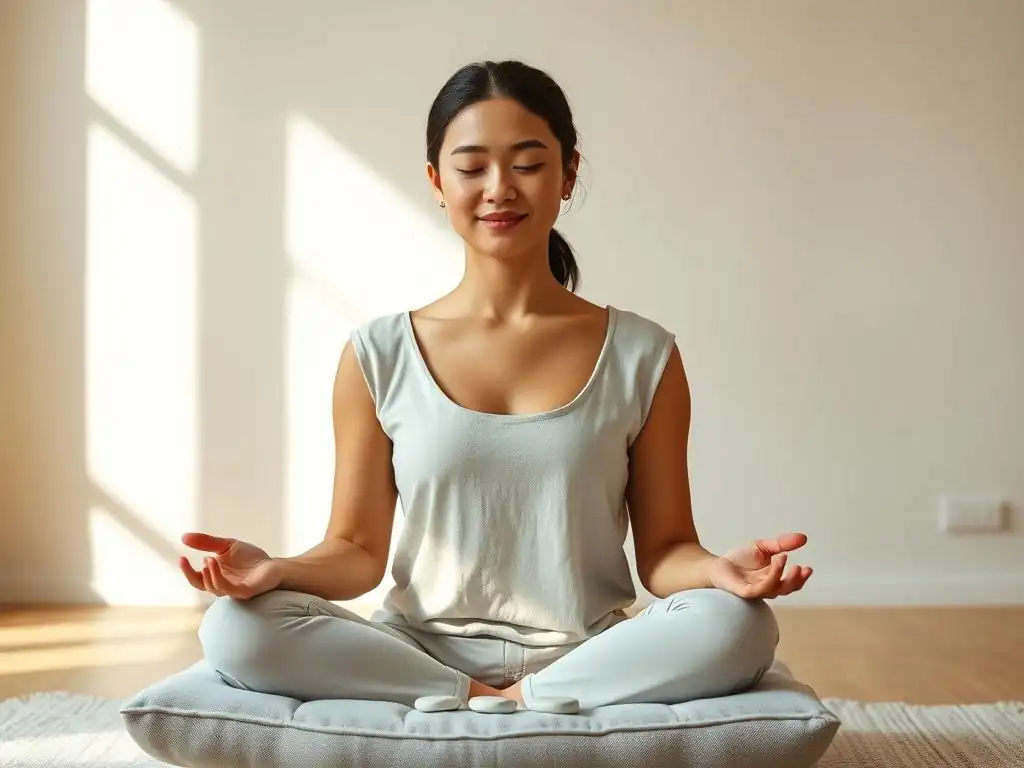
Managing Distractions: Redirecting Attention with Kindness
One of the most common challenges beginners face with mindfulness for anxiety is managing a busy or restless mind. It's a myth that mindfulness is about stopping thoughts. Thoughts will arise. The practice isn't about eliminating distractions, but about changing your relationship with them. When you notice your mind has wandered – perhaps you're planning dinner, rehashing a conversation, or getting caught up in an anxious loop – the key is to recognize the distraction without judgment.
Once you've noticed, gently but firmly guide your attention back to your chosen anchor, whether it's the breath, bodily sensations, or sounds. This act of recognizing and redirecting is the core exercise that strengthens your attentional muscle. Each time you notice your mind wandering and bring it back, you're not failing; you're succeeding at the practice. Approach this process with kindness, acknowledging that minds are prone to wandering, especially when dealing with anxiety.
Mindfulness can sometimes bring difficult emotions or uncomfortable physical sensations to the surface, which can be challenging, particularly for those practicing mindfulness for beginners anxiety. Instead of trying to push these feelings away, mindfulness encourages you to acknowledge them with acceptance. This doesn't mean you like the feeling or want it to stay; it means recognizing its presence in the current moment. For example, if anxiety arises, you might say internally, "Ah, anxiety is here," and notice where you feel it in your body.
You can try techniques like labeling the emotion ("fear," "sadness") or simply sitting with the sensation, breathing into it without trying to change it. Imagine creating space for the feeling. This process can be uncomfortable initially, but learning to tolerate difficult emotions without being overwhelmed by them is a powerful skill for managing anxiety long-term. Remember to approach these moments with self-compassion, acknowledging that experiencing difficult feelings is a normal part of being human.
Avoiding Common Pitfalls: Maintaining a Balanced and Sustainable Approach
As you start mindfulness for anxiety, be aware of common pitfalls that can derail your practice. One is the expectation of immediate results or a completely empty mind; mindfulness is a skill built over time, and some days will feel more challenging than others. Another pitfall is using mindfulness as a way to fix or get rid of anxiety; while it often reduces symptoms, the core principle is acceptance of present experience, including discomfort. Trying to force relaxation can actually increase tension.
Maintain a balanced approach. Mindfulness isn't the only tool for managing anxiety, and it works best when integrated with other healthy habits like exercise, sleep, and seeking support if needed. Avoid being overly rigid with your practice; if you miss a day, simply start again the next. Don't let perfect be the enemy of good. Focus on cultivating a gentle, consistent habit rather than striving for flawless meditation sessions. This sustainable mindset is key to reaping the long-term benefits of mindfulness for anxiety.
Sustained Benefits of Mindfulness for Long-Term Anxiety Management
Mindfulness as a Lifestyle: Promoting Lasting Calm and Resilience
Moving beyond formal meditation sessions, integrating mindfulness into your daily life transforms it from a practice into a way of being. This means bringing conscious awareness to everyday activities – eating mindfully, walking mindfully, listening mindfully. This pervasive awareness builds a foundation of calm and resilience that helps you navigate life's challenges, including anxiety triggers, with greater ease. It's about cultivating a state where you are less reactive to stressful events and more capable of responding thoughtfully.
Over time, this shift can lead to a significant reduction in the frequency and intensity of anxiety symptoms. You become more attuned to your body's signals and your mind's patterns, allowing you to intervene earlier and more effectively when anxiety begins to build. This isn't about eliminating stress, but about increasing your capacity to handle it. Many individuals report feeling a deeper sense of peace and contentment as mindfulness becomes a more integrated part of their lives.
Building a Consistent Practice: Integrating Mindfulness into Your Routine
The key to experiencing the sustained benefits of mindfulness for anxiety is consistency. Just like physical exercise builds strength over time, regular mindfulness practice builds mental and emotional resilience. Aim for a daily practice, even if it's just for a few minutes. Consider using a habit tracker or a mindfulness app to help you stay on track. Find times in your day that work best for you and try to stick to them – perhaps first thing in the morning, during a lunch break, or before going to sleep.
Beyond formal sitting, look for opportunities to practice informal mindfulness throughout the day. This could be mindful eating, mindful walking, or simply taking a few mindful breaths before responding to an email or entering a potentially stressful situation. The more you weave mindfulness into the fabric of your day, the stronger its effects will be on reducing overall anxiety and improving your ability to cope with challenging moments.
Resources for Continued Growth: Expanding Your Mindfulness Knowledge
As you progress beyond the beginner stage of mindfulness for anxiety, there are many resources available to deepen your understanding and practice. Books by authors like Jon Kabat-Zinn, Tara Brach, and Pema Chödrön offer profound insights and guidance. Mindfulness centers and meditation groups in your local community can provide in-person instruction and a sense of community, which can be very supportive. Online courses and workshops offer structured learning opportunities.
Exploring different types of mindfulness or meditation practices might also be beneficial. While basic techniques like breath awareness and body scans are excellent starting points, you might find other forms, such as walking meditation, loving-kindness meditation, or mindful movement, resonate with you. Continued learning and exploration can help keep your practice fresh and relevant to your evolving needs in managing anxiety.
Conclusion: Nurturing a Calmer, More Present You Through Mindfulness
The Transformative Potential of Mindfulness: A Final Encouragement
Embarking on the journey of mindfulness for beginners anxiety is a powerful step towards cultivating greater peace and resilience in your life. While the path may have its challenges, the potential for transformation is immense. By learning to pay attention to the present moment with acceptance and non-judgment, you gain the ability to step off the anxiety treadmill and find moments of calm amidst the storm. Remember that this is a practice, not a destination, and every moment of mindful awareness is a success.
Be patient and compassionate with yourself as you learn and grow. The skills you develop through mindfulness – increased awareness, emotional regulation, and self-compassion – are not just tools for managing anxiety; they are skills that enrich every aspect of your life. Trust in the process, commit to consistent effort, and celebrate the small shifts you notice along the way. You have within you the capacity to cultivate a calmer, more present self, and mindfulness offers a gentle, effective way to unlock that potential.
Frequently Asked Questions
What exactly is mindfulness, and how can it help with anxiety?
Mindfulness is a mental state achieved by focusing on the present moment, accepting your feelings and thoughts without judgment. It can help with anxiety by reducing overthinking and promoting a sense of calm and awareness.
Is mindfulness meditation the only way to practice mindfulness?
No, mindfulness meditation is one way, but not the only way. You can also practice mindfulness through everyday activities like mindful eating, walking, or even washing dishes, by paying attention to the sensations involved.
How long should I meditate each day to see benefits for anxiety?
Even short periods of mindfulness practice can be beneficial. Start with 5-10 minutes a day and gradually increase the duration as you become more comfortable. Consistency is key, rather than long, infrequent sessions.
What if my mind wanders during mindfulness practice? Is that normal?
Yes, it's completely normal for your mind to wander! The goal isn't to eliminate thoughts, but to gently redirect your attention back to your chosen focus (e.g., your breath) each time you notice your mind has drifted. This gentle redirection is part of the practice.
Where can I find reliable resources and support to learn more about mindfulness for anxiety?
Mind Care Guide offers a comprehensive guide to mental well-being, including information, support, and resources specifically related to mindfulness techniques and managing anxiety. You can also explore reputable mindfulness apps and workshops.
Final Reflection: Cultivating Inner Peace in a Frantic World
The pursuit of mindfulness, particularly for those grappling with anxiety, is not a fleeting trend; it's a vital tool for navigating the complexities of modern life. In a world saturated with constant stimulation and relentless demands, the ability to find calm amidst the chaos is more crucial than ever. This article explored the foundational principles of mindfulness, demystifying the practice and making it accessible to beginners. We've seen how simple techniques can significantly impact our mental well-being, offering a pathway to manage anxiety and cultivate a sense of inner peace.
The journey into mindfulness is a deeply personal one, a continuous process of self-discovery and growth. It's a journey that has profoundly impacted my own life, teaching me the power of presence and the importance of self-compassion. As the poet Mary Oliver so eloquently put it: Pay attention. Be astonished. Tell about it.
This simple yet profound advice encapsulates the essence of mindful living – noticing the beauty in the everyday, embracing the present moment, and sharing our experiences with others. The ripple effect of this practice extends far beyond the individual, fostering empathy, connection, and a greater appreciation for the world around us.
Now, it's your turn. Consider how even small acts of mindfulness – a few deep breaths before a stressful situation, a moment of quiet reflection during your day, or simply paying attention to the sensations in your body – can shift your perspective and alleviate anxiety. Don't be intimidated by the idea of perfection; mindfulness is a practice, not a destination. Begin with small steps, be patient with yourself, and allow the transformative power of presence to unfold in your life. Embrace the journey, and discover the peace that awaits within.
Unlock Your Inner Peace: Start Your Mindfulness Journey Today!
Thanks for taking the time to explore the world of mindfulness with us! We hope you gained valuable insights into its transformative power. Now it's time to put your newfound knowledge into practice. Ready to embrace a calmer, more focused you?
- Begin your daily mindfulness practice: Even five minutes a day can make a significant difference. Try a guided meditation or simply focus on your breath. This is your foundational step.
- Share your experience: Tell a friend or family member about your mindfulness journey. Talking about it can help solidify your commitment and inspire others.
- Explore different mindfulness techniques: From mindful walking to body scans, there's a technique for everyone. Find what resonates with you and explore different approaches.
What small step will you take today to cultivate more mindfulness in your life?