
The Mindful Brain: Neuroscience Secrets of Advanced Practice Explained


Welcome to Mind Care Guide, a sanctuary dedicated to nurturing your mental well-being.
Feeling overwhelmed by anxiety? You're not alone. Dive into our latest article, "The Mindful Brain: Neuroscience Secrets of Advanced Practice Explained," where we explore the profound impact of mindfulness for anxiety reduction. Discover scientifically-backed techniques and practical strategies to reclaim your inner peace and build a more resilient you. Ready to unlock the secrets to a calmer, more centered life? Let's begin.
The Mindful Brain: Neuroscience Secrets of Advanced Practice Explained
- Understanding the Neuroscience of Mindfulness for Anxiety Reduction
- Advanced Mindfulness Practices and their Neurological Impact
- Mindfulness Meditation Techniques for Anxiety: A Neuroscientific Breakdown
- The Neuroscience of Reduced Anxiety: Mindfulness vs. Traditional Therapies
- Integrating Mindfulness into Daily Life for Optimal Brain Health
- Mindfulness and the Vagus Nerve: A Key to Anxiety Reduction
- Common Challenges in Advanced Mindfulness Practice and How to Overcome Them
- Conclusion: The Future of Mindfulness and Brain Health for Anxiety Relief
-
Frequently Asked Questions
- How does mindfulness specifically help reduce anxiety?
- What part of the brain does mindfulness primarily affect in anxiety reduction?
- Is mindfulness a quick fix for anxiety, or does it require consistent practice?
- Are there different types of mindfulness practices that are more effective for anxiety?
- Can mindfulness completely eliminate anxiety, or is it more about managing it?
- Final Reflection: Cultivating Inner Peace Through Neuroscience
- Unlock Your Brain's Potential: Start Your Mindful Journey Now!
Understanding the Neuroscience of Mindfulness for Anxiety Reduction
How Mindfulness Changes the Brain: A Neuroplasticity Perspective
The brain is remarkably adaptable, a quality known as neuroplasticity. This means its structure and function can change throughout life in response to experience, including mental training like mindfulness meditation. Regular engagement in mindfulness practice has been shown in numerous studies to induce measurable alterations in brain regions associated with attention, emotion regulation, and self-awareness. For individuals seeking mindfulness for anxiety reduction, understanding these changes provides a powerful incentive and context for their practice.
Research using neuroimaging techniques such as MRI has revealed that consistent mindfulness meditation is linked to increased gray matter density in areas crucial for learning, memory, and emotional regulation, notably the hippocampus. Conversely, some studies suggest a decrease in gray matter volume in the amygdala, the brain's primary fear center. These structural changes are not merely theoretical; they correlate with observed improvements in emotional stability, stress resilience, and a reduced propensity for anxiety responses, highlighting the profound impact of mindful practice on the brain's physical architecture.
The Role of the Amygdala in Anxiety and Mindfulness Intervention
The amygdala is a pair of almond-shaped nuclei deep within the temporal lobes, serving as the brain's alarm system. It processes emotions, particularly fear and threat, triggering the "fight or flight" response when danger is perceived. In individuals with anxiety disorders, the amygdala can become hyperactive, reacting strongly even to non-threatening stimuli, leading to excessive worry and panic. This heightened reactivity is a core component of the subjective experience of anxiety.
Mindfulness for anxiety reduction directly targets this overactive alarm system. Studies indicate that regular mindfulness practice can reduce the amygdala's reactivity to negative stimuli. For example, research has shown decreased amygdala activation in experienced meditators when shown disturbing images compared to non-meditators. Furthermore, longitudinal studies tracking participants through mindfulness programs, such as an 8-week Mindfulness-Based Stress Reduction (MBSR) course, have reported reductions in perceived stress and anxiety correlating with decreased amygdala response and changes in its connectivity with other brain regions.
Prefrontal Cortex Activation and Enhanced Emotional Regulation through Mindfulness
The prefrontal cortex (PFC), located behind the forehead, is the seat of higher-level cognitive functions, including planning, decision-making, working memory, and emotional regulation. It plays a critical role in evaluating information, inhibiting impulsive reactions, and exerting conscious control over emotional responses. In the context of anxiety, a well-functioning PFC can help override the amygdala's initial alarm, allowing for a more measured and rational response to potential stressors.
Mindfulness practice strengthens the connection and communication pathways between the PFC and the amygdala. This enhanced connectivity allows the PFC to exert greater top-down control over the amygdala's activity. As individuals become more skilled in mindfulness, they develop the ability to observe anxious thoughts and feelings without being immediately overwhelmed by them. This shift is supported by neuroimaging data showing increased activation in specific areas of the PFC, such as the medial prefrontal cortex, during mindful awareness tasks, demonstrating how mindfulness fosters a more effective partnership between the brain's emotional and rational centers for better anxiety reduction.
Advanced Mindfulness Practices and their Neurological Impact
Body Scan Meditation: Activating the Somatosensory Cortex for Anxiety Relief
Body scan meditation is a foundational, yet often advanced, practice involving systematically bringing attention to different parts of the body, noticing physical sensations without judgment. This practice enhances interoception, the awareness of the body's internal state. Neuroscientifically, the body scan engages the somatosensory cortex, which processes sensory information from the body, and the insula, a brain region crucial for interoception and subjective feeling states.
By repeatedly directing attention to bodily sensations, even subtle ones associated with early signs of anxiety (like tension in the shoulders or a churning stomach), individuals strengthen the neural pathways related to body awareness. This increased sensitivity, processed by the somatosensory cortex and insula, allows practitioners to recognize anxiety as it arises in the body, rather than being blindsided by it. This non-judgmental observation fosters a different relationship with physical discomfort, reducing the likelihood of escalating physical sensations into full-blown panic or distress, thereby contributing to mindfulness for anxiety reduction.
Loving-Kindness Meditation, or Metta, involves cultivating feelings of warmth, compassion, and kindness towards oneself and others. While not directly focused on anxiety reduction per se, its neurological effects on areas related to empathy, social connection, and positive emotion can significantly alleviate specific forms of anxiety, particularly social anxiety. This practice is thought to engage brain regions like the temporoparietal junction (TPJ), which is involved in perspective-taking, and the anterior cingulate cortex (ACC), linked to empathy and social pain.
Regular Metta practice has been associated with increased activity in brain networks involved in processing positive emotions and social cognition. By intentionally generating feelings of kindness, practitioners can counteract negative self-talk and fear of judgment, common features of social anxiety. Studies have shown that even short periods of Metta meditation can increase positive emotions and reduce negative ones, suggesting that training the brain to cultivate warmth towards oneself and others can build resilience against the fear and isolation that fuel social anxiety, contributing to a broader sense of well-being and reduced overall anxiety levels.
Vipassana Meditation: Observing Thoughts and Emotions with Equanimity
Vipassana, meaning "to see things as they really are," is a form of insight meditation that involves sustained, non-judgmental observation of the contents of consciousness – thoughts, feelings, and sensations – as they arise and pass away. The core principle is to cultivate equanimity, a state of mental calmness and composure, even in the face of difficult experiences. Neuroscientifically, Vipassana significantly impacts brain networks related to attention, self-reference, and emotional processing, including the dorsal anterior cingulate cortex (dACC) and the insula.
By practicing Vipassana, individuals train the brain to observe thoughts and emotions as transient events rather than identifying with them or reacting impulsively. This non-reactive awareness, supported by changes in activity in areas like the insula (involved in processing subjective feeling) and the dACC (involved in detecting conflict and error), helps to decouple the automatic link between an anxious thought and a subsequent anxiety response. This process weakens the habitual reactivity loop, enabling practitioners to experience anxious thoughts and feelings without being overwhelmed by them, a powerful mechanism for mindfulness for anxiety reduction.
Mindfulness Meditation Techniques for Anxiety: A Neuroscientific Breakdown
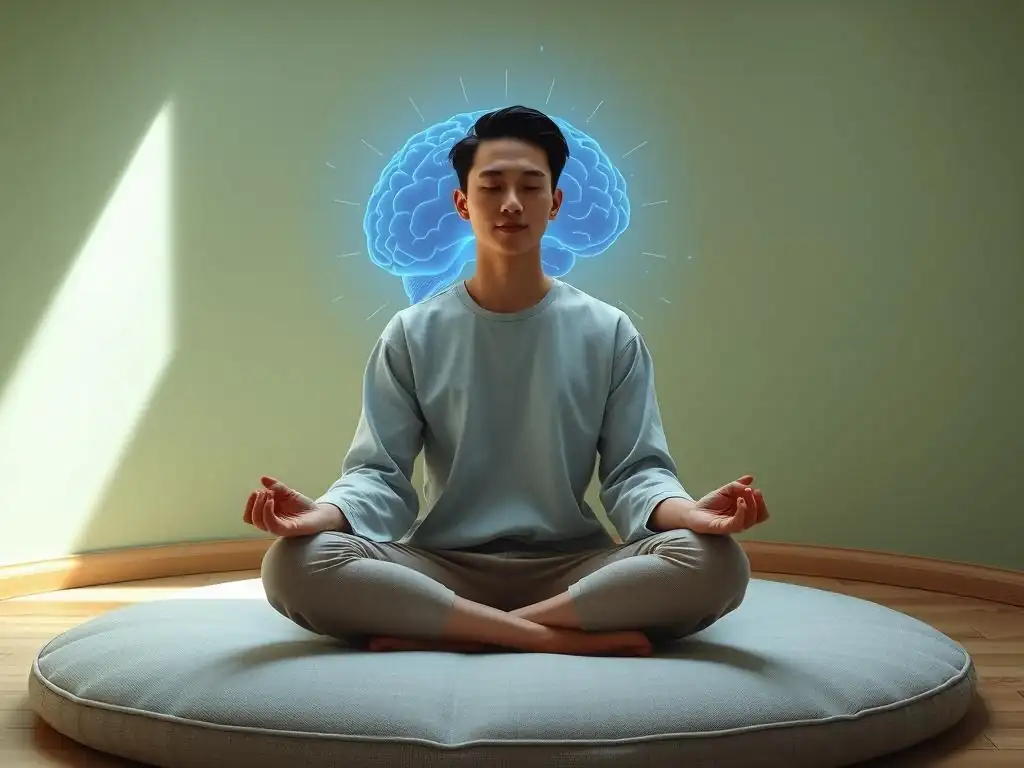
Focused Attention Meditation: Improving Concentration and Reducing Mind-Wandering
Focused Attention (FA) meditation involves directing and sustaining attention on a single object, such as the breath, a mantra, or a candle flame. When the mind inevitably wanders, the practice involves gently noticing the distraction and returning attention to the chosen object. This repetitive process trains the brain's attentional networks, including the dorsolateral prefrontal cortex (DLPFC) and the parietal cortex, which are involved in maintaining focus and disengaging from distractions.
Chronic anxiety is often characterized by excessive mind-wandering, particularly rumination on worries and negative future possibilities. By strengthening the ability to focus and redirect attention through FA meditation, individuals become better equipped to interrupt anxious thought loops. Neuroimaging studies show increased activity and connectivity in attention-related brain areas after FA practice. This enhanced capacity to control attention allows practitioners to choose where to place their mental energy, effectively reducing the time spent dwelling on anxious thoughts and thereby lessening their intensity and frequency, a direct application of mindfulness for anxiety reduction.
Open Monitoring Meditation: Cultivating Awareness of Present Moment Experiences
Open Monitoring (OM) meditation involves attending to whatever arises in conscious experience moment by moment, without focusing on any single object. This includes internal phenomena like thoughts, feelings, and sensations, as well as external stimuli, all observed with non-judgmental awareness. This practice engages broader brain networks compared to FA, including areas associated with self-awareness, emotional processing, and perspective-taking, such as the insula, anterior cingulate cortex (ACC), and medial prefrontal cortex (mPFC).
OM practice cultivates a state of heightened, non-reactive awareness of the present moment. For someone experiencing anxiety, this means observing anxious thoughts or physical sensations as they occur, without getting caught up in their narrative or reacting with fear. Research indicates that OM meditation can lead to increased activity in brain regions that allow for the dispassionate observation of internal states. This enhanced awareness and acceptance of present experience, including discomfort, helps to reduce the struggle against anxiety, often making it less intense and more manageable, serving as a potent form of mindfulness for anxiety reduction.
Walking Meditation: Grounding the Body and Calming the Nervous System
Walking meditation integrates mindful awareness with physical movement. It involves paying attention to the sensations of walking – the lifting and placing of the feet, the movement of the legs, the feeling of contact with the ground, the rhythm of the breath – while maintaining an awareness of the surroundings. This practice grounds the individual in their body and the present physical reality, which can be particularly effective in disrupting anxious thought patterns that often pull the mind into hypothetical futures or past regrets.
From a neuroscientific perspective, combining movement with mindful attention can help integrate activity across different brain regions. Focusing on the physical sensations of walking engages the somatosensory and motor cortices, while maintaining mindful awareness involves the attention networks (PFC, parietal cortex). The rhythmic nature of walking, combined with focused breathing often naturally occurring during movement, can also influence the autonomic nervous system, shifting it towards a more parasympathetic (rest and digest) state, which directly counteracts the sympathetic (fight or flight) activation characteristic of anxiety. This embodied approach offers a dynamic way to use mindfulness for anxiety reduction.
The Neuroscience of Reduced Anxiety: Mindfulness vs. Traditional Therapies
Comparing Brain Activity: Mindfulness vs. Cognitive Behavioral Therapy (CBT) for Anxiety
Both mindfulness-based interventions and Cognitive Behavioral Therapy (CBT) are evidence-based approaches effective for anxiety reduction, but they may achieve this through slightly different neurological pathways or emphases. CBT typically focuses on identifying and challenging distorted thought patterns and maladaptive behaviors. Neuroimaging studies of CBT often show changes in prefrontal cortex activity, suggesting it primarily works through top-down cognitive restructuring.
Mindfulness, while also involving cognitive shifts, places a stronger emphasis on changing the relationship with thoughts and emotions through non-judgmental awareness and acceptance. Research suggests mindfulness practices may induce changes more prominently in areas related to interoception (insula), emotional processing (amygdala, ACC), and attention control (PFC, parietal lobe). While there is considerable overlap and both approaches can lead to similar outcomes in terms of reduced anxiety, mindfulness may offer a distinct path by cultivating present-moment awareness and reducing reactive engagement with anxious content, complementing the cognitive strategies of CBT.
The Benefits of Mindfulness: A Natural Approach to Anxiety Management
Mindfulness offers a natural, non-pharmacological approach to managing anxiety by leveraging the brain's innate capacity for change and adaptation. Instead of solely relying on external interventions, mindful practice empowers individuals to cultivate internal resources for emotional regulation and stress resilience. The neurological changes associated with mindfulness – such as reduced amygdala reactivity, increased PFC control, and enhanced interoception – represent a fundamental shift in how the brain processes and responds to potential threats and stressors.
This internal capacity-building means that the benefits of mindfulness for anxiety reduction extend beyond specific anxious episodes. It fosters a general state of greater emotional balance and resilience, making individuals less susceptible to the onset or severity of future anxiety. Unlike approaches that might primarily target symptoms, mindfulness aims to address the underlying patterns of reactivity and attention that contribute to anxiety, offering a sustainable path towards mental well-being grounded in the natural functioning of the mindful brain.
Long-Term Brain Changes: Sustained Mindfulness Practice and Anxiety Reduction
The neuroplastic changes induced by mindfulness are not merely temporary. Research indicates that sustained and consistent mindfulness practice can lead to enduring structural and functional alterations in the brain. For example, studies comparing long-term meditators to control groups often find significant differences in gray matter volume and connectivity in key brain regions associated with attention, self-awareness, and emotion regulation, differences that are more pronounced with greater meditation experience.
These long-term changes reflect a brain that is structurally and functionally rewired to be less reactive to stress, more skilled at regulating emotions, and more present-focused. For individuals using mindfulness for anxiety reduction, this means that ongoing practice builds a cumulative resilience, making anxiety less likely to take hold and easier to navigate when it does arise. The dedication to a consistent mindfulness practice essentially trains the brain for greater calm and stability over time, offering lasting relief from the burden of chronic anxiety.
Integrating Mindfulness into Daily Life for Optimal Brain Health
Practical Tips for Incorporating Mindfulness into Everyday Activities
Integrating mindfulness beyond formal meditation sessions is crucial for maximizing its benefits for brain health and anxiety reduction. This involves bringing mindful awareness to ordinary activities throughout the day.
- [_] Mindful Eating: Pay attention to the sensations of taste, texture, and smell of your food. Notice the process of chewing and swallowing.
- [_] Mindful Walking: As discussed earlier, focus on the physical sensations of walking.
- [_] Mindful Listening: When talking to someone, fully focus on their words without planning your response.
- [_] Mindful Chores: Bring attention to the physical sensations and actions involved in tasks like washing dishes or folding laundry.
- [_] Mindful Breathing Breaks: Take a few moments several times a day to simply notice your breath.
These small, consistent practices help to weave mindfulness into the fabric of daily life, strengthening the neural pathways associated with present-moment awareness and reducing the brain's default tendency to ruminate or worry. Even brief moments of mindfulness can interrupt stress cycles and reinforce a calmer, more centered state, contributing significantly to managing anxiety.
Mindfulness Apps and Resources: Tools for Tracking Progress and Staying Motivated
In today's digital age, numerous mindfulness apps and online resources can support and enhance practice, particularly for those new to mindfulness for anxiety reduction or seeking to deepen their skills. Apps like Headspace, Calm, or Insight Timer offer guided meditations of varying lengths and themes, including specific sessions for anxiety, stress, and sleep. They can provide structure, guidance, and a sense of community.
These tools can also help track progress, reminding users to practice consistently and offering a variety of techniques to explore. While not a substitute for dedicated practice, they serve as accessible aids for integrating mindfulness into a busy schedule. Utilizing such resources can make starting and maintaining a regular practice more manageable, reinforcing the positive feedback loop between practice and reduced anxiety, and supporting the sustained effort needed for long-term brain changes.
The Importance of Consistency: Building a Sustainable Mindfulness Practice
Just as physical exercise requires consistency to build muscle, mindfulness practice requires regularity to build neural resilience and achieve lasting anxiety reduction. Short, frequent periods of practice are often more beneficial than infrequent, long sessions. Aiming for even 5-10 minutes daily can be more effective than one hour-long session per week. Consistency trains the brain's attention and regulation circuits over time, leading to more robust and enduring neuroplastic changes.
Establishing a routine, even a simple one like mindful breathing for two minutes before starting work or a short body scan before bed, helps solidify the practice. Over time, these consistent efforts accumulate, leading to a gradual but significant shift in how the brain processes stress and anxiety. Building a sustainable mindfulness practice is an investment in long-term brain health and emotional well-being, providing a reliable tool for navigating the challenges of life with greater ease and less anxiety.
Mindfulness and the Vagus Nerve: A Key to Anxiety Reduction
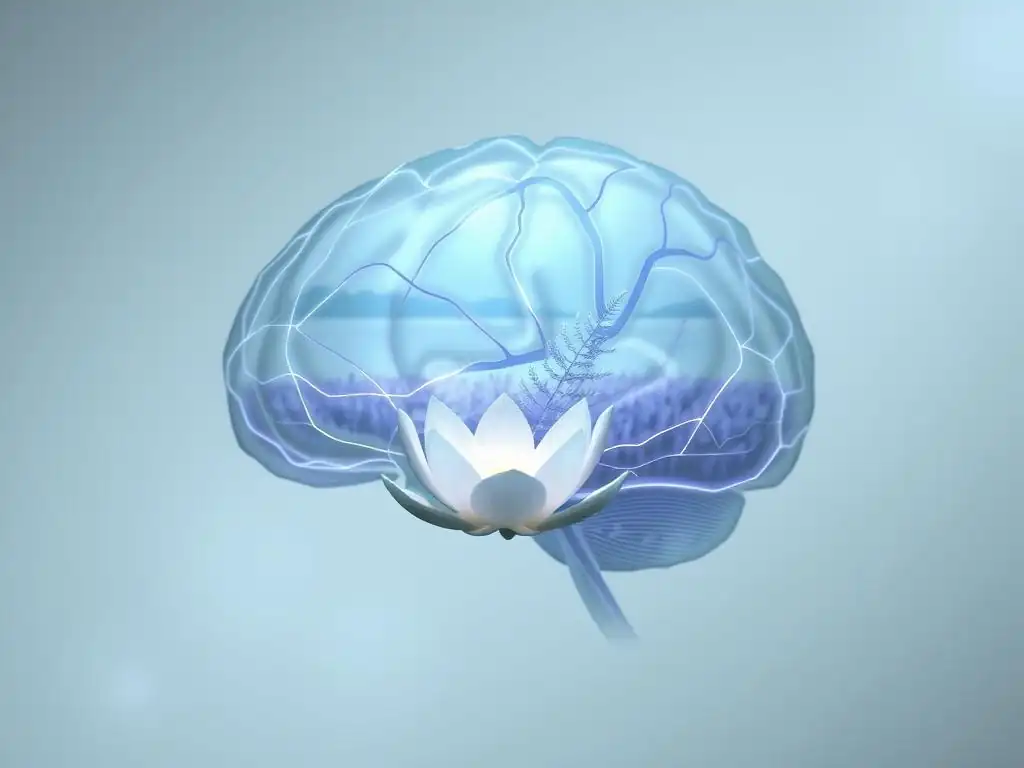
Understanding the Vagus Nerve's Role in the Mind-Body Connection
The vagus nerve is the longest cranial nerve, extending from the brainstem down through the neck, chest, and abdomen, connecting the brain to many vital organs, including the heart, lungs, and digestive system. It is a major component of the autonomic nervous system, playing a crucial role in regulating bodily functions like heart rate, breathing, digestion, and immune response. The vagus nerve acts as a primary communication highway between the mind and the body, profoundly influencing our physiological and emotional states.
Specifically, the vagus nerve is the main nerve of the parasympathetic nervous system, often called the "rest and digest" system. When activated, it promotes relaxation, slows heart rate, lowers blood pressure, and reduces inflammation – effects that are directly opposite to the "fight or flight" response triggered by the sympathetic nervous system during anxiety. Understanding the vagus nerve's function provides a clear physiological link between mental states and physical well-being, highlighting its importance for anxiety reduction.
How Mindfulness Stimulates the Vagus Nerve for Calming Effects
Mindfulness practices, particularly those involving conscious breathing, are powerful stimulators of the vagus nerve. Deep, slow, and rhythmic abdominal breathing, a common element in many mindfulness meditations, sends signals via the vagus nerve to the brain, indicating that the body is safe and relaxed. This signal helps to downregulate the sympathetic nervous system and activate the parasympathetic response, leading to a cascade of calming physiological effects.
Beyond breathing, the non-judgmental awareness cultivated in mindfulness also influences vagal tone. By reducing rumination and reactivity to stressors, mindfulness practice lessens the chronic activation of the sympathetic nervous system, allowing the parasympathetic system, mediated by the vagus nerve, to become more dominant. This shift contributes to a more balanced autonomic state, reducing the physiological arousal associated with anxiety and promoting a sense of calm and groundedness.
Vagal Tone and Anxiety Resilience: Strengthening the Nervous System Through Mindfulness
Vagal tone refers to the activity level of the vagus nerve. A higher vagal tone is associated with better emotional regulation, greater resilience to stress, and a reduced risk of anxiety and depression. It indicates a nervous system that is more flexible and better able to switch between the sympathetic and parasympathetic states as needed, recovering more quickly after a stressful event. Measuring vagal tone, often done through heart rate variability (HRV), can provide insight into the state of the autonomic nervous system.
Consistent mindfulness practice has been shown to increase vagal tone. By regularly engaging in practices that stimulate the vagus nerve, such as mindful breathing and cultivating a non-reactive awareness, individuals can effectively "exercise" their vagus nerve, improving its function over time. This strengthening of vagal tone contributes directly to enhanced resilience against anxiety, allowing the nervous system to maintain balance and recover more efficiently from challenges. This physiological training is a key mechanism through which mindfulness for anxiety reduction yields tangible results.
Common Challenges in Advanced Mindfulness Practice and How to Overcome Them
Dealing with Difficult Emotions: A Neuroscientifically Informed Approach
As mindfulness practice deepens, practitioners inevitably encounter difficult emotions, including anxiety itself, sadness, anger, or fear. The inclination might be to push these feelings away or get lost in them. A neuroscientifically informed approach recognizes that these emotions are associated with specific brain states and physiological responses, often involving the amygdala and other limbic areas. The goal isn't to eliminate these feelings but to change the relationship with them.
Mindfulness teaches us to observe difficult emotions with non-judgmental awareness, recognizing them as transient experiences rather than identifying with them as core aspects of the self. This process, supported by increased activity in the PFC and insula, allows for a metacognitive perspective – observing the emotion without being overwhelmed.
When a wave of anxiety arises, instead of reacting with panic, the mindful practitioner can notice the physical sensations (insula), label the emotion (PFC), and choose not to engage with the accompanying narrative (PFC control over amygdala). This allows the emotion to be experienced without perpetuating the anxiety cycle, a critical skill for applying mindfulness for anxiety reduction in challenging moments.
Overcoming Distractions and Maintaining Focus During Meditation
Distraction is a universal experience in meditation. The mind naturally wanders, pulling attention away from the chosen anchor (like the breath) or the present moment. For someone practicing mindfulness for anxiety reduction, distractions often manifest as anxious thoughts, worries about the future, or ruminations on the past. This isn't a sign of failure but a normal function of the brain's default mode network (DMN), which is active when the mind is not focused on a task.
Overcoming distraction in mindfulness isn't about forcing the mind to be blank, but about the repeated, gentle return of attention. Each time you notice your mind has wandered and bring it back to your focus, you are strengthening the attentional control networks in the brain, particularly the PFC and parietal lobe. This practice trains the brain to disengage from distracting thoughts, including anxious ones, and redirect focus.
Patience and self-compassion are key; acknowledge the distraction without judgment, and simply begin again. This consistent effort builds the mental muscle needed for sustained focus and reduced mind-wandering, which is vital for mitigating anxiety.
Recognizing and Addressing Resistance to Mindfulness Practice
Resistance to mindfulness practice can manifest in many forms: feeling too busy, believing you're "not good" at it, experiencing boredom or frustration, or even finding that practice initially heightens awareness of discomfort or anxiety. This resistance is often the brain's habitual patterns pushing back against the challenge of cultivating new ways of being. The comfort zone, even if it includes anxiety, can feel safer than the unknown territory of change.
Addressing resistance requires acknowledging it with the same non-judgmental awareness applied in meditation. Notice the thoughts ("This is useless," "I don't have time") and feelings ("frustration," "boredom") that arise. Understand that this is part of the process. Remind yourself why you are practicing – for mindfulness for anxiety reduction and greater well-being.
Be flexible with your practice; even a few minutes are beneficial. Consider guided meditations or practicing with others to feel supported. Recognizing resistance as a normal hurdle, rather than a sign to quit, and gently working through it strengthens determination and reinforces the commitment to building a more mindful, less anxious brain.
Conclusion: The Future of Mindfulness and Brain Health for Anxiety Relief
Frequently Asked Questions
How does mindfulness specifically help reduce anxiety?
Mindfulness helps reduce anxiety by training your brain to focus on the present moment, rather than dwelling on future worries or past regrets. This shift in focus can interrupt the cycle of anxious thoughts.
What part of the brain does mindfulness primarily affect in anxiety reduction?
Mindfulness practice has been shown to affect several brain regions, but particularly the amygdala, which is involved in processing emotions like fear and anxiety. Regular practice can reduce amygdala activity, leading to a calmer state.
Is mindfulness a quick fix for anxiety, or does it require consistent practice?
Mindfulness is not a quick fix. While some immediate relief may be felt, sustained anxiety reduction requires consistent, regular practice. It's a skill that develops over time with dedication and patience.
Are there different types of mindfulness practices that are more effective for anxiety?
Yes, various mindfulness techniques exist. Mindful breathing exercises and body scan meditations are often particularly effective for anxiety. Experiment to find what resonates best with you.
Can mindfulness completely eliminate anxiety, or is it more about managing it?
Mindfulness is primarily about managing anxiety, not necessarily eliminating it entirely. It equips you with tools to cope with anxious feelings and reduce their impact on your life.
Final Reflection: Cultivating Inner Peace Through Neuroscience
The science of mindfulness is no longer a fringe concept; it's a powerful tool readily available to combat the pervasive anxiety of modern life. Understanding the neural pathways affected by mindful practices offers not just theoretical knowledge, but a practical roadmap to cultivate inner calm and resilience. This understanding empowers us to actively shape our brain's response to stress, moving beyond passive coping mechanisms.
The journey into the mindful brain has profoundly impacted my own understanding of anxiety and its management. It's not simply about "thinking positive"; it's about actively reshaping the neural architecture of our stress response. The mind is everything. What you think you become.
– Buddha. This ancient wisdom finds powerful corroboration in modern neuroscience, highlighting the profound interconnectedness of our thoughts, feelings, and physiological responses. The ongoing research in this field continues to illuminate the transformative potential of mindfulness, offering hope and practical strategies for navigating the challenges of daily life.
You now possess the knowledge to harness the power of your own brain. Consider incorporating even small amounts of mindful practice into your daily routine – a few minutes of deep breathing, a moment of focused attention on your senses, or a brief meditation. These seemingly small acts can accumulate into significant shifts in your perception of stress and anxiety, leading to a more peaceful and fulfilling life. Begin your journey today; your mindful brain awaits.
Unlock Your Brain's Potential: Start Your Mindful Journey Now!
Thanks for exploring the neuroscience of mindful practice with us! You've now gained valuable insights into how to enhance your brain's capacity for focus, calmness, and well-being. Let's put this knowledge into action.
- Begin your personal mindfulness practice today: Start with just 5 minutes of quiet reflection – notice your breath, your body, and the present moment. Even a short session can make a difference!
- Share your experience: Tell a friend about your journey into mindfulness – their support can strengthen your commitment.
- Explore a new mindfulness technique: Try a guided meditation, mindful movement, or nature walk to discover what resonates with you. Find what suits your lifestyle best!
What small step will you take today to cultivate more mindful moments in your life?