
Yoga for Chronic Stress: A LongTerm Solution

Welcome to Mind Care Guide.
Feeling overwhelmed by the relentless grip of chronic stress? You're not alone. At Mind Care Guide, we understand the challenges you face, and we're here to help you discover pathways to lasting well-being. In this article, we delve into a powerful, time-tested practice: yoga. Could this ancient discipline be the key to finally unlocking a life with less stress and more peace? Explore how yoga can reduce chronic stress and learn practical techniques to integrate it into your daily routine. Your journey to inner calm starts now.
Yoga for Chronic Stress: A Long-Term Solution | Mind Care Guide
- Understanding Chronic Stress and Its Impact on Mental Well-being
- The Science Behind Yoga's Stress-Reducing Benefits
- Yoga Poses for Chronic Stress Relief: A Practical Guide
- Creating a Sustainable Yoga Practice for Long-Term Stress Management
- Beyond the Mat: Complementary Strategies for Chronic Stress Reduction
- Yoga for Stress Reduction: Real-Life Success Stories
- Resources for Further Learning About Yoga and Stress Management
- Conclusion: Embracing Yoga as a Path to Long-Term Stress Relief and Mental Well-being
-
Frequently Asked Questions
- How does yoga help reduce chronic stress?
- How often should I practice yoga to see a reduction in chronic stress?
- What types of yoga are most effective for reducing chronic stress?
- Can yoga completely eliminate chronic stress?
- Are there any precautions I should take before starting yoga for chronic stress?
- Final Reflection: Finding Peace in the Present Moment
- Unwind and Thrive: Your Journey to Stress-Free Living Starts Now
Understanding Chronic Stress and Its Impact on Mental Well-being
Defining Chronic Stress: Persistent Activation of the Stress Response
Stress is a natural physiological response to demanding situations. Acute stress is a short-term reaction, like the jolt of adrenaline when narrowly avoiding an accident. Chronic stress, however, is the result of prolonged exposure to stressors without periods of relief. This can stem from ongoing work pressures, relationship difficulties, financial worries, or persistent health issues. Unlike acute stress, which is temporary and can even be beneficial in spurts, chronic stress keeps the body's stress response system, particularly the hypothalamic-pituitary-adrenal (HPA) axis, constantly activated.
This persistent activation means that hormones like cortisol and adrenaline remain elevated for extended periods. While useful for immediate threats, continuously high levels of these hormones can disrupt numerous bodily functions. Imagine your body's alarm system being stuck in the 'on' position; it's exhausting and damaging over time. Recognizing the difference between transient stress and this pervasive, long-term state is the first step in seeking effective solutions, and many are turning to practices like yoga reduce chronic stress effectively.
The Detrimental Effects of Chronic Stress on Mental Health
The impact of chronic stress on mental health is profound and well-documented. Prolonged exposure to high stress levels is a significant risk factor for developing or worsening conditions such as anxiety disorders, depression, and burnout. Studies have indicated that individuals experiencing chronic stress are significantly more likely to report symptoms of depression and generalized anxiety. For example, research often shows a correlation where those reporting high levels of persistent stress have elevated rates of mood and anxiety disorders compared to less stressed populations.
Beyond diagnosable conditions, chronic stress impairs cognitive functions essential for daily life. Concentration, memory, and decision-making abilities can all suffer. Many people experiencing chronic stress report feeling overwhelmed, irritable, and emotionally drained. It can also lead to a sense of helplessness or hopelessness, further exacerbating feelings of depression and isolating individuals from supportive social networks. Addressing this pervasive state is critical for restoring mental equilibrium and overall well-being.
How Yoga Can Help Manage and Reduce Chronic Stress
Yoga offers a holistic approach to managing chronic stress by addressing both its physical and mental manifestations. Unlike methods that might only target symptoms, a consistent yoga practice works on multiple levels to help soothe the nervous system and build resilience. The combination of physical postures (asanas), breath control (pranayama), and meditation or mindfulness components provides a powerful toolkit for combating the effects of persistent stress.
Regular engagement in yoga can help interrupt the chronic stress cycle. By consciously slowing down, focusing on the breath, and moving the body gently or dynamically, practitioners can signal to their nervous system that they are safe, shifting out of the 'fight or flight' response. This mind-body connection is central to how yoga reduce chronic stress over time, offering not just temporary relief but a sustainable strategy for building inner calm and coping mechanisms.
The Science Behind Yoga's Stress-Reducing Benefits
Yoga and the Nervous System: Calming the Fight-or-Flight Response
One of the primary ways yoga helps manage chronic stress is by influencing the autonomic nervous system (ANS). The ANS controls involuntary bodily functions like heart rate, breathing, and digestion, and it has two main branches: the sympathetic (responsible for the 'fight or flight' response) and the parasympathetic (responsible for 'rest and digest'). Chronic stress keeps the sympathetic system in overdrive.
Yoga practices, particularly those focusing on slow movements and deep, conscious breathing, stimulate the parasympathetic nervous system. This helps to lower heart rate, reduce blood pressure, and promote a state of calm. The emphasis on breathwork, like slow diaphragmatic breathing, directly activates the vagus nerve, a key component of the parasympathetic system. This physiological shift is a crucial mechanism through which consistent yoga reduce chronic stress and helps restore the body's natural balance.
Yoga's Impact on Cortisol Levels: Reducing the Stress Hormone
Cortisol, often referred to as the primary stress hormone, is released by the adrenal glands in response to stress. While essential for short-term survival, chronically elevated cortisol levels can suppress the immune system, disrupt sleep patterns, impair cognitive function, and contribute to weight gain and other health issues. Managing cortisol is key to mitigating the long-term damage of chronic stress.
Numerous studies have investigated the link between yoga practice and cortisol levels. While results can vary, many research findings indicate that regular yoga participants tend to have lower baseline cortisol levels compared to non-practitioners. For instance, a study published in the Journal of Alternative and Complementary Medicine found that participants who engaged in a regular yoga program showed a significant decrease in evening cortisol levels after several months. This evidence suggests that yoga offers a tangible physiological benefit in reducing the body's hormonal response to chronic stress.
Yoga and Mindfulness: Cultivating Present Moment Awareness
A core component integrated into most yoga styles is mindfulness – the practice of paying attention to the present moment without judgment. Chronic stress often involves excessive worry about the future or rumination on the past. Mindfulness helps to break this cycle by anchoring awareness in the here and now, typically through focusing on the breath, bodily sensations, or the process of movement itself.
By encouraging practitioners to notice physical sensations, thoughts, and emotions as they arise without getting swept away by them, yoga cultivates emotional regulation skills. This ability to observe one's internal state with a degree of detachment is incredibly powerful in managing the overwhelming feelings associated with chronic stress. Regular mindful movement on the mat trains the brain to be less reactive and more present, building mental resilience that extends far beyond the yoga session, helping individuals cope more effectively with daily stressors and allowing yoga reduce chronic stress's psychological grip.
Yoga Poses for Chronic Stress Relief: A Practical Guide
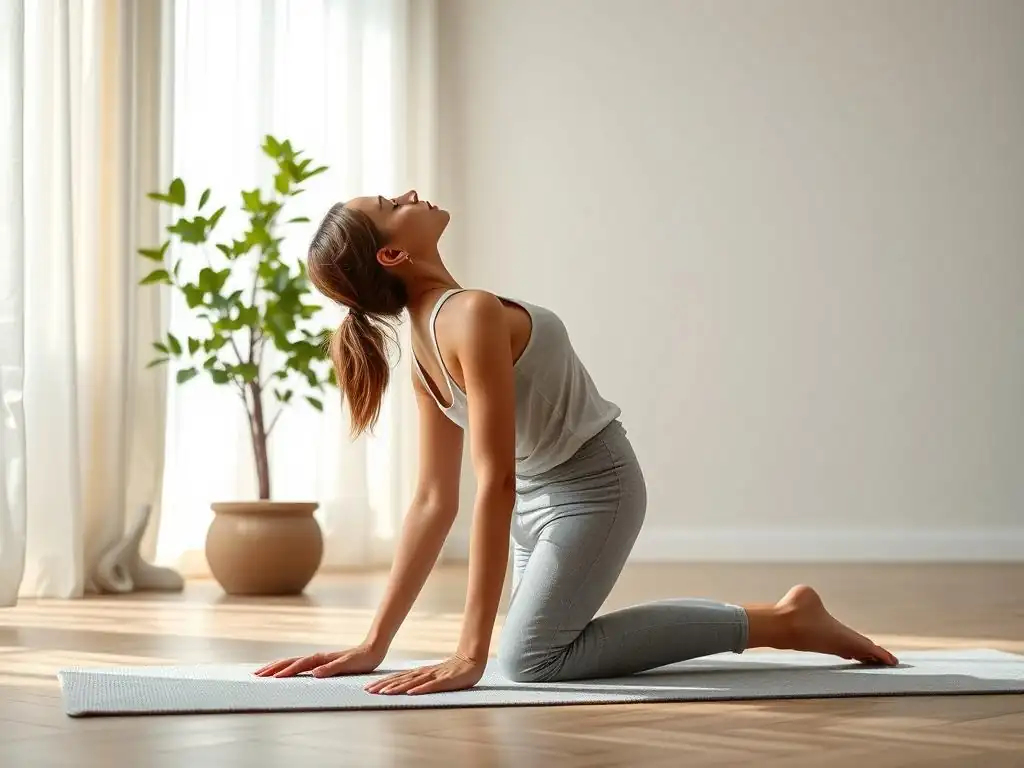
Gentle Yoga Poses for Beginners: Starting Your Journey to Stress Reduction
Starting a yoga practice doesn't require complex postures or flexibility. Gentle, accessible poses are incredibly effective for calming the nervous system and releasing tension, making them ideal for beginners seeking to use yoga reduce chronic stress.
Child's Pose (Balasana): A Grounding and Relaxing Posture
Child's Pose is a fundamental resting posture that offers a sense of comfort and surrender. From a kneeling position, sit back on your heels (or use a block between them), fold forward, resting your torso on your thighs, and extend your arms forward or back alongside your body. Your forehead rests on the mat. This pose gently stretches the back and hips while providing a calming, inward focus. Holding this pose for several minutes, focusing on your breath, can significantly reduce feelings of anxiety and promote a sense of grounding.
Legs-up-the-Wall Pose (Viparita Karani): Easing Tension and Promoting Relaxation
This restorative pose is excellent for calming the nervous system and relieving fatigue in the legs and feet, often areas that hold tension from chronic stress. To practice, sit sideways near a wall, then swing your legs up the wall as you lie back on your mat. Position your hips close to the wall (or a few inches away if more comfortable).
Rest your arms out to the sides or on your belly. This gentle inversion helps to regulate blood pressure and heart rate, creating a deeply relaxing effect that can melt away physical and mental tension. Aim to stay in this pose for 5-15 minutes.
Corpse Pose (Savasana): Deep Relaxation and Stress Release
Savasana is arguably the most important pose for stress reduction, yet often the most challenging for those with racing minds. It involves lying flat on your back, arms resting alongside your body palms up, legs extended naturally with feet falling open. The goal is complete physical stillness and mental relaxation.
Use props like a blanket under your head or knees for comfort. Allowing the body and mind to fully relax and integrate the benefits of the practice in Savasana helps release deep-seated tension and promotes a sense of peace. Dedicate at least 5-10 minutes to this pose at the end of your practice.
Intermediate Yoga Poses for Deeper Stress Reduction
Once comfortable with basic poses, intermediate postures can offer new ways to explore movement and deepen the stress-reducing benefits of yoga.
Forward Fold (Uttanasana): Releasing Tension in the Back and Neck
Standing Forward Fold is a simple yet powerful pose for releasing tension often held in the back of the body, neck, and shoulders due to stress. From a standing position, hinge at your hips and fold forward, allowing your head to hang heavy. You can keep a generous bend in your knees, especially initially. This inversion allows blood flow to the head, which can be calming, while the stretch along the hamstrings and spine helps release physical tightness. Holding the pose and breathing deeply encourages the nervous system to relax.
Bridge Pose (Setu Bandhasana): Relieving Anxiety and Mild Depression
Bridge Pose is a gentle backbend that can be uplifting and help counter feelings of anxiety or lethargy associated with chronic stress. Lie on your back with knees bent, feet flat on the floor hip-width apart, and heels close to your sit bones. Pressing into your feet, lift your hips off the floor. You can clasp hands underneath your back or keep arms alongside your body. This pose opens the chest and front of the body, which can feel constricting during stress, and stimulates abdominal organs. It promotes a sense of expansion and can help shift mood.
Cat-Cow Pose (Marjaryasana to Bitilasana): Gentle Spinal Movement for Stress Relief
Performed on your hands and knees, the flowing movement between Cat and Cow poses is excellent for releasing tension throughout the spine and linking breath to movement, promoting mindfulness. On an inhale, drop your belly, arch your back, and look up (Cow). On an exhale, round your spine, tuck your chin to your chest, and draw your navel in (Cat). Repeating this fluid motion for several breaths helps to lubricate the spine, release muscular tension, and creates a rhythmic, calming effect.
Advanced Yoga Poses for Managing Chronic Stress
More advanced poses can offer increased focus and physical challenge, which some find helps quiet a busy mind. However, these require strength, flexibility, and crucially, expert guidance to prevent injury.
Supported Headstand (Salamba Sirsasana) - [Caution & Proper Guidance Required]
Supported Headstand is a significant inversion that requires proper alignment and strength. While some find inversions calming and beneficial for circulation, the risk of neck injury is high without qualified instruction. It is strongly recommended to learn this pose under the direct supervision of an experienced yoga teacher who can guide you safely and provide modifications or alternatives.
Shoulderstand (Sarvangasana) - [Caution & Proper Guidance Required]
Shoulderstand, another inversion, is often called the "queen of all poses" and is believed to have numerous benefits, including calming the brain and relieving stress. However, like Headstand, it places considerable pressure on the neck and requires careful entry and exit. Attempting Shoulderstand without proper guidance from a qualified instructor is ill-advised due to the potential for serious injury. Always prioritize safety and seek expert teaching for advanced postures.
Creating a Sustainable Yoga Practice for Long-Term Stress Management
Finding the Right Yoga Style for Your Needs and Preferences
The world of yoga encompasses a variety of styles, each with a different pace and focus. To effectively use yoga reduce chronic stress over the long term, finding a style that resonates with you is key. If you feel overwhelmed and need to calm down, restorative yoga, Yin yoga, or gentle Hatha yoga might be ideal, focusing on long holds, passive stretches, and deep relaxation. If you feel stagnant or need to release pent-up energy, a more dynamic style like Vinyasa or Ashtanga might be beneficial, provided it doesn't increase your stress levels.
Consider your current physical condition, energy levels, and what you hope to gain from the practice. Trying out introductory classes in different styles can help you discover what feels right for your body and mind. Some enjoy the structure of Hatha, others the flow of Vinyasa, and still others the deep stretching of Yin. The "best" style is the one you will consistently practice, as regularity is paramount for leveraging yoga reduce chronic stress effectively.
Establishing a Consistent Yoga Routine: Tips for Success
Consistency is far more important than intensity when using yoga for chronic stress management. A short, regular practice is more beneficial than infrequent long sessions. Start realistically; even 10-15 minutes a few times a week can make a difference. Schedule your yoga sessions like any other important appointment to make them a priority. Whether it's first thing in the morning, during a lunch break, or in the evening to wind down, find a time that works best for you and try to stick to it.
Create a dedicated space for your practice, even if it's just a corner of a room where you can unroll your mat without distractions. Having a designated area makes it easier to start. Be flexible and compassionate with yourself; if you miss a session, don't dwell on it, just get back on the mat for the next one. Consider using online resources or apps for guided practices, which can help maintain motivation and provide structure. Building this habit is a powerful step towards allowing yoga reduce chronic stress on a daily basis.
Integrating Mindfulness and Meditation into Your Yoga Practice
While physical postures are a key part of yoga, incorporating explicit mindfulness and meditation techniques can significantly enhance its stress-reducing power. Pay attention to your breath throughout your yoga poses – noticing its rhythm and depth. Use the breath as an anchor to stay present, especially during challenging moments in a pose or when your mind wanders. This conscious breathing, known as pranayama, directly impacts the nervous system, promoting calm.
Beyond the physical practice, dedicate a few minutes before or after your asana session to seated meditation. Even 5-10 minutes of focused breathing or simply observing your thoughts without judgment can deepen the benefits of your yoga practice. This combination of mindful movement and seated meditation strengthens your ability to manage internal stress responses and cultivate a sense of inner peace.
Listening to Your Body: Avoiding Injury and Promoting Self-Care
A crucial aspect of a sustainable yoga practice, especially when dealing with chronic stress which can manifest as physical tension and fatigue, is learning to listen to your body. Yoga is not a competition; it's a practice of self-discovery and self-care. Pay attention to sensations without pushing into pain. Use props like blocks, blankets, and straps to support your body and make poses accessible and comfortable.
Honoring your body's limits on any given day is an act of self-compassion, which is vital for stress recovery. Some days you might have more energy for dynamic movement, while others require gentle stretches and restorative poses. Avoid comparing yourself to others and release the need to perform. This mindful approach to physical practice prevents injury and reinforces the message that it's okay to rest and care for yourself – a powerful antidote to the relentless pressure often associated with chronic stress.
Beyond the Mat: Complementary Strategies for Chronic Stress Reduction
While yoga is a powerful tool, managing chronic stress effectively often requires a multi-faceted approach that includes other lifestyle factors. Integrating these complementary strategies can significantly enhance the benefits of your yoga practice.
The Importance of Diet and Nutrition in Stress Management
What you eat profoundly impacts your mood, energy levels, and ability to cope with stress. Chronic stress can disrupt digestion and lead to nutrient depletion. Focusing on a balanced diet rich in whole foods, fruits, vegetables, lean proteins, and healthy fats provides the necessary building blocks for optimal brain function and stress resilience. Foods high in omega-3 fatty acids, magnesium, and B vitamins are particularly beneficial.
Conversely, relying on processed foods, excessive sugar, and caffeine can exacerbate stress symptoms, leading to energy crashes and mood swings. Staying well-hydrated throughout the day is also crucial, as dehydration can increase cortisol levels and contribute to fatigue and irritability. Nourishing your body supports your mental state and strengthens your capacity to handle stress.
The Role of Sleep in Chronic Stress Recovery
Adequate, quality sleep is fundamental to both physical and mental health, and its disruption is a common symptom and cause of chronic stress. When you're sleep-deprived, your body produces more stress hormones, and your ability to manage daily challenges decreases. Aiming for 7-9 hours of sleep per night is essential for recovery and resilience.
Establishing a consistent sleep schedule, even on weekends, helps regulate your body's internal clock. Creating a relaxing bedtime routine – perhaps including gentle yoga or meditation – can signal to your body that it's time to wind down. Minimizing screen time before bed and ensuring your bedroom is dark, quiet, and cool also contribute to better sleep hygiene. Prioritizing sleep is a non-negotiable step in recovering from and managing chronic stress.
Humans are social creatures, and connection is a powerful buffer against stress. Chronic stress can sometimes lead to withdrawal and isolation, but maintaining and nurturing supportive relationships is vital for mental well-being. Talking about your feelings with trusted friends, family members, or a therapist can provide perspective and reduce the burden of stress.
Spending time with people who uplift you and make you feel understood triggers the release of oxytocin, a hormone that promotes bonding and has a calming effect, counteracting the effects of stress hormones like cortisol. Engaging in community activities or joining groups, including yoga classes, can also provide a sense of belonging and support. Building and maintaining a strong social network is an essential component of a holistic stress management plan.
Yoga for Stress Reduction: Real-Life Success Stories

Sarah's Journey: Overcoming Burnout with Consistent Yoga Practice
Sarah, a 38-year-old marketing manager, came to yoga after experiencing severe burnout. Working 60+ hours a week, she constantly felt overwhelmed, struggled with insomnia, and experienced frequent panic attacks. Her doctor noted elevated blood pressure and suggested lifestyle changes, including stress management. Skeptical but desperate, Sarah signed up for a beginner Hatha yoga class at a local studio.
Initially, she found it difficult to quiet her mind, her thoughts racing during Savasana. However, she committed to attending class twice a week and practicing simple breathing exercises for 10 minutes daily at home. Within two months, Sarah noticed small shifts: she felt slightly less reactive to workplace pressures, and her sleep began to improve marginally. After six months of consistent practice, including incorporating restorative poses on weekends, the changes were significant.
Her panic attacks had reduced from several a week to perhaps one or two a month. She reported feeling more present, less irritable, and better equipped to handle demanding situations. Her blood pressure had also decreased. Sarah credits her regular yoga practice with not only helping her recover from burnout but also building resilience that fundamentally changed how she navigated stress, proving that yoga reduce chronic stress effectively over time.
Resources for Further Learning About Yoga and Stress Management
Recommended Books and Websites
Exploring reputable resources can deepen your understanding of how yoga and mindfulness can support mental well-being. Look for books by experienced yoga therapists or authors who focus on the therapeutic applications of yoga. Websites from established mental health organizations, yoga therapy associations, or well-regarded yoga schools often provide valuable information on using yoga reduce chronic stress and improve overall mental health.
Local Yoga Studios and Instructors
Finding a qualified yoga instructor, especially one with experience in trauma-informed yoga or yoga for mental health, can provide personalized guidance. Visit local yoga studios, inquire about classes specifically designed for stress reduction or relaxation, and don't hesitate to talk to instructors about your goals and any concerns you may have. Many studios offer introductory passes allowing you to sample different classes and teachers.
Conclusion: Embracing Yoga as a Path to Long-Term Stress Relief and Mental Well-being
Chronic stress is a pervasive challenge in modern life with significant consequences for mental health. While there's no single magic bullet, yoga offers a powerful, evidence-informed approach to mitigating its effects. By calming the nervous system, reducing stress hormones like cortisol, cultivating mindfulness, and releasing physical tension, a consistent yoga practice provides a sustainable method to manage and reduce chronic stress.
Integrating yoga into your life, alongside other healthy habits like good nutrition, adequate sleep, and social connection, creates a robust foundation for resilience. Starting with gentle poses, finding a style that suits you, and committing to a regular routine are achievable steps toward harnessing the profound benefits of yoga for long-term stress relief and enhanced mental well-being. Embracing yoga can be a transformative journey towards reclaiming peace and balance in your life.
Frequently Asked Questions
How does yoga help reduce chronic stress?
Yoga helps by combining physical postures, pranayama (breathing techniques), and meditation to calm the nervous system and reduce cortisol levels, the stress hormone. This promotes a state of relaxation and well-being.
How often should I practice yoga to see a reduction in chronic stress?
Consistency is key. Aim for at least 3-5 sessions per week, each lasting 30-60 minutes. Over time, this regularity helps build resilience to stress and promote long-term benefits.
What types of yoga are most effective for reducing chronic stress?
Gentle and restorative styles like Hatha, Yin, and Restorative yoga are highly recommended. These styles emphasize relaxation and mindfulness, promoting a parasympathetic response to counteract stress.
Can yoga completely eliminate chronic stress?
While yoga is a powerful tool, it's not a cure-all. It can significantly reduce stress levels and improve coping mechanisms, but a holistic approach including other lifestyle changes may be needed for complete management.
Are there any precautions I should take before starting yoga for chronic stress?
Yes. It's important to consult with your doctor before starting any new exercise program, especially if you have underlying health conditions. Also, inform your yoga instructor about your stress and any physical limitations.
Final Reflection: Finding Peace in the Present Moment
The relentless pace of modern life leaves many of us grappling with chronic stress, a silent epidemic impacting our physical and mental well-being. This article explored the profound potential of yoga as a long-term solution, moving beyond quick fixes to address the root causes of stress and cultivate lasting resilience. The evidence is clear: consistent yoga practice offers a powerful antidote to the pervasive anxieties of our time.
The journey of integrating yoga into my own life has been transformative, revealing a deeper connection to my body and a newfound ability to navigate stressful situations with greater ease. It's not just about the physical postures; it's about cultivating mindfulness, self-awareness, and a sense of inner peace. As B.K.S. Iyengar wisely stated, Yoga is a light, which once lit, will never dim. The better your practice, the brighter your flame.
This resonates deeply, highlighting the cumulative benefits of consistent practice and the ongoing journey of self-discovery that yoga offers.
Now, consider your own relationship with stress. What practices currently help you manage it? How might incorporating even a small amount of yoga into your daily routine – a few sun salutations, some deep breathing exercises – shift your perspective and enhance your overall well-being? I encourage you to explore this ancient practice, not as a quick fix, but as a pathway to a more balanced, peaceful, and resilient you. Begin your journey today; your future self will thank you.
Unwind and Thrive: Your Journey to Stress-Free Living Starts Now
Thanks for taking the time to explore the power of yoga in managing chronic stress. You've gained valuable insights into a practice that can profoundly impact your well-being. Now, let's put that knowledge into action!
- Begin your personalized yoga journey: Identify one yoga pose from the article that resonates with you and practice it daily for a week. Notice how your body and mind respond.
- Share your experience: Tell us (or a friend!) about your progress and what challenges or breakthroughs you encounter. Your insights can inspire others!
- Explore a local yoga studio: Find a class that matches your fitness level and experience. Connecting with a community can amplify your practice's benefits.
Ready to feel the difference yoga can make in your life? What small step will you take today to prioritize your well-being?