
The Role of Family: Creating a Supportive Environment for Anxious Seniors

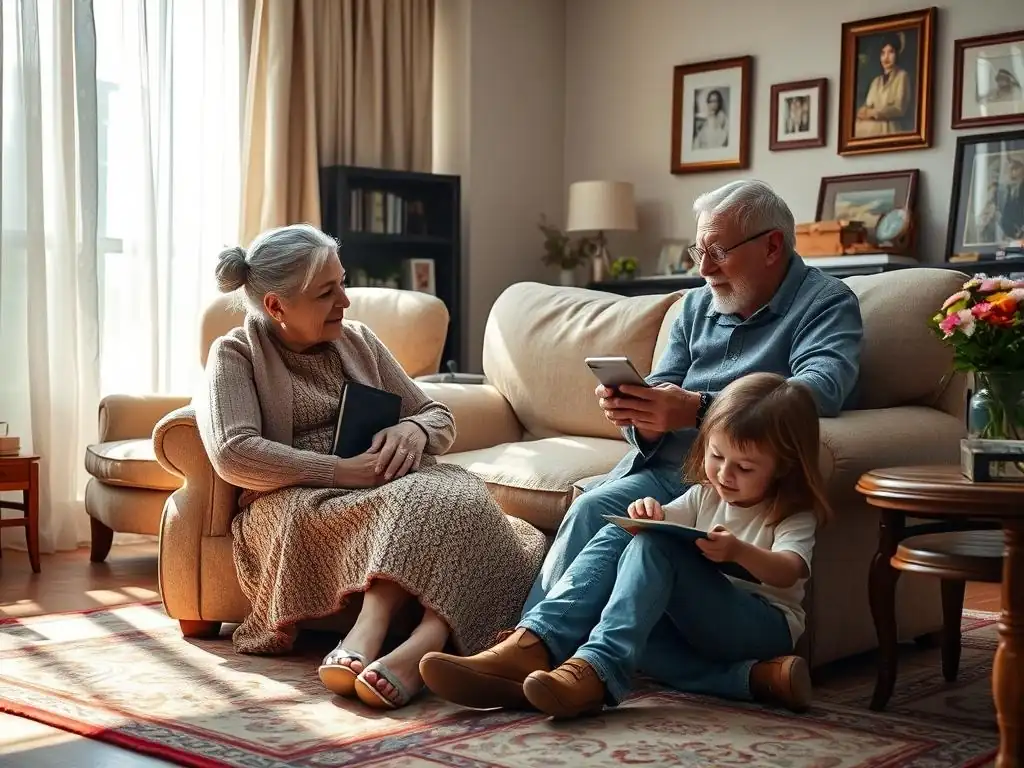
Welcome to Mind Care Guide, a place dedicated to nurturing your mental well-being. Feeling overwhelmed or unsure how to help a loved one struggling with anxiety? It's a common feeling, and you're not alone. This article delves into the vital role of family support for anxious seniors, offering practical insights and strategies to build a stronger, more supportive environment. Discover how even small changes can make a profound difference in their lives... and yours. Let's explore how we can work together to ease their anxieties and cultivate a sense of peace and security.
- The Role of Family: Creating a Supportive Environment for Anxious Seniors - Mind Care Guide
- Identifying Anxiety in Senior Loved Ones: Signs and Symptoms
- How Family Support Can Alleviate Anxiety in Seniors
-
Specific Strategies for Family Members to Support Anxious Seniors
- Active Listening and Validation: Making Seniors Feel Heard and Understood
- Creating a Calm and Predictable Home Environment
- Promoting Healthy Habits: Diet, Exercise, and Sleep for Senior Anxiety Relief
- Encouraging Social Engagement and Meaningful Activities
- Educating Yourself About Senior Anxiety: Understanding the Condition
- Overcoming Challenges in Providing Family Support for Anxious Seniors
- Resources for Families Supporting Anxious Seniors
- The Long-Term Benefits of Strong Family Support for Senior Mental Wellbeing
- Conclusion: Empowering Families to Make a Difference in the Lives of Anxious Seniors
-
Frequently Asked Questions
- What specific actions can family members take to reduce anxiety in senior relatives?
- How important is communication in supporting anxious seniors within a family?
- What resources are available for families struggling to support an anxious senior?
- What are some common signs of anxiety in seniors that families should be aware of?
- How can family members balance providing support with encouraging independence in anxious seniors?
- Final Reflection: Weaving a Safety Net of Support for Anxious Seniors
- Unlock Your Senior's Potential: Nurture and Thrive Together
The Role of Family: Creating a Supportive Environment for Anxious Seniors - Mind Care Guide
Why Anxiety is More Prevalent in Senior Years
Anxiety is a common mental health challenge, and while it can affect anyone, it often presents unique complexities in older adults. The later years of life bring significant transitions that can naturally heighten stress and lead to increased anxiety. These transitions might include retirement, which alters daily routines and social connections, or navigating a changing physical landscape where mobility or health issues become more prominent.
Data suggests that while major depressive disorder might be less reported in older adults compared to younger populations, anxiety disorders remain significantly prevalent, affecting potentially 10-20% of the senior population depending on the specific disorder and diagnostic criteria used. Understanding why anxiety might surface or intensify during this period is the first step for families providing effective support for anxious seniors.
Furthermore, the cumulative effect of life's challenges can weigh heavily. Decades of experiences, both positive and negative, shape an individual's coping mechanisms. In older age, these mechanisms might be tested by new stressors that were not anticipated or for which previous coping strategies are no longer effective.
For instance, dealing with the loss of peers or grappling with the practicalities of managing chronic conditions can create persistent worry. This susceptibility is not a sign of weakness but rather a reflection of the significant life changes being navigated. Recognizing these underlying factors is crucial for family members seeking to provide compassionate and informed family support for anxious seniors, ensuring their efforts are targeted and truly helpful.
Unique Challenges Faced by Anxious Seniors (e.g., Loss of spouse, Chronic Illness)
Anxious seniors often face distinct challenges that exacerbate their mental health struggles. One of the most profound is the experience of loss. The death of a spouse, siblings, or close friends is unfortunately common in later life, leading to intense grief, isolation, and a deep sense of insecurity about the future.
A study might indicate that widowhood, for example, is strongly correlated with increased rates of anxiety and depression in the first year following the loss. This type of significant life event can trigger or worsen existing anxiety, making it difficult for seniors to re-engage with life or find comfort. Providing family support for anxious seniors navigating such grief requires immense patience and understanding.
Beyond emotional loss, physical health challenges present another significant hurdle. Chronic illnesses such as heart disease, diabetes, or arthritis are prevalent in older adults and can cause persistent pain, limit independence, and lead to constant worry about health status and future decline. The anxiety might stem from managing complex medication regimens, fearing falls or other accidents, or worrying about becoming a burden to family.
For example, an older adult with a heart condition might experience heightened anxiety with any physical exertion, fearing it could trigger symptoms. Addressing these intertwined physical and mental health concerns is vital, and effective family support for anxious seniors involves acknowledging and helping to manage both aspects.
The Critical Role of Family Support Systems for Senior Mental Health
Family serves as a primary buffer against the challenges of aging, especially concerning mental health. For anxious seniors, the presence of a supportive family network can mean the difference between managing anxiety effectively and experiencing severe decline. Family members provide emotional connection, reducing feelings of loneliness which are strongly linked to increased anxiety and depression in older adults.
Research consistently shows that strong social connections, often centered around family, are protective factors against mental health issues. The simple act of regular visits, phone calls, or shared meals can provide a sense of belonging and security that counteracts the isolation many seniors face.
Moreover, family members often serve as crucial advocates and practical helpers. They can assist with tasks that become difficult due to age or anxiety, such as managing appointments, handling finances, or navigating transportation. This practical support alleviates significant stressors that can fuel anxiety.
For instance, knowing a family member will accompany them to a doctor's appointment can ease the anxiety associated with medical visits. Furthermore, families are often the first to notice signs of distress and can encourage or facilitate access to professional help. Their consistent presence and willingness to engage make family support for anxious seniors not just beneficial, but often indispensable for maintaining mental wellbeing and quality of life.
Identifying Anxiety in Senior Loved Ones: Signs and Symptoms
Recognizing the Behavioral Signs of Anxiety in Elderly Family Members
Identifying anxiety in older adults can sometimes be challenging as symptoms can overlap with other conditions or be mistaken for normal signs of aging. However, certain behavioral patterns are strong indicators. Anxious seniors might exhibit excessive worry about everyday things, far beyond typical concerns. This worry can manifest as constantly seeking reassurance, repeatedly checking locks or appliances, or an inability to relax or sit still. They might become unusually restless or agitated, pacing or fidgeting more than usual.
Another key behavioral sign is avoidance. Seniors experiencing anxiety might start avoiding social situations they once enjoyed, withdrawing from friends and family gatherings. They might refuse to leave the house or avoid specific places or activities that trigger their fears, such as driving or going to crowded stores. Increased irritability or a tendency to become easily frustrated can also be a sign, as anxiety can make individuals feel on edge. Noticing these changes in behavior and understanding them as potential indicators of anxiety is the first step in providing effective family support for anxious seniors.
Common Physical Symptoms Associated with Anxiety in Older Adults
Anxiety doesn't just manifest emotionally or behaviorally; it also has significant physical symptoms that can be particularly concerning in older adults, who may already have existing health issues. Common physical signs include increased heart rate, shortness of breath, dizziness, and trembling. Anxious seniors might complain of unexplained aches and pains, headaches, or digestive problems like nausea or irritable bowel symptoms.
Sleep disturbances are also very common. Anxious individuals often have difficulty falling asleep, staying asleep, or experience restless, unrefreshing sleep. Chronic sleep deprivation can, in turn, worsen anxiety and other health problems. While some physical symptoms might be attributed to age or other medical conditions, when they occur alongside behavioral or emotional signs of worry, they strongly suggest underlying anxiety. Recognizing these physical manifestations helps families understand the depth of their loved one's distress and underscores the need for comprehensive family support for anxious seniors.
It is crucial for families to differentiate between symptoms of anxiety and typical age-related changes or symptoms of other medical conditions common in older adults. For example, some forgetfulness is common with age, but anxiety might manifest as excessive worry about memory loss or constantly seeking reassurance about recent events. Mild slowing down or reduced energy levels are part of aging, but significant social withdrawal or avoidance due to fear is more indicative of anxiety.
Similarly, physical symptoms like fatigue or digestive issues could be due to medical conditions. However, if these symptoms consistently appear during times of stress or excessive worry, or if they are accompanied by other classic signs of anxiety like restlessness or avoidance, anxiety is likely a contributing factor. Consulting with a healthcare professional is essential for accurate diagnosis, but families play a vital role in observing and reporting symptom patterns. Their detailed observations help clinicians distinguish anxiety from other conditions, ensuring the anxious senior receives appropriate care and targeted family support.
How Family Support Can Alleviate Anxiety in Seniors

Emotional Support and Companionship: Reducing Feelings of Isolation
One of the most powerful forms of family support for anxious seniors is simply being there. Loneliness and social isolation are significant risk factors for anxiety in older adults. Regular emotional support and companionship counteract these feelings, providing a sense of connection and belonging. This doesn't always require grand gestures; consistent phone calls, video chats, or just spending quiet time together can make a profound difference.
Sharing meals, watching a favorite show, or reminiscing about positive memories can create moments of comfort and normalcy, reducing the anxious senior's focus on worries. Knowing they are not alone and that their feelings are acknowledged and accepted by their family provides a crucial emotional anchor. This consistent presence and validation are fundamental components of effective family support for anxious seniors, helping to build resilience and reduce the intensity of anxious feelings.
Practical Assistance: Easing Daily Life Stressors for Anxious Seniors (e.g., Medication Management, Transportation)
Anxiety can make even simple daily tasks feel overwhelming. Practical assistance from family members can significantly reduce these stressors. Helping with medication management, such as organizing pill boxes or providing reminders, eases the anxiety associated with complex health regimens. Offering transportation to appointments, errands, or social engagements removes the worry about driving or navigating public transit, which can be particularly stressful for anxious seniors.
Other forms of practical support might include help with household chores, managing finances, or coordinating appointments. By taking on some of these responsibilities, families reduce the burden on the anxious senior, freeing up mental energy and reducing potential triggers for worry. This type of tangible family support for anxious seniors demonstrates care and capability, fostering a sense of security and control in their lives.
While family support is invaluable, professional intervention is often necessary for managing anxiety disorders. Families play a critical role in encouraging anxious seniors to seek help and assisting them in navigating the healthcare system. This might involve researching local therapists or psychiatrists specializing in geriatrics, scheduling appointments, and even accompanying them to sessions if appropriate and welcomed.
Overcoming the stigma associated with mental health can be a barrier for older adults. Families can help by normalizing the idea of therapy or counseling, emphasizing that it's a sign of strength to seek help, and sharing information about the effectiveness of treatments like cognitive behavioral therapy (CBT) or medication. Their active involvement in the process, from initial conversation to ongoing support during treatment, is a vital aspect of comprehensive family support for anxious seniors.
Specific Strategies for Family Members to Support Anxious Seniors
Active Listening and Validation: Making Seniors Feel Heard and Understood
One of the most effective strategies for providing family support for anxious seniors is practicing active listening and validation. When a senior expresses their worries, it's important to listen attentively without interruption, judgment, or immediately trying to fix the problem. Show empathy and acknowledge their feelings as real and valid, even if the perceived threat seems minor to you. Phrases like "I hear you, and I understand that sounds very stressful for you" can be incredibly powerful.
Validation doesn't mean agreeing with their anxious thoughts ("Yes, that creak in the house is definitely a burglar"), but rather acknowledging the feeling behind the thought ("It sounds like that noise is making you feel very unsafe, and that's a difficult feeling"). This approach helps the senior feel seen and heard, reducing feelings of isolation and the intensity of the emotional distress. It builds trust and encourages them to share their anxieties rather than bottling them up, which is a cornerstone of effective family support for anxious seniors.
Creating a Calm and Predictable Home Environment
Anxiety thrives on uncertainty and chaos. Creating a calm, predictable, and secure home environment can significantly reduce triggers for anxious seniors. This might involve establishing consistent daily routines, such as meal times, medication schedules, and bedtime. A predictable structure provides a sense of control and reduces the anxiety associated with unexpected changes.
Ensuring the physical environment is safe and comfortable is also important. This could mean reducing clutter, improving lighting to prevent falls, or minimizing loud or sudden noises. For a senior with health anxiety, having easy access to necessary medical supplies or emergency contact information can also provide reassurance. By making their living space a sanctuary, families provide a stable foundation that supports the anxious senior's emotional wellbeing.
Promoting Healthy Habits: Diet, Exercise, and Sleep for Senior Anxiety Relief
Lifestyle factors significantly impact anxiety levels. Encouraging and supporting healthy habits related to diet, exercise, and sleep is a practical way families can help anxious seniors. A balanced diet rich in fruits, vegetables, and whole grains, and limiting caffeine and sugar, can positively affect mood and energy levels. Offering to cook healthy meals or helping with grocery shopping can make this easier.
Regular physical activity, even moderate forms like walking or gentle stretching, is a powerful anxiety reducer. Exercise releases endorphins and helps manage stress hormones. Encouraging participation in senior-friendly exercise programs or simply going for walks together can be beneficial. Promoting good sleep hygiene, such as maintaining a consistent sleep schedule and creating a relaxing bedtime routine, can also help anxious seniors get the restorative rest they need. Supporting these habits is a key part of holistic family support for anxious seniors.
Isolation fuels anxiety. Encouraging anxious seniors to remain socially engaged and participate in meaningful activities is vital. This could involve facilitating connections with friends and peers, perhaps through senior centers, clubs, or religious organizations. If in-person interactions are difficult, helping them use technology for video calls or online groups can maintain connections.
Engaging in hobbies or activities they enjoy provides a sense of purpose and distraction from worries. Whether it's gardening, painting, playing music, or volunteering, these activities contribute to overall wellbeing. Families can help by finding suitable activities, providing transportation, or even participating alongside them. Fostering these connections and activities is a proactive approach to family support for anxious seniors, helping them find joy and connection outside of their anxieties.
Educating Yourself About Senior Anxiety: Understanding the Condition
Knowledge is power, both for the senior and their family. Taking the time to learn about anxiety in older adults – its causes, symptoms, and treatment options – empowers families to provide better support. Understanding that anxiety is a real medical condition, not just "nerves" or a sign of weakness, fosters empathy and patience.
Reading reliable resources, attending workshops, or talking to healthcare professionals can provide valuable insights. This understanding helps families anticipate challenges, respond effectively to anxious moments, and advocate for their loved one's needs within the healthcare system. Becoming informed is a fundamental step in providing truly effective and compassionate family support for anxious seniors.
Overcoming Challenges in Providing Family Support for Anxious Seniors

Dealing with Resistance to Help from Senior Family Members
One significant challenge in providing family support for anxious seniors is resistance to help. Seniors may be fiercely independent, feel embarrassed about their anxiety, or deny they have a problem. They might view offers of help as a loss of autonomy or a sign of weakness. This resistance can be frustrating for well-meaning family members.
Approaching the situation with patience and empathy is crucial. Instead of forcing help, try expressing concern from a place of love and worry about their wellbeing ("I've noticed you seem worried lately, and I care about you"). Frame help not as taking over, but as a partnership or assistance with specific tasks that are causing stress. Involving them in decision-making processes whenever possible helps maintain their sense of control. Sometimes, a professional therapist can help mediate these conversations or provide strategies for overcoming resistance, reinforcing the value of external family support for anxious seniors.
Managing Caregiver Stress and Burnout: Prioritizing Your Own Wellbeing
Providing ongoing family support for anxious seniors can be emotionally and physically draining, leading to caregiver stress and burnout. Constantly managing another person's anxiety, dealing with their worries, and providing practical help can take a significant toll on the caregiver's own mental and physical health.
It is absolutely essential for family caregivers to prioritize their own wellbeing. This means recognizing the signs of burnout (exhaustion, irritability, withdrawal), setting healthy boundaries, and seeking support for themselves. Joining a caregiver support group, talking to friends or family members, or seeking professional counseling can provide much-needed relief and coping strategies. Taking breaks, pursuing personal hobbies, and ensuring adequate rest are not luxuries but necessities for sustainable family support for anxious seniors. Remember, you cannot pour from an empty cup.
Setting Realistic Expectations and Boundaries
Supporting an anxious senior is a journey with ups and downs, not a quick fix. Setting realistic expectations is vital to avoid disappointment and burnout. Understand that progress may be slow, and setbacks are possible. Anxiety may not completely disappear, but the goal is often to manage it effectively and improve quality of life.
Establishing healthy boundaries is equally important. This might involve limiting the amount of time spent discussing worries if it becomes excessive and circular, or deciding which tasks you can realistically take on versus those that might require professional help or other resources. Boundaries protect the caregiver's energy and prevent resentment, ultimately making the family support for anxious seniors more sustainable and effective in the long run. It's okay to say no to requests that are beyond your capacity or detrimental to your own health.
Resources for Families Supporting Anxious Seniors
Online Mental Health Resources and Support Groups
The digital age offers a wealth of resources for families seeking information and support regarding senior anxiety. Numerous reputable websites from mental health organizations provide articles, guides, and symptom checkers specifically tailored to older adults. Examples might include resources from the National Institute of Mental Health (NIMH) or the Anxiety & Depression Association of America (ADAA).
Online support groups and forums connect family caregivers with others facing similar challenges. Sharing experiences, asking questions, and receiving encouragement from peers can be incredibly validating and provide practical tips. While not a substitute for professional help, these online communities offer accessible and flexible family support for anxious seniors' caregivers.
Local Community Programs and Services for Older Adults (e.g., Senior Centers, Respite Care)
Many local communities offer programs and services specifically designed for older adults that can indirectly or directly support anxious seniors and their families. Senior centers provide opportunities for social engagement, recreational activities, and educational programs, all of which can reduce isolation and provide structure.
Respite care services offer temporary relief for family caregivers, allowing them time to rest and recharge while ensuring their loved one is cared for. This can be crucial in preventing caregiver burnout. Local Area Agencies on Aging can often provide information about available services, transportation options, and other resources that contribute to comprehensive family support for anxious seniors.
Seeking Professional Guidance for Family Support Strategies
Sometimes, families need guidance on how to provide support effectively, especially when dealing with complex situations or resistance from the senior. Mental health professionals, such as therapists specializing in geriatrics or family therapists, can offer valuable strategies and interventions.
Therapy for the senior can address their anxiety directly, but family therapy can also help improve communication, resolve conflicts, and teach family members specific techniques for managing anxious behaviors and setting boundaries. Consulting with a geriatric care manager can also provide expertise in coordinating care and accessing resources. Seeking this professional guidance is an investment in more effective and sustainable family support for anxious seniors.
The Long-Term Benefits of Strong Family Support for Senior Mental Wellbeing
Improved Quality of Life for Anxious Seniors
Consistent and compassionate family support has a profound long-term impact on the quality of life for anxious seniors. When seniors feel loved, understood, and supported, their anxiety becomes more manageable. They are more likely to engage in activities they enjoy, maintain social connections, and feel a sense of purpose.
Reduced anxiety means less time spent worrying and more time experiencing joy, comfort, and connection. Improved sleep, better physical health management, and increased participation in daily life all contribute to a higher overall quality of life. The sustained effort of providing family support for anxious seniors directly translates into them living fuller, happier lives.
Reduced Risk of Complications and Hospitalizations
Unmanaged anxiety in older adults can exacerbate existing physical health problems and lead to complications. For instance, severe anxiety can worsen symptoms of heart disease or diabetes. Social isolation and anxiety can also lead to poor nutrition, neglect of personal care, and increased vulnerability to falls or other accidents.
Strong family support helps ensure that anxious seniors are managing their health conditions, attending appointments, and maintaining healthy habits. By reducing anxiety levels, families indirectly contribute to better physical health outcomes and a reduced risk of hospitalizations related to either physical or mental health crises. This demonstrates the tangible, long-term benefits of effective family support for anxious seniors.
Strengthening Family Bonds and Creating Lasting Memories
Navigating the challenges of senior anxiety together can, surprisingly, strengthen family bonds. Working collaboratively to support a loved one fosters empathy, improves communication, and creates a shared sense of purpose. While difficult moments will arise, successfully overcoming obstacles together can deepen relationships.
The shared experiences, moments of connection, and dedication involved in providing family support for anxious seniors create lasting memories. These memories are not just about the challenges faced, but also about the love, resilience, and connection shared during a significant period of life. The effort put into providing family support for anxious seniors enriches the lives of both the senior and the family members involved.
Conclusion: Empowering Families to Make a Difference in the Lives of Anxious Seniors
Anxiety is a significant challenge for many older adults, but the power of family support cannot be overstated. By understanding the unique ways anxiety affects seniors, recognizing the signs, and implementing specific strategies, families can create a nurturing environment that alleviates distress and promotes wellbeing. While challenges exist, accessing resources and prioritizing caregiver health are essential components of sustainable support.
The long-term benefits—improved quality of life, better health outcomes, and strengthened family relationships—underscore the vital role families play. Empowering families with knowledge and resources enables them to make a profound positive difference in the lives of their anxious senior loved ones.
Frequently Asked Questions
What specific actions can family members take to reduce anxiety in senior relatives?
Family members can offer consistent reassurance and actively listen to their concerns. Providing a structured routine and assistance with daily tasks can also significantly reduce anxiety levels.
How important is communication in supporting anxious seniors within a family?
Open and honest communication is crucial. Families should create a safe space for seniors to express their feelings without judgment, fostering trust and understanding.
What resources are available for families struggling to support an anxious senior?
Mind Care Guide offers articles, support groups, and links to professional resources specializing in senior mental health. Local senior centers and mental health organizations also provide valuable support.
What are some common signs of anxiety in seniors that families should be aware of?
Be observant of excessive worry, sleep disturbances, and changes in appetite or behavior. Also, look for signs of increased irritability or withdrawal from social activities.
How can family members balance providing support with encouraging independence in anxious seniors?
Encourage independence by offering choices and allowing seniors to maintain control over their lives. Provide support only when needed, fostering a sense of autonomy and self-efficacy, while ensuring safety and security.
Final Reflection: Weaving a Safety Net of Support for Anxious Seniors
The anxieties faced by our aging population are not simply a matter of getting older; they are a reflection of a society grappling with rapid change and increasing isolation. Understanding and addressing these anxieties requires a fundamental shift in how we view and support our senior family members, moving beyond mere obligation to genuine, empathetic engagement. This is not just a family matter; it's a societal imperative.
The impact of a supportive family environment on an anxious senior's well-being is profound and far-reaching. It's about more than just providing practical assistance; it's about fostering a sense of belonging, purpose, and security in a world that can often feel overwhelming. As the saying goes, The family is one of nature's masterpieces.
This masterpiece, however, requires constant nurturing and attention, especially as its members age and face new challenges. My own experiences observing the resilience and vulnerability of my grandparents deeply shaped my understanding of this crucial role, highlighting the power of consistent love and understanding in navigating the complexities of aging.
Consider the impact you can have. You have the power to create a space where anxieties are acknowledged, not dismissed; where fears are validated, not minimized; and where love and support are consistently offered. Take the time to truly listen, to understand the unique anxieties your senior loved ones face, and to actively participate in building a supportive network around them. This isn't about fixing everything; it's about being present, offering comfort, and reminding them that they are loved and valued. Start today. Make a difference.
Unlock Your Senior's Potential: Nurture and Thrive Together
Thanks for taking the time to learn about creating a supportive environment for your anxious senior loved ones. We hope this article provided valuable insights and practical strategies. Now, let's put that knowledge into action!
- Prioritize one small change today: Identify a single aspect from the article you can implement immediately, whether it's a simple conversation technique or a minor adjustment to their daily routine. Even small steps make a big difference.
- Share this article with others who care for seniors: Spread the word and help more families build supportive networks. You might be surprised at the impact you have!
- Consider joining our online forum (link removed per instructions): Connect with others facing similar challenges and learn from shared experiences. Support isn't just for your loved one; it's for you too.
What small step will you take today to nurture a more supportive and thriving environment for your senior loved one?